Introduction
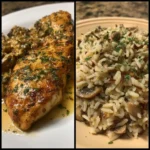
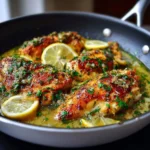
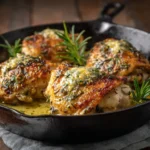
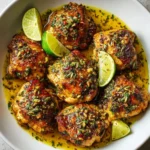
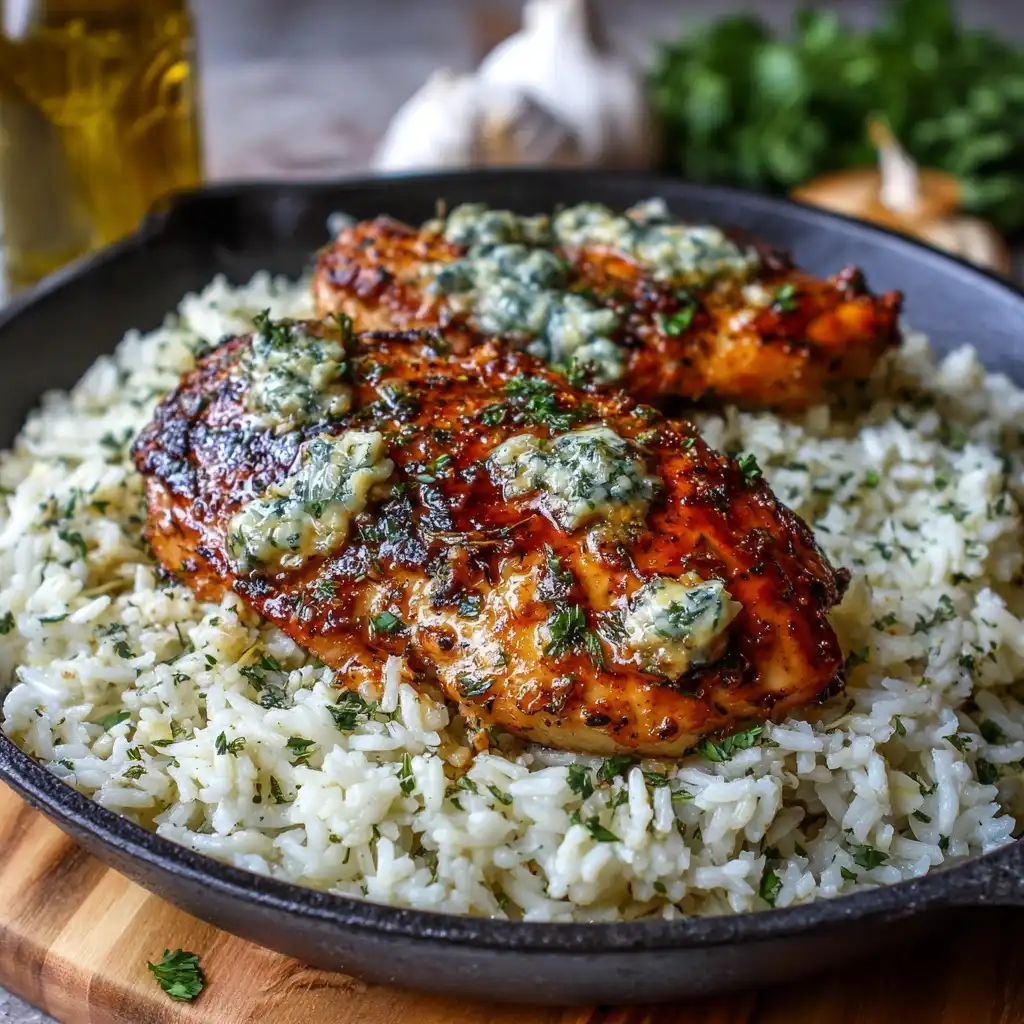
Garlic Butter Chicken with Garlic Herb Rice is a restaurant-worthy, weeknight-elevating dish that marries succulent, pan-seared chicken breast or thigh with a luxuriously aromatic garlic-butter sauce—and serves it over fragrant, herb-flecked rice that soaks up every golden drop. This recipe delivers bold, comforting flavors without excessive complexity: rich umami from browned butter and seared chicken, pungent sweetness from slow-cooked garlic, earthy brightness from fresh herbs, and a subtle nuttiness from perfectly toasted rice grains. Whether you’re cooking for a cozy family dinner, impressing guests, or meal prepping for flavorful lunches all week, this one-pan (plus rice pot) masterpiece satisfies cravings for both indulgence and nourishment—striking that rare balance between decadent and approachable.
The History
While no single “inventor” claims Garlic Butter Chicken, its roots trace across culinary traditions where garlic, butter, and poultry converge as timeless flavor trios. In French cuisine, poulet à la crème and chicken en papillote often feature butter-infused herb sauces, while Provençal preparations like poulet à l’ail celebrate slow-simmered garlic and poultry. Italian pollo al burro e aglio highlights quick-seared chicken in garlic-butter emulsions, and American bistro menus since the mid-20th century have elevated simple pan sauces into signature dishes—often built on the “fond” (caramelized bits) left by searing chicken in butter. Garlic Herb Rice draws inspiration from Middle Eastern mujaddara-adjacent aromatics, Persian tahdig-inspired toasting techniques, and classic American herb rice sides enriched with butter and parsley. The modern fusion—uniting these globally resonant elements into a cohesive, weeknight-friendly plate—emerged prominently in food blogs and cooking shows of the 2010s, fueled by home cooks seeking restaurant-quality depth without fussy techniques. Today, it stands as a beloved staple in digital recipe archives, meal kit services, and home kitchens worldwide—a testament to how foundational ingredients, when treated with intention, transcend borders and eras.
Ingredients Breakdown
For the Garlic Butter Chicken:
• Chicken: Boneless, skinless chicken breasts (for lean tenderness) or thighs (for richer flavor and forgiving texture). Breasts are pounded to ½-inch thickness for even cooking; thighs benefit from slightly longer sear time to render fat and develop deep caramelization.
• Butter: Unsalted, high-fat European-style butter preferred for superior browning and nutty depth. Clarified butter may be used for higher smoke point if pan-frying at very high heat—but traditional butter contributes essential milk solids for fond and sauce body.
• Garlic: Fresh, minced (not pre-minced in jars) is non-negotiable. Raw garlic burns easily; gentle sautéing in butter mellows its sharpness into sweet, roasted complexity. Quantity is generous—10–12 cloves—to build layered garlic intensity without bitterness.
• Aromatics & Acid: Shallots add delicate onion-sweetness; dry white wine (e.g., Sauvignon Blanc or Pinot Grigio) provides bright acidity and deglazing power; lemon juice added at the end lifts richness and balances fat.
• Herbs: Fresh flat-leaf parsley (stems removed, finely chopped) for grassy freshness; optional fresh thyme leaves (stripped from stems) for woodsy nuance; chives or tarragon can be substituted based on preference.
• Seasonings: Kosher salt (for controlled seasoning), freshly ground black pepper, and a pinch of red pepper flakes for subtle warmth—not heat.
For the Garlic Herb Rice:
• Rice: Long-grain white rice (like Jasmine or Basmati) for fluffy, separate grains; brown rice or wild rice blends may be used with adjusted liquid and cook time.
• Garlic Infusion: Minced garlic bloomed gently in olive oil or butter before adding rice—this infuses every grain from within, not just topically.
• Herb Integration: Fresh parsley, dill, and/or chives stirred in *after* cooking to preserve volatile oils and vibrant color; dried herbs (oregano, thyme) added during toasting for deeper background notes.
• Liquid Base: Low-sodium chicken or vegetable broth instead of water for savory depth; optional splash of white wine or vermouth in the cooking liquid for complexity.
• Enrichment: A final swirl of garlic-infused butter or ghee, plus grated Parmesan or lemon zest, for luxurious mouthfeel and aroma.
Step-by-Step Recipe
- Prep the Chicken: Pat chicken pieces *very* dry with paper towels. Season generously on both sides with salt and pepper. If using breasts, place between two sheets of parchment and gently pound to uniform ½-inch thickness using a meat mallet or heavy skillet.
- Toast the Rice (for Garlic Herb Rice): In a medium saucepan, heat 2 tbsp olive oil or unsalted butter over medium heat. Add 3 minced garlic cloves and ¼ cup finely diced shallot; sauté 2–3 minutes until fragrant and softened—but not browned. Stir in 1 cup rinsed long-grain rice and toast 3–4 minutes, stirring constantly, until grains turn translucent at edges and emit a nutty aroma.
- Cook the Rice: Pour in 2 cups warm low-sodium chicken broth (or broth + ¼ cup dry white wine). Add 1 tsp kosher salt, ½ tsp black pepper, and 1 bay leaf. Bring to a gentle boil, then reduce heat to the lowest setting, cover tightly with a lid wrapped in a clean kitchen towel (to trap steam), and simmer 15–18 minutes (Jasmine) or 18–20 minutes (Basmati) until liquid is absorbed and rice is tender. Remove from heat; let steam, covered, for 10 minutes. Discard bay leaf. Fluff with fork, then fold in 3 tbsp garlic-infused butter, ¼ cup chopped fresh parsley, 2 tbsp chopped chives, 1 tbsp lemon zest, and optional 2 tbsp grated Parmesan.
- Sear the Chicken: Heat a large stainless steel or cast-iron skillet over medium-high heat. Add 1 tbsp neutral oil (avocado or grapeseed). Once shimmering, place chicken in skillet without crowding. Sear undisturbed 5–6 minutes until deeply golden and release easily from pan. Flip and cook 4–5 more minutes until internal temperature reaches 165°F (74°C) at thickest part. Transfer to a plate; tent loosely with foil to rest.
- Build the Garlic Butter Sauce: Reduce heat to medium-low. In same skillet, melt 4 tbsp unsalted butter. Add 10–12 minced garlic cloves and 2 tbsp finely minced shallot; cook 2–3 minutes, stirring frequently, until garlic is soft, fragrant, and just beginning to turn pale gold—do *not* let brown or burn. Add ¼ cup dry white wine, scraping vigorously with a wooden spoon to lift all browned bits (fond) from the pan bottom. Simmer 1–2 minutes until reduced by half.
- Finish & Emulsify: Return chicken (and any accumulated juices) to skillet. Spoon sauce over chicken; simmer gently 1–2 minutes to reheat. Off heat, stir in 1 tbsp fresh lemon juice, 2 tbsp chopped fresh parsley, and optional ½ tsp red pepper flakes. Swirl in an additional 1 tbsp cold butter to enrich and emulsify the sauce into a velvety, glossy finish.
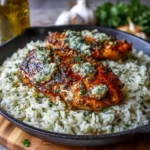
- Plate & Serve: Spoon a generous portion of Garlic Herb Rice onto each plate. Top with chicken, then ladle abundant garlic butter sauce over both. Garnish with extra parsley, lemon wedges, and a light sprinkle of flaky sea salt.
Tips
- Dry Chicken = Better Sear: Moisture is the enemy of browning. Always pat chicken bone-dry—even after brining or marinating.
- Control Garlic Heat: Garlic burns fast. Keep heat at medium-low when blooming in butter, and stir constantly. If it smells acrid or turns dark, start over—the bitterness won’t cook out.
- Use a Thermometer: Visual cues mislead. An instant-read thermometer ensures chicken hits 165°F *without* overcooking—especially vital for lean breasts.
- Rest Before Slicing: Let chicken rest 5 minutes before serving. This retains juices and improves texture dramatically.
- Rinse Rice Thoroughly: For fluffy, non-gummy rice, rinse under cold water until water runs clear—removing excess surface starch.
- Toast Rice First: This step is transformative—it adds nuttiness, prevents clumping, and helps grains absorb liquid evenly.
- Steam-Rest the Rice: That 10-minute covered rest after cooking allows residual steam to redistribute moisture and firm up grains—never skip it.
- Acid Last, Always: Lemon juice or vinegar added at the end preserves brightness. Adding it early dulls flavor and can curdle dairy-based sauces.
- Butter Finishing Touch: Cold butter whisked in off-heat creates a lush, stable emulsion—don’t rush this final enrichment.
- Make-Ahead Friendly: Cook rice up to 2 days ahead (store refrigerated); reheat with a splash of broth. Chicken and sauce are best made fresh—but components (garlic butter, herb mix) can be prepped 1 day ahead.
Variations and Customizations
Protein Swaps
- Chicken Thighs: Use bone-in, skin-on for ultra-crispy skin and juicy meat—or boneless, skinless for quicker cook time. Adjust sear time (+2 min per side).
- Shrimp or Scallops: Sauté peeled, deveined shrimp (2–3 min per side) or dry-packed sea scallops (2 min per side) in same garlic butter sauce. Skip wine; use lemon juice and a splash of fish stock.
- Tofu or Tempeh: Extra-firm tofu, pressed and cubed, pan-fried until golden, then tossed in sauce. Add 1 tsp tamari or coconut aminos for umami depth.
Rice Alternatives
- Cauliflower “Rice”: Sauté riced cauliflower in garlic butter until tender-crisp (5–6 min), then fold in herbs and lemon zest. Lower-carb, higher-veggie option.
- Quinoa or Farro: Cook according to package directions, then toss with same garlic-herb-butter mixture. Adds protein and chewy texture.
- Coconut Milk Rice: Replace half the broth with full-fat coconut milk for creamy, subtly tropical notes—pair with lime zest and cilantro instead of parsley.
Sauce & Flavor Twists
- Lemon-Caper: Add 2 tbsp drained capers and extra lemon zest to finished sauce for briny, citrusy pop.
- Mustard-Dijon: Whisk in 1 tsp Dijon mustard with lemon juice for tangy complexity and improved emulsion stability.
- Roasted Garlic: Substitute 6 cloves roasted garlic (soft, sweet, caramelized) for half the raw garlic for deeper, mellow intensity.
- Smoky Paprika: Stir in ½ tsp smoked paprika with the garlic for subtle barbecue-like warmth.
- Herb-Forward: Use tarragon + chervil + parsley blend, or mint + dill for Mediterranean freshness.
Dietary Adaptations
- Gluten-Free: Naturally GF—just verify broth and wine are certified gluten-free.
- Dairy-Free: Use high-quality vegan butter (e.g., Miyoko’s or Country Crock Plant Butter) and full-fat coconut milk in rice. Nutritional yeast adds cheesy depth.
- Low-Sodium: Use no-salt-added broth, omit added salt, and rely on lemon, herbs, garlic, and pepper for flavor. Rinse canned ingredients thoroughly.
- Keto/Low-Carb: Serve chicken and sauce over cauliflower rice or zucchini noodles (“zoodles”) sautéed in garlic butter.
- Paleo: Substitute ghee for butter; use coconut aminos instead of soy-based condiments; skip grains entirely—serve over roasted sweet potatoes or spaghetti squash.
Health Considerations and Nutritional Value
Garlic Butter Chicken with Garlic Herb Rice offers a balanced profile of high-quality protein, complex carbohydrates, heart-healthy fats, and phytonutrient-rich aromatics—when prepared mindfully. A standard serving (1 breast + ¾ cup rice + sauce) contains approximately 520–580 calories, 38–42g protein, 42–48g total carbs (with 2g fiber), and 24–28g total fat (14–16g saturated, primarily from butter). While butter contributes saturated fat, emerging research emphasizes context: moderate intake within a whole-foods diet—including garlic’s allicin (linked to cardiovascular support), parsley’s vitamin K and antioxidants, lemon’s vitamin C and flavonoids, and selenium from chicken—enhances overall nutrient density. To optimize health impact, consider these evidence-informed strategies:
- Portion Mindfully: Prioritize protein and vegetables—limit rice to ½ cup if managing blood sugar or weight; increase non-starchy veg (sautéed spinach, roasted asparagus, cherry tomatoes) alongside.
- Butter Balance: Replace up to half the butter with heart-healthy olive oil or avocado oil in both rice and sauce. Ghee offers lactose-free richness with similar smoke point.
- Sodium Savvy: Using low-sodium broth and omitting added salt cuts sodium by ~300–400mg per serving—critical for hypertension management.
- Glycemic Awareness: Jasmine and Basmati rice have moderate glycemic index (GI 50–58); cooling cooked rice overnight increases resistant starch (a prebiotic fiber), lowering effective GI by up to 35%.
- Garlic Bioavailability: Crushing or chopping raw garlic and letting it sit 10 minutes before cooking maximizes allicin formation—the compound responsible for antimicrobial and anti-inflammatory effects.
- Herb Power: Fresh herbs provide polyphenols linked to reduced oxidative stress. Parsley alone delivers >100% DV of vitamin K per ¼ cup—essential for bone and vascular health.
Contraindications are minimal but worth noting: individuals on anticoagulant therapy (e.g., warfarin) should maintain consistent vitamin K intake—so enjoy parsley regularly, not sporadically. Those with GERD or IBS may find high-fat, high-garlic meals trigger symptoms; reducing garlic to 4–6 cloves and using gentle sautéing (not frying) can improve tolerance. As always, consult a registered dietitian for personalized nutrition guidance aligned with health goals or medical conditions.
Ingredients
For the Garlic Butter Chicken
- 2 (6–8 oz) boneless, skinless chicken breasts (or 4 chicken thighs)
- 1½ tsp kosher salt, divided
- 1 tsp freshly ground black pepper, divided
- 1 tbsp neutral high-heat oil (avocado, grapeseed, or refined coconut)
- 4 tbsp unsalted butter, divided
- 10–12 garlic cloves, finely minced (about 3 tbsp)
- ¼ cup finely minced shallot
- ¼ cup dry white wine (Sauvignon Blanc or Pinot Grigio)
- 1 tbsp fresh lemon juice
- 2 tbsp finely chopped fresh flat-leaf parsley
- ½ tsp red pepper flakes (optional)
- Flaky sea salt, for finishing
For the Garlic Herb Rice
- 1 cup long-grain white rice (Jasmine or Basmati), rinsed until water runs clear
- 2 tbsp olive oil or unsalted butter
- 3 garlic cloves, finely minced
- ¼ cup finely diced shallot
- 2 cups warm low-sodium chicken broth (or vegetable broth)
- ¼ cup dry white wine (optional, for depth)
- 1 tsp kosher salt
- ½ tsp black pepper
- 1 bay leaf
- 3 tbsp garlic-infused butter (see note) or unsalted butter
- ¼ cup finely chopped fresh parsley
- 2 tbsp finely chopped chives
- 1 tbsp lemon zest
- 2 tbsp grated Parmesan cheese (optional, for umami)
Notes:
- Garlic-Infused Butter: Melt 4 tbsp butter with 3 minced garlic cloves over low heat for 5 minutes. Cool completely. Strain if desired, or use whole. Store up to 1 week refrigerated.
- Wine Substitution: Replace with equal amount apple cider vinegar + 1 tsp honey, or additional broth + ½ tsp white wine vinegar.
- Vegetarian Version: Use extra-firm tofu or seitan; swap chicken broth for mushroom or vegetable broth; increase herbs and lemon zest for savoriness.
Directions
- Prep Chicken: Place chicken between two sheets of parchment paper. Using a meat mallet or heavy skillet, gently pound to even ½-inch thickness. Season both sides with 1 tsp salt and ½ tsp pepper.
- Toast Rice: In a medium saucepan, heat olive oil or butter over medium heat. Add minced garlic and shallot; sauté 2 minutes until fragrant. Stir in rinsed rice; toast 3–4 minutes, stirring constantly, until grains become translucent and aromatic.
- Cook Rice: Add warm broth, wine (if using), 1 tsp salt, ½ tsp pepper, and bay leaf. Bring to a gentle boil. Reduce heat to lowest setting, cover tightly (use lid + towel trick), and simmer 15–20 minutes until liquid is absorbed and rice is tender. Remove from heat; let steam, covered, 10 minutes. Discard bay leaf. Fluff with fork.
- Finish Rice: While rice steams, melt 3 tbsp garlic-infused butter in small saucepan. Fold warm rice with melted butter, parsley, chives, lemon zest, and Parmesan (if using). Cover and keep warm.
- Sear Chicken: Heat oil in large skillet over medium-high heat until shimmering. Add chicken without crowding; sear 5–6 minutes until deeply golden and releases easily. Flip; cook 4–5 minutes more until internal temp reaches 165°F. Transfer to plate; tent with foil.
- Make Sauce: Reduce heat to medium-low. Melt remaining 4 tbsp butter in same skillet. Add 10–12 garlic cloves and ¼ cup shallot; cook 2–3 minutes until soft and fragrant. Add wine; scrape up browned bits. Simmer 1–2 minutes until reduced by half.
- Combine & Finish: Return chicken and juices to skillet. Spoon sauce over. Simmer gently 1–2 minutes. Off heat, stir in lemon juice, parsley, and red pepper flakes. Swirl in 1 tbsp cold butter until glossy.
- Serve: Spoon Garlic Herb Rice onto plates. Top with chicken, then generously ladle sauce over both. Garnish with extra parsley, lemon wedges, and flaky sea salt.
FAQ
- Can I make this ahead of time?
- Yes! Cook rice up to 2 days ahead—store refrigerated in airtight container. Reheat gently with 1–2 tbsp broth. Chicken and sauce are best made fresh, but you can prep components: mince garlic/shallots, chop herbs, measure wine and lemon juice, and even make garlic-infused butter 1 day ahead.
- Why does my garlic taste bitter?
- Burning garlic causes bitterness. Always cook minced garlic over medium-low heat in butter or oil—stir constantly—and remove from heat the moment it becomes fragrant and pale gold (not brown). If it sizzles violently or smells sharp, lower heat immediately.
- Can I use frozen chicken?
- Thaw chicken fully in the refrigerator overnight for best texture and even cooking. Never cook frozen chicken breasts directly—they’ll steam rather than sear and become tough.
- What’s the best rice for this dish?
- Jasmine rice offers floral aroma and tender chew; Basmati gives longer, drier grains ideal for soaking sauce. Both work beautifully. Avoid short-grain or sticky rice (like sushi rice), which becomes gummy.
- My sauce broke or looks greasy—what went wrong?
- Overheating or adding cold butter too quickly can cause separation. Ensure sauce is off heat before swirling in cold butter. If broken, whisk vigorously while adding 1 tsp warm broth or lemon juice—it will often re-emulsify. Next time, cool sauce slightly before finishing.
- How do I store leftovers?
- Store chicken and sauce together in one airtight container; rice separately. Refrigerate up to 4 days. Reheat chicken/sauce gently in skillet over low heat with splash of broth. Reheat rice with steam or microwave + 1 tsp water.
- Can I freeze this dish?
- Yes—but best to freeze chicken + sauce only. Rice freezes poorly (becomes mushy). Freeze in portioned containers up to 3 months. Thaw overnight in fridge; reheat slowly in skillet. Cook fresh rice to serve.
- Is there a way to make it spicier?
- Absolutely! Add ¼–½ tsp cayenne with the red pepper flakes, stir in 1 minced jalapeño (seeds removed) with the shallots, or finish with pickled jalapeño slices and their brine.
- What wine pairs well with this dish?
- A crisp, high-acid white complements the richness: try Albariño, Vermentino, or unoaked Chardonnay. For red lovers, a light-bodied Pinot Noir with bright red fruit and low tannins works beautifully.
- Can I cook this entirely in one pot?
- Yes—with careful timing. After toasting rice, cook it first (step 2–3), then remove and cover. Wipe skillet, sear chicken, make sauce, and return rice to skillet for final 1–2 minute warm-through with sauce. Ideal for minimal cleanup.
Summary
Garlic Butter Chicken with Garlic Herb Rice is a masterclass in layered, accessible luxury—featuring tender, golden chicken enveloped in a velvety, aromatic sauce infused with slow-cooked garlic, white wine, lemon, and fresh herbs, all served atop fragrant, buttery rice toasted with garlic and finished with vibrant parsley, chives, and citrus zest.
With customizable proteins, grain alternatives, dietary adaptations, and chef-tested tips for perfect searing, emulsified sauces, and fluffy rice, this dish transforms humble pantry staples into a consistently impressive, nourishing, and deeply satisfying meal for any occasion—from hurried weeknights to celebratory dinners.