Introduction
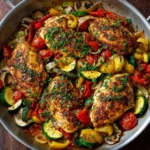
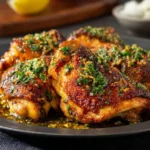
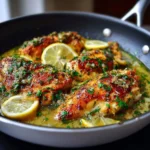
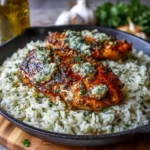
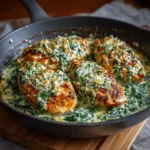
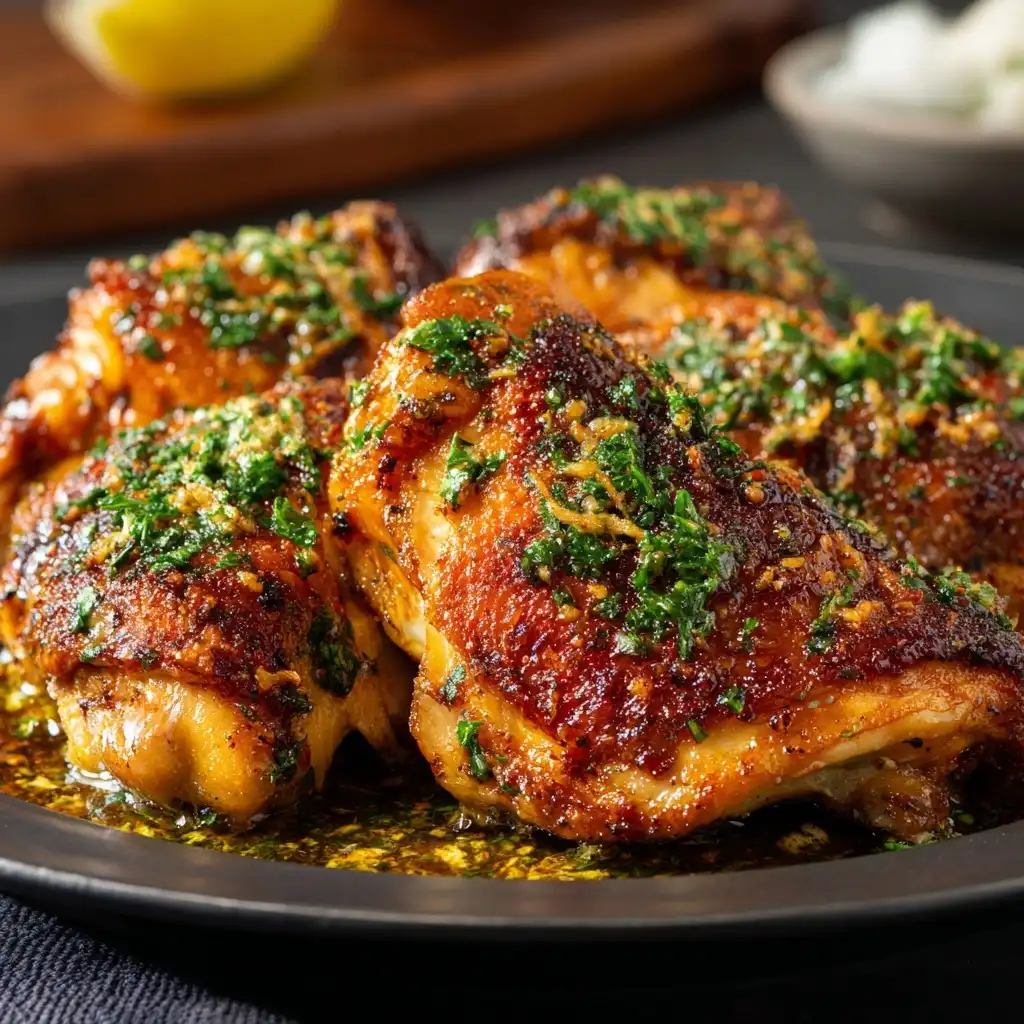
Garlic Butter Chicken with Crispy Skin is a showstopping, restaurant-worthy dish that delivers deep savory richness, aromatic garlic fragrance, luxurious buttery notes, and—most notably—an irresistibly golden, shatteringly crisp chicken skin that crackles with every bite. Far more than just a simple weeknight dinner, this recipe represents the perfect marriage of technique and flavor: it celebrates the transformative power of proper seasoning, controlled heat, and patient rendering—turning humble bone-in, skin-on chicken thighs or breasts into something truly extraordinary. Whether served over creamy mashed potatoes, tossed with fresh pasta, spooned over crusty artisan bread, or paired with vibrant seasonal vegetables, Garlic Butter Chicken with Crispy Skin consistently earns rave reviews, satisfies even the most discerning palates, and transforms ordinary meals into memorable culinary experiences.
The History
While no single documented origin point exists for “Garlic Butter Chicken,” its roots are deeply interwoven with centuries-old culinary traditions across Europe, the Mediterranean, and North Africa—regions where garlic, butter (or clarified butter/ghee), and roasted or pan-seared poultry have long been cherished staples. In French cuisine, poulet à l’ail (chicken with garlic) appears in regional cookbooks dating back to the 19th century, often prepared with butter, herbs, and slow-cooked methods. Similarly, Italian pollo al burro e aglio emphasizes simplicity and high-quality ingredients, relying on browning chicken skin to develop Maillard complexity before finishing with garlic-infused butter. The modern obsession with *ultra-crispy skin*, however, owes much to 20th- and 21st-century food science advocacy—chefs like Thomas Keller (in The French Laundry Cookbook) and J. Kenji López-Alt (in The Food Lab) rigorously demystified the physics of skin dehydration and fat rendering, proving that techniques like air-drying, salting in advance, and precise temperature control are not chef-only secrets—but accessible, replicable practices for home cooks. Garlic Butter Chicken with Crispy Skin, as we know it today, is thus a delicious convergence: ancient flavor wisdom meets contemporary culinary science, refined through decades of global kitchen experimentation and social media–driven technique sharing.
Ingredients Breakdown
Every ingredient in this recipe serves a distinct, non-negotiable purpose—no filler, no afterthoughts. Here’s why each one matters:
- Bone-in, skin-on chicken thighs (or breasts): Thighs are strongly recommended for their higher fat content, which renders slowly and consistently, yielding unparalleled juiciness and supporting superior skin crispness. Breasts can be used but require extra care to avoid dryness; brining or pounding to even thickness is advised. Bone-in ensures deeper flavor development and moisture retention during cooking.
- Kosher salt (Diamond Crystal preferred): Not just for seasoning—it’s essential for osmosis-driven moisture redistribution, protein denaturation (which firms the meat), and surface drying (critical for blistering skin). Salt applied 1–24 hours ahead draws out surface water, then reabsorbs seasoned moisture, resulting in both better flavor penetration and drier skin.
- Freshly ground black pepper: Adds aromatic warmth and subtle heat; pre-ground pepper loses volatile oils rapidly and lacks nuance.
- Unsalted butter: Provides rich mouthfeel, carries fat-soluble flavors (like garlic compounds), and contributes to browning via milk solids. Unsalted allows full control over sodium levels.
- Fresh garlic cloves (not jarred or powdered): Contains alliinase enzymes that, when crushed or minced, convert alliin into allicin—the pungent, antioxidant-rich compound responsible for garlic’s signature aroma and health benefits. Heat tames its sharpness into sweet, nutty depth—but timing matters: add too early and it burns; too late and it lacks infusion.
- Fresh thyme and/or rosemary: Earthy, resinous herbs complement poultry beautifully. Stems are preferred over leaves alone—they release oils gradually during sizzling butter and can be removed before serving for clean texture.
- Dry white wine (e.g., Sauvignon Blanc or Pinot Grigio) or low-sodium chicken broth: Deglazes the flavorful browned bits (fond) stuck to the pan, transforming them into a silky, umami-rich sauce base. Wine adds brightness and acidity; broth offers deeper savoriness. Never use cooking wine—it contains added salt and preservatives that dull flavor.
- Lemon juice (freshly squeezed): Added at the very end to balance the butter’s richness and lift the entire dish with bright acidity—chemically cutting through fat and enhancing perception of other flavors.
- Optional but highly recommended: A pinch of red pepper flakes and a splash of heavy cream: Red pepper adds gentle warmth without overwhelming; cream enriches the sauce’s body and velvety texture, helping emulsify the butter into a cohesive, glossy finish.
Step-by-Step Recipe
- Air-Dry & Salt (Minimum 1 hour, ideally overnight): Pat chicken pieces *extremely* dry with paper towels—every last drop matters. Place on a wire rack set over a baking sheet, uncovered, in the refrigerator. Generously season all sides with kosher salt (½ tsp per pound) and freshly ground black pepper. Refrigerate uncovered for at least 60 minutes—or up to 24 hours—for maximum skin dehydration and flavor integration.
- Preheat & Prep: At least 20 minutes before cooking, remove chicken from fridge to temper slightly (prevents thermal shock and uneven cooking). Preheat oven to 400°F (200°C) if finishing in oven, or keep stovetop ready. Mince 4–6 garlic cloves and strip 3–4 sprigs of fresh thyme (keep stems intact).
- Sear Skin-Side Down (Low & Slow Then High Heat): Heat a heavy-bottomed, oven-safe skillet (cast iron or stainless steel preferred) over medium-low heat. Add 1 tsp neutral oil (avocado or grapeseed). Once shimmering, place chicken skin-side down—do NOT move or press. Cook undisturbed for 8–10 minutes until skin is deep golden, lacy, and releases easily. *Crucially:* If skin sticks, it’s not ready—wait. Increase heat to medium-high for final 1–2 minutes to maximize crispness and deep browning. Flip chicken, sear meat-side for 1 minute only—just to set color. Transfer chicken to a plate, skin-side up.
- Render Excess Fat & Build Flavor Base: Pour off all but 1 tbsp of rendered chicken fat (save it for roasting potatoes!). Reduce heat to medium-low. Add minced garlic and herb stems. Sauté gently for 30–45 seconds—just until fragrant—taking care not to brown or burn garlic. Immediately pour in ¼ cup white wine or broth, scraping vigorously with a wooden spoon to lift all caramelized fond from the pan bottom.
- Finish Cooking & Make Sauce: Return chicken to pan, skin-side up. Transfer skillet to preheated oven and roast for 12–18 minutes (depending on size), until internal temperature reaches 165°F (74°C) at the thickest part, *without touching bone*. Remove chicken to a warm platter, tent loosely with foil. Place skillet back on stove over medium heat. Whisk in cold cubed butter, 1 tbsp at a time, allowing each addition to melt and emulsify before adding the next. Stir in lemon juice, red pepper flakes (if using), and optional heavy cream. Simmer 1–2 minutes until sauce thickens slightly and coats the back of a spoon.
- Rest & Serve: Let chicken rest 5–8 minutes—this allows juices to redistribute, ensuring moist meat beneath that perfect skin. Spoon generous amounts of glossy garlic butter sauce over each piece. Garnish with flaky sea salt, extra lemon zest, and fresh thyme leaves.
Tips
- Skin Dryness Is Non-Negotiable: Even 15 extra minutes of air-drying makes a measurable difference. For foolproof crispness, pat skin with a clean kitchen towel *immediately* before searing—even after refrigeration.
- Don’t Crowd the Pan: Overcrowding drops pan temperature, steams instead of sears, and produces soggy skin. Cook in batches if needed—and wipe the pan between batches.
- Resist the Urge to Move It: That initial 8+ minute sear requires absolute stillness. Lifting too soon tears delicate skin and prevents proper adhesion to the pan surface, which is necessary for even crisping.
- Use a Thermometer—Always: Visual cues for doneness are unreliable. A reliable instant-read thermometer eliminates guesswork and prevents overcooking.
- Butter Must Be Cold: Adding room-temperature or melted butter breaks the emulsion. Cube unsalted butter and chill it for 10 minutes before whisking into the hot sauce.
- Acid Last, Always: Lemon juice added too early will curdle the butter sauce. Stir it in only after removing from heat—or at the very end of stovetop reduction.
- Save the Rendered Fat: Strain and store in the fridge for up to 1 month. Use it to sauté vegetables, fry eggs, or roast root vegetables—it adds incomparable poultry depth.
- Cast Iron Is King: Its superior heat retention maintains consistent temperature during the critical sear phase—unlike thin aluminum or nonstick pans that fluctuate wildly.
- For Extra Crispness: Broil Briefly: If skin isn’t quite shatter-crisp after roasting, place chicken under a preheated broiler for 60–90 seconds—watch constantly to prevent burning.
- Double-Dip for Maximum Texture: After initial sear and before roasting, lightly brush skin with a mixture of 1 tsp Dijon mustard + 1 tsp honey—this creates an ultra-glossy, lacquered finish with complex sweet-umami notes.
Variations and Customizations
This recipe is a masterful canvas—adaptable across cuisines, dietary preferences, and seasonal availability:
- Mediterranean Style: Substitute lemon zest, oregano, and Kalamata olives for thyme; finish with crumbled feta and chopped parsley.
- Herbes de Provence Infusion: Replace thyme/rosemary with 1 tsp dried Herbes de Provence; add 1 tbsp tomato paste when sautéing garlic for deeper umami.
- Asian-Inspired Umami Boost: Use toasted sesame oil instead of neutral oil; swap butter for ghee; add 1 tsp grated ginger and 1 tbsp tamari or coconut aminos with the wine; garnish with scallions and sesame seeds.
- Spicy Harissa Version: Rub chicken with 1 tbsp harissa paste before salting; stir 1 tsp harissa into the finished sauce along with lemon juice.
- Dairy-Free/Keto-Friendly: Replace butter with ghee or high-quality avocado oil; use full-fat coconut milk instead of cream; ensure wine is sugar-free.
- Herb-Crusted Crispy Skin: After searing, press a mixture of finely chopped parsley, chives, tarragon, lemon zest, and panko (or almond flour for gluten-free) onto the hot skin before roasting.
- One-Pan Roasted Vegetable Edition: Scatter halved baby potatoes, carrots, and shallots around chicken in skillet before roasting—toss vegetables in rendered fat and herb-infused butter halfway through.
- Grilled Crispy Skin Variation: Sear skin-side down on a ripping-hot grill griddle or cast-iron grill pan; finish over indirect heat with lid closed, basting occasionally with garlic butter.
- Citrus-Forward Brightness: Add strips of orange or grapefruit zest with garlic; replace lemon juice with yuzu or blood orange juice at the end.
- Smoky Depth (Indoor/Outdoor): Add ½ tsp smoked paprika to dry rub; finish with a whisper of liquid smoke in the sauce—or smoke over cherrywood chips for 20 minutes before searing.
Health Considerations and Nutritional Value
Garlic Butter Chicken with Crispy Skin can absolutely be part of a balanced, nutrient-dense diet—when prepared mindfully and portioned intentionally. A typical 6-ounce serving (bone-in, skin-on thigh, cooked with 2 tbsp butter and 1 tbsp olive oil) provides approximately:
- Calories: ~480–520 kcal
- Protein: 38–42g (excellent source of complete, bioavailable amino acids)
- Fat: 32–36g (predominantly monounsaturated and saturated; ~12g saturated—within daily guidelines when balanced with plant fats)
- Carbohydrates: <1g (naturally carb-free; zero added sugars)
- Vitamin B6 & B12: >50% DV—critical for energy metabolism, nerve function, and red blood cell formation
- Selenium: ~45–55 mcg (~80% DV)—a potent antioxidant supporting thyroid health and DNA repair
- Zinc: ~3–4 mg (~35% DV)—essential for immune resilience and wound healing
- Allicin (from raw garlic): Though partially degraded by heat, significant organosulfur compounds remain—linked in research to reduced inflammation, improved endothelial function, and modest blood pressure support
Smart Modifications for Specific Goals:
- Lower Saturated Fat: Use skinless thighs (but expect less crispness); substitute half the butter with unsweetened applesauce or Greek yogurt in sauce (for moisture, not crispness); increase herbs/spices for flavor without fat.
- Higher Fiber Integration: Serve atop a bed of massaged kale or shredded Brussels sprouts sautéed in garlic butter; pair with roasted cauliflower “rice” or lentil pilaf.
- Sodium-Conscious: Omit added salt during prep and rely on herb, citrus, and spice layers; choose low-sodium broth; rinse brined chicken thoroughly.
- Heart-Healthy Focus: Emphasize garlic, lemon, and rosemary—all clinically studied for cardiovascular benefits; prioritize pasture-raised or air-chilled chicken for improved omega-3 profile.
- Food Sensitivity Friendly: Naturally gluten-free, dairy-free options available (see Variations); compliant with Whole30, keto, and paleo when using ghee/coconut oil and omitting wine (sub with broth).
Importantly, the crispy skin itself is not “unhealthy”—it’s concentrated collagen, which breaks down into beneficial gelatin during cooking. Rather than fearing the skin, embrace it as nature’s original functional food—rich in glycine, proline, and hydroxyproline—amino acids vital for joint, gut, and skin integrity.
Ingredients
- 1½ lbs bone-in, skin-on chicken thighs (or 4 large bone-in, skin-on chicken breasts)
- 1½ tsp Diamond Crystal kosher salt (or 1 tsp Morton’s)
- 1 tsp freshly ground black pepper
- 1 tbsp neutral high-smoke-point oil (avocado, grapeseed, or refined coconut)
- 6 tbsp unsalted butter, chilled and cubed
- 4–6 garlic cloves, finely minced
- 3–4 sprigs fresh thyme (stems on)
- ¼ cup dry white wine (e.g., Sauvignon Blanc) or low-sodium chicken broth
- 1 tbsp fresh lemon juice (plus extra zest for garnish)
- ¼ tsp red pepper flakes (optional)
- 1 tbsp heavy cream (optional, for silkier sauce)
- Flaky sea salt (Maldon or fleur de sel), for finishing
- Extra fresh thyme leaves and lemon wedges, for garnish
Directions
- Air-Dry and Season: Place chicken on a wire rack set over a rimmed baking sheet. Pat skin *extremely* dry with paper towels. Sprinkle evenly with kosher salt and black pepper on all sides. Refrigerate uncovered for at least 1 hour—or up to 24 hours.
- Bring to Room Temperature: Remove chicken from refrigerator 20 minutes before cooking. Meanwhile, preheat oven to 400°F (200°C). Mince garlic and gather thyme sprigs.
- Sear Skin-Side Down: Heat a 12-inch oven-safe skillet (cast iron preferred) over medium-low heat. Add oil and heat until shimmering. Carefully place chicken skin-side down in the pan—do not overcrowd. Press gently with a spatula for first 10 seconds to ensure full contact, then leave undisturbed for 8–10 minutes, until skin is deep golden brown and releases easily. Increase heat to medium-high and cook 1–2 minutes more for ultimate crispness. Flip and sear meat-side for 1 minute. Transfer to a plate, skin-side up.
- Render Fat and Aromatics: Pour off all but 1 tablespoon of rendered chicken fat. Reduce heat to medium-low. Add garlic and thyme stems; sauté 30–45 seconds until fragrant but not browned. Pour in wine or broth, scraping pan vigorously to lift all browned bits.
- Roast: Return chicken to pan, skin-side up. Transfer to preheated oven. Roast 12–18 minutes, until thickest part registers 165°F (74°C) on an instant-read thermometer.
- Make the Sauce: Remove chicken to a warm platter; tent loosely with foil. Place skillet over medium heat. Whisk in cold butter, one tablespoon at a time, allowing full emulsification before adding next. Stir in lemon juice, red pepper flakes, and heavy cream (if using). Simmer 1–2 minutes until glossy and slightly thickened.
- Rest and Serve: Let chicken rest 5–8 minutes. Spoon sauce generously over each piece. Finish with flaky sea salt, lemon zest, and fresh thyme. Serve immediately.
FAQ
- Can I use skinless chicken?
- Yes—but you’ll lose the defining textural element and much of the flavor. Skinless chicken cooks faster and dries out more easily. If using, reduce total cook time by 3–4 minutes and consider brining first for moisture retention.
- Why does my skin always stick to the pan?
- Skin sticks when it’s not fully dry, the pan isn’t hot enough, or you try to flip too soon. Ensure thorough pat-drying, allow pan to reach shimmering temperature, and wait until skin releases *naturally*—usually 8+ minutes.
- Can I make this ahead of time?
- You can air-dry and season up to 24 hours ahead. Fully cooked chicken reheats best in a 350°F oven for 10–12 minutes—but skin will soften. For meal prep, cook, cool completely, then re-crisp skin under broiler for 90 seconds before saucing.
- What’s the best wine to use?
- Choose a dry, high-acid white you’d actually drink—Sauvignon Blanc, Pinot Grigio, or unoaked Chardonnay. Avoid “cooking wine”—its salt and preservatives ruin balance.
- My sauce broke—how do I fix it?
- A broken sauce means emulsion failed—usually due to overheating or adding butter too fast. Whisk in 1 tsp hot broth or lemon juice while vigorously whisking. Or blend with 1 tsp cold water in a blender until smooth.
- Can I use garlic powder instead of fresh?
- Not recommended. Powder lacks enzymatic allicin development, has inconsistent potency, and can taste dusty or bitter when heated. Fresh garlic is fundamental to the dish’s character.
- Is cast iron required?
- No—but it’s strongly recommended. Stainless steel works well; nonstick pans inhibit fond development and struggle to retain heat for proper searing. Avoid thin aluminum.
- How do I store leftovers?
- Cool completely, then store chicken and sauce separately in airtight containers in the refrigerator for up to 4 days. Reheat chicken in oven or air fryer (375°F for 8–10 min) to revive crispness; warm sauce gently on stovetop.
- Can I freeze this dish?
- Yes—freeze *unsauced* chicken portions for up to 3 months. Thaw overnight in fridge, then re-crisp in oven before finishing with fresh garlic butter sauce.
- Why do some recipes call for flour?
- Flour is sometimes used to coat chicken before searing to enhance browning—but it inhibits direct skin-to-pan contact and can create a pasty barrier. This recipe relies on pure technique, not flour, for optimal crispness.
Summary
Garlic Butter Chicken with Crispy Skin is a masterclass in foundational cooking technique—where patience, precision, and respect for ingredient integrity transform simple pantry staples into an unforgettable, deeply satisfying centerpiece meal. With its shatter-crisp skin, succulent meat, and luxuriously aromatic, herb-flecked sauce, it proves that exceptional flavor and texture need no shortcuts—just knowledge, care, and the confidence to let good food speak for itself.