Introduction
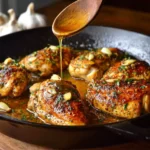
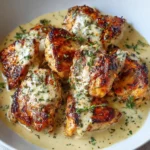
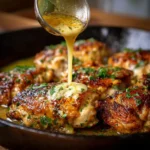
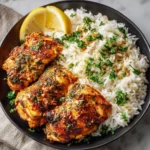
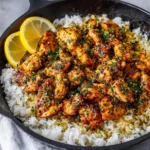
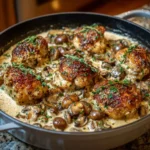
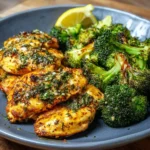
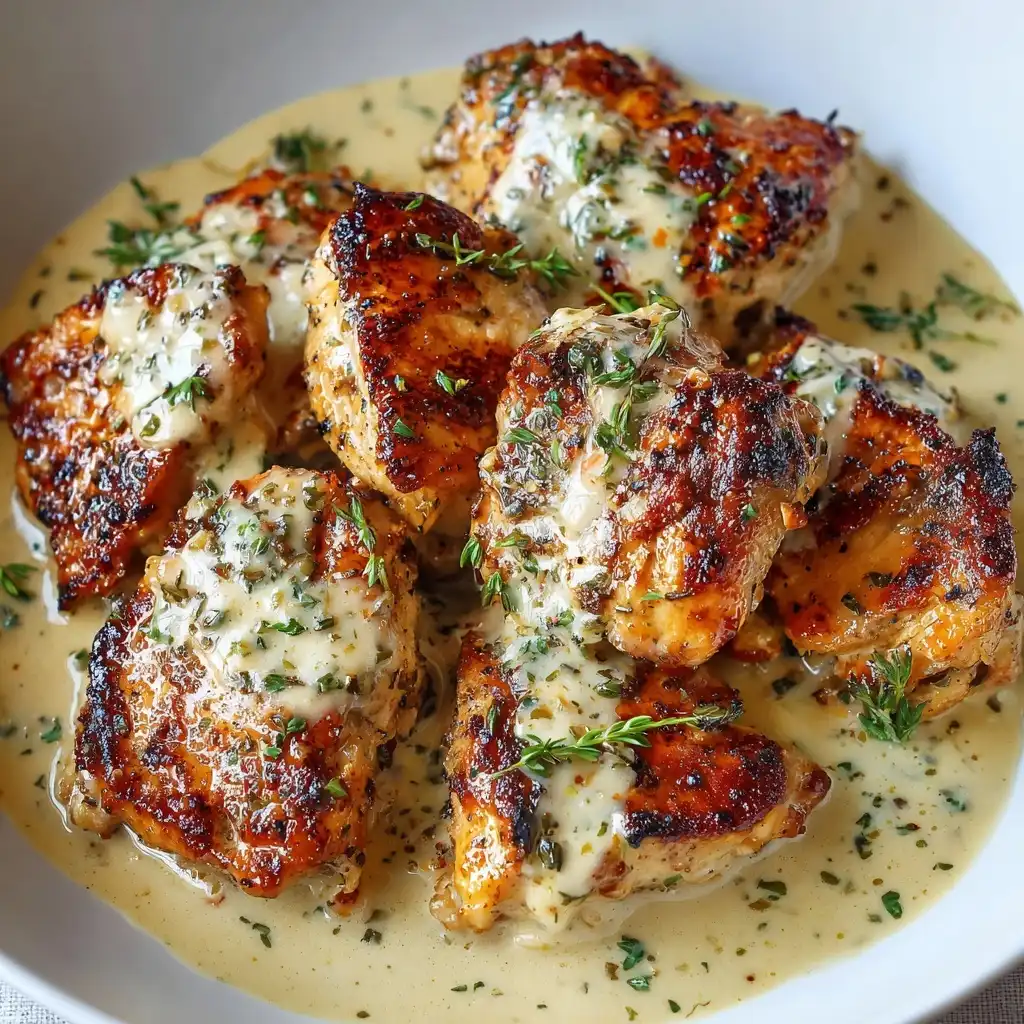
Garlic Butter Chicken with Creamy Garlic Sauce is a luxurious, restaurant-quality dish that delivers bold, aromatic flavor in every bite. Rich, velvety, and deeply savory—this recipe transforms simple pantry staples into an elegant weeknight dinner or impressive centerpiece for entertaining. The marriage of golden seared chicken breasts, fragrant garlic-infused butter, and a luxuriously smooth, herb-kissed cream sauce creates a harmony of textures and depth that satisfies even the most discerning palates. Whether you’re craving comfort food with sophistication or seeking a foolproof yet impressive main course, this dish delivers on taste, ease, and visual appeal—all while requiring minimal hands-on time and no special equipment.
The History
While no single origin story defines Garlic Butter Chicken, its roots trace across culinary traditions where garlic, butter, and poultry converge as timeless pairings. In French cuisine, poulet à la crème (chicken in cream) and beurre blanc-inspired reductions laid early groundwork for rich, emulsified sauces. Mediterranean cooking—especially from Provence and Greece—has long celebrated garlic’s pungent warmth with olive oil, lemon, and herbs, often applied to roasted or pan-seared chicken. The American home-cooking renaissance of the 1970s and ’80s popularized “garlic butter” as a flavor bomb: melted butter spiked with minced garlic, parsley, and lemon, slathered over steaks, shrimp, and chicken. As heavy cream became more widely available and accessible to home cooks, the natural evolution emerged—blending the rustic charm of garlic butter with the silken luxury of a creamy reduction. Today’s Garlic Butter Chicken with Creamy Garlic Sauce represents a global fusion: French technique (deglazing, reduction, emulsification), Italian sensibility (fresh herbs, balanced acidity), and modern American convenience—refined into a cohesive, crave-worthy classic that continues to evolve across blogs, cookbooks, and TikTok trends.
Ingredients Breakdown
Understanding each ingredient’s role ensures consistent success and empowers confident customization:
- Chicken Breasts (boneless, skinless): The protein foundation. Opt for uniform thickness (6–8 oz each) to ensure even cooking; pounding to ½-inch thickness prevents dryness and promotes quick, caramelized searing.
- Unsalted Butter: Adds richness, mouthfeel, and carries fat-soluble flavors. Unsalted allows precise sodium control. European-style (82–85% butterfat) yields superior browning and silkier sauce integration.
- Fresh Garlic: Non-negotiable. Pre-minced or jarred garlic lacks volatile aromatic compounds and can impart bitterness when cooked. Fresh cloves—finely minced or pressed—release allicin, which mellows into sweet, nutty depth during gentle sautéing.
- Heavy Cream (36–40% milk fat): Provides body, stability, and luxurious texture. Lower-fat alternatives (half-and-half, whole milk) risk curdling and yield thin, watery sauces. Ultra-pasteurized cream works but may require slightly longer reduction for optimal thickness.
- Dry White Wine (e.g., Sauvignon Blanc, Pinot Grigio): Adds brightness, acidity, and complexity. It deglazes the fond, lifts browned bits, and balances the sauce’s richness. Substitute with low-sodium chicken broth + 1 tsp lemon juice if avoiding alcohol—but note diminished depth.
- Chicken Broth (low-sodium, high-quality): Reinforces savory umami (via natural glutamates) without oversalting. Homemade stock adds gelatin for better sauce cling; boxed should be reduced by ¼ before adding to concentrate flavor.
- Fresh Parsley (flat-leaf): Adds herbal freshness and visual contrast. Stirred in at the end preserves volatile oils and vibrant green color—never cooked too long.
- Lemon Juice (freshly squeezed): A critical finishing touch. Its bright acidity cuts through fat, lifts all other flavors, and prevents the sauce from tasting cloying or flat.
- Seasonings (Kosher Salt, Black Pepper, Optional Red Pepper Flakes): Salt enhances every flavor molecule; freshly cracked black pepper adds aromatic heat; red pepper flakes offer subtle back-of-throat warmth—not overwhelming spice.
Step-by-Step Recipe
- Prep & Season: Pat chicken breasts *extremely* dry with paper towels—moisture is the enemy of browning. Pound gently between parchment to ½-inch uniform thickness. Season both sides generously with kosher salt and freshly ground black pepper.
- Sear the Chicken: Heat 1 tbsp butter + 1 tbsp neutral oil (e.g., avocado or grapeseed) in a large stainless steel or cast-iron skillet over medium-high heat until shimmering. Place chicken in hot pan without crowding. Sear undisturbed for 5–6 minutes until deeply golden and easily releases. Flip and cook 4–5 minutes more until internal temperature reaches 155°F (it will rise to 165°F while resting). Transfer to a clean plate, tent loosely with foil, and rest 5 minutes.
- Build the Aromatics: Reduce heat to medium-low. Add remaining 3 tbsp butter. Once foaming subsides, add minced garlic and a pinch of red pepper flakes. Sauté 60–90 seconds—just until fragrant and softening, *not browning*. Burnt garlic turns bitter.
- Deglaze & Reduce: Pour in white wine, scraping vigorously with a wooden spoon to lift all golden-brown fond from the pan bottom. Simmer 2–3 minutes until liquid reduces by half and smells intensely aromatic.
- Enrich with Broth & Cream: Whisk in warmed chicken broth (pre-warmed to prevent thermal shock and curdling), then heavy cream. Bring to a gentle simmer—not a boil—and reduce 5–7 minutes, stirring occasionally, until sauce thickens enough to coat the back of a spoon (nappe consistency).
- Finish & Emulsify: Remove from heat. Whisk in lemon juice and 2 tbsp fresh parsley. Return rested chicken (with any accumulated juices) to the pan. Spoon sauce over chicken and let sit 1–2 minutes to warm through and allow flavors to marry.
- Final Garnish & Serve: Transfer chicken to serving plates. Spoon generous amounts of sauce over top. Sprinkle with remaining parsley, a final crack of black pepper, and optional lemon zest for fragrance and visual pop.
Tips
- Dry Chicken is Key: Wet chicken steams instead of sears. Pat *thoroughly*, even re-drying after seasoning if needed.
- Control Garlic Heat: Garlic burns in under 30 seconds on medium-high. Keep heat at medium-low during sautéing and stir constantly.
- Warm Liquids Prevent Curdling: Cold cream or broth hitting hot butter causes separation. Warm broth/cream in a small saucepan or microwave (20 sec) before adding.
- Don’t Boil the Cream: Vigorous boiling breaks down cream’s emulsion. Maintain a bare simmer—bubbles should barely break the surface.
- Rest the Chicken: Resting redistributes juices. Skipping this step leads to dry, stringy meat when sliced.
- Taste & Adjust Before Serving: After adding lemon juice, taste: need more salt? More acid? A tiny pinch of sugar (⅛ tsp) can balance unexpected bitterness.
- Sauce Thickness Control: Too thin? Simmer 1–2 min longer. Too thick? Whisk in 1 tsp warm broth or cream. Never add cold liquid.
- Skillet Choice Matters: Stainless steel or cast iron provides best fond for deglazing. Nonstick won’t develop the same flavorful brown bits.
- Make-Ahead Friendly: Sauce base (without cream and lemon) can be made 2 days ahead; refrigerate, then gently rewarm and finish with cream/lemon before serving.
Variations and Customizations
- Creamy Garlic Shrimp Version: Replace chicken with 1 lb large shrimp (peeled, deveined). Sear 1–2 min per side until pink and curled; remove, then proceed with sauce. Return shrimp at the end—overcooking makes them rubbery.
- Herb-Infused: Add 1 tsp fresh thyme leaves or ½ tsp dried oregano with the garlic. Finish with chives or dill alongside parsley.
- Lemon-Garlic Zest Boost: Add 1 tsp finely grated lemon zest with the lemon juice for intensified citrus perfume.
- Roasted Garlic Depth: Swap 2 cloves raw garlic for 1 tbsp roasted garlic paste (mellow, sweet, caramelized)—add with butter for deeper umami.
- Vegetarian Option: Use thick-cut portobello caps or pan-seared tofu. Marinate in soy sauce, garlic, and sesame oil before cooking. Use vegetable broth and nutritional yeast (1 tsp) for savory depth.
- Dairy-Free / Vegan: Substitute butter with vegan butter (Miyoko’s or Forager), heavy cream with full-fat coconut milk (canned, stirred well), and use vegetable broth. Add ½ tsp Dijon mustard for emulsification and tang.
- Spicy Arrabbiata Style: Add 1 tbsp tomato paste with garlic; stir 1 minute before wine. Finish with ¼ tsp crushed Calabrian chiles.
- “Everything Bagel” Twist: Top finished dish with everything bagel seasoning—sesame, poppy, garlic, onion, salt—for crunch and layered allium flavor.
- Low-Carb/Keto: Already naturally low-carb! Serve over cauliflower rice, zucchini noodles, or simply enjoy as-is. Double the butter for added healthy fats.
- Meal-Prep Friendly: Cook chicken and sauce separately. Store up to 4 days refrigerated. Reheat sauce gently on stove with splash of broth; add chicken last 2 minutes.
Health Considerations and Nutritional Value
This dish balances indulgence with mindful nutrition. A standard serving (1 breast + ¾ cup sauce) contains approximately 480–520 calories, with 38–42g protein (supporting muscle maintenance and satiety), 32–36g total fat (predominantly unsaturated from butter and olive oil), and only 3–5g net carbs. Garlic contributes allicin—linked to cardiovascular support, anti-inflammatory effects, and immune modulation. Lemon juice provides vitamin C (enhancing iron absorption from chicken) and aids digestion. Heavy cream supplies fat-soluble vitamins A, D, E, and K2—critical for bone, brain, and hormonal health. While higher in saturated fat, recent research emphasizes context: when consumed as part of a whole-food, low-sugar diet, moderate saturated fat intake does not inherently increase heart disease risk. To enhance nutrition: serve with steamed broccoli (fiber, sulforaphane), roasted asparagus (folate, prebiotic inulin), or a spinach-and-pear salad (vitamin K, antioxidants). For sodium-conscious eaters, rely on low-sodium broth and omit added salt—seasoning with herbs, lemon, and garlic offers ample flavor without excess sodium. Those with lactose sensitivity may tolerate small amounts of butter and cream (naturally low-lactose), but dairy-free versions are readily adaptable.
Ingredients
- 2 (6–8 oz) boneless, skinless chicken breasts, pounded to ½-inch thickness
- 4 tbsp unsalted butter, divided (1 tbsp + 3 tbsp)
- 1 tbsp neutral high-heat oil (avocado, grapeseed, or light olive oil)
- 6 cloves garlic, finely minced (about 2 tbsp)
- ½ tsp red pepper flakes (optional, for gentle heat)
- ½ cup dry white wine (Sauvignon Blanc or Pinot Grigio)
- 1 cup low-sodium chicken broth, warmed
- ¾ cup heavy cream (36–40% fat)
- 2 tbsp fresh lemon juice (from ~1 large lemon)
- ¼ cup fresh flat-leaf parsley, finely chopped, divided
- Kosher salt and freshly ground black pepper, to taste
- Lemon zest (optional garnish)
Directions
- Pat chicken breasts *very dry* with paper towels. Season both sides generously with salt and pepper.
- Heat 1 tbsp butter and 1 tbsp oil in a large skillet over medium-high heat until shimmering. Add chicken; sear 5–6 min per side until golden and internal temp reaches 155°F. Transfer to plate; tent with foil. Rest 5 min.
- Reduce heat to medium-low. Add remaining 3 tbsp butter. Once melted and foaming subsides, add garlic and red pepper flakes. Sauté 60–90 sec until fragrant—do not brown.
- Pour in wine, scraping pan vigorously to lift fond. Simmer 2–3 min until reduced by half.
- Whisk in warm broth, then heavy cream. Bring to gentle simmer. Cook 5–7 min, stirring often, until sauce thickens to coat spoon.
- Remove from heat. Whisk in lemon juice and 2 tbsp parsley.
- Return rested chicken (and juices) to pan. Spoon sauce over. Let sit 1–2 min.
- Plate chicken, drizzle with extra sauce, and garnish with remaining parsley, black pepper, and lemon zest if using.
FAQ
- Can I use chicken thighs instead of breasts?
- Absolutely! Boneless, skinless thighs are more forgiving and stay juicier. Adjust sear time to 6–7 min per side (internal temp 175°F). Thighs also add richer flavor and slightly higher iron content.
- Why did my sauce break or curdle?
- Most commonly due to: 1) Adding cold cream/broth to hot pan—always warm liquids first; 2) Boiling instead of simmering the cream—keep heat low; 3) Over-stirring once cream is added—gentle whisking only. Fix by removing from heat, whisking in 1 tsp cold butter, or blending briefly with immersion blender.
- Can I make this gluten-free?
- Yes—naturally gluten-free! Just verify your broth and wine are certified GF (most dry wines are, but some broths contain wheat-derived dextrin or hydrolyzed wheat protein).
- How do I store leftovers?
- Store chicken and sauce together in an airtight container for up to 4 days. Reheat gently in a skillet over low heat with 1 tsp broth to loosen sauce. Avoid microwaving uncovered—it can cause splattering and uneven heating.
- Can I freeze this dish?
- Yes—with caveats. Freeze *before adding cream and lemon*. Cool sauce base completely, portion with chicken, and freeze up to 3 months. Thaw overnight in fridge, then gently reheat and finish with cream, lemon, and herbs just before serving.
- What sides pair best?
- Classic pairings include garlic mashed potatoes, buttered egg noodles, or creamy polenta—each soaks up sauce beautifully. For lighter options: roasted Brussels sprouts, lemon-dressed arugula salad, or herbed quinoa.
- Is there a shortcut for busy weeknights?
- Yes! Use pre-pounded chicken cutlets (sold as “thin-cut” or “cutlet style”). Skip wine—use ¼ cup broth + 1 tsp apple cider vinegar for acidity. Or prepare sauce base (steps 1–4) ahead and refrigerate; finish in <10 minutes.
- Can I double the recipe?
- Yes—but use two skillets or a very large (14-inch) pan. Crowding lowers pan temperature, causing steaming instead of searing. If doubling sauce, increase garlic by only 1.5x (not 2x) to avoid overpowering.
- What if I don’t have fresh parsley?
- Dried parsley lacks flavor and color—skip it entirely rather than substituting. Chives, basil, or tarragon make excellent fresh alternatives. A squeeze of lemon and extra black pepper will still deliver brightness.
- Can kids enjoy this?
- Easily! Reduce garlic to 3 cloves and omit red pepper flakes. The creamy, buttery sauce is universally loved. Serve with fun sides like roasted sweet potato wedges or whole-grain roll sticks for dipping.
Summary
Garlic Butter Chicken with Creamy Garlic Sauce is a masterclass in balancing simplicity and sophistication—golden, tender chicken enveloped in a luxuriously smooth, deeply aromatic sauce built from pantry staples and fresh aromatics. With foolproof techniques, flexible customizations, and thoughtful nutritional insights, it’s a versatile, crowd-pleasing dish that elevates everyday cooking into something truly memorable.