Introduction
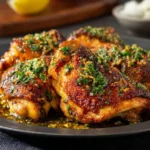
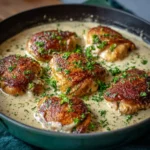
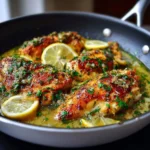
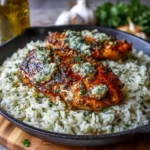
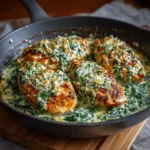
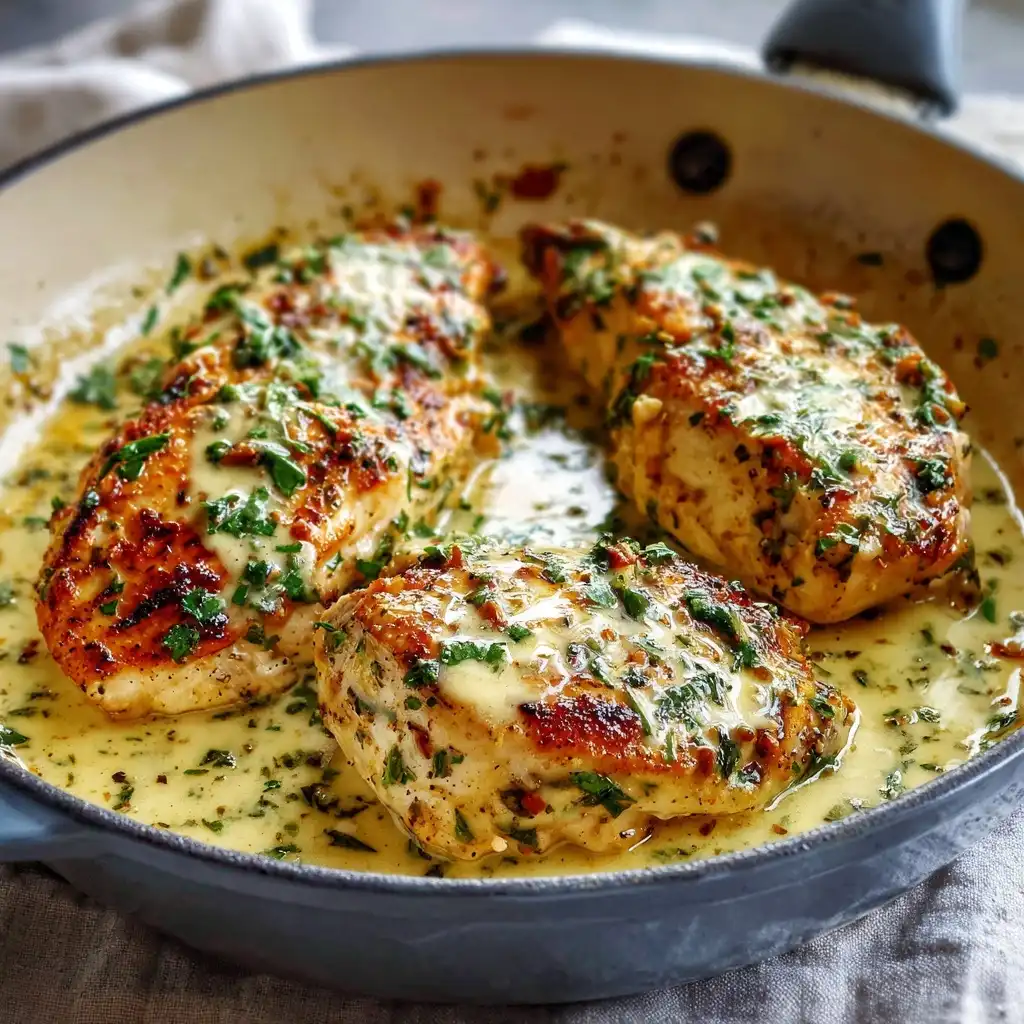
Garlic Butter Chicken with Creamy Dijon Sauce is a restaurant-worthy dish that delivers bold, rich, and deeply satisfying flavors—all in under 30 minutes. Elegant yet approachable, this recipe marries tender pan-seared chicken breasts with a luscious, velvety sauce that balances the pungent warmth of fresh garlic, the nutty depth of browned butter, the bright tang of Dijon mustard, and the luxurious creaminess of heavy cream or crème fraîche. Whether served over buttered egg noodles, creamy mashed potatoes, steamed jasmine rice, or alongside roasted seasonal vegetables, it’s a meal that consistently impresses—be it for a cozy weeknight dinner, an intimate date night at home, or even a special-occasion centerpiece. Its aroma alone—garlic sizzling in golden butter, mustard blooming in warm cream—evokes comfort, sophistication, and culinary confidence.
The History
While no single documented “origin” exists for Garlic Butter Chicken with Creamy Dijon Sauce, its roots are firmly planted in the confluence of classic French and American bistro traditions. The technique of pan-searing chicken and finishing it in a rich, butter-based pan sauce traces back to à la minute French cooking methods perfected in the 19th century—think dishes like poulet à la crème or chicken en papillote with herb-infused butter. Dijon mustard itself has been produced in the Burgundy region of France since at least the 14th century, and by the 1800s, it was widely embraced across Europe as both a condiment and a foundational ingredient in emulsified sauces (like béarnaise and vinaigrettes). The American adaptation—popularized in mid-century cookbooks and later elevated by chefs like Julia Child and Emeril Lagasse—integrated Dijon into creamy, quick-cook pan sauces for its ability to add complexity without acidity overload. Garlic butter, meanwhile, draws from Mediterranean and Provençal influences where garlic and butter were used liberally in rustic preparations—from escargots à la bourguignonne to steak au poivre. This modern fusion—crisp, golden chicken + deeply aromatic garlic-butter base + sharp-sweet Dijon + silken cream—emerged organically in home kitchens and gastropubs alike during the 2000s, fueled by food blogs, cooking shows, and the growing appreciation for layered, restaurant-caliber flavors achievable without professional equipment.
Ingredients Breakdown
Every component in this dish serves a distinct, essential purpose—no filler, no afterthought. Here’s why each ingredient matters:
- Chicken Breasts (boneless, skinless): Opt for uniform, center-cut breasts (6–8 oz each) or consider using chicken thighs for richer flavor and enhanced moisture retention. Pounding to ½-inch thickness ensures even cooking and prevents dryness.
- Unsalted Butter: Used in two stages—first for searing (to build fond and caramelization), then stirred in at the end for richness and sheen. Unsalted allows full control over seasoning. High-quality European-style butter (82–85% fat) yields superior browning and flavor.
- Fresh Garlic (minced or pressed): Never substitute jarred garlic—it lacks brightness and can taste metallic or fermented. Fresh cloves deliver pungent, floral, and slightly sweet notes that mellow beautifully when cooked in butter.
- Dijon Mustard: A cornerstone—not just for heat, but for emulsification and depth. Authentic Dijon (made with brown mustard seeds, white wine, vinegar, and spices) adds tangy complexity, subtle fruitiness, and natural thickening power. Avoid “Dijon-style” imitations with added sugar or fillers.
- Heavy Cream (or Full-Fat Crème Fraîche): Provides body, silkiness, and temperature stability. Heavy cream (36–40% fat) resists curdling and creates a glossy, spoon-coating texture. Crème fraîche offers a delicate cultured tang and extra resilience against heat separation.
- Dry White Wine (e.g., Sauvignon Blanc or Pinot Grigio): Optional but highly recommended—it deglazes the pan, lifts the flavorful browned bits (fond), adds acidity to balance fat, and contributes subtle herbal and citrus notes. Substitute with low-sodium chicken broth if avoiding alcohol, though flavor depth will be slightly reduced.
- Fresh Herbs (especially thyme and parsley): Thyme leaves (fresh or dried) infuse earthy, floral notes during simmering; flat-leaf parsley adds a vibrant, clean finish when sprinkled on top. Chives or tarragon also complement the profile beautifully.
- Lemon Juice (freshly squeezed): Added at the very end, it brightens the entire sauce—cutting through richness and tying all elements together with a gentle, zesty lift.
- High-Heat Oil (avocado, grapeseed, or light olive oil): Used solely for initial searing to prevent butter from burning. Butter has a low smoke point; pairing it with a neutral, high-smoke-point oil ensures perfect golden-brown crust formation without bitterness.
- Seasonings (kosher salt & freshly ground black pepper): Salt enhances natural umami and carries flavor; coarse kosher salt adheres better during seasoning. Freshly cracked black pepper adds aromatic spice and warmth—pre-ground loses potency rapidly.
Step-by-Step Recipe
- Prep the Chicken: Place chicken breasts between two sheets of parchment paper or plastic wrap. Using a meat mallet or heavy skillet, gently pound to an even ½-inch thickness. Pat *extremely* dry with paper towels—this is critical for achieving a golden sear, not steam. Season both sides generously with kosher salt and freshly ground black pepper.
- Heat the Pan: In a large, heavy-bottomed stainless steel or cast-iron skillet (12-inch preferred), heat 1 tbsp high-heat oil over medium-high heat until shimmering but not smoking (~375°F). Add 2 tbsp unsalted butter and swirl until just melted and foamy—but not browned yet.
- Sear the Chicken: Carefully place chicken in the hot pan without overcrowding (cook in batches if needed). Press gently with a spatula for even contact. Sear undisturbed for 5–6 minutes, until deeply golden brown and easily releases from the pan. Flip and cook another 4–5 minutes, until internal temperature reaches 155–160°F (it will rise to 165°F while resting). Transfer to a clean plate, tent loosely with foil, and rest for 5 minutes.
- Build the Flavor Base: Reduce heat to medium. In the same skillet, add remaining 2 tbsp butter. Once melted and foaming, add minced garlic and 1 tsp fresh thyme leaves. Sauté for 45–60 seconds—just until fragrant and softened (do NOT let garlic brown or burn). Immediately pour in ¼ cup dry white wine (or broth), scraping vigorously with a wooden spoon to release all the delicious browned bits (fond) from the bottom of the pan. Simmer 1–2 minutes until liquid reduces by half.
- Emulsify the Sauce: Whisk in 2 tbsp Dijon mustard until fully incorporated and smooth. Gradually stream in ¾ cup heavy cream (or crème fraîche), whisking constantly. Bring to a gentle simmer—not a boil—and reduce heat to low. Let sauce bubble softly for 3–4 minutes, stirring frequently, until it thickens enough to coat the back of a spoon (nappe consistency).
- Finish & Enrich: Remove pan from heat. Stir in the rested chicken (plus any accumulated juices) and gently turn to coat. Let sit off heat for 1–2 minutes to warm through. Off heat, stir in 1 tsp fresh lemon juice and a final 1 tbsp cold butter (optional but recommended for gloss and richness). Taste and adjust: more salt? A pinch of white pepper? A touch more Dijon for tang? A splash of lemon for brightness?
- Plate & Garnish: Spoon chicken onto warmed plates or a serving platter. Ladle generous amounts of sauce over and around. Sprinkle generously with freshly chopped flat-leaf parsley and additional thyme sprigs. Serve immediately.
Tips
- Dry Chicken = Golden Chicken: Moisture is the enemy of searing. Pat chicken *thoroughly*—even blot the surface twice. Wet chicken steams instead of browns.
- Don’t Crowd the Pan: Overcrowding drops the pan temperature dramatically, causing chicken to sweat and stick. Cook in batches if necessary—even if it takes 2 extra minutes.
- Rest Before Slicing: Resting allows juices to redistribute. Cutting too soon releases precious moisture, resulting in drier meat—even if cooked perfectly.
- Control Garlic Heat: Garlic burns in under 30 seconds over medium heat. Keep it moving and watch closely. If it smells acrid or turns brown, start over—the sauce will taste bitter.
- Low & Slow for the Sauce: Never boil the cream-based sauce vigorously. High heat causes separation and graininess. Gentle simmer = smooth, stable emulsion.
- Whisk Constantly When Adding Cream: This prevents “shocking” the sauce and encourages proper emulsification from the mustard and butter fats.
- Use a Metal Spoon for Scraping: Wooden spoons won’t dislodge stubborn fond as effectively as a sturdy metal flat-edged spatula or whisk.
- Acid Is Your Friend: Lemon juice added at the end transforms the dish—it doesn’t make it “sour,” it makes it *alive*. Don’t skip it.
- Make Ahead Smart: You can sear chicken up to 1 day ahead and refrigerate (uncovered, on a rack over a tray, to keep skin dry). Reheat gently in sauce, or finish the sauce fresh and combine just before serving.
- Sauce Too Thin? Too Thick? Too thin: Simmer 1–2 min longer. Too thick: Whisk in 1–2 tsp warm broth or cream, ½ tsp at a time, until desired consistency returns.
Variations and Customizations
This recipe is incredibly adaptable—ideal for dietary needs, pantry limitations, or creative inspiration:
- Dairy-Free / Vegan Option: Replace butter with vegan butter (Miyoko’s or Forager work best), use full-fat coconut milk (canned, not “light”) instead of cream, and opt for a certified vegan Dijon (most are naturally vegan, but check for honey or wine derivatives). Add 1 tsp nutritional yeast for umami depth.
- Gluten-Free: Naturally GF—just verify your Dijon mustard and broth (if using) are certified gluten-free (some mustards contain malt vinegar or wheat-derived thickeners).
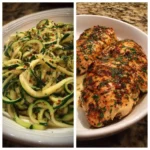
- Low-Carb / Keto: Already keto-friendly! Serve over cauliflower mash, zucchini noodles (“zoodles”), or sautéed spinach. Omit optional garnishes like croutons or breadcrumbs.
- Herb Variations: Swap thyme for rosemary (use sparingly—½ tsp finely minced), tarragon (adds anise-like elegance), or sage (for autumnal warmth). Finish with chives, dill, or basil depending on season.
- Protein Swaps: Works beautifully with turkey cutlets, pork medallions, firm white fish (like cod or halibut—reduce cooking time), or even large shrimp (add in last 2 minutes of sauce simmer).
- Vegetable Integration: Sauté sliced mushrooms with the garlic for umami depth; stir in baby spinach or arugula at the end until wilted; fold in roasted cherry tomatoes or caramelized shallots for sweetness and texture.
- Spice It Up: Add ¼ tsp cayenne, a pinch of red pepper flakes with the garlic, or a dash of smoked paprika to the chicken seasoning for subtle heat or smokiness.
- Wine-Free Version: Use ¼ cup low-sodium chicken or vegetable broth + 1 tsp apple cider vinegar for acidity and depth. Simmer 30 sec longer to evaporate raw vinegar taste.
- Cheesy Twist: Stir in 2 tbsp grated Gruyère, Fontina, or aged white cheddar at the very end—off heat—until just melted and silky.
- Meal Prep Friendly: Double the sauce and store separately (up to 4 days refrigerated or 3 months frozen). Reheat gently on stove with a splash of broth, then add pre-cooked chicken to warm through.
Health Considerations and Nutritional Value
When prepared mindfully, Garlic Butter Chicken with Creamy Dijon Sauce offers notable nutritional benefits—far beyond mere indulgence:
- High-Quality Protein: A 6-oz chicken breast provides ~43g of complete protein—supporting muscle maintenance, satiety, and metabolic health. Chicken breast is leaner than thigh, but thighs offer more iron and B vitamins.
- Healthy Fats: Butter contains conjugated linoleic acid (CLA) and fat-soluble vitamins (A, D, E, K2). Using grass-fed butter increases omega-3s and antioxidants. Olive or avocado oil adds monounsaturated fats linked to heart health.
- Garlic Benefits: Rich in allicin—a potent compound with anti-inflammatory, antimicrobial, and cardiovascular-supportive properties. Crushing or chopping garlic and letting it sit 10 minutes before cooking maximizes allicin formation.
- Dijon Mustard Nutrition: Low in calories (<5 cal/tsp), naturally sodium-free (vs. yellow mustard), and contains selenium, magnesium, and phytonutrients from mustard seeds. Its acidity also aids digestion and nutrient absorption.
- Lemon Juice Contribution: Adds vitamin C—which enhances non-heme iron absorption (from any greens or sides you serve alongside) and supports immune function and collagen synthesis.
- Considerations: Heavy cream contributes saturated fat (~45g per ¾ cup), so portion control matters. For lower saturated fat, substitute half-and-half (though sauce will be less rich) or use a blend of ½ cup cream + ¼ cup whole milk. Sodium content depends heavily on added salt and broth choice—opt for low-sodium broth and measure salt consciously. Those with lactose sensitivity may tolerate small amounts of butter and cream well; for strict intolerance, use dairy-free alternatives as noted above.
- Estimated Per Serving (1 chicken breast + ⅓ sauce, no sides): Calories: ~520 | Protein: 43g | Fat: 34g (19g saturated) | Carbs: 2g | Fiber: 0g | Sugar: 0.5g | Sodium: ~480mg (varies with salt added)
Ingredients
- 2 (6–8 oz) boneless, skinless chicken breasts, pounded to ½-inch thickness
- 1½ tsp kosher salt, divided (¾ tsp for chicken, ¾ tsp for sauce)
- 1 tsp freshly ground black pepper, divided
- 2 tbsp high-heat neutral oil (avocado, grapeseed, or light olive oil)
- 4 tbsp unsalted butter, divided (2 tbsp for searing, 2 tbsp for sauce base)
- 4 cloves garlic, finely minced (about 1½ tbsp)
- 1 tsp fresh thyme leaves (or ½ tsp dried)
- ¼ cup dry white wine (Sauvignon Blanc, Pinot Grigio, or unoaked Chardonnay) — optional but recommended
- 2 tbsp authentic Dijon mustard (stone-ground preferred)
- ¾ cup heavy cream (36–40% fat) or full-fat crème fraîche
- 1 tsp freshly squeezed lemon juice
- 2 tbsp cold unsalted butter, optional (for finishing gloss)
- ¼ cup fresh flat-leaf parsley, finely chopped
- Additional thyme sprigs for garnish
Directions
- Pat chicken breasts *very* dry with paper towels. Season both sides with ¾ tsp kosher salt and ½ tsp black pepper.
- Heat oil and 2 tbsp butter in a large skillet over medium-high heat until butter is foamy.
- Add chicken and sear 5–6 minutes per side until golden and internal temp reaches 155–160°F. Transfer to plate; tent with foil.
- Reduce heat to medium. Add remaining 2 tbsp butter, garlic, and thyme; sauté 45–60 sec until fragrant.
- Pour in wine (or broth); scrape pan vigorously. Simmer 1–2 min until reduced by half.
- Whisk in Dijon mustard until smooth. Gradually whisk in cream.
- Simmer gently 3–4 min, stirring often, until sauce coats spoon.
- Remove from heat. Stir in rested chicken + juices, lemon juice, and optional cold butter.
- Taste and adjust seasoning. Garnish with parsley and thyme. Serve immediately.
FAQ
- Can I use chicken thighs instead of breasts?
- Absolutely—and many prefer them! Boneless, skinless thighs are more forgiving and flavorful. Adjust sear time to 6–7 minutes per side, aiming for 175°F internal temp. They’ll stay juicier, especially if sauce simmers longer.
- Why does my sauce break or look curdled?
- Most often due to overheating (boiling the cream), adding cold cream to a too-hot pan, or insufficient whisking during emulsification. Fix it by removing from heat, whisking in 1 tsp warm cream or broth, and letting it settle. Next time: lower heat, add cream gradually, and whisk constantly.
- Can I make this ahead and reheat?
- Yes—but separate components store best. Cook chicken and chill (up to 3 days). Make sauce and refrigerate (up to 4 days) or freeze (up to 3 months). Reheat sauce gently on stove with a splash of broth, then add chicken to warm through. Avoid microwaving sauce alone—it may separate.
- What sides pair best with this dish?
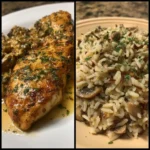
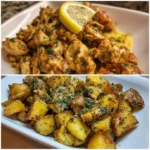
- Classic pairings include: buttered wide egg noodles, creamy parmesan mashed potatoes, steamed jasmine or basmati rice, roasted asparagus or broccolini, garlic sautéed spinach, or a crisp mixed green salad with lemon vinaigrette.
- Is there a lighter version without heavy cream?
- You can substitute with half-and-half (sauce will be thinner but still flavorful), whole milk + 1 tsp cornstarch slurry (whisk in at end), or Greek yogurt (add off-heat at the very end to prevent curdling). Note: yogurt adds tang and less richness.
- Can I freeze this dish?
- Freeze sauce separately for best results (up to 3 months). Chicken freezes well for 2–3 months—but texture may soften slightly upon thawing/reheating. Thaw overnight in fridge; reheat gently in sauce.
- What if I don’t have Dijon mustard?
- Whole-grain mustard works well (adds texture and mild heat). Avoid yellow mustard—it’s overly acidic and lacks depth. A blend of 1 tbsp stone-ground mustard + ½ tsp white wine vinegar + pinch of turmeric can mimic Dijon’s color and tang in a pinch.
- How do I get restaurant-level browning on the chicken?
- Three keys: 1) Dry chicken thoroughly, 2) Preheat pan until oil shimmers, 3) Don’t move chicken for full first 5 minutes. A cast-iron or stainless steel pan gives superior sear vs. nonstick.
- Can I add cheese to this?
- Yes! Stir in 2–3 tbsp grated Gruyère, Fontina, or Parmigiano-Reggiano off-heat at the end. For baked version: top with cheese and broil 1–2 min until bubbly and golden.
- Is this dish spicy?
- No—unless you add heat intentionally. Dijon has a gentle, clean heat that dissipates when cooked. The overall profile is savory, rich, tangy, and aromatic—not fiery.
Summary
Garlic Butter Chicken with Creamy Dijon Sauce is a masterclass in balanced, elegant home cooking—where golden-crisp chicken meets a luxuriously smooth, garlicky, tangy, and deeply flavorful pan sauce built from humble, high-quality ingredients and precise technique. With customizable variations, thoughtful nutrition, and foolproof tips, it’s a versatile, impressive, and deeply satisfying dish that belongs in every cook’s repertoire—effortlessly bridging everyday ease and extraordinary taste.
Whether you’re cooking for one, feeding a family, or entertaining guests, this dish delivers restaurant-caliber results without restaurant-level stress—proving that extraordinary flavor begins with patience, presence, and the simple magic of garlic, butter, mustard, and cream, thoughtfully combined.