Introduction
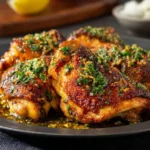
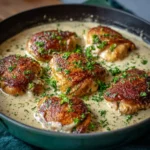
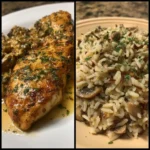
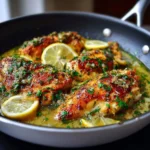
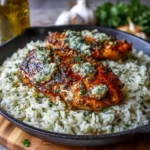
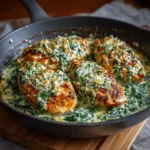
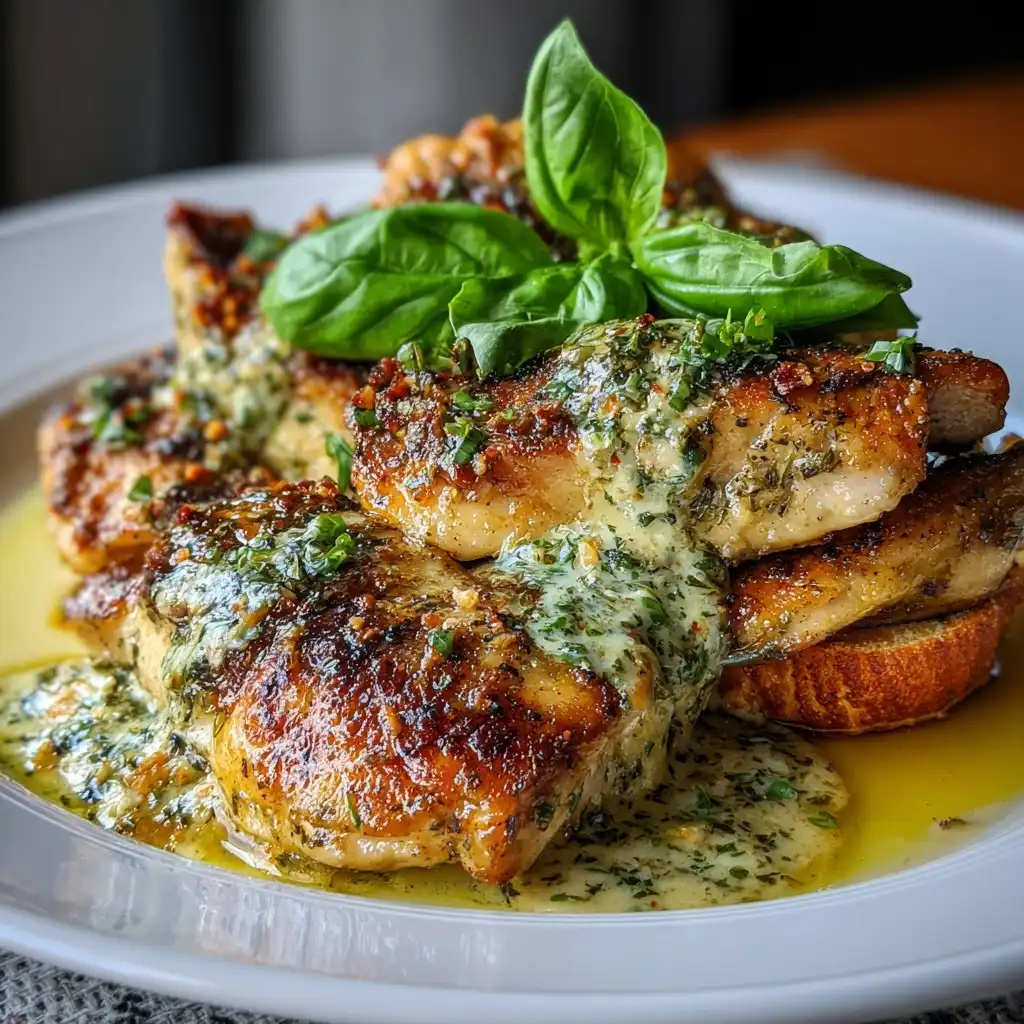
Garlic Butter Chicken with Basil is a luscious, aromatic dish that marries the deep umami richness of seared chicken breast or thigh with the luxurious silkiness of browned garlic butter and the bright, peppery-sweet perfume of fresh basil. This recipe strikes a perfect balance between rustic simplicity and refined elegance—requiring minimal ingredients yet delivering maximum flavor impact. Whether served over creamy polenta, fragrant jasmine rice, roasted vegetables, or even tossed with al dente pasta, it transforms humble pantry staples into an unforgettable weeknight dinner or an impressive centerpiece for casual entertaining. Its origins may be modern and globally inspired, but its soul is deeply rooted in the time-honored traditions of French beurre noisette, Italian aglio e olio, and Southeast Asian herb-forward stir-fry techniques—reimagined with intention, care, and reverence for freshness.
The History
While no single documented “invention” of Garlic Butter Chicken with Basil exists, its evolution reflects centuries of culinary cross-pollination. Garlic and butter have long been cherished in European cooking—particularly in Normandy and Brittany, where high-fat dairy met pungent alliums to create rich, savory foundations for meats and seafood. The technique of browning butter (beurre noisette) dates back to at least the 17th century in French haute cuisine, prized for its nutty depth and emulsifying power. Meanwhile, basil—especially sweet Genovese basil—has been cultivated since ancient times across the Mediterranean and Indian subcontinent, revered not only for its culinary versatility but also for its medicinal and symbolic significance in Ayurveda and Roman ritual. The fusion of these elements gained momentum in the late 20th and early 21st centuries, as home cooks and chefs embraced “global comfort food”: dishes that honor regional authenticity while adapting to local ingredients and modern lifestyles. Food bloggers, cooking shows, and social media platforms amplified interest in quick, flavorful, visually stunning meals—making Garlic Butter Chicken with Basil a viral favorite by the mid-2010s. Its rise coincided with growing consumer demand for clean-label, restaurant-quality meals made without artificial additives, preservatives, or heavy cream—relying instead on the natural synergy of fat, acid, aromatics, and fresh herbs.
Ingredients Breakdown
Every element in this dish serves a precise sensory and functional purpose—no ingredient is arbitrary:
- Chicken Breast or Thighs: Boneless, skinless chicken breasts offer lean tenderness and quick cook time; thighs provide richer flavor, higher fat content (which enhances moisture retention), and greater forgiveness against overcooking. For optimal texture, we recommend using air-chilled, antibiotic-free, pasture-raised poultry when possible—its superior muscle structure and pH yield juicier, more flavorful results.
- Unsalted Butter: High-quality, European-style cultured butter (82–86% fat) delivers unparalleled mouthfeel and caramelized complexity when browned. Unsalted varieties allow full control over sodium levels and prevent oversalting during reduction.
- Fresh Garlic: Minced—not powdered or jarred—for volatile sulfur compounds (allicin) that bloom under gentle heat, offering both pungency and sweetness. Using a microplane or fine grater ensures even dispersion and avoids harsh, raw bites.
- Fresh Basil: Genovese or Thai basil preferred—harvested within 24 hours of cooking for peak essential oil concentration. Stems are removed, leaves gently patted dry (excess water causes splattering and steaming instead of sizzling), and added at the very end to preserve volatile terpenes like linalool and estragole responsible for its signature fragrance.
- Dry White Wine (optional but highly recommended): A crisp, acidic varietal like Sauvignon Blanc or Pinot Grigio deglazes the fond—the caramelized bits stuck to the pan—unlocking layers of Maillard reaction flavors while adding brightness and balancing butter’s richness. Alcohol fully evaporates during simmering, leaving only nuanced fruit and mineral notes.
- Lemon Juice: Freshly squeezed, added off-heat to preserve volatile citric and ascorbic acids that lift the entire profile and cut through fat without acidity dominating.
- Extra-Virgin Olive Oil: Used in tandem with butter to raise the smoke point, prevent burning, and contribute grassy, peppery top notes that complement basil’s herbal character.
- Sea Salt & Freshly Cracked Black Pepper: Maldon or Fleur de Sel for flaky texture and clean salinity; Tellicherry or Lampong black peppercorns freshly ground for floral, resinous heat that evolves alongside garlic’s warmth.
- Optional Enhancements: A pinch of red pepper flakes for subtle heat; a splash of heavy cream for extra velvety body (though purists omit it to highlight purity of flavor); a drizzle of aged balsamic glaze for tangy-sweet contrast; or toasted pine nuts for textural intrigue and complementary nuttiness.
Step-by-Step Recipe
- Prep the Chicken: Pat chicken pieces *extremely* dry with paper towels—this is non-negotiable for achieving golden, crackling sear. Season generously on both sides with salt and pepper. Let sit at room temperature for 15–20 minutes to ensure even cooking.
- Heat the Pan: Place a heavy-bottomed stainless steel or cast-iron skillet over medium-high heat. Add 1 tbsp olive oil and 1 tbsp butter. Swirl until butter melts and begins to foam—but do *not* let it brown yet.
- Sear the Chicken: Carefully place chicken in the hot pan, smooth-side down. Press gently with a spatula for 3 seconds to maximize surface contact. Cook undisturbed for 5–6 minutes (for breasts, ~¾ inch thick) or 7–8 minutes (for thighs) until deeply golden and easily releases from the pan. Flip and cook opposite side for 4–5 minutes (breasts) or 5–6 minutes (thighs) until internal temperature reaches 155°F (breast) or 165°F (thigh). Transfer to a clean plate, tent loosely with foil, and rest for 5 minutes—this allows juices to redistribute and prevents dryness upon slicing.
- Build the Sauce Base: Reduce heat to medium-low. In the same skillet, add remaining 2 tbsp butter. Once melted and foaming subsides, add minced garlic. Stir constantly for 45–60 seconds—just until fragrant and pale gold (do not let it brown or burn; burnt garlic turns bitter). Immediately deglaze with ¼ cup dry white wine, scraping vigorously with a wooden spoon to lift all browned bits. Simmer 2–3 minutes until liquid reduces by half and smells intensely aromatic.
- Emulsify & Enrich: Whisk in 1 tsp lemon juice and a pinch of salt. Continue simmering 1 minute. Remove from heat. Gradually whisk in cold butter, one tablespoon at a time, allowing each addition to fully incorporate before adding the next—this creates a stable, glossy emulsion reminiscent of a classic beurre blanc. If sauce separates, whisk vigorously off-heat or add 1 tsp cold water while whisking.
- Finish with Basil: Gently fold in ½ cup tightly packed, chiffonaded fresh basil leaves—reserve a few whole leaves for garnish. The residual heat will wilt them just enough to release oils without dulling flavor.
- Reunite & Serve: Return rested chicken to skillet, spooning sauce over each piece. Let sit 1–2 minutes to warm through. Adjust seasoning with additional salt, lemon, or black pepper as needed. Garnish with reserved basil, lemon zest, and optional flaky sea salt.
Tips
- Dry Chicken = Golden Chicken: Moisture is the enemy of searing. Always pat chicken bone-dry—even re-pat halfway through seasoning if condensation forms.
- Don’t Crowd the Pan: Cook in batches if necessary. Overcrowding drops pan temperature, causing steam instead of sear—and yields gray, boiled-tasting chicken.
- Control Garlic Timing Precisely: Garlic cooks faster than you think. Set a timer. If using larger cloves, mince finer. Consider adding half the garlic with the butter, then the rest after deglazing for layered aroma.
- Brown Butter Wisdom: For deeper nuance, brown 1 tbsp of the butter separately before adding oil—then combine with remaining butter for sauce. Watch closely: color changes rapidly from golden to amber to nutty brown to burnt in seconds.
- Resting Is Ritual: Skipping the 5-minute rest sacrifices up to 20% of the chicken’s natural juices. Use this time to prep garnishes or set the table—it’s part of the process, not downtime.
- Chiffonade Like a Pro: Stack basil leaves, roll tightly into a cigar-like cylinder, and slice thinly crosswise with a sharp chef’s knife. This maximizes surface area for flavor release while preserving delicate texture.
- Sauce Consistency Rescue: Too thin? Simmer 30 seconds longer. Too thick? Whisk in 1 tsp warm broth or lemon juice. Too oily? Whisk in 1 tsp Dijon mustard—it acts as an emulsifier and adds subtle tang.
- Make-Ahead Magic: Marinate chicken in olive oil, lemon zest, garlic, salt, and pepper up to 12 hours ahead. Sauce components (garlic, wine, lemon) can be pre-measured. Basil should always be added fresh.
- Pan Choice Matters: Stainless steel gives best fond for deglazing; cast iron retains heat beautifully for searing; nonstick won’t develop proper fond and inhibits browning. Avoid aluminum—it reacts with acid and imparts metallic notes.
- Taste As You Go: Dip a clean spoon into sauce *before* adding basil, then again after. Note how the basil transforms acidity, fat perception, and aromatic lift. This builds intuitive seasoning skills.
Variations and Customizations
This recipe is a vibrant canvas—adaptable to dietary needs, seasonal availability, cultural preferences, and pantry constraints:
- Dairy-Free / Vegan Version: Replace butter with high-smoke-point vegan butter (e.g., Miyoko’s or Forager) + 1 tsp nutritional yeast for umami depth. Use coconut aminos instead of wine for umami-acid balance. Swap chicken for grilled king oyster mushrooms, marinated tempeh, or pressed extra-firm tofu (pressed 30+ minutes, cornstarch-dusted, pan-seared).
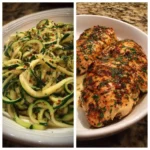
- Low-Carb / Keto-Friendly: Serve over cauliflower rice, zucchini noodles, or simply as-is with a side of roasted asparagus or broccoli rabe. Increase healthy fats by adding sliced avocado or a drizzle of basil-infused olive oil.
- Spicy Arrabbiata Style: Sauté 1 finely diced Fresno or Calabrian chili with the garlic. Finish with a swirl of chili crisp or Calabrian chili paste.
- Mediterranean Twist: Add ¼ cup halved cherry tomatoes during deglazing, stir in 2 tbsp crumbled feta and 1 tbsp chopped kalamata olives with the basil.
- Asian-Inspired Fusion: Substitute Thai basil, use toasted sesame oil (½ tsp) with neutral oil, add 1 tsp grated ginger with garlic, swap wine for dry sherry, and finish with lime juice and crushed roasted peanuts.
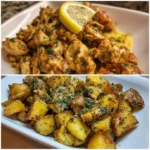
- Creamy Herb Variation: After emulsifying butter, stir in 2 tbsp full-fat Greek yogurt or crème fraîche off-heat for tangy silkiness—ideal with roasted potatoes.
- Grill or Air Fryer Option: Sear chicken on grill over direct heat (or air fry at 400°F for 12–14 mins), then finish sauce on stovetop and toss together. Adds smoky dimension.
- Meal Prep Friendly: Cook chicken and sauce separately. Store sauce (without basil) refrigerated up to 4 days or frozen up to 3 months. Reheat gently, stir in fresh basil just before serving.
- One-Pan Sheet Bake: Arrange seasoned chicken on parchment-lined sheet pan, scatter minced garlic and lemon slices around, drizzle with olive oil and melted butter. Roast at 425°F for 20–25 mins. Toss with fresh basil and lemon juice post-roast.
- Kid-Approved Mild Version: Omit black pepper and chili; increase lemon slightly for brightness; stir in 1 tbsp grated Parmesan at the end for savory familiarity.
Health Considerations and Nutritional Value
When prepared mindfully, Garlic Butter Chicken with Basil offers notable nutritional benefits beyond its indulgent appeal:
- High-Quality Protein: A 6-oz serving of chicken breast provides ~43g complete protein—containing all nine essential amino acids critical for muscle synthesis, immune function, and enzyme production. Thighs offer slightly less protein (~32g) but deliver bioavailable heme iron and zinc—important for oxygen transport and cellular repair.
- Heart-Healthy Fats: Butter contains conjugated linoleic acid (CLA) and butyrate—compounds linked to reduced inflammation and improved gut barrier integrity. When paired with monounsaturated olive oil, the fat profile supports HDL cholesterol maintenance and endothelial health.
- Garlic’s Bioactive Powerhouse: Rich in allicin (activated upon crushing/chopping and heat-stabilized at moderate temps), garlic exhibits antimicrobial, antithrombotic, and vasodilatory properties. Studies associate regular consumption with modest blood pressure reduction and improved arterial elasticity.
- Basil’s Antioxidant Arsenal: Contains flavonoids (orientin, vicenin), volatile oils (eugenol, limonene), and vitamin K (1 cup raw basil = 117% DV)—supporting bone metabolism, coagulation balance, and protection against oxidative DNA damage.
- Lemon’s Vitamin C Synergy: Enhances non-heme iron absorption (relevant if serving with spinach or lentils) and regenerates vitamin E, amplifying antioxidant networks throughout the body.
- Considerations: Sodium content depends on added salt—use low-sodium preparations for hypertension management. Those with GERD or IBS may find garlic and fat triggering; reduce garlic quantity or use roasted garlic for milder impact. Butter contributes saturated fat (~7g per tbsp); moderation aligns with American Heart Association guidelines (<13g/day for 2,000-calorie diet). Opt for grass-fed butter for higher omega-3 and CLA ratios.
- Nutrition Snapshot (per serving, approx. 6 oz chicken + 2 tbsp sauce): Calories: 385 | Protein: 42g | Fat: 20g (12g sat) | Carbs: 2g | Fiber: 0.5g | Sodium: 320mg (varies with salt) | Vitamin A: 12% DV | Vitamin C: 18% DV | Calcium: 3% DV | Iron: 8% DV | Potassium: 22% DV
Ingredients
- 1.5 lbs boneless, skinless chicken breasts or thighs, trimmed and pounded to ¾-inch uniform thickness
- 3 tbsp unsalted European-style butter, divided (2 tbsp for searing, 1 tbsp for finishing)
- 2 tbsp extra-virgin olive oil, divided (1 tbsp for searing, 1 tbsp for finishing)
- 6 large garlic cloves, finely minced (about 2 tbsp)
- ¼ cup dry white wine (Sauvignon Blanc or Pinot Grigio)
- 1 tbsp fresh lemon juice (from ~½ lemon)
- ½ cup fresh basil leaves (Genovese or Thai), tightly packed, stems removed, chiffonaded
- 1 tsp lemon zest
- 1½ tsp flaky sea salt (e.g., Maldon), plus more to taste
- 1 tsp freshly cracked black pepper, plus more to taste
- Optional garnishes: additional basil leaves, lemon wedges, microgreens, toasted pine nuts
Directions
- Pat chicken completely dry with paper towels. Season both sides generously with salt and pepper. Let sit at room temperature 15 minutes.
- Heat a large stainless steel or cast-iron skillet over medium-high heat. Add 1 tbsp olive oil and 2 tbsp butter. Swirl until butter melts and foams.
- Place chicken in pan, smooth-side down. Press gently for 3 seconds. Cook undisturbed 5–6 minutes (breasts) or 7–8 minutes (thighs) until deeply golden and releases easily. Flip; cook 4–5 minutes (breasts) or 5–6 minutes (thighs) until internal temp reaches 155°F (breast) or 165°F (thigh). Transfer to plate; tent with foil. Rest 5 minutes.
- Reduce heat to medium-low. Add remaining 1 tbsp butter to skillet. Once melted and foaming subsides, add garlic. Stir constantly 45–60 seconds until fragrant and pale gold.
- Immediately pour in wine, scraping bottom vigorously to lift fond. Simmer 2–3 minutes until reduced by half and aromatic.
- Remove from heat. Whisk in lemon juice and pinch of salt. Simmer 1 minute. Gradually whisk in cold butter, 1 tbsp at a time, until fully emulsified and glossy.
- Gently fold in chiffonaded basil and lemon zest.
- Return rested chicken to skillet, spooning sauce over pieces. Let warm 1–2 minutes. Taste and adjust seasoning.
- Plate chicken, spoon generous sauce over top, garnish with reserved basil, lemon zest, and flaky salt.
FAQ
- Can I use frozen chicken?
- Yes—but thaw completely in refrigerator overnight (never at room temperature). Pat *extremely* dry before seasoning. Frozen-thawed chicken may require 1–2 extra minutes per side due to residual moisture.
- Why does my sauce break or look greasy?
- Most commonly caused by adding butter too quickly while sauce is too hot, or using butter that’s not cold enough. Always whisk cold butter in gradually off-heat. If broken, whisk in 1 tsp warm liquid (lemon juice or broth) while vigorously stirring. Adding ¼ tsp Dijon mustard during emulsification prevents breaking.
- Can I make this ahead for meal prep?
- Absolutely. Cook chicken and sauce separately. Store sauce (without basil) refrigerated up to 4 days or frozen up to 3 months. Reheat sauce gently over low heat, then stir in fresh basil just before serving. Chicken reheats well in skillet with a splash of broth.
- What’s the best substitute for white wine?
- For alcohol-free: low-sodium vegetable or chicken broth + 1 tsp apple cider vinegar or white wine vinegar. For depth: 1 tbsp dry sherry vinegar + 3 tbsp broth. Avoid grape juice—it’s too sweet and lacks acidity.
- My garlic burned! How do I fix it?
- If only lightly browned: proceed, but reduce subsequent heat and add a splash of broth to cool pan before deglazing. If deeply blackened and acrid: discard sauce base, wipe pan clean, restart with fresh butter and *half* the garlic, cooking even more briefly. Burnt garlic cannot be salvaged—it imparts permanent bitterness.
- Can I use dried basil?
- Not recommended. Dried basil lacks volatile oils and contributes dusty, muted flavor. If absolutely necessary, use 1 tsp high-quality dried basil added with garlic—but expect significantly less aromatic impact. Fresh is irreplaceable here.
- Is this gluten-free?
- Yes—naturally gluten-free, provided all ingredients (especially wine and broth, if substituted) are certified GF. Always check labels on pre-made stocks or seasonings.
- How do I store leftovers?
- Store chicken and sauce separately in airtight containers in refrigerator up to 3 days. Reheat chicken gently in skillet with 1 tsp broth; warm sauce separately over low heat. Never microwave sauce—it will separate.
- Can I double the recipe?
- Yes—but use two skillets or cook in batches. Doubling in one pan causes overcrowding, lowers temperature, and prevents proper sear and fond development—critical for flavor.
- Why rest the chicken?
- Resting allows muscle fibers to relax and reabsorb juices expelled during cooking. Cutting too soon releases those precious liquids onto the plate, resulting in drier meat. Five minutes makes a measurable difference in succulence.
Summary
Garlic Butter Chicken with Basil is a masterclass in minimalist luxury—where premium ingredients, precise technique, and reverence for freshness converge to create a dish that is simultaneously comforting and sophisticated, rustic and refined, simple to execute yet endlessly customizable.
From its roots in French browned butter traditions and Mediterranean herb gardens to its modern-day status as a pantry-hero weeknight staple, this recipe proves that extraordinary flavor requires neither complexity nor compromise—just intention, quality, and the quiet magic of basil meeting golden garlic butter.