Introduction
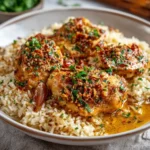
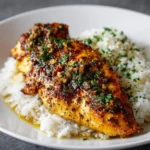
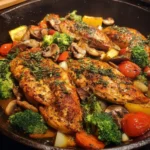
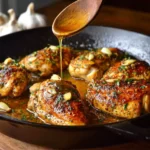
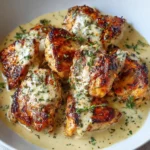
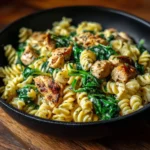
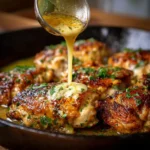
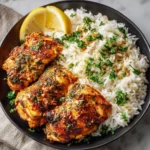
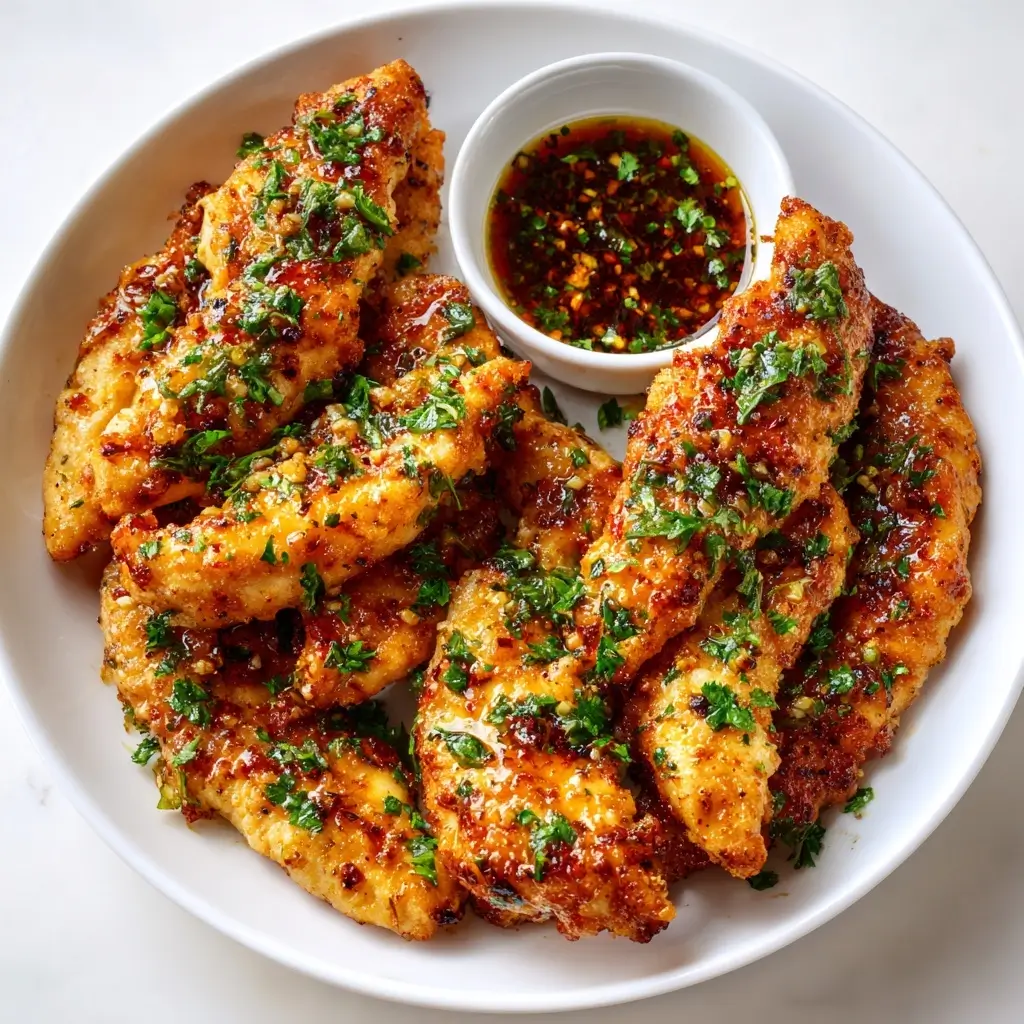
Garlic Butter Chicken Tenders are the ultimate fusion of crispy comfort and aromatic sophistication—crunchy on the outside, juicy and tender within, all enveloped in a luxuriously rich, golden garlic butter sauce that clings lovingly to every bite. Unlike standard fast-food-style tenders drenched in generic fryer oil or bland marinades, this elevated version celebrates fresh, whole-food ingredients, bold garlic notes, and the unmistakable depth of browned butter—transforming an everyday protein into a restaurant-worthy centerpiece for weeknight dinners, game-day spreads, or even elegant appetizers. Whether you’re a seasoned home cook seeking reliable crowd-pleasers or a beginner craving foolproof flavor, these tenders deliver consistent excellence with minimal fuss and maximum satisfaction. Their versatility makes them equally at home alongside creamy mashed potatoes, tossed into warm pasta, tucked into soft brioche buns as gourmet sandwiches, or served with vibrant dipping sauces and seasonal vegetables.
The History
The evolution of chicken tenders traces back to the mid-20th century, when American food scientists and entrepreneurs began exploring ways to utilize smaller, less premium cuts of chicken while improving texture, shelf life, and consumer appeal. While the exact origin is debated—some credit the 1950s innovations of Keystone Foods or the 1963 patent filed by Robert C. Baker (often called the “father of poultry science”) for his ground-chicken nugget prototype—the modern breaded and fried chicken tender as we know it gained mainstream traction in the 1970s and 1980s through fast-food chains and frozen grocery aisles. Garlic butter, however, boasts a far older lineage: garlic has been prized for its medicinal and culinary properties since ancient Egyptian, Greek, and Roman civilizations, while clarified and browned butter has graced French haute cuisine for centuries—think beurre noisette in classic sauces like meunière. The marriage of these two culinary pillars—crispy, handheld chicken and decadent, herb-flecked garlic butter—emerged organically in the late 1990s and early 2000s as home cooks and chefs alike sought richer, more nuanced alternatives to ketchup or ranch. Food blogs, cooking shows, and viral social media recipes accelerated its popularity, transforming garlic butter from a finishing touch into the star of the marinade, glaze, and pan sauce—all culminating in today’s beloved Garlic Butter Chicken Tenders: a delicious testament to global tradition meeting modern convenience and flavor-forward innovation.
Ingredients Breakdown
Every element in this recipe serves a distinct, intentional purpose—no filler, no afterthoughts. Let’s explore the functional role and sensory contribution of each core component:
- Chicken Breast Tenderloins (or Cutlets): Naturally lean, ultra-tender, and quick-cooking, tenderloins offer superior texture versus larger breast pieces. If using whole boneless, skinless breasts, slicing them into uniform 1-inch-wide, 3–4-inch-long strips ensures even browning and prevents dryness. Their mild flavor acts as the perfect canvas for bold seasonings.
- All-Purpose Flour: Serves a triple function: it absorbs surface moisture for optimal breading adhesion, creates a light, crisp initial crust when fried or baked, and helps thicken the final garlic butter sauce slightly for luxurious cling.
- Eggs (Large, Pasture-Raised Preferred): Act as the essential binding agent between flour and breadcrumbs. Beating them thoroughly with a splash of milk or buttermilk adds tenderness and promotes even coating. Egg whites provide structure; yolks contribute richness and emulsifying power crucial for sauce stability.
- Panko Breadcrumbs: Japanese-style, airy, flaky, and irregularly shaped—panko delivers unparalleled crunch and superior oil absorption control compared to fine, dense traditional breadcrumbs. Toasting them lightly before use deepens nuttiness and enhances structural integrity.
- Garlic (Fresh, Minced or Pressed): The aromatic heart of the dish. Fresh garlic contains allicin, which transforms when heated—offering pungent brightness when raw, sweet mellowness when sautéed, and deep umami when gently browned in butter. Avoid pre-minced jarred garlic for optimal flavor and texture.
- Unsalted Butter (High-Quality, 82%+ Fat Content): Unsalted allows precise sodium control. High-fat European-style butter browns more evenly, develops complex nutty notes (thanks to milk solids caramelizing), and carries fat-soluble garlic compounds more effectively than margarine or oils. Ghee may be substituted for dairy-free needs but alters flavor profile.
- Heavy Cream or Full-Fat Half-and-Half: Adds velvety body, balances garlic’s sharpness, and stabilizes the emulsion so the sauce doesn’t break or separate. Its dairy proteins and fats bind seamlessly with the butter and pan drippings.
- Fresh Parsley (Flat-Leaf Italian): Added off-heat for vibrant color, clean herbal contrast, and subtle peppery freshness that cuts through richness—never dried, which lacks volatile oils and can taste dusty.
- Lemon Juice (Freshly Squeezed): A critical finishing touch: its bright acidity lifts heaviness, enhances garlic’s complexity, and brightens the entire dish without making it sour. Bottled lemon juice lacks enzymatic nuance and often contains preservatives that dull flavor.
- Smoked Paprika (Sweet or Mild): Not just for color—it imparts subtle earthy-sweet warmth and depth, rounding out garlic’s intensity and complementing browned butter beautifully. Avoid hot varieties unless intentionally spicing up the dish.
- Onion Powder & Garlic Powder (Optional but Recommended): Used *sparingly* to reinforce savory backbone without overpowering fresh garlic. They provide consistent background umami and help season the interior of the chicken during the dredging stage.
- Kosher Salt & Freshly Ground Black Pepper: Kosher salt’s large crystals ensure even distribution and prevent oversalting; freshly cracked black pepper delivers volatile aromatic oils unavailable in pre-ground versions.
Additional pantry staples like olive oil (for high-heat searing), white wine (for deglazing and adding acidity and complexity), and Dijon mustard (for subtle tang and emulsification aid) appear in advanced variations—each chosen for functional synergy, not mere tradition.
Step-by-Step Recipe
- Prep & Marinate (15 minutes + optional 30-min rest): Pat chicken tenders *extremely dry* with paper towels—moisture is the enemy of crispness. In a medium bowl, combine 1 tsp kosher salt, ½ tsp black pepper, ½ tsp smoked paprika, ¼ tsp onion powder, and ¼ tsp garlic powder. Add chicken and toss gently to coat evenly. Let sit at room temperature for 15–30 minutes (refrigerate up to 2 hours if prepping ahead). This step seasons deeply and draws out excess water via osmosis, yielding firmer, juicier meat.
- Set Up Breading Station (5 minutes): Arrange three shallow dishes in order: (1) All-purpose flour mixed with ½ tsp salt and ¼ tsp pepper; (2) Egg wash—2 large eggs beaten with 2 tbsp milk or buttermilk and 1 tsp Dijon mustard (optional but recommended for binding); (3) Panko breadcrumbs (1 cup), toasted in a dry skillet over medium-low heat for 3–4 minutes until golden and fragrant, then cooled slightly. Stir in 2 tbsp finely grated Parmesan cheese, 1 tbsp chopped fresh parsley, and ½ tsp lemon zest for extra dimension.
- Bread Methodically (10 minutes): Working with 2–3 pieces at a time, dredge chicken first in flour (shake off excess), then dip fully into egg wash (let excess drip), finally press firmly into panko mixture—coating all sides evenly. Place breaded tenders on a wire rack set over parchment—not a plate—to prevent sogginess and allow air circulation. Refrigerate uncovered for 10 minutes (critical step!) to set the crust and prevent breading slippage during cooking.
- Cook to Perfection (12–15 minutes): Heat ¼ inch of high-smoke-point oil (avocado, grapeseed, or refined coconut) in a heavy-bottomed skillet (cast iron preferred) over medium-high heat to 350°F (use thermometer for accuracy). Carefully add tenders in a single layer without crowding—fry in batches if needed. Cook 3–4 minutes per side until deep golden brown, crisp, and internal temperature reaches 165°F (use instant-read thermometer inserted into thickest part). Transfer to a wire rack set over paper towels to drain excess oil—not a plate—to maintain crunch. Rest 2 minutes.
- Prepare Garlic Butter Sauce (5 minutes): Wipe skillet clean (reserve ~1 tsp oil if desired). Reduce heat to medium-low. Add 6 tbsp unsalted butter and melt completely. Add 4–5 finely minced garlic cloves and sauté 60–90 seconds—just until fragrant and softened, *not browned yet*. Immediately stir in ¼ cup heavy cream, 1 tbsp fresh lemon juice, and a pinch of red pepper flakes (optional). Simmer gently 1–2 minutes until slightly thickened and glossy. Remove from heat.
- Finish & Serve (2 minutes): Return cooked tenders to skillet with sauce. Toss gently over low heat for 30–60 seconds—just enough to coat and warm through. Do *not* boil or overcook, or chicken will toughen. Sprinkle generously with 2 tbsp freshly chopped flat-leaf parsley and an additional twist of lemon zest. Serve immediately while piping hot and maximally crisp.
Tips
- Dry Chicken Is Non-Negotiable: Use triple-layered paper towels and press gently—any residual moisture creates steam under breading, leading to peeling and sogginess. For best results, pat dry, season, then pat *again* before dredging.
- Chill Before Cooking: That 10-minute refrigeration after breading firms the coating, seals the layers, and dramatically reduces oil absorption—resulting in lighter, crisper tenders.
- Oil Temperature Matters More Than You Think: Too cool = greasy, soggy, pale tenders. Too hot = burnt exterior, raw interior. Use a deep-fry or candy thermometer religiously. If you don’t have one, test with a wooden chopstick—bubbles should form steadily around it, not violently.
- Don’t Crowd the Pan: Overcrowding drops oil temperature instantly, steams instead of fries, and causes tenders to stick. Cook in batches—even if it takes longer—and keep finished tenders warm on a wire rack in a 200°F oven.
- Garlic Timing Is Everything: Fresh garlic burns easily. Mince it finely, add to *melted* (not foaming-hot) butter, and stir constantly. Remove from heat the second it becomes aromatic—carryover heat will finish cooking it.
- Sauce Emulsion Science: To prevent breaking, ensure butter is fully melted and warm (not scalding) before adding cold cream. Whisk constantly while adding cream in a slow, steady stream. If sauce separates, remove from heat and whisk in 1 tsp cold water or lemon juice—it often re-emulsifies.
- Rest Before Serving: Letting tenders rest 2 minutes after frying allows juices to redistribute, preventing dryness when sliced or bitten. Never skip this.
- Double-Dip for Extra Crunch (Pro Tip): For ultra-gourmet texture, repeat the egg wash → panko step once more after the first breading sets—creates a dramatic, shatteringly crisp double crust.
- Baking Option Without Compromise: Preheat oven to 425°F. Line a baking sheet with parchment and top with a wire rack. Spray breaded tenders generously with avocado oil spray. Bake 12–15 minutes, flipping halfway, until golden and 165°F internally. Finish under broiler 1 minute for color. Then toss in warm garlic butter sauce.
- Make-Ahead Friendly: Breaded, uncooked tenders freeze beautifully for up to 3 months—place on parchment-lined tray, freeze solid, then transfer to freezer bag. Cook from frozen: add 2–3 minutes to fry time or bake at 425°F for 20–22 minutes.
Variations and Customizations
This recipe is a master template—infinitely adaptable to dietary needs, flavor preferences, global inspirations, and seasonal ingredients. Here’s how to make it your own:
Dietary Adaptations
- Gluten-Free: Substitute 1:1 gluten-free all-purpose flour blend (like Bob’s Red Mill) and certified GF panko (Kikkoman or Ian’s). Ensure all spices and broth are certified GF.
- Dairy-Free: Replace butter with high-quality vegan butter (Miyoko’s or Earth Balance), heavy cream with full-fat coconut milk (chilled, solid part only), and omit Parmesan—or use nutritional yeast for umami. Note: texture and browning differ slightly.
- Low-Carb/Keto: Skip flour and breadcrumbs. Instead, coat chicken in crushed pork rinds + grated Parmesan + almond flour + spices. Air-fry at 400°F for 12–14 minutes, shaking halfway. Sauce remains unchanged.
- Vegetarian/Vegan Alternative: Use large, firm tofu cutlets (pressed 30 mins), seitan strips, or king oyster mushroom “scallops.” Marinate in soy sauce, garlic, and liquid smoke before breading and cooking. Adjust sauce with tamari instead of salt.
Flavor & Global Twists
- Herbes de Provence: Add 1 tsp dried herbes de Provence to panko; finish sauce with 1 tsp lavender honey and a drizzle of white balsamic reduction.
- Asian-Inspired: Swap panko for tempura batter (ice-cold sparkling water + rice flour + cornstarch); use toasted sesame oil in sauce, add 1 tsp grated ginger, 1 tbsp soy sauce, and garnish with scallions and sesame seeds.
- Spicy Cajun: Season flour with 1 tbsp Cajun spice blend; add 1 tsp chipotle powder to sauce and finish with pickled jalapeño ribbons.
- Mediterranean: Mix dried oregano, lemon zest, and crumbled feta into panko; deglaze pan with dry white wine before adding cream; garnish with Kalamata olives and roasted tomatoes.
- Truffle Elegance: Infuse melted butter with ½ tsp white truffle oil; stir in 1 tsp truffle paste at sauce finish; top with microgreens and shaved black truffle.
Culinary Applications Beyond Appetizers
- Pasta Integration: Toss warm tenders and sauce with linguine, roasted cherry tomatoes, baby spinach, and extra Parmesan for a 20-minute dinner.
- Salad Topper: Slice cooled tenders and serve over mixed greens, grilled corn, avocado, red onion, and cilantro-lime vinaigrette.
- Sliders & Sandwiches: Stuff into brioche buns with garlic aioli, arugula, and caramelized onions—or layer in croissants with brie and fig jam.
- Breakfast Reinvention: Serve alongside sunny-side-up eggs, roasted potatoes, and hollandaise for a decadent brunch entrée.
- Meal Prep Powerhouse: Cook tenders and sauce separately. Store sauce chilled up to 5 days; reheat gently. Re-crisp tenders in air fryer (375°F, 4–5 mins) before tossing in warm sauce.
Health Considerations and Nutritional Value
While traditionally viewed as indulgent, Garlic Butter Chicken Tenders can be thoughtfully optimized for balanced nutrition without sacrificing pleasure. Here’s a realistic, evidence-informed analysis based on a standard 4-tender serving (approx. 180g chicken, 2 tbsp butter, ¼ cup cream, panko, seasonings):
Nutritional Snapshot (Per Serving, Approximate)
- Calories: 480–520 kcal
- Protein: 38–42g (excellent complete protein source; supports muscle synthesis and satiety)
- Total Fat: 28–32g (of which 16–18g saturated—primarily from butter and cream)
- Carbohydrates: 18–22g (mainly from panko; fiber ~1g unless whole-grain panko used)
- Sodium: 580–650mg (moderate; easily reduced by omitting added salt in breading and using low-sodium broth in variations)
- Vitamins & Minerals: Rich in selenium (immune support), niacin (B3, energy metabolism), vitamin B6 (neurological health), and choline (cell membrane integrity). Garlic contributes allicin (anti-inflammatory, cardiovascular support), especially when consumed raw or lightly cooked.
Smart Modifications for Health-Conscious Cooking
- Reduce Saturated Fat: Substitute half the butter with heart-healthy olive oil in the sauce; use light coconut milk instead of heavy cream; opt for air-frying over deep-frying to cut oil absorption by up to 75%.
- Increase Fiber & Micronutrients: Use whole-wheat or oat-based panko; add 1 tbsp ground flaxseed or psyllium husk to flour dredge; serve with steamed broccoli, quinoa pilaf, or kale salad rich in vitamins K, A, and C.
- Lower Glycemic Impact: Replace traditional panko with crushed almonds, sunflower seeds, or crushed rice cakes for grain-free, lower-carb crunch.
- Support Gut Health: Add 1 tbsp unpasteurized apple cider vinegar to egg wash (prebiotic effect) or serve with fermented sides like kimchi or sauerkraut.
- Consider Portion Strategy: Focus on protein and veggie volume—serve 2–3 tenders alongside double portions of roasted vegetables or lentil salad rather than starch-heavy sides.
Important note: While garlic offers documented bioactive benefits (e.g., modest blood pressure and cholesterol modulation in clinical studies), these effects require regular, significant intake—not occasional culinary use. Enjoy this dish mindfully, prioritizing whole ingredients and balance—not as a “health food,” but as nourishing, pleasurable, and sustainable real food.
Ingredients
- 1 lb boneless, skinless chicken breast tenderloins (or 1 large chicken breast, sliced into 1-inch-wide strips)
- ½ cup all-purpose flour (or gluten-free 1:1 blend)
- 2 large eggs
- 2 tbsp whole milk or buttermilk
- 1 tsp Dijon mustard (optional, for binding)
- 1 cup panko breadcrumbs (preferably toasted)
- ¼ cup finely grated Parmesan cheese (omit for dairy-free)
- 2 tbsp fresh flat-leaf parsley, finely chopped (plus extra for garnish)
- 1 tbsp lemon zest (from 1 large lemon)
- 1 tsp smoked paprika (sweet or mild)
- 1 tsp kosher salt (plus more to taste)
- ½ tsp freshly ground black pepper
- ¼ tsp onion powder
- ¼ tsp garlic powder
- ½ cup high-smoke-point oil (avocado, grapeseed, or refined coconut) for frying
- 6 tbsp unsalted butter (high-fat, European-style preferred)
- 4–5 garlic cloves, finely minced (about 1½ tbsp)
- ¼ cup heavy cream or full-fat half-and-half
- 1 tbsp fresh lemon juice (from same lemon)
- Pinch of red pepper flakes (optional)
- Extra lemon wedges and parsley for serving
Directions
- Prep Chicken: Pat chicken tenders *very dry* with paper towels. Place in a bowl and season with 1 tsp kosher salt, ½ tsp black pepper, 1 tsp smoked paprika, ¼ tsp onion powder, and ¼ tsp garlic powder. Toss to coat evenly. Let sit at room temperature for 15 minutes (or refrigerate up to 2 hours).
- Set Up Breading Station: Prepare three shallow dishes: (1) Flour mixed with ½ tsp salt and ¼ tsp pepper; (2) Eggs beaten with milk, Dijon, and ¼ tsp salt; (3) Toasted panko mixed with Parmesan, 1 tbsp parsley, lemon zest, and remaining ¼ tsp pepper.
- Bread Chicken: Working with 2–3 pieces at a time, dredge chicken in flour (shake off excess), dip in egg mixture (let excess drip), then press firmly into panko mixture to coat thoroughly. Place on a wire rack. Refrigerate uncovered for 10 minutes.
- Heat Oil: In a heavy skillet (cast iron ideal), heat ¼ inch oil over medium-high heat to 350°F (use thermometer). Maintain temperature throughout frying.
- Fry Tenders: Carefully add tenders in a single layer. Fry 3–4 minutes per side until deep golden brown and internal temperature reaches 165°F. Transfer to wire rack over paper towels. Repeat with remaining batches, wiping skillet and reheating oil as needed.
- Make Sauce: Wipe skillet clean. Reduce heat to medium-low. Add butter and melt. Add minced garlic; sauté 60–90 seconds until fragrant. Stir in cream, lemon juice, and red pepper flakes. Simmer 1–2 minutes until slightly thickened.
- Combine & Finish: Return tenders to skillet with sauce. Gently toss over low heat for 30–60 seconds to coat and warm. Remove from heat. Stir in remaining 1 tbsp parsley. Serve immediately with lemon wedges.
FAQ
- Can I bake these instead of frying?
- Absolutely! Preheat oven to 425°F. Place breaded tenders on a wire rack over a parchment-lined baking sheet. Lightly spray with avocado oil. Bake 12–15 minutes, flipping halfway, until golden and 165°F internally. Broil 1 minute for extra color. Toss in warm garlic butter sauce just before serving.
- Why does my breading fall off?
- Most commonly due to moisture (didn’t pat chicken dry enough), insufficient chilling (skip the 10-minute fridge step), or overcrowding the pan (causes steam). Also ensure you’re pressing firmly into panko—not just dusting.
- Can I make the sauce ahead of time?
- Yes—garlic butter sauce keeps refrigerated for up to 5 days. Reheat gently in a saucepan over low heat, whisking constantly. Add 1 tsp warm water or lemon juice if separation occurs.
- What’s the best oil for frying?
- Choose neutral, high-smoke-point oils: avocado (520°F), grapeseed (420°F), or refined coconut (450°F). Avoid olive oil (low smoke point) or butter (burns instantly).
- Can I freeze breaded, uncooked tenders?
- Yes! Arrange on parchment-lined tray, freeze solid (2 hours), then transfer to freezer bag. Cook from frozen—add 2–3 minutes to frying time or bake at 425°F for 20–22 minutes.
- My sauce broke—how do I fix it?
- Remove from heat immediately. Whisk in 1 tsp cold water, lemon juice, or Dijon mustard. Slowly drizzle in 1 tsp warm cream while whisking vigorously. It usually re-emulsifies within 20 seconds.
- Can I use chicken thighs instead?
- You can—but adjust timing. Thighs are fattier and juicier but take longer to cook through. Cut into uniform strips and increase fry time by 1–2 minutes per side. Internal temp should still reach 165°F.
- Is there a way to reduce the garlic aftertaste?
- Yes—pair with fresh parsley (chlorophyll helps neutralize odor), drink green tea (catechins bind sulfur compounds), or chew fennel seeds or apples post-meal. Cooking garlic longer also mellow its volatility.
- How do I keep tenders crispy if making ahead for a party?
- Keep cooked, unbuttered tenders on a wire rack in a 200°F oven while finishing other tasks. Toss in warm sauce *just* before serving. Never hold sauced tenders—they’ll soften rapidly.
- What wines pair well with Garlic Butter Chicken Tenders?
- Opt for high-acid, aromatic whites: unoaked Chardonnay, Albariño, or Vermentino cut through richness. For red lovers, try a light-bodied, low-tannin Pinot Noir or chilled Beaujolais.
Summary
Garlic Butter Chicken Tenders are a master