Introduction
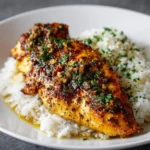
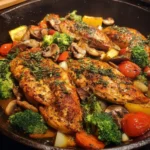
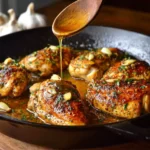
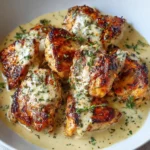
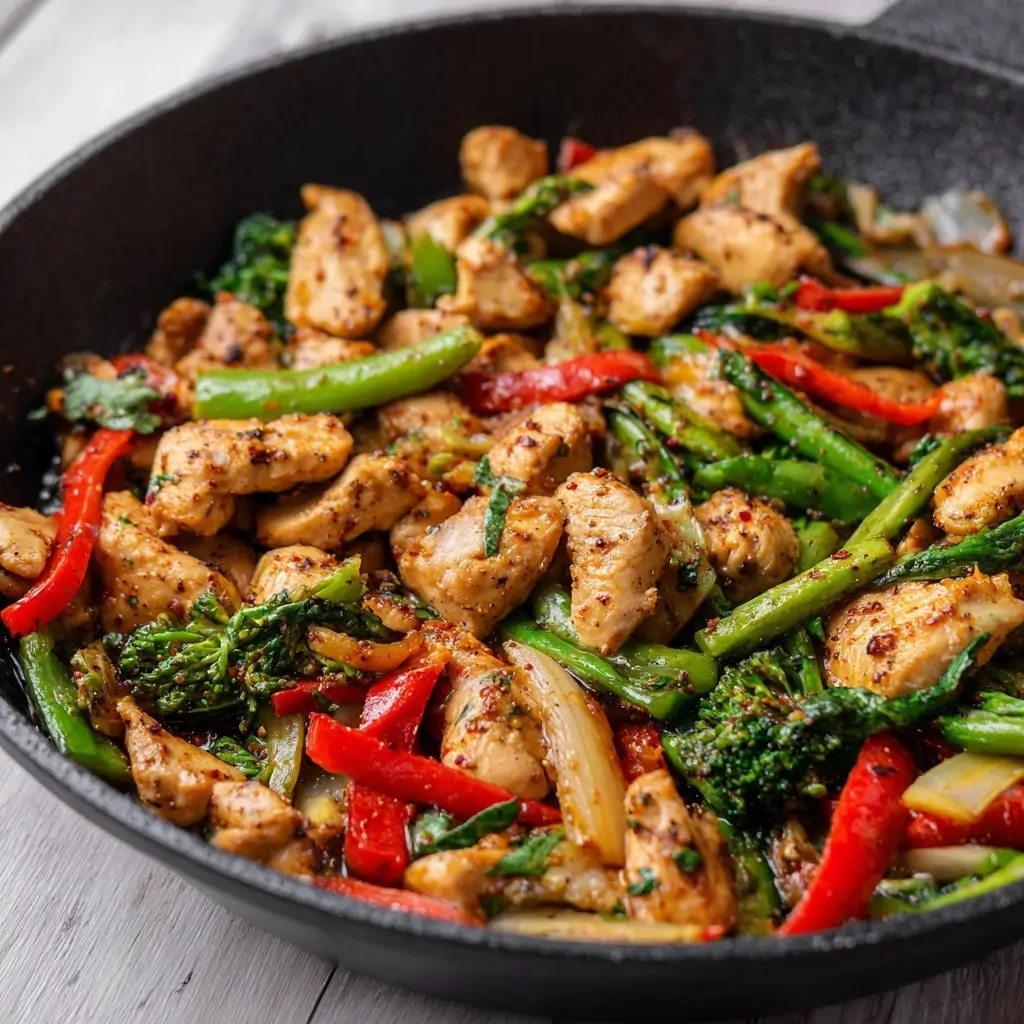
Garlic Butter Chicken Stir Fry is a vibrant, restaurant-quality dish that brings together the bold aroma of fresh garlic, the rich creaminess of butter, and the tender juiciness of perfectly cooked chicken—all tossed with crisp, colorful vegetables in a matter of minutes. This dish bridges the comforting familiarity of classic American-Asian fusion with the refined depth of French-inspired pan-searing techniques. Whether you’re preparing a weeknight dinner for your family, hosting friends for an informal gathering, or meal prepping for balanced lunches, Garlic Butter Chicken Stir Fry delivers exceptional flavor, texture, and versatility—without requiring advanced culinary skills or hours in the kitchen. Its irresistible golden-brown sear, glossy sauce, and aromatic steam rising from the wok make it as visually stunning as it is delicious.
The History
Stir-frying as a cooking method traces its origins to China over 2,000 years ago during the Han Dynasty, where the development of the wok and high-heat charcoal stoves enabled rapid, even cooking that preserved nutrients and intensified flavors. Garlic has been cultivated and revered across Asia, the Middle East, and Mediterranean regions for millennia—not only for its pungent, savory profile but also for its medicinal properties documented in ancient Ayurvedic and Traditional Chinese Medicine texts. Butter, though less common in traditional East Asian kitchens (where rendered lard or sesame oil dominated), entered stir-fry applications through 20th-century Western culinary cross-pollination—particularly via U.S.-based Chinese restaurants seeking richer mouthfeel and broader appeal. The modern Garlic Butter Chicken Stir Fry emerged prominently in the 1980s and ’90s as home cooks embraced accessible gourmet techniques, aided by food television shows, glossy cooking magazines, and the rise of specialty grocery sections offering fresh herbs, imported butters, and premium soy sauces. Today, it stands as a beloved hybrid: honoring Eastern technique while embracing Western dairy richness—a testament to globalized palates and the universal love of garlic and golden-brown umami.
Ingredients Breakdown
Every element in this Garlic Butter Chicken Stir Fry plays a deliberate role—building layers of savory depth, aromatic brightness, textural contrast, and balanced acidity. Below is a meticulous breakdown of each component and why it matters:
- Chicken Breast or Thighs: Boneless, skinless chicken breast offers lean tenderness; thighs provide superior moisture, fat content, and flavor resilience under high heat. Uniform 1-inch cubes ensure even cooking and maximum surface area for caramelization.
- Unsalted Butter: High-fat (82–85%) European-style butter contributes luxurious mouthfeel, nutty complexity when browned, and natural emulsifiers that help create a velvety, clingy sauce. Unsalted butter gives precise sodium control.
- Fresh Garlic: Minced (not powdered or jarred) garlic releases allicin—the volatile compound responsible for its signature pungency and health benefits—only when crushed or chopped. Using 6–8 fresh cloves ensures bold, aromatic presence without bitterness.
- Low-Sodium Soy Sauce: Provides foundational umami and saltiness while minimizing excess sodium. Tamari or coconut aminos serve as excellent gluten-free or soy-free alternatives with comparable depth.
- Shaoxing Wine (or Dry Sherry): A traditional Chinese rice wine that de-glazes the pan, lifts fond, adds subtle sweetness and complexity, and tenderizes proteins. Non-alcoholic substitutes like rice vinegar + a pinch of sugar can approximate acidity and brightness—but lack the nuanced esters of real wine.
- Honey or Pure Maple Syrup: Adds gentle sweetness to balance salt and acid, aids caramelization during searing, and contributes viscosity to the final glaze. Raw honey retains more enzymes and floral notes; maple syrup imparts earthy warmth.
- Rice Vinegar: Offers clean, mild acidity to cut through richness and brighten the entire dish—distinct from harsher distilled white vinegars.
- Fresh Ginger: Grated on a microplane, it introduces citrusy, spicy warmth that complements garlic without competing—its volatile oils are most potent when freshly prepared.
- Neutral High-Heat Oil: Avocado, grapeseed, or peanut oil withstands stir-fry temperatures (400°F+) without smoking, ensuring safe, effective searing and preventing butter from burning prematurely.
- Vegetables: A thoughtfully curated mix—bell peppers (crunch + sweetness), broccoli florets (earthy bite + fiber), snap peas (bright pop + vitamin C), carrots (natural sweetness + beta-carotene), and scallions (fresh, oniony finish)—provides color, nutrition, and contrasting textures. All are cut to uniform sizes for synchronized doneness.
- Optional Enhancements: Toasted sesame seeds (nutty crunch), red pepper flakes (gentle heat), lime zest (citrus perfume), and fresh cilantro or Thai basil (herbal lift) elevate presentation and sensory dimensionality.
Step-by-Step Recipe
- Prep & Marinate (15 minutes): Cube chicken into 1-inch pieces. Pat *extremely* dry with paper towels—this is non-negotiable for achieving a proper sear. In a bowl, combine chicken with 1 tbsp low-sodium soy sauce, 1 tsp Shaoxing wine, 1 tsp cornstarch, and ½ tsp white pepper. Toss thoroughly and refrigerate for 10–15 minutes (up to 30 minutes max). Meanwhile, wash, dry, and uniformly chop all vegetables. Mince garlic and grate ginger—set aside separately.
- Make the Sauce (5 minutes): In a small bowl, whisk together ¼ cup low-sodium soy sauce, 2 tbsp honey (or maple syrup), 1 tbsp rice vinegar, 1 tbsp Shaoxing wine, 1 tsp toasted sesame oil, ½ tsp ground white pepper, and 1 tsp cornstarch until completely smooth and lump-free. Set aside at room temperature.
- Heat & Sear Chicken (4–5 minutes): Heat a 14-inch flat-bottomed wok or heavy-bottomed stainless steel/cast iron skillet over medium-high heat until shimmering. Add 1 tbsp neutral oil. Once oil ripples slightly, add chicken in a single layer—do not overcrowd. Let sear untouched for 2 minutes until deeply golden on one side, then flip and sear opposite side for 1.5–2 minutes until just cooked through (165°F internal temp). Remove chicken immediately to a clean plate—do not drain juices yet; they’ll enrich the sauce.
- Stir-Fry Vegetables (3–4 minutes): Reduce heat to medium. Add remaining 1 tsp oil to same wok. Immediately add carrots and broccoli—stir-fry 1 minute until edges begin to brighten. Add bell peppers and snap peas—continue stirring constantly for 1.5–2 minutes until crisp-tender (vibrant color retained, slight resistance when pierced). Avoid overcooking—they should retain bite and freshness.
- Aromatics & Deglazing (1 minute): Push vegetables to the outer rim of the wok. Center the space, reduce heat to medium-low, and add 2 tbsp unsalted butter. Once melted, add minced garlic and grated ginger. Stir constantly for 30–45 seconds—just until fragrant and golden (do not brown garlic). Immediately pour in the reserved sauce mixture, scraping up all browned bits (fond) from the pan bottom with a wooden spatula.
- Combine & Finish (2 minutes): Return seared chicken (and any accumulated juices) to the wok. Increase heat to medium-high and toss everything vigorously for 60–90 seconds until sauce thickens to a glossy, light caramel consistency that coats each piece. Adjust seasoning with a splash of soy sauce or a pinch of flaky sea salt if needed. Finish with a final 1 tbsp cold butter stirred in off-heat for extra richness and sheen.
- Garnish & Serve (1 minute): Remove from heat. Top generously with thinly sliced scallion greens, toasted sesame seeds, and optional red pepper flakes. For brightness, add a fine grating of lime zest or a squeeze of fresh lime juice just before serving.
Tips
- Dry Chicken is Key: Excess moisture causes steaming instead of searing. Pat chicken *twice*: once before cubing, again after marinating.
- Preheat Your Pan Properly: A properly heated wok should make droplets of water skitter and vanish instantly. This ensures immediate protein denaturation and prevents sticking.
- Don’t Skip the Cornstarch in Marinade: It forms a protective barrier, locking in juices and creating a subtle velvety texture reminiscent of professional Chinese “velveting” techniques.
- Use Cold Butter for Final Enrichment: Adding chilled butter off-heat emulsifies the sauce, lending silkiness and rounding sharp edges—similar to finishing a French pan sauce.
- Prep Everything Before You Start: Stir-frying moves fast. Mise en place—measuring, chopping, whisking, and arranging ingredients in order of use—is essential for success and stress-free execution.
- Control Garlic Burn: Garlic burns easily above 300°F. Always add it *after* initial searing and at reduced heat—or bloom it gently in butter rather than hot oil.
- Veggie Timing Matters: Harder vegetables (carrots, broccoli) go in first; delicate ones (snow peas, leafy greens) go in last. Blanch dense veggies for 60 seconds beforehand if short on time.
- Resist Overcrowding: Cook chicken in batches if needed. Crowding drops pan temperature, leading to gray, boiled chicken instead of golden-brown sear.
- Sauce Thickening Tip: If sauce doesn’t thicken, simmer 30 seconds longer—but never boil vigorously, which can break the emulsion. A tiny slurry (½ tsp cornstarch + 1 tsp water) can be stirred in as last resort.
- Rest Before Serving: Let stir-fry sit off-heat for 1–2 minutes before garnishing—this allows flavors to marry and sauce to settle evenly.
Variations and Customizations
This recipe is inherently adaptable—designed to honor dietary needs, seasonal availability, pantry constraints, and personal taste preferences. Explore these inspired variations:
- Spicy Szechuan Style: Add 1 tbsp doubanjiang (fermented broad bean paste) with aromatics, 1 tsp Sichuan peppercorns (toasted and crushed), and double the red pepper flakes. Finish with chili oil drizzle.
- Lemon-Herb Mediterranean Twist: Replace soy sauce with tamari + lemon juice, omit ginger, and add 1 tbsp chopped oregano + 2 tbsp crumbled feta. Use olive oil instead of neutral oil.
- Keto/Low-Carb Version: Swap honey for 1 tsp erythritol or monk fruit blend; replace carrots and snap peas with zucchini ribbons, shredded cabbage, and asparagus tips. Increase healthy fats with extra butter and avocado slices.
- Vegan Adaptation: Substitute chicken with extra-firm pressed tofu or seitan cubes (marinated in soy + smoked paprika). Use vegan butter and tamari. Boost umami with 1 tsp nutritional yeast in sauce.
- Coconut-Ginger Fusion: Replace half the butter with coconut oil, add 2 tbsp full-fat coconut milk to sauce, and infuse with lemongrass paste and kaffir lime leaves.
- Meal-Prep Friendly Batch: Double the recipe and portion into glass containers with brown rice or quinoa. Sauce will thicken further upon chilling—add 1 tsp warm water when reheating.
- Seafood Upgrade: Replace chicken with large shrimp (peeled, deveined, tails off) or scallops. Reduce protein cook time to 1–2 minutes per side. Add seaweed flakes for oceanic depth.
- Breakfast Stir Fry: Serve over fried or poached eggs, top with sriracha hollandaise, and garnish with chives and pickled jalapeños.
- Grill-Roasted Variation: Skewer marinated chicken and grill over charcoal; roast vegetables in cast iron on grill grates. Combine with sauce on stovetop.
- Deconstructed “Deconstructed” Bowl: Serve components separately—seared chicken, blanched veggies, garlic butter drizzle, herb salad, and quick-pickled onions—for customizable assembly and visual appeal.
Health Considerations and Nutritional Value
When prepared mindfully, Garlic Butter Chicken Stir Fry supports a nutrient-dense, balanced diet—offering high-quality protein, antioxidant-rich vegetables, heart-healthy fats, and functional phytonutrients. A standard 1.5-cup serving (without rice) contains approximately:
- Calories: ~420–480 kcal (varies based on butter/oil quantity)
- Protein: 38–42g (excellent source supporting muscle maintenance and satiety)
- Fat: 22–26g (predominantly unsaturated from butter and neutral oil; includes beneficial CLA and butyrate)
- Carbohydrates: 12–16g (mostly from vegetables and minimal added sweetener)
- Fiber: 4–6g (from broccoli, bell peppers, snap peas, and carrots)
- Vitamins & Minerals: Exceptionally high in Vitamin C (180% DV), Vitamin A (120% DV), Vitamin K (95% DV), potassium, selenium, and B vitamins—especially B6 from garlic and chicken.
Functional Benefits: Garlic contains allicin—shown in clinical studies to support cardiovascular health, immune modulation, and anti-inflammatory pathways. Ginger’s gingerols aid digestion and reduce nausea. Broccoli sulforaphane activates cellular detoxification enzymes. Butter provides bioavailable Vitamin K2 and butyric acid—linked to gut barrier integrity. To maximize wellness impact: choose organic vegetables when possible, grass-fed butter for higher omega-3 and CLA content, and limit added sodium by using low-sodium soy and skipping table salt. Those managing cholesterol should enjoy this dish moderately (2–3x weekly) and pair with high-fiber sides like barley or lentils to support lipid metabolism.
Ingredients
- 1.5 lbs boneless, skinless chicken breasts or thighs, cubed into 1-inch pieces
- 3 tbsp unsalted butter, divided (2 tbsp for cooking, 1 tbsp cold for finish)
- 2 tbsp neutral high-heat oil (avocado, grapeseed, or peanut), divided
- 6–8 large garlic cloves, finely minced
- 1 tbsp fresh ginger, peeled and finely grated
- 1 large red bell pepper, julienned
- 1.5 cups broccoli florets, cut small
- 1 cup sugar snap peas, trimmed
- 1 medium carrot, julienned or spiralized
- 4 green onions, thinly sliced (white parts separated from greens)
- ¼ cup low-sodium soy sauce (or tamari/coconut aminos)
- 2 tbsp raw honey or pure maple syrup
- 1 tbsp unseasoned rice vinegar
- 1 tbsp Shaoxing wine (or dry sherry)
- 1 tsp toasted sesame oil
- 1 tsp cornstarch
- ½ tsp freshly ground white pepper
- Flaky sea salt, to taste (optional)
- For garnish: toasted sesame seeds, red pepper flakes, lime zest, fresh cilantro or Thai basil
Directions
- Pat chicken very dry with paper towels. In a bowl, combine chicken with 1 tbsp soy sauce, 1 tsp Shaoxing wine, 1 tsp cornstarch, and ½ tsp white pepper. Toss well and refrigerate 10–15 minutes.
- In a separate small bowl, whisk together remaining ¼ cup soy sauce, honey, rice vinegar, 1 tbsp Shaoxing wine, sesame oil, remaining 1 tsp cornstarch, and ½ tsp white pepper until fully dissolved. Set aside.
- Heat wok or skillet over medium-high heat until very hot. Add 1 tbsp neutral oil. When oil shimmers, add chicken in a single layer. Sear undisturbed 2 minutes, flip, and sear 1.5–2 more minutes until golden and cooked through. Transfer to a plate; reserve juices.
- Reduce heat to medium. Add remaining 1 tsp oil. Stir-fry carrots and broccoli 1 minute. Add bell peppers and snap peas; stir-fry 1.5–2 minutes until crisp-tender.
- Push veggies to edges. Reduce heat to medium-low. Add 2 tbsp butter. Once melted, add minced garlic and grated ginger (plus white parts of scallions). Stir 30–45 seconds until fragrant.
- Pour in sauce mixture, scraping up all browned bits. Bring to gentle bubble.
- Return chicken and any juices to wok. Increase heat to medium-high. Toss continuously 60–90 seconds until sauce thickens and coats everything.
- Remove from heat. Stir in remaining 1 tbsp cold butter until melted and glossy.
- Garnish with scallion greens, sesame seeds, red pepper flakes, and lime zest. Serve immediately over steamed jasmine rice, brown rice, cauliflower rice, or noodles.
FAQ
- Can I use frozen chicken?
- Yes—but thaw completely in the refrigerator overnight and pat *extremely* dry before marinating. Never stir-fry partially frozen chicken—it will steam and never sear properly.
- Why does my sauce break or become greasy?
- This usually occurs from overheating the butter (causing separation), adding cold sauce to a scorching-hot pan, or vigorous boiling after thickening. Solution: Lower heat when adding sauce, whisk constantly, and finish with cold butter off-heat to re-emulsify.
- How do I store and reheat leftovers?
- Cool completely and store in airtight container for up to 4 days refrigerated or 3 months frozen. Reheat gently in skillet over medium-low heat with 1 tsp water or broth to revive sauce consistency—avoid microwaving uncovered, which dries out chicken.
- Can I make this dairy-free?
- Absolutely. Substitute butter with refined coconut oil (neutral flavor) or high-oleic sunflower oil. For richness, add 1 tbsp cashew cream or silken tofu blended into the sauce.
- What’s the best rice pairing?
- Jasmine rice for floral aroma and light stickiness; brown rice for fiber and nuttiness; forbidden black rice for antioxidants and dramatic contrast; or shirataki noodles for ultra-low-carb.
- Is cornstarch necessary?
- Highly recommended—it stabilizes the sauce, prevents separation, and creates the signature glossy cling. Arrowroot powder works as 1:1 substitute; tapioca starch is acceptable but may yield slightly stringier texture.
- Can I air-fry the chicken instead?
- You can—but it won’t replicate the fond or depth of wok hei. Air-fry at 400°F for 10–12 minutes, shaking halfway. Then proceed with stir-frying veggies and sauce as directed.
- My garlic tastes bitter—what went wrong?
- Burning. Garlic scorches in under 60 seconds over medium-high heat. Always add it with butter (lower smoke point), reduce heat, and stir constantly. Freshness matters too—old garlic oxidizes and turns acrid.
- Can I double this recipe?
- Yes—with caveats: Use two woks/skillets or cook in *two full batches*, including vegetables and sauce. Doubling in one pan leads to steaming, not stir-frying.
- What wine pairs beautifully with this dish?
- A lightly oaked Chardonnay (buttery notes echo the sauce), Grüner Veltliner (peppery brightness cuts richness), or dry Riesling (acid and stone fruit balance umami). For non-alcoholic: sparkling ginger-lime water or roasted barley tea.
Summary
Garlic Butter Chicken Stir Fry is a masterclass in balancing bold, aromatic depth with crisp, vibrant freshness—uniting centuries-old stir-fry tradition with modern flavor science and mindful nutrition.
From its golden-seared chicken and jewel-toned vegetables to its luxuriously glossy, garlicky-buttery sauce infused with ginger and umami, this dish delivers restaurant-worthy elegance with the ease and speed of a true weeknight essential.