Introduction
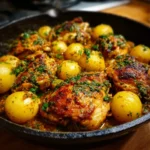
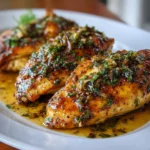
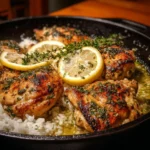
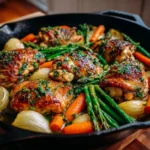
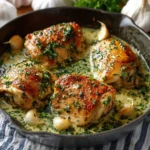
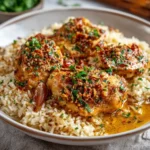
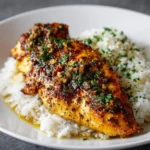
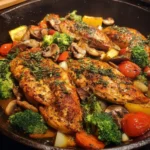
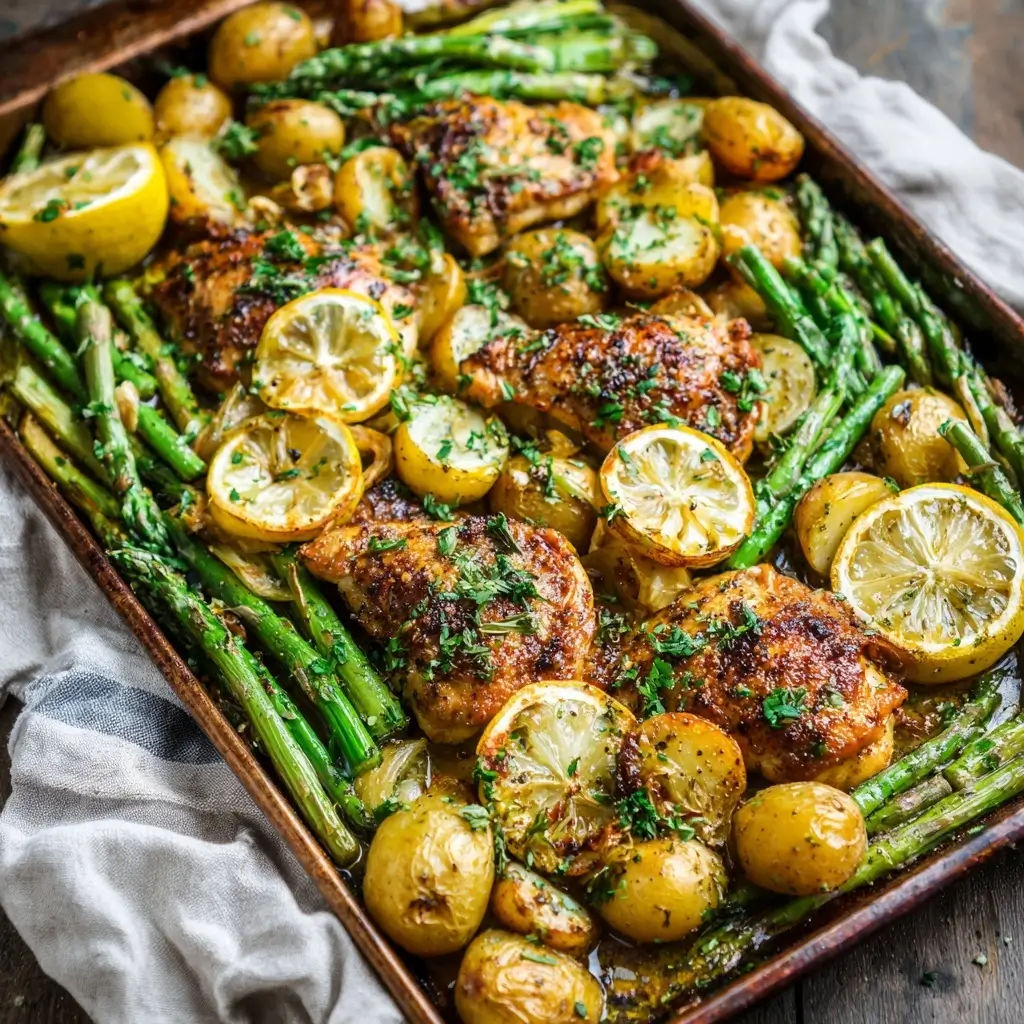
Welcome to the ultimate one-pan solution for busy weeknights, cozy family dinners, and effortless entertaining: Garlic Butter Chicken Sheet Pan Dinner. This mouthwatering, restaurant-worthy meal brings together tender, juicy chicken breasts or thighs, golden roasted vegetables, and a rich, aromatic garlic butter sauce—all cooked together on a single sheet pan for minimal prep, zero fuss, and maximum flavor. With its irresistible aroma wafting through your kitchen, vibrant colors, and deeply savory-sweet notes, this dish is more than just convenient—it’s comforting, satisfying, and endlessly adaptable. Whether you’re a seasoned home cook or just beginning your culinary journey, this recipe delivers consistent, crowd-pleasing results with minimal active time and clean-up. Let’s dive into everything you need to know—from its humble origins to pro-level tips that’ll elevate every bite.
The History
While garlic butter chicken itself has roots stretching back centuries—garlic having been revered since ancient Egypt for both medicinal and culinary uses, and butter long cherished in European cuisines—the sheet pan dinner format is a distinctly modern evolution of home cooking. The concept gained widespread popularity in the early 2010s as part of the broader “sheet pan supper” movement, championed by food bloggers, meal-prep advocates, and health-conscious families seeking simplicity without sacrificing taste or nutrition. Influenced by Mediterranean roasting traditions (think Greek lemon-herb chicken), French beurre blanc techniques, and American comfort-food sensibilities, Garlic Butter Chicken Sheet Pan Dinner represents a beautiful fusion of global flavors and contemporary lifestyle needs. Its rise coincided with the proliferation of high-quality nonstick and heavy-gauge aluminum sheet pans, oven-safe cast iron alternatives, and an increased cultural emphasis on time efficiency, reduced food waste, and mindful, ingredient-forward cooking. Today, it’s a staple in meal-planning guides, dietitian-recommended weekly menus, and even gourmet cooking magazines—proving that convenience and culinary excellence aren’t mutually exclusive.
Ingredients Breakdown
Every exceptional Garlic Butter Chicken Sheet Pan Dinner begins with thoughtfully selected, high-quality ingredients—each playing a distinct role in building layers of texture, aroma, and depth. Below is a comprehensive breakdown of why each component matters:
- Chicken (boneless, skinless breasts or thighs): Breasts offer lean tenderness and quick cook time; thighs provide richer flavor, higher fat content for juiciness, and greater forgiveness against overcooking. Opt for organic, air-chilled, or pasture-raised when possible for superior texture and ethical sourcing.
- Unsalted butter: The soul of the dish—unsalted allows precise sodium control and delivers pure, creamy richness. European-style (82–86% fat) butter enhances browning and adds nuanced nuttiness when roasted.
- Fresh garlic (minced or pressed): Far superior to jarred or powdered—fresh garlic releases allicin when crushed, offering pungent depth that mellows beautifully during roasting into sweet, caramelized complexity.
- Lemon juice & zest: Bright acidity from fresh-squeezed juice cuts through the butter’s richness, while finely grated zest contributes volatile citrus oils that perfume the entire dish without adding liquid.
- Dijon mustard: A small but pivotal addition—its tangy sharpness and natural emulsifiers help bind the sauce, prevent separation, and add subtle warmth and complexity.
- Fresh herbs (parsley, thyme, rosemary): Flat-leaf parsley adds freshness and color; thyme contributes earthy, floral notes; rosemary imparts piney intensity. Dried herbs can substitute in a pinch—but use ⅓ the amount, as they’re more concentrated and less aromatic when roasted.
- Vegetables (baby potatoes, carrots, bell peppers, zucchini, red onion, broccoli florets): A balanced medley ensures textural contrast and nutritional diversity. Waxy potatoes (like Yukon Gold or baby Dutch) hold shape and absorb sauce; carrots caramelize naturally; bell peppers add sweetness and crunch; zucchini softens elegantly; onions become jammy; broccoli offers slight bitterness and vibrant green hue.
- Olive oil (extra-virgin): Used for initial roasting—its polyphenols protect against oxidation at high heat, and its fruity, peppery notes complement garlic and herbs. Reserve a drizzle of high-quality EVOO for finishing.
- Seasonings (kosher salt, freshly ground black pepper, smoked paprika, garlic powder, onion powder): Kosher salt ensures even seasoning and better moisture retention; coarse black pepper adds aromatic heat; smoked paprika lends subtle smokiness and visual appeal; garlic and onion powders reinforce savory depth without raw bite.
Optional premium upgrades: white wine (¼ cup, added before roasting for deglazing and acidity), capers (for briny pop), cherry tomatoes (bursting sweetness), crumbled feta or goat cheese (added post-oven for creamy tang), or toasted pine nuts or slivered almonds (for nutty crunch).
Step-by-Step Recipe
- Prep & Preheat: Position oven rack in the center position. Preheat oven to 425°F (220°C). Line a large, rimmed half-sheet pan (18″ x 13″) with parchment paper or a silicone baking mat—this prevents sticking and simplifies cleanup. Lightly coat with olive oil or nonstick spray if using bare metal.
- Prepare the Chicken: Pat chicken pieces *very* dry with paper towels—this is essential for proper browning. Place in a large bowl. In a separate small bowl, whisk together 4 tbsp melted unsalted butter, 4 minced garlic cloves, 1 tbsp fresh lemon juice, 1 tsp Dijon mustard, 1 tsp lemon zest, 1 tsp smoked paprika, 1½ tsp kosher salt, and ½ tsp black pepper. Pour marinade over chicken and toss gently but thoroughly until evenly coated. Let marinate 15–30 minutes at room temperature (or up to 2 hours refrigerated—bring back to room temp before roasting).
- Cut & Season Vegetables: While chicken marinates, wash and dry all vegetables. Cut baby potatoes and carrots into uniform 1-inch chunks (halve baby potatoes if large). Slice bell peppers into 1-inch strips, red onion into ½-inch wedges, zucchini into ½-inch half-moons, and broccoli into bite-sized florets. Place all in a large mixing bowl. Drizzle with 3 tbsp extra-virgin olive oil, 1 tsp kosher salt, ½ tsp black pepper, ½ tsp garlic powder, and ½ tsp onion powder. Toss vigorously until fully coated and evenly distributed.
- Arrange on Pan: Spread seasoned vegetables in a single, even layer across the prepared sheet pan. Nestle marinated chicken pieces on top—do not overcrowd; leave at least ½ inch between pieces for optimal air circulation and browning. Tuck in any whole garlic cloves or herb sprigs (thyme/rosemary) among the vegetables for infused aroma.
- First Roast (Vegetables & Chicken Base): Roast at 425°F for 20 minutes. This initial high-heat blast jumpstarts caramelization on the vegetables and sets the chicken exterior.
- Flip & Baste: Remove pan carefully. Using tongs, flip chicken pieces to ensure even cooking and browning. Gently stir vegetables to redistribute. Spoon accumulated juices and buttery marinade over chicken and veggies. Add 2 tbsp cold butter, cut into small cubes, scattered evenly across the pan—this will melt slowly and enrich the sauce.
- Second Roast (Finishing & Glazing): Return to oven and roast another 12–18 minutes—or until chicken reaches 165°F internally (use an instant-read thermometer inserted into the thickest part, avoiding bone or fat) and vegetables are fork-tender with golden-brown, slightly charred edges. Broccoli should be vibrant green and crisp-tender; potatoes should yield easily but hold shape.
- Rest & Finish: Remove from oven and let rest 5 minutes—this allows juices to redistribute within the chicken and sauce to settle. Meanwhile, chop ¼ cup fresh flat-leaf parsley. Squeeze remaining ½ tbsp fresh lemon juice over the entire pan. Sprinkle with parsley, additional lemon zest, and a final drizzle of high-quality extra-virgin olive oil. Optional: scatter crumbled feta, toasted almonds, or a few capers.
- Serve: Transfer directly from sheet pan to serving platter or family-style bowls. Spoon generous amounts of roasted vegetables and glossy garlic butter sauce over each portion. Serve immediately while piping hot and fragrant.
Tips
- Dry Chicken = Crispy Chicken: Never skip the thorough pat-drying step—moisture is the enemy of browning. For even better results, season chicken with salt 30–60 minutes ahead and refrigerate uncovered (air-drying technique).
- Uniform Cutting Is Non-Negotiable: All vegetable pieces must be similar in size and thickness to ensure even roasting. Use a mandoline for carrots or potatoes if precision is challenging.
- Beware the Butter Burn Zone: Butter browns quickly at 425°F. To prevent scorching, always use a combination of olive oil (higher smoke point) for initial roasting and reserve melted butter for basting mid-process—or use clarified butter/ghee for full butter flavor without burning.
- Thermometer Over Time: Visual cues (golden chicken, tender veggies) are helpful—but internal temperature is the only foolproof method. Invest in an instant-read digital thermometer—it pays for itself in perfectly cooked proteins.
- Don’t Crowd the Pan: If doubling the recipe, use two sheet pans—not one overloaded pan. Crowding causes steaming instead of roasting, leading to soggy vegetables and pale chicken.
- Acid Last, Always: Lemon juice and vinegar are volatile—adding them too early can cause vegetables to break down or chicken to toughen. Always finish with fresh citrus for brightness and balance.
- Rescue a Broken Sauce: If your garlic butter sauce separates or looks greasy, remove 2 tbsp of the hot pan juices, whisk in 1 tsp Dijon mustard off-heat, then slowly whisk back into the pan while stirring constantly. Mustard acts as an emulsifier to rebind fats and liquids.
- Sheet Pan Material Matters: Heavy-gauge aluminum distributes heat evenly and prevents hot spots. Avoid thin, flimsy pans—they warp and cause uneven cooking. Dark nonstick pans may require reducing oven temp by 25°F to prevent over-browning.
- Resting Is Restorative: Skipping the 5-minute rest leads to juice loss when slicing. Cover loosely with foil to retain warmth without steaming.
- Make-Ahead Magic: Marinate chicken up to 24 hours ahead. Chop and store vegetables separately in airtight containers (up to 2 days). Assemble on pan just before roasting for peak freshness and texture.
Variations and Customizations
This recipe is gloriously flexible—designed to adapt to seasons, pantry staples, dietary preferences, and personal taste. Here’s how to make it uniquely yours:
Dietary Adaptations
- Keto/Low-Carb: Replace potatoes and carrots with cauliflower florets, radishes (roast whole), asparagus, green beans, and sliced mushrooms. Increase healthy fats: add avocado oil, extra butter, or a handful of macadamia nuts pre-roast.
- Paleo/Whole30: Substitute ghee or avocado oil for butter; omit Dijon (check label for compliant brands like Primal Kitchen); use coconut aminos instead of soy-based condiments; skip cheese/nuts if strict.
- Vegetarian/Vegan: Swap chicken for extra-firm tofu (pressed & cubed), tempeh strips, or hearty portobello caps. Use vegan butter (Miyoko’s or Earth Balance), nutritional yeast for umami, and tamari instead of soy-free options. Add chickpeas or white beans for protein boost.
- Gluten-Free: Naturally gluten-free—just verify Dijon mustard and any optional sauces (soy, teriyaki) are certified GF.
Global Flavor Twists
- Mediterranean: Add kalamata olives, artichoke hearts, sun-dried tomatoes, and oregano. Finish with crumbled feta and a drizzle of lemon-tahini sauce.
- Italian-Inspired: Stir in cherry tomatoes during last 8 minutes, add fresh basil ribbons post-roast, and top with grated Parmigiano-Reggiano and balsamic glaze.
- Asian Fusion: Replace lemon with rice vinegar and lime; add grated ginger, scallions, and a splash of tamari or coconut aminos; garnish with sesame seeds and cilantro.
- Spicy Southwest: Toss veggies with chipotle powder, cumin, and lime juice; add roasted corn and black beans; top with avocado crema and pickled red onions.
Protein Swaps
- Shrimp: Add peeled, deveined shrimp in the last 6–8 minutes—overcooking makes them rubbery.
- Salmon Fillets: Use skin-on fillets, placed skin-side down on parchment. Roast 12–15 minutes at 400°F—lower heat preserves delicate texture.
- Sausage: Use pre-cooked chicken apple or Italian sausage links—slice into coins and roast alongside veggies from the start.
- Steak Strips: Flank or sirloin strips benefit from high-heat sear first, then finish on sheet pan with veggies for last 5 minutes.
Texture & Garnish Upgrades
- Add crunch: Toasted pine nuts, slivered almonds, pepitas, or crispy shallots.
- Add creaminess: Whipped feta, lemon-dill yogurt, tzatziki, or herbed ricotta.
- Add brightness: Pickled red onions, quick-pickled cucumbers, or preserved lemon.
- Add umami: A light sprinkle of mushroom powder, nori flakes, or miso paste whisked into butter.
Health Considerations and Nutritional Value
Garlic Butter Chicken Sheet Pan Dinner can be a nutrient-dense, balanced meal—especially when built with intention. A standard serving (1 chicken breast + 1½ cups mixed vegetables + 1 tbsp sauce) contains approximately:
- Calories: 420–510 kcal (varies by chicken cut, butter quantity, and veggie density)
- Protein: 32–40g (excellent source; supports muscle maintenance, satiety, and metabolic health)
- Fat: 22–28g (primarily unsaturated from olive oil and butter; includes beneficial omega-3s if using pasture-raised chicken or adding walnuts)
- Carbohydrates: 18–24g (mostly complex carbs and fiber from vegetables—low glycemic impact)
- Fiber: 5–7g (supports gut health, blood sugar regulation, and cholesterol management)
- Vitamins & Minerals: Rich in vitamin C (bell peppers, broccoli), vitamin A (carrots, sweet potato variation), potassium (potatoes, spinach), selenium (chicken), and antioxidants (garlic, herbs, lemon)
Key Health Highlights:
- Garlic’s Power: Contains allicin, linked to reduced blood pressure, improved circulation, antimicrobial activity, and anti-inflammatory effects—especially potent when consumed raw or lightly cooked.
- Lemon Benefits: Vitamin C enhances iron absorption from plant-based foods (like spinach or lentils you might add), supports collagen synthesis, and acts as a powerful antioxidant.
- Butter Nuance: While high in saturated fat, grass-fed butter provides conjugated linoleic acid (CLA), butyrate (anti-inflammatory short-chain fatty acid), and fat-soluble vitamins A, D, E, and K2—making it a functional whole food when used mindfully.
- Roasting Advantages: Unlike boiling or frying, roasting preserves heat-sensitive nutrients (vitamin C, B vitamins) better than prolonged wet-heat methods—and requires no batter or breading, minimizing added calories and refined carbs.
Smart Modifications for Specific Goals:
- Lower Sodium: Rely on herbs, citrus, garlic, and spices instead of salt. Use low-sodium broth (if deglazing) and rinse canned beans/olives.
- Heart-Healthy Focus: Swap half the butter for heart-healthy avocado oil; increase leafy greens (spinach, kale added in last 3 minutes); add flax or chia seeds.
- Blood Sugar Support: Prioritize non-starchy veggies (broccoli, zucchini, peppers); limit starchy additions like potatoes; pair with a side of quinoa or farro for balanced macros.
- Digestive Wellness: Include fermented garnishes (kimchi, sauerkraut), prebiotic-rich veggies (onions, garlic, leeks), and digestive herbs (fennel, dill, mint).
Note: Individuals with GERD or IBS may want to moderate raw garlic intake or opt for roasted garlic (milder, sweeter, easier to digest). Those managing cholesterol should consult a registered dietitian regarding saturated fat targets—but remember: context matters more than isolated nutrients. A balanced diet, regular movement, and stress management play larger roles in long-term wellness than any single ingredient.
Ingredients
Makes 4–6 servings
- 1½ lbs boneless, skinless chicken breasts or thighs, cut into 1½-inch pieces (or left whole for even cooking)
- ½ cup (1 stick / 113g) unsalted butter, divided (4 tbsp melted for marinade + 2 tbsp cold, cubed for roasting)
- 6 large garlic cloves, finely minced (about 2 tbsp)
- 2 tbsp fresh lemon juice (from ~1 large lemon)
- 1 tbsp lemon zest (finely grated, avoid white pith)
- 1 tbsp Dijon mustard (stone-ground preferred)
- 1 tsp smoked paprika
- 1½ tsp kosher salt (plus more to taste)
- ½ tsp freshly ground black pepper
- 1 lb baby potatoes (Yukon Gold or red), halved or quartered if large
- 2 medium carrots, cut into 1-inch diagonal slices
- 1 large red bell pepper, seeded and cut into 1-inch strips
- 1 medium zucchini, cut into ½-inch half-moons
- 1 small red onion, cut into ½-inch wedges (root end intact)
- 2 cups broccoli florets (cut uniform)
- 3 tbsp extra-virgin olive oil (plus extra for finishing)
- ½ tsp garlic powder
- ½ tsp onion powder
- ¼ cup fresh flat-leaf parsley, finely chopped
- Optional garnishes: crumbled feta, toasted pine nuts, capers, extra lemon wedges, microgreens
Directions
- Preheat oven to 425°F (220°C). Line a large, rimmed half-sheet pan with parchment paper or a silicone mat.
- In a medium bowl, whisk together 4 tbsp melted butter, minced garlic, lemon juice, lemon zest, Dijon mustard, smoked paprika, 1½ tsp kosher salt, and ½ tsp black pepper. Place chicken in a large bowl and pour marinade over top. Toss well to coat evenly. Let sit at room temperature for 15–30 minutes (or refrigerate up to 2 hours; bring to room temp before roasting).
- In another large bowl, combine potatoes, carrots, bell pepper, zucchini, red onion, and broccoli. Drizzle with 3 tbsp olive oil, 1 tsp kosher salt, ½ tsp black pepper, ½ tsp garlic powder, and ½ tsp onion powder. Toss until vegetables are thoroughly and evenly coated.
- Spread vegetables in a single, even layer across the prepared sheet pan. Nestle marinated chicken pieces on top, spacing them evenly. Tuck in any extra garlic cloves or herb sprigs among the vegetables.
- Roast for 20 minutes.
- Remove pan from oven. Flip chicken pieces and gently stir vegetables. Spoon accumulated juices over everything. Scatter 2 tbsp cold, cubed butter evenly across the pan.
- Return to oven and roast 12–18 more minutes, until chicken reaches 165°F internally and vegetables are tender with golden-brown edges.
- Let rest 5 minutes. Sprinkle with chopped parsley, a final squeeze of lemon juice, and a drizzle of high-quality extra-virgin olive oil. Add optional garnishes.
- Serve immediately, straight from the pan—or transfer to a serving platter with plenty of sauce spooned over top.
FAQ
- Can I use frozen chicken?
- Yes—but thaw completely in the refrigerator overnight first. Never roast frozen chicken on a sheet pan—it won’t cook evenly and increases food safety risk. If in a pinch, use the defrost setting on your microwave (cook immediately after).
- Why does my chicken come out dry?
- Most often due to overcooking or skipping the resting step. Chicken breasts especially dry out past 165°F. Use a thermometer religiously, and always rest 5 minutes before slicing. Thighs are more forgiving—cook to 175°F for optimal juiciness.
- Can I prepare this ahead and reheat?
- Absolutely! Store cooled leftovers in an airtight container for up to 4 days. Reheat gently in a skillet over medium-low heat with a splash of broth or water to revive moisture—or in the oven at 325°F covered with foil for 15–20 minutes. Avoid microwaving uncovered—it dries out quickly.
- What’s the best way to store leftovers?
- Store chicken and vegetables together in one container—the sauce will keep everything moist. For meal prep, portion into individual containers with a little extra sauce. Freeze for up to 3 months (thaw overnight in fridge before reheating).
- Can I use dried herbs instead of fresh?
- Yes—with adjustments. Use 1 tsp dried thyme or rosemary in place of 1 tbsp fresh. Add dried herbs to the marinade or vegetable toss—not as garnish (they lack vibrancy). Fresh parsley should remain fresh for finishing—it adds brightness no dried version can replicate.
- My garlic butter sauce looks oily/separated—what went wrong?
- High heat + water-based ingredients (lemon juice, mustard) can cause emulsion breakdown. Stirring in a bit of cold butter off-heat or whisking in ½ tsp Dijon while warm usually rescues it. Also, ensure butter is warm—not hot—when initially whisked into marinade.
- Can I make this dairy-free?
- Yes! Replace butter with high-quality vegan butter (Miyoko’s or Country Crock Plant Butter) or refined coconut oil. Ensure Dijon is dairy-free (most are), and skip cheese garnishes. The dish remains deeply flavorful and satisfying.
- Is this suitable for kids?
- Extremely kid-friendly! Mild garlic, natural sweetness from roasted veggies, and familiar textures make it a hit. For sensitive palates, reduce garlic to 3 cloves and omit black pepper or smoked paprika. Add apple slices or roasted sweet potato for extra sweetness.
- Can I cook this on the grill?
- Yes—using a heavy-duty disposable aluminum pan or a grill-safe sheet pan. Set grill to medium-high (400–425°F), close lid, and cook 25–35 minutes, rotating pan halfway. Watch closely—grill heat fluctuates more than ovens.
- What sides go well with this?
- It’s a complete meal—but for variety: a simple arugula salad with lemon vinaigrette, crusty whole-grain bread for sopping sauce, brown rice pilaf, or creamy mashed cauliflower. Avoid heavy starches unless doubling portions intentionally.
Summary
Garlic Butter Chicken Sheet Pan Dinner is a masterclass in simplicity meets sophistication—delivering restaurant-caliber flavor, vibrant nutrition, and stress-free execution on a single pan. With customizable ingredients, adaptable techniques, and science-backed tips, it’s a timeless, weeknight-defining recipe that grows more delicious with every iteration.
Whether you’re nourishing your family, impressing guests, or meal-prepping for success, this dish proves that extraordinary meals don’t demand extraordinary effort—just thoughtful choices, quality ingredients, and the confidence to trust the process.