Introduction
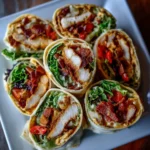
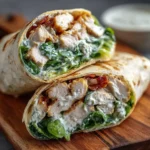
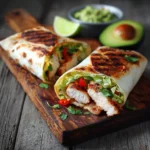
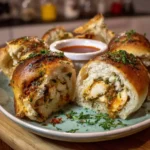
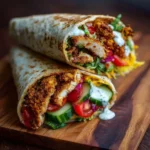
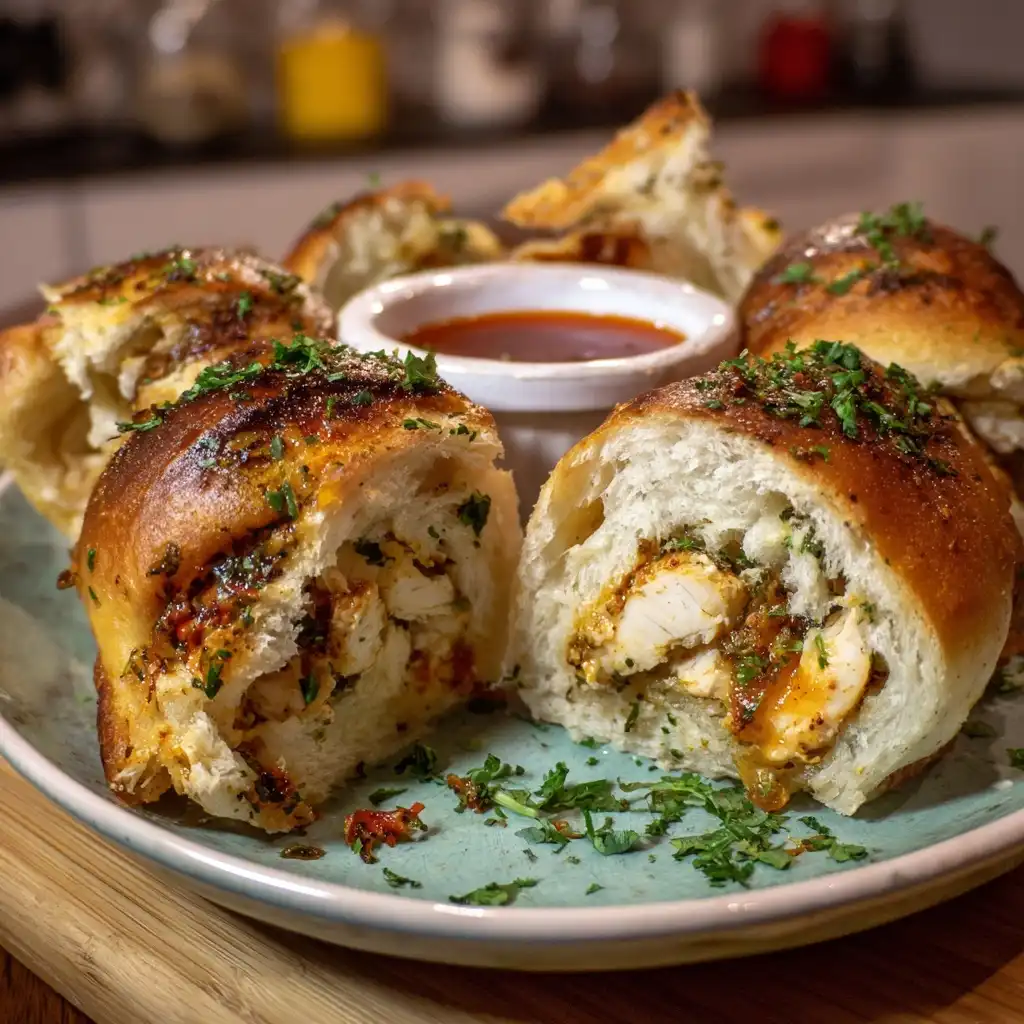
Garlic Butter Chicken Roll is a show-stopping, restaurant-worthy dish that marries tender, juicy chicken with rich, aromatic garlic butter—rolled, seared, and often baked to golden perfection. This elegant yet approachable recipe transforms simple boneless, skinless chicken breasts into delicate, spiral-shaped bundles brimming with savory herbaceous notes, creamy butter depth, and the unmistakable pungent-sweet warmth of roasted and fresh garlic. Whether served as an impressive weeknight centerpiece, a special-occasion main, or even adapted for meal prep and entertaining, the Garlic Butter Chicken Roll delivers bold flavor, stunning visual appeal, and satisfying texture in every bite. Its versatility lies not only in its luxurious taste but also in its adaptability—easily scaled for family dinners or elevated with gourmet touches for dinner parties.
The History
While there is no single documented origin point for the Garlic Butter Chicken Roll, its roots can be traced through several culinary traditions converging over decades. The technique of rolling and stuffing poultry—known as “roulade” (from the French *rouler*, meaning “to roll”)—has long been a hallmark of European cuisine, particularly in German, Austrian, and French preparations like *Huhnroulade* or *suprêmes farcies*. In mid-20th-century America, home cooks began adapting these methods using accessible ingredients: boneless chicken breasts (popularized post-WWII with industrial poultry farming), shelf-stable garlic powder, and affordable unsalted butter. The 1970s and ’80s saw a surge in garlic-forward dishes amid the “garlic revival,” fueled by increased Mediterranean influence, Julia Child’s advocacy, and the rise of food television. Simultaneously, the “butter-basted” cooking method—popularized by chefs like Paul Bocuse—merged seamlessly with rolled chicken preparations, giving birth to what we now recognize as the modern Garlic Butter Chicken Roll. Today, it thrives across digital platforms—from TikTok’s #chickenroll trend to Pinterest-fueled dinner inspiration—evolving continuously with global flavors while honoring its classic, comforting soul.
Ingredients Breakdown
Understanding each ingredient’s role ensures consistent, restaurant-quality results:
- Chicken Breasts (boneless, skinless): The structural foundation. Opt for uniform, plump breasts (6–8 oz each) to ensure even pounding and rolling. Pounding thins them without tearing, creating supple, pliable sheets ideal for tight rolling.
- Unsalted Butter: Provides richness, moisture, and browning capability. Using unsalted butter allows precise sodium control. For best results, use high-fat (82%+), European-style butter for superior melt and flavor; compound it with aromatics for maximum impact.
- Fresh Garlic: The aromatic heart. Minced, roasted, or sliced—fresh garlic delivers enzymatic complexity that powdered or jarred versions lack. Roasting mellows its sharpness and adds caramelized sweetness essential for balance.
- Herbs (parsley, thyme, rosemary, oregano): Fresh flat-leaf parsley adds brightness and visual contrast; hardy herbs like thyme and rosemary lend earthy backbone and heat stability during cooking.
- Cheese (optional but highly recommended): A thin layer of cream cheese, mozzarella, provolone, or goat cheese acts as both binder and flavor enhancer—melting into ribbons that glue the roll while contributing tang, creaminess, or nuttiness.
- Dijon Mustard or Whole Grain Mustard: Adds subtle acidity, emulsifying power, and depth—helping the garlic butter adhere and preventing separation during searing.
- Seasonings (kosher salt, black pepper, smoked paprika, onion powder): Salt enhances natural chicken umami; freshly cracked black pepper adds gentle heat; smoked paprika contributes warmth and color; onion powder rounds out the allium profile without raw bite.
- Heavy Cream or White Wine (for sauce): Deglazes the pan, concentrates fond, and creates a luscious, velvety pan sauce that clings luxuriously to each slice.
- Flour or Cornstarch (for dredging): A light dusting before searing promotes Maillard reaction, yielding a crisp, golden exterior and sealing in juices—critical for structural integrity during rolling and slicing.
Step-by-Step Recipe
- Prep & Pound the Chicken: Place two boneless, skinless chicken breasts between two sheets of parchment or plastic wrap. Using a meat mallet (flat side), gently pound from center outward until uniformly ¼-inch thick—avoiding tears. Trim any uneven edges for clean rolling. Pat *very* dry with paper towels—moisture is the enemy of sear and adhesion.
- Prepare the Garlic Butter Filling: In a small bowl, combine ½ cup softened unsalted butter, 4–5 cloves finely minced fresh garlic (or 2 tbsp roasted garlic paste), 2 tbsp finely chopped fresh parsley, 1 tsp fresh thyme leaves, ½ tsp lemon zest, 1 tsp Dijon mustard, ½ tsp kosher salt, and ¼ tsp black pepper. Beat until smooth and homogenous. Optional: Fold in ¼ cup shredded mozzarella or 2 tbsp softened cream cheese for binding and creaminess.
- Season & Spread: Lay pounded chicken flat on a clean surface. Lightly season both sides with salt and pepper. Spread ~2 tbsp garlic butter mixture evenly over each breast, leaving a ½-inch border around edges—this prevents oozing during rolling.
- Roll Tightly: Starting at the shorter end, lift the edge and begin rolling away from you, tucking in the sides as you go—like rolling a jelly roll. Apply gentle, even pressure to compact layers. Secure each roll with 2–3 toothpicks or kitchen twine (if using twine, tie with a loose bow for easy removal post-cooking).
- Chill to Set: Place rolls seam-side down on a parchment-lined tray. Refrigerate uncovered for at least 30 minutes (up to 2 hours). Chilling firms the butter, stabilizes shape, and prevents unraveling during searing.
- Dredge & Sear: Lightly dust rolls with all-purpose flour (or gluten-free 1:1 blend), shaking off excess. Heat 2 tbsp high-smoke-point oil (avocado or grapeseed) in a heavy-bottomed stainless steel or cast-iron skillet over medium-high heat until shimmering. Carefully place rolls seam-side down. Sear undisturbed for 3–4 minutes per side (including ends) until deeply golden brown and crusty—resist moving them early; this builds structural integrity.
- Finish Cooking: Reduce heat to medium-low. Add 2 tbsp cold butter, 2 smashed garlic cloves, and 1 sprig fresh thyme to the pan. Spoon melted butter continuously over rolls for 2–3 minutes. Then, transfer skillet to a preheated 375°F (190°C) oven and bake for 12–18 minutes, or until internal temperature reaches 160°F (71°C) at the thickest part (carryover cooking will bring it to 165°F/74°C).
- Rest & Slice: Remove from oven, tent loosely with foil, and rest for 10 minutes—this allows juices to redistribute and butter to re-emulsify within the meat. Carefully remove toothpicks or twine. Using a sharp, serrated knife, slice into ¾-inch thick medallions. Wipe blade between cuts for pristine, defined spirals.
- Make the Pan Sauce (Optional but Recommended): Pour off excess fat, leaving ~1 tbsp and browned bits. Add ¼ cup dry white wine or low-sodium chicken broth. Scrape vigorously with a wooden spoon to release fond. Simmer 2 minutes. Stir in ¼ cup heavy cream and remaining garlic butter (1 tbsp). Whisk until smooth and slightly thickened (~1 minute). Finish with lemon juice, chives, and flaky sea salt.
Tips
- Pounding Perfection: If chicken tears while pounding, don’t discard—overlap the tear with another piece or patch with a thin slice of prosciutto or cheese. Use the flat side of the mallet—not the ridged side—for even thickness.
- Balancing Garlic Intensity: To avoid harsh raw garlic bite, blanch minced garlic in boiling water for 10 seconds before adding to butter—or use half roasted, half raw garlic for layered complexity.
- Searing Science: Dry chicken + hot pan + undisturbed time = perfect crust. If rolls stick, they’re not ready—wait 30 more seconds. A well-seasoned cast-iron skillet yields the most reliable sear.
- Temperature Accuracy: Insert an instant-read thermometer horizontally into the center of the roll—not the end—to avoid false readings. Never guess—undercooked chicken risks foodborne illness; overcooked yields dryness.
- Slice Like a Pro: Chill fully cooked rolls for 15 minutes before slicing if edges smear. Run knife under hot water and wipe dry between cuts for clean, glossy spirals.
- Make-Ahead Magic: Assemble rolls up to 24 hours ahead—store covered in fridge. Or freeze unseared rolls for up to 3 months (thaw overnight in fridge before cooking).
- Leftover Reinvention: Cold slices make stellar salad toppers, grain bowl additions, or sandwich fillings. Blend leftover garlic butter with Greek yogurt for a vibrant dip or drizzle.
Variations and Customizations
This recipe is a canvas—here are globally inspired, dietary-friendly, and seasonal adaptations:
- Mediterranean Twist: Add sun-dried tomatoes (chopped), crumbled feta, kalamata olives, and oregano to the garlic butter. Finish with lemon-infused olive oil and toasted pine nuts.
- Spicy Cajun Roll: Replace thyme with 1 tsp Cajun seasoning blend; add pickled jalapeños and pepper jack cheese. Serve with remoulade or chipotle aioli.
- Asian-Inspired Umami Roll: Swap parsley for scallions and cilantro; use ginger-garlic paste instead of raw garlic; add soy sauce, toasted sesame oil, and shiitake mushrooms. Glaze with hoisin-mirin reduction.
- Low-Carb/Keto Version: Skip flour dredge; use almond flour or crushed pork rinds for crispness. Replace Dijon with stone-ground mustard (check sugar content); opt for full-fat cream cheese and heavy cream.
- Vegetarian “Chicken” Roll: Substitute thinly sliced king oyster mushrooms or pressed, marinated tofu “cutlets” pounded to ¼-inch. Use cashew-based “butter” infused with nutritional yeast and roasted garlic.
- Herb & Citrus Bright Roll: Fold in orange or lime zest, chopped tarragon or dill, and goat cheese. Deglaze pan with citrus juice and vermouth for a vibrant, spring-ready sauce.
- Breakfast Roll: Stuff with scrambled eggs, crispy bacon, cheddar, and chives—then sear and bake. Slice and serve with hollandaise or avocado crema.
- Stuffed & Stacked Roll: Double-layer the filling: spread garlic butter, then a thin layer of spinach-artichoke dip or roasted red pepper hummus before rolling—ideal for appetizer pinwheels.
Health Considerations and Nutritional Value
A standard Garlic Butter Chicken Roll (one 6-oz chicken breast, 3 tbsp butter, herbs, minimal cheese) contains approximately 420–480 calories, with 42–48g protein, 24–28g total fat (14–16g saturated), 0g carbs (unless flour-dredged or served with sides), and 450–600mg sodium. While rich, it offers notable nutritional benefits when prepared mindfully:
- High-Quality Protein: Chicken breast is a complete protein source—supporting muscle synthesis, satiety, and metabolic health.
- Garlic Benefits: Rich in allicin (especially when crushed and rested), garlic supports cardiovascular function, antioxidant defense, and immune modulation.
- Butter Nuances: Grass-fed butter contains conjugated linoleic acid (CLA), vitamin K2, and butyrate—linked to anti-inflammatory and gut-supportive effects. Moderation remains key.
- Herbal Phytonutrients: Parsley delivers vitamins K, C, and A; thyme contains thymol with antimicrobial properties; rosemary offers rosmarinic acid—a potent antioxidant.
- Dietary Adaptations: For lower saturated fat: substitute half the butter with olive oil or avocado oil in the filling; use reduced-fat mozzarella sparingly. For lower sodium: omit added salt, rely on herbs, lemon, and garlic for flavor; choose low-sodium broth for sauce.
- Considerations: Those managing cholesterol may limit butter quantity or rotate with heart-healthy fats. Individuals with GERD or IBS may reduce garlic volume or use roasted-only garlic to minimize GI irritation. Always consult a registered dietitian for personalized guidance.
Ingredients
- 2 (6–8 oz) boneless, skinless chicken breasts, trimmed
- ½ cup (1 stick) unsalted butter, softened
- 4–5 large garlic cloves, finely minced (plus 2 extra for roasting/sauce)
- 2 tbsp fresh flat-leaf parsley, finely chopped
- 1 tsp fresh thyme leaves (or ½ tsp dried)
- 1 tsp Dijon mustard
- 1 tsp lemon zest (from ½ lemon)
- ½ tsp kosher salt, plus more to taste
- ¼ tsp freshly ground black pepper
- ¼ cup shredded low-moisture mozzarella or soft cream cheese (optional but recommended)
- 2 tbsp all-purpose flour (or gluten-free 1:1 blend)
- 2 tbsp high-smoke-point oil (avocado, grapeseed, or refined coconut)
- ¼ cup dry white wine or low-sodium chicken broth (for sauce)
- ¼ cup heavy cream (or full-fat coconut milk for dairy-free)
- 1 tbsp fresh lemon juice (for finishing sauce)
- Flaky sea salt and additional chopped parsley for garnish
Directions
- Place chicken breasts between two sheets of parchment paper. Pound gently with meat mallet to ¼-inch uniform thickness. Pat *extremely* dry with paper towels. Season both sides lightly with salt and pepper.
- In a medium bowl, combine softened butter, minced garlic, parsley, thyme, Dijon, lemon zest, ½ tsp salt, and ¼ tsp pepper. Beat with fork or hand mixer until smooth. Fold in cheese if using. Refrigerate 10 minutes to firm slightly.
- Spread 2 tbsp garlic butter mixture evenly over each pounded breast, staying ½ inch from edges.
- Starting at short end, tightly roll each breast away from you, tucking sides in as you go. Secure each roll with 2–3 toothpicks placed crosswise. Place seam-side down on parchment-lined tray. Refrigerate uncovered 30–60 minutes.
- Preheat oven to 375°F (190°C). Lightly dust chilled rolls with flour, tapping off excess.
- Heat oil in large oven-safe skillet (cast iron or stainless) over medium-high heat until shimmering. Carefully add rolls seam-side down. Sear undisturbed 3–4 minutes until deep golden. Rotate and sear opposite side and both ends (about 2–3 min each) until evenly bronzed.
- Reduce heat to medium-low. Add 2 tbsp cold butter, 2 smashed garlic cloves, and thyme sprig to pan. Spoon bubbling butter over rolls for 2 minutes.
- Transfer skillet to preheated oven. Bake 12–18 minutes, until internal temperature reads 160°F (71°C) at thickest point.
- Remove rolls to cutting board; tent loosely with foil. Rest 10 minutes. Remove toothpicks.
- For sauce: Pour off all but 1 tbsp fat and browned bits. Add wine/broth; scrape fond vigorously. Simmer 2 minutes. Stir in cream and remaining 1 tbsp garlic butter. Simmer 1–2 minutes until glossy and slightly thickened. Stir in lemon juice. Season with flaky salt.
- Slice rolls into ¾-inch medallions. Arrange on plates, drizzle generously with warm garlic butter sauce, and garnish with parsley and lemon zest.
FAQ
- Can I use chicken thighs instead of breasts?
- Yes—but with caveats. Boneless, skinless thighs are more forgiving and flavorful, yet fattier and less uniform. Pound carefully (they tear easier), and expect longer cook time (add 3–5 minutes). For best presentation, consider deboning and butterflying whole thighs first.
- Why do my rolls unravel during cooking?
- Common causes: insufficient chilling, inadequate toothpick placement (too few or too shallow), overfilling, or rushing the sear. Always chill at least 30 minutes, use 3 toothpicks per roll spaced evenly, leave a ½-inch border, and sear seam-side down first—don’t move until deeply golden.
- Can I make this gluten-free?
- Absolutely. Substitute all-purpose flour with gluten-free 1:1 baking flour or fine almond flour for dredging. Ensure Dijon mustard and broth are certified GF (many are naturally compliant).
- How do I store leftovers—and how long do they last?
- Cool completely, then store airtight in fridge for up to 4 days. Freeze whole uncut rolls (wrapped tightly in parchment + foil) for up to 3 months. Reheat gently in 325°F oven (covered with foil) until warmed through—avoid microwaving, which makes chicken rubbery.
- Is there a dairy-free version?
- Yes. Replace butter with high-quality vegan butter (Miyoko’s or Country Crock Plant Butter work well); use full-fat coconut milk instead of heavy cream; skip cheese or use dairy-free shreds. Note: flavor and texture will differ slightly—emphasize roasted garlic and lemon for brightness.
- Can I prepare the filling ahead of time?
- Yes—the garlic butter keeps refrigerated for 1 week or frozen for 3 months. Bring to cool room temperature before spreading for optimal spreadability and adhesion.
- What sides pair best with Garlic Butter Chicken Roll?
- Choose sides that complement richness without competing: lemon-herb roasted potatoes, garlic sautéed green beans, creamy polenta, wild rice pilaf with dried cherries, arugula salad with shaved parmesan and lemon vinaigrette, or crusty sourdough for soaking up sauce.
- My garlic butter sauce broke—how do I fix it?
- A broken sauce means fat separated from liquid. Whisk in 1 tsp cold water or lemon juice while heating gently. Or blend with 1 tsp Dijon mustard—it acts as an emulsifier. For prevention: never boil the sauce; keep heat low and whisk constantly while adding cream.
Summary
Garlic Butter Chicken Roll is a masterclass in elegant simplicity—transforming humble chicken breasts into golden, spiraled marvels bursting with aromatic garlic, velvety butter, and fresh herbs. With precise technique, smart substitutions, and thoughtful customization, it satisfies gourmet cravings while remaining deeply approachable for home cooks at every level.
Whether served for date night, holiday gatherings, or meal-prepped lunches, this dish delivers unforgettable flavor, stunning presentation, and nourishing quality—proving that extraordinary meals begin with intention, respect for ingredients, and the joyful act of rolling something delicious.