Introduction
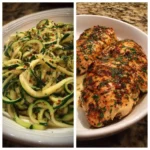
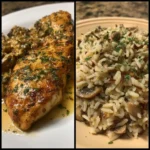
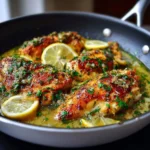
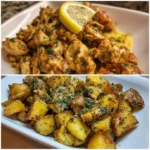
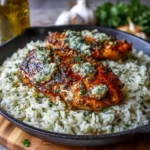
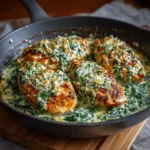
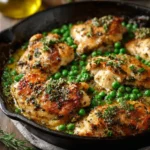
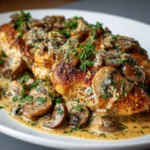
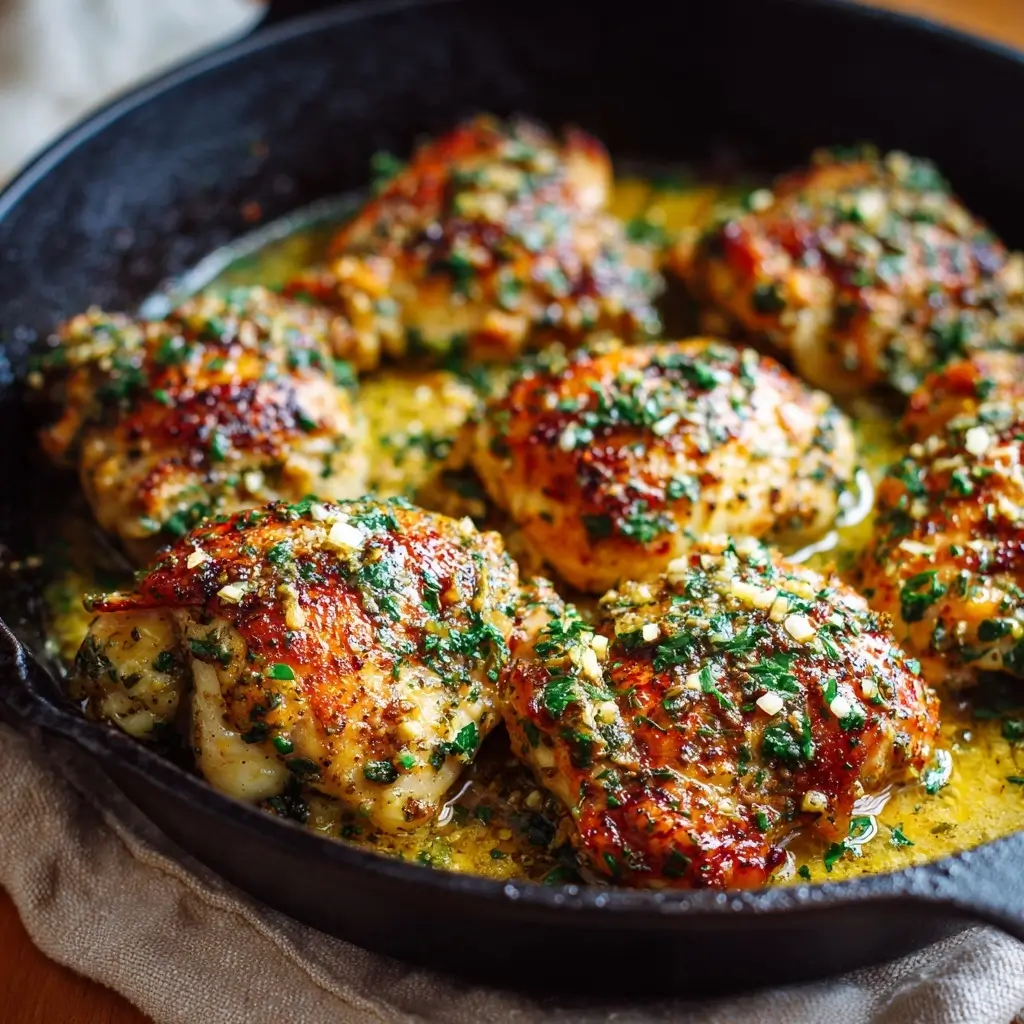
Welcome to the ultimate one-pan solution for busy weeknights, cozy family dinners, and effortless entertaining: Garlic Butter Chicken One-Pan Dinner. This dish is more than just a recipe—it’s a culinary philosophy built on simplicity, bold flavor, and minimal cleanup. With tender chicken breasts or thighs nestled in a rich, aromatic garlic-butter sauce, enhanced by golden roasted vegetables and finished with fresh herbs, this meal delivers restaurant-quality depth and comfort without the stress. Whether you’re a novice cook looking for foolproof guidance or a seasoned home chef seeking a reliable, flavorful staple, Garlic Butter Chicken One-Pan Dinner checks every box—satisfying, versatile, nutritious, and deeply crave-worthy.
The History
While no single origin story defines Garlic Butter Chicken, its roots run deep through centuries of global culinary traditions. Garlic has been revered since ancient Egyptian times—not only for its medicinal properties but also as a foundational flavor enhancer in Mediterranean, Middle Eastern, and Asian cuisines. Butter, too, has long been a cornerstone of French and European cooking, where techniques like *beurre blanc* and *meunière* showcased its luxurious emulsifying power. The modern “one-pan” movement gained momentum in the early 2010s, fueled by lifestyle blogs, meal-prep culture, and the growing demand for time-efficient, low-waste cooking. Chefs and home cooks alike began reimagining classic pairings—like garlic + butter + poultry—into cohesive, hands-off sheet pan or skillet meals. Garlic Butter Chicken emerged organically from this convergence: a celebration of rustic elegance, cross-cultural flavor wisdom, and practical ingenuity. Today, it stands as a beloved icon of contemporary home cooking—honoring tradition while embracing convenience.
Ingredients Breakdown
Every exceptional Garlic Butter Chicken One-Pan Dinner begins with intentional, high-quality ingredients. Below is a detailed breakdown—not just of what goes in, but why each component matters:
- Chicken (Boneless, Skinless Breasts or Thighs): Breasts offer lean, quick-cooking protein with mild flavor that absorbs seasonings beautifully; thighs provide richer taste, superior moisture retention, and forgiving texture—even if slightly overcooked. Opt for air-chilled, antibiotic-free, or pasture-raised when possible for optimal flavor and ethical sourcing.
- Unsalted Butter: Essential for depth, silkiness, and browning capability. Unsalted gives full control over sodium levels and avoids hidden additives found in many salted butters. European-style (82–86% butterfat) yields even more luxurious mouthfeel and better browning.
- Fresh Garlic (Minced or Pressed): Far superior to jarred or powdered versions—fresh garlic contains allicin, the compound responsible for both pungent aroma and health benefits. Mincing or pressing ruptures cell walls, releasing maximum flavor. For subtle sweetness and mellow complexity, consider roasting whole garlic cloves alongside the chicken.
- Dry White Wine (e.g., Sauvignon Blanc or Pinot Grigio): Adds brightness, acidity, and complexity—cutting through richness and building layers in the pan sauce. Alcohol evaporates during cooking, leaving only nuanced fruit and mineral notes. Substitute with low-sodium chicken broth + 1 tsp lemon juice if avoiding alcohol.
- Lemon Juice & Zest: Fresh-squeezed lemon juice provides vibrant acidity to balance fat and richness; zest contributes essential citrus oils for aromatic lift and complexity not found in juice alone.
- Fresh Herbs (Parsley, Thyme, Rosemary): Parsley adds clean, grassy freshness as a finish; thyme contributes earthy, floral notes that harmonize with poultry; rosemary imparts pine-like intensity—best used sparingly or tied in a bouquet garni to avoid bitterness.
- Vegetables (Bell Peppers, Zucchini, Cherry Tomatoes, Red Onion, Broccoli, Carrots, etc.): Not just filler—they caramelize in the buttery drippings, infuse the sauce with natural sweetness and umami, and add color, texture, and nutrition. Dense veggies (carrots, potatoes) benefit from par-cooking or slicing thinly; delicate ones (cherry tomatoes, zucchini) go in later to retain shape and brightness.
- Seasonings (Kosher Salt, Black Pepper, Smoked Paprika, Garlic Powder, Onion Powder): Kosher salt ensures even distribution and enhances natural flavors without harshness; freshly cracked black pepper adds warmth and spice; smoked paprika lends subtle depth and visual appeal (especially when seared); garlic and onion powders reinforce savory notes without overpowering fresh aromatics.
- Olive Oil (Extra Virgin or Light): Used for initial searing—provides higher smoke point than butter alone and prevents burning. Extra virgin adds fruity notes pre-sear; light olive oil is ideal for high-heat applications.
Step-by-Step Recipe
Follow this meticulously tested, chef-informed sequence for guaranteed success—no guesswork, no dry chicken, no broken sauce:
- Prep & Pat Dry: Remove chicken from fridge 15 minutes before cooking. Pat *extremely* dry with paper towels—moisture is the enemy of browning. Season generously on both sides with salt, pepper, smoked paprika, garlic powder, and onion powder.
- Preheat Pan & Oil: Place a large, heavy-bottomed oven-safe skillet (cast iron or stainless steel preferred) over medium-high heat for 2 minutes. Add 1 tbsp olive oil—swirl to coat. Heat until shimmering but not smoking (~375°F).
- Sear Chicken (Undisturbed!): Carefully place chicken in hot pan without crowding. Press gently with spatula for full contact. Cook 5–6 minutes until deeply golden and easily releases. Flip and sear second side 4–5 minutes. Transfer to plate—do not rinse or wipe pan.
- Sauté Aromatics: Reduce heat to medium. Add 1 tbsp butter, minced garlic, and fresh thyme/rosemary. Stir constantly 30–60 seconds until fragrant—do not brown garlic. Immediately add sliced onions and bell peppers; cook 3 minutes until softened.
- Add Vegetables & Deglaze: Stir in zucchini, cherry tomatoes, and any other quick-cooking veggies. Pour in white wine (or broth mixture), scraping vigorously with wooden spoon to lift all golden brown fond—the flavor foundation of your sauce. Simmer 2 minutes until reduced by half.
- Return Chicken & Roast: Nestle chicken back into pan, spooning veggie mixture around (not over) it. Dot top with remaining 3 tbsp butter. Transfer to preheated 400°F oven. Roast uncovered 12–18 minutes (depending on thickness)—until chicken reaches 160°F internally (it will carry over to 165°F).
- Rest & Finish: Remove from oven. Let chicken rest 5 minutes in pan. Meanwhile, stir in lemon juice, lemon zest, and most of chopped parsley. Swirl to melt butter into glossy, emulsified sauce. Taste and adjust salt, acid, or herbs.
- Plate & Garnish: Spoon vegetables and sauce over chicken. Top with remaining parsley, flaky sea salt, and optional lemon wedges or microgreens for elegance.
Tips
- Uniform Thickness = Even Cooking: If using chicken breasts, butterfly them to ~½-inch thickness or pound gently between parchment. Uneven pieces lead to inconsistent doneness.
- Brown, Don’t Steam: Crowding the pan lowers temperature and causes sweating instead of searing. Cook in batches if needed—better to take extra time than sacrifice crust.
- Butter Timing Matters: Always add butter *after* searing and *before* oven transfer—this protects it from burning and allows slow infusion into the dish.
- Acid Last, Always: Adding lemon juice or vinegar at the end preserves brightness. Adding it too early dulls flavor and can toughen proteins.
- Emulsify Like a Pro: To thicken and enrich the sauce, remove pan from heat, swirl in cold butter cubes one at a time, letting each incorporate fully before adding next. This creates a velvety, restaurant-style finish.
- Respect Carryover Cooking: Pull chicken at 160°F—not 165°F. Residual heat will safely bring it up while retaining juiciness.
- Skillet Choice Is Critical: Avoid nonstick for high-heat searing—it won’t develop fond. Cast iron retains heat best; stainless offers superior control. Ensure handles are oven-safe up to 450°F.
- Don’t Skip the Rest: Resting redistributes juices throughout the meat. Cutting too soon releases moisture onto the plate—not into the bite.
- Build Layers of Flavor: Toast spices in oil before adding aromatics. Bloom garlic powder with onions. Finish with raw garlic paste for a final aromatic punch.
- Repurpose Leftovers Smartly: Shred leftover chicken for tacos, grain bowls, or creamy pasta. Freeze sauce base for future soups or gravies.
Variations and Customizations
This recipe is a canvas—endlessly adaptable to dietary needs, seasonal produce, pantry staples, and global inspirations:
Dietary Adaptations
- Gluten-Free: Naturally compliant—just verify broth/wine labels. Thicken sauce with xanthan gum (⅛ tsp) or arrowroot slurry (1 tsp + 1 tbsp water) if desired.
- Keto/Low-Carb: Swap starchy veggies (potatoes, carrots) for asparagus, green beans, mushrooms, or cauliflower florets. Increase healthy fats with avocado slices or toasted nuts.
- Dairy-Free: Replace butter with high-quality ghee (clarified butter, lactose-free) or vegan butter (Miyoko’s or Fora). Add 1 tsp nutritional yeast for umami depth.
- Paleo/Whole30: Use ghee or avocado oil; omit wine (sub with coconut aminos + apple cider vinegar); ensure all spices are additive-free.
Protein Swaps
- Shrimp: Add peeled, deveined shrimp in last 4–5 minutes of roasting—cook until opaque and curled.
- Sausage: Brown sliced Italian or chorizo first, remove, then proceed—add back with chicken.
- Tofu or Tempeh: Press extra-firm tofu, marinate 30 min in garlic butter mixture, then pan-sear before roasting.
- Salmon Fillets: Roast skin-side down at 375°F for 12–14 minutes—delicate texture requires gentler heat and shorter time.
Global Twists
- Mediterranean: Add kalamata olives, crumbled feta, sun-dried tomatoes, oregano, and a splash of red wine vinegar.
- Asian-Inspired: Replace wine with dry sherry; add grated ginger, scallions, tamari, sesame oil, and finish with cilantro and toasted sesame seeds.
- Herbes de Provence: Infuse butter with dried lavender, fennel seed, marjoram, and savory; serve with crusty baguette for dipping.
- Smoky Chipotle: Blend 1–2 chipotles in adobo with garlic butter; add black beans and corn for Tex-Mex flair.
- Creamy Dijon: Whisk in 1 tbsp Dijon mustard + ¼ cup heavy cream after roasting for a luscious, tangy finish.
Seasonal Variations
- Spring: Asparagus, peas, fava beans, ramps, lemon verbena, mint.
- Summer: Heirloom tomatoes, zucchini blossoms, corn, basil, peaches (for sweet-savory contrast).
- Fall: Delicata squash, Brussels sprouts, apples, sage, walnuts.
- Winter: Roasted root vegetables (parsnips, turnips), kale, pomegranate arils, rosemary-cranberry reduction.
Health Considerations and Nutritional Value
A well-balanced Garlic Butter Chicken One-Pan Dinner is not only delicious—it’s a nutrient-dense powerhouse designed to support wellness without compromise. Here’s how it aligns with evidence-based nutrition principles:
Nutrient Highlights (Per Serving, Approx. 1 chicken breast + 1.5 cups vegetables)
- High-Quality Protein: ~35–45g per serving—supports muscle synthesis, satiety, and metabolic health. Chicken provides all nine essential amino acids.
- Heart-Healthy Fats: Butter contains butyrate (anti-inflammatory), conjugated linoleic acid (CLA), and fat-soluble vitamins A, D, E, K2—especially when sourced from grass-fed cows. Olive oil contributes monounsaturated fats and polyphenols.
- Phytonutrient-Rich Vegetables: Bell peppers (vitamin C), tomatoes (lycopene), garlic (allicin), onions (quercetin), broccoli (sulforaphane)—all linked to reduced oxidative stress and improved immune function.
- Low Added Sugar & Refined Carbs: Naturally free of added sugars; customizable to eliminate grains or legumes for lower glycemic impact.
- Anti-Inflammatory Profile: Garlic, lemon, herbs, and olive oil collectively modulate NF-kB and COX-2 pathways—key biomarkers in chronic inflammation research.
Smart Modifications for Specific Goals
- Lower Sodium: Use unsalted butter, no-salt-added broth, and rely on herbs, citrus, and spice blends instead of pre-mixed seasonings.
- Cholesterol-Conscious: Choose chicken breast over thigh; limit butter to 1½ tbsp total; supplement with heart-healthy avocado or almonds.
- Gut Health Support: Add fermented elements—top with kimchi, sauerkraut, or a dollop of plain Greek yogurt infused with garlic and dill.
- Blood Sugar Balance: Pair with fiber-rich roasted vegetables and avoid high-glycemic additions (honey, dried fruit, white potatoes). Monitor portion sizes of starchy components.
- Weight Management: Prioritize volume eating—load up on non-starchy veggies (2+ cups per serving) to increase satiety with minimal calories.
What to Watch For
- Butter Quantity: While beneficial in moderation, excessive saturated fat intake (>10% daily calories) may impact LDL cholesterol in sensitive individuals. Stick to recommended portions (1–2 tbsp per serving).
- Wine Alcohol Residue: Though most ethanol evaporates, trace amounts remain. Omit entirely for strict abstinence or pregnancy; use certified non-alcoholic wine alternatives.
- Garlic Sensitivity: Raw garlic may cause GI upset in some. Cooking significantly reduces irritants—roasting garlic mellows it further.
- Allergens: Butter = dairy allergen. Always disclose substitutions when serving others with known sensitivities.
Consult a registered dietitian or healthcare provider for personalized recommendations—especially with conditions like hypertension, diabetes, or IBS.
Ingredients
Makes 4 servings
- 1½ lbs boneless, skinless chicken breasts or thighs (even thickness, ~¾ inch)
- 4 tbsp unsalted butter, divided (2 tbsp for sautéing, 2 tbsp for finishing)
- 2 tbsp extra-virgin olive oil (or light olive oil)
- 6 cloves garlic, finely minced (about 2 tbsp)
- 1 medium yellow onion, thinly sliced
- 1 red bell pepper, sliced into ½-inch strips
- 1 medium zucchini, halved lengthwise and sliced ½-inch thick
- 1 cup cherry tomatoes, halved
- ½ cup dry white wine (Sauvignon Blanc, Pinot Grigio) — or low-sodium chicken broth + 1 tsp lemon juice
- 2 tbsp fresh lemon juice (about 1 large lemon)
- 1 tsp lemon zest
- 1½ tsp kosher salt (plus more to taste)
- 1 tsp freshly ground black pepper
- 1 tsp smoked paprika
- ½ tsp garlic powder
- ½ tsp onion powder
- 1 tbsp fresh thyme leaves (or 1 tsp dried)
- ¼ cup fresh flat-leaf parsley, finely chopped (plus extra for garnish)
- Flaky sea salt and lemon wedges for serving (optional)
Directions
- Preheat oven to 400°F (200°C). Position rack in center.
- Pat chicken completely dry with paper towels. In a small bowl, combine salt, pepper, smoked paprika, garlic powder, and onion powder. Rub evenly over both sides of chicken.
- Heat a large oven-safe skillet (12-inch minimum) over medium-high heat for 2 minutes. Add olive oil and swirl to coat. When oil shimmers, carefully add chicken without crowding. Press gently. Sear undisturbed 5–6 minutes until deeply golden and releases easily. Flip and sear second side 4–5 minutes. Transfer to a clean plate; tent loosely with foil.
- Reduce heat to medium. Add 2 tbsp butter to same skillet. Once melted, add minced garlic and thyme; stir constantly 45 seconds until fragrant but not browned. Add onion and bell pepper; cook 3 minutes, stirring occasionally, until softened.
- Add zucchini and cherry tomatoes; cook 2 minutes more. Pour in wine (or broth mixture), scraping bottom thoroughly with wooden spoon to release all browned bits (fond). Simmer 2 minutes until liquid reduces by half.
- Nestle seared chicken back into skillet, placing pieces among vegetables (do not submerge). Dot chicken tops with remaining 2 tbsp butter. Transfer skillet to preheated oven.
- Roast 12–18 minutes (breasts ~12–14 min, thighs ~16–18 min), until chicken registers 160°F in thickest part (use instant-read thermometer).
- Remove skillet from oven. Let chicken rest in pan 5 minutes. Discard thyme stems if using whole sprigs. Stir in lemon juice, lemon zest, and 3 tbsp parsley. Swirl gently to melt butter into glossy sauce. Taste and adjust seasoning.
- Divide chicken and vegetables among plates. Spoon abundant sauce over top. Garnish with remaining parsley, flaky salt, and lemon wedges. Serve immediately.
FAQ
- Can I make this ahead of time?
- Yes—with caveats. Fully assemble (chicken seasoned, veggies prepped, aromatics minced) up to 24 hours ahead—store components separately in airtight containers in the fridge. Do *not* sear chicken or combine with butter/wine until ready to cook. For meal prep, roast fully, cool completely, then refrigerate up to 4 days or freeze up to 3 months. Reheat gently in skillet with splash of broth to revive sauce.
- Can I use frozen chicken?
- Not recommended for best results—frozen chicken releases excess moisture, inhibiting browning and diluting sauce. If necessary, thaw completely in fridge overnight, then pat *extremely* dry before seasoning.
- Why did my sauce break or look greasy?
- Common causes: overheating butter (causes separation), adding cold butter to hot pan (shocks emulsion), or insufficient fond/deglazing (no base for cohesion). Fix mid-recipe by removing from heat, whisking in 1 tsp cold water or lemon juice, then slowly drizzling in cold butter while whisking vigorously.
- Can I cook this entirely on the stovetop?
- Absolutely. After deglazing and returning chicken, cover skillet tightly and simmer over low heat 15–20 minutes, turning once halfway. Uncover last 3–5 minutes to reduce sauce. Check internal temp—adjust time as needed.
- What’s the best wine to use?
- Choose a dry, high-acid white you’d enjoy drinking: Sauvignon Blanc (crisp, herbal), Pinot Grigio (light, neutral), or unoaked Chardonnay (buttery echo). Avoid “cooking wine”—its salt and preservatives ruin flavor.
- Can I double the recipe?
- Yes—but use two skillets or a very large (14–16 inch) oven-safe pan. Doubling in one standard skillet leads to steaming, not roasting. Adjust oven rack position to ensure even heat circulation.
- My garlic burned—what went wrong?
- Burnt garlic tastes bitter and ruins the dish. Always reduce heat before adding garlic, stir constantly, and never walk away. If using garlic powder, add it with dry spices *before* searing—not with fresh garlic.
- Is there a dairy-free version that still tastes rich?
- Yes. Use high-fat coconut milk (full-fat, canned) + 1 tbsp nutritional yeast + 1 tsp white miso paste in place of butter. Sauté aromatics in avocado oil, then stir in coconut mixture post-deglaze. Finish with lime instead of lemon for tropical brightness.
- How do I store and reheat leftovers properly?
- Store in shallow airtight container: chicken and veggies together, sauce poured over top. Refrigerate up to 4 days. Reheat in skillet over medium-low heat with 1–2 tbsp broth or water, covered, stirring gently until warmed through (5–7 min). Microwave reheating is acceptable but may yield less cohesive sauce—stir every 30 seconds.
- Can kids eat this? Is it spicy?
- This recipe is naturally mild and kid-friendly—garlic and herbs add aroma, not heat. For picky eaters, reduce garlic to 3 cloves and omit black pepper initially. Serve with plain rice or crusty bread to soak up sauce. Always introduce new herbs gradually.
Summary
Garlic Butter Chicken One-Pan Dinner is the gold standard of effortless elegance—delivering restaurant-worthy flavor, juicy tenderness, and vibrant vegetables in a single skillet, with under 20 minutes of active time and zero compromise on taste or nutrition.
Whether you’re feeding a family, impressing guests, or nourishing yourself after a long day, this endlessly customizable, science-backed, and soul-satisfying dish proves that simple ingredients, smart technique, and mindful layering transform everyday cooking into something truly extraordinary.