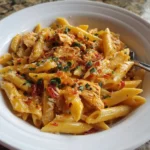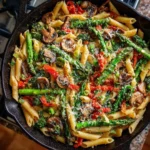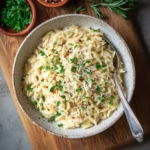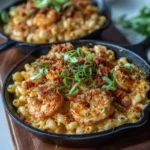
Introduction
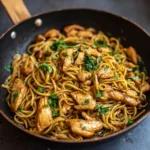
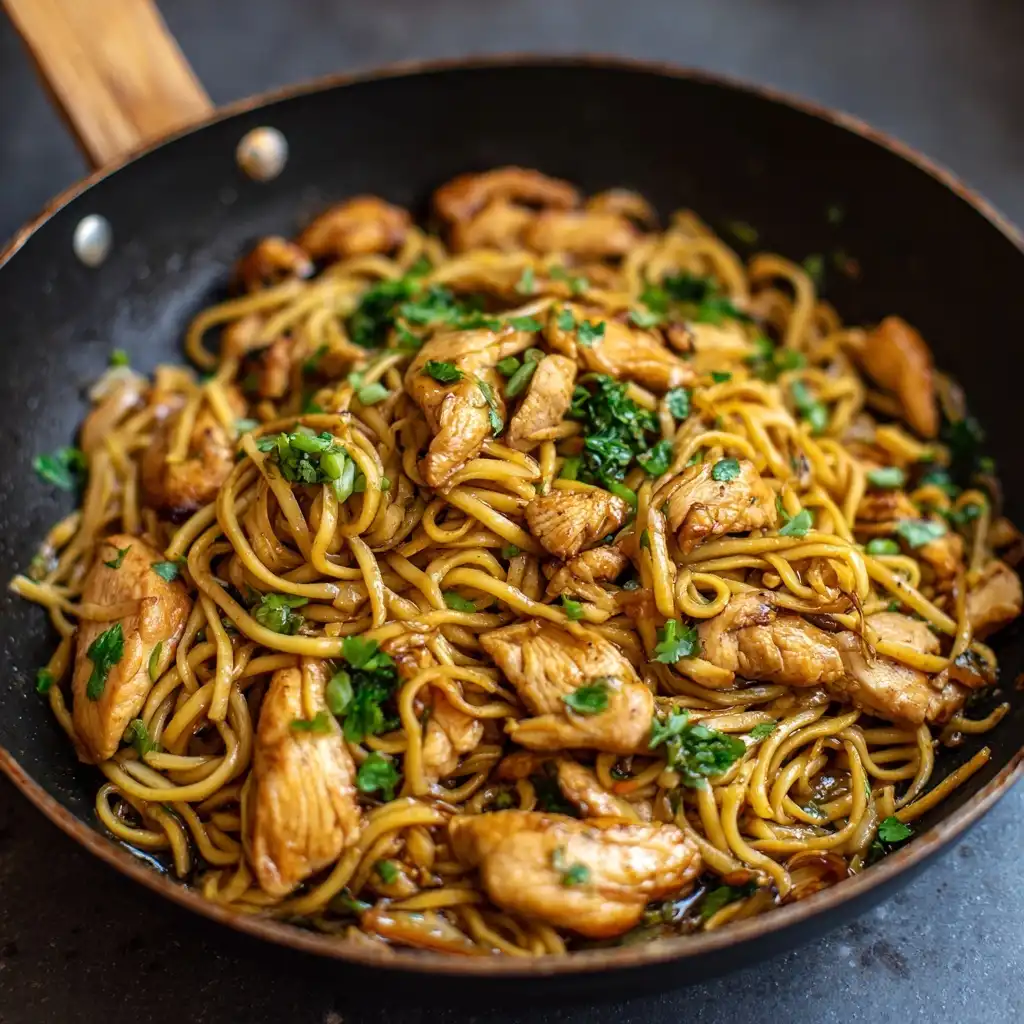
Garlic Butter Chicken Lo Mein is a beloved fusion dish that bridges the rich, savory traditions of Chinese stir-fry cuisine with the comforting, aromatic depth of Western-style garlic butter. Unlike traditional lo mein—which relies on soy sauce, oyster sauce, and sesame oil for umami—this elevated variation introduces luxuriously melted garlic-infused butter as a foundational flavor layer, lending a velvety richness, subtle sweetness, and unmistakable aroma that clings to every strand of tender-crisp noodles and succulent chicken. It’s a restaurant-quality meal that’s surprisingly approachable for home cooks: quick enough for weeknight dinners yet impressive enough for weekend gatherings or date-night takeout alternatives. Whether you’re craving bold flavor, textural contrast (chewy noodles, juicy chicken, crisp-tender vegetables), or a nostalgic comfort food with global flair, Garlic Butter Chicken Lo Mein delivers—with warmth, depth, and irresistible savoriness in every bite.
The History
Lo mein—literally “tossed noodles” in Cantonese—originated in southern China as a simple, adaptable street food centered around fresh wheat noodles tossed with proteins and seasonal vegetables in a light, savory sauce. As Chinese immigrants settled across North America in the late 19th and early 20th centuries, regional interpretations evolved to suit local palates and ingredient availability. The American-Chinese lo mein we know today emerged from this culinary adaptation: softer noodles, sweeter and thicker sauces, and bolder seasoning profiles. Garlic butter, meanwhile, has deep roots in French and Mediterranean cooking—think escargots à la bourguignonne or garlicky herb butter on grilled meats—but gained massive popularity in mid-century American diners and steakhouses for its lush, aromatic simplicity. The convergence of these two traditions—likely pioneered by innovative chefs in pan-Asian gastropubs, food trucks, and suburban Chinese-American restaurants in the 1990s and early 2000s—gave rise to Garlic Butter Chicken Lo Mein. Its rise accelerated with the digital food era: viral TikTok recipes, Instagrammable golden noodle bowls, and YouTube tutorials showcasing the dramatic sizzle of garlic hitting hot butter cemented its status as a modern classic—a testament to how culinary boundaries continue to dissolve in pursuit of deliciousness.
Ingredients Breakdown
Every exceptional Garlic Butter Chicken Lo Mein begins with intentional, high-quality ingredients—each playing a distinct role in building layers of flavor, texture, and aroma:
- Chicken Breast or Thighs: Boneless, skinless chicken breast offers lean tenderness and clean protein, while thighs provide superior juiciness, richer flavor, and forgiving cook time—ideal for beginners. Uniform ½-inch strips ensure even cooking and optimal sauce adhesion.
- Lo Mein Noodles: Fresh or refrigerated wheat-based lo mein noodles (often labeled “Hong Kong style”) are non-negotiable for authentic chew and resilience. Dried ramen or spaghetti can substitute in a pinch—but require careful boiling to avoid mushiness and benefit from thorough rinsing and oil tossing to prevent clumping.
- Unsalted Butter: High-fat, European-style unsalted butter (82%+ fat) delivers unparalleled mouthfeel, nutty depth when lightly browned, and emulsifying power to create a glossy, cohesive sauce. Salted butter risks oversalting; margarine lacks flavor and proper structure.
- Fresh Garlic: Minced or finely grated—not powdered or jarred—for vibrant, pungent heat that mellows into sweet, roasted complexity when sautéed in butter. One full head (10–12 cloves) is recommended for true garlic-forward impact.
- Aromatics: Yellow or white onion (thin half-moons), scallions (both white and green parts), and optional minced ginger (1 tsp) form the foundational “holy trinity” that builds savory-sweet backbone and brightness.
- Vegetables: A colorful, crunchy trio—bell peppers (red/yellow/orange for sweetness and color), carrots (julienned or matchstick for sweetness and snap), and broccoli florets (blanched or wok-seared for earthy balance)—adds nutrition, texture contrast, and visual appeal.
- Sauce Components: Low-sodium soy sauce (for salt and umami without overpowering saltiness), dry sherry or mirin (for subtle fruitiness and depth), toasted sesame oil (added at the end for nutty fragrance), and a touch of honey or brown sugar (to round acidity and enhance caramelization).
- Finishing Touches: Toasted sesame seeds, extra scallion greens, red pepper flakes for heat, and a final drizzle of warm garlic butter for decadence.
Step-by-Step Recipe
- Prep All Ingredients (Mise en Place): Slice chicken uniformly; marinate in 1 tbsp soy sauce, 1 tsp cornstarch, and 1 tsp rice wine (or dry sherry) for 15 minutes. Julienne vegetables. Mince garlic (do not pre-mince more than 10 minutes ahead—oxidation dulls flavor). Cook noodles per package directions until *just* al dente (1–2 minutes less than recommended), drain, rinse under cold water, toss with 1 tsp neutral oil (e.g., peanut or canola), and set aside.
- Toast Aromatics & Build Flavor Base: Heat 1 tbsp neutral oil in a large wok or heavy-bottomed skillet over medium-high heat. Add onions and ginger (if using); stir-fry 1 minute until fragrant. Push to edges; add chicken in a single layer. Sear undisturbed 1.5 minutes until lightly golden, then stir-fry 2–3 more minutes until cooked through but still tender. Remove and set aside.
- Infuse the Garlic Butter: Reduce heat to medium-low. In the same wok, add butter. Once melted, add *all* minced garlic. Stir constantly for 45–60 seconds—just until fragrant and pale gold (do NOT let it brown or burn; burnt garlic turns bitter). Immediately proceed to next step.
- Combine & Toss: Increase heat to medium-high. Add bell peppers, carrots, and broccoli. Stir-fry 2–3 minutes until bright and crisp-tender. Return chicken to wok. Add drained noodles. Pour in combined sauce (soy sauce, sherry/mirin, honey, remaining 1 tsp cornstarch slurry if desired for cling). Toss vigorously with tongs or chopsticks for 2–3 minutes—lifting and turning—to coat every strand evenly and allow sauce to thicken slightly and cling.
- Finish & Serve: Remove from heat. Stir in toasted sesame oil, half the scallions, and optional red pepper flakes. Taste and adjust: a splash of rice vinegar for brightness, extra honey for sweetness, or a dash of white pepper for warmth. Transfer to a warmed serving platter or individual bowls. Garnish generously with remaining scallions, sesame seeds, and an extra drizzle of warm garlic butter if desired.
Tips
- Noodle Perfection is Key: Overcooked noodles become gummy and absorb too much sauce. Always undercook dried noodles by 1–2 minutes, rinse thoroughly to halt cooking and remove excess starch, then toss with oil while still warm to prevent sticking.
- Garlic Timing is Critical: Garlic burns in seconds at high heat. Infuse it gently in melted butter at low-medium heat—stirring constantly—and move quickly to the next step. For deeper flavor, reserve 1 clove raw and grate it in at the very end.
- High Heat + Dry Wok = Wok Hei: Ensure your wok or skillet is properly heated before adding oil (a drop of water should skitter and evaporate instantly). Pat chicken and vegetables bone-dry before cooking—excess moisture causes steaming instead of searing.
- Layer Your Sauce: Add soy sauce early for penetration, but hold back sesame oil and acid (vinegar) until the end—they’re volatile and lose nuance when boiled. Honey or sugar helps the sauce caramelize and adhere beautifully.
- Work in Batches if Needed: Crowding the pan lowers temperature and leads to soggy vegetables. Cook chicken and veggies separately if your wok isn’t large enough (14″ minimum recommended).
- Rest Before Serving: Let the finished lo mein sit covered for 2 minutes off-heat. This allows residual heat to gently finish cooking and lets flavors meld, resulting in more harmonious, restaurant-level depth.
- Double the Garlic Butter: Make extra garlic butter (butter + garlic + pinch of salt) and store refrigerated for up to 1 week—or freeze in ice cube trays for instant flavor boosts in future dishes (pasta, roasted veggies, grilled shrimp).
Variations and Customizations
This recipe is gloriously adaptable—here’s how to make it your own without compromising its soul:
- Protein Swaps: Swap chicken for thinly sliced flank steak (marinate in 1 tbsp soy + 1 tsp baking soda for 15 min for tenderness), firm tofu (pressed & pan-fried), shrimp (add in last 60 seconds), or plant-based “chicken” strips.
- Noodle Alternatives: Use gluten-free brown rice lo mein noodles, soba (for nutty earthiness), udon (for chewy luxury), or even zucchini noodles (zoodles) for a low-carb version—add them raw at the very end and toss just until warmed.
- Veggie Rotations: Swap in snap peas, baby corn, water chestnuts, bok choy, shiitake mushrooms, or asparagus—adjust blanching or stir-fry times accordingly. Roasted sweet potato cubes add sweetness and heartiness.
- Sauce Twists: Add 1 tbsp hoisin for molasses-like depth; 1 tsp gochujang for spicy-sweet Korean flair; 1 tbsp lime juice + cilantro for Thai-inspired brightness; or a spoonful of peanut butter for satay-style richness.
- Dietary Adaptations: Dairy-free? Use vegan butter (high-fat, cultured varieties work best). Keto? Replace noodles with spiralized daikon or shirataki, increase healthy fats (avocado oil, sesame oil), and boost low-carb veggies. Whole30-compliant? Skip honey (use date paste or omit), use coconut aminos instead of soy, and choose ghee over butter.
- Texture Upgrades: Top with crushed roasted peanuts, crispy fried shallots, crumbled bacon, or furikake (Japanese seaweed seasoning) for umami crunch.
- Meal Prep Friendly: Cook components separately (chicken, veggies, sauce, noodles), store chilled for up to 4 days, and reheat each component individually before combining and tossing—ensures no sogginess.
Health Considerations and Nutritional Value
Garlic Butter Chicken Lo Mein can be a nutrient-dense, balanced meal when thoughtfully prepared—and understanding its nutritional profile empowers smarter customization:
- Protein Powerhouse: Chicken breast provides ~31g high-quality, complete protein per 4-oz serving—supporting muscle maintenance, satiety, and metabolic health. Thighs offer more monounsaturated fats and iron (heme form, highly bioavailable).
- Garlic Benefits: Raw and cooked garlic contains allicin—a compound linked to cardiovascular support, antioxidant activity, immune modulation, and anti-inflammatory effects. Using generous amounts maximizes these benefits.
- Butter Contextualized: While butter adds saturated fat, recent research suggests moderate intake (especially from grass-fed sources) contributes beneficial fatty acids (butyrate, CLA) and fat-soluble vitamins (A, D, E, K2). Using unsalted butter allows precise sodium control.
- Carbohydrate Quality: Traditional lo mein noodles are refined wheat—moderate portion size (~1.5 cups cooked) keeps carbs in check (~45g). Opting for whole-wheat, legume-based (lentil/chickpea), or fiber-rich alternatives significantly boosts satiety and glycemic response.
- Vitamin & Phytonutrient Boost: Bell peppers deliver >100% DV vitamin C per cup; carrots supply beta-carotene (vitamin A precursor); broccoli offers sulforaphane (a potent detox-supportive compound); scallions contain quercetin and kaempferol.
- Sodium Awareness: Soy sauce is the primary sodium source. Using low-sodium soy, reducing quantity by 25%, and enhancing umami with mushrooms, nutritional yeast, or a splash of fish sauce (for non-vegetarians) cuts sodium without sacrificing flavor.
- Balanced Macros (Per Serving, Approx.): Calories: 520–650 | Protein: 32–38g | Carbs: 55–70g (varies by noodle choice) | Fat: 20–28g (mostly unsaturated from oils + saturated from butter) | Fiber: 4–8g | Sugar: 4–8g (naturally occurring + minimal added)
- Smart Swaps for Specific Goals: Heart Health: Use half butter/half avocado oil; add omega-3-rich toppings like hemp seeds. Blood Sugar Control: Prioritize non-starchy veggie volume, reduce noodles by ⅓, add apple cider vinegar to sauce. Weight Management: Increase vegetable-to-noodle ratio 2:1; use lean chicken breast; measure butter precisely (1.5 tbsp per serving max).
Ingredients
- 1 lb boneless, skinless chicken breast or thighs, cut into ½-inch uniform strips
- 12 oz fresh lo mein noodles (or 8 oz dried)
- ¾ cup low-sodium soy sauce (divided)
- ¼ cup dry sherry or mirin
- 2 tbsp honey or packed light brown sugar
- 3 tbsp unsalted butter, cubed
- 1 whole head garlic (10–12 cloves), finely minced (about ¼ cup)
- 2 tbsp neutral oil (peanut, canola, or avocado), divided
- 1 medium yellow onion, thinly sliced
- 1 tbsp fresh ginger, finely grated (optional but recommended)
- 1 red bell pepper, julienned
- 1 large carrot, julienned or grated
- 2 cups small broccoli florets, blanched 1 minute
- 2 tbsp toasted sesame oil
- 4–6 scallions, thinly sliced (white and green parts separated)
- 1 tsp red pepper flakes (optional)
- 2 tbsp toasted white sesame seeds
- 1 tsp cornstarch mixed with 1 tbsp cold water (optional, for thicker sauce)
Directions
- Marinate Chicken: In a bowl, combine chicken strips with 1 tbsp soy sauce, 1 tsp cornstarch, and 1 tsp sherry. Mix well, cover, and refrigerate for 15–30 minutes.
- Cook Noodles: Bring a large pot of salted water to boil. Cook noodles according to package directions, reducing time by 1–2 minutes. Drain, rinse thoroughly under cold running water until cool, then toss with 1 tsp neutral oil. Set aside.
- Stir-Fry Chicken: Heat 1 tbsp neutral oil in a 14-inch wok or large skillet over medium-high heat. Add onion and ginger; stir-fry 1 minute until fragrant. Push to edges. Add chicken in a single layer; sear undisturbed 1.5 minutes, then stir-fry 2–3 minutes until cooked through. Transfer to a clean plate.
- Infuse Garlic Butter: Reduce heat to medium-low. Add butter to the same wok. Once melted, add all minced garlic. Stir constantly for 45–60 seconds until fragrant and pale gold—do not brown.
- Stir-Fry Vegetables: Increase heat to medium-high. Add bell pepper, carrot, and broccoli. Stir-fry 2–3 minutes until crisp-tender and brightly colored.
- Combine Everything: Return chicken to wok. Add drained noodles. In a small bowl, whisk together remaining soy sauce (¾ cup minus 1 tbsp), sherry/mirin, honey, and cornstarch slurry (if using). Pour sauce over noodles. Toss vigorously with tongs for 2–3 minutes until sauce thickens slightly and evenly coats all ingredients.
- Finish & Garnish: Remove from heat. Stir in toasted sesame oil, white parts of scallions, and red pepper flakes (if using). Taste and adjust—add a splash of rice vinegar for brightness or extra honey for balance. Transfer to serving platter. Top with green scallions, sesame seeds, and an extra drizzle of warm garlic butter if desired.
FAQ
- Can I make this gluten-free?
- Absolutely. Use certified gluten-free tamari or coconut aminos instead of soy sauce, and choose gluten-free lo mein noodles (brown rice, mung bean, or buckwheat-based). Verify all other sauces (sherry, honey) are GF-certified.
- Why does my lo mein turn out soggy?
- Sogginess stems from three main causes: overcooked noodles (always undercook), insufficient draining/rinsing (trapped starch causes gumminess), or adding cold/wet ingredients to the wok (causes steaming). Always pat chicken and veggies dry, and ensure noodles are fully cooled and oiled before adding.
- Can I prep this ahead of time?
- Yes! Marinate chicken up to 24 hours ahead. Blanch veggies and store chilled for 3 days. Cook noodles, rinse, oil, and refrigerate up to 2 days. Combine and toss just before serving for optimal texture.
- What’s the best way to reheat leftovers?
- Avoid the microwave—it makes noodles rubbery. Instead, reheat in a wok or skillet over medium heat with 1 tsp neutral oil and 1 tbsp water or broth. Toss constantly for 3–4 minutes until piping hot and revitalized. Add a splash of soy sauce or sesame oil if needed.
- Can I freeze Garlic Butter Chicken Lo Mein?
- We recommend freezing components separately: cooked chicken (up to 3 months), blanched veggies (up to 2 months), and sauce (up to 3 months). Freeze noodles only if freshly cooked and well-oiled—thaw overnight in fridge and reheat in wok. Fully assembled lo mein freezes poorly due to texture degradation.
- Is there a lower-fat version?
- Reduce butter to 1 tbsp and supplement with 2 tbsp flavorful broth or unsalted chicken stock for moisture and sheen. Use cooking spray instead of oil, opt for chicken breast, load up on non-starchy veggies (spinach, mushrooms, cabbage), and skip the honey or use a sugar-free alternative.
- What wine pairs well with this dish?
- An off-dry Riesling balances the garlic and butter richness while cutting through umami; a crisp, citrusy Sauvignon Blanc complements the freshness; or a lightly chilled Pinot Noir offers earthy harmony. For non-alcoholic: sparkling lychee tea or ginger-lemon infused water.
- My garlic tasted bitter—what went wrong?
- Bitterness means the garlic burned. Garlic burns at ~300°F—always infuse it in melted butter over medium-low heat, stirring constantly, and proceed immediately to the next step once fragrant and pale gold. Never walk away during this stage.
Summary
Garlic Butter Chicken Lo Mein is a masterful fusion dish where tender, marinated chicken and crisp-crisp vegetables meet springy wheat noodles in a luxuriously aromatic sauce built on slow-infused garlic butter, umami-rich soy, and subtle sweetness—crafted for maximum flavor, texture, and satisfaction in under 30 minutes.
Deeply rooted in both Chinese stir-fry tradition and Western butter-centric cooking, it’s endlessly customizable for dietary needs, meal-prep friendly, nutritionally balanced, and consistently crowd-pleasing—proving that comfort food can be both indulgent and intentional.