Introduction
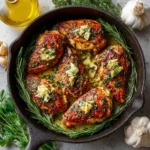
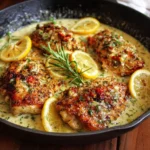
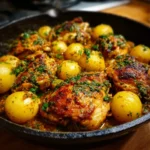
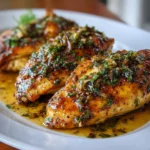
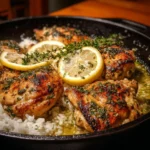
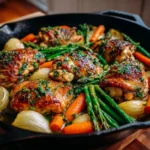
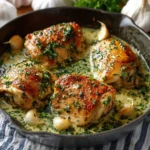
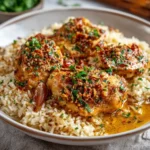
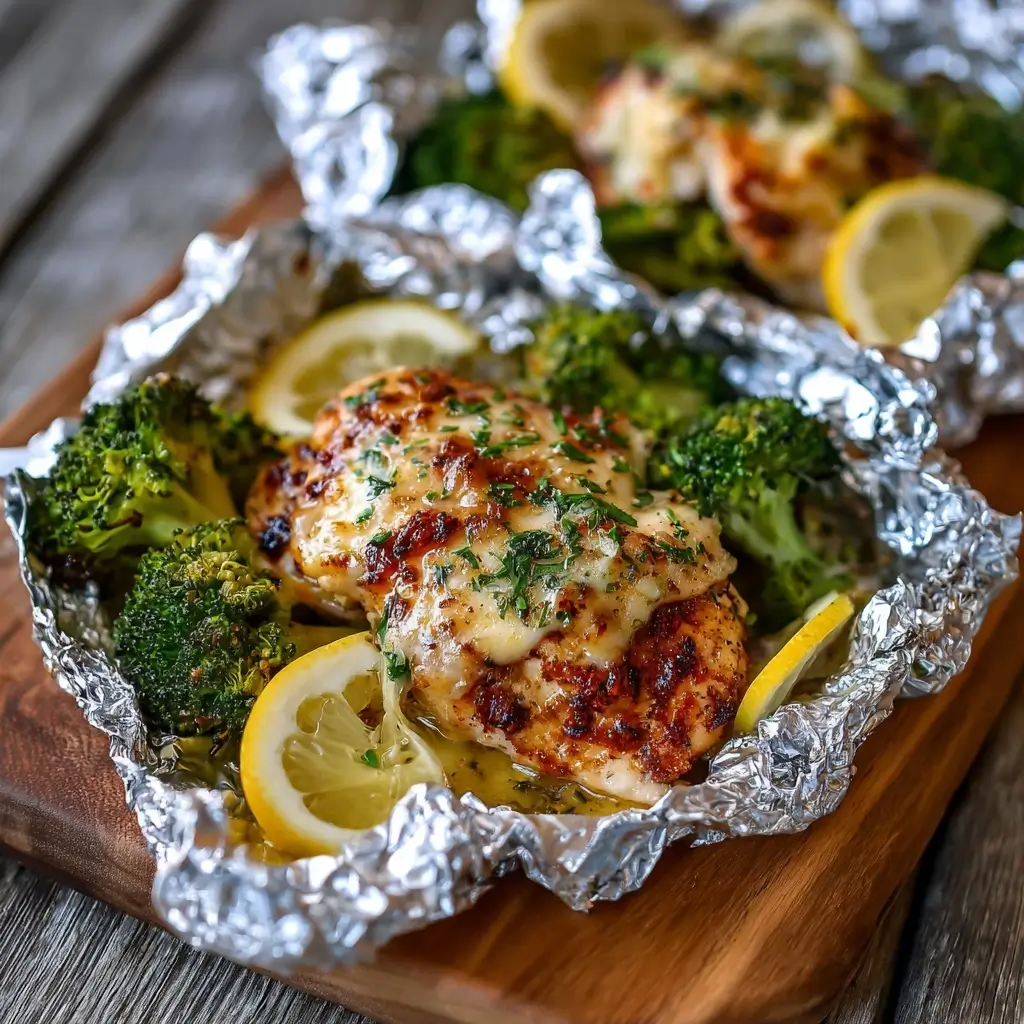
Garlic Butter Chicken Foil Packets are a weeknight dinner game-changer—simple, flavorful, and virtually mess-free. This beloved one-pan (well, one-packet!) meal brings together tender chicken breasts or thighs with aromatic garlic, rich butter, fresh herbs, and seasonal vegetables—all sealed in heavy-duty aluminum foil to lock in moisture, intensify flavor, and create a gentle steaming-baking environment. Whether you’re grilling outdoors, roasting in the oven, or even cooking over campfire coals, these foil packets deliver restaurant-quality results with minimal prep and zero cleanup. Their versatility makes them perfect for busy families, meal preppers, outdoor enthusiasts, and novice cooks alike—and they’re endlessly adaptable to dietary preferences, pantry staples, and seasonal produce.
The History
Foil packet cooking traces its roots to ancient methods of food preparation using natural materials like clay, leaves, and animal bladders to encase and steam ingredients—a technique practiced by Indigenous peoples across North America, Asia, and Europe for millennia. In the early 20th century, the commercial introduction of aluminum foil (first marketed as “Sauval” in France in 1910 and later popularized by Reynolds Metals Company in the U.S. in 1947) revolutionized home cooking by offering a lightweight, heat-resistant, non-reactive, and disposable wrapping medium. By the 1950s and ’60s, foil packet meals became synonymous with camping culture, scout cookouts, and suburban backyard barbecues—prized for their portability, ease, and ability to infuse deep, layered flavors without constant attention. Garlic butter chicken, meanwhile, draws from centuries-old European culinary traditions—particularly French chicken à la provençale and Italian pollo al burro e aglio—where butter and garlic form the soul of savory poultry preparations. The fusion of these two concepts—foil-based cooking and classic garlic-butter poultry—gained massive traction in the 2010s via food blogs, Pinterest, and Instagram, evolving into today’s viral staple: a health-conscious yet indulgent, family-friendly, and highly shareable dish that honors both heritage techniques and modern convenience.
Ingredients Breakdown
Every ingredient in this recipe plays a distinct functional and sensory role—no filler, no afterthoughts. Let’s explore them in depth:
- Chicken Breast or Thighs: Boneless, skinless chicken breasts offer lean protein and mild flavor but require careful timing to avoid dryness; boneless, skinless thighs provide superior tenderness, juiciness, and forgiving cook times thanks to their higher fat content and connective tissue, which breaks down beautifully in the steam-rich foil environment.
- Unsalted Butter: Used instead of margarine or oil to deliver unmatched richness, mouthfeel, and emulsifying power. Unsalted allows precise sodium control—critical when pairing with salty cheeses or soy-based seasonings later. High-fat European-style butter (82–86% fat) adds even more luxurious depth and browning potential.
- Fresh Garlic: Always prefer freshly minced or pressed garlic over jarred or powdered—it contains active allicin compounds that bloom under gentle heat, yielding complex, sweet-savory, slightly pungent notes. Too much raw garlic can be harsh; slow infusion in melted butter mellows and deepens its character.
- Lemon Juice & Zest: Freshly squeezed lemon juice adds bright acidity to cut through butter’s richness and balance savory notes, while finely grated zest contributes volatile citrus oils—intense, floral, and aromatic—that perfume the entire packet without adding liquid volume.
- Dried Herbs (Oregano, Thyme, Rosemary): These hardy Mediterranean herbs stand up beautifully to heat and steam. Oregano offers peppery earthiness, thyme lends subtle minty-woody nuance, and rosemary delivers pine-like intensity—best used sparingly (½ tsp max per packet) due to its potency.
- Fresh Parsley: Added at the very end (post-cooking or just before sealing), it contributes vibrant green color, clean herbal freshness, and a mild peppery finish—acting as both garnish and functional flavor bridge.
- Yellow Onions: Thinly sliced or julienned yellow onions caramelize gently in their own juices and butter, transforming into sweet, jammy ribbons that add body, texture, and natural umami depth.
- Baby Potatoes (Yukon Gold or Red Bliss): Waxy, low-starch potatoes hold their shape during steam-roasting, developing creamy interiors and lightly crisp edges. Yukon Golds offer buttery sweetness; red bliss adds visual pop and firm bite. Parboiling for 3–4 minutes before packing ensures even doneness with chicken.
- Zucchini & Bell Peppers: These summer vegetables bring color, hydration, and textural contrast. Zucchini softens elegantly but retains slight bite; bell peppers (especially tri-color mixes) contribute sweetness, crunch, and antioxidants. Slicing uniformly (¼-inch thick) guarantees consistent cooking.
- Heavy-Duty Aluminum Foil: Not optional—standard foil may tear or leak under steam pressure or high heat. Heavy-duty foil (≥18 microns) withstands oven temps up to 450°F (232°C) and grill flare-ups, ensuring structural integrity and optimal steam retention. For eco-conscious cooks, certified recyclable foil or reusable silicone parchment alternatives are emerging—but performance testing is essential.
- Optional Umami Boosters: A splash of low-sodium soy sauce, a teaspoon of white miso paste, or a few drops of fish sauce (yes—even in a “butter” dish!) deepens savoriness without detectable flavor, rounding out the profile in ways salt alone cannot.
Step-by-Step Recipe
- Prep the Protein: Pat chicken breasts or thighs *very* dry with paper towels—this encourages better searing (if pre-searing), prevents steaming instead of roasting, and helps seasonings adhere. Lightly score thicker chicken breasts diagonally (¼-inch deep) to promote even cooking and marinade absorption.
- Make the Garlic Butter Base: In a small saucepan over low heat, melt butter slowly—do not let it bubble or brown unless aiming for nutty notes. Stir in minced garlic, lemon zest, dried herbs, and a pinch of black pepper. Simmer gently for 2–3 minutes to infuse, then remove from heat and stir in lemon juice and a splash of olive oil (for added stability and sheen). Let cool slightly so it doesn’t cook the herbs or cause foil condensation issues.
- Prep the Vegetables: Parboil baby potatoes for 3–4 minutes until just fork-tender (not mushy). Drain and rinse under cold water to stop cooking. Slice zucchini, bell peppers, and onions uniformly. Toss all vegetables in a bowl with 1 tbsp of the garlic butter mixture to lightly coat and season.
- Assemble Each Packet: Cut four 18×18-inch squares of heavy-duty foil. Center 1 chicken piece (approx. 6 oz) on each square. Spoon ¼ of the vegetable mixture over and around the chicken. Drizzle generously with remaining garlic butter (about 2 tbsp per packet), ensuring every surface is glistened. Scatter lemon slices (optional but recommended for aroma), a few parsley sprigs, and a light sprinkle of flaky sea salt.
- Seal with Precision: Bring long sides of foil together over the center; fold down tightly ½ inch at a time, creating a strong, airtight seam. Then fold in both short ends, tucking tightly—like wrapping a gift—to fully enclose contents. Leave a small air pocket inside (about the size of a golf ball) to allow steam circulation. Crimp seams firmly with fingers or spoon back to reinforce.
- Cook Method Options:
- Oven Roasting: Preheat to 400°F (204°C). Place foil packets on a rimmed baking sheet (to catch any rare leaks). Roast for 25–32 minutes for breasts, 30–38 minutes for thighs—depending on thickness. Internal temp must reach 165°F (74°C) for breasts, 175°F (80°C) for thighs.
- Grill Cooking: Heat grill to medium (375–400°F / 190–204°C) with two-zone setup. Place packets directly over indirect heat. Cover grill and cook 28–35 minutes, rotating halfway. Avoid opening too early—steam loss delays doneness.
- Campfire/Coleman Stove: Nest packets in hot, even bed of embers or on a cast-iron grate over steady flame. Cook 30–40 minutes, turning every 10 minutes for uniform heat exposure.
- Safe Opening Technique: Using sturdy tongs and oven mitts, transfer packets to heat-safe plates. Let rest 3–5 minutes—this allows carryover cooking and redistributes juices. Carefully slit the top seam with kitchen shears (never a knife—risk of foil shards). Open *away* from your face to avoid steam burns. Gently lift foil edges to release fragrant vapor before serving.
- Finishing Touches: Spoon accumulated juices over chicken and veggies. Garnish with extra fresh parsley, lemon wedges, and a final drizzle of high-quality extra-virgin olive oil or herb-infused butter. Serve immediately—in the foil for rustic presentation or transferred to warmed plates.
Tips
- Uniform Sizing Is Non-Negotiable: Cut chicken pieces and vegetables to similar thicknesses—this prevents undercooked potatoes alongside overcooked zucchini or rubbery chicken.
- Don’t Skip the Dry Pat: Moisture on chicken = steamed (not roasted) texture and poor seasoning adhesion. Use multiple paper towels and press firmly—not just a quick wipe.
- Butter Temperature Matters: Warm (not hot) garlic butter ensures even coating without melting delicate herbs or causing premature evaporation. If it solidifies while assembling, briefly re-warm in microwave (5-second bursts).
- Double-Wrap for High-Heat Grilling: On charcoal or gas grills prone to flare-ups, wrap each packet in a second layer of foil—especially if using sugary glazes or high-herb profiles that may char.
- Label Your Packets: Use a heat-safe marker to write cook time or contents on the outside foil—prevents confusion when preparing multiple variations (e.g., gluten-free, dairy-free, spicy).
- Rest Before Opening: That 3–5 minute rest isn’t passive—it lets myofibrils relax, reabsorbing juices that would otherwise flood the plate. Skipping it sacrifices up to 20% moisture retention.
- Repurpose Leftover Juices: Strain and skim excess fat from leftover pan liquids; use as a base for gravy, pasta sauce, grain bowl dressing, or to baste next-day roasted vegetables.
- Foil Orientation Helps: Place dull (matte) side toward food—it reflects less radiant heat and reduces scorch risk on delicate items like herbs or lemon slices.
- Test Doneness Correctly: Insert instant-read thermometer into thickest part of chicken *without touching bone or foil*. Wait 2 seconds for stabilization—digital thermometers are far more reliable than color or juice clarity.
- Storage Hack: Cool completely, then refrigerate unopened foil packets for up to 3 days—or freeze for up to 3 months (thaw overnight in fridge before reheating). Reheat in oven at 350°F (177°C) for 18–22 minutes—do not microwave in foil.
Variations and Customizations
This recipe is a canvas—not a contract. Here’s how to make it your own, with chef-tested adaptations:
- Low-Carb/Keto Version: Replace baby potatoes with cauliflower florets, radish coins, or turnip batons. Increase healthy fats with ¼ avocado per packet (added post-cook) or a sprinkle of toasted pine nuts.
- Dairy-Free/Vegan Option: Swap butter for high-heat refined coconut oil or cultured vegan butter (look for ≥75% fat content). Add nutritional yeast (1 tsp per packet) for cheesy umami. Use plant-based “chicken” strips (soy- or pea-protein based) and double-check broth/seasoning labels.
- Spicy Cajun Twist: Rub chicken with 1 tsp Cajun seasoning before buttering. Add diced jalapeños (seeds removed), smoked paprika, and a dash of hot sauce to the garlic butter. Finish with pickled okra or corn relish.
- Mediterranean Style: Substitute lemon for orange zest/juice; add kalamata olives, cherry tomatoes, artichoke hearts, crumbled feta (added in last 5 minutes of cooking), and oregano-heavy herb blend.
- Asian-Inspired Fusion: Replace garlic butter with ginger-scallion oil (grated fresh ginger + chopped scallion greens + toasted sesame oil + tamari). Add shiitake mushrooms, snap peas, and water chestnuts. Garnish with cilantro and lime.
- Herb-Forward Garden Packets: Ditch dried herbs entirely. Load up on fresh dill, chives, basil, tarragon, and mint. Add edible flowers (nasturtium, pansy) and grilled asparagus tips.
- Breakfast-for-Dinner Packets: Use boneless chicken thighs, add diced cooked breakfast sausage, roasted sweet potato cubes, sautéed spinach, and a cracked egg on top (seal and cook 8–10 min longer at lower temp—375°F).
- Meal Prep Power Packs: Assemble raw packets and freeze flat on a baking sheet before stacking. No thawing needed—add 12–15 minutes to oven time. Ideal for grab-and-go lunches or emergency dinners.
- Kid-Friendly Mild Version: Omit garlic (or reduce by 75%), use mild herbs only (basil, parsley), add apple slices or roasted carrots, and serve with honey-mustard dipping sauce on the side.
- Gourmet Upscale Edition: Use chicken supremes (bone-in, skin-on breasts), sous-vide first to 145°F (63°C) for 1.5 hours, then finish in foil with black truffle butter, wild mushrooms, pearl onions, and Madeira reduction drizzle.
Health Considerations and Nutritional Value
A single serving (1 chicken breast + full veggie portion + 2 tbsp garlic butter) clocks in at approximately 420–480 calories, with thoughtful macro distribution: ~38g high-quality protein, ~22g heart-healthy unsaturated fats (primarily from butter, olive oil, and avocado oil if substituted), ~24g complex carbohydrates (mostly from fiber-rich vegetables and potatoes), and ~6–8g dietary fiber. Sodium ranges from 420–680mg depending on added salt and broth usage—well within FDA daily limits (2,300mg) and easily reduced by omitting added salt and using no-sodium spice blends.
Nutrient Highlights:
- Vitamin B6 & Niacin: Abundant in chicken—critical for energy metabolism, nervous system function, and red blood cell formation.
- Vitamin C & Antioxidants: Bell peppers and lemon provide >100% DV per serving—supporting immune resilience, collagen synthesis, and iron absorption from plant-based foods.
- Potassium & Magnesium: Zucchini, potatoes, and spinach contribute electrolytes vital for muscle function, blood pressure regulation, and nerve signaling.
- Selenium & Zinc: Chicken is a top-tier source—essential for thyroid health, DNA repair, and antioxidant enzyme activity (e.g., glutathione peroxidase).
- Phytonutrients: Garlic contains allicin (anti-inflammatory, cardiovascular-supportive), rosemary has carnosic acid (neuroprotective), and lemon zest delivers limonene (liver detox support).
Dietary Accommodations: Naturally gluten-free, nut-free, and soy-free (when using tamari-free seasonings). Easily adapted for paleo (swap butter for ghee), Whole30 (use ghee + compliant herbs + no sugar), or pescatarian diets (substitute firm white fish like cod or halibut—reduce cook time to 18–22 minutes).
Cautions: Those managing hypertension should monitor added salt and avoid pre-made seasoning blends with hidden sodium. Individuals with lactose intolerance may tolerate small amounts of butter (low-lactose), but ghee or dairy-free alternatives are safer. High-heat grilling requires attention to potential polycyclic aromatic hydrocarbon (PAH) formation—minimize charring by avoiding direct flames and using double foil layers.
Ingredients
- 4 (6-oz) boneless, skinless chicken breasts or thighs, evenly sized
- ½ cup (1 stick / 113g) unsalted butter, softened or gently melted
- 6 cloves garlic, finely minced (about 2 tbsp)
- Zest of 1 large lemon + 2 tbsp fresh juice
- 1 tsp dried oregano
- ½ tsp dried thyme
- ¼ tsp dried rosemary, crushed
- ½ tsp freshly ground black pepper
- 1 tsp flaky sea salt (plus more to taste)
- 2 medium yellow onions, thinly sliced
- 12–16 baby potatoes (Yukon Gold or red), parboiled 3–4 min
- 2 medium zucchinis, sliced ¼-inch thick
- 2 bell peppers (any color), seeded and sliced
- ¼ cup fresh flat-leaf parsley, roughly chopped (plus extra for garnish)
- 4 lemon wedges (for garnish and aroma)
- 4 (18×18-inch) sheets heavy-duty aluminum foil
- Optional: 1 tbsp extra-virgin olive oil (for gloss and stability), 1 tsp low-sodium soy sauce (umami boost)
Directions
- Preheat oven to 400°F (204°C). Line a large rimmed baking sheet with parchment paper or foil for easy cleanup.
- In a small bowl, combine softened butter, minced garlic, lemon zest, lemon juice, oregano, thyme, rosemary, black pepper, and optional olive oil or soy sauce. Stir until smooth and well blended. Set aside.
- Place parboiled potatoes, sliced onions, zucchini, and bell peppers in a large mixing bowl. Pour ¼ of the garlic butter mixture over vegetables and toss gently to coat evenly.
- Prepare foil sheets: Tear four 18×18-inch pieces of heavy-duty foil. Fold each in half to create a crease, then open flat—this helps guide symmetrical folding later.
- Center one chicken piece on the bottom half of each foil square. Top each with an equal portion of vegetable mixture, spreading to surround but not bury the chicken.
- Drizzle each packet generously with remaining garlic butter—about 1½–2 tablespoons per serving—making sure to coat exposed chicken surfaces and vegetables. Scatter 1–2 lemon wedges and a tablespoon of fresh parsley over each.
- To seal: Fold the long sides of foil up and over the filling, pressing firmly to create a tight, overlapping seam along the top center. Fold both short ends inward tightly, tucking under to fully enclose. Ensure no gaps remain—steam must be trapped.
- Place sealed packets onto prepared baking sheet. Roast in preheated oven for 25–32 minutes for chicken breasts, or 30–38 minutes for thighs—until internal temperature reaches 165°F (74°C) for breasts or 175°F (80°C) for thighs when measured with an instant-read thermometer.
- Carefully remove from oven using tongs and oven mitts. Let rest on baking sheet for 4–5 minutes to finish cooking and allow juices to redistribute.
- Using kitchen shears, carefully cut open the top of each packet away from your face to release steam. Gently lift foil edges and spoon accumulated juices over the contents.
- Transfer to plates or serve directly from foil. Garnish with additional fresh parsley, lemon wedges, and a final drizzle of high-quality olive oil or herb butter if desired. Serve immediately while piping hot and fragrant.
FAQ
- Can I prepare these ahead of time?
- Absolutely! Assemble raw packets up to 24 hours in advance, refrigerate uncovered for 30 minutes to chill, then cover tightly with plastic wrap or place in an airtight container. For longer storage, freeze flat on a tray for 2 hours, then stack in freezer bags—keeps up to 3 months. No need to thaw before baking; just add 10–15 minutes to cook time.
- What if I don’t have heavy-duty foil?
- Standard foil *can* work—but double-layer each packet and avoid high-heat grilling or broiling. Watch closely for leaks or tearing. Better alternatives include parchment paper-lined foil (parchment facing food) or reusable silicone parchment pouches rated for oven use (up to 428°F).
- Can I use frozen chicken?
- Yes—but only if fully thawed before assembling. Cooking from frozen risks uneven doneness, excessive steam leakage, and extended cook times that compromise vegetable texture. Thaw safely in the fridge overnight or use the cold-water method (30–45 minutes).
- Why did my chicken come out dry?
- Most commonly due to overcooking, using lean chicken breast without adequate moisture protection, or skipping the resting step. Try using thighs instead, reducing oven temp to 375°F (190°C) and extending time by 5 minutes, or adding 1 tbsp low-sodium chicken broth per packet before sealing.
- Are these packets safe to cook on a grill?
- Yes—with precautions. Use indirect heat only. Keep lid closed. Rotate packets every 10 minutes. Never place directly over open flames or coals—flare-ups can puncture foil. Consider placing packets on a cast-iron griddle or grill basket for extra insulation.
- Can I add cheese?
- Yes—but timing matters. Soft cheeses like goat, feta, or fresh mozzarella should be added in the last 3–5 minutes of cooking (or post-oven) to prevent separation or burning. Harder cheeses like Parmesan or aged Gouda can go in at the start for subtle infusion.
- How do I prevent soggy vegetables?
- Blot washed vegetables thoroughly. Parboil potatoes but shock in ice water to halt cooking. Avoid watery produce like tomatoes or cucumbers unless roasted separately and added at the end. Keep lemon juice minimal (2 tbsp max) and always include lemon zest for brightness without excess liquid.
- Is there a way to make them crispy?
- For a golden crust, sear chicken in olive oil for 1–2 minutes per side before placing in foil. Or, after oven-roasting, carefully open packets, brush tops with garlic butter, and broil 2–3 minutes—watch constantly to prevent burning.
- Can I cook multiple packets at once?
- Yes—just ensure they’re spaced evenly on the baking sheet with airflow between them. Overcrowding traps steam and lowers ambient temperature, leading to longer cook times and possible underdone centers.
- What sides pair well with these?
- These packets are complete meals—but elevate them with a simple arugula salad with lemon vinaigrette, quinoa pilaf with toasted almonds, warm naan or focaccia for soaking up juices, or chilled cucumber-dill yogurt sauce for contrast.
Summary
Garlic Butter Chicken Foil Packets merge time-honored cooking wisdom with modern-day practicality—delivering succulent, herb-kissed chicken and vibrant vegetables in a self-contained, zero-mess package that’s equally at home in a gourmet kitchen, a lakeside campsite, or a student apartment.
With endless customization options, strong nutritional credentials, and foolproof technique backed by centuries of culinary evolution, this dish isn’t just dinner—it’s a delicious, dependable ritual that turns everyday ingredients into something deeply satisfying, deeply nourishing, and deeply memorable.