Introduction
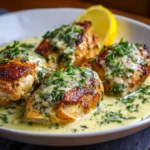
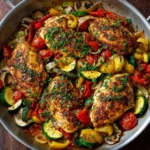
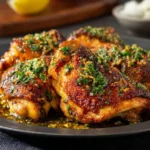
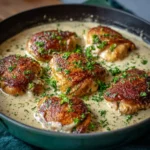
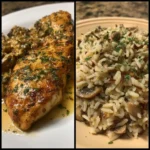
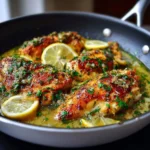
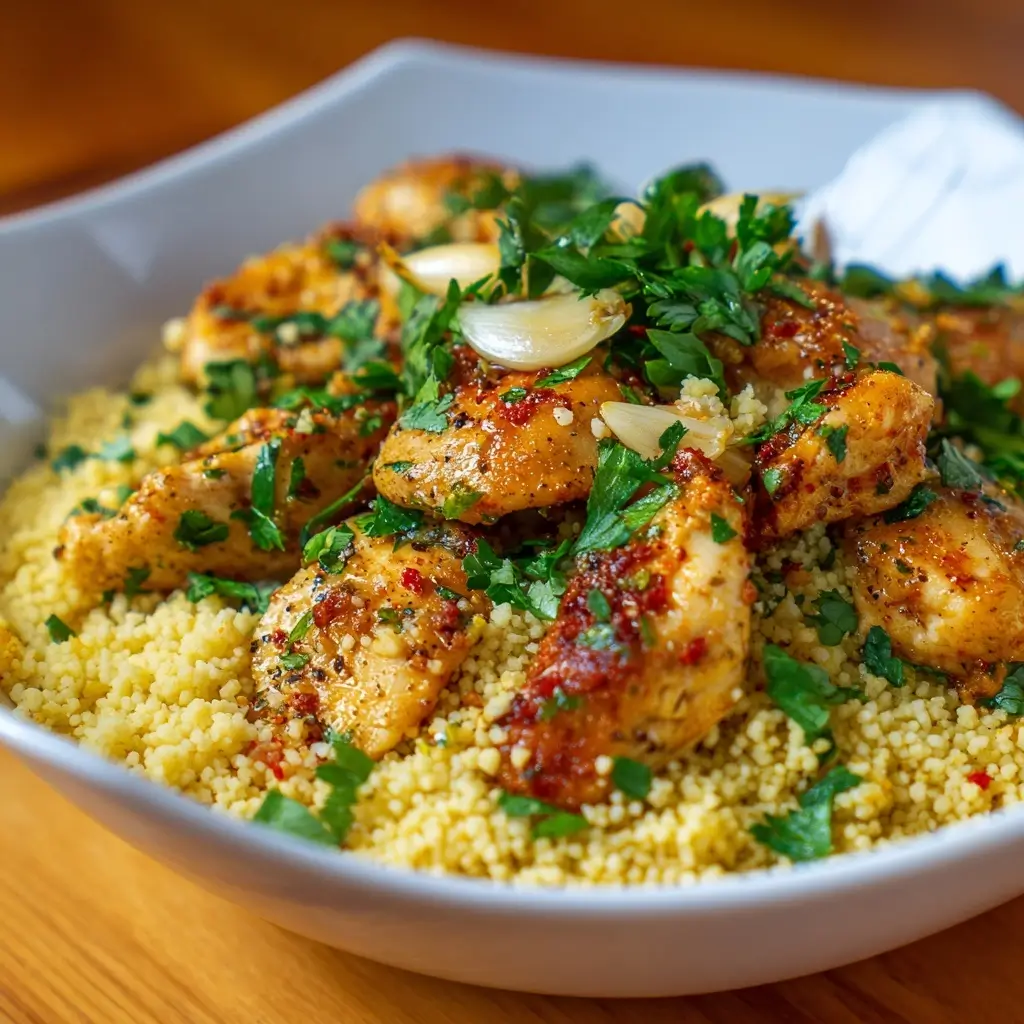
Garlic Butter Chicken Couscous is a vibrant, restaurant-worthy dish that effortlessly marries the rich umami depth of seared chicken, the aromatic warmth of garlic-infused butter, and the delicate, fluffy texture of perfectly cooked couscous. This one-pan (or minimal-pot) meal strikes an elegant balance between rustic comfort and refined simplicity—ideal for weeknight dinners that feel special, date-night suppers with minimal cleanup, or even elevated potluck contributions. Its global soul draws from North African culinary traditions—where couscous reigns supreme—while embracing the universal appeal of golden, herb-flecked chicken bathed in glossy, savory butter sauce. What makes this dish truly exceptional is its versatility: it’s naturally gluten-free (when using certified GF couscous), easily adaptable to dietary preferences, and infinitely customizable without sacrificing its core identity—tender protein, fragrant aromatics, velvety fat, and light, absorbent grain.
The History
Couscous traces its origins over 1,000 years back to the Berber peoples of the Maghreb region—modern-day Morocco, Algeria, Tunisia, and Libya—where it was traditionally steamed over simmering stews in a keskas (a two-tiered clay pot), allowing the semolina granules to gently puff and soak up complex flavors. Historically, couscous served as both staple and ceremonial food—featured in weddings, religious holidays like Eid, and family gatherings, symbolizing abundance and hospitality. Meanwhile, garlic butter as a finishing technique has deep roots across European cuisines—from French beurre composé to Italian aglio e olio—celebrated for its ability to elevate proteins with minimal effort yet maximum impact. The fusion of these traditions into “Garlic Butter Chicken Couscous” is a modern culinary evolution born from globalization, pantry accessibility, and the home cook’s desire for speed without sacrifice. Though not a centuries-old classic, this dish reflects a meaningful contemporary dialogue between ancient grain wisdom and time-honored French and Mediterranean saucing techniques—evidence of how food traditions migrate, adapt, and thrive when grounded in respect for quality ingredients and mindful preparation.
Ingredients Breakdown
Every element in Garlic Butter Chicken Couscous plays a purposeful, synergistic role—no filler, no afterthought. Let’s explore each component in detail:
- Chicken Breast or Thighs: Boneless, skinless chicken breasts offer lean tenderness, while thighs provide superior juiciness, richer flavor, and greater forgiveness during cooking. For optimal texture, we recommend uniform 1-inch cubes or thin cutlets pounded to ¼-inch thickness—ensuring rapid, even searing and preventing dryness.
- Unsalted Butter: The soul of the sauce. High-fat, European-style unsalted butter (82–86% fat) delivers unparalleled richness, smooth mouthfeel, and clean dairy sweetness. Salted butter can be used—but adjust added salt accordingly. Ghee is an excellent dairy-free alternative offering nutty depth and higher smoke point.
- Fresh Garlic: Non-negotiable. Pre-minced or jarred garlic lacks enzymatic complexity and introduces off-flavors. Fresh cloves—finely minced or pressed—release allicin only upon crushing, giving the dish its signature pungent warmth and aromatic lift. Use 4–6 cloves for balanced intensity; more for bold palates, less for subtlety.
- Couscous: Traditional Moroccan couscous is made from durum wheat semolina, but whole wheat, pearl (Israeli), or gluten-free alternatives like brown rice or quinoa couscous are widely available. Pearl couscous offers delightful chew and sauce adherence; fine couscous yields ethereal fluffiness. Always rinse fine couscous to remove excess starch and prevent clumping—unless using pre-steamed “instant” varieties, which rely on steam hydration rather than boiling.
- Aromatics & Herbs: Yellow or white onion adds foundational sweetness; shallots offer a more delicate, wine-friendly nuance. Fresh parsley contributes bright, grassy top notes and visual pop; cilantro works beautifully for those who enjoy its citrusy flair. Lemon zest and juice are critical—not optional—for acidity that cuts through butter’s richness and lifts every bite.
- Liquid Base: Low-sodium chicken broth (preferably homemade or high-quality store-bought) provides savory depth without overwhelming salt. Vegetable broth is a seamless vegetarian substitute. A splash of dry white wine (Sauvignon Blanc or Pinot Grigio) added before broth enhances complexity and deglazes the pan—evaporating alcohol while concentrating flavor.
- Spice Profile: Ground cumin adds earthy warmth reminiscent of North African spice blends (ras el hanout); smoked paprika lends subtle depth and color; a pinch of cayenne or Aleppo pepper introduces gentle heat. These spices are bloomed in butter to unlock volatile oils—transforming them from dusty to dynamic.
- Finishing Touches: Toasted pine nuts or slivered almonds contribute textural contrast and nutty aroma; crumbled feta or goat cheese introduces tangy creaminess; dried apricots or raisins add bursts of sweet-tart brightness—echoing traditional tagine accompaniments.
Step-by-Step Recipe
This method prioritizes flavor layering, timing efficiency, and foolproof execution—even for novice cooks. Total active time: 35 minutes.
- Prep & Marinate (5 min): Pat chicken dry with paper towels—critical for achieving golden sear, not steam. Toss with 1 tbsp olive oil, ½ tsp salt, ¼ tsp black pepper, ½ tsp cumin, and ¼ tsp smoked paprika. Let sit 10–15 minutes at room temperature while prepping other ingredients.
- Toast Couscous (3 min): Heat 1 tbsp butter in a large, heavy-bottomed skillet or Dutch oven over medium heat. Add 1 cup dry couscous; stir constantly 2–3 minutes until golden and fragrant—this step deepens nuttiness and prevents mushiness.
- Sear Chicken (6–7 min): Increase heat to medium-high. Add chicken in a single layer—do not crowd. Sear undisturbed 3–4 minutes per side until deeply golden and internal temp reaches 160°F (it will rise to 165°F while resting). Transfer to a plate; tent loosely with foil.
- Sauté Aromatics (4 min): In same pan, reduce heat to medium. Add 1 tbsp olive oil and diced onion (or shallots). Sauté 2–3 minutes until translucent. Add minced garlic, remaining cumin, smoked paprika, and cayenne; stir 30 seconds until fragrant—do not brown garlic.
- Build Sauce & Simmer (8 min): Pour in ½ cup dry white wine (optional but recommended), scraping bottom to release browned bits. Simmer 1 minute. Add 1¼ cups warm low-sodium broth, lemon zest, and a bay leaf. Bring to gentle simmer.
- Reincorporate Chicken & Couscous (5 min): Return chicken (and any accumulated juices) to pan. Stir in toasted couscous. Reduce heat to low, cover tightly, and simmer 5 minutes—allowing couscous to fully hydrate and absorb liquid while chicken finishes cooking.
- Finish with Garlic Butter (2 min): Remove bay leaf. Off heat, stir in remaining 3 tbsp cold butter, 2 tbsp fresh lemon juice, and most of the chopped parsley. Swirl vigorously until butter emulsifies into a lustrous, cohesive sauce. Taste and adjust: more lemon for brightness, salt for balance, black pepper for warmth.
- Rest & Serve (2 min): Let stand covered 2 minutes—this allows flavors to meld and couscous to settle. Fluff gently with a fork. Garnish generously with remaining parsley, lemon wedges, toasted nuts, and optional cheese.
Tips
- Dry Chicken = Golden Chicken: Moisture is the enemy of sear. Always pat chicken bone-dry—even if marinated—and let it temper 10 minutes before cooking.
- Don’t Rush the Garlic: Garlic burns at 300°F. Add it only after onions soften, and stir constantly for ≤45 seconds. Burnt garlic turns bitter—ruining the entire sauce.
- Warm Broth Prevents Temperature Shock: Cold liquid halts simmering, extends cooking time, and risks gummy couscous. Heat broth separately while prepping.
- Couscous Hydration is Precise: Fine couscous typically uses 1:1.25 ratio (1 cup couscous : 1¼ cups liquid); pearl couscous needs 1:1.5. Adjust based on brand—some absorb more.
- Butter Emulsion Magic: Adding cold butter off-heat while whisking creates a stable, glossy emulsion. If sauce breaks, whisk in 1 tsp warm broth to re-emulsify.
- Acid Last, Always: Lemon juice added at the end preserves its volatile citrus oils and vibrant acidity—adding it earlier dulls brightness and can curdle dairy.
- Resist Over-Stirring: Once couscous simmers, minimal stirring prevents starch release and gumminess. Fluff only at the end.
- Make-Ahead Friendly: Cook chicken and aromatics ahead; refrigerate separately up to 2 days. Reheat gently before combining with freshly toasted couscous and finishing butter.
- Leftovers Reinvented: Next-day couscous makes exceptional chilled grain salad—toss with diced cucumber, cherry tomatoes, mint, olive oil, and sumac.
Variations and Customizations
This recipe is a canvas—not a cage. Here’s how to make it uniquely yours:
- Protein Swaps: Swap chicken for shrimp (add in last 2 minutes), scallops (sear separately, fold in at finish), chickpeas (for vegan version—simmer 10 mins with spices), or sliced steak (flank or skirt, sliced against grain).
- Grain Alternatives: Substitute cooked quinoa, farro, bulgur, millet, or cauliflower “couscous” (pulse raw florets in food processor until rice-sized, then sauté 5 mins before adding liquid).
- Mediterranean Twist: Add sun-dried tomatoes, kalamata olives, capers, and oregano. Finish with crumbled feta and a drizzle of good-quality olive oil.
- North African Accent: Stir in harissa paste (½–1 tsp) with garlic, add preserved lemon peel, and garnish with toasted cumin seeds and chopped mint.
- Herb Forward: Replace parsley with equal parts dill + chives + tarragon for a French bistro vibe—or basil + lemon thyme for Italian elegance.
- Creamy Version: Whisk in 2 tbsp crème fraîche or Greek yogurt at the end for luxurious silkiness (avoid boiling after adding).
- Smoky Depth: Add ½ tsp ground chipotle or 1 tsp smoked sea salt—enhances umami without overpowering.
- Low-Carb/Keto: Omit couscous entirely; serve chicken and sauce over roasted zucchini ribbons, riced cauliflower, or butter lettuce cups.
- Kid-Friendly: Skip cayenne and garlic intensity—use roasted garlic paste instead, add mild cheddar shreds, and serve with apple slices and hummus on the side.
- Meal Prep Master: Double the batch. Portion chicken-couscous mix into containers; freeze up to 3 months. Thaw overnight; reheat with splash of broth and fresh butter.
Health Considerations and Nutritional Value
A single 1.5-cup serving (with 4 oz chicken breast, ⅔ cup cooked fine couscous, 3 tbsp butter, and vegetables) provides approximately:
- Calories: ~580 kcal
- Protein: ~38 g (excellent source; supports muscle maintenance and satiety)
- Fat: ~32 g (predominantly unsaturated from olive oil and butter; includes beneficial butyrate and conjugated linoleic acid from grass-fed butter)
- Carbohydrates: ~34 g (complex carbs from whole grain couscous; low glycemic index when paired with fat/protein)
- Fiber: ~3 g (boosted with whole wheat couscous or added veggies)
- Vitamins & Minerals: Rich in selenium (chicken), vitamin B6 (energy metabolism), vitamin C (lemon), folate (couscous), and antioxidants from garlic (allicin) and parsley (vitamin K, flavonoids).
Dietary Notes:
- Gluten-Free Option: Use certified gluten-free couscous (made from corn, rice, or quinoa) or substitute with GF grains. Verify broth and spice blends are GF-certified.
- Dairy-Free Adaptation: Replace butter with high-quality vegan butter (Miyoko’s or Forager) or refined coconut oil. Add nutritional yeast (1 tsp) for cheesy depth.
- Lower-Calorie Adjustment: Reduce butter to 1.5 tbsp, use chicken thighs with skin removed, increase non-starchy vegetables (zucchini, spinach, bell peppers), and opt for lemon-heavy finishing.
- Heart-Healthy Tweaks: Substitute half the butter with extra-virgin olive oil; emphasize garlic, lemon, herbs, and spices instead of salt; include omega-3-rich garnishes like walnuts or hemp seeds.
- Garlic Sensitivity: Those with GERD or IBS may tolerate roasted garlic better—substitute 2–3 cloves roasted until soft and sweet, mashed into the butter.
- Blood Sugar Balance: Pair with a side of leafy greens dressed in vinegar-based vinaigrette to further moderate glucose response.
While indulgent in butter, this dish delivers nutrient density far beyond typical “comfort food.” Garlic supports immune function and cardiovascular health; lemon enhances iron absorption from plant-based components; and the balanced macronutrient profile promotes sustained energy and appetite regulation.
Ingredients
- 1.5 lbs boneless, skinless chicken breasts or thighs, cut into 1-inch pieces or thin cutlets
- ¼ cup extra-virgin olive oil, divided
- 6 tbsp unsalted butter, cold, divided (3 tbsp for toasting, 3 tbsp for finishing)
- 1 medium yellow onion, finely diced (or 3 large shallots)
- 6 large garlic cloves, finely minced or pressed
- 1 cup fine couscous (regular or whole wheat), rinsed and drained
- 1¼ cups warm low-sodium chicken broth (160°F/71°C)
- ½ cup dry white wine (optional but recommended; Sauvignon Blanc or Pinot Grigio)
- 1 tsp ground cumin
- 1 tsp smoked paprika
- ¼ tsp cayenne pepper (adjust to taste)
- 1½ tsp kosher salt, divided (¾ tsp for chicken, ¾ tsp for sauce)
- ½ tsp freshly ground black pepper, divided
- Zest and juice of 1 large lemon (about 1 tbsp zest, 2 tbsp juice)
- 1 bay leaf
- ½ cup fresh flat-leaf parsley, finely chopped, plus extra for garnish
- Lemon wedges, for serving
- Optional garnishes: toasted pine nuts, crumbled feta, dried apricots, microgreens
Directions
- In a medium bowl, combine chicken, 1 tbsp olive oil, ¾ tsp salt, ¼ tsp black pepper, ½ tsp cumin, and ½ tsp smoked paprika. Toss well and set aside to marinate at room temperature for 10–15 minutes.
- Heat 1 tbsp butter in a large, heavy-bottomed skillet or Dutch oven (12-inch preferred) over medium heat. Add couscous and toast, stirring constantly, until golden and fragrant—about 2–3 minutes. Transfer to a small bowl and set aside.
- Increase heat to medium-high. Add 1 tbsp olive oil to the same pan. When shimmering, add chicken in a single layer (work in batches if needed). Sear undisturbed for 3–4 minutes until deeply golden on first side, then flip and sear 3 more minutes until internal temperature reaches 160°F. Transfer to a clean plate, tent with foil, and rest.
- Reduce heat to medium. Add remaining 1 tbsp olive oil and diced onion to pan. Sauté 2–3 minutes until softened and translucent. Stir in minced garlic, remaining ½ tsp cumin, ½ tsp smoked paprika, cayenne, and remaining ¼ tsp black pepper. Cook, stirring constantly, for 30–45 seconds until fragrant—do not brown.
- Pour in white wine (if using) and scrape bottom of pan vigorously with a wooden spoon to release all browned bits. Simmer 1 minute until mostly evaporated.
- Add warm broth, lemon zest, and bay leaf. Bring to a gentle simmer.
- Return chicken (and any accumulated juices) to pan. Stir in toasted couscous. Reduce heat to low, cover tightly with lid or aluminum foil, and simmer gently for 5 minutes—do not lift lid.
- Remove bay leaf. Turn off heat. Immediately stir in remaining 3 tbsp cold butter, 2 tbsp fresh lemon juice, and ⅓ cup chopped parsley. Swirl continuously until butter melts completely and sauce becomes glossy and cohesive.
- Taste and adjust seasoning—add more salt, lemon juice, or black pepper as needed. Let stand covered for 2 minutes.
- Gently fluff couscous with a fork. Serve immediately, garnished with remaining parsley, lemon wedges, and optional toppings.
FAQ
- Can I use instant couscous?
- Yes—but skip the toasting step. Prepare according to package directions *using the broth instead of water*, then fold into the finished chicken-and-sauce mixture just before adding the finishing butter and lemon. Instant couscous absorbs liquid faster and doesn’t benefit from toasting.
- Why does my couscous turn out mushy?
- Mushiness usually results from excess water, overcooking, or stirring too soon. Ensure precise liquid ratios, avoid lifting the lid during simmering, and never stir while absorbing—only fluff at the end. Rinsing fine couscous also helps prevent starch buildup.
- Can I make this dairy-free?
- Absolutely. Substitute butter with high-fat vegan butter (look for >70% fat content) or refined coconut oil. For richness, stir in 1 tbsp nutritional yeast and ½ tsp Dijon mustard at the finish.
- Is garlic butter chicken couscous freezer-friendly?
- Best enjoyed fresh—but fully cooked, cooled dish freezes well for up to 2 months in airtight containers. Thaw overnight in fridge; reheat gently on stove with 1–2 tbsp broth to restore moisture. Add fresh lemon juice and parsley after reheating.
- What wine pairs best with this dish?
- A crisp, mineral-driven white complements the garlic butter beautifully: Albariño, Grüner Veltliner, or a dry Rosé. For red lovers, choose a light-bodied, low-tannin option like Pinot Noir or Gamay.
- My sauce looks broken or greasy—can I fix it?
- Yes! A broken emulsion often occurs if butter is added too hot or stirred too slowly. Whisk in 1 tsp warm broth or lemon juice while vigorously whisking—it will re-emulsify within seconds. Alternatively, blend briefly with an immersion blender.
- How do I prevent chicken from drying out?
- Key strategies: 1) Don’t overcook—remove at 160°F; carryover heat brings it to 165°F. 2) Brine briefly (15 min in 2 cups water + 2 tbsp salt) for extra insurance. 3) Use thighs—they’re nearly impossible to overcook. 4) Rest before cutting to retain juices.
- Can I cook this entirely in the oven?
- Yes—use a large oven-safe skillet or Dutch oven. Follow steps 1–4 on stove, then add broth, chicken, and couscous. Cover and bake at 350°F for 20 minutes. Uncover, stir in finishing butter and lemon, and broil 1–2 minutes for light browning (optional).
- Is there a vegetarian version?
- Yes. Replace chicken with 1.5 cups cooked chickpeas or lentils (seasoned with same spices), add 1 cup diced zucchini and ½ cup chopped spinach in final 3 minutes, and use vegetable broth. Boost umami with 1 tsp soy sauce or tamari in the broth.
- Why use cold butter at the end?
- Cold butter melts slowly off-heat, allowing time for its milk solids and water to emulsify with the hot liquid and acids—creating a stable, creamy, restaurant-quality sauce. Melted or warm butter separates more easily and lacks body.
Summary
Garlic Butter Chicken Couscous is a masterclass in layered simplicity—a globally inspired, nutritionally balanced dish where golden-seared chicken, deeply aromatic garlic-butter sauce, and tender, fragrant couscous converge with effortless elegance.
With customizable ingredients, adaptable techniques, and thoughtful health-conscious options, it transcends trendiness to become a timeless, weeknight-defining staple that nourishes both body and spirit—proving that extraordinary flavor need not demand extraordinary effort.