Introduction
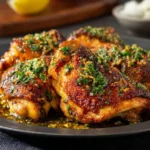
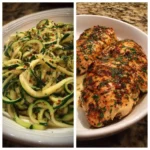
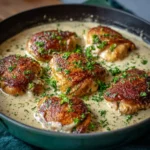
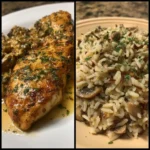
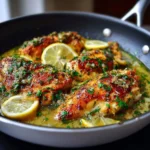
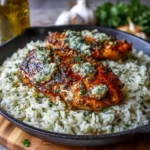
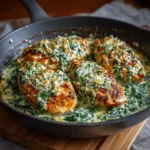
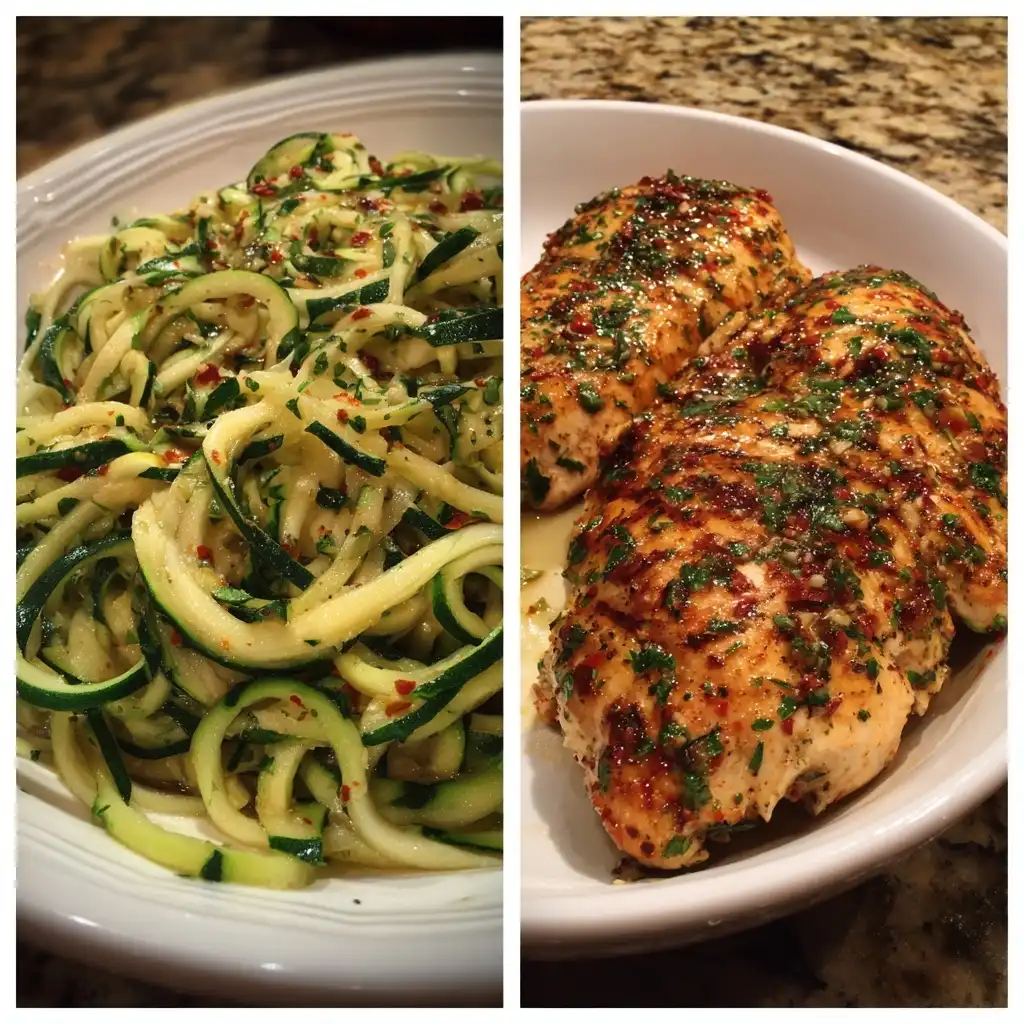
Garlic Butter Chicken with Zucchini Noodles is a vibrant, restaurant-quality dish that marries lean protein, aromatic herbs, and nutrient-dense vegetables into one harmonious, low-carb, gluten-free meal. Far more than just a trendy “keto dinner,” this recipe embodies the perfect balance of comfort and wellness—offering rich umami depth from golden-brown seared chicken, luxurious silkiness from slow-simmered garlic butter sauce, and the refreshing, delicate crunch of spiralized zucchini noodles (often affectionately called “zoodles”). Whether you’re meal prepping for the week, seeking a 30-minute weeknight solution, or impressing guests with elegant simplicity, this dish delivers extraordinary flavor without compromising on nutrition, texture, or satisfaction. Its versatility makes it equally at home in a cozy family kitchen, a health-conscious meal delivery service, or even as a refined lunchbox staple.
The History
While garlic butter chicken and zucchini noodles each have distinct culinary roots, their modern fusion reflects broader shifts in global food culture over the past three decades. Garlic butter preparations trace back centuries—to medieval European kitchens where butter, garlic, and herbs were used to preserve, enrich, and elevate humble proteins—and later evolved through French beurre blanc techniques and classic American bistro fare like Chicken Francese and Shrimp Scampi. Zucchini noodles, by contrast, are a relatively recent innovation: gaining traction in the early 2000s amid rising interest in raw food diets and gluten sensitivity awareness, they surged in popularity during the keto and paleo movements of the mid-2010s. The pairing of the two emerged organically in health-focused food blogs and Instagram-driven culinary communities as home cooks sought flavorful, grain-free alternatives to pasta-based dishes. Chefs and nutritionists alike championed the union—not only for its low-glycemic profile but also because the high heat–resistant fats in grass-fed butter and olive oil synergize beautifully with the water-soluble antioxidants (like vitamin C and lutein) abundant in zucchini. Today, Garlic Butter Chicken and Zucchini Noodles stands as a cultural artifact of mindful eating—a delicious testament to how tradition and innovation can coexist on a single plate.
Ingredients Breakdown
Every element in this recipe serves both functional and sensory purpose—no ingredient is arbitrary. Below is an in-depth analysis of each component, including sourcing tips, biochemical contributions, and culinary rationale:
- Chicken Breast or Thighs: Boneless, skinless chicken breasts offer ultra-lean protein (31g per 100g), while thighs provide richer flavor, juicier texture, and heart-healthy monounsaturated fats due to their higher oleic acid content. For maximum tenderness and moisture retention, we recommend brining for 20–30 minutes in 1% saltwater or using a quick “velveting” technique with cornstarch and egg white.
- Fresh Garlic: Not powdered or jarred—fresh cloves contain allicin, a sulfur compound activated upon crushing or mincing that delivers potent antimicrobial, anti-inflammatory, and cardiovascular benefits. For optimal aroma and sweetness, use 6–8 plump, ivory-colored cloves; slice thinly rather than mince if you prefer mellow, caramelized notes over sharp pungency.
- Unsalted Grass-Fed Butter: The soul of the sauce. Grass-fed butter contains significantly higher levels of conjugated linoleic acid (CLA), vitamin K2 (essential for calcium metabolism), and omega-3 fatty acids than conventional butter. Its higher smoke point (~350°F/175°C) allows for gentle browning without burning. Clarified butter (ghee) may be substituted for dairy-free needs or enhanced nuttiness.
- Extra-Virgin Olive Oil: Used in tandem with butter to raise the overall smoke point and add polyphenol-rich complexity. Choose a robust, peppery, early-harvest EVOO (e.g., Greek Koroneiki or Spanish Picual) for depth—not mild, filtered varieties. Its antioxidants help stabilize the butter during cooking and enhance absorption of fat-soluble vitamins from the zucchini.
- Zucchini: Select firm, deep-green, medium-sized zucchinis (6–7 inches long, ~1 inch diameter) with taut, unwrinkled skin and no soft spots. Smaller zucchinis yield sweeter, less watery noodles. Their high water content (95%) and natural pectin help create a light, springy texture—but excess moisture must be managed carefully (see Tips section).
- Fresh Herbs (Parsley & Basil): Flat-leaf parsley contributes chlorophyll, apigenin (a calming flavonoid), and bright citrusy notes that cut through richness. Fresh basil adds methyl eugenol and linalool—compounds linked to stress reduction and digestive support—plus a sweet-anise finish that complements garlic’s warmth.
- Lemon Juice & Zest: Fresh-squeezed lemon juice provides acidity critical for balancing fat and enhancing salivary response, while the zest imparts volatile citrus oils (limonene, beta-pinene) that uplift aroma and stimulate digestion. Always zest before juicing to maximize yield and avoid bitter pith.
- Red Pepper Flakes (Optional but Recommended): A pinch introduces capsaicin—a thermogenic compound shown to modestly boost metabolic rate and satiety signaling. It also creates a subtle counterpoint to butter’s richness without overwhelming heat.
- Sea Salt & Freshly Ground Black Pepper: Use flaky sea salt (e.g., Maldon or Fleur de Sel) for finishing—its delicate crystals burst on the tongue and highlight natural flavors. Coarse-ground black pepper ensures optimal release of piperine, which dramatically increases bioavailability of curcumin (if turmeric is added later) and other phytonutrients.
Step-by-Step Recipe
- Prep the Protein: Pat 1.5 lbs (680g) boneless, skinless chicken breasts or thighs *extremely dry* with paper towels—this is non-negotiable for proper searing. Slice against the grain into ½-inch thick cutlets, then gently pound to ¼-inch uniform thickness using a meat mallet or heavy skillet. Season both sides generously with 1 tsp fine sea salt and ½ tsp freshly ground black pepper. Let rest uncovered at room temperature for 15 minutes.
- Spiralize & Drain Zucchini: Using a manual or electric spiralizer, transform 4 medium zucchinis (about 1.5 lbs / 680g) into long, spaghetti-like noodles. Place noodles in a large colander, sprinkle with 1 tsp kosher salt, toss gently, and let drain over the sink for 10 minutes. Afterward, gather small batches in clean hands and *squeeze vigorously* over the sink to remove up to 40% of residual water—this prevents a soggy, diluted sauce.
- Toast the Aromatics: In a large, heavy-bottomed stainless steel or cast-iron skillet, combine 2 tbsp extra-virgin olive oil and 1 tbsp unsalted grass-fed butter over medium-low heat. Add 6 thinly sliced garlic cloves and a pinch of red pepper flakes. Cook, stirring constantly, until garlic turns pale gold and becomes fragrant (~2–3 minutes). Do *not* let it brown or burn—remove from heat briefly if needed.
- Sear the Chicken: Increase heat to medium-high. Carefully place chicken cutlets in a single layer—do not crowd; cook in two batches if necessary. Sear undisturbed for 3–4 minutes per side until deeply golden and cooked through (internal temp 165°F / 74°C). Transfer to a clean plate, tent loosely with foil, and rest for 5 minutes—this allows juices to redistribute and prevents dryness.
- Build the Sauce: Reduce heat to low. Return skillet to stove (no need to wipe unless overly greasy). Add remaining 3 tbsp grass-fed butter, 1 tbsp lemon juice, 1 tsp lemon zest, and ¼ cup low-sodium chicken broth (or dry white wine for depth). Simmer gently for 2 minutes, whisking continuously until emulsified and glossy. Stir in 2 tbsp finely chopped fresh parsley and 1 tbsp torn fresh basil.
- Combine & Finish: Return chicken to skillet, spooning sauce over each piece. Nestle drained zucchini noodles around and atop the chicken—do not stir yet. Cover and let steam gently for 90 seconds. Uncover, toss *very gently* with tongs—just 3–4 folds—to coat without breaking noodles. Taste and adjust: more lemon for brightness, salt for savoriness, or a final knob of cold butter for sheen and richness.
- Plate with Intention: Divide among warmed shallow bowls. Top with additional lemon zest, flaky sea salt, microgreens or extra herb garnish, and a drizzle of high-quality EVOO. Serve immediately—zucchini noodles soften rapidly after 3 minutes off heat.
Tips
- Dryness is Destiny: From chicken to zucchini, surface moisture is the enemy of Maillard reaction and sauce adhesion. Invest in quality paper towels and don’t skip the squeeze step—even a little residual water turns butter sauce into a greasy puddle.
- Garlic Timing Matters: Raw garlic added at the end offers sharp, spicy bite; sautéed garlic gives sweetness and body; roasted garlic (oven-roasted at 400°F for 30 mins) lends caramelized, almost balsamic depth. Try all three across different batches to discover your preference.
- Butter Emulsion Hack: If your sauce breaks (separates), immediately remove from heat and whisk in 1 tsp cold water or lemon juice while vigorously whisking. Alternatively, blend 1 tbsp of the broken sauce with 1 tsp Dijon mustard (an emulsifier) and whisk back in.
- Zoodle Texture Control: For al dente “noodles,” undercook slightly—zucchini continues to soften from carryover heat. For tender-crisp results, blanch for 30 seconds in salted boiling water *only if* you’re preparing ahead—then shock in ice water and squeeze *again*. Never boil longer—it turns mushy.
- Resting Is Non-Negotiable: Allowing chicken to rest ensures every bite stays succulent. Skipping this leads to up to 30% juice loss when sliced—especially critical with lean breast meat.
- Acid Balance: Lemon isn’t just garnish—it’s structural. Add half the juice with the sauce, reserve the rest to finish. A final splash lifts the entire dish, cutting richness and amplifying aroma.
- Batch Cooking Smart: Cook chicken and sauce separately up to 3 days ahead. Store chilled in airtight containers. Spiralize zucchini day-of only—pre-spiralized zoodles oxidize and weep within hours.
- Skillet Selection: Stainless steel or well-seasoned cast iron yields superior sear vs. nonstick (which inhibits fond development). If using nonstick, deglaze with broth *after* removing chicken to capture flavor.
- Herb Freshness Test: Rub a leaf between fingers—if it releases strong, green, clean fragrance, it’s ideal. Wilted or yellowing herbs lack volatile oils and contribute flat flavor.
- Visual Doneness Cue: Chicken is ready when it springs back lightly to finger pressure and the juices run completely clear—not just pink-free. A meat thermometer eliminates guesswork.
Variations and Customizations
This recipe is intentionally modular—designed to adapt seamlessly to dietary preferences, seasonal produce, pantry constraints, and global flavor profiles. Here’s how to make it uniquely yours:
- Keto-Optimized: Boost healthy fats with ¼ avocado sliced on top, 1 tbsp toasted pine nuts, or a sprinkle of nutritional yeast for cheesy umami. Replace lemon with lime for tropical flair.
- Paleo/Whole30 Compliant: Substitute ghee or avocado oil for butter; omit honey (if any); ensure broth is certified compliant. Add roasted cherry tomatoes and kalamata olives for Mediterranean variation.
- Dairy-Free Version: Use refined coconut oil + 1 tbsp cashew butter (blended smooth) instead of butter; finish with coconut aminos instead of soy-based sauces. Garnish with toasted coconut flakes.
- Vegetarian Adaptation: Replace chicken with pan-seared king oyster mushrooms (cut lengthwise, marinated in tamari + maple + garlic), extra-firm tofu (pressed & air-fried), or tempeh crumbles. Double the zucchini and add sautéed spinach or asparagus.
- Mediterranean Twist: Add ½ cup halved cherry tomatoes (roasted or raw), ¼ cup crumbled feta (omit for dairy-free), 1 tsp dried oregano, and a handful of kalamata olives. Swap parsley for mint.
- Asian-Inspired: Marinate chicken in 1 tbsp tamari, 1 tsp grated ginger, 1 tsp sesame oil, and 1 tsp rice vinegar. Use toasted sesame oil + neutral oil blend, garnish with scallions, sesame seeds, and pickled daikon.
- Spicy Cajun Style: Coat chicken in 1 tbsp Cajun seasoning before searing. Deglaze with ¼ cup beer or chicken stock + 1 tsp smoked paprika. Top with pickled jalapeños and cilantro.
- Creamy Version: Whisk in 2 tbsp full-fat coconut milk or cashew cream at the end for velvety texture—ideal for those avoiding dairy but wanting richness.
- Meal Prep Friendly: Portion chicken and sauce together in glass jars; store zoodles separately in parchment-lined containers. Reheat chicken/sauce, then toss with raw zoodles—heat from sauce gently wilts them.
- Budget-Conscious Swaps: Use chicken thighs instead of breast—they’re often 30–40% cheaper, more forgiving, and more flavorful. Substitute zucchini with yellow squash or even julienned cabbage for crunch and savings.
Health Considerations and Nutritional Value
A single serving (⅓ of the full recipe: ~1 chicken breast + 1.5 cups zoodles + sauce) delivers approximately:
- Calories: 425–470 kcal (varies by oil/butter quantity and chicken cut)
- Protein: 38–42g (complete amino acid profile; supports muscle synthesis and satiety)
- Fat: 24–28g (predominantly monounsaturated and saturated from butter/oil; includes CLA, vitamin K2, and vitamin A precursors)
- Carbohydrates: 8–10g total (5–6g net carbs; zucchini contributes fiber, potassium, magnesium, and vitamin C)
- Fiber: 2.5–3g (supports gut microbiome diversity and glycemic control)
- Sodium: ~580mg (well below FDA daily limit of 2,300mg; easily reduced by omitting added salt and using low-sodium broth)
Nutritional Highlights:
- Zucchini’s Superpower: Rich in lutein and zeaxanthin—carotenoids concentrated in the retina that reduce age-related macular degeneration risk. Also contains cucurbitacin E, studied for anti-inflammatory and potential anticancer properties.
- Gut-Friendly Garlic: Inulin-type fructans in raw garlic act as prebiotics, feeding beneficial Bifidobacteria. Allicin survives best when garlic is crushed and allowed to sit for 10 minutes before cooking.
- Butter Bioactives: Grass-fed butter contains butyrate—a short-chain fatty acid that nourishes colonocytes, reduces intestinal permeability (“leaky gut”), and modulates immune response.
- Lemon Synergy: Vitamin C enhances non-heme iron absorption from plant foods (e.g., if adding spinach) and regenerates oxidized vitamin E in cell membranes.
- Low-Insulinemic Impact: With minimal digestible carbs and high protein/fat content, this dish elicits negligible insulin response—ideal for insulin resistance, prediabetes, and metabolic syndrome management.
Dietary Notes: Naturally gluten-free, grain-free, and refined-sugar-free. Easily adapted for keto (≤20g net carbs/day), paleo, Whole30 (with substitutions), low-FODMAP (use garlic-infused oil instead of raw garlic), and dairy-free. Not suitable for strict vegan diets without significant re-engineering.
Ingredients
- 1.5 lbs (680g) boneless, skinless chicken breasts or thighs
- 4 medium zucchinis (about 1.5 lbs / 680g), ends trimmed
- 2 tbsp extra-virgin olive oil (preferably robust, early-harvest)
- 4 tbsp unsalted grass-fed butter, divided (plus extra for finishing)
- 6 large garlic cloves, thinly sliced
- ¼ cup low-sodium chicken broth (or dry white wine)
- 2 tbsp fresh lemon juice (plus 1 tsp zest)
- 2 tbsp finely chopped fresh flat-leaf parsley
- 1 tbsp torn fresh basil leaves
- 1 tsp flaky sea salt (plus more for zucchini)
- ½ tsp freshly ground black pepper
- ¼ tsp red pepper flakes (optional, for gentle heat)
- Additional garnishes: lemon wedges, microgreens, extra herbs, flaky salt, high-quality EVOO
Directions
- Pat chicken *thoroughly dry* with paper towels. Slice against the grain into ½-inch thick cutlets, then gently pound to ¼-inch thickness. Season both sides with 1 tsp sea salt and ½ tsp black pepper. Let sit at room temperature 15 minutes.
- Spiralize zucchinis into noodles. Place in a large colander, sprinkle with 1 tsp kosher salt, toss, and drain 10 minutes. Squeeze *vigorously* in small batches over sink to remove excess water. Set aside.
- In a large skillet over medium-low heat, warm olive oil and 1 tbsp butter. Add sliced garlic and red pepper flakes. Cook, stirring constantly, until garlic is pale gold and fragrant (~2–3 min). Remove from heat if garlic threatens to brown.
- Increase heat to medium-high. Add chicken in single layer (work in batches). Sear 3–4 minutes per side until deeply golden and internal temperature reaches 165°F (74°C). Transfer to plate, tent with foil, rest 5 minutes.
- Reduce heat to low. Return skillet to stove. Add remaining 3 tbsp butter, lemon juice, lemon zest, and broth. Simmer 2 minutes, whisking until glossy and emulsified.
- Return chicken to skillet, spooning sauce over pieces. Gently nestle zucchini noodles around and over chicken. Cover and steam 90 seconds.
- Uncover, add parsley and basil. Toss *gently* with tongs—3–4 folds only. Taste and adjust seasoning. Serve immediately in warmed bowls, garnished generously.
FAQ
- Can I use frozen zucchini noodles?
- No—frozen zoodles become extremely watery and mushy upon thawing and heating, compromising texture and diluting sauce. Always use fresh, spiralized zucchini prepared the same day.
- Why does my garlic butter sauce separate?
- Emulsions break due to overheating, insufficient fat, or sudden temperature change. To fix: remove from heat, whisk in 1 tsp cold liquid (lemon juice or broth), or blend 1 tbsp broken sauce with 1 tsp Dijon mustard and whisk back in.
- Can I make this ahead and reheat?
- Yes—with caveats. Cook chicken and sauce up to 3 days ahead and refrigerate separately. Spiralize zucchini day-of. To reheat: warm chicken/sauce in skillet, then toss with raw zoodles—the residual heat will perfectly wilt them without sogginess.
- Is this dish suitable for weight loss?
- Absolutely—when portion-controlled and prepared with mindful oil use. High protein promotes satiety, low net carbs support stable blood sugar, and whole-food ingredients minimize processed additives. Pair with a side salad for volume and fiber.
- What’s the best way to store leftovers?
- Store chicken and sauce together in an airtight container for up to 3 days. Keep zoodles separate (uncooked) in a paper-towel-lined container—up to 24 hours max. Never refrigerate cooked zoodles—they degrade rapidly.
- Can I air-fry the chicken instead of pan-searing?
- Yes—air-frying yields a crisp exterior with less oil. Spray chicken with olive oil, season, and cook at 375°F (190°C) for 12–15 minutes, flipping halfway. Finish in hot garlic butter sauce to restore moisture and flavor.
- How do I prevent zucchini noodles from tasting bland?
- Zucchini is naturally mild—its role is textural and nutritional, not dominant flavor. Enhance it by salting and squeezing (concentrates taste), finishing with acid (lemon), fat (butter/oil), and aromatics (garlic, herbs). Never serve plain.
- Can I use other squashes?
- Yes—yellow squash works identically. Spaghetti squash offers a heartier, pasta-like texture but requires baking first. Delicata or acorn squash can be spiralized when young and tender, though they’re starchier and higher in carbs.
- Is garlic butter healthy?
- In moderation and with quality ingredients—yes. Grass-fed butter contains beneficial fats and fat-soluble vitamins. Garlic adds potent phytochemicals. The key is balance: this recipe uses just enough butter to coat, not drown, the dish.
- My sauce is too garlicky—how do I tone it down?
- Immediately stir in 1 tsp honey or maple syrup (if not keto), or 1 tbsp sour cream or plain Greek yogurt (dairy-friendly). A splash of broth and extra lemon juice also helps rebalance. Next time, use fewer cloves or sauté longer for mellower flavor.
Summary
Garlic Butter Chicken with Zucchini Noodles is a masterclass in balanced, intentional cooking—where high-quality protein, antioxidant-rich vegetables, and artisanal fats converge into a dish that satisfies cravings while actively supporting metabolic health, gut integrity, and culinary joy. With its flexible framework, science-backed ingredients, and foolproof technique, it transcends diet trends to become a timeless, nourishing staple for every modern kitchen.
Whether you’re healing, thriving, simplifying, or simply savoring—this recipe proves that exceptional flavor, vibrant nutrition, and effortless elegance don’t just coexist… they elevate each other, one golden-brown bite at a time.