Introduction
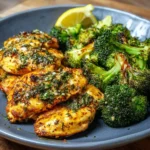
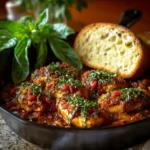
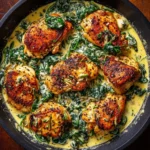
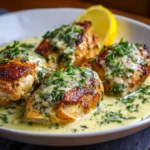
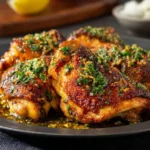
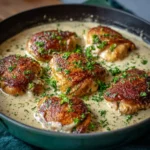
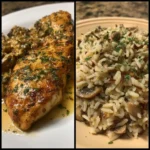
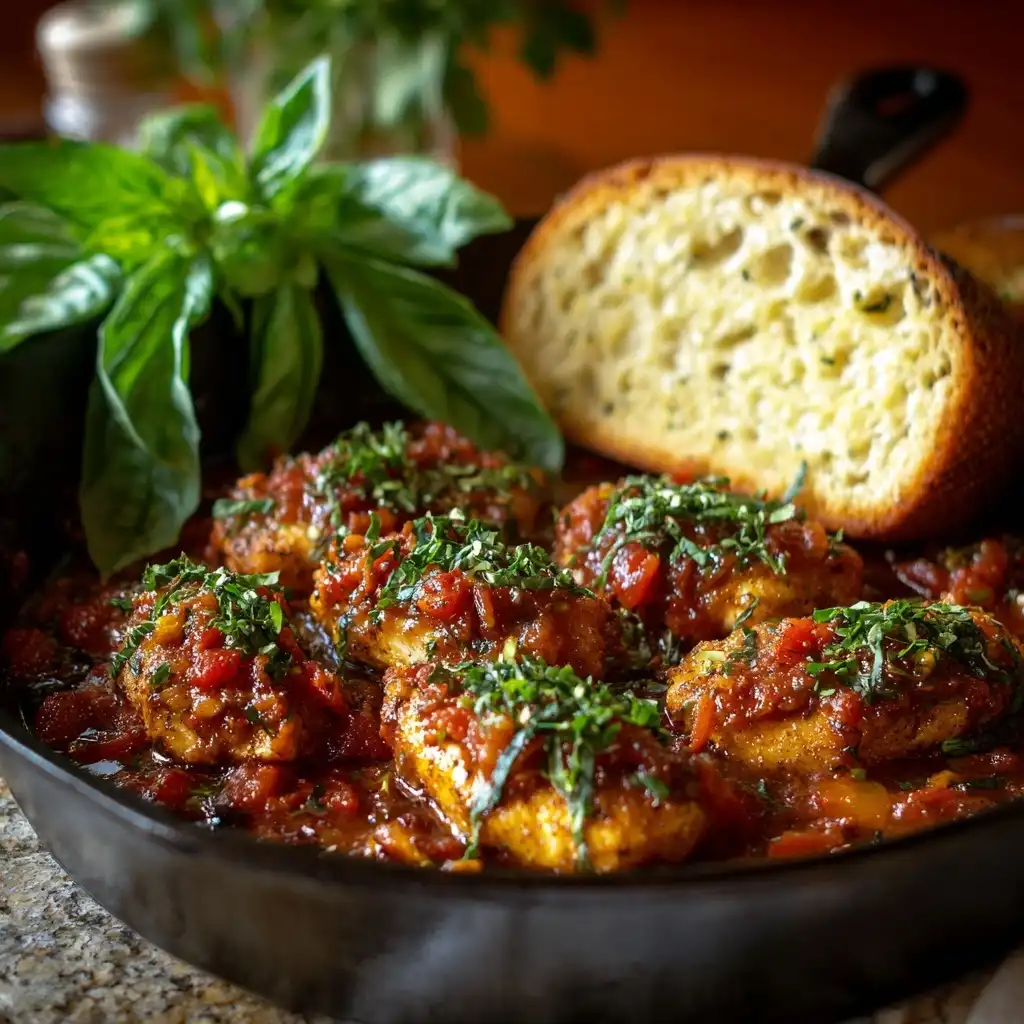
Garlic Butter Chicken paired with a vibrant Tomato Basil Sauce is a culinary masterpiece that marries rustic Italian charm with comforting American home-cooking elegance. This dish delivers an irresistible harmony of rich, savory, herbaceous, and slightly sweet notes — where tender, golden-brown chicken breasts are elevated by a luxuriously aromatic garlic butter glaze, then crowned with a fresh, slow-simmered tomato basil sauce that bursts with garden-fresh brightness and depth. It’s the kind of meal that feels both restaurant-worthy and deeply nourishing — perfect for weeknight dinners with family, Sunday suppers, or impressing guests without overwhelming your schedule. Whether you’re a seasoned cook or just building confidence in the kitchen, this recipe is approachable, forgiving, and endlessly adaptable — transforming simple, whole-food ingredients into something truly extraordinary.
The History
The origins of Garlic Butter Chicken and Tomato Basil Sauce trace back through centuries of Mediterranean and European culinary evolution — not as a single documented dish, but as a natural convergence of time-honored techniques and regional staples. Garlic and butter have long been foundational in French and northern Italian cooking: garlic was revered in ancient Egypt for its medicinal properties and later embraced across medieval Europe for flavor and preservation; clarified butter (beurre noisette) and compound butters appear in classical French cuisine as early as the 17th century. Meanwhile, tomatoes — native to South America — only entered European kitchens after the Spanish colonization of the Americas in the 16th century. Initially met with suspicion (believed to be poisonous due to their nightshade lineage), tomatoes gradually gained acceptance in southern Italy by the late 18th century, becoming central to Neapolitan cooking — especially in rustic sauces like pomarola, made with ripe tomatoes, basil, olive oil, and garlic. The modern fusion of pan-seared chicken with garlic butter and a parallel tomato-basil component likely emerged in mid-20th-century American-Italian restaurants and home kitchens, where chefs adapted Old World traditions using accessible ingredients and faster cooking methods. Over time, food media, cookbooks (like those by Marcella Hazan and later, Giada De Laurentiis), and viral social media trends amplified its popularity — turning it into a beloved staple on dinner tables from Brooklyn to Brisbane.
Ingredients Breakdown
Every element in this dish plays a purposeful role — balancing richness, acidity, aroma, texture, and umami. Here’s an in-depth look at why each ingredient matters:
- Chicken Breasts (boneless, skinless): Chosen for their lean protein content and neutral canvas — ideal for absorbing bold flavors. Opt for air-chilled, antibiotic-free, or organic if possible for superior texture and taste. Pounding to even thickness ensures uniform cooking and prevents dryness.
- Unsalted Butter: Provides luxurious mouthfeel, nutty depth when browned, and carries fat-soluble flavor compounds (especially from garlic and herbs). Unsalted allows precise sodium control.
- Fresh Garlic: Far superior to powdered or jarred — contains allicin, which transforms during cooking into complex, sweet, savory compounds. Minced finely (not pressed) releases optimal aroma without bitterness.
- Tomatoes: A dual-layer approach maximizes flavor: high-quality canned San Marzano DOP tomatoes (grown in volcanic soil near Naples) deliver concentrated sweetness, low acidity, and velvety texture; complemented by a small amount of tomato paste, slowly cooked until brick-red (“fond”) to add umami depth and body.
- Fresh Basil: Added at the end to preserve volatile aromatic oils (linalool, estragole) responsible for its sweet, floral, anise-like fragrance. Dried basil lacks these delicate notes and introduces dusty, tannic off-flavors.
- Extra-Virgin Olive Oil: Used for sautéing aromatics and finishing the sauce — contributes polyphenols, fruitiness, and a peppery finish. Choose a robust, cold-pressed, early-harvest variety for maximum impact.
- Yellow Onion & Carrot (for soffritto): Finely diced and gently sweated, they form the aromatic base — onions lend sweetness and sulfur complexity; carrots add subtle earthiness and natural pectin for gentle thickening.
- Dry White Wine (e.g., Pinot Grigio or Sauvignon Blanc): Deglazes the pan, lifts caramelized bits (fond), and adds bright acidity and fruity esters that balance the butter’s richness. Alcohol fully cooks off, leaving only nuanced flavor.
- Chicken Stock (low-sodium, homemade preferred): Adds collagen-derived silkiness and deep savory notes (especially if made from roasted bones). Enhances mouthfeel without overpowering.
- Lemon Zest & Juice: A secret weapon — zest adds bright citrus oil aroma; juice lends finishing acidity to cut through fat and unify the palate.
- Red Pepper Flakes (optional but recommended): Not for heat, but for fruity, smoky complexity — enhances perception of other flavors without spiciness when used sparingly.
- Sea Salt & Freshly Cracked Black Pepper: Sea salt (like Maldon or flaky Fleur de Sel) offers clean mineral notes and textural contrast; freshly ground pepper delivers volatile piperine oils essential for aroma and warmth.
Step-by-Step Recipe
- Prep the Chicken: Place two 6–7 oz boneless, skinless chicken breasts between sheets of parchment paper or plastic wrap. Using a meat mallet or heavy skillet, pound evenly to ½-inch thickness. Pat *extremely* dry with paper towels — moisture is the enemy of browning. Season both sides generously with kosher salt and freshly cracked black pepper.
- Make the Tomato Basil Sauce Base: In a heavy-bottomed Dutch oven or large saucepan, heat 2 tbsp extra-virgin olive oil over medium-low heat. Add ½ cup finely diced yellow onion and ¼ cup finely grated carrot. Sweat gently for 8–10 minutes until translucent and fragrant — do *not* brown. Stir in 2 tbsp tomato paste; cook, stirring constantly, for 4–5 minutes until it darkens to a burnt sienna color and smells sweet and nutty (this step is critical for umami development).
- Bloom the Aromatics: Add 3 minced garlic cloves and ¼ tsp red pepper flakes. Cook 1 minute until fragrant — do not let garlic burn. Pour in ½ cup dry white wine, scraping vigorously with a wooden spoon to lift all browned bits from the pan bottom. Simmer 2–3 minutes until alcohol evaporates and liquid reduces by half.
- Simmer the Sauce: Add one 28-oz can whole San Marzano tomatoes (with juices), crushing them by hand directly into the pot. Stir in 1 bay leaf, 1 tsp sugar (to balance natural acidity), and a pinch of sea salt. Bring to a gentle simmer, then reduce heat to lowest setting. Partially cover and cook for 45–60 minutes, stirring occasionally, until sauce thickens to a lush, spoon-coating consistency. Remove bay leaf.
- Finish the Sauce: Remove from heat. Stir in 3 tbsp cold unsalted butter (cut into cubes) — this emulsifies and enriches the sauce. Fold in ½ cup tightly packed fresh basil leaves (reserve 6–8 whole leaves for garnish), 1 tsp lemon zest, and 1 tbsp fresh lemon juice. Taste and adjust seasoning — it should be balanced: rich, bright, herbaceous, and deeply savory. Keep warm on lowest heat or in a thermos.
- Prepare the Garlic Butter Chicken: In a large stainless steel or cast-iron skillet, melt 2 tbsp unsalted butter with 1 tbsp olive oil over medium-high heat until butter foams and just begins to turn golden (about 90 seconds). Carefully place pounded chicken in the hot pan — it should sizzle immediately. Do not move for 4–5 minutes until deeply golden and easily releases. Flip and cook 3–4 more minutes until internal temperature reaches 155°F (it will rise to 165°F while resting). Transfer to a wire rack set over a plate to rest — *do not cover* (trapping steam makes skin soggy).
- Build the Garlic Butter Glaze: Reduce heat to medium-low. In the same skillet (with all the flavorful fond), add 3 tbsp cold unsalted butter, 4 minced garlic cloves, 1 tbsp fresh lemon juice, and 2 tsp chopped fresh thyme or rosemary. Swirl constantly for 1–2 minutes until butter melts, garlic becomes fragrant (not bitter), and sauce emulsifies into a glossy, cohesive glaze. Optional: stir in 1 tbsp grated Parmigiano-Reggiano for extra umami and silkiness.
- Combine & Serve: Return rested chicken to skillet, spooning garlic butter glaze over each piece. Let sit 1 minute to absorb. Spoon generous portions of warm Tomato Basil Sauce onto plates or shallow bowls. Gently place glazed chicken atop sauce. Drizzle any remaining pan glaze over chicken. Garnish with reserved whole basil leaves, lemon zest ribbons, flaky sea salt, and a final drizzle of premium olive oil.
Tips
- Dry Chicken Thoroughly: Wet chicken steams instead of searing — use multiple paper towels and press firmly. For best results, salt chicken 30–60 minutes ahead and refrigerate uncovered — this seasons deeply and dries the surface.
- Control Butter Temperature: Garlic butter burns easily. Always start with cold butter, add it *off direct high heat*, and swirl constantly. If butter browns too fast, remove pan from heat briefly.
- Respect the “Fond”: That caramelized layer stuck to your pan? It’s flavor gold. Deglaze thoroughly with wine or stock — never scrape with metal (can damage nonstick); use wooden spoon and patience.
- Tomato Quality Is Non-Negotiable: Avoid generic “diced tomatoes in juice” or tomato sauce. San Marzano DOP-certified tomatoes are worth every penny — look for the DOP seal and “Product of Italy” on the can. If unavailable, sub with high-end Italian plum tomatoes (like Cento or Mutti).
- Rest the Chicken: Skipping this leads to dry, stringy meat. Resting allows juices to redistribute. 5–7 minutes is ideal — enough time to finish sauce plating.
- Acid Is Your Friend: Lemon juice and zest aren’t optional garnishes — they’re structural elements that cut richness, brighten herbs, and harmonize fat and acid. Don’t skimp.
- Serve Immediately: Both components lose magic when cooled. Plate within 2 minutes of finishing — warm sauce + warm glaze = peak texture and aroma.
- Use a Thermometer: Guesswork leads to overcooked chicken. Insert instant-read thermometer horizontally into thickest part — target 155°F before carryover cooking.
- Skillet Choice Matters: Stainless steel or cast iron gives superior browning vs. nonstick (which inhibits fond formation). If using nonstick, double down on flavor with extra herbs and wine reduction.
- Herb Timing Is Everything: Add delicate herbs like basil *after* cooking. Robust herbs (rosemary, thyme, oregano) can go in earlier — but always taste before adding more.
Variations and Customizations
This recipe is a living template — designed to inspire creativity while honoring its core principles. Here are thoughtfully tested variations, categorized for ease:
Dietary Adaptations
- Gluten-Free: Naturally compliant — just verify broth and wine labels are GF-certified (most are, but some wines use gluten-containing finings).
- Dairy-Free: Substitute butter with high-heat avocado oil or ghee (clarified butter, lactose-free). For richness, stir in 1 tbsp cashew cream or coconut milk at the end of sauce.
- Keto/Low-Carb: Omit sugar entirely; increase healthy fats — add 1 tbsp pine nuts to sauce, or top with crumbled goat cheese and toasted walnuts.
- Paleo/Whole30: Replace butter with ghee or avocado oil; omit sugar and dairy-based garnishes; finish sauce with 1 tbsp date paste (blended) for subtle sweetness.
Protein Swaps
- Garlic Butter Shrimp: Sauté peeled, deveined shrimp 2–3 minutes per side in garlic butter; nestle into warm sauce. Reduce sauce simmer time to 25 minutes.
- Chicken Thighs: More forgiving and flavorful. Use bone-in, skin-on thighs; roast at 400°F for 35–40 minutes, then finish with garlic butter glaze.
- White Fish (Cod, Halibut): Pan-sear skin-side down until crisp, flip, baste with garlic butter. Serve sauce alongside — don’t simmer fish in it.
- Plant-Based “Chicken”: Use thick-cut, marinated tempeh or seitan. Pan-fry until golden, then glaze. Boost umami in sauce with 1 tsp miso paste or nutritional yeast.
Culinary Twists
- Mediterranean Style: Add ¼ cup kalamata olives, 2 tbsp capers, and 1 tsp dried oregano to sauce; garnish with feta and lemon wedges.
- Arrabbiata-Inspired: Double red pepper flakes; add 1 finely minced fresno chili with garlic; finish with chopped parsley instead of basil.
- Creamy Version: Stir ¼ cup heavy cream or mascarpone into finished sauce just before serving — creates a luscious, velvety texture.
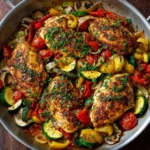
- Roasted Vegetable Integration: Toss cherry tomatoes, zucchini ribbons, and red onion in olive oil, salt, and herbs; roast at 425°F for 20 minutes. Fold into warm sauce before serving.
- Grilled Variation: Marinate chicken in garlic butter mixture (minus lemon juice) for 1 hour. Grill over medium coals, basting frequently. Finish sauce on stovetop.
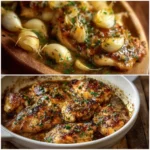
- One-Pan Sheet Bake: Arrange pounded chicken on parchment-lined sheet pan. Surround with halved cherry tomatoes, sliced shallots, and garlic cloves. Drizzle with olive oil, herbs, salt, pepper. Roast at 425°F for 20 minutes. Broil 2 minutes for char. Spoon warm tomato basil sauce over top.
Global Inspirations
- Thai-Influenced: Replace basil with Thai basil; add 1 tbsp fish sauce and 1 tsp palm sugar to sauce; garnish with lime zest and cilantro.
- Indian Fusion: Infuse garlic butter with ½ tsp garam masala and 1 tsp grated ginger; stir 2 tbsp coconut milk into sauce; top with toasted cumin seeds.
- Mexican Ranchero: Blend sauce with 1 chipotle in adobo and ½ tsp smoked paprika; serve with pickled red onions and crumbled queso fresco.
Health Considerations and Nutritional Value
This Garlic Butter Chicken and Tomato Basil Sauce is not only delicious — it’s nutritionally intelligent when prepared mindfully. Below is a comprehensive analysis based on one standard serving (one 6-oz chicken breast + ¾ cup sauce), using whole, minimally processed ingredients:
Nutrient Highlights
- High-Quality Protein: ~38g per serving — supports muscle maintenance, satiety, and metabolic health. Chicken breast is among the leanest animal proteins, with zero carbohydrates and no added sugars.
- Lycopene Powerhouse: Tomatoes (especially cooked with olive oil) dramatically increase bioavailability of lycopene — a potent antioxidant linked to reduced risk of heart disease and certain cancers. One serving delivers ~12–15 mg lycopene — exceeding the daily target of 10 mg.
- Heart-Healthy Fats: Butter provides butyrate (anti-inflammatory short-chain fatty acid) and vitamins A, D, E, and K2; olive oil contributes monounsaturated fats (oleic acid) and polyphenols shown to lower LDL cholesterol and blood pressure.
- Immune-Supportive Compounds: Raw garlic contains allicin (antimicrobial, antiviral); basil supplies vitamin K (blood clotting, bone health), magnesium (nerve function), and eugenol (anti-inflammatory); lemon adds immune-boosting vitamin C and flavonoids like hesperidin.
- Low Glycemic Impact: Naturally low-carb (<5g net carbs/serving), making it suitable for low-glycemic, diabetic-friendly, and ketogenic eating patterns — especially when served without grains or starchy sides.
Considerations & Smart Swaps
- Sodium Awareness: Canned tomatoes and store-bought broth can be high in sodium. Choose “No Salt Added” tomatoes and low-sodium or homemade broth. You control salt — most of what’s needed comes from finishing sea salt, not hidden sources.
- Saturated Fat Context: While butter contains saturated fat (~11g/serving), current evidence (including 2021 WHO and AHA updates) emphasizes overall dietary pattern over isolated nutrients. Paired with fiber-rich vegetables, antioxidants, and healthy fats, this dish fits seamlessly into heart-healthy Mediterranean-style diets.
- Digestibility: For sensitive stomachs, reduce garlic to 2 cloves and cook gently; add 1 tsp grated fresh ginger to sauce for digestive support. Avoid heavy cream if lactose-intolerant.
- Calorie Transparency: Approx. 480–520 calories per serving — substantial but nutrient-dense. For calorie-conscious goals, reduce butter to 1.5 tbsp total and increase sauce volume (more tomatoes, less oil).
- Allergen Notes: Contains dairy (butter). Easily modified for dairy allergy (see Variations). Naturally nut-free, egg-free, soy-free, and gluten-free — ideal for many elimination diets.
Functional Food Synergy
The real magic lies in synergy: olive oil enhances lycopene absorption from tomatoes; vitamin C from lemon boosts iron bioavailability from chicken; garlic’s allicin is stabilized by the presence of fat and acid — meaning this dish delivers more than the sum of its parts. It’s a textbook example of “food as medicine” — satisfying, science-backed, and deeply rooted in traditional culinary wisdom.
Ingredients
For the Tomato Basil Sauce
- 2 tbsp extra-virgin olive oil (high quality)
- ½ cup finely diced yellow onion
- ¼ cup finely grated carrot
- 2 tbsp tomato paste
- 3 garlic cloves, minced
- ¼ tsp crushed red pepper flakes
- ½ cup dry white wine (e.g., Pinot Grigio)
- One 28-oz can whole San Marzano DOP tomatoes, with juices
- 1 bay leaf
- 1 tsp pure cane sugar (optional, for acidity balance)
- 1 tsp kosher salt (plus more to taste)
- 3 tbsp cold unsalted butter, cubed
- ½ cup tightly packed fresh basil leaves, plus 6–8 whole leaves for garnish
- 1 tsp finely grated lemon zest
- 1 tbsp fresh lemon juice
For the Garlic Butter Chicken
- 2 (6–7 oz) boneless, skinless chicken breasts
- 1 tsp kosher salt (plus more for seasoning)
- Freshly cracked black pepper
- 2 tbsp unsalted butter
- 1 tbsp extra-virgin olive oil
- 4 garlic cloves, minced
- 1 tbsp fresh lemon juice
- 2 tsp fresh thyme leaves (or 1 tsp rosemary, finely chopped)
- Optional: 1 tbsp grated Parmigiano-Reggiano
For Serving & Garnish
- Flaky sea salt (e.g., Maldon)
- Additional extra-virgin olive oil (for drizzling)
- Lemon zest ribbons
- Micro basil or additional whole basil leaves
Directions
- Prep Chicken: Place chicken breasts between two sheets of parchment or plastic wrap. Pound evenly to ½-inch thickness using a meat mallet or heavy pan. Pat *very* dry with paper towels. Season both sides with 1 tsp kosher salt and several grinds of black pepper.
- Build Sauce Base: In a heavy-bottomed Dutch oven or large saucepan, heat 2 tbsp olive oil over medium-low heat. Add onion and carrot; cook 8–10 min, stirring occasionally, until soft and translucent. Add tomato paste; stir constantly 4–5 min until deep brick-red and fragrant.
- Bloom Aromatics: Stir in minced garlic and red pepper flakes; cook 1 min until aromatic. Pour in white wine, scraping pan bottom thoroughly. Simmer 2–3 min until reduced by half.
- Simmer Sauce: Add crushed San Marzano tomatoes (with juices), bay leaf, sugar (if using), and 1 tsp salt. Bring to gentle simmer, then reduce heat to low. Partially cover and cook 45–60 min, stirring every 10–15 min, until thickened and rich. Discard bay leaf.
- Finish Sauce: Off heat, stir in 3 tbsp cold butter until melted and emulsified. Fold in ½ cup basil, lemon zest, and lemon juice. Taste and adjust salt or acid. Keep warm on lowest heat.
- Cook Chicken: Heat butter and olive oil in large skillet over medium-high heat until butter foams and begins to turn golden (~90 sec). Add chicken; cook undisturbed 4–5 min until deeply golden. Flip; cook 3–4 min more until internal temp reaches 155°F. Transfer to wire rack; rest 5–7 min.
- Make Garlic Butter Glaze: Reduce skillet heat to medium-low. Add 4 minced garlic cloves, lemon juice, and thyme. Swirl 1–2 min until fragrant. Optional: stir in Parmigiano.
- Combine & Serve: Return rested chicken to skillet; spoon glaze over. Let sit 1 min. Spoon warm tomato basil sauce onto plates. Top with chicken, extra glaze, flaky salt, lemon zest, basil, and olive oil drizzle.
FAQ
- Can I make this ahead of time?
- Absolutely. The tomato basil sauce tastes even better the next day — flavors deepen and mellow. Store covered in the fridge up to 5 days or freeze up to 3 months. Reheat gently on stove with a splash of water or broth. Chicken is best cooked fresh, but you can pound, season, and refrigerate up to 24 hours ahead.
- Why does my garlic butter taste bitter?
- Bitterness comes from overheated or burned garlic. Always add minced garlic to warm (not smoking-hot) butter and cook just until fragrant — about 30–60 seconds. If garlic sizzles violently or turns brown instantly, your pan is too hot. Remove from heat briefly to cool before proceeding.
- Can I use dried basil instead of fresh?
- Not recommended for the final sauce — dried basil lacks volatile oils and has a muted, hay-like flavor. However, you *can* add 1 tsp dried oregano or marjoram to the soffritto stage for background depth — just reserve fresh basil for the finish.
- What’s the best side dish to serve with this?
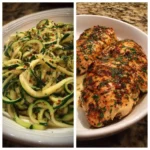
- Keep it simple to let the dish shine: crusty artisan bread (to soak up sauce), creamy polenta, spaghetti squash, roasted asparagus, garlicky sautéed spinach, or a crisp arugula salad with lemon vinaigrette. Avoid heavy starches like mashed potatoes unless you want a decadent, restaurant-style experience.
- My sauce is too thin — how do I thicken it?
- Simmer uncovered 5–10 minutes longer, stirring often. For quick thickening, whisk in 1 tsp arrowroot or cornstarch mixed with 1 tbsp cold water, then simmer 2 minutes. Or stir in 1 tbsp tomato paste and cook 2 more minutes.
- My sauce is too acidic — how do I fix it?
- Add a pinch of sugar or ½ tsp honey and stir well. A small pat of cold butter (½ tbsp) also rounds out sharpness. Taste after each addition — you want balance, not sweetness.
- Can I cook this entirely in one pan?
- Yes! After searing chicken, remove it. Sauté aromatics in same pan, deglaze with wine, add tomatoes, and simmer sauce right there. Return chicken to pan for final glazing. Just ensure your pan is large enough and monitor heat — overcrowding causes steaming.
- Is this dish safe for pregnant women or young children?
- Yes — all ingredients are pregnancy-safe when cooked thoroughly. Ensure chicken reaches 165°F internally. Avoid raw garlic or unpasteurized cheeses if advised by your healthcare provider. Lemon and basil are