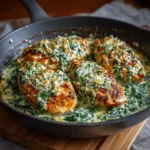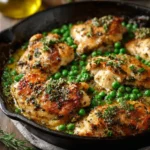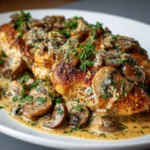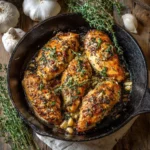
Introduction
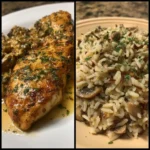
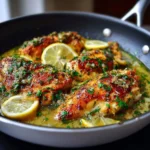
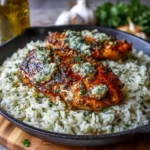
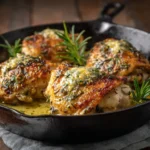
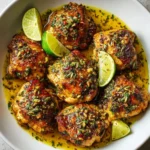
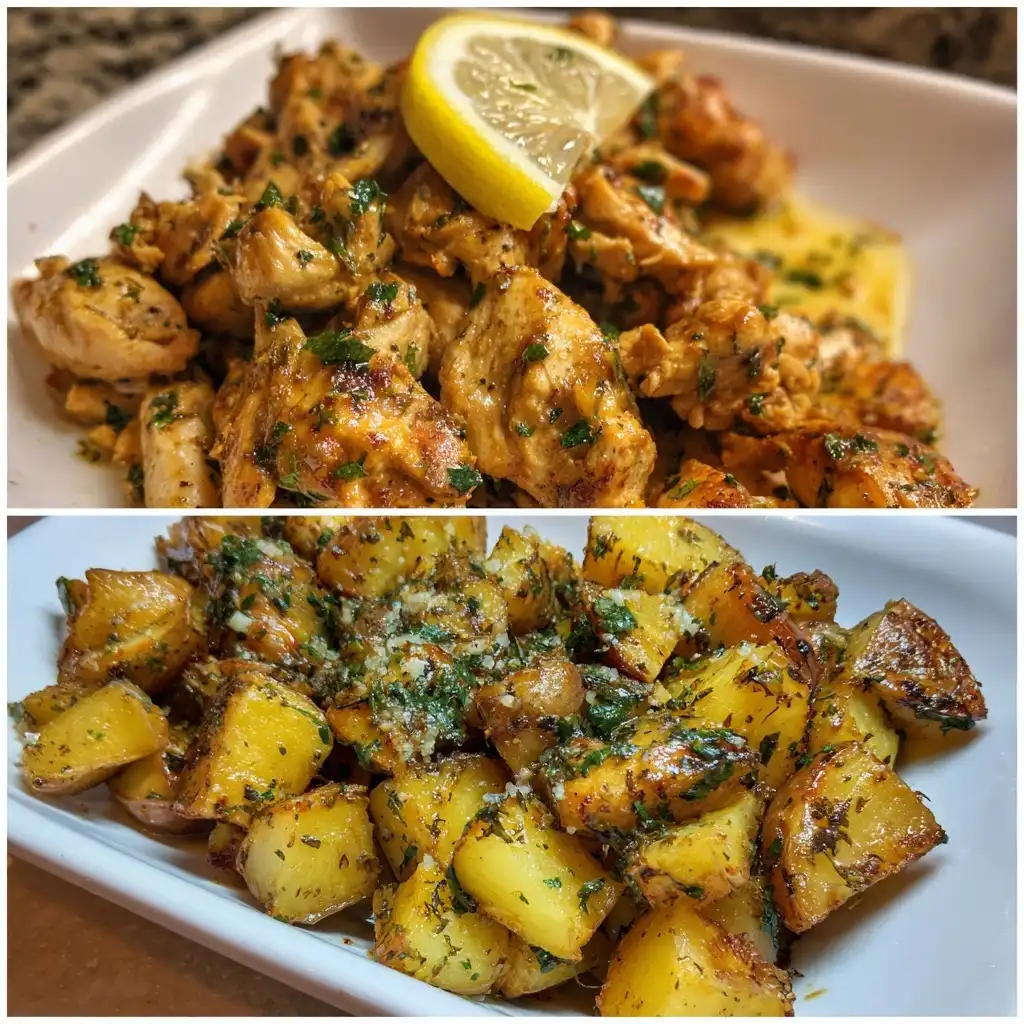
Garlic Butter Chicken and Roasted Potatoes is a timeless, restaurant-worthy comfort meal that effortlessly bridges rustic homestyle cooking with elegant simplicity. This dish delivers succulent, golden-brown chicken breasts or thighs enveloped in a rich, aromatic garlic butter sauce—intensely savory, subtly sweet, and luxuriously silky—paired with crispy-on-the-outside, tender-on-the-inside roasted potatoes that soak up every last drop of that irresistible pan sauce. It’s the kind of dinner that fills your kitchen with warm, buttery, garlicky aromas, invites lingering at the table, and leaves everyone asking for seconds—and the recipe. Whether you’re preparing a cozy weeknight supper, impressing guests at a casual Sunday roast, or meal prepping flavorful, satisfying portions for the week ahead, this dish delivers consistent excellence with minimal fuss and maximum flavor.
The History
While no single origin story defines Garlic Butter Chicken and Roasted Potatoes as a formal “classic,” its roots run deep through multiple culinary traditions. The technique of pan-searing chicken and finishing it in a butter-based sauce traces back to French à la meunière and à la provençale preparations—where proteins were cooked in clarified butter or olive oil and enhanced with garlic, lemon, and herbs. Simultaneously, roasted potatoes have long been a cornerstone of European hearth cooking: British “roasties” emphasize crispness via high-heat roasting in beef drippings; French pommes rôties prioritize even browning and caramelization; and German Bratkartoffeln celebrate golden edges and herb-infused richness. The fusion of these two beloved elements—tender, sauce-glazed chicken and deeply caramelized spuds—gained widespread popularity in mid-20th-century American home cooking, buoyed by post-war access to refrigerated butter, reliable ovens, and the rise of illustrated cookbooks (like those by James Beard and Julia Child) that championed technique-driven yet approachable meals. Today, the dish thrives across digital platforms—not as a fad, but as a foundational template endlessly reinvented, reflecting global pantry staples, dietary preferences, and modern time-saving strategies—proof that great food endures not because it’s complicated, but because it resonates on a primal level: rich, comforting, balanced, and deeply satisfying.
Ingredients Breakdown
Understanding each ingredient’s role transforms this from a recipe into a repeatable system:
- Chicken: Boneless, skin-on chicken thighs are the unsung heroes—higher fat content ensures juiciness and resilience during searing and roasting, while the skin crisps beautifully and emulsifies seamlessly into the sauce. Skinless, boneless breasts work for leaner preference but require precise timing and carry higher risk of dryness; pounding to even thickness (½ inch) is non-negotiable for uniform cooking.
- Garlic: Fresh, minced or finely grated garlic provides pungent depth and aromatic complexity. Avoid pre-minced jarred garlic—it lacks brightness and can turn bitter when heated. For layered flavor, reserve 1–2 cloves to add *after* the initial sizzle for fresher top notes.
- Butter: Unsalted, high-fat (82%+), European-style cultured butter is ideal—its lower water content means less splatter, richer mouthfeel, and superior browning (creating nutty, toasty beurre noisette notes). Salted butter can be used, but adjust added salt carefully.
- Potatoes: Waxy varieties like Yukon Gold hold shape and develop creamy interiors; starchy Russets yield fluffier centers and shatteringly crisp exteriors; fingerlings offer delicate sweetness and stunning visual appeal. Parboiling (5–7 minutes) is the professional secret for ultra-crisp results—it gelatinizes surface starch, creating a rigid crust that fries up golden.
- Olive Oil: Used for initial roasting and searing, its higher smoke point than butter prevents burning. Extra-virgin adds fruitiness; light or refined olive oil offers neutrality and stability.
- Aromatics & Herbs: Shallots lend subtle sweetness and sophistication versus onions; fresh thyme and rosemary contribute earthy, piney backbone; parsley adds essential freshness and color contrast. Dried herbs *can* substitute in a pinch but use ⅓ the amount—they lack volatile oils and require longer infusion.
- Liquid Elements: A splash of dry white wine (Sauvignon Blanc, Pinot Grigio) deglazes the pan, lifting fond and adding bright acidity; low-sodium chicken broth deepens savoriness without overwhelming salt. Lemon juice stirred in *off-heat* preserves its vibrant, palate-cleansing lift.
- Seasonings: Diamond Crystal kosher salt ensures even distribution and clean salinity; freshly ground black pepper provides floral heat; smoked paprika (optional) adds dimension, not smoke—choose sweet, not hot, for harmony.
Step-by-Step Recipe
- Prep & Pat Dry: Remove chicken from fridge 20 minutes before cooking. Pat *extremely* dry inside and out with paper towels—moisture is the enemy of crisp skin and proper sear. Season generously with salt and pepper on all sides, including under the skin if using skin-on cuts.
- Parboil Potatoes: Place whole or halved potatoes (Yukon Gold or fingerlings recommended) in a pot, cover with cold, salted water. Bring to a gentle boil and simmer 5–7 minutes until just fork-tender at the edges but still firm in the center. Drain thoroughly, then gently shake the colander to roughen surfaces—this creates more nooks for crispness.
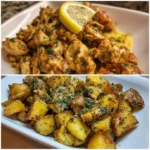
- Roast Potatoes: Preheat oven to 425°F (220°C). Toss parboiled potatoes with 3 tbsp olive oil, 1 tsp smoked paprika (optional), 1 tsp dried thyme, 1 tsp kosher salt, and ½ tsp black pepper. Spread in a single layer on a large, rimmed parchment-lined baking sheet. Roast for 25 minutes, then flip/stir. Continue roasting 20–25 minutes more until deeply golden, blistered, and crisp—rotate pan halfway for even browning.
- Sear Chicken: While potatoes roast, heat 1 tbsp olive oil in a large, heavy-bottomed, oven-safe skillet (stainless steel or cast iron preferred) over medium-high heat until shimmering. Place chicken skin-side down (or presentation side down for breasts) and press gently with a spatula for 10–15 seconds to ensure full contact. Cook undisturbed 6–8 minutes until skin is mahogany-crisp and releases easily. Flip and cook 2–3 minutes more until lightly golden. Transfer to a plate—do not discard rendered fat.
- Build Sauce Base: Reduce heat to medium-low. Add 1 finely minced shallot and 3–4 minced garlic cloves to the skillet. Sauté 1–2 minutes until fragrant and softened—but do not brown garlic. Stir in 1 tbsp tomato paste (for umami depth) and cook 1 minute until brick-red and aromatic.
- Deglaze & Simmer: Pour in ¼ cup dry white wine, scraping vigorously with a wooden spoon to lift all browned bits (fond). Simmer 2 minutes until reduced by half. Add ½ cup low-sodium chicken broth, return to simmer, and reduce 3–4 minutes until slightly syrupy.
- Finish with Butter: Remove skillet from heat. Whisk in 6 tbsp cold, cubed unsalted butter, one piece at a time, allowing each to melt and emulsify before adding the next. Stir in 1 tbsp fresh lemon juice, 1 tbsp finely chopped fresh parsley, and optional 1 tsp grated lemon zest. Taste and adjust salt/acid.
- Combine & Rest: Return chicken to skillet, nestling into sauce. Spoon sauce over chicken. Tuck roasted potatoes around chicken. Garnish with extra parsley, flaky sea salt, and lemon wedges. Let rest 5 minutes—this allows juices to redistribute and sauce to thicken slightly.
Tips
- Dry Chicken = Crisp Chicken: Never skip the thorough pat-dry. Even residual moisture creates steam instead of sear.
- Don’t Crowd the Pan: If cooking multiple chicken pieces, use two skillets or sear in batches. Overcrowding drops temperature and steams instead of browns.
- Control Butter Temperature: Adding cold butter off-heat prevents splitting. If sauce breaks, whisk in 1 tsp cold water or broth to re-emulsify.
- Roast Potatoes First: Start potatoes before chicken—they take longer and benefit from oven time while you prep/sear.
- Use a Meat Thermometer: For perfect doneness, insert into thickest part: 160°F (71°C) for breasts (carryover will reach 165°F); 175°F (80°C) for thighs (they’re safe and juicy at 170–180°F).
- Reserve Garlic for Brightness: Add 1 raw, finely grated clove *after* butter is incorporated for a vibrant, fresh garlic punch.
- Rest Before Serving: 5 minutes resting lets juices settle and sauce cling—not run off—ensuring every bite is moist and flavorful.
- Skillet Choice Matters: Oven-safe stainless or cast iron retains heat beautifully for searing and seamless transition to oven-finishing (if desired). Nonstick won’t develop fond for sauce.
- Double the Sauce: Make 1.5x the sauce base if serving over rice, pasta, or crusty bread—you’ll want every drop.
- Crisp Skin Hack: For skin-on thighs, score skin in a diamond pattern *before* seasoning—helps render fat evenly and maximizes crisp surface area.
Variations and Customizations
Dietary Adaptations
- Gluten-Free: Naturally compliant—just verify broth and wine are certified GF (most dry wines are, but avoid wine coolers or flavored broths).
- Dairy-Free: Substitute high-quality vegan butter (Miyoko’s or Country Crock Plant Butter) and add 1 tsp nutritional yeast to mimic umami depth. Use avocado oil for roasting.
- Keto/Low-Carb: Replace potatoes with roasted cauliflower florets, rutabaga wedges, or radish halves. Increase healthy fats: finish with 1 tbsp toasted pine nuts or sliced almonds.
- Paleo: Use ghee instead of butter, coconut aminos instead of broth, and omit wine (substitute 1 tbsp apple cider vinegar + 3 tbsp broth).
Flavor & Protein Twists
- Lemon-Herb: Double lemon juice and zest; add 1 tbsp capers and 2 tbsp chopped dill with parsley.
- Spicy Cajun: Rub chicken with 1 tbsp Cajun seasoning pre-sear; stir in 1 tsp cayenne and 2 tbsp chopped green onions at finish.
- Mediterranean: Add ½ cup kalamata olives, 2 tbsp chopped sun-dried tomatoes, and 1 tsp dried oregano with the garlic.
- Asian-Inspired: Swap butter for sesame oil + neutral oil blend; use ginger instead of garlic; finish with soy-tamari, rice vinegar, and scallions.
- Herb-Crusted: Press a mixture of panko, grated Parmesan, and mixed herbs onto chicken before searing for extra texture.
- Sheet-Pan Simplicity: Skip skillet sauce—toss chicken and potatoes together on one sheet, drizzle with garlic-butter mixture pre-roast, and finish under broiler for caramelization.
Time-Saving Hacks
- Meal Prep Friendly: Parboil and season potatoes up to 2 days ahead; store covered in fridge. Sear chicken and make sauce base (without butter) 1 day ahead; refrigerate separately. Reheat gently and finish with butter.
- One-Pan Wonder: Roast potatoes first at 425°F, then push to edges, add chicken to center, and finish entire dish at 400°F for 15–20 minutes (adjust time for cut size).
- Instant Pot Start: Pressure-cook potatoes 3 minutes with 1 cup broth for ultra-fast parboil; release naturally, then roast as directed.
- Freezer-Friendly: Freeze cooked, cooled chicken (sauce separate) for up to 3 months. Thaw overnight, reheat gently in saucepan with splash of broth, whisk in fresh butter.
Health Considerations and Nutritional Value
This dish balances indulgence with nutrient density when prepared mindfully. A standard serving (1 medium chicken breast or thigh, 1 cup roasted potatoes, 2 tbsp sauce) provides approximately:
- Calories: 520–650 kcal (varies by cut, butter/oil amounts, and potato type)
- Protein: 35–42g (high-quality complete protein supporting muscle maintenance and satiety)
- Fat: 28–36g (predominantly unsaturated from olive oil and butter; includes beneficial short-chain fatty acids from cultured butter)
- Carbohydrates: 32–40g (complex carbs from potatoes provide sustained energy and resistant starch when cooled)
- Fiber: 3–5g (especially with skin-on potatoes and added veggies like roasted carrots or Brussels sprouts)
- Vitamins & Minerals: Excellent source of B6, niacin, selenium, potassium, vitamin C (from lemon), and antioxidants from garlic (allicin) and herbs (rosmarinic acid, apigenin).
Heart Health: Garlic supports healthy blood pressure and cholesterol metabolism; olive oil’s polyphenols reduce inflammation. Opt for grass-fed butter for higher CLA (conjugated linoleic acid) content.
Blood Sugar Balance: Pairing protein/fat with complex carbs slows glucose absorption. Cooling roasted potatoes increases resistant starch—a prebiotic fiber that improves insulin sensitivity.
Considerations: Sodium can accumulate quickly—use low-sodium broth, limit added salt, and rely on herbs/lemon for flavor. Those managing saturated fat intake may reduce butter to 3–4 tbsp and supplement sauce body with a cornstarch slurry (1 tsp cornstarch + 1 tbsp cold water) during reduction step.
Overall: Far from “unhealthy comfort food,” this dish exemplifies how traditional preparation methods (searing, roasting, emulsification) enhance bioavailability of nutrients—making garlic’s allicin more active, potatoes’ potassium more accessible, and herbs’ antioxidants more concentrated. It’s nourishment designed for both body and soul.
Ingredients
- 1.5 lbs boneless, skin-on chicken thighs (or 4 large boneless, skinless chicken breasts, pounded to ½-inch thickness)
- 1.5 lbs Yukon Gold potatoes (or fingerlings), unpeeled, scrubbed clean
- ¼ cup olive oil, divided (3 tbsp for potatoes, 1 tbsp for searing)
- 1 large shallot, finely minced
- 6–8 garlic cloves, 4 minced for sauce, 2 finely grated for finish
- 1 tbsp tomato paste
- ¼ cup dry white wine (e.g., Sauvignon Blanc)
- ½ cup low-sodium chicken broth
- 6 tbsp unsalted butter, cold and cubed
- 1 tbsp fresh lemon juice (plus zest of 1 lemon, optional)
- 2 tbsp fresh flat-leaf parsley, finely chopped
- 1 tsp dried thyme (or 4–5 fresh sprigs)
- 1 tsp smoked paprika (sweet, not hot)
- 1½ tsp Diamond Crystal kosher salt (plus more to taste)
- 1 tsp freshly ground black pepper
- Flaky sea salt and lemon wedges, for garnish
Directions
- Preheat oven to 425°F (220°C). Line a large rimmed baking sheet with parchment paper.
- Place potatoes in a medium saucepan, cover with cold water by 1 inch, add 1 tbsp salt. Bring to a boil over high heat. Reduce to medium-low and simmer 5–7 minutes, until just tender when pierced at edge with a fork but still firm in center. Drain well in a colander; gently shake to roughen surfaces.
- In a large bowl, toss parboiled potatoes with 3 tbsp olive oil, smoked paprika, 1 tsp dried thyme, 1 tsp kosher salt, and ½ tsp black pepper. Spread in a single layer on prepared baking sheet. Roast 25 minutes. Flip/stir potatoes, then roast another 20–25 minutes until deeply golden, blistered, and crisp. Rotate pan halfway through for even browning. Keep warm.
- While potatoes roast, pat chicken *extremely* dry with paper towels. Season all sides generously with remaining ½ tsp salt and ½ tsp pepper.
- Heat 1 tbsp olive oil in a large, heavy-bottomed, oven-safe skillet (12-inch minimum) over medium-high heat until shimmering. Place chicken skin-side down (or presentation side down for breasts). Press gently with spatula for 10 seconds. Cook undisturbed 6–8 minutes until skin is deep golden and releases easily. Flip and cook 2–3 minutes more until lightly golden. Transfer to a plate; tent loosely with foil. Discard excess fat, leaving ~1 tbsp in skillet.
- Reduce heat to medium-low. Add minced shallot and 4 minced garlic cloves. Sauté 1–2 minutes until softened and fragrant. Stir in tomato paste; cook 1 minute until darkened and aromatic.
- Pour in white wine, scraping bottom vigorously to lift all browned bits. Simmer 2 minutes until reduced by half. Add chicken broth; simmer 3–4 minutes until slightly thickened and reduced by ~¼ cup.
- Remove skillet from heat. Whisk in cold butter, one cube at a time, until fully melted and sauce is glossy and emulsified. Stir in lemon juice, lemon zest (if using), and reserved 2 grated garlic cloves.
- Return chicken to skillet, nestling into sauce. Spoon sauce over chicken. Arrange roasted potatoes around chicken. Garnish generously with fresh parsley and flaky sea salt.
- Let rest 5 minutes before serving with lemon wedges on the side.
FAQ
- Can I use frozen chicken?
- Yes—but thaw completely in the refrigerator overnight. Cooking from frozen leads to uneven doneness and excessive moisture release, preventing proper sear and sauce development.
- Why do you parboil the potatoes?
- Parboiling gelatinizes surface starch, creating a rigid outer layer that crisps dramatically in the oven. Skipping it yields softer, less texturally dynamic potatoes—even with extended roasting.
- My sauce broke (separated). How do I fix it?
- Immediately remove from heat and whisk vigorously. If that fails, place 1 tsp cold water or broth in a small bowl, then slowly whisk in 2–3 tbsp of broken sauce until smooth. Gradually whisk this “fixer” back into the main sauce off-heat.
- Can I make this ahead of time?
- Absolutely. Roast potatoes and sear chicken up to 2 days ahead; store separately in airtight containers. Reheat potatoes in oven at 400°F for 10 minutes. Reheat chicken gently in saucepan with 2 tbsp broth. Make fresh sauce (but omit final butter) and whisk in cold butter just before serving.
- What’s the best potato for roasting?
- Yukon Golds strike the ideal balance: creamy interior, golden crisp exterior, and natural buttery flavor. Russets deliver maximum crunch and fluff; red potatoes hold shape well but are less rich. Fingerlings are gourmet but pricier—roast whole for stunning presentation.
- Can I use dried herbs instead of fresh?
- Yes—with caveats. Use 1 tsp dried thyme instead of 1 tbsp fresh. Add dried herbs with the garlic/shallot to allow rehydration and flavor release. Reserve fresh parsley for finish—it adds irreplaceable brightness.
- Is the white wine necessary? Can I substitute?
- Wine adds critical acidity and complexity. If avoiding alcohol, substitute 2 tbsp apple cider vinegar + 2 tbsp low-sodium broth. Simmer 1 extra minute to mellow sharpness. Avoid plain water—it dilutes flavor.
- How do I store leftovers?
- Store chicken and potatoes separately in airtight containers in the refrigerator for up to 4 days. Reheat chicken gently in saucepan with splash of broth to prevent drying. Re-crisp potatoes on a sheet pan at 425°F for 8–10 minutes.
- Can I air-fry the potatoes?
- Yes! Toss parboiled potatoes with oil and seasonings. Air-fry at 400°F for 15–20 minutes, shaking basket every 5 minutes, until golden and crisp. Finish with a quick broil if needed for extra blistering.
- What sides pair well with this dish?
- Keep it simple: a crisp green salad with lemon vinaigrette, steamed asparagus, garlicky sautéed spinach, or crusty sourdough bread for soaking up sauce. Avoid heavy starches—the potatoes already fulfill that role beautifully.
Summary
Garlic Butter Chicken and Roasted Potatoes is a masterclass in balanced comfort—crisp, herb-kissed chicken bathed in a velvety, garlicky pan sauce, served alongside golden, blistered potatoes that capture every luxurious drop. It’s deeply rooted in time-honored techniques yet endlessly adaptable, delivering restaurant-caliber flavor and texture with accessible ingredients and straightforward steps.
Whether you’re seeking a weeknight triumph, a stress-free dinner party centerpiece, or a nourishing, nutrient-dense meal that satisfies on every level, this dish proves that exceptional food doesn’t demand complexity—it demands care, quality ingredients, and an understanding of how heat, fat, and time transform the ordinary into the extraordinary.