Introduction
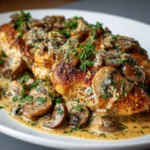
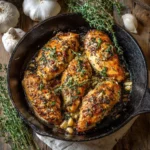
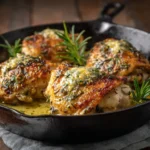
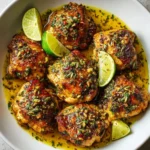
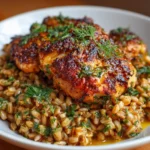
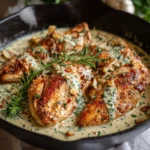
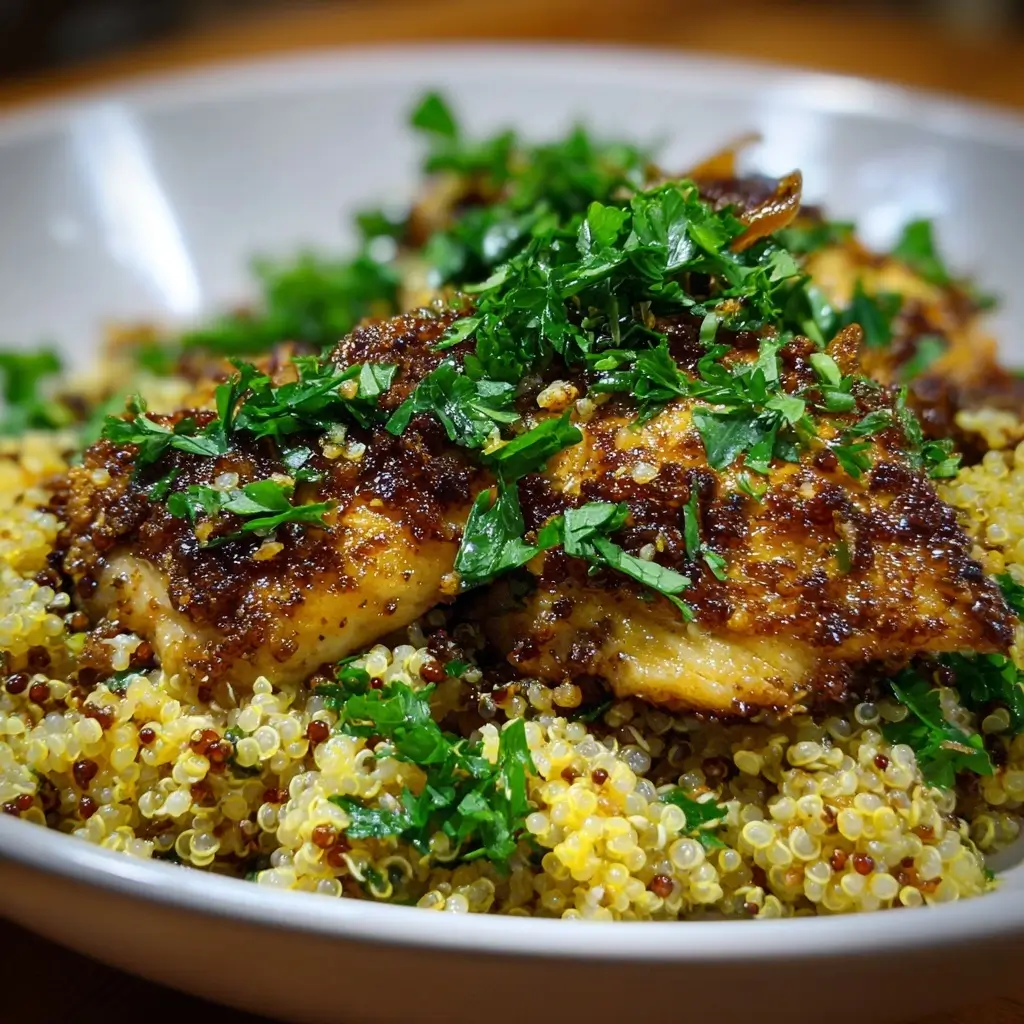
Garlic Butter Chicken and Quinoa is a harmonious fusion of bold, aromatic flavors and wholesome, nutrient-dense ingredients—a dish that effortlessly bridges the gap between everyday nourishment and restaurant-worthy elegance. At its heart lies tender, pan-seared chicken breast or thigh, luxuriously coated in a rich, golden garlic butter sauce infused with fresh herbs, lemon zest, and subtle umami depth—served atop a bed of fluffy, protein-rich quinoa that soaks up every drop of that savory, garlicky goodness. More than just a meal, it’s a thoughtfully balanced plate: satisfying yet light, comforting yet refined, simple to prepare yet deeply flavorful. Whether you’re meal prepping for the week, hosting a casual dinner party, or seeking a nutritious alternative to carb-heavy staples like rice or pasta, this dish delivers on taste, texture, and nutrition without compromise. Its versatility makes it equally at home in a busy weeknight rotation or as the centerpiece of a mindful, plant-forward (yet fully satisfying) eating pattern.
The History
While Garlic Butter Chicken and Quinoa as a unified dish doesn’t trace back to a single geographic origin or historic culinary movement, its components carry centuries-deep roots that converge beautifully in modern global cuisine. Garlic butter—a cornerstone of French beurre à la bourguignonne and Italian burro e aglio preparations—has been used since medieval times to elevate proteins and vegetables alike, prized for its ability to add richness, aroma, and depth with minimal ingredients. Chicken, one of humanity’s most widely consumed and adaptable meats, has appeared in countless global traditions—from Middle Eastern spice-rubbed grills to Asian stir-fries and Mediterranean herb-roasted roasts. Meanwhile, quinoa—often dubbed a “superfood” today—was sacred to the ancient Inca civilization over 7,000 years ago, revered as “the mother grain” (chisaya mama) and cultivated across the Andean highlands of Peru, Bolivia, and Ecuador. Banned by Spanish colonizers for its spiritual significance, quinoa endured in remote communities before experiencing a global renaissance beginning in the late 20th century, championed by the UN’s designation of 2013 as the “International Year of Quinoa.” The pairing of garlic butter chicken with quinoa emerged organically from the convergence of clean-eating trends, gluten-free dietary awareness, and the rise of globally inspired home cooking—particularly in North America and Western Europe—where health-conscious chefs and home cooks began replacing refined grains with ancient, complete-protein alternatives. Today, this dish stands as a testament to culinary globalization: a celebration of indigenous wisdom, European technique, and contemporary nutritional science—all united on one vibrant, deeply flavorful plate.
Ingredients Breakdown
Every ingredient in Garlic Butter Chicken and Quinoa plays a deliberate role—not only in building layers of flavor but also in contributing functional nutrition, textural contrast, and culinary integrity. Let’s explore them in detail:
- Chicken Breast or Thighs: Boneless, skinless chicken breast offers lean protein and a mild canvas for seasoning; thighs provide richer flavor, juicier texture, and slightly more healthy monounsaturated fats. Both are excellent sources of B vitamins (especially B6 and B12), selenium, and high-quality complete protein (all nine essential amino acids).
- Unsalted Butter: Adds luxurious mouthfeel, browning capability (via milk solids), and carries fat-soluble aromatics. Opt for grass-fed butter when possible for elevated levels of CLA (conjugated linoleic acid), vitamin K2, and omega-3s.
- Fresh Garlic: Crushed or minced—not powdered—garlic unlocks allicin, a potent sulfur compound with documented anti-inflammatory, antimicrobial, and cardiovascular-supportive properties. Its pungent aroma transforms during gentle sautéing into sweet, nutty complexity.
- Extra-Virgin Olive Oil: Used alongside butter to raise the smoke point and prevent burning, while contributing polyphenols (like oleocanthal, a natural COX inhibitor) and heart-healthy monounsaturated fats.
- Lemon Juice & Zest: Bright acidity from juice balances the butter’s richness and enhances salivary response, while fragrant zest contributes volatile citrus oils (limonene, beta-pinene) linked to antioxidant and mood-supportive effects.
- Fresh Herbs (Parsley, Thyme, Optional Rosemary): Parsley adds freshness, chlorophyll, and vitamin C; thyme contributes thymol (a natural antiseptic) and earthy depth; rosemary brings rosmarinic acid—an antioxidant shown to support cognitive function and reduce oxidative stress.
- Quinoa (White, Red, or Tri-Color): A rare plant-based complete protein containing all nine essential amino acids—including lysine, often limited in grains. Naturally gluten-free, high in fiber (both soluble and insoluble), magnesium, iron, zinc, and folate. Its saponin coating—removed via rinsing—can cause bitterness and digestive discomfort if left intact.
- Low-Sodium Chicken Broth or Stock: Enhances quinoa’s flavor and provides gentle umami depth without excess sodium; choose collagen-rich bone broth for added glycine and proline—supportive of joint, gut, and skin health.
- Red Onion or Shallots: Adds aromatic sweetness and quercetin—a flavonoid with strong anti-allergic and anti-histamine activity—especially potent when lightly caramelized.
- Optional Boosters: A splash of white wine (for deglazing), capers (for briny brightness), sun-dried tomatoes (for concentrated lycopene), toasted pine nuts or slivered almonds (for crunch + vitamin E), or baby spinach (for folate and lutein).
This thoughtful synergy means each bite delivers not just pleasure—but phytonutrients, enzymatic cofactors, and bioactive compounds working in concert to support metabolic health, immune resilience, and sustained energy.
Step-by-Step Recipe
- Prep the Quinoa (Start First – ~15 min total, including rest time): Rinse 1 cup tri-color quinoa thoroughly under cold running water in a fine-mesh strainer for 90 seconds—rubbing gently with fingers—to fully remove bitter saponins. Drain well. In a medium saucepan, combine rinsed quinoa, 2 cups low-sodium chicken broth (or water + ½ tsp bouillon), ½ tsp sea salt, and 1 tsp olive oil. Bring to a gentle boil over medium-high heat. Reduce heat to the lowest possible simmer, cover tightly with a lid, and cook undisturbed for 15 minutes. Remove from heat—but do not lift the lid. Let steam and rest, covered, for 10 full minutes. Then, fluff gently with a fork to separate grains and release excess moisture. Set aside, covered with a clean kitchen towel to retain warmth and prevent drying.
- Season & Tenderize the Chicken (5 min): Pat 2 large boneless, skinless chicken breasts (or 4 thighs) *extremely* dry with paper towels—this ensures optimal sear and crust formation. Place between two sheets of parchment or plastic wrap and gently pound to an even ½-inch thickness using a meat mallet or heavy skillet. Season both sides generously with 1 tsp kosher salt, ½ tsp freshly ground black pepper, ½ tsp garlic powder (for background depth), and a pinch of smoked paprika (optional, for warmth).
- Sear the Chicken (6–8 min): Heat 1 tbsp olive oil in a large, heavy-bottomed stainless steel or cast-iron skillet over medium-high heat until shimmering but not smoking (~375°F). Carefully place chicken in the pan without crowding—cook in batches if needed. Sear undisturbed for 4–5 minutes until deeply golden brown and easily releases from the pan. Flip and cook 3–4 minutes more until internal temperature reaches 165°F (use an instant-read thermometer inserted into the thickest part). Transfer to a clean plate, tent loosely with foil, and rest for 5 minutes—this allows juices to redistribute, preventing dryness.
- Build the Garlic Butter Sauce (4–5 min): Reduce heat to medium-low. In the same skillet (do not wipe—those browned bits are flavor gold!), add 3 tbsp unsalted butter, 1 finely minced shallot (or ¼ cup red onion), and 4–5 cloves fresh garlic (minced or pressed). Sauté gently for 1–2 minutes—just until fragrant and softened, stirring constantly to avoid burning garlic. Stir in 1 tbsp fresh lemon juice, 1 tsp lemon zest, 2 tbsp chopped fresh parsley, 1 tsp fresh thyme leaves, and a pinch of red pepper flakes (optional). Swirl in ¼ cup reserved chicken broth to deglaze, scraping up all fond with a wooden spoon. Simmer 1 minute to meld flavors and reduce slightly.
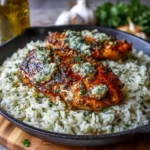
- Finish & Combine (2 min): Return rested chicken to the skillet, spooning sauce over each piece. Cook 1 minute more to rewarm and coat evenly. Taste sauce and adjust: more lemon for brightness, salt for balance, or a pat of cold butter for silkiness (“monter au beurre”). Serve immediately over a generous bed of warm quinoa, drizzling extra sauce and garnishing with additional parsley, lemon wedges, and a sprinkle of flaky sea salt.
Tips
- Rinse Quinoa Religiously: Skipping the rinse leads to a persistent, soapy bitterness—even “pre-rinsed” quinoa benefits from a quick cold-water wash. Use a fine-mesh strainer and agitate with fingers for full saponin removal.
- Dry Chicken = Crisp Sear: Moisture is the enemy of browning. Pat chicken dry *twice*: once before seasoning, again right before placing in the hot pan.
- Don’t Crowd the Pan: Overloading drops pan temperature, causing steaming instead of searing. Cook in batches—and don’t rush the flip. If it sticks, it’s not ready.
- Control Garlic Heat: Garlic burns at just 300°F. Always lower heat *before* adding it, and never walk away. For deeper flavor without risk, infuse whole peeled cloves in warm butter for 5 minutes, then remove before sautéing aromatics.
- Rest Chicken Properly: Resting isn’t optional—it’s transformative. Cutting too soon releases up to 20% of precious juices. Tent loosely (not sealed) to avoid condensation.
- Toast Quinoa (Optional Game-Changer): Before cooking, toast rinsed-and-drained quinoa in the dry saucepan over medium heat 3–4 minutes, stirring constantly, until fragrant and lightly golden. This deepens nuttiness and improves texture.
- Acid Timing Matters: Add lemon juice *after* garlic is cooked—heat degrades volatile citrus oils and dulls brightness. Reserve zest until final plating for maximum aroma.
- Sauce Consistency Control: Too thin? Simmer 30 seconds longer. Too thick? Whisk in 1 tsp warm broth. For glossy sheen, finish with a cold ½ tbsp butter off-heat.
- Batch-Friendly Scaling: This recipe multiplies seamlessly. Double quinoa (use 2 cups liquid) and cook in a Dutch oven. Sear chicken in two skillets—or use a griddle. Sauce volume scales linearly.
- Leftover Magic: Shred leftover chicken into salads, stuff into bell peppers, or blend with Greek yogurt and herbs for a protein-packed dip. Cooked quinoa keeps 5 days refrigerated or 3 months frozen—reheat with a splash of broth to restore fluffiness.
Variations and Customizations
This foundational recipe is infinitely adaptable—catering to dietary needs, seasonal produce, pantry constraints, and global flavor cravings. Here’s how to make it your own:
Dietary Adaptations
- Gluten-Free: Already compliant—just verify broth and bouillon are certified GF (many contain hidden wheat derivatives).
- Dairy-Free/Vegan: Replace butter with vegan butter (Miyoko’s or Forager) or 3 tbsp refined coconut oil + 1 tsp nutritional yeast for umami. Use tofu “chicken” cutlets (pressed, marinated in tamari-ginger-garlic) or hearty portobello caps.
- Keto/Low-Carb: Swap quinoa for cauliflower “rice” (pulse raw florets, sauté in ghee until tender), or shirataki rice. Increase healthy fats—add avocado slices, olive oil drizzle, or crumbled feta.
- Paleo/Whole30: Use ghee instead of butter, omit sugar-containing broths, and ensure all seasonings are compliant (e.g., no MSG, sulfites, or additives). Serve with roasted sweet potato wedges or zucchini noodles.
Global Flavor Twists
- Mediterranean: Add kalamata olives, crumbled feta, sun-dried tomatoes, and oregano. Finish with a drizzle of high-quality olive oil and a dusting of za’atar.
- Asian-Inspired: Marinate chicken in 1 tbsp tamari, 1 tsp grated ginger, 1 tsp sesame oil, and 1 tsp honey (or coconut nectar). Swap lemon for rice vinegar, add scallions and toasted sesame seeds, and stir in 1 tsp gochujang for heat.
- Latin-Inspired: Rub chicken with chipotle powder, cumin, and lime zest. Deglaze with lime juice and orange juice. Top quinoa with black beans, corn, avocado, and cilantro-lime crema.
- Indian-Inspired: Marinate in yogurt, garam masala, turmeric, and ginger paste. Finish sauce with ghee, fenugreek leaves (kasuri methi), and a swirl of mango chutney.
Seasonal & Textural Upgrades
- Spring: Fold blanched asparagus tips, English peas, and mint into quinoa. Garnish with edible flowers.
- Summer: Top with heirloom cherry tomatoes, grilled zucchini ribbons, and basil ribbons. Add a balsamic reduction drizzle.
- Fall: Roast delicata squash or Brussels sprouts alongside chicken. Stir roasted apples and toasted walnuts into quinoa.
- Winter: Add caramelized leeks, roasted parsnips, and dried cranberries. Finish with crumbled goat cheese and thyme.
Protein Swaps
- Seafood: Replace chicken with wild-caught cod, halibut, or shrimp—reduce sear time dramatically (shrimp cooks in 2 min).
- Pork: Use thinly sliced pork tenderloin—marinate in apple cider vinegar and mustard for tenderness.
- Plant-Based: Try marinated tempeh “steaks,” seared halloumi, or spiced lentil-walnut patties.
Health Considerations and Nutritional Value
A single serving (1 grilled chicken breast + ¾ cup cooked quinoa + sauce) delivers exceptional macro- and micronutrient density—thoughtfully calibrated for metabolic support, satiety, and cellular health:
Nutrition Snapshot (Approximate per Serving)
- Calories: 520–580 kcal (adjustable based on butter/oil quantity)
- Protein: 42–48g (complete, highly bioavailable; supports muscle synthesis, enzyme function, and blood sugar stability)
- Healthy Fats: 22–26g (primarily monounsaturated from olive oil and butter; includes butyrate from grass-fed dairy—linked to gut barrier integrity)
- Complex Carbohydrates: 32–38g (low-glycemic, high-fiber quinoa promotes steady glucose response and feeds beneficial gut microbiota)
- Fiber: 5–7g (supports digestive regularity, cholesterol metabolism, and postprandial satiety)
- Key Micronutrients: 120% DV Vitamin B12, 85% DV Selenium, 65% DV Magnesium, 45% DV Iron (non-heme, enhanced by vitamin C from lemon), 30% DV Zinc, plus abundant folate, potassium, and antioxidants (quercetin, lutein, beta-carotene)
Functional Health Highlights
- Blood Sugar Balance: Quinoa’s low glycemic index (53) and high protein/fat content slow gastric emptying, preventing insulin spikes—ideal for prediabetes, PCOS, or sustained energy needs.
- Gut Microbiome Support: Quinoa’s resistant starch (increased when cooled) acts as a prebiotic. Garlic’s inulin feeds Bifidobacteria, while polyphenols modulate microbial diversity.
- Inflammation Modulation: Garlic’s allicin, olive oil’s oleocanthal, lemon’s limonene, and thyme’s thymol collectively inhibit NF-kB and COX-2 pathways—key drivers of chronic inflammation.
- Cardiovascular Protection: Potassium (from quinoa and chicken) counterbalances sodium; magnesium supports vascular tone; omega-3s (in grass-fed butter) and polyphenols improve endothelial function and reduce arterial stiffness.
- Detoxification Support: Sulforaphane precursors in garlic, glutathione in chicken, and quercetin in onions activate Phase II liver enzymes—enhancing toxin clearance.
Considerations & Mindful Modifications
- Sodium Sensitivity: Use no-salt-added broth and limit added salt to ¼ tsp; rely on lemon, herbs, and umami-rich ingredients (mushrooms, nutritional yeast) for flavor.
- Cholesterol Concerns: Dietary cholesterol (in chicken skin or egg-enriched butter) has minimal impact on serum cholesterol for most people—but those with familial hypercholesterolemia may opt for skinless breast and moderate butter (2 tbsp max).
- Low-FODMAP Needs: Replace garlic/onion with garlic-infused oil (FODMAP-safe) and green onion tops (scallion greens only); use certified low-FODMAP quinoa (some brands test positive for traces).
- Food Sensitivities: Ensure broth is free from common allergens (soy, corn, dairy); choose organic, air-chilled chicken to minimize antibiotic residues.
This dish exemplifies “food as medicine”—not through restriction, but through intelligent, synergistic ingredient selection rooted in both ancestral wisdom and modern nutritional science.
Ingredients
- 1 cup tri-color quinoa (white, red, black), rinsed extremely well
- 2 cups low-sodium chicken broth (or vegetable broth for vegetarian version)
- ½ teaspoon fine sea salt (plus more to taste)
- 1 teaspoon extra-virgin olive oil (for cooking quinoa)
- 2 large boneless, skinless chicken breasts (about 1 lb / 450g) OR 4 boneless, skinless chicken thighs
- 1 teaspoon kosher salt (for chicken)
- ½ teaspoon freshly ground black pepper
- ½ teaspoon garlic powder (optional, for depth)
- Pinch of smoked paprika (optional)
- 1 tablespoon extra-virgin olive oil (for searing)
- 3 tablespoons unsalted butter (grass-fed preferred)
- 1 medium shallot or ¼ cup finely diced red onion
- 4–5 cloves fresh garlic, finely minced or pressed
- 1 tablespoon fresh lemon juice (about ½ lemon)
- 1 teaspoon lemon zest (from 1 lemon)
- 2 tablespoons fresh flat-leaf parsley, finely chopped (plus more for garnish)
- 1 teaspoon fresh thyme leaves (or ½ tsp dried)
- Pinch of red pepper flakes (optional)
- Flaky sea salt (such as Maldon), for finishing
- Lemon wedges, for serving
Directions
- Prepare the Quinoa: Rinse quinoa thoroughly in a fine-mesh strainer under cold running water for 90 seconds, rubbing gently with fingers. Drain completely. In a medium saucepan, combine rinsed quinoa, chicken broth, ½ tsp sea salt, and 1 tsp olive oil. Bring to a rolling boil over medium-high heat. As soon as boiling begins, reduce heat to the lowest possible simmer, cover tightly with a lid, and cook for exactly 15 minutes. Turn off heat and let sit, covered and undisturbed, for 10 minutes. After resting, fluff gently with a fork. Cover with a clean kitchen towel and set aside to stay warm and moist.
- Prepare the Chicken: Place chicken breasts between two sheets of parchment paper. Using a meat mallet or heavy-bottomed skillet, gently pound to an even ½-inch thickness. Pat *very* dry with paper towels. Season both sides with 1 tsp kosher salt, ½ tsp black pepper, garlic powder, and smoked paprika (if using).
- Sear the Chicken: Heat 1 tbsp olive oil in a large stainless steel or cast-iron skillet over medium-high heat until shimmering (~375°F). Carefully add chicken—do not crowd. Sear undisturbed for 4–5 minutes until deeply golden brown and easily lifts from pan. Flip and cook 3–4 minutes more until internal temperature reaches 165°F. Transfer to a plate, tent loosely with foil, and rest for 5 minutes.
- Make the Garlic Butter Sauce: Reduce heat to medium-low. In the same skillet (do not wipe), add butter, shallot/onion, and garlic. Sauté 1–2 minutes until softened and fragrant—stir constantly. Stir in lemon juice, lemon zest, parsley, thyme, and red pepper flakes. Pour in ¼ cup reserved chicken broth and scrape up all browned bits. Simmer 1 minute to reduce slightly and meld flavors.
- Combine & Serve: Return rested chicken to skillet, spooning sauce over top. Cook 1 minute to rewarm. Taste and adjust seasoning—add more lemon, salt, or a cold pat of butter for richness. Spoon chicken and generous sauce over warm quinoa. Garnish with extra parsley, lemon wedges, and flaky sea salt. Serve immediately.
FAQ
- Can I use frozen chicken?
- Yes—but thaw completely in the refrigerator overnight for even cooking and food safety. Never cook frozen chicken directly in this preparation; it will steam rather than sear and lead to uneven doneness.
- Why does my quinoa taste bitter?
- Almost certainly due to residual saponins. Rinse *thoroughly* under cold running water for at least 90 seconds, massaging grains with fingers. Even “pre-rinsed” packages benefit from a second rinse. A fine-mesh strainer is essential—colanders have holes too large to catch saponins effectively.
- Can I make this ahead and reheat?
- Absolutely. Cook quinoa and chicken separately up to 3 days ahead. Store chilled in airtight containers. Reheat quinoa with 1 tsp broth per ½ cup to restore moisture. Warm chicken gently in skillet with 1 tsp butter and a splash of broth—avoid microwaving chicken alone, which dries it out. Make sauce fresh for best flavor and texture.
- Is quinoa better than rice nutritionally?
- In most metrics—yes. Quinoa contains all nine essential amino acids (making it a rare complete plant protein), nearly double the fiber of brown rice, higher levels of magnesium, iron, and zinc, and a lower glycemic index. It’s also naturally gluten-free and rich in antioxidants like quercetin and kaempferol. Brown rice offers more manganese and is slightly lower in calories—but quinoa delivers broader nutrient density per calorie.
- Can I use garlic powder instead of fresh garlic?
- You can—but you’ll lose significant health benefits (allicin is unstable and forms only when fresh garlic is crushed) and nuanced flavor. If substituting, use 1 tsp garlic powder *in addition to* 1–2 fresh cloves for layered depth. Never rely solely on powder for this sauce.
- How do I prevent rubbery or dry chicken?
- Three keys: (1) Pound to even thickness for uniform cooking, (2) Use a thermometer—remove at 160–162°F (it rises to 165°F while resting), and (3) Rest 5 minutes covered loosely. Overcooking by even 5°F causes major moisture loss.
- Can I freeze leftovers?
- Yes—with caveats. Freeze cooked quinoa and chicken separately in portioned, airtight containers for up to 3 months. Sauce is best made fresh, as freezing can cause butter to separate and herbs to oxidize. Thaw overnight in fridge and reheat gently with added liquid.
- What’s the best way to get crispy edges on quinoa?
- After cooking and fluffing, spread quinoa in a thin layer on a parchment-lined baking sheet. Let cool uncovered for 15 minutes, then refrigerate 30 minutes. Sauté in