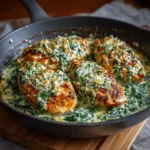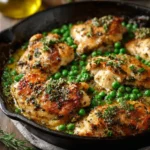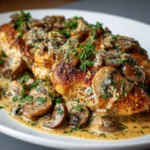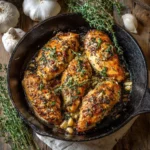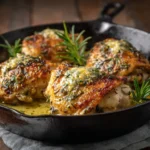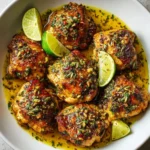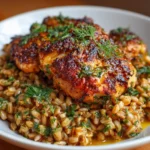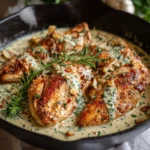
Introduction
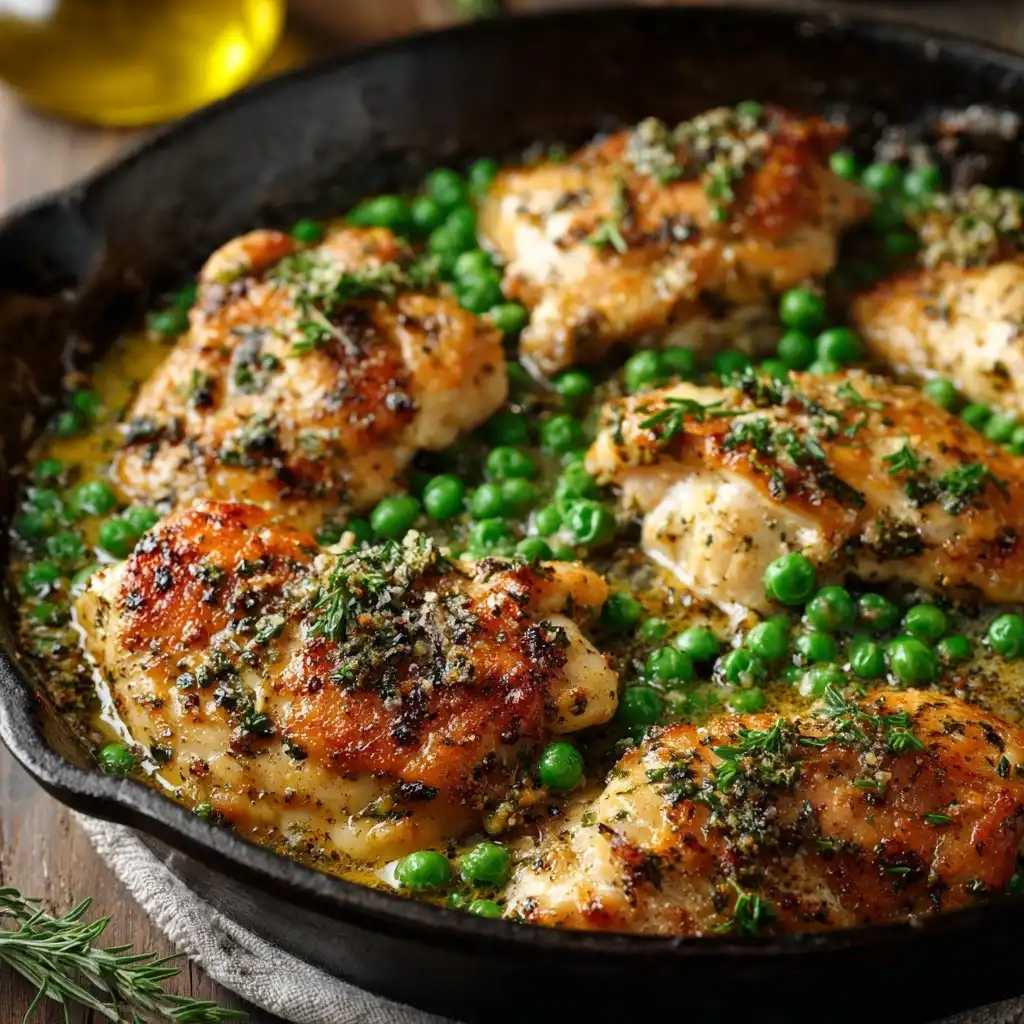
Garlic Butter Chicken and Peas is a beloved, comforting one-pan dish that marries tender, juicy chicken with sweet, vibrant peas in a rich, aromatic garlic butter sauce. Simple enough for weeknight dinners yet elegant enough to serve guests, this recipe strikes the perfect balance between rustic homestyle cooking and refined flavor depth. Its appeal lies in its minimal ingredient list, quick preparation time, and the irresistible umami-sweet-nutty harmony created when golden seared chicken meets slow-melted butter, pungent fresh garlic, and crisp-tender peas. Whether you’re a beginner cook building confidence or a seasoned home chef seeking a reliable, crowd-pleasing staple, Garlic Butter Chicken and Peas delivers consistent satisfaction — warm, fragrant, deeply savory, and subtly sweet — all in under 30 minutes.
The History
While no single documented origin claims exclusive authorship of Garlic Butter Chicken and Peas, its roots trace back to the broader culinary traditions of European and American home cooking, where butter-based pan sauces have long been used to elevate simple proteins. Garlic butter itself has ancient lineage — garlic was prized in Egyptian, Greek, and Roman civilizations for both medicinal and culinary uses, while clarified butter (ghee) and cultured butter feature prominently in medieval European kitchens. The marriage of chicken and peas gained cultural momentum in the 19th and early 20th centuries, particularly in England and France, where spring pea harvests inspired seasonal dishes like poulet aux petits pois. In mid-century America, the rise of convenience ingredients — frozen peas, pre-minced garlic, and compound butters — helped streamline the dish into a weeknight favorite. By the 1980s and ’90s, food magazines and television chefs popularized “garlic butter” as a signature finish for proteins, cementing its status as a go-to technique. Today, Garlic Butter Chicken and Peas thrives across digital platforms — from TikTok’s #QuickDinner trends to food blogs emphasizing “minimal cleanup, maximum flavor” — evolving through global influences (e.g., adding lemon zest like Mediterranean cooks, or a splash of white wine reminiscent of French sautés) while remaining grounded in its core principle: celebrating freshness, simplicity, and the transformative power of well-executed fundamentals.
Ingredients Breakdown
Every ingredient in Garlic Butter Chicken and Peas plays a distinct, purposeful role — nothing is filler, and each contributes texture, aroma, acidity, richness, or sweetness essential to the dish’s layered profile:
- Chicken breast or thighs: Boneless, skinless chicken breasts offer lean tenderness and quick cooking; boneless, skinless thighs provide superior juiciness, deeper flavor, and greater forgiveness against overcooking due to their higher fat content. Both benefit from light pounding to ensure even thickness and consistent doneness.
- Unsalted butter: The soul of the sauce — unsalted allows precise control over sodium levels. High-quality, European-style butter (82–84% fat) yields richer mouthfeel and better browning. It carries fat-soluble flavors, emulsifies the sauce, and adds luxurious body and sheen.
- Fresh garlic: Non-negotiable for authentic depth. Minced or finely grated (a microplane works wonders), it releases allicin — the compound responsible for pungent aroma and complex, slightly sweet, roasted notes when gently sautéed. Pre-minced jarred garlic lacks nuance and can turn bitter.
- Frozen peas: Surprisingly ideal — flash-frozen at peak ripeness, they retain more vitamin C, sweetness, and vibrant green color than many “fresh” off-season peas. Thawed just before use or added directly from the freezer, they cook quickly without turning mushy.
- Dry white wine (optional but highly recommended): Adds brightness, acidity, and complexity by deglazing the fond (browned bits) left after searing chicken. Sauvignon Blanc, Pinot Grigio, or unoaked Chardonnay work best — avoid oaky or overly sweet wines, which can overwhelm.
- Chicken broth or stock: Enhances savoriness (umami) and stretches the sauce without diluting flavor. Low-sodium versions are preferred to manage overall salt content. Homemade stock imparts unmatched depth, but high-quality store-bought (like Swanson Natural Goodness or Better Than Bouillon) is excellent.
- Lemon juice: A finishing touch — its bright acidity cuts through the butter’s richness, lifts the entire dish, and balances the natural sweetness of peas and caramelized garlic. Freshly squeezed only; bottled juice lacks volatile citrus oils and can taste flat or metallic.
- Fresh herbs (parsley, thyme, or chives): Parsley adds grassy freshness and visual contrast; thyme contributes earthy, floral notes that complement chicken beautifully; chives lend mild oniony sophistication. Dried herbs may be substituted in a pinch (use ⅓ the amount), but fresh elevates the dish significantly.
- Seasonings: Kosher salt enhances natural flavors and aids in moisture retention during cooking; freshly ground black pepper adds gentle heat and aroma. Optional additions include a pinch of red pepper flakes for subtle heat or a grating of nutmeg (a classic French pairing with peas) for warmth and complexity.
Step-by-Step Recipe
- Prep the Chicken: Pat chicken breasts or thighs *very* dry with paper towels — moisture is the enemy of browning. Place between two sheets of parchment or plastic wrap and gently pound to an even ½-inch thickness using a meat mallet or heavy skillet. Season generously on both sides with kosher salt and freshly ground black pepper.
- Heat & Sear: Heat a large, heavy-bottomed skillet (stainless steel or cast iron preferred for optimal browning) over medium-high heat. Add 1 tablespoon neutral oil (avocado, grapeseed, or light olive oil). Once shimmering (not smoking), carefully place chicken in the pan without crowding. Cook undisturbed for 5–6 minutes until deeply golden brown and easily releases from the pan. Flip and cook another 4–5 minutes (for breasts) or 6–7 minutes (for thighs) until internal temperature reaches 165°F (74°C) for breasts or 175°F (79°C) for thighs. Transfer to a clean plate, tent loosely with foil, and rest for 5 minutes — this allows juices to redistribute, ensuring moist meat.
- Build the Aromatics: Reduce heat to medium-low. In the same skillet (do not wipe out the flavorful browned bits!), add 2 tablespoons unsalted butter. Once melted and foaming subsides, add 4–5 cloves minced fresh garlic. Stir constantly for 30–60 seconds — just until fragrant and softened, *never* until brown or burnt, which turns bitter. Immediately add ¼ cup dry white wine (if using) and scrape the bottom vigorously with a wooden spoon to release all the fond — this forms the flavor foundation of your sauce.
- Simmer the Sauce: Let the wine reduce by half (about 1–2 minutes), then stir in ½ cup low-sodium chicken broth. Bring to a gentle simmer and cook for 3–4 minutes, allowing flavors to meld and sauce to reduce slightly and thicken. Taste and adjust seasoning with a pinch more salt if needed.
- Incorporate the Peas: Stir in 1½ cups frozen peas (no need to thaw). Cook for 2–3 minutes, stirring occasionally, until peas are heated through and vibrant green. If sauce seems too thin, simmer 1 minute longer; if too thick, add a splash of broth or water.
- Finish with Butter & Brightness: Remove skillet from heat. Stir in 1 additional tablespoon cold, unsalted butter — this “monter au beurre” technique creates a glossy, velvety emulsion. Squeeze in 1 tablespoon fresh lemon juice and stir to combine. Taste and adjust: more lemon for brightness, salt for balance, black pepper for bite.
- Combine & Serve: Slice rested chicken into even medallions or leave whole. Gently fold chicken back into the pea and sauce mixture, coating thoroughly. Let sit for 1 minute to warm through. Garnish generously with freshly chopped flat-leaf parsley and optional lemon zest. Serve immediately.
Tips
- Dry Chicken is Key: Excess surface moisture causes steaming instead of searing. Patting dry is non-negotiable for achieving that crave-worthy golden crust.
- Don’t Crowd the Pan: Overloading lowers the pan’s temperature, leading to gray, soggy chicken. Cook in batches if necessary — it’s worth the extra minute.
- Control Garlic Heat: Garlic burns in seconds. Keep heat at medium-low when sautéing and stir constantly. If you see browning, remove from heat immediately — you can still salvage it by adding liquid right away.
- Rest the Chicken: Skipping the 5-minute rest means losing precious juices onto the cutting board instead of staying in the meat. Use this time to prep garnishes or set the table.
- Butter Timing Matters: Adding cold butter *off the heat* prevents splitting and ensures a silky, emulsified sauce. Adding it while boiling hot can cause separation.
- Pea Perfection: Add frozen peas at the end — prolonged cooking makes them dull, mushy, and loses their sweetness. They only need 2–3 minutes in the warm sauce.
- Taste & Adjust Relentlessly: Balance is everything. After adding lemon, taste again. Does it need a pinch of sugar to offset acidity? A dash of soy sauce for umami depth? A crack of pepper? Trust your palate.
- Serve Immediately: This dish is best enjoyed piping hot. Butter solidifies and sauce separates as it cools, diminishing texture and vibrancy.
- Skillet Choice: Stainless steel offers superior browning and fond development. Cast iron retains heat beautifully. Avoid nonstick if you want deep fond — the coating inhibits browning.
- Reserve Juices: When resting chicken, collect any accumulated juices on the plate and stir them into the finished sauce for extra flavor and moisture.
Variations and Customizations
This versatile base invites endless creativity — adapt it to dietary needs, pantry staples, seasonal produce, or global flavor profiles:
- Creamy Version: Stir in 2–3 tablespoons full-fat heavy cream or crème fraîche during the final minute of sauce simmering for a luscious, restaurant-style richness.
- Lemon-Herb Brightness: Double the lemon juice and zest, add 1 teaspoon finely chopped fresh dill or tarragon along with parsley, and finish with a drizzle of high-quality extra-virgin olive oil.
- Mediterranean Twist: Add ¼ cup halved cherry tomatoes and 10 pitted Kalamata olives with the peas; swap parsley for chopped mint and oregano.
- Asian-Inspired: Replace white wine with dry sherry or sake; use toasted sesame oil (½ tsp) with the butter; add 1 tsp grated fresh ginger with the garlic; finish with scallions and a splash of tamari or coconut aminos instead of salt.
- Spicy Arrabbiata Style: Sauté ½ tsp crushed red pepper flakes with the garlic; add 2 tbsp tomato paste and cook 1 minute before adding wine; stir in ¼ cup grated Pecorino Romano at the end.
- Vegetarian Adaptation: Substitute chicken with extra-firm tofu (pressed, cubed, and pan-seared) or seitan strips. Use vegetable broth and ensure butter is plant-based (or sub in high-quality vegan butter).
- Low-Carb/Keto: Omit peas entirely or replace with 1 cup blanched, sliced zucchini ribbons or green beans. Increase butter to 4 tbsp total and add ¼ avocado, diced, at the end for healthy fats.
- Gluten-Free: Naturally GF — just verify broth and wine labels for hidden gluten (most are safe, but some flavored broths contain wheat derivatives).
- Sheet Pan Roast: Toss chicken pieces and peas with melted garlic butter, lemon juice, and herbs; roast at 425°F (220°C) for 20–25 minutes until chicken is cooked through and peas are tender-crisp.
- Meal Prep Friendly: Cook chicken and sauce separately. Store chilled for up to 4 days. Reheat chicken gently, then stir in fresh or thawed frozen peas at the end to preserve texture and color.
Health Considerations and Nutritional Value
Garlic Butter Chicken and Peas offers a balanced, nutrient-dense profile when prepared mindfully — here’s what makes it a wholesome choice:
- High-Quality Protein: Chicken provides all nine essential amino acids, supporting muscle maintenance, satiety, and metabolic health. Thighs offer more iron and B vitamins (especially B12 and niacin); breasts provide leaner protein with less saturated fat.
- Phytonutrient Powerhouse (Peas): Packed with fiber (both soluble and insoluble), peas promote digestive regularity and gut microbiome diversity. They’re rich in vitamin K (bone health), vitamin C (immunity and collagen synthesis), folate (cell repair), and antioxidants like lutein and zeaxanthin (eye health).
- Garlic Benefits: Contains allicin, linked to cardiovascular support (modest blood pressure and cholesterol benefits), anti-inflammatory effects, and immune modulation. Crushing or chopping garlic and letting it sit for 10 minutes before cooking maximizes allicin formation.
- Healthy Fats: Butter contains butyrate (a short-chain fatty acid supporting gut lining integrity) and fat-soluble vitamins A, D, E, and K. Using moderate amounts (3–4 tbsp total) fits within heart-healthy guidelines when balanced with overall diet.
- Low Added Sugar & Refined Carbs: Naturally free of added sugars and processed grains — ideal for low-glycemic, diabetic-friendly, or whole-foods-focused eating patterns.
- Considerations & Modifications:
- Sodium Control: Opt for low-sodium broth and limit added salt — rely on herbs, lemon, garlic, and pepper for flavor. One serving typically contains 300–450mg sodium (well below the 2,300mg daily limit).
- Saturated Fat Awareness: While butter is nutrient-rich, those managing cholesterol may substitute half the butter with olive oil or use grass-fed butter (higher in omega-3s and CLA).
- Allergen Notes: Naturally dairy-free if vegan butter is used; gluten-free with verified broth; nut-free and soy-free in its classic form.
- Portion Guidance: A balanced serving is ~5 oz chicken + ½ cup peas + 2 tbsp sauce — approximately 420–480 calories, 35g protein, 22g fat (12g saturated), 12g carbs (6g fiber), and 0g added sugar.
Ingredients
- 2 boneless, skinless chicken breasts (about 1 lb / 450g) or 4 boneless, skinless chicken thighs (about 1.25 lbs / 565g)
- Kosher salt and freshly ground black pepper (to taste)
- 1 tablespoon neutral high-heat oil (avocado, grapeseed, or light olive oil)
- 4 tablespoons unsalted butter, divided (2 tbsp + 1 tbsp + 1 tbsp)
- 4–5 cloves fresh garlic, finely minced or grated
- ¼ cup dry white wine (Sauvignon Blanc, Pinot Grigio, or unoaked Chardonnay — optional but recommended)
- ½ cup low-sodium chicken broth (or vegetable broth for vegetarian version)
- 1½ cups frozen petite peas (no need to thaw)
- 1 tablespoon fresh lemon juice (plus zest for garnish, optional)
- ¼ cup freshly chopped flat-leaf parsley
- Optional enhancements: 1 tsp lemon zest, 1 pinch red pepper flakes, 1 tsp fresh thyme leaves, 1 tbsp grated Pecorino Romano
Directions
- Prep Chicken: Place chicken between two sheets of parchment paper. Using a meat mallet or rolling pin, gently pound to an even ½-inch thickness. Pat *extremely* dry with paper towels. Season both sides generously with salt and pepper.
- Sear Chicken: Heat oil in a large stainless steel or cast iron skillet over medium-high heat until shimmering. Add chicken without crowding. Cook undisturbed 5–6 minutes until deeply golden. Flip and cook 4–7 minutes more until internal temp reaches 165°F (breasts) or 175°F (thighs). Transfer to a plate, tent with foil, rest 5 minutes.
- Sauté Garlic: Reduce heat to medium-low. Melt 2 tablespoons butter in the same skillet. Add garlic; stir constantly 30–60 seconds until fragrant and soft (do not brown). Pour in wine, scraping bottom to lift fond. Simmer 1–2 minutes until reduced by half.
- Build Sauce: Stir in broth. Simmer gently 3–4 minutes until slightly thickened. Taste and adjust salt.
- Add Peas: Stir in frozen peas. Cook 2–3 minutes until heated through and bright green.
- Finish Sauce: Remove from heat. Stir in remaining 1 tablespoon cold butter and lemon juice until glossy and emulsified.
- Combine & Serve: Slice rested chicken. Gently fold into pea mixture. Garnish with parsley, lemon zest, and optional red pepper flakes. Serve immediately.
FAQ
- Can I use frozen chicken?
- Yes — but thaw completely in the refrigerator overnight for best texture and even cooking. Never cook frozen chicken breasts in this method — they’ll steam rather than sear and become tough.
- Why does my sauce break or look greasy?
- Most often caused by adding butter while the sauce is too hot or boiling, or by using low-fat butter. Always remove from heat before whisking in cold butter, and use high-fat, unsalted butter. If it breaks, whisk in 1 tsp cold broth or lemon juice to re-emulsify.
- Can I make this ahead of time?
- Absolutely. Cook chicken and sauce separately, cool quickly, and refrigerate up to 4 days. Reheat chicken gently in sauce, then stir in *fresh or thawed* frozen peas at the very end to preserve color, texture, and nutrients.
- What can I serve with Garlic Butter Chicken and Peas?
- It’s delicious as-is, but pairs beautifully with: fluffy basmati or jasmine rice, buttered egg noodles, creamy mashed potatoes, crusty artisan bread for soaking up sauce, quinoa or farro for added protein/fiber, or a simple arugula salad with lemon vinaigrette.
- My garlic tasted bitter — what went wrong?
- Burning garlic is the culprit. Garlic scorches in seconds at medium-high heat. Always sauté it over medium-low heat, stir constantly, and never walk away. If you see golden-brown specks, it’s already overdone — remove from heat immediately and proceed with liquid.
- Can I use dried peas?
- Not recommended. Dried split peas require hours of soaking and simmering and will disintegrate, creating a mushy, starchy texture incompatible with this quick-cook dish. Stick with frozen petite peas for optimal sweetness and snap.
- Is there a dairy-free version?
- Yes! Use high-quality vegan butter (Miyoko’s or Country Crock Plant Butter work well) and ensure broth is certified dairy-free. Flavor remains rich and satisfying.
- How do I store leftovers?
- Store in an airtight container in the refrigerator for up to 4 days. Freeze (without peas) for up to 3 months. Thaw overnight in fridge, reheat gently, then add fresh peas.
- Can I air fry the chicken?
- Absolutely — season and air fry at 375°F (190°C) for 12–15 minutes, flipping halfway, until 165°F internal temp. Then proceed with stovetop sauce and peas as directed. Air frying yields crispy edges but less fond — compensate by adding a splash of broth to the sauce for depth.
- Why rest the chicken before slicing?
- Resting allows muscle fibers to relax and reabsorb juices. Cutting too soon releases those flavorful liquids onto the plate, leaving chicken dry. Five minutes makes a dramatic difference in succulence.
Summary
Garlic Butter Chicken and Peas is a timeless, adaptable, and nutritionally balanced weeknight triumph — combining tender, perfectly seared chicken, sweet pop-in-your-mouth peas, and a luxuriously aromatic sauce built from humble pantry staples and foundational techniques.
With its rich history, customizable variations, mindful health benefits, and foolproof step-by-step guidance, this dish empowers home cooks of all levels to create restaurant-quality meals with confidence, consistency, and joy — every single time.