Introduction
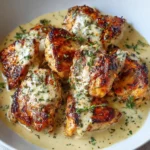
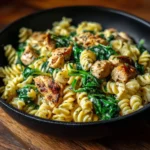
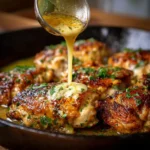
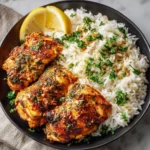
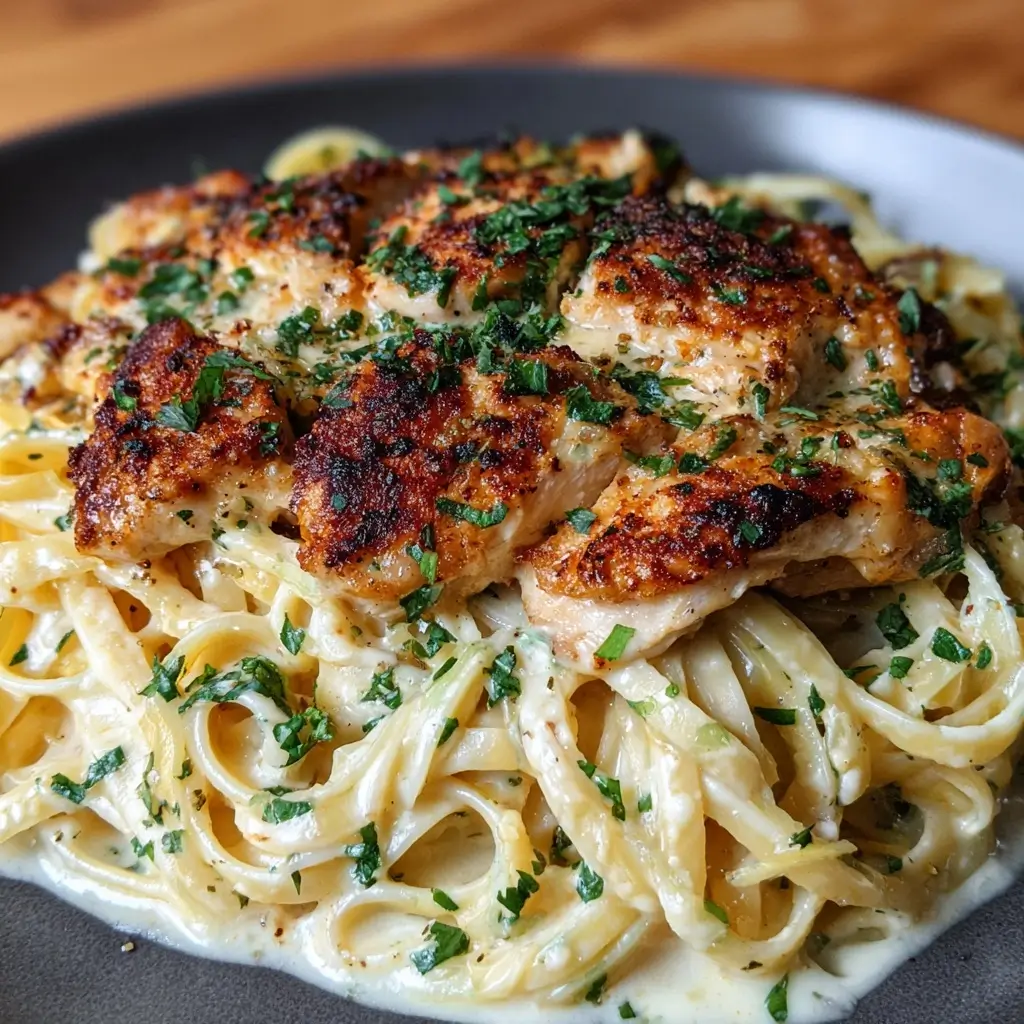
Garlic Butter Chicken Alfredo is the quintessential comfort food dish that marries tender, savory chicken with a luxuriously creamy, garlicky sauce and perfectly al dente pasta. It’s a restaurant-quality favorite that’s surprisingly approachable for home cooks—rich without being cloying, aromatic without overwhelming, and deeply satisfying in every bite. Whether you’re preparing a cozy weeknight dinner, impressing guests at a casual gathering, or seeking a soul-warming meal after a long day, this dish delivers on flavor, texture, and nostalgia all at once. Its widespread appeal lies not only in its indulgent profile but also in its remarkable versatility—adaptable to dietary preferences, pantry constraints, and culinary creativity—making it a timeless staple in modern American-Italian fusion cooking.
The History
While “Alfredo” sauce traces its roots to early 20th-century Rome—where Chef Alfredo di Lelio famously created Fettuccine Alfredo in 1908 as a rich, butter-and-Parmesan-based remedy for his wife’s postpartum appetite—the Americanized version of Chicken Alfredo is a distinctly New World evolution. In the 1950s and ’60s, Italian-American chefs began adapting traditional recipes to suit local tastes and ingredient availability: heavy cream replaced raw butter for stability and richness, grilled or sautéed chicken was added for protein and heartiness, and garlic—though not part of the original Roman preparation—was enthusiastically incorporated to align with broader American palates’ love for bold, aromatic notes. The “Garlic Butter” variation emerged organically from this trend, as home cooks and diners alike craved deeper layers of umami and fragrance. By the 1980s, Garlic Butter Chicken Alfredo had become a menu mainstay in chain restaurants, family-style Italian eateries, and suburban dinner tables—symbolizing accessible elegance and culinary generosity. Today, it stands as a beloved canvas for innovation, bridging Old World tradition and New World improvisation.
Ingredients Breakdown
Every exceptional Garlic Butter Chicken Alfredo begins with thoughtfully selected, high-quality ingredients—each playing a distinct and essential role in building depth, balance, and harmony:
- Chicken Breast (or Thighs): Boneless, skinless chicken breast offers lean tenderness; thighs provide richer flavor and juicier texture, especially when cooked low and slow. Uniform thickness ensures even cooking—pounding to ½-inch helps prevent dryness.
- Pasta (Fettuccine, Linguine, or Pappardelle): Wide, flat ribbons hold sauce beautifully. Authentic fettuccine is ideal, but fresh or bronze-die dried pasta yields superior sauce adhesion due to its porous, slightly rough surface.
- Unsalted Butter: High-fat European-style butter (82–84% fat) delivers unparalleled silkiness and nutty depth—especially when browned gently for a subtle caramelized note.
- Fresh Garlic: Minced or finely grated (not pre-minced jarred garlic), it releases potent allicin compounds when heated—providing aromatic complexity and antimicrobial benefits. Using whole cloves roasted first adds mellow sweetness.
- Heavy Cream (36–40% fat): Provides body, sheen, and emulsifying power. Lower-fat alternatives like half-and-half or whole milk will thin the sauce and risk breaking; avoid ultra-pasteurized cream if possible for optimal stability.
- Grated Parmigiano-Reggiano: Aged minimum 24 months—nutty, salty, crystalline, and enzymatically complex. Pre-grated versions contain anti-caking agents that inhibit melting and create graininess.
- Full-Fat Cream Cheese or Mascarpone (optional but recommended): Adds velvety mouthfeel, stabilizes the emulsion, and rounds acidity—especially valuable when using lower-sodium cheeses or reducing dairy content.
- Dry White Wine (e.g., Pinot Grigio or Unoaked Chardonnay): Deglazes the pan, lifts fond, adds brightness, and balances fat. Alcohol cooks off, leaving only nuanced fruit and acidity.
- Freshly Cracked Black Pepper & Nutmeg: White pepper can be substituted for visual purity, but freshly ground black pepper contributes floral heat; a whisper of freshly grated nutmeg (¼ tsp max) enhances dairy sweetness without tasting “spicy.”
- Fresh Herbs (Parsley, Chives, or Basil): Added at the end for color, freshness, and herbal lift—never cooked into the sauce, which dulls volatile oils.
- Salt (Kosher or Sea Salt): Used in three stages: seasoning chicken pre-cook, salting pasta water generously (≈2 Tbsp per gallon), and finishing the sauce to taste—never omitted, as it unlocks all other flavors.
Step-by-Step Recipe
- Prep & Marinate (15 minutes): Slice chicken into ½-inch thick cutlets. Pat *extremely* dry with paper towels. Season both sides with kosher salt, freshly cracked black pepper, and optional smoked paprika or garlic powder (½ tsp max). Let rest 10 minutes at room temperature. Meanwhile, bring a large pot of well-salted water to a rolling boil.
- Cook Pasta (10–12 minutes): Add pasta to boiling water. Stir immediately to prevent sticking. Cook 1–2 minutes shy of package’s “al dente” time (e.g., if box says 11 minutes, cook 9–10). Reserve 1 cup of starchy pasta water before draining. Do *not* rinse—starch is vital for emulsion.
- Sear Chicken (6–8 minutes): Heat 2 Tbsp high-smoke-point oil (avocado or grapeseed) in a wide stainless steel or cast-iron skillet over medium-high heat until shimmering. Add chicken in a single layer—do not crowd. Sear undisturbed 3–4 minutes per side until golden-brown and internal temp reaches 160°F (it will rise to 165°F while resting). Transfer to a plate, tent loosely with foil, and rest 5 minutes.
- Build Flavor Base (4 minutes): Reduce heat to medium-low. In same skillet, melt 3 Tbsp unsalted butter. Add 4–5 thinly sliced garlic cloves (or 2 Tbsp minced); cook gently 1–2 minutes until fragrant and just beginning to turn golden—*do not burn*. Add ¼ cup dry white wine, scraping vigorously with a wooden spoon to release browned bits (fond).
- Emulsify Sauce (5–7 minutes): Whisk in 1 cup heavy cream, 2 oz softened full-fat cream cheese (or 3 Tbsp mascarpone), and ¼ tsp freshly grated nutmeg. Simmer gently—bubbles should barely break the surface—for 3 minutes, stirring constantly. Reduce heat to low. Gradually whisk in 1 cup freshly grated Parmigiano-Reggiano in three additions, waiting until each is fully melted and smooth before adding more. Sauce should coat the back of a spoon (nappe consistency).
- Combine & Finish (3 minutes): Slice rested chicken into ½-inch strips. Add to sauce along with drained pasta. Gently fold together over low heat for 1–2 minutes, adding reserved pasta water 1 Tbsp at a time until sauce clings luxuriously—not pooling, not drying. Taste and adjust: more salt? More black pepper? A squeeze of lemon juice (½ tsp) for brightness? A final knob of cold butter (1 Tbsp) for gloss?
- Garnish & Serve Immediately: Divide among warmed shallow bowls. Top with extra grated Parmigiano, a shower of chopped fresh flat-leaf parsley and chives, a crack of black pepper, and optionally, a few shavings of raw garlic confit or crispy fried garlic chips for textural contrast.
Tips
- Temperature Control Is Non-Negotiable: High heat for searing, low-and-slow for sauce. Boiling the cream or overheating the cheese causes separation—use a thermometer if uncertain (ideal sauce temp: 170–175°F).
- Reserve That Pasta Water: Its starch acts as a natural binder and hydrator. Never skip this step—even if you think you won’t need it, have it ready.
- Grate Your Own Cheese: Pre-shredded cheeses contain cellulose and potato starch, which repel fat and create a gritty, oily sauce.
- Rest the Chicken: Skipping this leads to dry, stringy meat. Resting allows juices to redistribute—cutting too soon releases moisture onto the plate instead of into the bite.
- Use Fresh Garlic—But Don’t Overpower: Too much raw garlic can turn bitter. For subtlety, blanch minced garlic in milk for 1 minute before adding, or roast whole cloves until jammy and sweet.
- Acid Is Your Ally: A tiny splash of lemon juice or white wine vinegar at the end cuts through richness and makes flavors pop—don’t underestimate this balancing act.
- Batch Cooking Hack: Double the sauce base (garlic-butter-wine-cream mixture) and freeze in portions. Thaw, reheat gently, stir in fresh cheese and pasta—dinner in under 15 minutes.
- Non-Stick Pan Warning: Avoid non-stick for searing chicken—it won’t develop proper fond, and butter may burn unevenly. Stainless or cast iron is essential for flavor development.
- Sauce Consistency Rescue: If sauce thickens too much off-heat, whisk in warm pasta water. If it breaks (looks oily), remove from heat, add 1 Tbsp cold cream, and whisk vigorously until re-emulsified.
- Serve Immediately: Alfredo sauce continues to thicken as it cools. Plate within 2 minutes of finishing for optimal silkiness.
Variations and Customizations
This recipe is inherently adaptable—here are meticulously tested, chef-approved variations that preserve integrity while expanding possibilities:
- Gluten-Free Garlic Butter Chicken Alfredo: Use certified GF pasta (brown rice, quinoa, or lentil-based). Boost umami with 1 tsp tamari (GF soy sauce) in the sauce base. Add xanthan gum (⅛ tsp) only if reheating leftovers, to prevent thinning.
- Dairy-Free / Vegan Version: Substitute cashew cream (soaked raw cashews blended with water, nutritional yeast, lemon, and garlic), coconut cream (full-fat, chilled, skimmed), or oat milk + vegan butter + nutritional yeast blend. Add 1 tsp white miso for depth and ½ tsp apple cider vinegar for tang.
- Low-Carb / Keto Adaptation: Replace pasta with spiralized zucchini (sautéed 2 minutes to remove water), shirataki noodles (rinsed and dry-heated), or cauliflower “rice” (steamed then lightly toasted). Increase healthy fats: add ¼ cup grated Pecorino Romano, 2 Tbsp pine nuts, and finish with truffle oil.
- Spicy Arrabbiata Alfredo: Infuse the butter with ½ tsp crushed red pepper flakes before adding garlic. Stir in 1 Tbsp tomato paste with the wine, and finish with fresh basil and a drizzle of Calabrian chili oil.
- Herb-Forward “Provençale” Style: Add 1 Tbsp herbes de Provence with the garlic, stir in ¼ cup sun-dried tomatoes (oil-packed, chopped), and top with kalamata olives and fresh oregano.
- Umami Bomb Variation: Sauté 2 oz finely diced cremini mushrooms with the garlic until deeply browned. Add 1 tsp fish sauce (yes—trust us) with the wine for stealth savoriness.
- Restaurant-Style “Blackened” Twist: Coat chicken in blackening spice (paprika, cayenne, thyme, oregano, garlic/onion powder) before searing. Deglaze with 2 Tbsp bourbon instead of wine for smoky-sweet complexity.
- Seafood Alfredo Fusion: Replace chicken with seared scallops or shrimp. Add 2 Tbsp capers and 1 Tbsp chopped dill with the parsley garnish. Lemon zest becomes essential.
- Breakfast-for-Dinner Alfredo: Stir in 4 soft-scrambled eggs at the end, off-heat. Top with crumbled crispy pancetta and chives—a decadent brunch crossover.
- Meal-Prep Friendly Batch Version: Prepare sauce and cooked chicken separately. Store up to 4 days refrigerated. Reheat sauce gently with splash of milk; toss with freshly cooked pasta for best texture.
Health Considerations and Nutritional Value
While Garlic Butter Chicken Alfredo is rightly celebrated for its decadence, mindful preparation transforms it into a nutritionally thoughtful meal—without sacrificing satisfaction. A standard serving (1½ cups, made with whole ingredients) provides approximately:
- Calories: ~680–750 kcal (varies by cheese/cream quantity and pasta type)
- Protein: 42–48 g (chicken + Parmigiano deliver complete amino acid profile; supports muscle maintenance and satiety)
- Fat: 32–38 g (primarily unsaturated from butter and olive oil; includes conjugated linoleic acid (CLA) from grass-fed dairy—linked to metabolic support)
- Carbohydrates: 48–54 g (mostly complex from pasta; fiber increases significantly with whole-grain or legume-based options)
- Vitamins & Minerals: Rich in calcium, phosphorus, vitamin B12, selenium, and zinc (from dairy and poultry); garlic contributes allicin (immune-modulating, anti-inflammatory), while parsley supplies vitamins K, C, and folate.
Smart Swaps for Balanced Indulgence:
- Reduce Sodium: Omit added salt in marinade; rely on Parmigiano’s natural saltiness and boost herbs/spices for flavor.
- Increase Fiber: Use 50/50 blend of fettuccine and chickpea or lentil pasta—or serve over roasted spaghetti squash or shredded cabbage “noodles.”
- Optimize Fats: Choose grass-fed butter and pasture-raised chicken for higher omega-3s and vitamin K2.
- Add Veggies (Without Compromise): Sauté spinach, roasted cherry tomatoes, sautéed asparagus, or broccolini directly into the sauce—adds volume, nutrients, and color without diluting richness.
- Mindful Portions: Serve in shallow bowls with generous veggie sides (roasted Brussels sprouts, garlic-sautéed greens) to naturally reduce pasta-to-sauce ratio.
- For Heart Health: Substitute 1 Tbsp butter with extra-virgin olive oil during garlic infusion; use part-skim ricotta *in addition to* Parmigiano for creaminess with less saturated fat.
Note: While not low-calorie, this dish fits comfortably within balanced eating patterns—including Mediterranean, DASH, and flexitarian diets—when portioned mindfully and paired with vegetables and whole foods.
Ingredients
- 1½ lbs boneless, skinless chicken breasts or thighs, evenly sliced into ½-inch cutlets
- 12 oz high-quality dried fettuccine (or gluten-free alternative)
- 3 tbsp high-fat unsalted butter (European-style preferred)
- 4 tbsp extra-virgin olive oil or avocado oil, divided
- 6 large garlic cloves, finely minced (about 2 tbsp)
- ¼ cup dry white wine (Pinot Grigio or Sauvignon Blanc)
- 1 cup full-fat heavy cream (36–40% fat)
- 2 oz full-fat cream cheese, softened (or 3 tbsp mascarpone)
- 1½ cups freshly grated Parmigiano-Reggiano cheese (not pre-grated)
- 1 tsp freshly grated nutmeg
- 1½ tsp kosher salt, plus more for pasta water
- 1½ tsp freshly cracked black pepper, plus more for garnish
- ½ lemon (for optional finishing juice)
- ¼ cup fresh flat-leaf parsley, finely chopped
- 2 tbsp fresh chives, snipped
- Optional garnishes: garlic confit, crispy fried garlic, lemon zest, red pepper flakes
Directions
- Pat chicken cutlets extremely dry with paper towels. Season both sides with 1 tsp salt and 1 tsp black pepper. Let sit at room temperature for 10 minutes.
- Bring 5–6 quarts of water to a vigorous boil. Add 2 tbsp kosher salt. Cook pasta per package instructions, reducing time by 1–2 minutes. Reserve 1 cup starchy pasta water, then drain—do not rinse.
- Heat 2 tbsp oil in a large stainless steel or cast-iron skillet over medium-high heat. When shimmering, add chicken in a single layer. Sear 3–4 minutes per side until golden and internal temperature reaches 160°F. Transfer to a plate, tent with foil, and rest 5 minutes.
- Reduce heat to medium-low. Add remaining 1 tbsp oil and 3 tbsp butter to same skillet. Once butter melts and foaming subsides, add garlic. Cook 1–2 minutes until fragrant and pale gold—do not brown.
- Pour in wine, scraping bottom thoroughly with a wooden spoon to lift all browned bits. Simmer 1 minute until alcohol evaporates.
- Whisk in heavy cream, cream cheese, nutmeg, remaining ½ tsp salt, and ½ tsp black pepper. Simmer gently (small bubbles only) for 3 minutes, stirring constantly.
- Reduce heat to low. Whisk in grated Parmigiano in three batches, ensuring each is fully melted and smooth before adding the next. Sauce should coat the back of a spoon.
- Slice rested chicken. Add to sauce with drained pasta. Fold gently over low heat for 1–2 minutes, adding reserved pasta water 1 tbsp at a time until sauce is glossy and clings to pasta.
- Taste and adjust: add lemon juice (½ tsp), more salt, or black pepper as needed. For extra richness, whisk in 1 tbsp cold butter off-heat.
- Divide into warmed shallow bowls. Garnish generously with parsley, chives, extra Parmigiano, black pepper, and optional toppings. Serve immediately.
FAQ
- Can I make this ahead of time?
- Yes—with caveats. Sauce and cooked chicken can be refrigerated separately for up to 4 days. Reheat sauce gently with a splash of milk or cream; toss with freshly cooked pasta. Avoid reheating fully assembled dish—it will become gummy and overly thick.
- Why does my Alfredo sauce break or look greasy?
- Most commonly due to overheating (boiling the cream or cheese), using pre-grated cheese (anti-caking agents), or adding cold cheese to hot liquid. Always use low heat, grate cheese yourself, and let cheese come to room temperature before stirring in.
- Can I freeze Garlic Butter Chicken Alfredo?
- Sauce freezes well for up to 3 months (omit pasta). Cool completely, store in airtight container with ½-inch headspace. Thaw overnight in fridge, reheat slowly on stove with splash of cream, whisking constantly. Add fresh pasta when serving.
- What’s the best pasta to use—and why?
- Fettuccine is classic because its broad, flat surface traps sauce. Linguine works well for lighter versions; pappardelle adds rustic elegance. Avoid delicate pastas like angel hair—they’ll disappear in the rich sauce. Bronze-die extruded pasta has superior texture and sauce adherence.
- Can I use milk instead of heavy cream?
- You can—but expect a thinner, less stable, and less luxurious sauce. To compensate, add 1 tbsp cornstarch slurry (cornstarch + cold milk) with the dairy, and include cream cheese for body. Whole milk yields better results than skim or 2%.
- How do I prevent rubbery or dry chicken?
- Key steps: pound to even thickness, pat *completely* dry, season well, sear over proper heat (don’t move it!), and rest before slicing. Internal temp should reach 160°F—not 165°F—in the pan, as carryover cooking finishes it.
- Is there a way to make it lighter without losing flavor?
- Absolutely. Use half-and-half + 2 oz Neufchâtel (light cream cheese), increase garlic and herbs, add lemon zest and juice, incorporate 1 cup sautéed spinach or roasted broccoli, and serve with a side salad dressed in lemon vinaigrette.
- Can I cook this entirely in one pot?
- Yes—“dump-and-stir” method works with adjustments: cook chicken first, remove, then cook garlic in same pot; add wine, cream, cheese, and return chicken. Add uncooked pasta + extra liquid (4 cups broth/milk mix), cover, and simmer 15–18 minutes, stirring often. Finish with herbs and lemon.
- What wine pairs best with Garlic Butter Chicken Alfredo?
- A crisp, high-acid white balances the richness: unoaked Chardonnay, Vermentino, or an Alsatian Pinot Blanc. For red lovers, try a light-bodied, low-tannin red like chilled Beaujolais or Barbera.
- My sauce is too thick/thin—how do I fix it?
- Too thick? Whisk in warm pasta water, 1 tsp at a time. Too thin? Simmer gently 2–3 more minutes, or stir in ½ tsp cornstarch slurry. Never add cold liquid to hot sauce—temper first.
Summary
Garlic Butter Chicken Alfredo is a masterclass in balanced indulgence—where seared, succulent chicken meets a silken, garlicky, Parmesan-enriched sauce clinging to tender pasta with effortless elegance. Rooted in Italian tradition yet boldly American in spirit, it rewards technique, celebrates quality ingredients, and invites endless personalization—making every bowl a comforting, customizable, and deeply satisfying experience.
From its historic origins in Rome to its modern-day reinventions—from keto-friendly zoodle renditions to umami-packed mushroom-fusion twists—this dish remains timeless not because it’s static, but because it evolves gracefully with every kitchen, every palate, and every moment that calls for warmth, richness, and unwavering deliciousness.