Famous Butter Chicken: A Rich and Creamy Indian Delicacy
The History of Butter Chicken
Butter Chicken, known as Chicken Makhani in India, is one of the most iconic dishes to emerge from Indian cuisine and has gained global acclaim for its rich, creamy texture and aromatic flavor profile. Its origins trace back to the 1950s in Delhi, India, at a legendary restaurant called Moti Mahal, founded by Kundan Lal Gujral and his partners. Originally from Peshawar (now in Pakistan), they migrated during the Partition of India in 1947 and brought with them their culinary expertise rooted in Punjabi cooking traditions.
The story goes that leftover tandoori chicken—already cooked and slightly dried out—needed to be repurposed. Instead of discarding it, the chefs at Moti Mahal created a revolutionary tomato-cream sauce enriched with butter, spices, and a touch of sweetness. The result was an incredibly flavorful, velvety dish that not only revived the dry chicken but elevated it into something truly luxurious. This innovation led to the birth of Butter Chicken, which quickly became a staple on Indian menus around the world.
Over the decades, Butter Chicken has become synonymous with North Indian cuisine and is often one of the first dishes introduced to those unfamiliar with Indian food. It’s a hallmark of comfort food in Indian households and restaurants alike, beloved for its balance of tanginess, creaminess, and warmth. Today, variations exist across continents—from British curries to Americanized versions—but the essence remains deeply tied to its Delhi roots.
Ingredients Breakdown
The magic of Butter Chicken lies not just in its method but also in the quality and harmony of its ingredients. Each component plays a vital role in building layers of flavor, aroma, and texture. Here’s a detailed breakdown:
- Chicken: Boneless chicken thighs or breast pieces are traditionally used. Thighs are preferred due to their juiciness and ability to retain moisture when cooked.
- Yogurt: Acts as a tenderizer and adds a subtle tanginess while helping spices adhere to the chicken before grilling or roasting.
- Lemon Juice: Enhances marination, adds acidity, and helps break down proteins for a more tender bite.
- Ginger-Garlic Paste: A foundational element in Indian cooking; provides depth, pungency, and warmth.
- Spices (Garam Masala, Turmeric, Red Chili Powder): These bring complexity and heat. Garam masala—a blend of ground spices like cinnamon, cardamom, cloves, and cumin—adds fragrance and warmth without overwhelming the palate.
- Butter: Central to the dish’s name and character. Used generously in both marination and sauce, it imparts richness and silkiness.
- Tomatoes: Fresh ripe tomatoes or canned crushed tomatoes form the base of the sauce, offering natural sweetness and acidity.
- Cream: Heavy cream or fresh malai (clotted cream) gives the gravy its luxurious mouthfeel and cools down the spice level.
- Kasuri Methi (Dried Fenugreek Leaves): Crushed fenugreek leaves add a distinctive earthy, slightly bitter note that balances the richness—an essential ingredient often overlooked in imitations.
- Sugar: A small amount enhances the natural sweetness of tomatoes and rounds off the flavors.
- Onions & Cashew Paste: Finely ground onions and soaked cashews thicken the sauce naturally and contribute to a smooth, luscious consistency without relying on flour or cornstarch.
- Fresh Cilantro (Coriander Leaves): Used as garnish for freshness and color contrast.
Step-by-Step Recipe
Marinating the Chicken
- In a large mixing bowl, combine 500g boneless chicken (cut into bite-sized pieces) with ½ cup plain yogurt, 1 tbsp lemon juice, 1 tbsp ginger-garlic paste, ½ tsp turmeric powder, 1 tsp red chili powder, 1 tsp garam masala, 1 tsp salt, and 1 tbsp oil.
- Mix thoroughly until all pieces are evenly coated. Cover and refrigerate for at least 2 hours, preferably overnight for deeper flavor penetration.
Cooking the Chicken
- Preheat oven to 220°C (425°F). Line a baking tray with parchment paper or use a grill pan.
- Arrange marinated chicken pieces on the tray, leaving space between each piece. Bake for 18–20 minutes, turning halfway through, until golden brown and fully cooked. Alternatively, cook in a tandoor or over charcoal for authentic smoky flavor.
- Set aside once done. Reserve any leftover marinade if desired (can be added later to the sauce).
Preparing the Sauce
- In a heavy-bottomed pan or kadhai, melt 3 tablespoons of unsalted butter over medium heat.
- Add 1 finely chopped onion and sauté until golden brown (about 8–10 minutes).
- Add 1 tbsp ginger-garlic paste and cook for another 1–2 minutes until fragrant.
- Incorporate 2 cups of pureed tomatoes (from about 4 large ripe tomatoes, blanched, peeled, and blended) or high-quality canned crushed tomatoes.
- Cook this mixture uncovered for 15–20 minutes, stirring frequently, until the oil begins to separate from the masala—a sign that the sauce is well-cooked and concentrated.
- Stir in 1 tsp garam masala, ½ tsp red chili powder, ½ tsp turmeric, 1 tsp sugar, and salt to taste. Cook for another 2 minutes.
- Add 1–2 tablespoons of cashew paste (soaked raw cashews blended with water) to thicken and enrich the sauce.
- Pour in ¼ cup water and simmer for 5 minutes. Adjust consistency as needed.
Combining Chicken and Sauce
- Add the grilled/baked chicken pieces along with any juices into the prepared sauce.
- Simmer gently for 8–10 minutes on low heat to allow the chicken to absorb the flavors of the gravy.
- Stir in ½ cup heavy cream (or malai) and mix well. Do not boil vigorously after adding cream to prevent curdling.
- Crush 1 tablespoon of Kasuri Methi between your palms and sprinkle into the curry. Stir gently.
- Finish with 1 tablespoon of butter for extra shine and richness—a technique known as “butter float.”
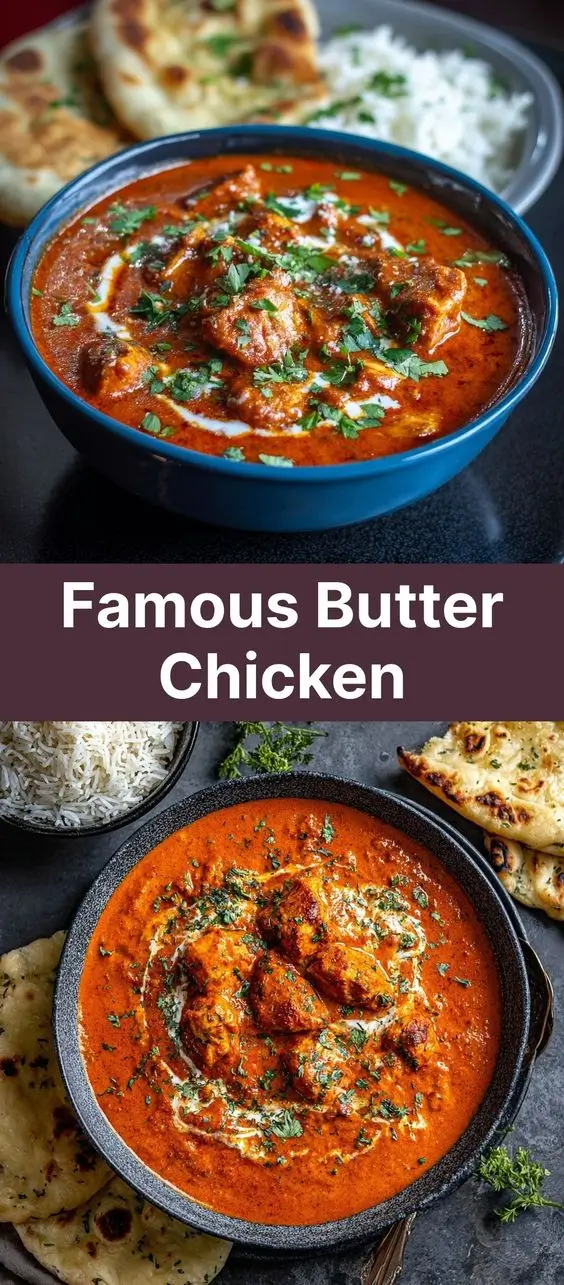
- Garnish with fresh cilantro and serve hot.
Tips for Perfect Butter Chicken
- Use Fresh Ingredients: Always opt for fresh ginger, garlic, and ripe tomatoes. Avoid ketchup or tomato sauce substitutes—they contain vinegar and preservatives that alter the flavor.
- Don’t Skip the Marination: Allowing the chicken to rest in the marinade ensures maximum tenderness and flavor absorption.
- Char the Chicken Well: Whether using an oven, stovetop grill, or tandoor, ensure the chicken gets a nice char. This adds smokiness, enhancing the overall taste.
- Cook the Tomato Base Slowly: Rushing this step leads to a raw-tasting sauce. Letting the tomatoes reduce fully develops the depth of flavor.
- Bloom the Spices: Toasting spices briefly in the sauce unlocks their essential oils and intensifies aroma.
- Balance Sweetness and Acidity: Taste as you go. If too tangy, add a pinch more sugar. If too sweet, a splash of lemon juice can correct it.
- Low Heat When Adding Cream: High temperatures may cause cream to split. Keep the flame low and stir constantly.
- Rest Before Serving: Allow the finished dish to sit for 5–10 minutes. This lets the flavors meld beautifully.
- Refrigerate Leftovers Properly: Butter Chicken tastes even better the next day as flavors deepen. Reheat gently on the stove with a splash of water or cream.
Variations and Customizations
While traditional Butter Chicken remains a favorite, creative adaptations have emerged based on dietary preferences, regional influences, and kitchen innovations:
- Dairy-Free Butter Chicken: Substitute butter with vegan margarine or coconut oil, and replace cream with full-fat coconut milk. Use dairy-free yogurt for marination.
- Gluten-Free Version: Naturally gluten-free if all ingredients (especially spices and tomato products) are certified GF. Check labels carefully.
- Instant Pot/Pressure Cooker Method: Combine marinated chicken and sauce ingredients in an Instant Pot. Cook on high pressure for 8 minutes, quick release, then finish with cream and kasuri methi.
- Slow Cooker Butter Chicken: After browning onions and blending sauce, transfer everything to a slow cooker. Add chicken and cook on low for 6–8 hours. Stir in cream at the end.
- Paneer Butter Masala: Replace chicken with paneer (Indian cottage cheese) cubes for a vegetarian twist. Grill or fry paneer lightly before adding to the sauce.
- Butter Tofu: For a vegan protein option, use extra-firm tofu pressed and marinated similarly to chicken. Pan-sear or bake before combining with sauce.
- Smoky Flavor (Dhungar Method):strong>: To mimic tandoor smoke, place a piece of burning charcoal in a small metal bowl inside the serving dish. Drizzle with oil, cover tightly for 5–10 minutes. Removes instantly for safety.
- Spice Level Adjustments: Mild version uses less chili powder and more cream. For extra heat, add green chilies or cayenne pepper.
- Restaurant-Style vs Home-Style: Restaurant versions often use food coloring (like yellow/orange food dye) and excessive cream for visual appeal. Home-style focuses on natural colors and balanced richness.
- Global Twists: Fusion versions include adding honey instead of sugar, using mango pulp for tropical notes, or incorporating bourbon for depth in Western interpretations.
Health Considerations and Nutritional Value
While undeniably delicious, Butter Chicken is considered a rich, calorie-dense dish due to its high fat content from butter, cream, and marinated chicken. However, with mindful modifications, it can be enjoyed as part of a balanced diet.
Nutritional Profile (Per Serving – Approximate, 1 cup)
- Calories: ~450–600 kcal
- Protein: ~30–35g (from chicken and dairy)
- Fat: ~30–40g (mostly saturated from cream and butter)
- Carbohydrates: ~15–20g (from tomatoes, onions, sugar)
- Fiber: ~2–3g
- Sodium: ~700–900mg (varies with added salt)
Healthier Modifications
- Leaner Protein: Use skinless chicken breast instead of thigh to reduce fat content.
- Reduced-Fat Dairy: Substitute half-and-half or Greek yogurt for heavy cream. Use low-fat yogurt in marinade.
- Less Butter: Reduce butter quantity by half and use olive oil for sautéing where possible.
- More Vegetables: Add bell peppers, mushrooms, or spinach to increase fiber and nutrients.
- Lower Sodium: Control salt during cooking and avoid pre-seasoned store-bought spice blends.
- Serve Mindfully: Pair with steamed basmati rice or quinoa rather than naan or fried breads. Include a side salad for balance.
Despite its indulgence, Butter Chicken contains beneficial elements such as protein for muscle repair, lycopene from tomatoes (a powerful antioxidant), and essential vitamins from spices like turmeric (curcumin) known for anti-inflammatory properties.
Full Ingredients List
- 500g boneless chicken (thighs or breasts), cut into 1.5-inch cubes
- ½ cup plain yogurt (Greek or regular)
- 1 tbsp lemon juice
- 1 tbsp ginger-garlic paste (or 1.5 inch ginger + 6 garlic cloves, minced)
- 1 tsp turmeric powder
- 1 tsp red chili powder (adjust to taste)
- 1 tsp garam masala
- 1 tsp salt
- 1 tbsp neutral oil (vegetable, sunflower, or avocado)
- 3 tbsp unsalted butter (divided)
- 1 large onion, finely chopped
- 2 cups tomato puree (from fresh or canned)
- 1 tsp sugar
- ½ cup heavy cream (or malai)
- 1 tbsp cashew paste (blend 8–10 soaked cashews with water)
- 1 tbsp Kasuri Methi (dried fenugreek leaves), crushed
- Fresh cilantro, chopped (for garnish)
- Salt to taste
Directions Recap
- Marinate: Mix chicken with yogurt, lemon juice, ginger-garlic paste, spices, salt, and oil. Refrigerate for 2+ hours.
- Cook Chicken: Bake or grill chicken at 220°C for 20 minutes until charred and cooked through.
- Prepare Sauce: Sauté onions in butter until golden. Add ginger-garlic paste, cook briefly. Stir in tomato puree and cook for 15–20 minutes until oil separates.
- Spice It Up: Add garam masala, chili powder, turmeric, sugar, and salt. Cook 2 minutes. Incorporate cashew paste and water. Simmer 5 minutes.
- Combine: Add grilled chicken and juices to sauce. Simmer 8–10 minutes.
- Finish: Stir in cream, crushed Kasuri Methi, and remaining butter. Garnish with cilantro.
- Serve Hot: With naan, roti, or basmati rice.
Frequently Asked Questions (FAQ)
What is the difference between Butter Chicken and Chicken Tikka Masala?
While similar in appearance, Butter Chicken is milder, creamier, and originated in India. Chicken Tikka Masala is believed to be a British invention, often spicier, with a thicker, brighter orange sauce and sometimes includes yogurt-based marinades with additional herbs.
Can I make Butter Chicken ahead of time?
Yes! In fact, making it a day in advance improves flavor. Store in the refrigerator and reheat gently on the stove with a splash of water or cream.
How long does Butter Chicken last in the fridge?
Up to 4 days in an airtight container. Freeze for up to 3 months. Thaw overnight in the fridge before reheating.
Why is my Butter Chicken too watery?
This usually happens if the tomato-onion base wasn’t cooked long enough. Simmer uncovered to reduce excess liquid, or add a bit more cashew paste to thicken.
Can I use canned tomato sauce?
You can, but choose high-quality, no-sugar-added varieties. Avoid ketchup or heavily seasoned sauces which alter flavor significantly.
Is Butter Chicken spicy?
Traditionally, it’s mildly spiced with a warm undertone rather than intense heat. Spice levels can be adjusted easily.
Can I cook this entirely on the stovetop?
Absolutely. After marinating, sear the chicken in a skillet until cooked through, then proceed with the sauce in the same pan.
What should I serve with Butter Chicken?
Classic pairings include garlic naan, butter naan, steamed basmati rice, jeera rice, or pulao. A side of cucumber raita or kachumber salad complements the richness.
Can I freeze Butter Chicken?
Yes. Freeze before adding cream for best results. Add fresh cream after thawing and reheating.
Why is Kasuri Methi important?
Kasuri Methi adds a unique earthy bitterness that cuts through the richness and elevates the overall flavor. It’s hard to replicate, so don’t skip it if possible.
Summary
Butter Chicken is a masterpiece of Indian culinary innovation—creamy, aromatic, and deeply satisfying, born from humble beginnings in post-partition Delhi. Its legacy continues globally as a symbol of comfort, hospitality, and gastronomic excellence.
With tender marinated chicken enveloped in a luxuriously smooth tomato-butter sauce infused with spices and finished with fresh cream and fenugreek, this dish remains a timeless favorite for home cooks and food lovers worldwide.