Introduction
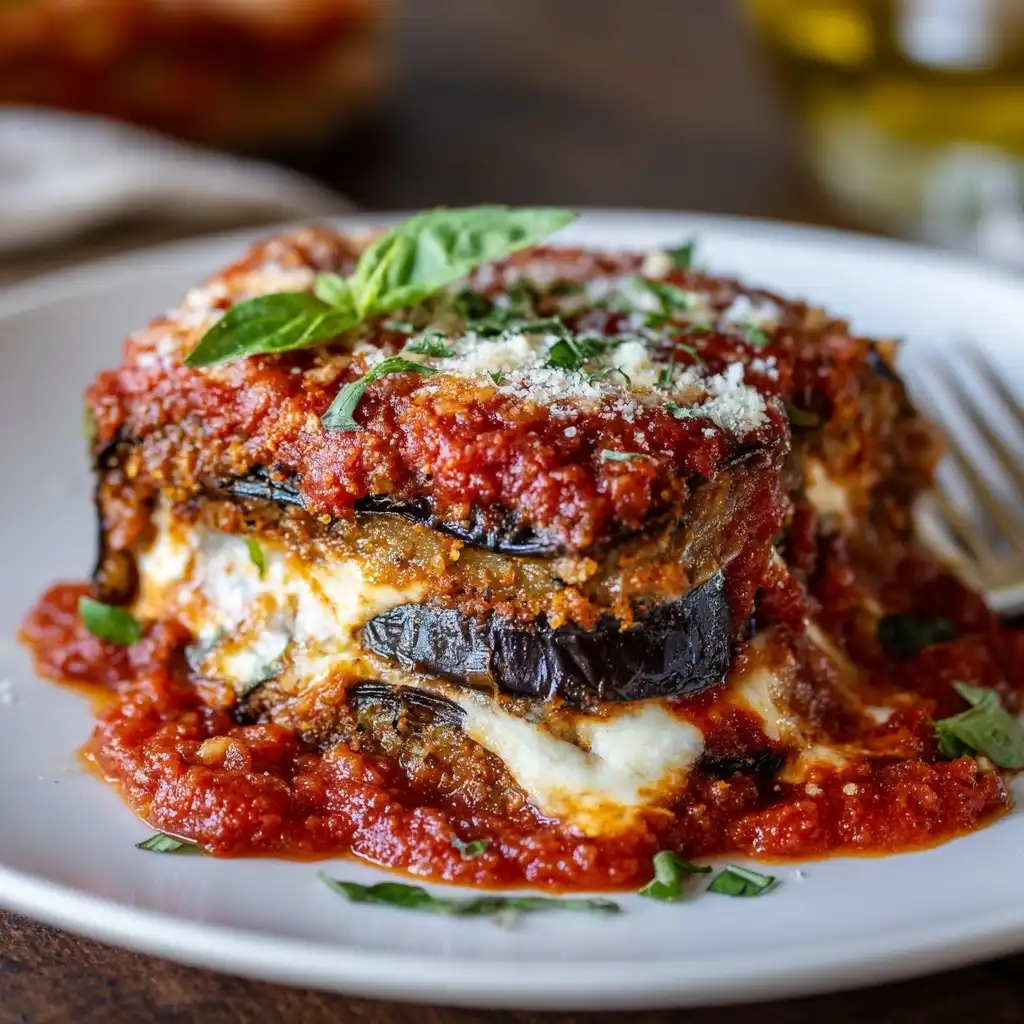
Eggplant Parmesan Casserole is a beloved, soul-warming Italian-American classic—reimagined for modern home cooks who crave depth of flavor, comforting texture, and effortless assembly. Unlike traditional layered Eggplant Parmesan (which involves individually breading, frying, and stacking each slice), this casserole version streamlines the process without sacrificing authenticity or richness. It transforms humble eggplant into a luscious, oven-baked centerpiece—layered with tangy marinara, creamy ricotta, melty mozzarella, and sharp Parmigiano-Reggiano—all bound together in a harmonious, golden-brown bake. Whether served as a hearty weeknight dinner, a crowd-pleasing potluck dish, or a vegetarian main for holiday gatherings, this casserole delivers restaurant-quality taste with home-kitchen practicality. Its versatility, make-ahead friendliness, and adaptability to dietary preferences (gluten-free, dairy-light, vegan options included) make it a true workhorse recipe in any culinary repertoire.
The History
The roots of Eggplant Parmesan trace back centuries to Southern Italy—particularly Sicily and Campania—where eggplant (melanzana) was introduced by Arab traders in the 9th century and quickly embraced for its meaty texture and ability to absorb bold Mediterranean flavors. The original melanzane alla parmigiana was a rustic peasant dish: sliced eggplant was salted to draw out bitterness, shallow-fried in olive oil until tender and golden, then layered with tomato sauce and locally available cheeses like caciocavallo or provolone. The “Parmigiana” name likely derives not from Parmigiano-Reggiano (which wasn’t widely used in early versions), but from the Sicilian word parmiciana, referring to the overlapping wooden slats of window shutters—a visual nod to how the fried eggplant slices were traditionally arranged in layers.
Italian immigrants brought the dish to the United States in the early 20th century, where it evolved significantly. American kitchens substituted more accessible cheeses—ricotta for creaminess, mozzarella for stretch, and grated Parmesan for umami punch—while adapting techniques to suit local ingredients and appliances. The casserole format emerged mid-century as home cooks sought efficient, family-sized meals that could be prepped ahead and baked in one dish—especially popularized through community cookbooks, women’s magazines like Good Housekeeping, and later, television cooking shows. Today, Eggplant Parmesan Casserole stands as a testament to culinary adaptation: honoring Old World tradition while embracing New World convenience, creativity, and inclusivity.
Ingredients Breakdown
Every element in this casserole plays a distinct, essential role—balancing acidity, richness, texture, and aroma. Understanding *why* each ingredient matters empowers you to tweak confidently:
- Eggplant (1 large or 2 medium, ~2 lbs total): The star. Globe (American) eggplant offers dense, creamy flesh ideal for baking; its natural sponginess absorbs sauce and cheese beautifully. Salting before cooking remains critical—not just to remove perceived bitterness (less common in modern varieties), but to expel excess water that would otherwise dilute flavor and create a soggy casserole.
- Extra-Virgin Olive Oil (¼–⅓ cup): Used for roasting eggplant slices. High-quality oil imparts fruitiness and helps achieve caramelization. Avoid neutral oils—they lack depth and can’t withstand high roasting temps as gracefully.
- Marinara Sauce (4–5 cups, homemade or premium store-bought): The savory backbone. Opt for a rich, slow-simmered sauce with balanced acidity (tomatoes), sweetness (onion/carrot), and herbal notes (basil, oregano). Low-sugar, no-added-preservative brands are ideal. Homemade allows full control over seasoning and thickness—crucial, as overly watery sauce = mushy casserole.
- Ricotta Cheese (2 cups, whole-milk, well-drained): Provides luxurious creaminess and subtle sweetness. Whole-milk ricotta has superior fat content for richness and structure; low-fat versions tend to weep and curdle. Draining overnight in cheesecloth or a fine-mesh strainer removes excess whey—preventing pooling and ensuring cohesive layering.
- Mozzarella (3 cups shredded, low-moisture, part-skim or whole-milk): Delivers the iconic melt and gentle chew. Pre-shredded cheese contains anti-caking agents (like cellulose) that inhibit melting—always shred fresh mozzarella di bufala or high-quality cow’s milk mozzarella yourself for optimal texture and browning.
- Parmigiano-Reggiano (1½ cups freshly grated): The umami engine. Authentic, aged Parmigiano adds nutty, salty, crystalline complexity. Avoid pre-grated “Parmesan” blends—they’re often pale imitations with little depth. Use a microplane for fine, even grating that integrates seamlessly.
- Fresh Herbs (½ cup chopped basil + 2 tbsp chopped parsley): Basil contributes bright, peppery sweetness; parsley adds clean, grassy freshness. Stirred into the ricotta mixture and sprinkled on top pre-bake, they infuse aromatic lift and visual appeal. Dried herbs lack vibrancy here—fresh is non-negotiable.
- Garlic & Onion (4 cloves minced garlic + 1 small yellow onion, finely diced): Aromatics sautéed into the sauce build foundational savory depth (the *soffritto* principle). Garlic must be cooked gently—never raw—to avoid harshness.
- Seasonings (Kosher salt, freshly ground black pepper, red pepper flakes optional): Salt enhances every flavor; pepper adds warmth; a pinch of red pepper flakes introduces subtle heat that complements the eggplant’s earthiness.
- Egg (1 large): Acts as a binder in the ricotta mixture, helping it hold together during baking and preventing separation.
Step-by-Step Recipe
- Prep the Eggplant (45 minutes, including salting & resting): Slice 1 large eggplant (about 2 lbs) into ¼-inch rounds—uniform thickness ensures even cooking. Arrange slices in a single layer on wire racks set over baking sheets. Generously sprinkle both sides with kosher salt (about 1 tbsp total). Let rest 30–45 minutes. During this time, beads of moisture will appear—this is the bitter compounds and excess water being drawn out. Rinse slices thoroughly under cold water, then pat *extremely* dry with clean kitchen towels or paper towels. Moisture is the enemy of browning!
- Roast the Eggplant (25–30 minutes): Preheat oven to 425°F (220°C). Line two large baking sheets with parchment paper. Brush both sides of each dried eggplant slice lightly with olive oil (about ¼ cup total). Arrange in a single layer. Roast for 12–15 minutes per side, flipping once, until deeply golden brown, slightly shrunken, and tender when pierced with a fork—but still holding shape (not mushy). Let cool slightly on racks (5 minutes) before assembling. Lower oven temp to 375°F (190°C) for final bake.
- Prepare the Sauce (15 minutes): While eggplant roasts, heat 2 tbsp olive oil in a large saucepan over medium heat. Add diced onion; sauté 5 minutes until soft and translucent. Add minced garlic; cook 1 minute until fragrant (do not brown). Stir in 4–5 cups marinara sauce, 1 tsp red pepper flakes (optional), and a pinch of black pepper. Simmer uncovered 10 minutes to thicken and meld flavors. Taste and adjust seasoning with salt if needed (remember cheese adds salt!). Keep warm.
- Make the Ricotta Mixture (5 minutes): In a medium bowl, combine 2 cups well-drained whole-milk ricotta, 1 large egg, ½ cup grated Parmigiano-Reggiano, ¼ cup chopped fresh basil, 2 tbsp chopped parsley, ½ tsp black pepper, and a generous pinch of salt. Stir vigorously with a fork or whisk until smooth, creamy, and fully homogenized—no lumps! This step aerates the mixture and ensures even distribution.
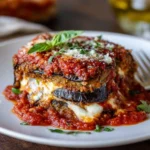
- Assemble the Casserole (10 minutes): Select a deep 9×13-inch baking dish (glass or ceramic preferred for even heating). Spread 1 cup warm marinara evenly across the bottom. Layer half the roasted eggplant slices in a slightly overlapping, slightly tilted pattern (like fish scales) to maximize surface contact. Spoon half the ricotta mixture over eggplant, spreading gently with an offset spatula to cover completely. Sprinkle with 1 cup shredded mozzarella and ½ cup grated Parmigiano. Repeat layers: 1 cup sauce → remaining eggplant → remaining ricotta → 1 cup mozzarella → ½ cup Parmigiano. Finish with a final ½ cup sauce swirled lightly over the top (don’t drown it!) and a final flourish of remaining basil and parsley.
- Bake to Perfection (45–55 minutes): Cover tightly with aluminum foil (tent it slightly to prevent cheese from sticking). Bake at 375°F for 30 minutes. Remove foil and bake uncovered 15–25 minutes longer, until the top is deeply golden, bubbling vigorously at the edges, and the center is set (a knife inserted near the center should come out mostly clean, not soupy). For extra browning, broil on high for 1–2 minutes—watch constantly!
- Rest and Serve (Essential! 20–30 minutes): Remove from oven and let the casserole rest *undisturbed* for at least 20 minutes—ideally 30. This allows starches to set, cheeses to re-emulsify, and residual heat to finish cooking the center. Cutting too soon releases steam and causes structural collapse. Serve warm—not piping hot—with crusty bread for mopping up juices and a simple arugula salad dressed with lemon and olive oil.
Tips
- Salting is Non-Negotiable: Skipping this step risks a bland, watery, and potentially bitter casserole. Even “bitter-free” eggplants benefit from salting for texture control and flavor concentration.
- Dry Eggplant Thoroughly: Any surface moisture prevents caramelization and creates steam instead of browning. Press firmly with towels—don’t just dab.
- Roast, Don’t Fry: Roasting yields deeper, sweeter, more complex flavor than frying—and eliminates excess oil absorption. It’s also far healthier and less messy.
- Thicken Your Sauce: Simmer marinara uncovered for 10+ minutes before assembling. Excess water in the sauce will migrate into the ricotta and eggplant layers, making the casserole loose and unstructured.
- Drain Ricotta Overnight: Place ricotta in a fine-mesh strainer lined with cheesecloth over a bowl; refrigerate 8–24 hours. You’ll be amazed at the difference in creaminess and stability.
- Grate Cheese Yourself: Pre-shredded cheese contains starches and anti-caking agents that prevent smooth melting and cause greasiness. Freshly grated mozzarella and Parmigiano melt evenly and brown beautifully.
- Layer Strategically: Slightly overlap eggplant slices and tilt them—not flat and rigid—to create pockets for sauce and cheese to nestle into, enhancing every bite.
- Understand the Rest: That 20–30 minute rest isn’t optional—it’s when the casserole transforms from a hot mess into a sliceable, cohesive masterpiece. Patience rewards.
- Use a Light-Colored Baking Dish: Dark metal or stoneware can over-brown the bottom before the center sets. Glass or light ceramic provides gentle, even heat distribution.
- Double the Recipe? Go Deeper: For larger batches, use a 10×15-inch dish and increase bake time by 10–15 minutes covered, then 5–10 uncovered. Avoid overcrowding—maintain layer integrity.
Variations and Customizations
This casserole is gloriously adaptable—whether accommodating diets, using pantry staples, or simply craving something new:
- Gluten-Free Eggplant Parmesan Casserole: Naturally gluten-free! Just verify your marinara sauce and cheese labels are certified GF (some sauces contain wheat-based thickeners; some cheeses use gluten-containing anti-caking agents). Serve with GF garlic bread or polenta.
- Lighter / Lower-Calorie Version: Replace half the ricotta with 1 cup plain, non-fat Greek yogurt (adds tang and protein); use part-skim mozzarella; reduce olive oil to 2 tbsp; skip the final Parmigiano sprinkle. Still rich and satisfying!
- Vegan Eggplant Parmesan Casserole: Roast eggplant as directed. Use a robust cashew ricotta (blended soaked cashews, lemon, nutritional yeast, garlic, salt), lentil- or mushroom-based “meaty” marinara, and vegan mozzarella shreds (Miyoko’s or Violife work best). Top with toasted pine nuts and fresh basil.
- Meat Lovers’ Upgrade: Brown ½ lb Italian sausage (sweet or hot) or ground beef with the onions and garlic. Drain fat well, then stir into the marinara. Layer as usual—the meat adds savory depth and heartiness.
- Zucchini & Eggplant Medley: Substitute half the eggplant with thick, peeled zucchini slices. Salt and roast zucchini separately (it releases more water). Adds color, mild sweetness, and textural contrast.
- Herb-Infused Twist: Add 1 tbsp chopped fresh oregano and 1 tsp lemon zest to the ricotta mixture. Or stir 2 tbsp pesto into the marinara for a vibrant, basil-forward variation.
- Crispy Topping Variation: Before the final uncovered bake, mix ½ cup panko breadcrumbs, 2 tbsp melted butter, ¼ cup grated Parmigiano, and 1 tsp dried oregano. Sprinkle evenly over the casserole for a crunchy, golden crown.
- Spicy Arrabbiata Style: Use an authentic arrabbiata sauce (tomato, garlic, olive oil, *lots* of red pepper flakes) and add an extra ½ tsp crushed red pepper to the ricotta. Garnish with pickled cherry peppers.
- “White” Eggplant Parmesan (No Tomato): Skip the marinara entirely. Use a rich béchamel sauce (made with garlic-infused milk, nutmeg, white pepper) layered with roasted eggplant, ricotta, mozzarella, and Parmigiano. A decadent, creamy alternative.
- Meal-Prep Friendly Format: Assemble in individual 8-oz ramekins or a muffin tin. Bake covered 30 minutes, uncovered 10–12 minutes. Perfect for portion control and quick reheating.
Health Considerations and Nutritional Value
Eggplant Parmesan Casserole, when prepared mindfully, is a nutrient-dense, plant-forward meal offering significant health benefits—far beyond its indulgent reputation:
- Eggplant Powerhouse: Low in calories (~25 cal per ½ cup), eggplant is rich in nasunin (a potent antioxidant in the purple skin that protects brain cell membranes), dietary fiber (supports gut health and satiety), potassium (regulates blood pressure), and B vitamins (energy metabolism). Its high water content aids hydration.
- Tomato Lycopene Boost: Cooking tomatoes in olive oil dramatically increases the bioavailability of lycopene—a powerful antioxidant linked to reduced risk of heart disease and certain cancers. Marinara sauce is a concentrated source.
- Healthy Fats: Extra-virgin olive oil provides monounsaturated fats (heart-healthy), polyphenols (anti-inflammatory), and vitamin E. Using it for roasting—not frying—maximizes benefits while minimizing saturated fat.
- Protein & Calcium from Dairy: Ricotta and mozzarella offer high-quality, complete protein and highly bioavailable calcium (essential for bone and muscle health). Parmigiano-Reggiano is exceptionally rich in calcium, phosphorus, and vitamin K2 (critical for calcium utilization).
- Fiber & Phytonutrients: Onions, garlic, and basil contribute prebiotic fiber (feeding beneficial gut bacteria) and allicin (garlic’s compound shown to support immune and cardiovascular function).
- Considerations & Balancing Act: While delicious, the casserole is moderate in sodium (from cheese and sauce) and saturated fat (from cheese). To optimize: choose low-sodium marinara (<300mg/serving), use part-skim mozzarella, drain ricotta well, and control added salt. Portion size matters—1 generous serving (about 1.5 cups) fits comfortably within balanced daily macros. Pair with a large green salad or steamed broccoli to boost fiber and micronutrient density without adding significant calories.
- Nutrition Snapshot (Per Serving, based on 8 servings): Approximately 320–360 calories | 18–22g protein | 12–15g fat (6–8g saturated) | 32–38g carbohydrates (8–10g fiber, 6–8g natural sugars) | 450–650mg sodium | Excellent source of calcium (30% DV), vitamin K (25% DV), potassium (15% DV), and folate (12% DV).
Ingredients
- 1 large globe eggplant (about 2 pounds), ends trimmed
- 1 tablespoon kosher salt (for sweating)
- ¼ cup extra-virgin olive oil, plus more for drizzling if needed
- 4–5 cups high-quality marinara sauce (homemade preferred)
- 1 small yellow onion, finely diced
- 4 cloves garlic, minced
- 2 cups whole-milk ricotta cheese, well-drained (see Tips)
- 1 large egg
- 1½ cups freshly grated Parmigiano-Reggiano cheese, divided
- 3 cups shredded low-moisture mozzarella cheese, divided
- ½ cup fresh basil leaves, chopped (plus extra for garnish)
- 2 tablespoons fresh flat-leaf parsley, chopped
- ½ teaspoon freshly ground black pepper, plus more to taste
- ¼ teaspoon red pepper flakes (optional)
- Kosher salt, to taste (use sparingly—cheeses are salty)
Directions
- Preheat oven to 425°F (220°C). Line two large rimmed baking sheets with parchment paper.
- Slice eggplant into ¼-inch rounds. Arrange in a single layer on wire racks set over baking sheets. Sprinkle both sides generously with 1 tablespoon kosher salt. Let sit 30–45 minutes. Rinse slices thoroughly under cold water, then pat *extremely* dry with clean kitchen towels.
- Brush both sides of each eggplant slice lightly with olive oil. Arrange on prepared baking sheets in a single layer. Roast 12–15 minutes, flip, and roast another 12–15 minutes, until deeply golden brown and tender. Transfer to wire racks to cool slightly (5 minutes). Reduce oven temperature to 375°F (190°C).
- While eggplant roasts, heat 2 tablespoons olive oil in a large saucepan over medium heat. Add diced onion; sauté 5 minutes until soft. Add garlic; cook 1 minute until fragrant. Stir in marinara sauce, red pepper flakes (if using), and black pepper. Simmer uncovered 10 minutes. Taste and adjust seasoning (add salt only if needed). Keep warm.
- In a medium bowl, combine ricotta, egg, ½ cup Parmigiano-Reggiano, ¼ cup basil, 2 tablespoons parsley, and ½ teaspoon black pepper. Whisk vigorously until smooth and creamy.
- Lightly grease a 9×13-inch baking dish. Spread 1 cup warm marinara on the bottom. Layer half the roasted eggplant slices in a slightly overlapping, tilted pattern. Spread half the ricotta mixture evenly over eggplant. Sprinkle with 1 cup mozzarella and ¼ cup Parmigiano. Repeat layers: 1 cup sauce → remaining eggplant → remaining ricotta → 1 cup mozzarella → ¼ cup Parmigiano. Swirl remaining ½ cup sauce over the top. Garnish with remaining basil and parsley.
- Cover tightly with aluminum foil. Bake at 375°F for 30 minutes. Remove foil and bake uncovered 15–25 minutes longer, until top is golden brown and bubbling vigorously at edges, and center is set.
- Remove from oven and let rest, uncovered, for at least 20 minutes (ideally 30) before slicing and serving.
FAQ
- Can I make this casserole ahead of time?
- Absolutely! Assemble completely (through step 6), cover tightly with plastic wrap, and refrigerate for up to 24 hours. When ready to bake, let sit at room temperature for 30 minutes, then bake as directed—adding 5–10 minutes to the covered bake time. You can also freeze the unbaked casserole for up to 3 months: wrap tightly in plastic + foil. Thaw overnight in the fridge before baking.
- Why does my casserole turn out watery?
- Three main culprits: 1) Skipping the eggplant salting/drying step (trapped water leaches out), 2) Using unthickened, watery marinara (simmer it down!), or 3) Not draining ricotta well enough. Also, cutting into it too soon after baking releases trapped steam—always rest!
- Can I use Japanese or Chinese eggplant?
- You can, but they’re smaller, more delicate, and less dense. Use 3–4 Japanese eggplants. Skip salting (they’re less bitter), but still pat dry thoroughly. Roast at 425°F for only 8–10 minutes per side—they cook faster and can become mushy.
- Is there a way to make it crispy on top without broiling?
- Yes! After the uncovered bake, switch the oven to “Broil” (High) for 1–2 minutes—but watch constantly. Alternatively, sprinkle the final layer with ½ cup seasoned panko mixed with 1 tbsp melted butter and 2 tbsp Parmigiano before the uncovered bake.
- What’s the best way to reheat leftovers?
- For best texture, reheat individual portions in a 350°F oven, covered with foil, for 15–20 minutes until heated through. Microwaving works in a pinch (cover with damp paper towel), but can make cheese rubbery and eggplant soggy.
- Can I substitute cottage cheese for ricotta?
- Yes—but drain full-fat cottage cheese *very* well (overnight in cheesecloth), then blend until smooth with the egg and seasonings. It’s tangier and looser, so add 1 extra tbsp Parmigiano to help bind.
- How do I know when it’s done baking?
- The edges should bubble vigorously, the top should be deeply golden and slightly blistered, and a knife inserted 2 inches from the edge should come out hot and clean (not with raw, soupy filling). The center may look slightly softer but will set during resting.
- Can I add vegetables like spinach or mushrooms?
- Yes! Sauté 5 oz chopped baby spinach until wilted and squeeze *all* liquid out; fold into ricotta. Or sauté 1 cup sliced cremini mushrooms until golden and dry; stir into marinara. Both add nutrients and umami.
- What wine pairs well with Eggplant Parmesan Casserole?
- An Italian red is ideal: Chianti Classico (bright acidity cuts richness), Barbera d’Asti (juicy and food-friendly), or a lighter Sangiovese. For white lovers, try a crisp Vermentino or Soave Classico.
- My family hates eggplant—will they like this?
- Many skeptics are won over by this version! Roasting transforms eggplant into sweet, creamy, almost “meaty” morsels that disappear into the cheesy, saucy layers. The strong flavors of garlic, basil, tomato, and Parmigiano mask any lingering “eggplant-ness.” Start with a small portion—you might convert a lifelong hater!
Summary
Eggplant Parmesan Casserole is a masterclass in Italian-American comfort food—transforming humble eggplant through careful salting, roasting, and thoughtful layering into a rich, deeply flavorful, and effortlessly elegant baked dish that satisfies vegetarians and omnivores alike.
With its make-ahead flexibility, endless customization options (gluten-free, vegan, meat-inclusive), impressive nutritional profile, and guaranteed crowd-pleasing results, this casserole isn’t just a recipe—it’s a timeless, adaptable cornerstone of the modern home kitchen.