Introduction
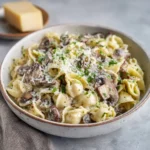
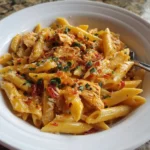
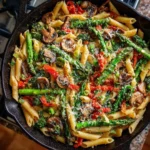
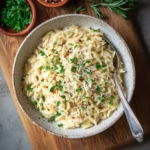
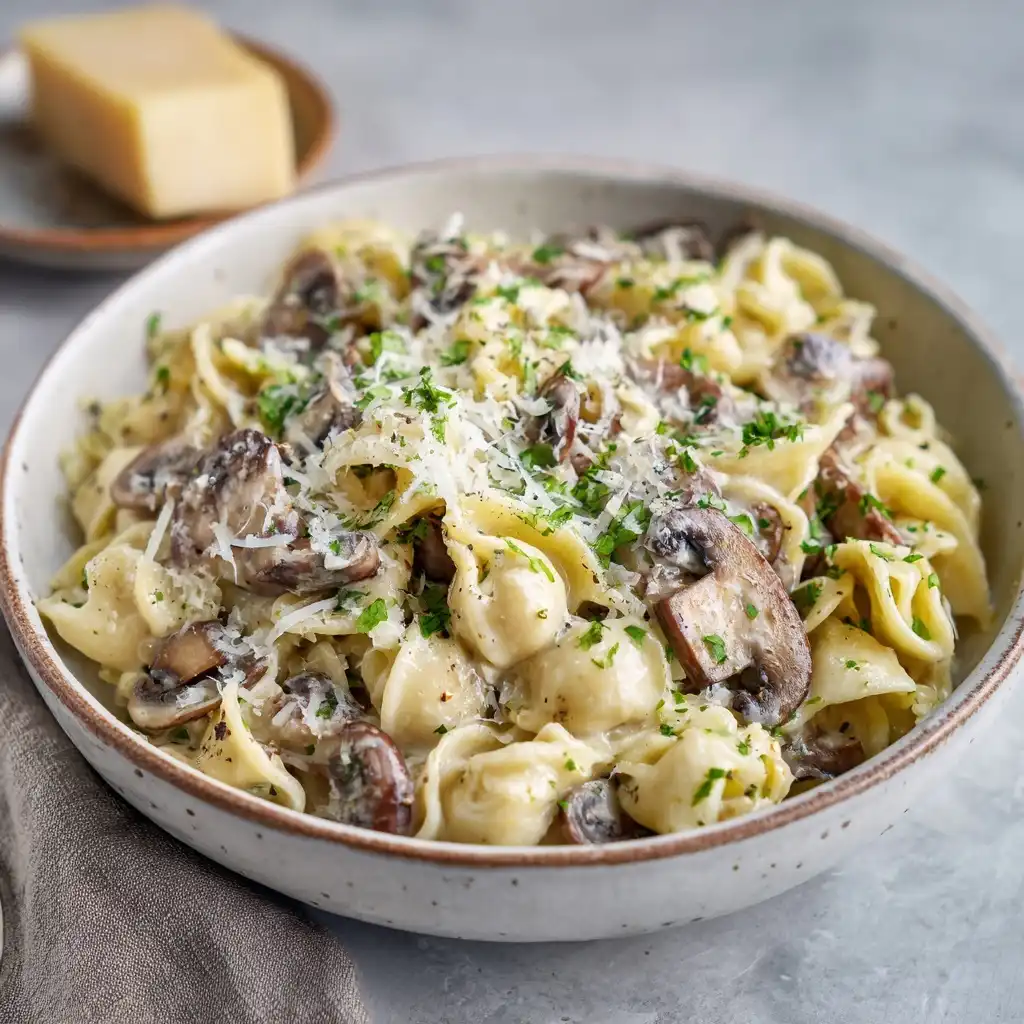
Creamy White Wine Mushroom Pasta is a restaurant-worthy dish that effortlessly bridges elegance and comfort—rich, velvety, and deeply savory, yet surprisingly simple to prepare at home. With its luscious silkiness, aromatic depth from sautéed mushrooms, and the bright, nuanced acidity of dry white wine, this pasta embodies the soul of rustic Italian-inspired cuisine refined through modern technique. Whether served as an intimate weeknight dinner or elevated for a special occasion with a garnish of fresh herbs and grated Parmigiano-Reggiano, it delivers layers of umami, herbaceous freshness, and creamy balance in every forkful. Its appeal lies not only in its luxurious mouthfeel but also in its remarkable versatility—adaptable to seasonal ingredients, dietary preferences, and pantry constraints—making it a timeless staple in any discerning home cook’s repertoire.
The History
The origins of creamy mushroom pasta trace back to mid-20th century European bistro traditions, where chefs sought to elevate humble, foraged ingredients—especially wild mushrooms like porcini, chanterelles, and oyster mushrooms—into refined dishes using accessible dairy and wine. While Italy has long celebrated mushrooms in preparations such as funghi trifolati (garlic-herb sautéed mushrooms), the addition of cream and white wine reflects a broader continental evolution: French créme fraîche-based sauces met Italian pasta culture, particularly gaining popularity in post-war trattorias catering to cosmopolitan diners. The white wine component—traditionally a dry, high-acid varietal like Sauvignon Blanc or Pinot Grigio—was introduced both for deglazing and balancing richness, a technique borrowed from classic French fond preparation. By the 1980s and ’90s, American and Australian chefs further popularized the dish in upscale casual dining, often substituting heavy cream with lighter alternatives like half-and-half or crème fraîche to suit evolving palates. Today, Creamy White Wine Mushroom Pasta stands as a global culinary hybrid—a testament to cross-cultural exchange, seasonal consciousness, and the enduring allure of umami-rich simplicity.
Ingredients Breakdown
Understanding each ingredient’s role is key to mastering this dish’s harmony of flavor, texture, and balance:
- Fresh Mushrooms (12–16 oz): A blend of cremini (baby bella), shiitake, oyster, and/or wild varieties adds complexity—cremini provide earthy depth, shiitakes contribute meaty chew and smoky notes, while oysters lend delicate sweetness and silky tenderness. Avoid pre-sliced “button” mushrooms exclusively, as they lack dimension and release excessive water.
- Dry White Wine (½ cup): Essential for acidity, aroma, and depth—not mere alcohol. Choose unoaked, medium-high acidity wines: Sauvignon Blanc, Pinot Grigio, Vermentino, or dry Riesling. Never use “cooking wine”—its salt and preservatives dull flavor. The wine reduces to concentrate its fruit and minerality while cutting through fat.
- Aromatics (1 small yellow onion + 4–5 garlic cloves): Finely diced onion builds foundational sweetness; minced garlic—added late to prevent burning—provides pungent, savory backbone. Shallots may substitute for a more refined, subtle allium note.
- Unsalted Butter (3 tbsp) & Extra-Virgin Olive Oil (2 tbsp): A dual-fat approach ensures optimal browning (butter’s milk solids caramelize beautifully) and heat stability (olive oil raises the smoke point). Reserve 1 tbsp butter for finishing—its cultured richness emulsifies the sauce luxuriously.
- All-Purpose Flour (1½ tbsp): Used as a gentle thickener—whisked into the hot fat to form a blond roux—creating body without heaviness or floury taste. Gluten-free cooks may substitute rice flour or a 1:1 GF blend.
- Vegetable or Mushroom Stock (1 cup): Low-sodium, preferably homemade or high-quality store-bought. Mushroom stock intensifies umami; vegetable stock offers cleaner neutrality. Avoid canned broth with artificial flavors or excessive sodium.
- Heavy Cream (¾ cup): Provides unctuous texture and fat-soluble flavor carry. For lighter versions, full-fat coconut milk (unsweetened) or cashew cream (soaked + blended) offer dairy-free creaminess with natural sweetness that complements mushrooms.
- Parmigiano-Reggiano (½ cup, freshly grated): Adds saline savoriness, nuttiness, and binding power—its enzymes help stabilize the emulsion. Pre-grated cheese contains anti-caking agents that cause graininess; always grate fresh.
- Fresh Herbs (2 tbsp chopped flat-leaf parsley + optional thyme): Parsley adds vibrant, grassy contrast; fresh thyme (1 tsp leaves, stripped) contributes woodsy, floral nuance. Add herbs at the end to preserve volatile oils and brightness.
- Pasta (12 oz): A sturdy, textured shape is ideal: tagliatelle, pappardelle, fettuccine, or casarecce trap sauce; campanelle or fusilli hold creamy pockets. Avoid overcooked or low-protein pasta—high-gluten durum semolina holds structure amid rich sauce.
- Finishing Salt & Freshly Cracked Black Pepper: Sea salt (like Maldon) and coarsely ground Tellicherry or Lampong pepper enhance aroma and finish—added just before serving to awaken volatile compounds.
Step-by-Step Recipe
- Prep All Ingredients (Mise en Place): Clean mushrooms with a damp paper towel (never soak—they absorb water); slice uniformly (¼-inch thick for caps, stems thinly sliced or reserved for stock). Finely dice onion; mince garlic. Grate cheese. Measure wine, stock, cream, and flour. Bring a large pot of well-salted water (2 tbsp kosher salt per 6 quarts) to a rolling boil.
- Sauté Aromatics & Build Flavor Base: In a wide, heavy-bottomed skillet or Dutch oven (12–14 inches), combine olive oil and 2 tbsp butter over medium heat. Once butter melts and foaming subsides, add onions. Sauté 4–5 minutes until translucent and soft—but not browned. Stir in garlic and thyme; cook 45 seconds until fragrant. Immediately add mushrooms in a single layer (work in batches if needed). Resist stirring for 2 minutes to encourage caramelization. Then stir and continue cooking 6–8 minutes total until deeply golden, shrunken, and moisture fully evaporated. Season with ¾ tsp salt and ½ tsp pepper.
- Make the Roux & Deglaze: Push mushrooms to edges. Sprinkle flour evenly over exposed pan surface. Whisk constantly 1 minute until flour loses raw taste and turns pale gold. Carefully pour in white wine, scraping vigorously with a wooden spoon to lift browned bits (fond). Simmer 2–3 minutes until wine reduces by half and aroma becomes fruity and sharp—not boozy.
- Simmer the Sauce Base: Gradually whisk in warm mushroom or vegetable stock, ensuring no lumps form. Bring to gentle simmer. Reduce heat to low-medium and cook 6–8 minutes, stirring occasionally, until slightly thickened (should coat the back of a spoon). Sauce should be glossy and cohesive—not watery nor gluey.
- Incorporate Cream & Cheese: Lower heat to bare simmer. Slowly drizzle in heavy cream while whisking continuously. Simmer 3–4 minutes until warmed through and slightly reduced. Remove from heat. Off-heat, whisk in grated Parmigiano-Reggiano in three additions, allowing each to melt fully before adding more. Stir in remaining 1 tbsp cold butter—this enriches sheen and prevents splitting.
- Cook Pasta to Al Dente: While sauce simmers, cook pasta in boiling salted water per package directions—but reduce time by 1 minute. Reserve 1 cup starchy pasta water before draining.
- Combine & Emulsify: Return drained pasta to its hot pot. Pour warm sauce over pasta. Toss vigorously over low heat for 1–2 minutes, adding reserved pasta water 2 tbsp at a time until sauce clings luxuriously—not pooling, not drying. Sauce should glisten and coat each strand.
- Finish & Serve: Remove from heat. Fold in parsley, lemon zest (optional, ½ tsp), and final grind of black pepper. Taste and adjust seasoning—more salt may be needed to balance cream’s richness. Serve immediately in warmed shallow bowls, garnished with extra cheese, microgreens, or toasted pine nuts.
Tips
- Maximize Mushroom Umami: For deeper savoriness, toss raw mushrooms with 1 tsp soy sauce or tamari before sautéing—or add 1 tsp dried porcini powder (grind dried porcinis in spice grinder) with the flour.
- Control Sauce Consistency Like a Pro: If sauce thickens too much off-heat, loosen with hot pasta water—not cold water or plain cream—to maintain temperature and starch integration. If too thin, simmer 1–2 minutes longer before adding pasta.
- Prevent Curdling: Never boil the finished sauce after adding cream and cheese. Keep heat low, and avoid sudden temperature shocks. Acidic ingredients (lemon juice, wine) should be fully reduced before dairy addition.
- Timing is Everything: Start sauce first, then cook pasta during the final 10 minutes of sauce reduction. This ensures both are piping hot and perfectly timed for emulsification.
- Use the Right Pan: A wide, shallow skillet promotes evaporation and even browning. Avoid nonstick unless high-quality—the fond (browned bits) is critical for flavor depth.
- Boost Freshness at the End: A whisper of citrus lifts richness—add lemon zest (not juice) off-heat, or a few drops of high-quality white truffle oil for gourmet flair.
- Restaurants Use This Trick: For ultra-silky texture, pass the finished sauce through a fine-mesh sieve before combining with pasta—removing any fibrous mushroom bits or tiny thyme stems.
- Reheating Without Ruin: Gently rewarm leftovers in a skillet with a splash of milk or broth and 1 tsp butter—stirring constantly over low heat. Never microwave uncovered, which causes separation.
Variations and Customizations
This recipe thrives on creativity—here are inspired adaptations rooted in technique and tradition:
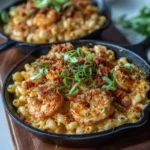
- Protein-Powered: Add seared scallops (tossed in at the end), grilled chicken breast (diced and folded in), or crispy pancetta (rendered first, then used in place of part of the butter).
- Vegan Marvel: Replace butter with vegan butter or refined coconut oil; use raw cashew cream (1 cup soaked cashews + ¾ cup water, blended smooth); swap cheese for nutritional yeast (3 tbsp) + white miso (1 tsp) + lemon juice (½ tsp); ensure wine is vegan-certified.
- Gluten-Free Grace: Use GF pasta (brown rice or lentil-based hold up best); thicken with cornstarch slurry (1 tbsp cornstarch + 2 tbsp cold water) added after wine reduction instead of flour.
- Herb Garden Edition: Infuse olive oil with rosemary or sage before cooking aromatics; finish with chives, tarragon, or basil ribbons for distinct profiles—tarragon pairs magically with wine’s anise notes.
- Truffle Elegance: Stir in ½ tsp white truffle oil or 1 tsp black truffle paste at the end; garnish with shaved black truffle. Use truffle-infused salt sparingly in place of finishing salt.
- Springtime Twist: Fold in blanched asparagus tips, English peas, or fava beans during the final toss. Add edible flowers (nasturtiums, pansies) for visual poetry.
- Spice & Smoke: Add a pinch of red pepper flakes with garlic, or finish with smoked paprika and a drizzle of roasted garlic oil for warmth and intrigue.
- Low-Carb / Keto-Friendly: Substitute spiralized zucchini (“zoodles”), shirataki noodles, or baked spaghetti squash. Thicken sauce with xanthan gum (⅛ tsp) instead of flour.
- One-Pot Wonder: Cook pasta directly in the sauce—reduce stock by ¼ cup, add uncooked pasta and enough additional liquid (water or stock) to cover by 1 inch, then simmer covered 12–15 minutes, stirring often, until pasta is tender and liquid is absorbed.
Health Considerations and Nutritional Value
A 1¾-cup serving (approx. 1/4 recipe) delivers approximately 580–650 calories, with thoughtful choices transforming it from indulgence to nourishment:
- Umami Powerhouse: Mushrooms are nature’s glutamate source—supporting satiety, immune function (beta-glucans), and B-vitamin synthesis (especially riboflavin and niacin). Wild varieties like maitake and lion’s mane offer emerging neuroprotective compounds.
- Heart-Smart Fats: Olive oil provides monounsaturated fats and polyphenols linked to reduced inflammation and improved endothelial function. Using grass-fed butter adds beneficial CLA (conjugated linoleic acid) and vitamin K2.
- Dairy Benefits & Considerations: Parmigiano-Reggiano is naturally low-lactose, high in calcium, phosphorus, and bioactive peptides shown to support bone density and blood pressure regulation. For lactose sensitivity, aged cheeses are generally well-tolerated; vegan versions rely on fortified nutritional yeast for B12.
- Wine Wisdom: Moderate consumption of dry white wine contributes resveratrol precursors and quercetin—antioxidants studied for cardiovascular and cognitive support. Alcohol fully cooks off during reduction, leaving only flavor and phytonutrients.
- Smart Swaps for Wellness Goals:
- Lower-Calorie: Replace half the cream with silken tofu purée or Greek yogurt (tempered with sauce liquid first).
- Higher-Fiber: Use whole-wheat or legume-based pasta (adds 4–8g fiber/serving vs. 2g in refined).
- Reduced-Sodium: Omit added salt; rely on mushroom depth, lemon zest, and herb vibrancy. Choose no-salt-added stock.
- Anti-Inflammatory Focus: Add turmeric (¼ tsp) with onions, or top with crushed walnuts (omega-3s) and pomegranate arils (ellagic acid).
- Portion Mindfulness: Serve with a large side salad (arugula, radicchio, lemon vinaigrette) to balance richness and increase volume without excess calories. Pasta is best viewed as a vehicle—not the centerpiece—allowing mushrooms and herbs to shine.
Ingredients
- 12–16 oz mixed fresh mushrooms (cremini, shiitake, oyster), wiped clean and sliced
- 1 small yellow onion (about ½ cup), finely diced
- 4–5 garlic cloves, minced
- 2 tbsp extra-virgin olive oil
- 3 tbsp unsalted butter, divided
- 1½ tbsp all-purpose flour (or gluten-free 1:1 blend)
- ½ cup dry white wine (Sauvignon Blanc, Pinot Grigio, or Vermentino)
- 1 cup low-sodium vegetable or mushroom stock, warmed
- ¾ cup heavy cream (or full-fat coconut milk for dairy-free)
- ½ cup freshly grated Parmigiano-Reggiano cheese (or nutritional yeast + white miso for vegan)
- 2 tbsp fresh flat-leaf parsley, finely chopped
- 1 tsp fresh thyme leaves (optional)
- 12 oz pasta (tagliatelle, pappardelle, or campanelle)
- 2 tbsp kosher salt (for pasta water)
- Freshly cracked black pepper, to taste
- Lemon zest (½ tsp, optional but recommended)
Directions
- Bring a large pot of water to boil. Add 2 tbsp kosher salt. Set aside.
- In a wide, heavy-bottomed skillet or Dutch oven, heat olive oil and 2 tbsp butter over medium heat. When butter melts and foams, add onion. Sauté 4–5 minutes until soft and translucent.
- Add garlic and thyme; cook 45 seconds until fragrant. Add mushrooms in an even layer. Cook undisturbed 2 minutes, then stir and continue cooking 6–8 minutes until deeply golden and moisture has fully evaporated. Season with ¾ tsp salt and ½ tsp pepper.
- Push mushrooms to sides. Sprinkle flour over center; whisk constantly 1 minute until pale gold.
- Pour in white wine. Scrape pan bottom vigorously. Simmer 2–3 minutes until reduced by half and aromatic.
- Gradually whisk in warm stock. Simmer gently 6–8 minutes until slightly thickened.
- Reduce heat to low. Slowly whisk in cream. Simmer 3–4 minutes until warmed and lightly reduced.
- Remove from heat. Whisk in Parmigiano-Reggiano in three additions. Stir in remaining 1 tbsp cold butter.
- Cook pasta 1 minute less than package directions. Reserve 1 cup starchy water before draining.
- Return drained pasta to hot pot. Pour sauce over. Toss over low heat 1–2 minutes, adding pasta water as needed until glossy and clinging.
- Fold in parsley, lemon zest, and extra black pepper. Taste and adjust salt if needed.
- Serve immediately in warmed bowls, garnished with extra cheese and microgreens.
FAQ
- Can I make this ahead of time?
- Yes—with caveats. Prepare sauce up to 3 days ahead and refrigerate. Reheat gently in a skillet with a splash of stock or cream before tossing with freshly cooked pasta. Do not mix pasta and sauce ahead—it becomes gummy and absorbs all moisture.
- What if I don’t have white wine?
- Avoid substitutes like vinegar or apple juice—they lack complexity. Instead, use dry sparkling wine, verjus (unfermented grape juice), or simply omit and add 1 tsp lemon juice + 1 tsp white miso paste to mimic brightness and depth.
- Why does my sauce break or look greasy?
- Common causes: overheating after adding dairy, adding cold cream to hot sauce, insufficient emulsification (not enough cheese/starch), or using low-fat dairy. Fix by removing from heat, whisking in 1 tsp cold butter or a spoonful of starchy pasta water, and gently re-warming.
- Can I freeze this dish?
- Sauce alone freezes well for up to 2 months (cool completely, store in airtight container with ½-inch headspace). Thaw overnight in fridge, reheat slowly, and toss with freshly cooked pasta. Do not freeze assembled dish—cream and cheese separate upon thawing.
- What’s the best pasta water ratio for emulsification?
- Start with 2 tbsp reserved water per serving. Add incrementally while tossing—ideal consistency is when sauce coats pasta like wet silk, with no visible liquid pooling but no dry patches either. Starchy water is irreplaceable for binding.
- Are there low-carb pasta alternatives that work well?
- Zucchini noodles require quick sautéing (1–2 minutes) and benefit from salting/draining first. Shirataki noodles need thorough rinsing and dry-pan roasting to remove odor. Both absorb sauce less readily—toss with extra 1 tbsp butter and serve sauce generously on top.
- How do I choose quality mushrooms at the store?
- Look for firm, plump caps with dry, velvety surfaces—not slimy, wrinkled, or darkening at edges. Smell them: they should be earthy and woodsy—not sour or fishy. Organic or locally foraged varieties often boast superior flavor and nutrient density.
- Can I use dried mushrooms?
- Absolutely—and they add extraordinary depth. Soak ½ oz dried porcini in 1 cup hot water for 20 minutes. Strain liquid (reserve for stock), chop mushrooms, and add with fresh ones. Use strained liquid in place of part of the stock.
Summary
Creamy White Wine Mushroom Pasta is a masterclass in balancing earthy umami, bright acidity, and sumptuous creaminess—elevated by proper technique, quality ingredients, and mindful customization. From its bistro roots to your kitchen table, it proves that sophistication need not sacrifice simplicity, and richness need not compromise wellness.
Whether you honor tradition with hand-cut pappardelle and aged Parmigiano or reimagine it with cashew cream and shiitake “bacon,” this dish remains endlessly expressive—a canvas for seasonality, dietary needs, and heartfelt hospitality.