Introduction
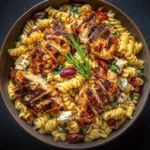
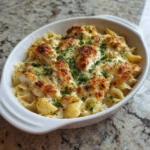
Welcome to the ultimate guide to Creamy Three Cheese Mac and Cheese—a beloved American comfort classic reimagined with luxurious depth, velvety texture, and layers of nuanced flavor. This isn’t just boxed pasta reheated with water; it’s a labor-of-love, slow-simmered, oven-baked (or stovetop-perfected) masterpiece that balances richness with balance, creaminess with structure, and nostalgia with culinary sophistication. Whether you’re feeding a hungry family after soccer practice, hosting a cozy dinner party, or treating yourself to a soul-soothing solo meal, this recipe delivers unparalleled satisfaction in every forkful. With three carefully selected cheeses—each playing a distinct role—and a luscious, emulsified sauce built on foundational techniques, this mac and cheese is rich enough to impress yet approachable enough for weeknight cooking.
The History
Macaroni and cheese traces its roots back centuries—long before Kraft introduced its iconic blue box in 1937. Its earliest documented appearance in the English-speaking world appears in Elizabeth Raffald’s 1769 cookbook The Experienced English Housekeeper, which featured a baked “macaroni pie” layered with Parmesan and butter. However, the dish truly gained cultural prominence in the United States thanks to Thomas Jefferson. After encountering pasta during his diplomatic tenure in Paris and later commissioning a pasta-making machine from Italy, Jefferson served a version of macaroni pie at a White House state dinner in 1802—an event widely credited with launching its popularity among American elites. By the mid-19th century, recipes appeared in African American cookbooks like What Mrs. Fisher Knows About Old Southern Cooking (1881), where Abby Fisher included a refined baked macaroni dish using cream, butter, and cheese—a testament to the dish’s deep, often under-acknowledged, roots in Black culinary innovation. The “three cheese” evolution emerged gradually as American cheesemaking diversified post-WWII, allowing home cooks to experiment beyond cheddar. Today’s Creamy Three Cheese Mac and Cheese honors this layered legacy—blending European technique, Southern resourcefulness, and modern artisanal sensibility into one harmonious, golden-hued casserole.
Ingredients Breakdown
Every extraordinary mac and cheese begins not with quantity—but with intentionality in ingredient selection. Here’s why each component matters:
- Pasta: Use short, ridged, tubular pastas like cavatappi, fusilli, or elbow macaroni. Their nooks and crannies trap sauce, while their firm starch release helps thicken the cheese mixture naturally. Avoid overcooked or ultra-thin pastas—they disintegrate or slip through the sauce.
- Three-Cheese Trio: This is where nuance shines:
- Sharp White Cheddar: Provides bold, tangy backbone and reliable meltability. Opt for block cheese freshly grated—pre-shredded contains anti-caking agents (like cellulose) that inhibit smooth melting and cause graininess.
- Gruyère: Adds nutty, earthy complexity and a silky, slightly sweet finish. Its high moisture and low acidity make it an ideal emulsifier—helping bind the sauce and prevent separation.
- Fontina Val d’Aosta (or domestic Fontina): Contributes buttery, mild, mushroom-tinged creaminess and exceptional stretch. Its low melting point ensures luxurious mouthfeel without greasiness.
- Base Sauce Builders:
- Whole Milk & Heavy Cream: Whole milk provides body and subtle sweetness; heavy cream adds unctuousness and stabilizes the emulsion. Evaporated milk is a brilliant optional substitute—it’s concentrated, lactose-reduced, and ultra-smooth, lending extra richness without heaviness.
- Unsalted Butter: Used both for roux-building and finishing—adds flavor, sheen, and mouth-coating luxury. Clarified butter can be substituted for higher smoke point if baking at high temps.
- All-Purpose Flour: Forms the roux foundation—cooking it thoroughly eliminates raw flour taste and creates a stable thickener that supports the cheese without gumminess.
- Flavor Enhancers:
- Garlic Powder & Onion Powder: Provide deep, savory umami without water content (which can break the sauce). Fresh garlic or shallots are delicious but must be finely minced and sautéed gently—raw alliums can turn bitter when baked.
- Dijon Mustard: A tiny amount (½ tsp) acts as a natural emulsifier and brightens the cheese’s richness—its acidity cuts through fat without tasting “mustardy.”
- Worcestershire Sauce: Adds fermented depth, tamarind tang, and anchovy-based savoriness—just ¼ tsp enhances complexity invisibly.
- Nutmeg: A whisper (⅛ tsp) unlocks warmth and aromatic resonance—especially complementary to Gruyère and Fontina.
- Hot Sauce (e.g., Frank’s RedHot or Crystal): Not for heat—but for bright, vinegary lift. Just ½ tsp balances fat and prevents cloying richness.
- Seasonings: Fine sea salt (not table salt—iodine can impart bitterness), freshly ground black pepper, and optional smoked paprika or white pepper for gentle warmth and aroma.
Step-by-Step Recipe
- Prep & Measure: Grate all three cheeses on the large holes of a box grater (do not skip this—pre-shredded cheese will ruin texture). Measure all ingredients precisely. Bring milk and cream to room temperature—cold dairy shocks the roux and causes lumps.
- Cook Pasta Al Dente: In a large pot of heavily salted boiling water (2 Tbsp kosher salt per 4 quarts), cook pasta 2 minutes *less* than package directions. It should retain a firm bite—pasta continues cooking in the hot sauce and oven. Drain thoroughly—no need to rinse—but reserve 1 cup of starchy pasta water for adjusting consistency later.
- Make the Roux-Based Béchamel: In a heavy-bottomed Dutch oven or large saucepan, melt 4 Tbsp unsalted butter over medium-low heat. Whisk in ¼ cup all-purpose flour and cook, stirring constantly, for 2–3 minutes until fragrant and pale blonde—do not let it brown. Gradually whisk in warmed milk and cream in three additions, fully incorporating each before adding more. Bring to a gentle simmer, then reduce heat to low. Cook, stirring frequently with a flat-edged wooden spoon or silicone spatula, for 5–7 minutes until thickened to a light coating consistency (it should coat the back of a spoon and hold a clear line when you run your finger across it).
- Infuse Flavor & Temper: Whisk in garlic powder, onion powder, Dijon mustard, Worcestershire, hot sauce, nutmeg, white pepper, and 1 tsp fine sea salt. Let simmer gently for 1 minute to meld flavors. Remove from heat and let cool slightly—about 2 minutes—to prevent cheese from seizing.
- Emulsify the Cheese Sauce: Using a balloon whisk or silicone spatula, fold in grated cheeses *one-third at a time*, stirring vigorously in one direction only until fully melted and glossy before adding the next portion. Start with sharp cheddar (most resilient), then Gruyère, then delicate Fontina. If sauce thickens too much, stir in reserved pasta water, 1 Tbsp at a time. The finished sauce should be luxuriously fluid—not stiff or stringy.
- Combine & Rest: Gently fold drained pasta into the cheese sauce until evenly coated. Let rest off heat, covered, for 5 minutes—this allows starches to absorb sauce and prevents drying during baking.
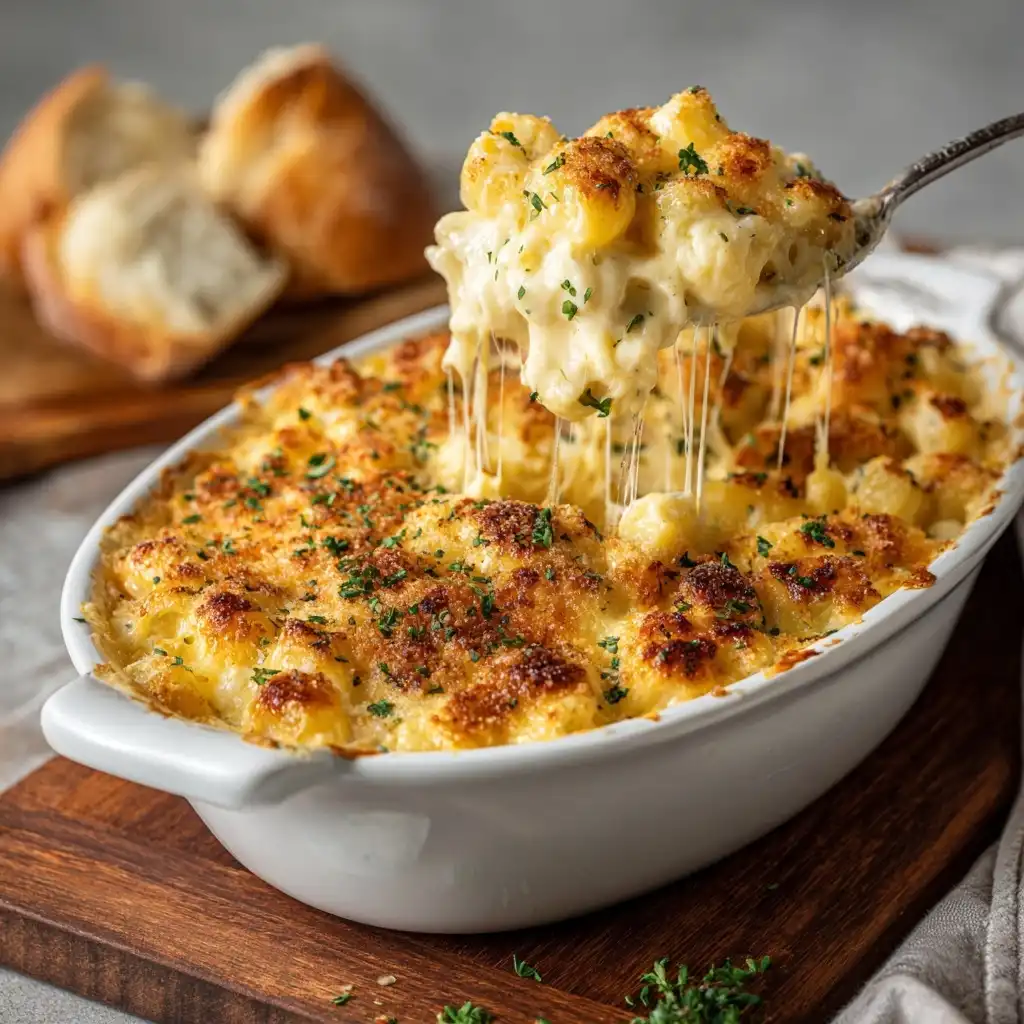
- Bake (Optional but Recommended): Transfer to a generously buttered 9×13-inch ceramic or enameled cast iron baking dish. Top with additional grated Gruyère and/or panko breadcrumbs tossed with 1 Tbsp melted butter and a pinch of smoked paprika. Bake uncovered at 375°F (190°C) for 20–25 minutes until bubbling at edges and golden on top. For ultra-creamy results, skip baking—or bake only 10 minutes just to set the top.
- Rest & Serve: Let stand 10 minutes before serving—this critical step allows the sauce to re-set and cling to pasta. Serve warm, garnished with fresh chives or parsley.
Tips
- Grate Your Own Cheese: This cannot be overstated. Pre-shredded cheese contains potato starch, cellulose, and calcium carbonate—all of which interfere with proper melting and create a gritty, oily, or broken sauce.
- Control the Heat: Never rush the roux or béchamel. High heat causes flour clumping and scorching. Low-and-slow builds flavor and stability.
- Warm Your Dairy: Cold milk/cream hitting hot roux = instant lumps. Warm them gently in the microwave or over low stove heat first.
- Don’t Overcook the Pasta: Undercook by 2 minutes—then rely on residual heat and sauce warmth to finish cooking. Overcooked pasta turns mushy and absorbs too much sauce.
- Add Cheese Off Heat: Removing the sauce from direct heat before adding cheese prevents protein coagulation and oil separation. If sauce does break, whisk in 1–2 Tbsp cold heavy cream or evaporated milk to rescue it.
- Use Pasta Water Liberally: That starchy liquid is liquid gold—it binds, thickens, and seasons without diluting flavor. Add 1 Tbsp at a time until desired creaminess is achieved.
- Layer Flavors Strategically: Add dry spices to the roux for blooming; add acid (mustard, hot sauce, Worcestershire) to the warm béchamel; add cheese last—temperature sequencing maximizes impact.
- Rest Before Serving: Skipping the 10-minute rest leads to runny, separated sauce pooling at the bottom. Patience yields cohesive, scoopable perfection.
- Reheat Gently: Leftovers reheat best in a covered saucepan over low heat with a splash of milk or cream—stirring constantly. Microwave reheating often causes overheating and graininess.
- Double Batch Smartly: Make full recipe, but divide before baking—freeze half unbaked (cover tightly with foil + freezer-safe wrap) for up to 3 months. Thaw overnight in fridge, then bake as directed—add 5–10 extra minutes if going straight from fridge to oven.
Variations and Customizations
This foundational recipe is endlessly adaptable—here’s how to personalize it while preserving its creamy integrity:
- Protein-Powered: Fold in 1½ cups diced, pan-seared pancetta, crispy bacon, roasted chicken thigh meat, or flaked smoked salmon (add just before baking or serve on top). For vegetarian protein, try roasted chickpeas, marinated tempeh cubes, or white beans.
- Veggie-Forward: Sauté 1 cup diced leeks, mushrooms, spinach, or roasted butternut squash and fold in with pasta. Roasted cherry tomatoes add brightness and acidity—add in last minute to avoid excess moisture.
- Global Twists:
- Truffle Mac: Stir in 1 tsp white truffle oil and 2 Tbsp grated black truffle (or high-quality truffle paste) at the end.
- Greek-Inspired: Swap Gruyère for feta (add last, crumbled) and Fontina for kefalotyri; stir in chopped kalamata olives and oregano.
- Southwest Style: Add 1 tsp chipotle powder + ½ tsp cumin to roux; fold in roasted corn, black beans, and pickled jalapeños; top with cotija.
- Gluten-Free: Use certified GF pasta (brown rice or lentil-based work best) and swap AP flour for equal parts GF all-purpose blend + 1 tsp xanthan gum. Ensure all cheeses and condiments are GF-certified.
- Dairy-Free/Vegan: Replace butter with vegan butter (Miyoko’s or Earth Balance), milk/cream with full-fat coconut milk + unsweetened oat milk blend, and use high-melt vegan cheeses (Violife, Daiya Cutting Board Collection, or homemade cashew-based cheese sauce with nutritional yeast, lemon, and miso).
- Stovetop-Only (No Oven): Skip breadcrumb topping and baking—finish with an extra swirl of butter and fresh herbs. For extra richness, stir in 2 Tbsp cream cheese at the end.
- Breakfast Mac: Stir in 4 beaten eggs and ½ cup shredded cheddar just before resting—bake at 350°F for 25 minutes for a baked mac-and-egg custard hybrid.
- Mini Individual Servings: Portion into buttered ramekins or muffin tin cups—bake 12–15 minutes. Perfect for portion control or elegant presentation.
Health Considerations and Nutritional Value
While Creamy Three Cheese Mac and Cheese is inherently indulgent, thoughtful modifications can enhance its nutritional profile without sacrificing satisfaction:
- Macros Snapshot (per 1-cup serving, baked, no topping): ~480 kcal | 24g protein | 32g carbs (2g fiber) | 30g total fat (18g sat.) | 720mg sodium | 65mg cholesterol. Values vary based on cheese fat content and added butter/cream.
- Protein Powerhouse: All three cheeses deliver complete proteins, calcium, phosphorus, and vitamin B12—supporting bone health, muscle maintenance, and neurological function.
- Smart Swaps for Balance:
- Substitute ½ cup of pasta with cooked cauliflower rice or spiralized zucchini (squeezed dry) to lower net carbs and increase micronutrients.
- Use 50% reduced-fat sharp cheddar (not low-fat—too much moisture loss) paired with full-fat Gruyère and Fontina for flavor retention.
- Boost fiber with whole wheat or legume-based pasta—just adjust cooking time and add extra pasta water to compensate for increased absorption.
- Sodium Awareness: Cheeses vary widely—aged cheddars and Gruyère are naturally higher in sodium. Control salt by omitting added salt until tasting post-cheese incorporation, and choose low-sodium Worcestershire or tamari.
- Lactose Sensitivity Friendly: Aged cheeses like cheddar and Gruyère contain minimal lactose (<0.1g per oz). Fontina is moderately low. For strict intolerance, use lactose-free milk/cream and aged cheeses verified lactose-free (e.g., Cabot Seriously Sharp Cheddar).
- Mindful Indulgence: Serve alongside a vibrant arugula salad with lemon vinaigrette or roasted broccoli—fiber and acidity aid digestion and balance richness. Portion control (1 cup max) makes it a sustainable part of a varied diet.
- Not a “Health Food”—But Not “Junk” Either: When made with real, minimally processed ingredients and enjoyed intentionally—not as background filler—it contributes valuable nutrients, satiety, and psychological nourishment. Comfort food has legitimate physiological benefits: it lowers cortisol, supports gut-brain axis signaling, and fosters connection and care.
Ingredients
- 1 lb (16 oz) elbow macaroni, cavatappi, or fusilli (preferably bronze-die extruded for better sauce adhesion)
- 4 Tbsp (½ stick) unsalted butter, divided
- ¼ cup all-purpose flour (or GF blend + 1 tsp xanthan gum)
- 2 cups whole milk, warmed
- 1 cup heavy cream or evaporated milk, warmed
- 1½ tsp garlic powder
- 1½ tsp onion powder
- ½ tsp freshly grated nutmeg
- ½ tsp white pepper (or ¾ tsp black pepper)
- 1 tsp fine sea salt (plus more for pasta water)
- ½ tsp Dijon mustard
- ¼ tsp Worcestershire sauce
- ½ tsp hot sauce (e.g., Frank’s RedHot)
- 8 oz sharp white cheddar, finely grated (about 2 cups)
- 6 oz Gruyère, finely grated (about 1½ cups)
- 6 oz Fontina Val d’Aosta (or domestic Fontina), finely grated (about 1½ cups)
- 1 cup reserved starchy pasta water (as needed)
- Optional Topping: ½ cup panko breadcrumbs + 1 Tbsp melted butter + ¼ tsp smoked paprika
Directions
- Bring 4 quarts water to a rolling boil in a large stockpot. Add 2 Tbsp kosher salt. Add pasta and cook, stirring occasionally, until al dente—about 2 minutes less than package instructions. Drain well in a colander. Do not rinse. Reserve 1 cup pasta water.
- In a heavy-bottomed Dutch oven or large saucepan, melt 4 Tbsp butter over medium-low heat. Whisk in flour and cook, stirring constantly, for 2–3 minutes until fragrant and pale blonde.
- Gradually whisk in warmed milk and cream in three additions, fully incorporating each before adding more. Increase heat to medium and bring to a gentle simmer.
- Reduce heat to low. Cook, stirring frequently with a flat-edged spoon, for 5–7 minutes until thickened to a light coating consistency (it should coat the back of a spoon and hold a line when finger-swiped).
- Whisk in garlic powder, onion powder, nutmeg, white pepper, sea salt, Dijon, Worcestershire, and hot sauce. Simmer gently 1 minute. Remove from heat; let cool 2 minutes.
- Fold in grated cheeses one-third at a time, stirring vigorously in one direction until fully melted and glossy before adding next portion. If sauce thickens too much, whisk in reserved pasta water 1 Tbsp at a time until creamy and fluid.
- Gently fold drained pasta into cheese sauce until evenly coated. Cover and let rest 5 minutes.
- Preheat oven to 375°F (190°C). Transfer mac to a buttered 9×13-inch baking dish. Optional: top with panko mixture.
- Bake uncovered 20–25 minutes until bubbling and golden on top. For stovetop-only, skip baking and proceed to step 10.
- Let rest 10 minutes before serving. Garnish with fresh chives or parsley. Serve warm.
FAQ
- Why does my mac and cheese get grainy or oily?
- Most commonly due to: (1) using pre-shredded cheese (anti-caking agents), (2) adding cheese to sauce that’s too hot or still on direct heat, (3) over-stirring once cheese is added, or (4) using low-moisture, high-fat cheeses without balancing emulsifiers (like Gruyère or sodium citrate). Always grate fresh, remove from heat, and fold gently.
- Can I make this ahead of time?
- Absolutely. Assemble completely (unbaked), cover tightly, and refrigerate up to 2 days. Add 5–10 minutes to baking time. For longer storage, freeze unbaked for up to 3 months—thaw overnight before baking.
- What’s the best cheese substitute if I can’t find Fontina?
- Try Taleggio (buttery, mild), Bel Paese (sweet, supple), or young Asiago. Avoid mozzarella—it lacks flavor depth and becomes rubbery when baked.
- Can I use low-fat milk or cheese?
- You can—but expect trade-offs. Skim milk yields thin, watery sauce; low-fat cheese lacks fat-soluble flavor compounds and often contains gums that disrupt texture. For lighter versions, use 2% milk + full-fat cheeses, or reduce cream to ½ cup and add ½ cup evaporated milk.
- My sauce broke—how do I fix it?
- Immediately remove from heat. Whisk in 1–2 Tbsp cold heavy cream or evaporated milk, 1 tsp at a time, until smooth. A hand blender on low can also help re-emulsify. Never boil again once broken.
- Is there a way to make it gluten-free without losing creaminess?
- Yes—use a high-quality GF flour blend containing xanthan gum (or add 1 tsp separately), GF pasta with good starch release (like Jovial or Barilla GF), and ensure all cheeses are GF-certified (some blue or aged cheeses use wheat-based mold cultures).
- Can I cook the pasta directly in the sauce (like risotto-style)?
- Technically yes—but not recommended for this recipe. Pasta needs precise timing and agitation to prevent sticking and uneven cooking. Traditional boiling ensures consistent texture and optimal starch release for binding.
- How do I keep leftovers creamy when reheating?
- Stovetop is best: Place in saucepan with 1–2 Tbsp milk or cream. Cover and warm over low heat 5–7 minutes, stirring gently every minute. Do not boil. Microwave only in 20-second bursts, stirring between, with a damp paper towel covering bowl.
- What wine pairs well with Creamy Three Cheese Mac and Cheese?
- A crisp, high-acid white cuts richness beautifully: try Grüner Veltliner, Albariño, or unoaked Chardonnay. For red lovers, go light-bodied and low-tannin: chilled Beaujolais Villages or Barbera d’Alba.
- Can kids help make this?
- Yes! They can grate cheese (with supervision), measure spices, stir the sauce (off heat), fold in pasta, and sprinkle toppings. It’s a fantastic lesson in emulsions, starch science, and culinary patience.
Summary
Creamy Three Cheese Mac and Cheese is a timeless, technique-driven triumph—where sharp cheddar anchors, Gruyère enriches, and Fontina melts into silken luxury, all suspended in a velvety, perfectly balanced béchamel enriched with warm spices and bright acids.
It honors centuries of culinary tradition while inviting endless creativity—whether baked golden-crisp, stovetop-creamy, veggie-loaded, globally inspired, or thoughtfully adapted—proving that true comfort lives at the intersection of craft, care, and cheese.