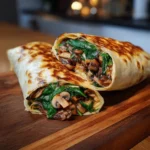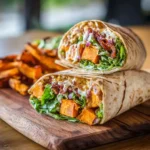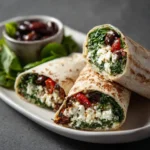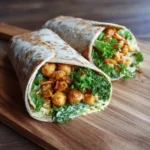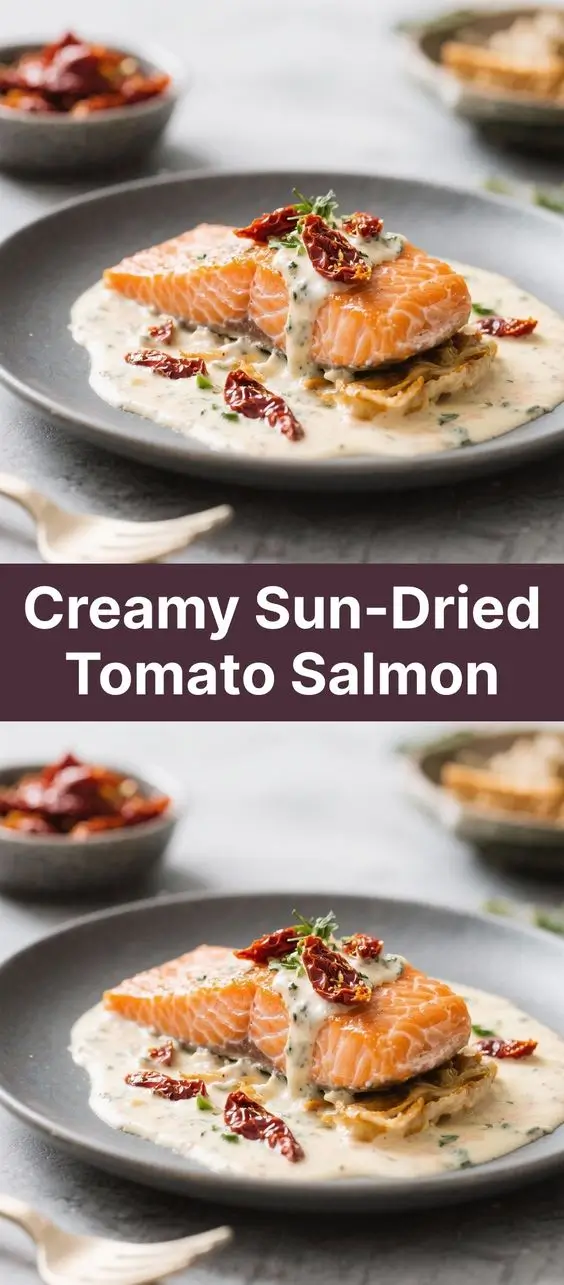
Creamy Sun-Dried Tomato Salmon is a luxurious, restaurant-worthy dish that combines the rich, buttery texture of salmon with the bold, tangy-sweet flavor of sun-dried tomatoes in a velvety cream sauce. Perfect for weeknight dinners or elegant weekend meals, this dish brings together protein-packed fish, aromatic herbs, and vibrant Mediterranean flavors into one satisfying plate. Whether you’re cooking for two or preparing a special meal for guests, this recipe delivers both visually and gastronomically—creamy without being heavy, savory with a touch of brightness, and incredibly easy to prepare once you know the secrets.
The History
The fusion of salmon and sun-dried tomatoes may seem modern, but it’s rooted in centuries-old culinary traditions from two distinct regions: Northern Europe and the Mediterranean. Salmon has long been a staple in Scandinavian and Baltic diets, prized for its high omega-3 content and rich flesh. Traditionally preserved by smoking or curing, salmon evolved into a delicacy celebrated worldwide.
Sun-dried tomatoes, on the other hand, originated in Southern Italy and parts of the Balkans, where the hot, dry summers made sun-drying an effective method of preserving summer harvests. These intensely flavored tomatoes were used to enrich sauces, stews, and breads throughout the winter months.
The combination of these two ingredients likely emerged in the late 20th century as global cuisine began blending regional specialties. With the rise of fusion cooking and the popularity of Mediterranean-inspired dishes in North America during the 1980s and 1990s, chefs started experimenting with pairing fatty fish like salmon with robust plant-based flavors. The result? Dishes like Creamy Sun-Dried Tomato Salmon, which marries the silkiness of pan-seared salmon with the umami depth of rehydrated tomatoes in a luscious cream reduction. Today, it’s a favorite among home cooks and fine dining menus alike, symbolizing the harmony between health-conscious eating and indulgent taste.
Ingredients Breakdown
Understanding each ingredient helps elevate your cooking experience and ensures optimal flavor balance:
- Salmon Fillets (6–8 oz each): Choose skin-on, center-cut fillets for even cooking and crisp skin. Wild-caught salmon offers a deeper color and richer flavor, while farmed provides more fat and tenderness.
- Sun-Dried Tomatoes (packed in oil, drained): These are key—they bring concentrated sweetness, acidity, and chewiness. Tomatoes packed in oil retain moisture and flavor better than dry-packed ones. Reserve the oil for added richness in the sauce.
- Heavy Cream: Provides body and smoothness to the sauce. For a lighter version, half-and-half or full-fat coconut milk can be substituted, though the texture will vary slightly.
- Garlic (freshly minced): Adds aromatic pungency. Fresh is essential—pre-minced garlic lacks depth and often contains preservatives.
- Shallot (finely diced): Milder than onion, shallots add subtle sweetness and complexity without overpowering the delicate salmon.
- Dry White Wine (e.g., Sauvignon Blanc or Pinot Grigio): Deglazes the pan and lifts browned bits, adding acidity and brightness. Avoid cooking wines; use only drinkable quality.
- Fresh Thyme and Parsley: Thyme contributes earthy notes that complement the tomatoes, while parsley adds freshness when stirred in at the end.
- Lemon Juice (freshly squeezed): Balances the richness of the cream and enhances the overall brightness of the dish.
- Olive Oil and Butter: Used for searing—the oil prevents burning, while butter adds nutty flavor during the final browning phase.
- Salt and Black Pepper (to taste): Crucial for seasoning layers properly. Season both the fish and sauce incrementally.
- Parmesan Cheese (optional, grated): Adds umami and slight saltiness if included in the sauce. Use authentic Parmigiano-Reggiano for best results.
- Arrowroot or Cornstarch (optional): A small amount can help thicken the sauce if desired, especially when using lower-fat dairy alternatives.
Step-by-Step Recipe
- Prepare Ingredients: Pat the salmon fillets dry with paper towels—this ensures a good sear. Season both sides generously with salt and freshly ground black pepper. Mince the garlic, dice the shallot, slice the sun-dried tomatoes into thin strips, and chop the fresh herbs.
- Sear the Salmon: Heat a large skillet (preferably stainless steel or cast iron) over medium-high heat. Add 1 tablespoon olive oil. Once shimmering, place salmon fillets skin-side down (if skin-on). Press gently with a spatula to ensure full contact. Cook undisturbed for 5–6 minutes until the skin is golden and crisp. Flip carefully and cook for another 2–4 minutes depending on thickness. Transfer to a plate, skin-side up, and cover loosely with foil to rest.
- Build the Sauce Base: In the same skillet (do not clean), reduce heat to medium. Add 1 tablespoon butter. When melted, add the diced shallot and sauté for 2–3 minutes until translucent. Add minced garlic and cook for 30 seconds until fragrant—do not let it brown.
- Incorporate Tomatoes and Wine: Stir in the sliced sun-dried tomatoes. Pour in ½ cup white wine to deglaze, scraping up any browned bits from the bottom of the pan. Let simmer for 2–3 minutes until reduced by half.
- Add Cream and Simmer: Slowly pour in ¾ cup heavy cream while stirring. Bring to a gentle simmer and let cook for 4–5 minutes until slightly thickened. If using Parmesan, stir it in now until melted.
- Finish the Sauce: Lower heat and stir in 1 teaspoon lemon juice, half the chopped thyme, and a pinch of black pepper. Taste and adjust seasoning—add more salt or lemon as needed.
- Return Salmon to Pan: Gently place the salmon fillets back into the skillet, spooning some sauce over the top. Let warm through for 1–2 minutes (avoid boiling to prevent overcooking).
- Serve: Plate the salmon, spoon generous amounts of sauce over each fillet, and garnish with remaining fresh parsley and thyme. Serve immediately.
Tips
- Dry the Salmon Well: Moisture is the enemy of searing. Always pat fillets dry before seasoning to achieve crispy skin and proper browning.
- Don’t Overcook: Salmon continues to cook after removal from heat due to residual warmth. Remove from the pan just before it reaches your preferred doneness (medium-rare is ideal for juiciness).
- Use Reserved Sun-Dried Tomato Oil: Instead of discarding the oil from the jar, use 1 teaspoon when sautéing shallots for extra tomato essence and richness.
- Control Sauce Thickness: If the sauce becomes too thick, loosen with a splash of chicken broth, pasta water, or additional wine. If too thin, simmer longer or add a cornstarch slurry (½ tsp cornstarch + 1 tbsp cold water).
- Baste for Flavor: After flipping the salmon, consider basting it with foaming butter and aromatics in the pan for enhanced flavor infusion.
- Rest Before Serving: Letting the salmon rest briefly after searing allows juices to redistribute, preventing dryness upon cutting.
- Balance Acidity: Sun-dried tomatoes can be quite tart. Balance them with a tiny pinch of sugar if the sauce tastes overly sharp.
- Prevent Curdling: Keep the cream sauce below boiling point and avoid sudden temperature changes (like adding cold cream to a very hot pan) to prevent separation.
Variations and Customizations
This recipe is highly adaptable based on dietary needs, preferences, and available ingredients:
- Dairy-Free Version: Replace heavy cream with full-fat coconut milk and use dairy-free butter. Omit Parmesan or substitute with nutritional yeast for cheesy flavor.
- Low-Carb/Keto-Friendly: This dish is naturally low in carbohydrates. Serve with steamed broccoli, sautéed spinach, or cauliflower mash instead of grains.
- With Pasta: Toss cooked fettuccine, linguine, or orzo with the sauce and top with salmon. Reserve pasta water to emulsify the sauce.
- Gluten-Free: Naturally gluten-free as written. Ensure all packaged ingredients (like sun-dried tomatoes) are certified GF if necessary.
- Herb Variations: Swap thyme for rosemary (use sparingly—it’s strong) or add basil for a summery twist. Dill also pairs beautifully with salmon.
- Spicy Kick: Add red pepper flakes (¼–½ tsp) when sautéing garlic for a hint of heat.
- Creamy Avocado Twist: Blend ripe avocado into the sauce for added creaminess and healthy fats, reducing dairy usage.
- Vegan Alternative: Replace salmon with grilled tofu or king oyster mushrooms, marinated in smoked paprika and tamari for a similar umami profile.
- Sheet Pan Roasted: For easier cleanup, roast seasoned salmon and halved cherry tomatoes (plus olives and zucchini) on a sheet pan at 400°F (200°C) for 12–15 minutes, then drizzle with a separate sun-dried tomato cream sauce.
- Asian Fusion: Infuse the cream with ginger and soy sauce, and finish with sesame oil and green onions for an East-meets-Mediterranean flair.
Health Considerations and Nutritional Value
Creamy Sun-Dried Tomato Salmon isn’t just delicious—it can be part of a balanced, nutrient-dense diet when prepared mindfully.
- Omega-3 Fatty Acids: Salmon is one of the best sources of EPA and DHA, essential fats linked to reduced inflammation, improved heart health, and brain function.
- High-Quality Protein: A single 6-oz fillet provides about 34 grams of complete protein, supporting muscle repair and satiety.
- Vitamins and Minerals: Rich in vitamin D, selenium, B12, and potassium—nutrients vital for immune support, energy metabolism, and electrolyte balance.
- Antioxidants from Sun-Dried Tomatoes: Concentrated source of lycopene, a powerful antioxidant associated with reduced risk of certain cancers and cardiovascular disease. Also contains vitamin C and iron.
- Calorie Awareness: The cream and oil make this dish higher in calories and saturated fat. One serving (salmon + sauce) can range from 550–700 kcal depending on portion size and ingredients.
- Portion Control: Using light cream or Greek yogurt (added off-heat to prevent curdling) reduces fat content significantly without sacrificing creaminess.
- Sodium Levels: Sun-dried tomatoes, especially those in oil with seasonings, can be high in sodium. Rinse briefly or soak in water if sensitive to salt.
- Lactose Intolerance: Heavy cream has less lactose than milk, but those with severe intolerance should opt for lactose-free cream or plant-based substitutes.
- Pregnancy & Mercury: Salmon is considered low-mercury and safe for consumption during pregnancy (up to 2–3 servings per week), making this a nutritious choice for expectant mothers.
- Heart Health: Despite the cream, the benefits of omega-3s generally outweigh the risks when consumed occasionally. Pair with fiber-rich vegetables for optimal cardiovascular impact.
Ingredients
- 4 skin-on salmon fillets (6 oz each), patted dry
- Salt and freshly ground black pepper (to taste)
- 2 tablespoons olive oil (divided)
- 2 tablespoons unsalted butter (divided)
- 1/2 cup finely diced shallot (about 1 large)
- 3 cloves garlic, minced
- 1/2 cup sun-dried tomatoes (oil-packed, drained and sliced)
- 1/2 cup dry white wine (e.g., Sauvignon Blanc)
- 3/4 cup heavy cream
- 1 teaspoon freshly squeezed lemon juice
- 1 tablespoon fresh thyme leaves (divided)
- 2 tablespoons fresh parsley, chopped
- 1/4 cup grated Parmesan cheese (optional)
- Reserved sun-dried tomato oil (1–2 teaspoons, optional)
Directions
- Season salmon fillets with salt and pepper on both sides.
- Heat 1 tablespoon olive oil in a large skillet over medium-high heat. Once hot, add salmon skin-side down. Press lightly with a spatula and cook for 5–6 minutes until skin is crispy and golden. Flip and cook for 2–4 minutes more, depending on thickness. Transfer to a plate, cover loosely, and set aside.
- Reduce heat to medium. Add 1 tablespoon butter to the same skillet. Once melted, add shallot and cook for 2–3 minutes until soft.
- Add garlic and cook for 30 seconds until fragrant. Stir in sun-dried tomatoes.
- Pour in white wine, scraping the bottom of the pan. Simmer for 2–3 minutes until reduced by half.
- Stir in heavy cream, bring to a gentle simmer, and cook for 4–5 minutes until slightly thickened.
- Add lemon juice, 1½ teaspoons thyme, and Parmesan (if using). Stir until cheese melts. Season with salt and pepper to taste.
- Return salmon fillets to the skillet, spooning sauce over them. Warm for 1–2 minutes.
- Remove from heat. Garnish with parsley and remaining thyme.
- Serve immediately with your choice of side dishes.
FAQ
Can I use frozen salmon?
Yes, but thaw it completely in the refrigerator overnight. Never cook frozen salmon directly for this recipe, as it won’t sear properly and may release excess water.
What if I don’t have white wine?
You can substitute with chicken or vegetable broth plus 1 teaspoon white wine vinegar or lemon juice to mimic acidity. However, wine adds irreplaceable depth.
Can I make this ahead of time?
The sauce can be made up to 2 days in advance and reheated gently. However, sear the salmon fresh just before serving for best texture.
Is canned salmon okay?
No—canned salmon is pre-cooked and flaky, unsuitable for searing. Use fresh or previously frozen (thawed) fillets only.
Why did my sauce curdle?
Cream can separate if boiled too hard or exposed to high acidity too quickly. Keep heat low and add lemon juice at the end. If it separates, blend briefly or strain.
How do I store leftovers?
Store in an airtight container in the refrigerator for up to 2 days. Reheat gently on the stove with a splash of cream or broth to revive texture.
Can I freeze this dish?
We recommend against freezing due to the dairy-based sauce, which may separate upon thawing. Freeze plain cooked salmon separately if needed.
What sides go well with this?
Excellent pairings include garlic mashed potatoes, quinoa, roasted asparagus, sautéed greens, risotto, or a simple arugula salad with lemon vinaigrette.
Can I use dried sun-dried tomatoes?
Yes, but rehydrate them first by soaking in warm water or broth for 15–20 minutes. Drain and pat dry before using.
How do I know when salmon is done?
It should flake easily with a fork and reach an internal temperature of 125°F (52°C) for medium. The center should still appear slightly translucent.
Summary
Creamy Sun-Dried Tomato Salmon is a harmonious blend of rich, tender fish and a bold, velvety sauce infused with Mediterranean flavors—perfect for impressive dinners with minimal effort.
Loaded with nutrients, adaptable to various diets, and bursting with umami depth, this dish earns its place as a modern classic in healthy gourmet cooking.