Introduction
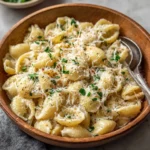
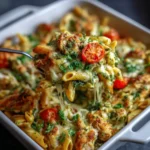
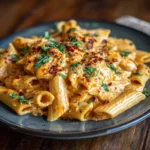
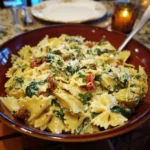
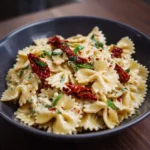
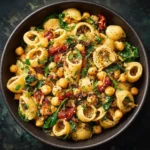
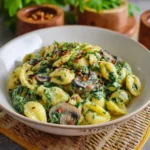
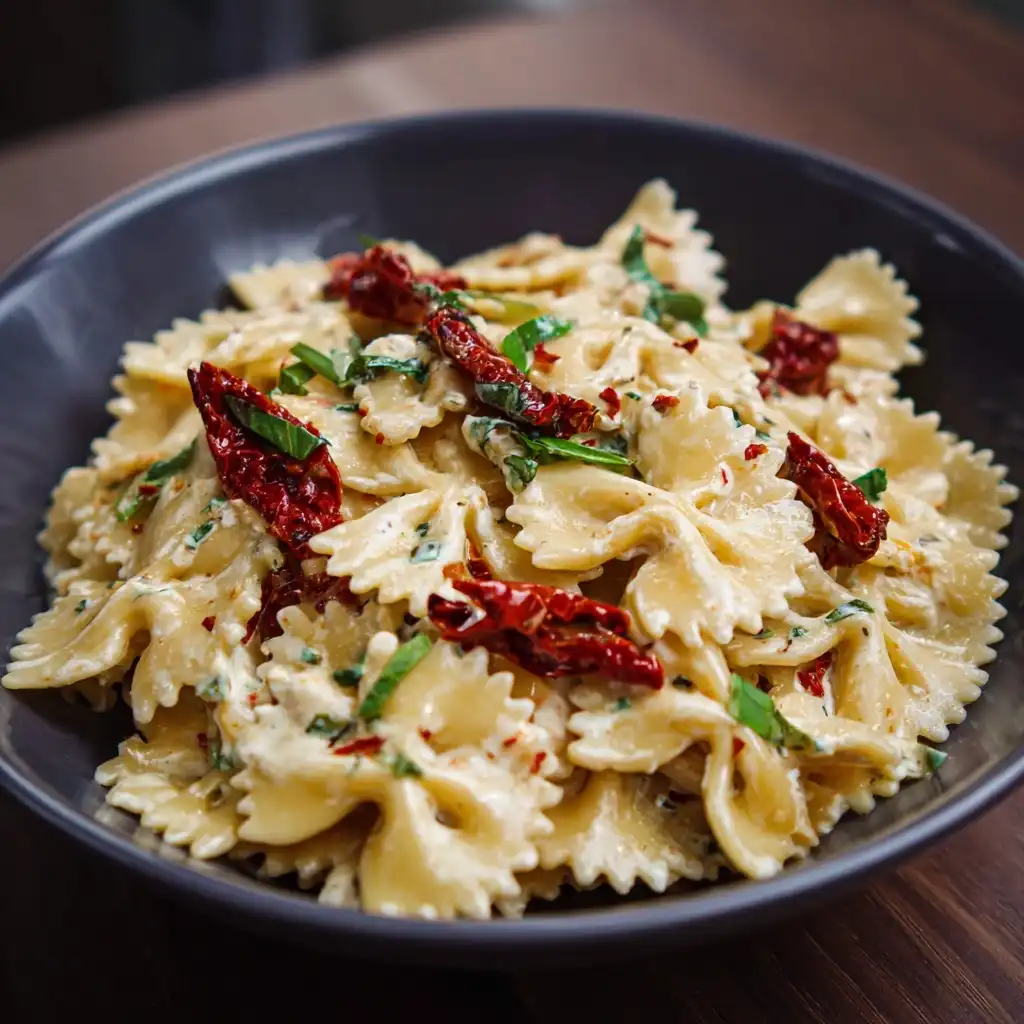
Creamy Sun-Dried Tomato Pasta is a luxurious, restaurant-worthy dish that marries the intense, tangy-sweet depth of sun-dried tomatoes with the velvety richness of a luscious cream-based sauce—all tossed with perfectly al dente pasta. Far more than just a weeknight dinner, this dish embodies comfort elevated: vibrant in color, complex in flavor, and deeply satisfying without being overly heavy. Its bold umami punch comes not from artificial seasonings but from the natural concentration of ripe tomatoes preserved under Mediterranean sun, while fresh herbs, garlic, and quality cheese lend brightness and balance. Whether served as an elegant starter, a hearty main course for date night, or a standout dish at a summer gathering, Creamy Sun-Dried Tomato Pasta delivers gourmet flair with surprisingly accessible ingredients and straightforward technique—making it a beloved staple in home kitchens across North America, Europe, and beyond.
The History
The origins of Creamy Sun-Dried Tomato Pasta are rooted in a beautiful culinary convergence of ancient preservation methods and modern Italian-American innovation. Sun-drying tomatoes dates back over 2,000 years to the Middle East and Mediterranean regions—where hot, dry climates made dehydration a practical way to extend the shelf life of summer’s abundant harvest. By the Renaissance, sun-dried tomatoes were integral to southern Italian cuisine, especially in regions like Puglia and Sicily, where they were rehydrated and used in sauces, stews, and antipasti. However, the *creamy* iteration—as we know it today—emerged much later, gaining momentum in the 1980s and 1990s during the “sun-dried tomato boom” in the United States. Gourmet food stores began importing oil-packed varieties, and chefs—inspired by the ingredient’s concentrated flavor—began pairing it with rich dairy elements like heavy cream, mascarpone, and Parmigiano-Reggiano. Early versions appeared in influential cookbooks by chefs such as Marcella Hazan and later in Food & Wine magazine features, evolving into a signature dish of California-inspired Italian cuisine. Today, it reflects a globalized palate: a bridge between Old World tradition and New World creativity, constantly refined through farm-to-table movements, artisanal cheese revivals, and the rise of plant-based alternatives.
Ingredients Breakdown
Every exceptional Creamy Sun-Dried Tomato Pasta begins with intentionality—not just in measurement, but in sourcing and understanding the role each component plays:
- Sun-Dried Tomatoes: The soul of the dish. Oil-packed varieties (preferably packed in extra-virgin olive oil with herbs) offer superior pliability, moisture, and nuanced flavor over dry-packed versions. Their natural glutamates deliver deep umami; their acidity cuts through richness. Always reserve ¼ cup of the packing oil—it’s liquid gold for building the sauce’s aromatic base.
- Pasta: A short, textured shape is ideal: fusilli, campanelle, casarecce, or even fresh pappardelle hold the thick, clingy sauce beautifully. Semolina-based pastas (like bronze-die extruded Italian brands) provide superior starch release, aiding emulsification and mouthfeel.
- Aromatics: Yellow or sweet onions add sweetness and body; shallots contribute delicate sharpness; garlic must be minced finely—not pressed—to avoid bitterness when sautéed. A splash of dry white wine (e.g., Pinot Grigio or Sauvignon Blanc) deglazes the pan and lifts residual fond while adding subtle acidity and complexity.
- Cream Element: Heavy cream (36–40% fat) provides unmatched silkiness and stability. For lighter versions, full-fat coconut milk (canned, stirred well) or cashew cream (soaked + blended raw cashews) work remarkably well—though they require longer simmering to reduce and thicken properly.
- Cheese: Freshly grated Parmigiano-Reggiano is non-negotiable for its crystalline texture, nutty-salty finish, and emulsifying power. Pecorino Romano adds sharper salinity; aged provolone contributes buttery depth. Avoid pre-grated cheeses—they contain anti-caking agents that hinder melting and cause graininess.
- Herbs & Seasonings: Fresh basil (added at the end) offers sweet-peppery lift; oregano or marjoram (used sparingly) echo Mediterranean terroir. Red pepper flakes bring quiet heat, while freshly cracked black pepper and flaky sea salt (like Maldon) enhance every layer. A final drizzle of high-quality extra-virgin olive oil—drizzled post-plating—adds aromatic brightness and a glossy finish.
Step-by-Step Recipe
- Prep Work (15 minutes): Drain sun-dried tomatoes, reserving ¼ cup of oil. Roughly chop tomatoes (no need to dice finely—they’ll break down further). Finely mince 1 small yellow onion and 3 garlic cloves. Tear ½ cup fresh basil leaves. Grate ¾ cup Parmigiano-Reggiano on the finest side of a box grater. Measure 1 cup heavy cream, ½ cup dry white wine, and 2 tbsp unsalted butter.
- Toast the Aromatics (4–5 minutes): Heat reserved sun-dried tomato oil and 1 tbsp olive oil in a large, heavy-bottomed skillet or Dutch oven over medium-low heat. Add onions and a pinch of salt; cook gently until translucent and fragrant (~3 minutes). Add garlic and red pepper flakes; stir constantly for 45–60 seconds until fragrant—but do not let garlic brown.
- Bloom the Tomatoes (3 minutes): Add chopped sun-dried tomatoes and stir to coat in oil. Cook, stirring frequently, until they deepen in color and release a jammy, sticky aroma (~2–3 minutes). This step concentrates flavor and removes any raw edge.
- Deglaze & Simmer (6–8 minutes): Pour in white wine, scraping the bottom of the pan vigorously with a wooden spoon to lift all caramelized bits (fond). Simmer uncovered until wine reduces by half and smells intensely aromatic (~4 minutes). Reduce heat to low.
- Build the Cream Base (5 minutes): Stir in heavy cream and butter. Bring to a gentle simmer—do not boil vigorously. Let bubble softly for 3–4 minutes, stirring occasionally, until the sauce thickens slightly and coats the back of a spoon.
- Cook the Pasta (10–12 minutes): While sauce simmers, bring 5–6 quarts of well-salted water (it should taste like the sea) to a rolling boil. Add 12 oz pasta and cook 1–2 minutes shy of package instructions (al dente). Reserve 1 cup of starchy pasta water before draining.
- Emulsify & Finish (3 minutes): Add drained, hot pasta directly to the skillet with the sauce. Toss vigorously over low heat for 1 minute. Gradually add reserved pasta water, ¼ cup at a time, tossing continuously until sauce becomes glossy, cohesive, and clings luxuriously to each strand. Remove from heat. Stir in grated cheese and torn basil. Taste and adjust seasoning—add salt only if needed (cheese adds sodium), then finish with generous black pepper and a drizzle of extra-virgin olive oil.
- Rest & Serve (2 minutes): Let pasta rest off heat for 1–2 minutes—this allows starches to fully hydrate and sauce to settle. Serve immediately in warmed bowls, garnished with extra cheese, basil ribbons, and a light sprinkle of flaky salt.
Tips
- Never skip reserving pasta water. Its starch content is essential for binding the sauce and creating that signature creamy, cohesive texture—without relying solely on excess dairy.
- Control heat meticulously. High heat can cause cream to separate or garlic to scorch. Maintain low-to-medium heat after adding dairy, and stir constantly during emulsification.
- Chop tomatoes uniformly. Irregular pieces create uneven flavor distribution—aim for ¼-inch pieces so they integrate seamlessly.
- Grate cheese yourself. Pre-shredded cheeses contain cellulose and anti-caking agents that inhibit smooth melting and can make sauces grainy or oily.
- Add herbs at the end. Basil, parsley, or oregano lose volatile oils and turn bitter if cooked too long—freshness is key.
- Use room-temperature cream. Cold cream shocks the sauce and increases separation risk. Let it sit out 10–15 minutes before using.
- Taste before salting. Sun-dried tomatoes (especially oil-packed) and cheese are naturally salty—always taste post-emulsification and adjust judiciously.
- For restaurant-level sheen, finish with a tablespoon of cold, unsalted butter swirled in off-heat—this enriches gloss and mouthfeel instantly (a classic French “monter au beurre” technique).
Variations and Customizations
This recipe is a master canvas—adaptable to dietary needs, seasonal produce, pantry constraints, and global inspirations:
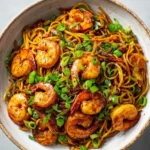
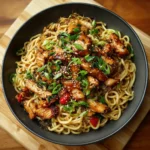
- Protein-Packed: Add seared shrimp (tossed in at the end), grilled chicken breast strips, pan-seared scallops, or crumbled Italian sausage (cooked separately and drained before adding).
- Vegetable-Forward: Sautéed spinach or Swiss chard (wilted in at the end), roasted cherry tomatoes (halved and blistered), sautéed zucchini ribbons, or caramelized fennel add texture, color, and nutrition.
- Vegan & Dairy-Free: Substitute cashew cream (1 cup soaked raw cashews + ¾ cup water, blended ultra-smooth), full-fat coconut milk, or oat milk + 1 tsp cornstarch slurry. Use nutritional yeast + white miso paste (½ tsp) for umami depth, and vegan Parmesan alternatives (e.g., almond-based or hemp seed blends).
- Gluten-Free: Opt for high-quality gluten-free pasta (brown rice + quinoa blends hold up best); rinse after cooking to remove excess starch that can gum up the sauce.
- Mediterranean Twist: Stir in kalamata olives, capers, and a squeeze of lemon juice at the end; top with crumbled feta instead of Parmigiano.
- Herb-Infused: Steep fresh thyme or rosemary sprigs in warm cream for 10 minutes before adding to sauce (strain before using); or stir in 1 tsp lemon zest for citrus lift.
- Smoky Depth: Add ½ tsp smoked paprika or a few drops of liquid smoke when blooming tomatoes—or finish with crumbled crispy pancetta or smoked almonds.
- Spice It Up: Infuse the tomato oil with sliced serrano peppers before cooking aromatics, or stir in harissa paste (½ tsp) during the cream stage for North African heat.
- Low-Carb/Keto: Swap pasta for spiralized zucchini (zoodles), shirataki noodles, or roasted spaghetti squash—sauté briefly before tossing with sauce to avoid sogginess.
Health Considerations and Nutritional Value
A single 1.5-cup serving (made with whole-wheat pasta, reduced cream, and added vegetables) delivers approximately 480–520 calories, with balanced macronutrients: ~22g protein (from cheese, pasta, optional protein), ~18g healthy fats (olive oil, cheese, sun-dried tomatoes), and ~55g complex carbohydrates (including 6–8g fiber). Sun-dried tomatoes are nutritional powerhouses—rich in lycopene (a potent antioxidant linked to heart health and reduced cancer risk, especially bioavailable when paired with fat), vitamin C, potassium, iron, and polyphenols. Extra-virgin olive oil contributes monounsaturated fats and oleocanthal—an anti-inflammatory compound. Parmigiano-Reggiano provides highly bioavailable calcium, phosphorus, and vitamin B12. That said, mindful preparation enhances wellness impact: choosing low-sodium sun-dried tomatoes (or rinsing oil-packed ones), using grass-fed dairy for higher CLA (conjugated linoleic acid), incorporating leafy greens for added folate and magnesium, and limiting added salt in favor of herb-forward seasoning all elevate the dish’s functional benefits. For those managing hypertension, diabetes, or cholesterol, portion control (1 cup per serving), pairing with a side salad rich in nitrate-containing greens (arugula, spinach), and opting for whole-grain or legume-based pasta significantly improves metabolic response. As always, individual tolerance varies—those with histamine sensitivity may wish to moderate sun-dried tomato intake, and lactose-intolerant individuals often tolerate aged cheeses like Parmigiano well due to minimal lactose content.
Ingredients
- 12 oz dried pasta (fusilli, campanelle, or linguine recommended)
- 1 cup oil-packed sun-dried tomatoes, drained (reserve ¼ cup oil)
- ¼ cup extra-virgin olive oil (plus more for finishing)
- 1 small yellow onion, finely diced
- 3 garlic cloves, finely minced
- ½ tsp red pepper flakes (adjust to taste)
- ½ cup dry white wine (Pinot Grigio or Sauvignon Blanc)
- 1 cup heavy cream (or full-fat coconut milk/cashew cream for vegan)
- 2 tbsp unsalted butter (optional, for extra richness)
- ¾ cup freshly grated Parmigiano-Reggiano (plus more for garnish)
- ½ cup fresh basil leaves, torn
- Kosher salt and freshly ground black pepper, to taste
- Flaky sea salt (e.g., Maldon), for finishing
Directions
- Bring a large pot of generously salted water to a rolling boil. Cook pasta according to package directions, stirring occasionally, until al dente. Reserve 1 cup of starchy pasta water, then drain pasta and set aside.
- In a large, heavy-bottomed skillet or Dutch oven, heat reserved sun-dried tomato oil and ¼ cup olive oil over medium-low heat. Add diced onion and a pinch of salt; cook, stirring occasionally, until soft and translucent (~3 minutes).
- Add minced garlic and red pepper flakes; stir constantly for 45–60 seconds until fragrant but not browned.
- Stir in chopped sun-dried tomatoes and cook for 2–3 minutes, stirring frequently, until they become jammy and darken slightly.
- Pour in white wine, scraping up browned bits from the bottom of the pan. Simmer uncovered for 4 minutes, until wine reduces by half and aroma intensifies.
- Reduce heat to low. Stir in heavy cream and butter (if using). Simmer gently—do not boil—for 3–4 minutes, stirring occasionally, until sauce thickens slightly and coats the back of a spoon.
- Add drained hot pasta to the skillet. Toss to combine. Gradually add reserved pasta water, ¼ cup at a time, tossing vigorously after each addition, until sauce is glossy and clings to pasta (about ½ cup total used).
- Remove from heat. Stir in grated Parmigiano-Reggiano and torn basil. Taste and adjust seasoning with black pepper and a touch of salt only if needed.
- Let rest for 1–2 minutes off heat. Serve immediately in warmed bowls, garnished with extra cheese, basil ribbons, a drizzle of high-quality olive oil, and a pinch of flaky sea salt.
FAQ
- Can I use dry-packed sun-dried tomatoes?
- Yes—but they require rehydration first. Soak in warm water or broth for 20–30 minutes until plump, then drain well and pat dry. Reserve soaking liquid to use in place of some pasta water for added flavor. Note: They tend to be chewier and less oily than oil-packed versions, so consider adding an extra 1 tbsp olive oil to the sauce.
- Why does my sauce break or look greasy?
- Common causes include overheating the cream (causing fat separation), adding cold dairy to a hot pan, insufficient emulsification (not tossing pasta long enough with starchy water), or using pre-grated cheese. To fix: Remove from heat, whisk vigorously while adding a splash of warm pasta water. If severely broken, blend 2 tbsp sauce + 1 tbsp cold butter in a blender until smooth, then whisk back in.
- Can I make this ahead of time?
- You can prep components up to 2 days ahead: chop tomatoes, grate cheese, and make the sauce base (without pasta water or cheese)—store covered in fridge. Reheat gently on stove, thin with pasta water, then toss with freshly cooked pasta. Do not fully assemble and refrigerate—cream-based pasta sauces suffer from texture degradation and graininess upon reheating.
- Is there a lower-calorie version?
- Absolutely. Replace half the cream with evaporated skim milk or silken tofu purée; use part-skim ricotta stirred in at the end for creaminess + protein; boost volume with sautéed mushrooms or spinach; and choose whole-wheat or lentil pasta for added fiber and satiety.
- What wine pairs best with this dish?
- A crisp, high-acid white complements the richness: Vermentino, Grüner Veltliner, or unoaked Chardonnay. For red lovers, go light-bodied and low-tannin—Lambrusco, Schiava, or chilled Beaujolais Villages cut through cream while harmonizing with tomato notes.
- Can I freeze leftovers?
- Not recommended. Dairy-based sauces separate and become grainy when frozen and thawed. Best enjoyed fresh. If you must store, refrigerate for up to 3 days in an airtight container—and reheat gently on stove with splashes of milk or pasta water while stirring constantly.
- My sauce is too thick—how do I fix it?
- Gradually whisk in warm pasta water or a splash of the reserved sun-dried tomato oil until desired consistency is reached. Never add cold water—it shocks the emulsion.
- My sauce is too thin—how do I thicken it?
- Simmer uncovered over low heat for 2–3 minutes, stirring often. Alternatively, mix 1 tsp cornstarch with 1 tbsp cold water to form a slurry, then whisk into warm sauce and simmer 1 minute until translucent.
Summary
Creamy Sun-Dried Tomato Pasta is a timeless celebration of Mediterranean sunshine, artisanal preservation, and modern culinary craftsmanship—transforming humble tomatoes into a luxuriously balanced, umami-rich masterpiece. With thoughtful technique, quality ingredients, and adaptable variations, it satisfies both weeknight simplicity and special-occasion elegance—proving that depth of flavor and nourishment need never be mutually exclusive.