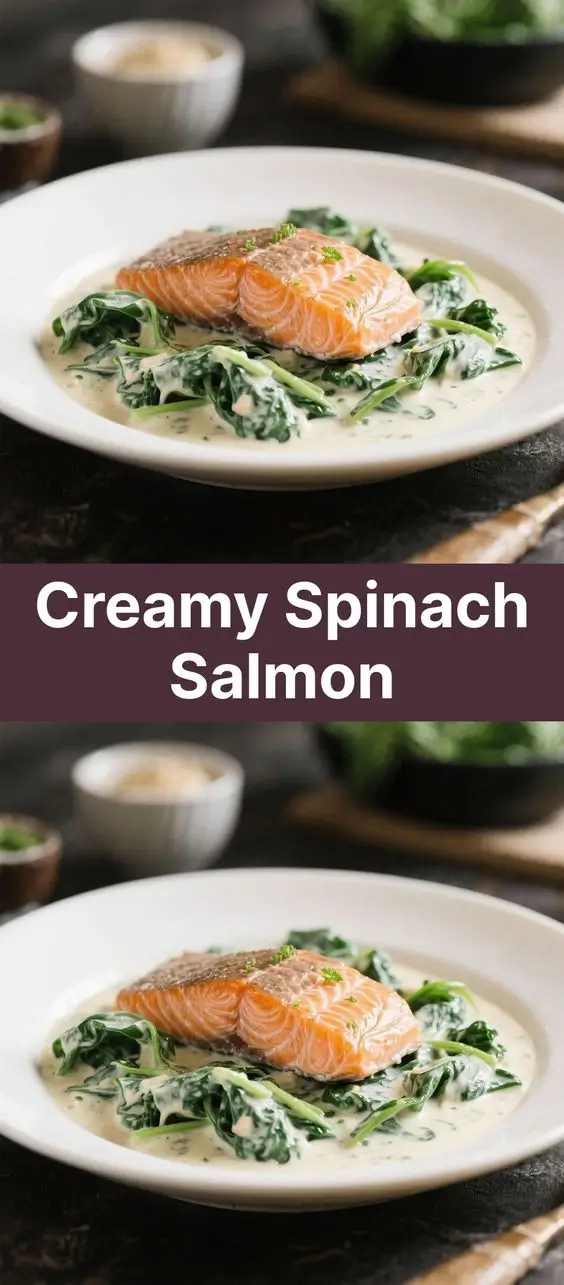
Creamy Spinach Salmon: A Luxurious Fusion of Flavors and Nutrition
Indulge in the rich, velvety elegance of Creamy Spinach Salmon—a dish that perfectly marries the heartiness of wild-caught salmon with the freshness of leafy greens and the indulgence of a creamy sauce. Whether you’re preparing a romantic dinner for two, hosting a dinner party, or simply treating yourself to a gourmet meal at home, this recipe delivers on both taste and nutrition. With tender flakes of salmon enveloped in a silky garlic-herb cream sauce and paired with vibrant sautéed spinach, every bite is a celebration of flavor, texture, and wholesome ingredients. This comprehensive guide dives deep into the origins, components, preparation, variations, health benefits, and expert tips to help you master this exquisite dish with confidence and flair.
The History Behind Creamy Spinach Salmon
While Creamy Spinach Salmon as we know it today may not have ancient roots, its components reflect centuries of culinary evolution across Europe and North America. Salmon has long been revered in Nordic, Pacific Northwest Indigenous, and Scottish cuisines—regions where cold, clean waters yield some of the world’s finest fish. Traditionally prepared by smoking, grilling, or curing, salmon began appearing in more elaborate dishes during the 19th century as European kitchens embraced creamy sauces inspired by French haute cuisine.
Spinach, native to Persia and introduced to Spain by the Moors in the 8th century, gained popularity throughout Europe and later in America. Its rise to fame was cemented in the 20th century thanks to Popeye the Sailor Man, but chefs had already recognized its versatility in savory preparations. The combination of salmon and spinach likely emerged in modern fusion cooking during the late 20th century, when health-conscious gourmets sought flavorful yet nutritious meals. Adding a creamy sauce—often enriched with dairy, white wine, or plant-based alternatives—elevated the dish to restaurant-quality status, making it a staple on bistro menus from Paris to Portland.
Today, Creamy Spinach Salmon stands at the intersection of comfort food and fine dining, embodying the trend toward protein-rich, vegetable-forward meals enhanced with luxurious textures. It reflects a global palate that values both wellness and indulgence, proving that healthy eating doesn’t mean sacrificing richness or satisfaction.
Ingredients Breakdown: What Makes This Dish Shine?
The magic of Creamy Spinach Salmon lies in the harmony of its ingredients—each playing a vital role in flavor, texture, and nutrition. Let’s explore them in detail:
- Salmon Fillets (6–8 oz each): Opt for wild-caught Atlantic or sockeye salmon for superior flavor, firm texture, and higher omega-3 content. The natural oils in salmon help it stay moist during cooking and blend beautifully with creamy sauces.
- Fresh Spinach (6 cups, packed): Baby spinach is ideal due to its tender leaves and mild taste. It wilts easily and retains vibrant color, adding fiber, iron, and vitamins A, C, and K without overpowering the dish.
- Heavy Cream (1 cup): Provides the luscious base of the sauce. For a lighter version, half-and-half or full-fat coconut milk can be used, though they yield slightly different textures.
- Garlic (3 cloves, minced): Adds aromatic depth. Freshly minced garlic ensures maximum flavor release when sautéed in butter or oil.
- Shallot or Onion (¼ cup finely diced): Shallots offer a delicate sweetness and subtle sharpness, enhancing the sauce without dominating.
- Dijon Mustard (1 tablespoon): Introduces tanginess and helps emulsify the sauce, giving it body and complexity.
- Dry White Wine (½ cup): Sauvignon Blanc or Pinot Grigio work well. Wine deglazes the pan and adds acidity that balances the creaminess. Substitute with low-sodium vegetable broth if avoiding alcohol.
- Lemon Juice (1 tablespoon) and Zest (from 1 lemon): Brightens the dish, cutting through the richness and enhancing the natural flavors of the salmon and herbs.
- Fresh Herbs (2 tablespoons chopped dill or parsley): Dill complements salmon exceptionally well, while parsley adds freshness. Thyme or tarragon can also be used for variation.
- Salted Butter (3 tablespoons): Used for searing salmon and building the sauce. Unsalted butter gives better control over seasoning.
- Olive Oil (2 tablespoons): High smoke point makes it ideal for searing. Combining with butter prevents burning while adding fruity notes.
- Salt and Freshly Ground Black Pepper: Essential for layering seasoning throughout the cooking process.
- Paprika or Smoked Paprika (½ teaspoon): Optional, but adds warmth and a hint of smokiness that pairs well with salmon.
- Grated Parmesan or Nutritional Yeast (¼ cup): Adds umami and a slight nuttiness. Use nutritional yeast for a dairy-free, vegan-friendly option.
Optional additions include sun-dried tomatoes, artichoke hearts, capers, or mushrooms for extra dimension. Each ingredient contributes to the balance of fat, acid, salt, and earthiness that defines this dish.
Step-by-Step Recipe: How to Make Creamy Spinach Salmon Like a Pro
Follow these detailed steps to create a restaurant-worthy Creamy Spinach Salmon dish in your own kitchen. Plan for about 35–40 minutes from prep to plating.
- Prepare Ingredients: Pat salmon fillets dry with paper towels—this ensures a perfect sear. Season both sides generously with salt, pepper, and a pinch of paprika. Mince garlic, dice shallot, chop herbs, and measure out all other ingredients (mise en place).
- Sear the Salmon: Heat 1 tablespoon olive oil and 1 tablespoon butter in a large skillet over medium-high heat. Once hot (butter should foam, not burn), place salmon fillets skin-side down (if skin-on). Sear undisturbed for 4–5 minutes until golden brown and crisp. Flip carefully and cook 2–3 minutes more, depending on thickness. Remove salmon to a plate, cover loosely with foil—fillets will finish cooking later in the sauce.
- Sauté Aromatics: In the same skillet, reduce heat to medium. Add remaining butter and olive oil. Add shallot and sauté 2–3 minutes until translucent. Stir in garlic and cook 30 seconds until fragrant—do not let it brown.
- Build the Sauce Base: Pour in white wine to deglaze the pan, scraping up any browned bits (fond) with a wooden spoon. Simmer 2–3 minutes until reduced by half. Stir in Dijon mustard and lemon juice.
- Add Cream and Simmer: Slowly pour in heavy cream while stirring. Bring to a gentle simmer (do not boil vigorously). Let it cook 3–4 minutes to thicken slightly. Taste and adjust seasoning with salt and pepper.
- Incorporate Spinach: Add spinach in batches, stirring until wilted. This should take about 2–3 minutes. If using frozen spinach, thaw and squeeze out excess water first.
- Add Finishing Touches: Stir in lemon zest, fresh herbs, and Parmesan (if using). Return salmon fillets to the skillet, nestling them into the spinach mixture. Spoon sauce over the top. Cover and simmer on low for 3–4 minutes to reheat salmon and infuse flavors.
- Rest and Serve: Turn off heat. Let rest 2–3 minutes. The residual heat will finish cooking the salmon to perfection—ideal internal temperature is 125°F (52°C) for medium.
Plate immediately. Serve over quinoa, mashed potatoes, risotto, or zucchini noodles for a complete meal. Garnish with extra herbs, a lemon wedge, or microgreens for presentation.
Tips for Perfect Creamy Spinach Salmon Every Time
- Don’t Overcook the Salmon: Salmon continues to cook after being removed from heat. Aim for slightly underdone when searing, as it will finish in the warm sauce.
- Use Fresh Lemon Juice: Bottled juice lacks brightness. Freshly squeezed lemon enhances flavor significantly.
- Control Sauce Thickness: If the sauce is too thin, simmer longer to reduce. If too thick, add a splash of cream, broth, or reserved pasta water.
- Prevent Curdling: Avoid boiling the cream sauce rapidly. Keep heat at a gentle simmer, especially if adding cheese or citrus.
- Skin-On vs. Skin-Off Salmon: Skin-on provides crispiness and protects the flesh during searing. If serving skin-on, ensure it’s scaled and dry before cooking.
- Make Ahead Components: The sauce can be made ahead and gently reheated. Add spinach and salmon just before serving for best texture.
- Browning Matters: Do not skip searing. The Maillard reaction creates complex flavors that elevate the entire dish.
- Season in Layers: Season salmon, aromatics, and sauce separately. This builds depth rather than one overwhelming burst of salt.
- Choose Sustainable Salmon: Look for MSC-certified or responsibly farmed options to support environmental sustainability.
Variations and Customizations: Make It Your Own
Creamy Spinach Salmon is highly adaptable to dietary preferences, cultural influences, and seasonal ingredients. Here are creative ways to customize the dish:
- Dairy-Free/Vegan Version: Replace heavy cream with full-fat coconut milk or cashew cream. Use olive oil instead of butter, omit Parmesan, and use nutritional yeast for cheesy flavor. Use smoked tofu or king oyster mushroom “scallop” medallions instead of salmon for a plant-based twist.
- Low-Carb/Keto Friendly: This recipe is naturally low in carbs. Serve with cauliflower mash or roasted vegetables. Ensure Dijon mustard is sugar-free if strict keto.
- Gluten-Free: Naturally gluten-free as written. Confirm all packaged ingredients (like broth or mustard) are certified GF if needed.
- Mediterranean Twist: Add kalamata olives, cherry tomatoes, and crumbled feta. Use oregano instead of dill for a Greek-inspired profile.
- Asian-Inspired Fusion: Swap cream for coconut milk, add ginger, soy sauce (or tamari), and a dash of sesame oil. Garnish with green onions and sesame seeds.
- Spicy Kick: Add red pepper flakes, harissa paste, or a drizzle of sriracha to the sauce for heat lovers.
- Cajun Style: Season salmon with Cajun spice blend before searing. Add bell peppers and celery to the spinach sauté.
- Pasta Addition: Toss the creamy spinach mixture with fettuccine or pappardelle for a salmon Alfredo-style entrée.
- Sheet Pan Baked Version: For easier cleanup, place seasoned salmon and spinach on a sheet pan. Drizzle with olive oil, lemon, and garlic. Bake at 400°F (200°C) for 12–15 minutes. Prepare sauce separately and combine.
- One-Pan Meal: Cook everything in a single oven-safe skillet. Sear salmon, remove, prepare sauce and spinach, return salmon, then broil 2–3 minutes for golden tops.
Health Considerations and Nutritional Value
Creamy Spinach Salmon isn’t just delicious—it’s a powerhouse of essential nutrients when prepared thoughtfully. Here’s a breakdown of its health benefits:
- Omega-3 Fatty Acids: Salmon is one of the richest sources of EPA and DHA, which support brain health, reduce inflammation, and lower risk of heart disease.
- High-Quality Protein: A 6-oz fillet provides about 34 grams of complete protein, aiding muscle repair, satiety, and metabolic function.
- Iron and Folate from Spinach: Spinach contributes non-heme iron (best absorbed with vitamin C—hello, lemon juice!) and folate, crucial for red blood cell formation and pregnancy health.
- Vitamins A, C, K: Spinach offers abundant antioxidants and supports immune function, vision, and bone health.
- B Vitamins: Salmon contains B12, niacin, and B6, essential for energy metabolism and nervous system function.
- Selenium and Potassium: Important minerals found in salmon that support thyroid health and blood pressure regulation.
Nutritional Estimate (per serving, serves 4):
- Calories: ~520 kcal
- Protein: 36g
- Fat: 34g (Saturated Fat: 14g)
- Carbohydrates: 8g
- Fiber: 3g
- Sugar: 3g
- Sodium: ~580mg (varies with added salt)
Considerations:
- Saturated Fat: The cream and butter contribute saturated fat. For heart-healthier versions, use light cream, Greek yogurt, or blended silken tofu as partial substitutes.
- Sodium Control: Reduce added salt and choose low-sodium broth if using. Rinse canned items if added (though not typical here).
- Purine Content: Salmon is moderate in purines—those with gout may need to limit intake.
- Mercury Levels: Salmon is low in mercury compared to tuna or swordfish, making it safe for most populations, including pregnant women (recommended 2–3 servings weekly by FDA).
- Lactose Sensitivity: Use lactose-free cream or plant-based alternatives if needed.
This dish fits well within Mediterranean, pescatarian, and flexitarian diets—balancing lean protein, healthy fats, and plant-based nutrients.
Ingredients
- 4 salmon fillets (6 oz each), skin-on or skin-off
- 6 cups fresh baby spinach, packed
- 1 cup heavy cream (or substitute)
- 3 tablespoons unsalted butter, divided
- 2 tablespoons olive oil, divided
- 3 cloves garlic, minced
- ¼ cup shallot, finely diced
- ½ cup dry white wine (or low-sodium vegetable broth)
- 1 tablespoon Dijon mustard
- 1 tablespoon fresh lemon juice
- Zest of 1 lemon
- 2 tablespoons fresh dill or parsley, chopped
- ¼ cup grated Parmesan cheese (optional)
- ½ teaspoon smoked paprika (optional)
- Salt and freshly ground black pepper to taste
Directions
- Pat salmon fillets dry and season both sides with salt, pepper, and paprika. Set aside.
- Heat 1 tbsp olive oil and 1 tbsp butter in a large skillet over medium-high heat. Add salmon and sear skin-side down for 4–5 minutes until golden. Flip and cook 2–3 minutes more. Transfer to a plate, cover with foil.
- Reduce heat to medium. Add remaining butter and olive oil. Sauté shallot for 2–3 minutes until soft. Add garlic; cook 30 seconds until fragrant.
- Pour in white wine to deglaze the pan. Simmer 2–3 minutes until reduced by half.
- Stir in Dijon mustard and lemon juice. Gradually whisk in heavy cream. Simmer 3–4 minutes to thicken slightly.
- Add spinach in batches, stirring until wilted (about 2–3 minutes).
- Stir in lemon zest, herbs, and Parmesan (if using).
- Return salmon to the skillet, spooning sauce over fillets. Cover and simmer on low for 3–4 minutes to warm through.
- Remove from heat. Rest 2–3 minutes. Adjust seasoning if needed.
- Serve immediately with preferred side. Garnish with extra herbs and lemon wedges.
FAQ
Can I use frozen salmon?
Yes, but thaw it overnight in the refrigerator for best texture. Never cook frozen salmon directly unless baking, as searing requires dry surfaces.
Can I make this ahead of time?
You can prep the sauce and chop ingredients in advance. Reheat sauce gently and add fresh spinach and salmon just before serving to prevent overcooking.
What sides go well with Creamy Spinach Salmon?
Excellent pairings include garlic mashed potatoes, wild rice pilaf, quinoa, roasted asparagus, steamed broccoli, or a crisp arugula salad.
Can I freeze leftovers?
Freezing is not recommended due to the cream-based sauce, which may separate upon reheating. Store leftovers in an airtight container in the fridge for up to 2 days. Reheat gently on the stove.
Is this dish safe during pregnancy?
Yes! Salmon is low in mercury and high in omega-3s, beneficial for fetal development. Ensure it’s cooked to at least 145°F (63°C) internally.
Why did my sauce curdle?
This usually happens from high heat, acidic ingredients added too quickly, or old cream. Always simmer gently and add lemon juice gradually. If curdled, blend briefly with an immersion blender to smooth.
Can I use frozen spinach?
Yes, but thaw completely and squeeze out all excess moisture using a clean towel. Otherwise, it’ll water down the sauce.
How do I know when salmon is done?
It should flake easily with a fork and reach 125–145°F (52–63°C) depending on preference. Medium is around 125°F; well-done is 145°F.
Can I air fry the salmon?
Yes! Air fry seasoned salmon at 375°F (190°C) for 8–10 minutes. Prepare the creamy spinach separately and combine at the end.
Is this recipe Whole30 or paleo compliant?
Not as written (due to dairy and optional wine), but you can adapt it using coconut milk, ghee, and omitting wine and cheese for compliance.
Summary
Creamy Spinach Salmon is a sumptuous, nutrient-dense dish that combines flaky salmon with a rich garlic-herb cream sauce and tender sautéed spinach for a meal that’s as satisfying as it is healthy.
Easily customizable for various diets and bursting with flavor, this recipe brings restaurant elegance to your kitchen with simple techniques and premium ingredients.