Introduction
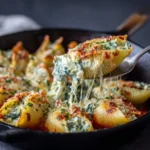
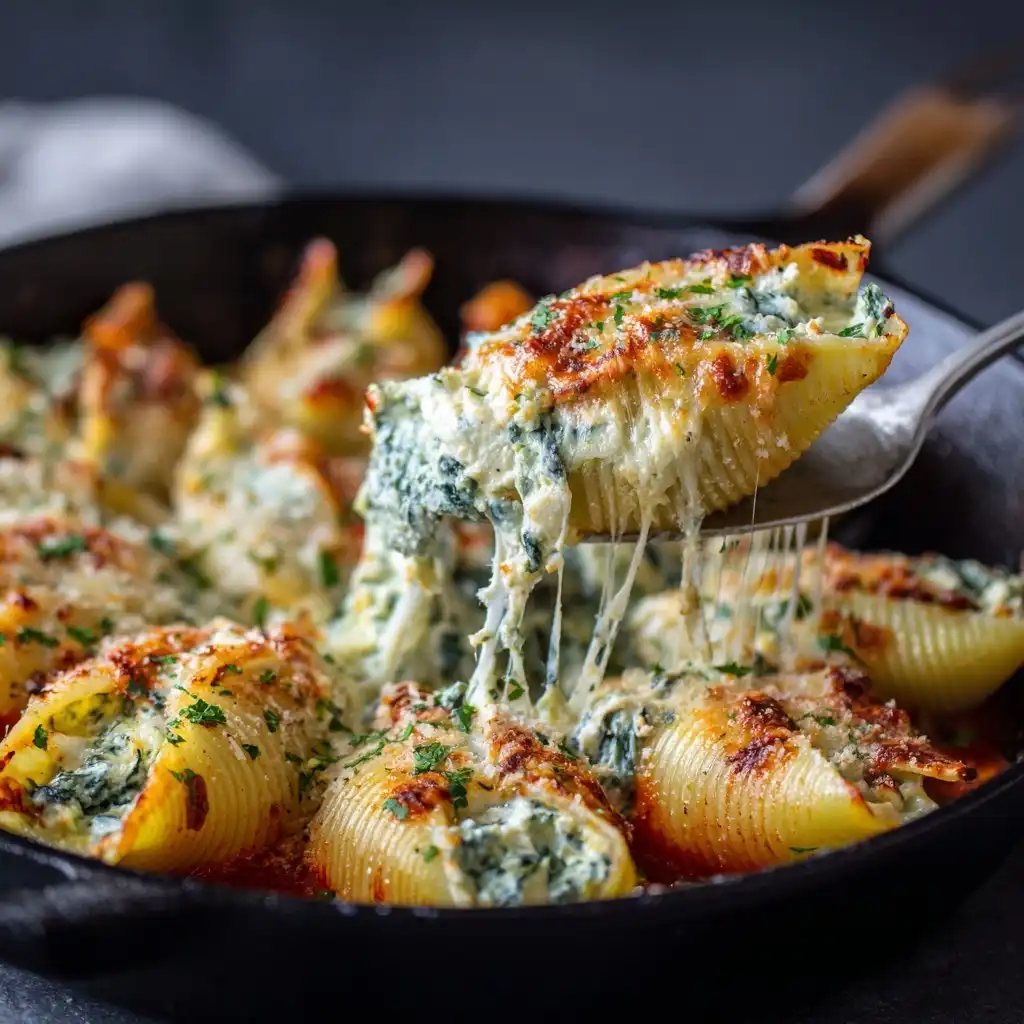
Welcome to a luscious, comforting, and nutritionally rich culinary experience: Creamy Spinach Ricotta Stuffed Shells. This beloved Italian-American classic transforms humble jumbo pasta shells into elegant, bite-sized vessels brimming with velvety ricotta, earthy spinach, aromatic herbs, and a whisper of garlic—baked to golden perfection in a rich tomato sauce. Whether you’re preparing a cozy weeknight dinner for your family, hosting a Sunday supper, or seeking an impressive yet approachable make-ahead dish for potlucks and gatherings, this recipe delivers on flavor, texture, and heartwarming satisfaction. Its creamy interior contrasts beautifully with the tangy-sweet marinara enveloping each shell, while the gentle heat of the oven coaxes out deep umami notes and creates a delicate, slightly caramelized crust on top. More than just comfort food, it’s a celebration of balance—creamy yet light, hearty yet wholesome, traditional yet endlessly adaptable.
The History
The origins of stuffed pasta shells trace back to the broader Italian tradition of ripieno (stuffed) pastas—think ravioli, manicotti, and cannelloni—where fillings were used to stretch precious ingredients like cheese and herbs across meals. While traditional Italian cuisine rarely features jumbo pasta shells (a distinctly American innovation developed in the mid-20th century by U.S. pasta manufacturers), the concept of stuffing tube-shaped pastas has deep roots in regions like Campania and Sicily, where baked pasta dishes like timballo and pasta al forno have been served for centuries. The modern version of stuffed shells gained widespread popularity in the United States during the 1960s and ’70s, buoyed by the rise of accessible dairy products (especially fresh ricotta), frozen spinach, and convenient jumbo pasta shells introduced by brands like Ronzoni and Prince. Home cooks embraced the dish for its forgiving technique, crowd-pleasing profile, and versatility—easily adapted with pantry staples or elevated with gourmet touches. Over time, it evolved from a simple family casserole into a staple of church suppers, Italian delis, and even fine-dining reinterpretations—often featured in food magazines like Bon Appétit and Food & Wine as a benchmark for “elegant simplicity.” Today, Creamy Spinach Ricotta Stuffed Shells stands as a timeless fusion: honoring Italian techniques while celebrating American ingenuity, resourcefulness, and love for layered, baked comfort.
Ingredients Breakdown
Every exceptional stuffed shell begins not with technique—but with thoughtfully selected, high-quality components. Below is an in-depth analysis of each ingredient’s role, sourcing guidance, and functional purpose:
- Jumbo Pasta Shells (30–36 pieces): Look for “oven-ready” or “no-boil” varieties if preferred—but traditional boiled shells offer superior texture control. Opt for bronze-die extruded pasta for enhanced sauce adhesion. Durum wheat semolina ensures structural integrity during baking without turning mushy.
- Whole-Milk Ricotta Cheese (2 cups, well-drained): The soul of the filling. Whole-milk ricotta provides unmatched creaminess, fat content for richness, and subtle sweetness. Avoid low-fat versions—they lack body and can weep moisture. Always drain ricotta overnight in a fine-mesh sieve over a bowl in the refrigerator to prevent a watery filling; reserve the whey for smoothies or baking substitutions.
- Fresh Baby Spinach (10 oz, finely chopped & sautéed): Fresh spinach offers brighter flavor, better texture, and higher nutrient density than frozen. Sautéing removes excess water and concentrates flavor—skip the “squeeze-dry” step required with frozen spinach, reducing risk of over-compaction. A splash of olive oil, minced garlic, and a pinch of nutmeg deepen complexity.
- Grated Whole-Milk Mozzarella (1½ cups): Provides meltability, stringiness, and mild milky flavor. Low-moisture mozzarella yields superior browning and structure; avoid pre-shredded bags (coated in anti-caking starches that inhibit melt). Freshly grated from a block is non-negotiable for optimal performance.
- Freshly Grated Parmigiano-Reggiano (¾ cup): Adds savory depth, umami, saltiness, and granular texture. Authentic DOP-certified Parmigiano-Reggiano contains no cellulose or preservatives—its natural enzymes enhance digestibility and flavor development during baking.
- Large Eggs (2, lightly beaten): Act as binders—holding the filling together without making it rubbery. Room-temperature eggs integrate more smoothly and reduce curdling risk when combined with warm ricotta.
- Minced Garlic (3 cloves, fresh): Raw garlic mellows during baking but retains aromatic pungency. For deeper flavor, gently sauté half in olive oil before adding to filling.
- Fresh Basil & Flat-Leaf Parsley (¼ cup each, finely chopped): Bright herbal notes cut through richness. Add basil at the end to preserve volatile oils; parsley contributes freshness and visual appeal.
- Nutmeg (¼ tsp, freshly grated): A signature note in Italian ricotta preparations—enhances dairy sweetness and complements spinach’s earthiness. Pre-ground nutmeg lacks potency and aroma.
- Kosher Salt & Freshly Ground Black Pepper: Essential for layering seasoning—not just in the filling, but also in the pasta water (2 tbsp per gallon) and marinara sauce.
- Homemade or High-Quality Marinara Sauce (4–5 cups): Should be rich, balanced, and herb-forward—not overly sweet or acidic. Simmered for at least 45 minutes to develop depth. If using store-bought, choose San Marzano–based sauces with minimal added sugar and no citric acid.
- Additional Mozzarella & Parmigiano for Topping (½ cup each): Ensures a luxuriously golden, blistered, and flavorful crust.
- Olive Oil (for brushing & drizzling): Adds sheen, aroma, and prevents drying during baking.
Step-by-Step Recipe
- Prepare the Pasta Shells: Bring a large stockpot of generously salted water (2 tbsp kosher salt) to a rolling boil. Add jumbo shells and cook according to package directions—usually 9–11 minutes—until al dente (slightly firm to the bite). Stir occasionally to prevent sticking. Drain thoroughly in a colander, then rinse briefly under cool water to halt cooking and remove surface starch. Lay shells in a single layer on parchment-lined baking sheets or clean kitchen towels to air-dry for 10 minutes—this prevents clumping and improves stuffing ease.
- Sauté the Spinach: In a large nonstick skillet over medium heat, warm 2 tbsp extra-virgin olive oil. Add 3 minced garlic cloves; sauté 30 seconds until fragrant but not browned. Add 10 oz fresh baby spinach in batches, stirring constantly until wilted and reduced by ~80% (about 4–5 minutes total). Season with ¼ tsp kosher salt and a pinch of freshly grated nutmeg. Transfer to a cutting board and finely chop. Spread on paper towels to absorb residual moisture—press gently but do not squeeze.
- Drain & Prep Ricotta: Place 2 cups whole-milk ricotta in a fine-mesh sieve set over a bowl. Refrigerate uncovered for at least 4 hours—or ideally overnight—to remove excess whey. Discard liquid; ricotta should be thick, spoonable, and hold soft peaks.
- Make the Filling: In a large mixing bowl, combine drained ricotta, 1½ cups grated mozzarella, ¾ cup grated Parmigiano-Reggiano, 2 lightly beaten large eggs, sautéed spinach, ¼ cup chopped fresh basil, ¼ cup chopped flat-leaf parsley, ¼ tsp freshly grated nutmeg, 1 tsp kosher salt, and ½ tsp freshly ground black pepper. Gently fold with a silicone spatula until fully incorporated—do not overmix, or the filling will become dense. Taste and adjust seasoning. Cover and refrigerate 30 minutes to allow flavors to meld and filling to firm up slightly.
- Preheat & Prepare Baking Dish: Position oven rack in the center position. Preheat oven to 375°F (190°C). Lightly grease a 9×13-inch ceramic or glass baking dish with olive oil or butter. Pour 2 cups marinara sauce into the bottom of the dish and spread evenly with a ladle or offset spatula.
- Stuff the Shells: Using a small cookie scoop (1½ tbsp), piping bag fitted with a wide plain tip, or two spoons, carefully fill each cooled shell with ~2 tbsp of filling. Gently press filling into the cavity without overstuffing—shells should bulge slightly but remain intact. Place filled shells seam-side down in a single snug layer over the sauce in the baking dish. Nestle them tightly to minimize gaps and maximize contact with sauce.
- Layer Remaining Sauce: Spoon remaining marinara (2–3 cups) evenly over the arranged shells, covering them completely—use the back of a spoon to gently nudge sauce into any exposed crevices. This ensures even cooking, prevents drying, and infuses every bite with tangy depth.
- Add Final Cheese Topping: Sprinkle evenly with remaining ½ cup mozzarella and ½ cup Parmigiano-Reggiano. Drizzle lightly with 1 tsp olive oil for enhanced browning and gloss.
- Bake Covered: Cover dish tightly with aluminum foil (tent slightly to prevent cheese from sticking). Bake for 25 minutes to steam and gently set the filling.
- Bake Uncovered: Remove foil and continue baking 15–20 minutes, until cheese is deeply golden, bubbling at the edges, and internal temperature reaches 165°F (74°C) when checked with an instant-read thermometer inserted into the center shell.
- Rest Before Serving: Let dish rest uncovered for 15 minutes. This crucial step allows the filling to settle, sauce to thicken slightly, and shells to firm up—preventing spillage and enhancing sliceability. Garnish with extra fresh basil, a drizzle of high-quality olive oil, and flaky sea salt just before serving.
Tips
- Texture Mastery: Ricotta consistency is paramount. If your ricotta remains too wet after draining, stir in 1 tbsp dry breadcrumbs or finely grated Parmigiano to absorb residual moisture—never flour or cornstarch, which create gummy textures.
- No-Squeeze Spinach Hack: Skip the laborious squeezing of frozen spinach entirely—fresh spinach sautéed and air-dried yields superior flavor, color, and texture every time.
- Al Dente Is Non-Negotiable: Undercooked shells won’t soften sufficiently; overcooked ones disintegrate. Set a timer—and taste-test at 8 minutes. They should offer gentle resistance.
- Chill Before Stuffing: Refrigerating the filling for 30 minutes firms it up dramatically—making scooping cleaner and reducing filling collapse during baking.
- Sauce Distribution Secret: Spread a thin base layer, then after arranging shells, use a small ladle to pour sauce *between* shells—not just over them—to ensure every nook is saturated.
- Golden Crust Guarantee: For ultra-crisp, blistered cheese, switch oven to broil for the final 2–3 minutes—but watch constantly. Rotate pan halfway through for even browning.
- Make-Ahead Magic: Assemble up to 24 hours ahead—cover tightly and refrigerate unbaked. Add 5–10 minutes to covered bake time if going straight from fridge to oven.
- Freezer-Friendly Formula: Fully assembled (unbaked) dishes freeze beautifully for up to 3 months. Thaw overnight in fridge before baking. For best results, freeze without cheese topping—add fresh cheese just before baking.
- Reheating Right: Leftovers reheat flawlessly in a 350°F oven, covered, for 20–25 minutes. Microwaving leads to rubbery cheese and split sauce—avoid unless absolutely necessary (then cover with damp paper towel and heat in 30-second bursts).
- Wine Pairing Wisdom: Serve alongside a medium-bodied Chianti Classico or Barbera d’Asti—the acidity cuts richness, while red fruit notes harmonize with tomato and herbs.
Variations and Customizations
This recipe is a canvas—designed for creativity, dietary needs, seasonal inspiration, and personal flair. Explore these tested, chef-approved adaptations:
- Protein-Powered: Fold in 1 cup cooked, crumbled Italian sausage (mild or hot), shredded rotisserie chicken, or finely diced pancetta sautéed until crisp. Add post-spinach step to retain moisture balance.
- Vegan & Dairy-Free: Replace ricotta with blended raw cashews + lemon juice + nutritional yeast + garlic; swap mozzarella for Miyoko’s or Violife shreds; use vegan parmesan and egg replacer (flax egg works best). Opt for tomato passata instead of traditional marinara containing cheese enzymes.
- Gluten-Free: Use certified GF jumbo shells (like Barilla GF or DeBoles). Ensure all cheeses and marinara are GF-certified—many store-bought sauces contain hidden gluten via thickeners or flavorings.
- Low-Carb/Keto: Substitute shells with blanched, hollowed zucchini boats or portobello mushroom caps. Reduce marinara volume by half and thicken with tomato paste + xanthan gum for keto-friendly consistency.
- Mediterranean Twist: Add ⅓ cup chopped sun-dried tomatoes (oil-packed, patted dry), ¼ cup kalamata olives, and 2 tbsp crumbled feta. Omit nutmeg; increase oregano and lemon zest.
- Roasted Veggie Upgrade: Replace spinach with 1½ cups roasted cauliflower florets, caramelized onions, and roasted red peppers—all finely chopped and cooled. Add 1 tsp smoked paprika to filling.
- Herb Garden Fresh: Swap basil/parsley for 3 tbsp each of fresh dill, chives, and tarragon. Finish with lemon zest and a dollop of lemon-infused ricotta on each serving.
- Spice It Up: Infuse marinara with ½ tsp crushed red pepper flakes, add 1 tsp harissa paste to filling, or top with pickled jalapeños before final bake.
- Gourmet Mushroom Medley: Sauté 1½ cups mixed wild mushrooms (oyster, shiitake, cremini) with thyme and shallots. Fold into filling with 2 tbsp truffle oil and 1 tbsp white wine reduction.
- Breakfast-for-Dinner Version: Add ¼ cup grated sharp cheddar, 2 tbsp cooked crumbled bacon, and a dash of hot sauce to filling. Top with a fried egg just before serving.
Health Considerations and Nutritional Value
A single serving (4–5 stuffed shells with sauce and cheese topping) delivers approximately 420–480 calories, with thoughtful macro distribution and notable micronutrient density. Here’s how it aligns with wellness goals:
- Protein Powerhouse: With ~24–28g protein per serving (from ricotta, mozzarella, parmesan, and eggs), this dish supports muscle maintenance, satiety, and blood sugar stability—ideal for active individuals and aging adults.
- Calcium & Vitamin K Synergy: Ricotta and aged cheeses supply highly bioavailable calcium; spinach contributes vitamin K1—essential for bone mineralization and cardiovascular health. One serving meets ~35% DV calcium and ~120% DV vitamin K.
- Folate-Rich Fuel: Fresh spinach is among the top dietary sources of folate (vitamin B9)—critical for DNA synthesis, red blood cell formation, and neural tube development. A serving provides ~60% DV folate.
- Antioxidant Abundance: Lycopene from tomato sauce increases bioavailability when cooked with olive oil—a potent antioxidant linked to reduced inflammation and prostate health. Spinach adds lutein, beta-carotene, and vitamin C.
- Smart Fat Profile: Olive oil and whole-milk dairy contribute monounsaturated fats and conjugated linoleic acid (CLA), associated with improved lipid profiles and metabolic function—when consumed in moderation.
- Dietary Fiber Source: Though pasta is refined, the addition of spinach and optional vegetables boosts fiber to ~5–7g/serving—supporting gut microbiota diversity and digestive regularity.
- Lower-Sodium Strategy: Easily reduced by using low-sodium marinara (under 200mg/serving), omitting added salt in filling, and rinsing canned tomatoes if making sauce from scratch. Total sodium can drop from ~780mg to ~420mg/serving.
- Considerations for Specific Needs: Those managing hypertension may benefit from potassium-rich additions (roasted sweet potato purée in filling); lactose-intolerant individuals often tolerate aged cheeses and ricotta well—but lactase enzyme supplementation or goat-milk ricotta are viable alternatives.
- Portion Mindfulness: To maintain balance, serve alongside a large arugula salad with lemon vinaigrette and roasted asparagus—adding volume, fiber, and phytonutrients without excess calories.
- Not Just “Comfort Food” — Functional Food: When prepared with whole ingredients and mindful technique, Creamy Spinach Ricotta Stuffed Shells transcends indulgence—it becomes nourishment engineered for longevity, vitality, and joyful eating.
Ingredients
- 30–36 jumbo pasta shells (oven-ready or traditional)
- 2 cups whole-milk ricotta cheese, well-drained (see Tips)
- 10 oz fresh baby spinach
- 2 tbsp extra-virgin olive oil, plus more for drizzling
- 3 garlic cloves, minced
- 1½ cups low-moisture whole-milk mozzarella, freshly grated
- ¾ cup Parmigiano-Reggiano, freshly grated (DOP-certified preferred)
- 2 large eggs, room temperature, lightly beaten
- ¼ cup fresh basil leaves, finely chopped
- ¼ cup flat-leaf parsley, finely chopped
- ¼ tsp freshly grated nutmeg
- 1 tsp kosher salt, plus more for pasta water
- ½ tsp freshly ground black pepper
- 4–5 cups high-quality marinara sauce (homemade or low-sugar, no citric acid)
- ½ cup additional mozzarella, for topping
- ½ cup additional Parmigiano-Reggiano, for topping
- Flaky sea salt and extra fresh basil, for garnish
Directions
- Bring 4 quarts water to a boil in a large stockpot. Add 2 tbsp kosher salt. Cook pasta shells 9–11 minutes until al dente. Drain, rinse under cool water, and lay flat on parchment or towels to air-dry 10 minutes.
- In a large skillet, heat 2 tbsp olive oil over medium. Add garlic; sauté 30 seconds. Add spinach in batches; cook until wilted and reduced (~5 min). Season with salt and nutmeg. Chop finely and blot dry on paper towels.
- In a large bowl, combine drained ricotta, 1½ cups mozzarella, ¾ cup Parmigiano, eggs, spinach, basil, parsley, nutmeg, 1 tsp salt, and ½ tsp pepper. Fold gently until uniform. Refrigerate 30 minutes.
- Preheat oven to 375°F (190°C). Grease a 9×13-inch baking dish. Spread 2 cups marinara evenly across bottom.
- Fill each shell with ~2 tbsp ricotta mixture. Arrange seam-side down in dish, snug and single-layer.
- Cover shells completely with remaining marinara. Sprinkle with remaining ½ cup mozzarella and ½ cup Parmigiano. Drizzle with 1 tsp olive oil.
- Cover tightly with foil. Bake 25 minutes.
- Remove foil. Bake uncovered 15–20 minutes until cheese is golden and bubbling and internal temp reaches 165°F.
- Let rest 15 minutes. Garnish with fresh basil, flaky salt, and olive oil before serving.
FAQ
- Can I use frozen spinach?
- Yes—but thaw completely, then squeeze *aggressively* in a clean kitchen towel until no water remains. You’ll need ~10 oz frozen (yielding ~1 cup squeezed). Fresh is strongly recommended for flavor and texture.
- Why does my filling leak during baking?
- Most commonly due to under-drained ricotta or overfilled shells. Ensure ricotta is sieved overnight, and fill only until shells gently bulge—never overstuffed. Also verify shells are truly al dente—not mushy.
- Can I prepare this ahead of time?
- Absolutely. Assemble up to 24 hours in advance, cover tightly, and refrigerate unbaked. Add 5–10 minutes to initial covered bake time. For longer storage, freeze unbaked (up to 3 months); thaw overnight before baking.
- What’s the best way to reheat leftovers?
- For optimal texture: Place individual portions in an oven-safe dish, cover with foil, and bake at 350°F for 20–25 minutes. Avoid microwaving unless urgent—then use 50% power in 30-second intervals with a damp paper towel.
- My sauce is too thin—how do I thicken it?
- Simmer uncovered 10–15 minutes before assembling. Or stir in 1 tsp tomato paste while heating, or ½ tsp arrowroot slurry (mixed with cold water) at the end of simmering.
- Can I make this vegetarian or vegan?
- It’s naturally vegetarian! For vegan: Use cashew “ricotta” (1 cup soaked cashews + ¼ cup lemon juice + 2 tbsp nutritional yeast + 1 clove garlic + ¼ tsp salt, blended smooth), vegan mozzarella shreds, and egg replacer (1 tbsp ground flax + 2.5 tbsp water per egg).
- What can I substitute for ricotta?
- Cottage cheese (small-curd, full-fat, well-drained and blended until smooth) works well. Mascarpone is richer but less tangy—dilute with 2 tbsp Greek yogurt. Avoid tofu-based substitutes unless specifically formulated for Italian applications.
- Why do some recipes add lemon zest or vinegar?
- A small amount (½ tsp lemon zest or ½ tsp white wine vinegar) brightens the richness and balances the dairy’s fat—especially helpful if using milder cheeses or lower-acid sauce.
- How do I prevent the cheese from burning?
- Ensure oven rack is centered—not too close to top element. Tent loosely with foil if browning too quickly during uncovered phase. Using a ceramic or stoneware dish also distributes heat more gently than metal.
- Is there a gluten-free version that holds up well?
- Yes—Barilla Gluten-Free Jumbo Shells perform exceptionally well when boiled to true al dente and handled gently. Pair with GF-certified cheeses and marinara. Let rest 20 minutes before serving to stabilize.
Summary
Creamy Spinach Ricotta Stuffed Shells is a masterclass in balanced comfort—melding velvety whole-milk ricotta, vibrant sautéed spinach, fragrant herbs, and golden-baked cheeses within tender jumbo pasta, all enveloped in slow-simmered marinara.
With make-ahead flexibility, abundant customization options—from vegan and gluten-free to protein-boosted and globally inspired—and notable nutritional benefits including calcium, folate, lycopene, and high-quality protein, it’s a timeless dish that nourishes the body and delights the senses, generation after generation.