Introduction
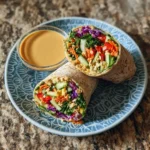
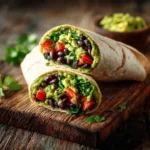
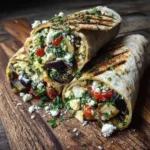
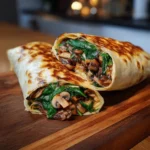
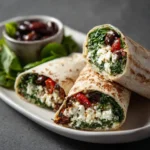
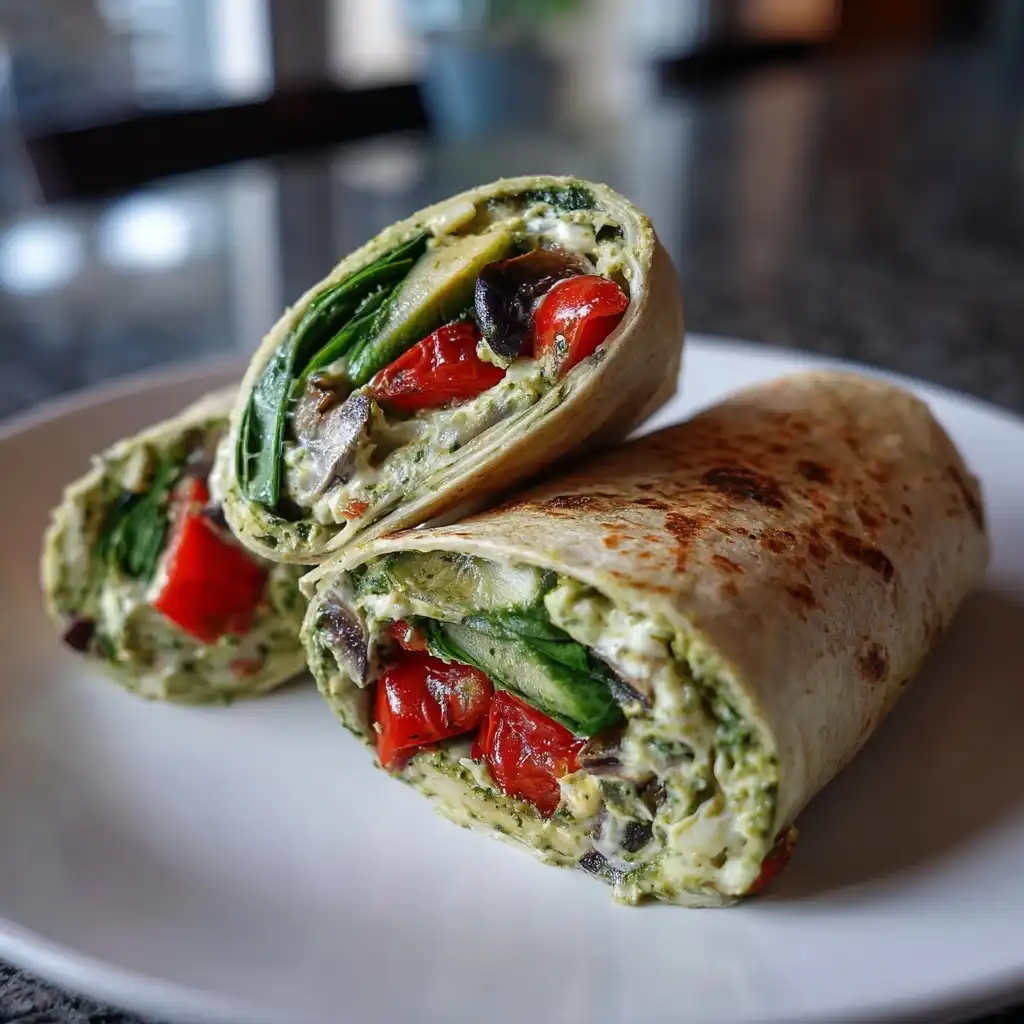
Welcome to the ultimate guide for the Creamy Pesto Veggie Wrap — a vibrant, nutrient-dense, and irresistibly flavorful handheld meal that seamlessly marries Mediterranean zest with modern plant-forward convenience. Whether you’re packing lunch for work, prepping for a picnic, satisfying a post-workout craving, or simply seeking a quick yet gourmet-worthy vegetarian option, this wrap delivers bold herbaceous notes, velvety texture, and crunch-packed freshness in every bite. Unlike conventional wraps that rely on heavy sauces or processed cheeses, our version celebrates whole-food integrity — featuring house-blended pesto, roasted and raw seasonal vegetables, creamy avocado or cashew-based spread, and tender whole-grain or spinach tortillas — all without compromising on richness, satisfaction, or culinary sophistication. Designed for flexibility, nutrition, and ease, this recipe is as adaptable for meal-prep enthusiasts as it is for weeknight improvisers.
The History
The Creamy Pesto Veggie Wrap is a contemporary evolution of two beloved culinary traditions: the Italian pesto and the American-Mexican-inspired wrap. Traditional pesto — originating in Genoa, Italy, during the Roman era and refined over centuries — began as a rustic mortar-and-pestle blend of basil, pine nuts, garlic, olive oil, and grated cheese (typically Parmigiano-Reggiano or Pecorino). Its name derives from the Latin “pestare,” meaning “to pound,” reflecting its artisanal preparation method. Meanwhile, the modern wrap — popularized in the U.S. during the 1980s and ’90s — emerged from Tex-Mex and health-conscious food trends, offering a portable, customizable alternative to sandwiches and burritos. The fusion into today’s Creamy Pesto Veggie Wrap reflects broader shifts in global eating habits: the rise of vegetarianism and flexitarianism, increased demand for functional foods rich in phytonutrients and healthy fats, and the growing appreciation for umami depth without meat or dairy heaviness. Chefs and home cooks alike began experimenting with vegan pestos (using nutritional yeast instead of cheese), nut-based creaminess (cashews, almonds, or silken tofu), and vegetable layering techniques inspired by Middle Eastern manakish and Japanese maki rolls — culminating in this globally resonant, locally adaptable dish now served in farm-to-table cafés, wellness retreats, and college dining halls across North America, Europe, and Australia.
Ingredients Breakdown
Every component in this wrap has been intentionally selected for flavor synergy, textural contrast, nutritional density, and functional performance — ensuring the wrap holds together beautifully while delivering layered taste experiences:
- Base Tortilla: Whole-wheat, spinach, or sprouted grain tortillas (8–10 inches) provide fiber, B vitamins, and structural integrity. Gluten-free options like cassava or almond-flour wraps work exceptionally well when toasted lightly for added pliability.
- Homemade Basil Pesto: Fresh sweet basil leaves (not Thai or purple basil, which alter flavor balance), extra-virgin olive oil (cold-pressed, early harvest for peppery finish), raw pine nuts or walnuts (for earthy depth and omega-3s), garlic (microplaned for even dispersion), lemon zest and juice (bright acidity to cut richness), and nutritional yeast (for savory, cheesy umami without dairy).
- Creamy Element: A dual-layer approach enhances mouthfeel: mashed ripe avocado adds buttery richness and potassium, while a cashew-based “creme fraîche” (soaked raw cashews blended with apple cider vinegar, Dijon mustard, and a touch of miso) contributes tangy, cultured complexity and protein.
- Roasted Vegetables: Tri-color bell peppers, zucchini ribbons, and red onion slices roasted at 425°F (220°C) with rosemary, smoked paprika, and flaky sea salt until caramelized but still toothsome — maximizing sweetness, antioxidants (lycopene, quercetin), and low-glycemic impact.
- Raw Vegetable Crunch: Thinly shaved fennel bulb (anise-kissed crunch), julienned Persian cucumbers (zero bitterness, high water content), microgreens (pea shoots or radish sprouts for enzymatic liveliness), and pickled red onions (quick-pickled in rice vinegar, maple syrup, and black peppercorns for brightness and gut-friendly probiotics).
- Umami & Texture Boosters: Toasted sunflower seeds, hemp hearts, and crumbled oven-baked tofu “feta” (marinated in lemon, oregano, and capers) add protein, magnesium, zinc, and a delightful chew.
- Finishing Accents: Flaky Maldon salt, cracked black pepper, edible flowers (nasturtiums or borage), and a drizzle of basil-infused olive oil elevate visual appeal and aromatic nuance.
Step-by-Step Recipe
- Prep the Cashew Cream (minimum 4 hours ahead or overnight): Soak ¾ cup raw unsalted cashews in filtered water with 1 tsp apple cider vinegar for at least 4 hours (or boil for 15 minutes if short on time). Drain, then blend with ¼ cup water, 1 tbsp lemon juice, 1 tsp Dijon mustard, ½ tsp white miso paste, and a pinch of sea salt until ultra-smooth and glossy. Refrigerate in an airtight jar for up to 5 days.
- Make the Fresh Pesto: In a food processor, pulse 2 packed cups fresh basil leaves, ⅓ cup toasted pine nuts (or walnuts), 2 small garlic cloves, 2 tbsp lemon juice, 1 tsp lemon zest, 2 tbsp nutritional yeast, and ¼ tsp flaky salt until coarsely chopped. With motor running, slowly stream in ⅓ cup extra-virgin olive oil until emulsified and vibrant green. Avoid over-processing to preserve herb texture. Transfer to a bowl; stir in 1 tbsp cold-pressed walnut oil for extra depth. Cover surface with plastic wrap and chill for 30 minutes to meld flavors.
- Roast the Vegetables: Preheat oven to 425°F (220°C). Toss 1 diced red bell pepper, 1 medium zucchini (cut into ¼-inch half-moons), and ½ thinly sliced red onion with 1½ tbsp olive oil, 1 tsp chopped fresh rosemary, ½ tsp smoked paprika, and ¼ tsp sea salt. Spread evenly on a parchment-lined sheet pan. Roast 22–25 minutes, flipping halfway, until edges are golden and centers tender-crisp. Cool completely before assembling — warm veggies will wilt greens and make the wrap soggy.
- Prepare Quick-Pickled Onions: In a small heatproof bowl, combine ½ thinly sliced red onion, ⅓ cup unseasoned rice vinegar, 1 tbsp pure maple syrup, ½ tsp black peppercorns, and ¼ tsp crushed red pepper flakes. Microwave 60 seconds or pour just-boiled water over mixture. Let cool 15 minutes, then refrigerate for at least 1 hour (ideal: overnight).
- Assemble with Precision (key to no-sog, no-leak wraps): Warm tortillas gently in a dry skillet (30 sec/side) or damp paper towel in microwave (10 sec) — this increases elasticity. Lay flat on a clean surface. Spread 2 heaping tbsp pesto in a 5-inch-wide stripe down center, leaving 1.5-inch borders. Top with 1.5 tbsp cashew cream, then ¼ avocado (mashed with squeeze of lime and pinch of salt). Layer roasted veggies evenly, followed by raw veggies: 2 tbsp pickled onions (drained), ¼ cup shaved fennel, ½ cup cucumber ribbons, and a generous handful of microgreens. Sprinkle with 1 tbsp toasted sunflower seeds, 1 tbsp hemp hearts, and 2 tbsp baked tofu “feta.”
- Wrap Like a Pro: Fold bottom flap up over filling, then fold left and right sides inward tightly. Roll forward with gentle but firm pressure, tucking filling as you go. Seal seam-side down. Optional: wrap snugly in parchment paper, then foil or reusable beeswax wrap for transport. Rest seam-side down 10 minutes before slicing diagonally — this sets the layers and prevents unraveling.
Tips
- Tortilla Temperature Matters: Never skip the gentle warming step — cold tortillas crack; overheated ones become gummy. Ideal temp: 95–105°F (35–40°C). Test by pressing lightly — it should yield like soft clay.
- Pesto Preservation Hack: To keep pesto vibrantly green and prevent oxidation, press plastic wrap directly onto its surface before refrigerating. For longer storage (up to 3 weeks), freeze in ice cube trays with a thin layer of olive oil on top.
- No-Sog Secret: Always pat roasted and raw vegetables *completely dry* with lint-free kitchen towels before layering. Excess moisture is the #1 cause of limp, slippery wraps.
- Meal-Prep Friendly Assembly: Prep all components separately up to 3 days ahead (except avocado — add fresh at assembly). Store pesto and cashew cream in separate jars with tight lids. Keep roasted veggies in a breathable container lined with paper towel.
- Knife & Cutting Technique: Use a serrated knife dipped in cold water between cuts for clean, non-crushing slices. Cut at a 45° angle for maximum visual appeal and easier handling.
- Flavor Layering Tip: Add a whisper of flaky salt *between each vegetable layer*, not just on top — this builds dimensional savoriness rather than one-note salinity.
- Wrap Stability Trick: For picnics or lunches-on-the-go, insert a reusable bamboo skewer through the center after rolling to lock everything in place — remove before eating.
- Revive Stale Tortillas: If your tortillas have hardened, wrap them in a damp cloth and steam over simmering water for 45 seconds — they’ll regain pliability without becoming mushy.
Variations and Customizations
This recipe thrives on personalization — here’s how to tailor it for dietary needs, seasonal abundance, global inspiration, or pantry constraints:
- Vegan & Nut-Free: Swap cashew cream for sunflower seed cream (soaked sunflower seeds + lemon + tamari); use pepitas instead of pine nuts in pesto; choose seed-based tortillas.
- Low-Carb/Keto: Replace tortilla with large butter lettuce leaves (Boston or Little Gem), collard green “wraps” (blanched 30 sec for pliability), or grilled portobello caps. Increase healthy fats: add olives, avocado oil mayo, and macadamia nuts.
- Protein-Powered: Add marinated tempeh strips, spiced chickpeas (roasted with cumin + harissa), lentil-walnut pâté, or shredded rotisserie chicken (for omnivores).
- Seasonal Swaps: Spring: asparagus ribbons + pea shoots + mint pesto. Summer: heirloom tomato ribbons + grilled corn + basil-mint pesto. Fall: roasted delicata squash + caramelized apples + sage-walnut pesto. Winter: roasted beet ribbons + citrus segments + orange-dill pesto.
- Global Twists: Mediterranean: add kalamata olives, artichoke hearts, and oregano. Thai-Inspired: swap pesto for Thai basil-cilantro-chili paste, add mango ribbons and crushed peanuts. Mexican Fusion: use cilantro-jalapeño “pesto,” black beans, pickled jalapeños, and cotija-style vegan cheese.
- Herb Alternatives: No basil? Try arugula (peppery), spinach (mild), carrot tops (earthy), or parsley (clean, grassy). Each creates a uniquely nuanced pesto profile.
- Sweet-Savory Option: Incorporate thin apple or pear slices, dried figs, and toasted pecans — pair with cinnamon-infused cashew cream and thyme pesto.
- Kid-Friendly Version: Skip raw garlic in pesto (roast it first), use mild herbs only, add shredded cheddar or mozzarella, and shape fillings into fun “rainbow layers” visible through clear wrap film.
Health Considerations and Nutritional Value
A single 10-inch Creamy Pesto Veggie Wrap (made with whole-wheat tortilla, full ingredient list above, ~1 serving) delivers approximately 485 calories, 24g total fat (mostly monounsaturated and omega-3s), 14g protein, 58g carbohydrates, and 15g dietary fiber — exceeding 60% of the Daily Value (DV) for fiber. It is naturally free of refined sugar, gluten (if using GF tortilla), soy (unless tofu feta is included), and artificial preservatives. From a functional nutrition perspective, this wrap offers synergistic phytochemical support: basil’s eugenol and rosmarinic acid combat oxidative stress; lycopene in roasted tomatoes and peppers supports cardiovascular health; fennel’s anethole exhibits anti-inflammatory and digestive-soothing properties; and fermented elements (pickled onions, miso in cashew cream) contribute live microbes beneficial for gut microbiota diversity. The high-fiber, high-water-content vegetable matrix promotes satiety and steady glucose response — making it an excellent choice for metabolic health, sustained energy, and weight management. Notably, the inclusion of multiple plant-based fats (olive oil, avocado, nuts/seeds) enhances absorption of fat-soluble vitamins (A, E, K) found abundantly in the colorful vegetables. For those managing sodium intake, omit added salt in roasting and rely on herb intensity and lemon for seasoning — reducing sodium by ~300mg per wrap. Always consult a registered dietitian for personalized adaptations related to renal disease, IBS (low-FODMAP version available), or autoimmune protocols (AIP-compliant swaps noted in variations).
Ingredients
- 1 cup raw unsalted cashews, soaked 4+ hours or boiled 15 min
- ¼ cup filtered water
- 1 tbsp fresh lemon juice
- 1 tsp Dijon mustard
- ½ tsp white miso paste
- Pinch of fine sea salt
- 2 packed cups fresh sweet basil leaves, stems removed
- ⅓ cup toasted pine nuts or walnuts
- 2 small garlic cloves, roughly chopped
- 2 tbsp fresh lemon juice
- 1 tsp lemon zest
- 2 tbsp nutritional yeast
- ¼ tsp flaky sea salt
- ⅓ cup extra-virgin olive oil (plus more for finishing)
- 1 tbsp cold-pressed walnut oil (optional, for pesto depth)
- 4 (8–10 inch) whole-wheat, spinach, or sprouted grain tortillas (or GF alternative)
- 1 medium ripe avocado
- 1 tbsp fresh lime juice
- ¼ tsp fine sea salt
- 1 red bell pepper, diced
- 1 medium zucchini, cut into ¼-inch half-moons
- ½ medium red onion, thinly sliced
- 1½ tbsp extra-virgin olive oil (for roasting)
- 1 tsp chopped fresh rosemary
- ½ tsp smoked paprika
- ¼ tsp fine sea salt (for roasting)
- ½ medium red onion, very thinly sliced (for pickling)
- ⅓ cup unseasoned rice vinegar
- 1 tbsp pure maple syrup
- ½ tsp black peppercorns
- ¼ tsp crushed red pepper flakes
- ¼ cup shaved fennel bulb (use mandoline)
- ½ cup Persian cucumber ribbons (use peeler)
- 1 cup mixed microgreens (pea shoots, radish, broccoli)
- 1 tbsp toasted sunflower seeds
- 1 tbsp hemp hearts
- 2 tbsp baked tofu “feta” (see note)
- Flaky sea salt and freshly cracked black pepper, to finish
- Edible flowers (optional garnish)
Note: Baked tofu “feta” = ½ block extra-firm tofu, pressed 30 min, cubed, tossed with 1 tbsp lemon juice, 1 tsp capers, ½ tsp dried oregano, ¼ tsp garlic powder, and ¼ tsp salt; bake at 375°F (190°C) for 25 min, flipping once.
Directions
- Prepare Cashew Cream: Drain soaked cashews. In a high-speed blender, combine with water, lemon juice, Dijon, miso, and salt. Blend on high for 1.5–2 minutes, scraping sides as needed, until completely smooth and glossy. Transfer to a glass jar, cover, and refrigerate at least 1 hour (preferably overnight) to thicken and develop tang.
- Make Pesto: In a food processor, combine basil, pine nuts, garlic, lemon juice, lemon zest, nutritional yeast, and flaky salt. Pulse 8–10 times until coarsely chopped. With motor running, slowly drizzle in olive oil until fully emulsified and bright green. Stir in walnut oil (if using). Taste and adjust — may need more lemon for brightness or salt for balance. Transfer to a small bowl, press plastic wrap directly onto surface, and refrigerate 30 minutes.
- Roast Vegetables: Preheat oven to 425°F (220°C). On a parchment-lined baking sheet, toss bell pepper, zucchini, and red onion slices with olive oil, rosemary, smoked paprika, and salt. Spread in a single layer. Roast 22–25 minutes, flipping halfway, until deeply caramelized at edges but still holding shape. Remove and cool completely on wire rack.
- Pickle Onions: In a heatproof bowl or jar, combine sliced red onion, rice vinegar, maple syrup, peppercorns, and red pepper flakes. Pour ½ cup just-boiled water over mixture. Let sit 15 minutes at room temperature, then drain well and refrigerate at least 1 hour.
- Warm Tortillas: Heat a dry stainless steel or cast-iron skillet over medium-low heat. One at a time, warm each tortilla 25–30 seconds per side until pliable and slightly puffed. Stack wrapped in a clean kitchen towel to retain warmth and moisture.
- Prep Fillings: Mash avocado with lime juice and salt. Shave fennel and peel/cut cucumber into long ribbons. Rinse and spin-dry microgreens. Toast sunflower seeds in dry skillet 2–3 minutes until fragrant.
- Assemble Wraps: Lay one warm tortilla flat. Spread 2 heaping tbsp pesto in center. Top with 1.5 tbsp cashew cream, then ¼ mashed avocado. Evenly layer roasted vegetables, pickled onions (well-drained), fennel, cucumber, microgreens, sunflower seeds, hemp hearts, and tofu feta. Season each layer lightly with flaky salt and black pepper.
- Roll Tightly: Fold bottom edge up over filling. Fold left and right edges inward ~1 inch. Begin rolling firmly from bottom upward, tucking filling in with each turn. Apply gentle downward pressure as you roll to compact layers. Seal seam with a light press or dab of cashew cream.
- Rest & Serve: Place wrap seam-side down on cutting board. Rest 10 minutes to set. Slice diagonally with serrated knife. Garnish with flaky salt, extra microgreens, edible flowers, and basil-infused olive oil drizzle. Serve immediately or pack for later.
FAQ
- Can I make this wrap ahead of time?
- Yes — with smart prep! Roasted veggies, pesto, cashew cream, and pickled onions all keep beautifully refrigerated for 4–5 days. Assemble wraps up to 8 hours ahead — store seam-side down on parchment-lined tray, covered loosely with damp cloth and plastic wrap. For best texture, add avocado and microgreens within 1 hour of eating.
- Why does my wrap fall apart?
- Three most common causes: (1) Cold or stiff tortilla — always warm before filling; (2) Overfilling — stick to recommended amounts; (3) Skipping the rest period — 10 minutes allows ingredients to adhere naturally via gentle moisture migration and starch setting.
- Is traditional pesto vegan?
- No — classic Genovese pesto contains Parmigiano-Reggiano or Pecorino cheese. This recipe uses nutritional yeast for authentic umami and cheesy depth while remaining 100% plant-based, soy-free, and gluten-free.
- Can I freeze this wrap?
- Not whole — freezing degrades avocado texture and makes greens watery. However, you *can* freeze components: pesto (in ice cube trays), roasted veggies (in portioned freezer bags), and cashew cream (up to 2 months). Thaw overnight in fridge before assembling.
- What’s the best way to reheat leftovers?
- Avoid microwaving assembled wraps — it turns tortillas rubbery and separates layers. Instead, unwrap and gently warm roasted veggies and tortilla separately in skillet (30 sec/side), then reassemble fresh with cold toppings.
- My pesto turned brown — what went wrong?
- Oxidation. Basil enzymes react with air. Prevent it by: (1) Blending with lemon juice (acid slows browning); (2) Pressing plastic wrap directly onto surface; (3) Storing under thin layer of olive oil; (4) Using immediately or freezing.
- Can I use store-bought pesto?
- You can — but read labels carefully. Most commercial versions contain added sugar, preservatives (sodium benzoate), low-quality oils (soybean/canola), and minimal basil. If using, choose refrigerated, organic, oil-based varieties with ≤5 recognizable ingredients.
- How do I make this nut-free for school lunches?
- Replace cashew cream with sunflower seed cream (soak ¾ cup hulled sunflower seeds 2 hrs, blend with lemon, mustard, miso); swap pine nuts in pesto for toasted pepitas or sunflower seeds; ensure tortillas are nut-free certified.
- Is this wrap suitable for diabetics?
- Yes — with mindful choices. Opt for low-glycemic tortillas (sprouted grain or almond flour), emphasize non-starchy veggies, limit higher-carb additions (e.g., corn, sweet potato), and pair with protein/fat to slow glucose absorption. Total net carbs per wrap: ~42g — well within standard diabetic meal guidelines (30–45g/meal).
- Can I grill the wrap?
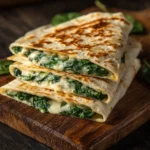
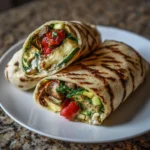
- Absolutely! Lightly brush assembled (un-cut) wrap with olive oil. Grill on medium heat 2–3 minutes per side in a covered grill basket or on griddle until golden grill marks appear and tortilla is crisp-edged. Adds smoky depth — perfect for summer barbecues.
Summary
The Creamy Pesto Veggie Wrap is a masterclass in plant-powered harmony — where vibrant herbs, creamy textures, roasted sweetness, and raw crunch converge inside a sturdy, nutrient-rich tortilla to create a meal that satisfies hunger, nourishes deeply, and delights the senses with every bite.
Infinitely customizable, nutritionally robust, and rooted in time-honored techniques, it’s not just a wrap — it’s a canvas for creativity, care, and culinary joy, designed to fuel your body and uplift your everyday moments.