Introduction
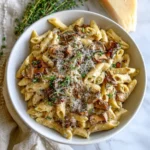
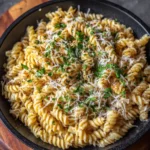
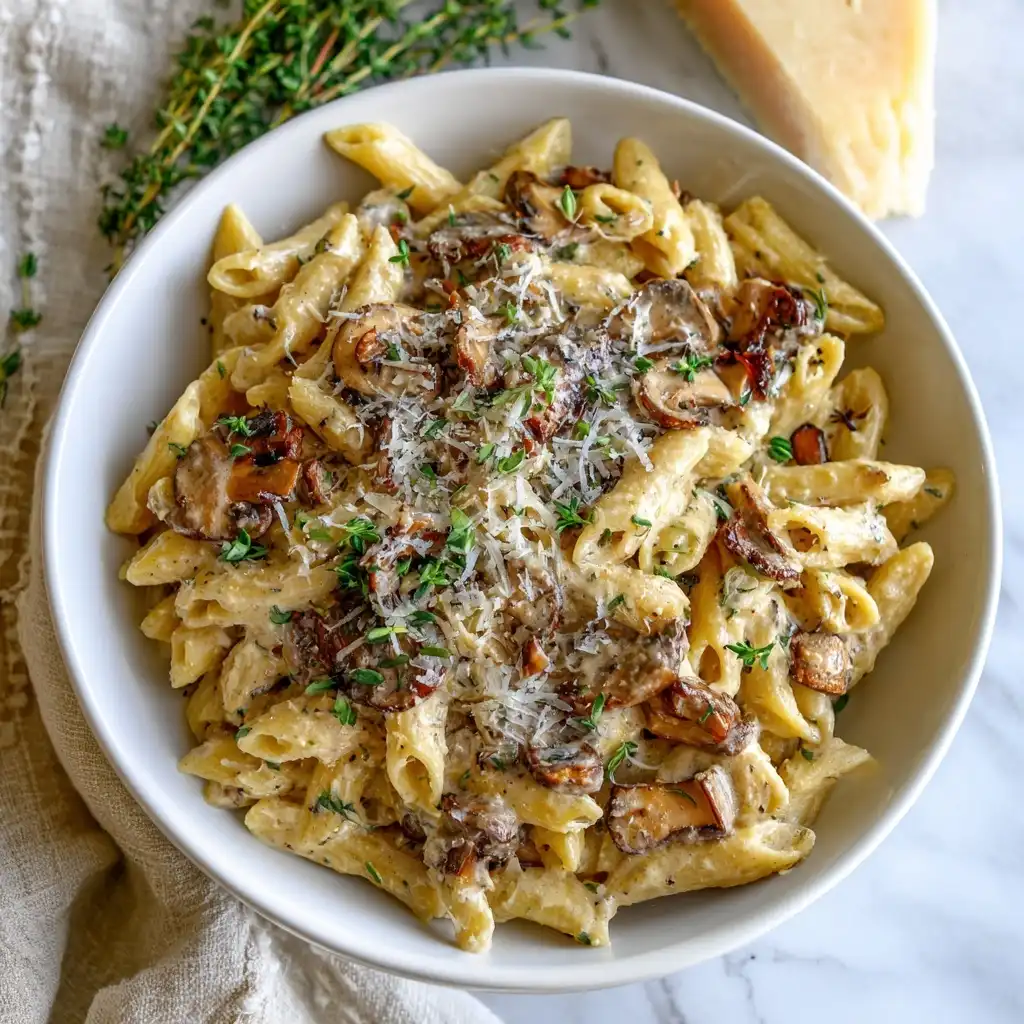
Creamy Mushroom Truffle Pasta is more than just a dish—it’s an indulgent, aromatic experience that transforms humble pantry staples into a restaurant-worthy masterpiece. With its velvety sauce, earthy umami depth, and luxurious truffle essence, this pasta strikes the perfect balance between rustic comfort and refined elegance. Whether served as a cozy weeknight dinner or elevated for a special occasion, it captivates the senses with rich fragrance, silky texture, and layered complexity. Its growing popularity reflects a broader culinary renaissance—where foraged ingredients, artisanal techniques, and mindful luxury converge on the plate.
The History
The origins of mushroom pasta trace back centuries across European traditions—particularly in Italy, France, and Eastern Europe—where wild fungi were foraged, dried, and incorporated into hearty grain-based meals. In medieval Tuscany, porcini-infused pastas appeared in monastic cookbooks, while French chefs in Burgundy and Périgord began pairing local chanterelles and cepes with cream and aged cheeses as early as the 17th century. The truffle element, however, entered the mainstream much later: black Périgord truffles gained prominence in French haute cuisine during the 19th century, and white Alba truffles became synonymous with Italian gastronomic prestige in the early 20th century. The fusion of mushrooms and truffles in pasta dishes surged in the 1980s and ’90s, championed by celebrity chefs like Paul Bocuse and later Mario Batali, who showcased how modest ingredients could be elevated through technique and premium accents. Today, Creamy Mushroom Truffle Pasta embodies a globalized, ingredient-forward philosophy—one that honors terroir, seasonality, and the alchemy of fat, acid, and aroma.
Ingredients Breakdown
Understanding each component is essential to mastering this dish—not merely as a list, but as a symphony of function and flavor:
- Fresh Mushrooms (12–16 oz): A blend of cremini, shiitake, oyster, and wild varieties (e.g., hen-of-the-woods or lobster mushrooms) delivers textural contrast and nuanced umami. Cremini offer meatiness; shiitakes contribute smoky depth; oysters add delicate sweetness and tenderness. Avoid pre-sliced “button” mushrooms exclusively—they lack complexity and release too much water.
- Truffle Component: Two-tiered luxury—fresh black winter truffle (Tuber melanosporum) shaved at the end for volatile aromatic compounds, and high-quality truffle oil or infused butter used during cooking to build foundational aroma. Note: Most commercial “truffle oil” is synthetic (2,4-dithiapentane); opt for cold-infused, extra-virgin olive oil blended with real truffle pulp or certified artisanal versions.
- Pasta (12 oz): Bronze-die extruded spaghetti, tagliatelle, pappardelle, or garganelli hold sauce exceptionally well. Semolina-rich durum wheat pasta provides structural integrity and starch release critical for emulsification. Fresh egg pasta (like fettuccine) also works beautifully—but reduce cooking time and reserve extra starchy water.
- Aromatics & Base: Yellow onion (finely diced), garlic (thinly sliced—not minced, to prevent burning), and shallots (for brightness) form the soffritto. A splash of dry white wine (e.g., Pinot Grigio or Verdicchio) adds acidity and lifts richness.
- Cream Element: Heavy cream (36% fat) is traditional—but for greater nuance, combine ¾ cup heavy cream with ¼ cup full-fat crème fraîche or mascarpone. Crème fraîche contributes subtle tang and stabilizes the emulsion; mascarpone lends unctuous silkiness without curdling.
- Cheese: Aged Parmigiano-Reggiano DOP (microplaned, not pre-grated) for salty, nutty umami; complemented by a small amount of Pecorino Toscano or aged Gruyère for grassy, caramelized depth. Avoid pre-shredded cheese—it contains anti-caking agents that impede melting.
- Fat Medium: Unsalted European-style butter (82–84% fat) for browning and nuttiness; supplemented with a drizzle of high-phenolic, early-harvest extra-virgin olive oil for fruitiness and truffle compatibility.
- Herbs & Finishers: Fresh thyme leaves (stems removed), flat-leaf parsley (chiffonade), and a whisper of lemon zest brighten the profile. Maldon sea salt and freshly cracked Tellicherry black pepper are non-negotiable for finishing.
Step-by-Step Recipe
- Prep & Mise en Place (15 minutes): Wipe mushrooms clean with a damp paper towel—never soak. Slice uniformly (¼-inch thick for cremini/shiitake; tear oyster/hen-of-the-woods by hand). Finely dice onion and shallot; slice garlic. Grate cheese; zest lemon; microplane truffle (if using fresh); measure all liquids and herbs. Heat a large Dutch oven or wide-bottomed skillet over medium-low.
- Brown the Mushrooms (8–10 minutes): Add 2 tbsp butter and 1 tbsp olive oil. Once shimmering (not smoking), add mushrooms in a single layer—do not crowd. Cook undisturbed 3–4 minutes until deeply golden and moisture evaporates. Flip/stir, then continue browning until edges crisp and aroma becomes intensely woodsy. Transfer to a bowl—reserve all fond and juices.
- Soffritto & Deglaze (5 minutes): In same pan, add remaining 1 tbsp butter. Sauté onion and shallot until translucent (4 minutes). Add garlic and thyme; stir 30 seconds until fragrant. Pour in wine, scraping vigorously to lift browned bits. Simmer until reduced by 75% (~2 minutes).
- Build the Sauce Base (6 minutes): Lower heat to medium-low. Stir in reserved mushroom juices, then slowly whisk in cream mixture. Simmer gently—do not boil—until slightly thickened and coats the back of a spoon (~4 minutes). Add half the grated cheese; whisk until molten and smooth.
- Combine & Emulsify (4 minutes): Cook pasta 1 minute shy of package time. Reserve 1½ cups starchy water. Drain pasta, then immediately add to sauce. Toss over low heat, adding starchy water ¼ cup at a time, stirring vigorously with tongs to create a glossy, cohesive emulsion. Sauce should cling luxuriously—not pool or separate.
- Finish & Serve (2 minutes): Remove from heat. Fold in remaining cheese, a generous knob of cold butter (1 tbsp), truffle oil (½ tsp), and half the fresh truffle shavings (if using). Adjust seasoning with salt, pepper, and a pinch of lemon zest. Garnish with parsley, remaining truffle, flaky salt, and cracked pepper. Serve immediately in warmed shallow bowls.
Tips
- Temperature Control Is Everything: High heat scorches garlic and breaks cream. Maintain medium-low throughout sauce building—patience yields silk, not grain.
- Starch Water Is Your Secret Weapon: It contains amylose and gluten proteins that bind fat and liquid. Never skip reserving it—and add gradually while tossing pasta to control consistency.
- Truffle Timing Matters: Fresh truffle loses volatile aromas above 140°F. Always fold in *after* removing from heat—or at the very end of tossing.
- Don’t Rinse Pasta: Rinsing removes surface starch critical for emulsification and prevents sauce adhesion.
- Brown, Don’t Steam Mushrooms: Crowding causes sweating. Use two skillets if needed—or cook in batches. Golden-brown = deep umami; grey = bland.
- Acid Balance: A final ¼ tsp lemon juice (not zest) can rescue an overly rich batch—add drop by drop off-heat.
- Butter Finish: Adding cold, cubed butter at the end (monte au beurre) enriches mouthfeel and adds sheen without heaviness.
- Resting Myth: This dish does *not* benefit from resting. Serve within 90 seconds of finishing—truffle aroma fades rapidly, and pasta absorbs sauce unevenly when stagnant.
Variations and Customizations
This recipe is a canvas—adaptable across dietary needs, seasons, and regional influences:
- Vegan Version: Substitute king oyster mushrooms (for “scallops”), cashew crème fraîche (soaked raw cashews + lemon + miso + nutritional yeast), truffle-infused avocado oil, and vegan Parmesan (almond-based + white miso + nori). Finish with black garlic oil and toasted pine nuts.
- Gluten-Free Adaptation: Use bronze-die GF pasta (e.g., Casarecce from Jovial or Banza chickpea blend). Increase starch water slightly (GF pasta releases less)—and add ½ tsp xanthan gum to cream base before heating to stabilize.
- Protein-Enhanced: Pan-sear scallops or diver-caught shrimp in mushroom fond; nestle atop finished pasta. Or add crispy pancetta lardons (rendered separately) for savory crunch.
- Foraged & Seasonal Twists: Spring: add morels and fiddlehead ferns. Autumn: roasted chestnuts and wild boar sausage crumbles. Winter: black trumpet mushrooms and braised leeks. Summer: grilled hedgehog mushrooms and heirloom cherry tomatoes.
- Regional Riffs: French Forestière: Add Dijon mustard and brandy; finish with tarragon. Italian Tartufata: Use only white truffle, pecorino, and a splash of Vin Santo. Japanese-Inspired: Swap soy-mirin glaze for wine, add shiso and yuzu zest, use soba noodles, and finish with black sesame and sansho pepper.
- Low-Carb/Keto: Replace pasta with spiralized zucchini (salted, drained, and roasted), shirataki noodles (rinsed and dry-sautéed), or hearts of palm ribbons. Boost fat with extra truffle butter and MCT oil infusion.
- Meal Prep Friendly: Prepare components separately—sautéed mushrooms, sauce base (cool & refrigerate up to 3 days), and cooked pasta (tossed in olive oil)—then combine and reheat gently with extra starchy water or broth.
Health Considerations and Nutritional Value
While inherently rich, Creamy Mushroom Truffle Pasta offers surprising functional benefits when prepared mindfully:
- Mushrooms: Nature’s Umami Powerhouse: Rich in ergothioneine (a potent antioxidant), beta-glucans (immune-modulating polysaccharides), vitamin D₂ (especially UV-exposed varieties), B vitamins (riboflavin, niacin, pantothenic acid), and selenium. Shiitakes contain lentinan—a compound studied for antitumor activity.
- Truffles: Aroma-Driven Wellness: Contain androstenol and androstenone—naturally occurring pheromones linked to mood modulation and stress reduction in olfactory studies. Their intense scent may stimulate salivation and digestive enzyme production (cephalic phase response).
- Dairy Elements: Balanced Fat Profile: Full-fat dairy provides conjugated linoleic acid (CLA), vitamin K₂ (critical for calcium metabolism), and bioavailable calcium. Crème fraîche introduces beneficial lactic acid bacteria—supporting gut microbiome diversity.
- Considerations for Sensitivity: Lactose-intolerant individuals often tolerate aged cheeses (low lactose) and crème fraîche (fermented, ~1–2g lactose per ¼ cup). For those monitoring saturated fat, reduce cream volume by 25% and increase mushroom quantity + truffle oil (pure aroma, minimal fat).
- Nutrition Snapshot (per serving, ~1.5 cups): Approx. 620 kcal | 32g fat (18g sat) | 68g carbs (3g fiber, 2g sugar) | 18g protein | 420mg sodium | 120% DV vitamin B12 | 45% DV riboflavin | 30% DV selenium | 25% DV vitamin D (with UV-treated mushrooms).
- Mindful Indulgence Principle: Rather than reducing luxury, enhance meaning—source regeneratively farmed mushrooms, support truffle foragers practicing ethical harvesting, choose pasture-raised dairy, and savor slowly. Nutrition isn’t just chemistry—it’s ecology, ethics, and attention.
Ingredients
- 12–16 oz mixed fresh mushrooms (cremini, shiitake, oyster, and/or wild varieties), cleaned and sliced
- 12 oz bronze-die spaghetti, tagliatelle, or pappardelle (semolina or fresh egg)
- 4 tbsp unsalted European-style butter, divided
- 2 tbsp early-harvest extra-virgin olive oil
- 1 medium yellow onion, finely diced
- 2 shallots, finely diced
- 4 garlic cloves, thinly sliced
- 1 tsp fresh thyme leaves (stems removed)
- ½ cup dry white wine (e.g., Pinot Grigio or Verdicchio)
- ¾ cup heavy cream (36% fat)
- ¼ cup full-fat crème fraîche or mascarpone
- 1½ cups freshly grated Parmigiano-Reggiano DOP (divided)
- ½ cup grated Pecorino Toscano or aged Gruyère
- 1–2 tsp high-quality truffle oil (cold-infused, real truffle)
- 1–2 tbsp freshly shaved black winter truffle (optional but recommended)
- 1 tbsp fresh lemon zest
- ¼ cup flat-leaf parsley, finely chopped
- Maldon sea salt and freshly cracked Tellicherry black pepper, to taste
Directions
- Bring a large pot of heavily salted water (2 tbsp kosher salt per gallon) to a rolling boil. Cook pasta 1 minute less than package instructions. Reserve 1½ cups starchy cooking water, then drain pasta—do not rinse.
- Meanwhile, heat a 12-inch heavy-bottomed skillet or Dutch oven over medium-low heat. Add 2 tbsp butter and 1 tbsp olive oil. When butter foams, add mushrooms in a single layer. Cook undisturbed 4 minutes, then stir and continue browning until deeply caramelized and fragrant (4–6 more minutes). Transfer to a bowl; reserve all juices.
- In same pan, melt remaining 2 tbsp butter over medium-low. Add onion and shallots; sauté 4 minutes until soft. Add garlic and thyme; cook 30 seconds until aromatic. Pour in wine, scraping bottom to deglaze. Simmer 2 minutes until nearly evaporated.
- Reduce heat to low. Whisk in cream and crème fraîche. Simmer gently 4 minutes, stirring occasionally, until slightly thickened. Stir in 1 cup Parmigiano and all Pecorino until fully melted and smooth.
- Add drained pasta and reserved mushroom juices to sauce. Toss over low heat, adding starchy water ¼ cup at a time, stirring vigorously with tongs for 2–3 minutes until sauce is glossy and clings to pasta.
- Remove from heat. Fold in remaining ½ cup Parmigiano, truffle oil, lemon zest, and half the fresh truffle (if using). Season with salt and pepper.
- Divide among warmed shallow bowls. Garnish with parsley, remaining truffle shavings, flaky sea salt, and extra black pepper. Serve immediately.
FAQ
- Can I use dried mushrooms?
- Yes—but rehydrate ½ oz dried porcini or black trumpet in 1 cup hot vegetable broth for 20 minutes. Strain (reserve liquid), chop finely, and add both mushrooms and strained liquid during the sauce-building step. Supplement with 4 oz fresh mushrooms for texture.
- Why does my sauce break or look greasy?
- Overheating after adding cheese or insufficient emulsification. Always remove from heat before adding final cheese and butter. Stir continuously while incorporating starchy water—it’s the emulsifier that binds fat and liquid.
- Is truffle oil necessary? Can I skip it?
- It’s not mandatory—but omitting it sacrifices signature aroma. If avoiding truffle oil, double the fresh truffle shavings and add 1 tsp white truffle paste (real, not synthetic) during the final fold. Never substitute “aroma oil”—it overwhelms and tastes artificial.
- Can I make this ahead of time?
- The sauce base (steps 1–4) keeps refrigerated for 3 days or frozen for 1 month. Reheat gently with a splash of milk or broth before combining with freshly cooked pasta. Never refrigerate fully assembled dish—it becomes gummy and loses aroma.
- What wine pairs best with this dish?
- A mineral-driven white: Chablis Premier Cru (unoaked Chardonnay), Alto Adige Pinot Bianco, or Umbrian Grechetto. For red lovers, choose a low-tannin, high-acid option like chilled Loire Cabernet Franc or Barbera d’Asti Superiore.
- My mushrooms released too much water—what went wrong?
- They were either wet when added or overcrowded. Always pat mushrooms dry thoroughly. Cook in batches if your pan isn’t large enough—evaporation is essential for browning and flavor concentration.
- Can I freeze leftovers?
- Not recommended. Dairy-based sauces separate upon freezing/thawing, and truffle aroma vanishes. However, the mushroom mixture and sauce base (without cheese or truffle) freeze well for up to 2 months.
- How do I store fresh truffles?
- Bury whole truffles in a sealed jar with 1 cup uncooked Arborio rice—refrigerate up to 10 days. The rice absorbs moisture and becomes infused (perfect for truffle risotto). Never wash or wrap in plastic.
Summary
Creamy Mushroom Truffle Pasta is a masterclass in balancing earthy depth, luxurious aroma, and silken texture—where slow-browned mushrooms, slow-simmered cream, and finessed emulsification converge with the volatile magic of real truffle. It honors tradition while inviting creativity, nourishes body and spirit, and transforms everyday ingredients into moments of profound culinary presence.
With meticulous technique, intentional sourcing, and mindful execution, this dish transcends indulgence—it becomes ritual, memory, and quiet celebration of what the earth, craft, and care can yield when given patience and reverence.