Introduction
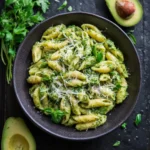
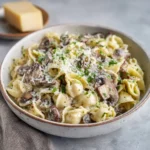
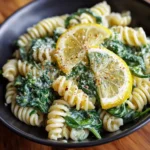
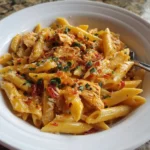
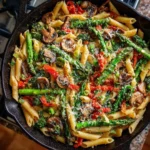
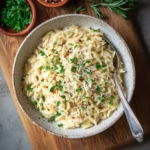
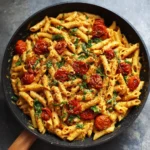
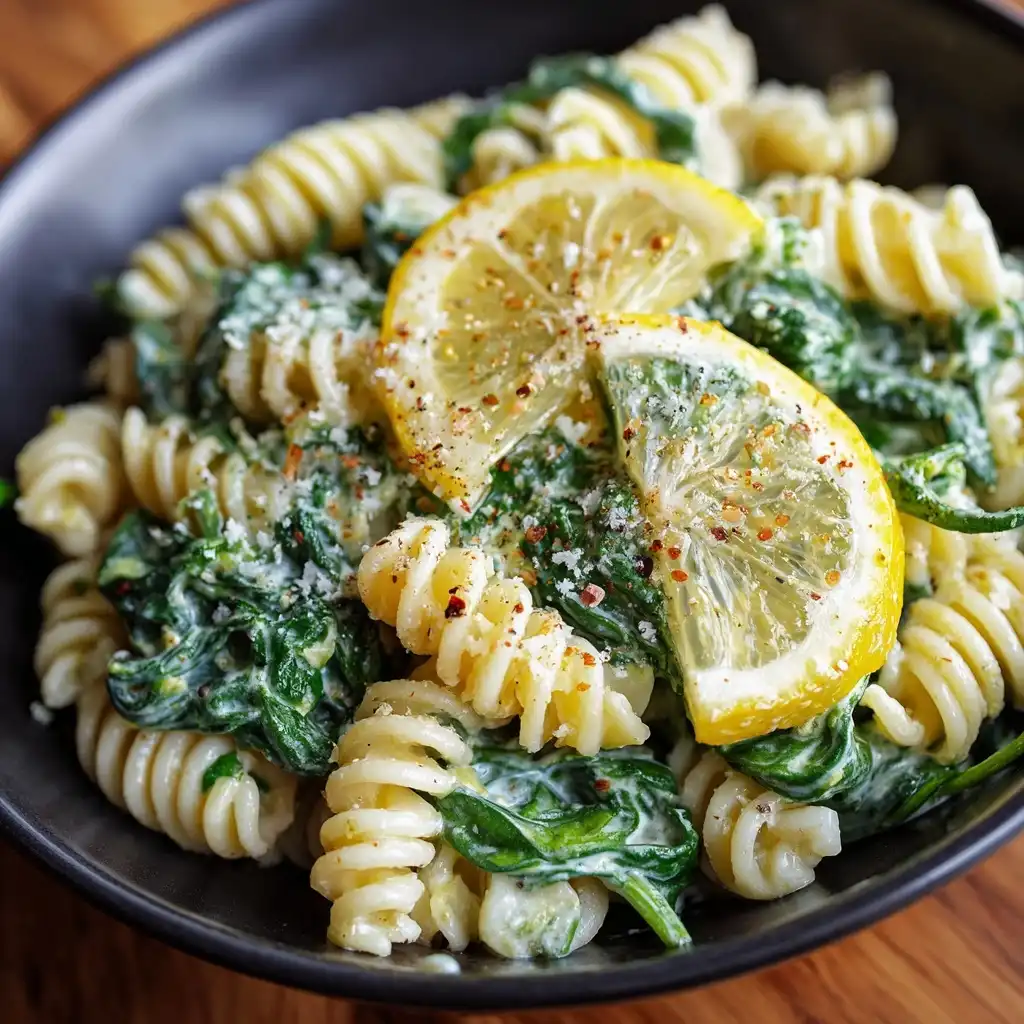
Creamy Lemon Spinach Pasta is a vibrant, restaurant-worthy dish that marries the bright acidity of fresh lemons with the earthy sweetness of tender spinach and the luxurious silkiness of a velvety, dairy-enriched sauce—all clinging beautifully to perfectly cooked pasta. Far more than a weeknight shortcut, this dish embodies balance: zesty yet mellow, light yet deeply satisfying, nutritious yet indulgent. Its elegance lies in its simplicity—just a handful of high-quality ingredients transformed through thoughtful technique into a harmonious, soul-warming meal that feels both effortless and intentional. Whether served as a sophisticated solo dinner, a crowd-pleasing side at a summer gathering, or a nourishing lunchbox staple, Creamy Lemon Spinach Pasta consistently delivers freshness, comfort, and culinary joy in every forkful.
The History
While no single origin story defines Creamy Lemon Spinach Pasta, its roots trace across multiple culinary traditions converging in modern home cooking. The marriage of lemon and greens echoes centuries-old Mediterranean practices—think Sicilian limoni-brightened vegetable stews or Greek spanakopita’s citrus-kissed filling. Pasta with cream-based sauces gained prominence in mid-20th-century American and Northern Italian kitchens, where heavy cream or ricotta offered richness without the complexity of traditional emulsified butter sauces. Spinach, long revered for its iron and versatility, surged in popularity during WWII as a nutrient-dense wartime staple—and later, in the 1970s–80s health-food movement, became synonymous with “clean,” green eating. The modern iteration of this dish emerged prominently in the early 2000s food blog era, championed by chefs and home cooks seeking quick, photogenic, and nutrition-forward meals. It was further refined with the rise of “pan sauces” (deglazing hot pans with lemon juice and finishing with cold dairy), popularized by chefs like Ina Garten and Martha Stewart. Today, it stands as a quintessential example of global fusion: Italian pasta technique, Mediterranean brightness, French pan-sauce finesse, and American practicality—all unified by a commitment to freshness, speed, and flavor integrity.
Ingredients Breakdown
Every ingredient in Creamy Lemon Spinach Pasta plays a deliberate, synergistic role—no filler, no afterthought. Here’s why each one matters:
- Pasta (12 oz / 340 g): Use bronze-die extruded spaghetti, linguine, or fusilli for optimal sauce adhesion. The starch released during boiling is essential for emulsifying the creamy sauce—don’t rinse! Whole wheat or legume-based pastas add fiber and protein but may require adjusted cook times and extra pasta water for smooth integration.
- Fresh Spinach (6–8 oz / 170–225 g, packed): Baby spinach is preferred for its tender texture and mild, sweet bitterness. Mature spinach works but benefits from stem removal and slightly longer wilting. Avoid pre-chopped “salad blend” spinach—it oxidizes faster and lacks structural integrity when heated.
- Lemons (2 large, preferably organic): You’ll need both zest (finely grated outer peel, rich in aromatic citrus oils) and juice (about ¼ cup / 60 ml). Meyer lemons offer floral sweetness; Eureka or Lisbon provide sharper, brighter acidity. Always juice lemons at room temperature for maximum yield and flavor.
- Garlic (3–4 cloves, finely minced): Raw garlic adds pungency, but gentle sautéing unlocks its nutty, savory depth without bitterness. Use a microplane or press for even distribution and faster cooking.
- Shallots (1 large or 2 medium, finely diced): A more nuanced, sweeter alternative to onion—adds aromatic complexity without overwhelming heat. Optional but highly recommended for layered flavor.
- Extra-Virgin Olive Oil (3 tbsp): Not just for cooking—it finishes the dish with fruitiness and peppery notes. Choose a robust, mid-range EVOO (e.g., Spanish Picual or Greek Koroneiki) that can stand up to lemon without fading.
- Heavy Cream (½ cup / 120 ml) or Full-Fat Coconut Milk (for vegan): Provides unctuous body and mouthfeel. Heavy cream (36–40% fat) emulsifies seamlessly and adds subtle sweetness. For dairy-free versions, use canned full-fat coconut milk (stirred well)—avoid “light” versions, which separate and lack richness.
- Grated Parmigiano-Reggiano (¾ cup / 85 g, freshly grated): Adds umami, saltiness, and granular texture. Pre-grated cheese contains anti-caking agents that inhibit melting and create graininess—always grate yourself using a microplane.
- Unsalted Butter (2 tbsp, cold and cubed): Added off-heat to enrich and gloss the sauce. Cold butter melts slowly, allowing it to emulsify rather than pool, lending sheen and rounded flavor. Optional but transformative.
- Red Pepper Flakes (¼ tsp, optional): A whisper of heat balances lemon’s sharpness and enhances perception of other flavors—use Aleppo pepper for fruity warmth or Calabrian for smoky brightness.
- Sea Salt and Freshly Ground Black Pepper (to taste): Kosher salt is ideal for even seasoning; finish with flaky Maldon or Fleur de Sel for textural contrast. Freshly cracked black pepper adds volatile aromatics best preserved when added at the end.
Step-by-Step Recipe
- Prep Everything First (Mise en Place): Wash and thoroughly dry spinach (excess water causes steaming instead of wilting). Zest and juice lemons. Mince garlic and shallots. Grate cheese. Measure cream and have cold butter ready. This ensures seamless execution—no frantic chopping mid-cook.
- Cook Pasta Al Dente: Bring 4–5 quarts of well-salted water (it should taste like the sea) to a rolling boil. Add pasta and stir immediately to prevent sticking. Cook 1–2 minutes *less* than package instructions—pasta will finish cooking in the sauce. Reserve 1 cup (240 ml) of starchy pasta water before draining.
- Sauté Aromatics: While pasta cooks, heat olive oil in a wide, deep skillet or Dutch oven over medium-low heat. Add shallots and sauté 2–3 minutes until translucent. Add garlic and red pepper flakes; cook 30–60 seconds until fragrant—but do not brown. Garlic burns easily and turns bitter.
- Wilt the Spinach: Increase heat to medium. Add spinach in batches if necessary, stirring constantly with tongs until just collapsed and vibrant green (about 90 seconds total). Avoid overcooking—spinach should retain slight texture and vivid color.
- Build the Sauce Base: Reduce heat to low. Pour in lemon juice and stir, scraping up any browned bits (fond) from the pan—this adds deep, caramelized flavor. Simmer gently for 30 seconds to mellow raw acidity.
- Emulsify with Cream & Cheese: Whisk in heavy cream and half the grated cheese. Stir continuously until warmed through and beginning to thicken (1–2 minutes). Do not boil—cream may curdle.
- Combine Pasta & Finish: Add drained pasta directly to the skillet. Toss vigorously with tongs, adding reserved pasta water 2 tbsp at a time until sauce coats every strand luxuriously (usually ¼–½ cup needed). Off heat, stir in cold butter cubes one at a time until fully melted and glossy. Fold in lemon zest and remaining cheese. Season with salt and pepper—taste critically: lemon should sing, but not dominate; salt should lift all flavors.
- Rest & Serve Immediately: Let rest 1 minute to allow starches to fully hydrate and sauce to cling. Garnish generously with extra zest, cheese, cracked pepper, and a drizzle of high-quality olive oil.
Tips
- Never Skip the Pasta Water: That starchy liquid is your secret weapon—it’s not just moisture, it’s natural glue. Its gluten and starch suspend fat molecules, transforming thin cream into a cohesive, velvety emulsion that clings—not pools.
- Control Lemon Acidity: If sauce tastes too sharp after combining, balance with a pinch of sugar (¼ tsp) or a splash of cream—not more cheese, which masks rather than harmonizes.
- Spinach Squeeze Trick: For ultra-creamy texture and no watery sauce, wilt spinach first, then transfer to a clean kitchen towel and gently squeeze out excess liquid before returning to pan. Especially helpful with frozen spinach (thawed and squeezed).
- Cheese Timing Matters: Add half the cheese while heating the sauce to dissolve fully; reserve the rest for finishing—its cooler temperature preserves its nutty, crystalline texture and aromatic compounds.
- Low-and-Slow Cream Integration: Adding cold cream to a hot pan can cause separation. Warm cream slightly (30 seconds in microwave) or temper it by whisking 2 tbsp hot sauce into it before adding to pan.
- Pasta Temperature Sync: Drain pasta and add to sauce *immediately*—cold pasta chills the sauce, preventing proper emulsification and causing cheese to seize.
- Acid Last, Always: Lemon juice goes in early to cook off harshness; lemon zest is added at the very end to preserve volatile citrus oils—adding zest too soon dulls its fragrance.
- Butter = Gloss & Depth: Cold butter stirred in off-heat doesn’t just add fat—it creates a stable micro-emulsion, giving the sauce a luminous sheen and rounding out any remaining sharp edges.
- Resist Over-Stirring After Finishing: Once butter and zest are incorporated, toss gently just to coat. Overworking warms the sauce too much and can break the emulsion or make spinach mushy.
- Make-Ahead Note: While best served fresh, you can prep components ahead: cook and chill pasta (toss with 1 tsp oil to prevent sticking), wash/spin spinach, zest/juice lemons, grate cheese. Assemble within 15 minutes of serving for optimal texture.
Variations and Customizations
This recipe is a brilliant canvas—adaptable for dietary needs, seasonal produce, pantry constraints, and personal cravings. Here are thoughtfully tested variations:
- Vegan Version: Swap heavy cream for ½ cup full-fat coconut milk + 1 tbsp cashew cream (soaked raw cashews blended with water); use nutritional yeast (3 tbsp) + 1 tsp white miso for umami depth instead of Parmesan; replace butter with vegan butter or 1 tbsp olive oil; ensure pasta is egg-free. Add ½ tsp turmeric for golden hue and subtle earthiness.
- Protein-Packed: Add 1 cup cooked chickpeas (roasted for crunch or simmered in sauce for tenderness), shredded rotisserie chicken, pan-seared shrimp (added in last 2 minutes), or flaked wild-caught salmon (folded in off-heat). For vegetarians, pan-fry ½ cup crumbled firm tofu with tamari and sesame oil until golden.
- Herb-Forward: Stir in ¼ cup chopped fresh dill or basil at the end—or use a mix of parsley, chives, and mint for a bright, garden-fresh profile. Avoid dried herbs unless rehydrated—they lack vibrancy and can taste dusty.
- Roasted Vegetable Upgrade: Toss 1 cup diced zucchini, cherry tomatoes, or asparagus with olive oil, salt, and roast at 425°F (220°C) for 15–20 minutes until caramelized. Fold in with spinach for deeper sweetness and textural contrast.
- “Green Goddess” Twist: Blend ¼ cup basil, 2 tbsp parsley, 1 small avocado, 1 tbsp capers, 1 tsp Dijon, and lemon juice into a paste; swirl into finished sauce for herbaceous richness and healthy fats.
- Gluten-Free Adaptation: Use certified GF pasta (brown rice, lentil, or chickpea-based). Cook according to package directions—GF pasta often releases less starch, so reserve extra pasta water (1½ cups) and consider adding 1 tsp xanthan gum to cream mixture for stability.
- Lighter Dairy Option: Substitute half-and-half or whole milk + 1 tbsp cornstarch slurry (mixed with cold milk) for heavy cream. Simmer 2 minutes to thicken. Texture will be less rich but still cohesive.
- Umami Bomb: Add 1 tsp soy sauce or tamari (adds salt + depth without detectable “soy” flavor), 1 tbsp sun-dried tomato paste, or a small piece of kombu simmered in pasta water and removed before cooking.
- Spice & Heat Layers: Infuse olive oil with sliced serrano or jalapeño before sautéing aromatics; add ½ tsp smoked paprika with garlic; or finish with pickled red onions and a drizzle of chili crisp.
- Winter Variation: Swap spinach for chopped Swiss chard or lacinato kale (massaged with olive oil and salt first); add toasted pine nuts and dried cranberries; use blood orange juice/zest for complex tartness.
Health Considerations and Nutritional Value
Creamy Lemon Spinach Pasta is a nutrient-dense dish that bridges pleasure and wellness—when prepared mindfully. A standard serving (1⅓ cups cooked pasta + sauce) provides approximately:
- Calories: ~520–580 kcal (varies by pasta type, cheese quantity, and cream used)
- Protein: 22–28 g (from pasta, cheese, optional added protein)
- Fiber: 4–6 g (higher with whole-grain or legume pasta + spinach’s insoluble fiber)
- Vitamin K: >500% DV (spinach is one of nature’s richest sources—essential for blood clotting and bone health)
- Vitamin C: ~85 mg (~95% DV) from lemon juice and zest—boosts iron absorption from spinach and supports immunity
- Folate (B9): ~120 mcg (~30% DV) — vital for cell repair and especially important during pregnancy
- Iron: ~3.5 mg (non-heme iron from spinach; enhanced 3x by vitamin C from lemon)
- Calcium: ~220 mg (from Parmesan—bioavailable due to lactose and casein)
- Healthy Fats: Monounsaturated (olive oil) and saturated (cream, cheese) fats—moderation is key, but these support hormone health and nutrient absorption of fat-soluble vitamins A, D, E, K.
Key Health Notes:
- Iron Absorption Boost: The vitamin C in lemon dramatically increases non-heme iron bioavailability from spinach—making this pairing scientifically superior to spinach alone.
- No Added Sugar: Naturally sweet from lemon and spinach—ideal for low-glycemic or diabetic-friendly meal planning (pair with lean protein for balanced blood sugar).
- Anti-Inflammatory Profile: Lemon polyphenols (hesperidin, eriocitrin), spinach lutein/zeaxanthin, olive oil oleocanthal, and garlic allicin collectively combat oxidative stress.
- Considerations: High sodium content comes primarily from cheese and added salt—reduce cheese by ¼ cup and omit added salt if hypertension is a concern. For lower saturated fat, opt for part-skim ricotta instead of heavy cream and reduce Parmesan by half, boosting lemon zest and herbs for flavor compensation.
- Digestive Friendly: Garlic and lemon stimulate bile production and gastric motility—beneficial for sluggish digestion. However, those with GERD or IBS may prefer reducing garlic or using roasted garlic for gentler impact.
Ingredients
- 12 oz (340 g) spaghetti, linguine, or fusilli (bronze-die preferred)
- 6–8 oz (170–225 g) fresh baby spinach, washed and thoroughly dried
- 2 large organic lemons (zest of both + juice of both, ~¼ cup / 60 ml)
- 3–4 cloves garlic, finely minced
- 1 large shallot (or 2 medium), finely diced
- 3 tbsp extra-virgin olive oil, plus more for finishing
- ½ cup (120 ml) heavy cream (or full-fat coconut milk for vegan)
- ¾ cup (85 g) freshly grated Parmigiano-Reggiano, divided
- 2 tbsp unsalted butter, cold and cubed
- ¼ tsp red pepper flakes (optional)
- Kosher salt and freshly ground black pepper, to taste
- Flaky sea salt (e.g., Maldon) and extra lemon zest, for garnish
Directions
- Gather and prep all ingredients as outlined in the Step-by-Step Recipe section above.
- Bring 4–5 quarts of water to a vigorous boil. Add 2 tbsp kosher salt. Add pasta and cook, stirring occasionally, until 1–2 minutes shy of al dente. Reserve 1 cup (240 ml) of starchy pasta water, then drain pasta—do not rinse.
- Heat olive oil in a 12-inch wide, heavy-bottomed skillet or Dutch oven over medium-low heat. Add shallots; sauté 2–3 minutes until soft and translucent. Add garlic and red pepper flakes; cook 45 seconds until fragrant.
- Increase heat to medium. Add spinach in two batches, stirring constantly with tongs until just wilted and bright green (about 90 seconds total).
- Reduce heat to low. Add lemon juice, scraping up any browned bits from the pan bottom. Simmer gently for 30 seconds.
- Whisk in heavy cream and ½ cup (60 g) of the grated cheese. Cook, stirring constantly, for 1–2 minutes until warmed and slightly thickened—but do not boil.
- Add drained pasta to the skillet. Toss vigorously with tongs, gradually adding reserved pasta water (start with ¼ cup) until sauce is creamy, glossy, and clings evenly to pasta (typically ¼–½ cup total used).
- Remove from heat. Stir in cold butter cubes one at a time until fully melted and emulsified. Fold in lemon zest and remaining ¼ cup (25 g) cheese.
- Season with freshly ground black pepper and additional salt only if needed (taste first—cheese and pasta water contribute significant sodium). Gently toss to combine.
- Let rest 60 seconds. Serve immediately in warmed bowls, garnished with extra lemon zest, flaky sea salt, a final drizzle of olive oil, and freshly cracked black pepper.
FAQ
- Can I use frozen spinach?
- Yes—but thaw completely, then squeeze *aggressively* in a clean towel to remove every drop of water. Use 10 oz (280 g) frozen, yielding ~1 cup drained. Frozen spinach has higher oxalate content, so pair with extra lemon juice to enhance calcium/iron absorption.
- Why does my sauce look greasy or broken?
- Most commonly caused by: (1) Boiling the cream—always keep heat low; (2) Adding cold cream to a hot pan—temper first; (3) Using pre-grated cheese with cellulose; (4) Skipping pasta water—starch is essential for emulsion. Fix by whisking in 1–2 tbsp hot pasta water off-heat and stirring vigorously.
- Can I make this ahead for meal prep?
- Yes—with caveats. Assemble without lemon zest, butter, or final cheese; cool completely, then refrigerate up to 3 days. Reheat gently in a skillet with 1–2 tbsp broth or water, stirring constantly. Finish with zest, butter, and cheese just before serving.
- What pasta shape works best?
- Long shapes (spaghetti, linguine) offer elegant twirlability; short shapes (fusilli, casarecce, orecchiette) trap sauce in grooves. Avoid delicate pastas like angel hair—they overcook easily and lack structure for creamy sauces.
- Is there a way to reduce the dairy without losing creaminess?
- Absolutely. Replace cream with: (1) Blended silken tofu + lemon juice + nutritional yeast; (2) Cashew cream (soaked cashews + water + lemon + salt, blended ultra-smooth); (3) White bean purée (cannellini beans, lemon, garlic, olive oil). Each adds fiber and plant protein while mimicking richness.
- My lemon sauce tastes too sour—how do I fix it?
- Balance—not mask. Stir in ¼ tsp honey or maple syrup *off-heat*. Alternatively, add 1 tsp cream or butter to round edges. Never add baking soda—it neutralizes acid chemically and creates off-flavors.
- Can I freeze this dish?
- Not recommended. Dairy-based sauces separate upon freezing/thawing, and spinach becomes watery and fibrous. Instead, freeze components separately: cooked pasta (tossed with oil), blanched spinach (squeezed), and lemon zest (in ice cube trays with olive oil).
- What wine pairs beautifully with this dish?
- A crisp, high-acid white: Italian Vermentino, French Muscadet Sèvre-et-Maine, or Austrian Grüner Veltliner. Their citrus and mineral notes mirror the lemon while cutting through richness. For red lovers, try a chilled, low-tannin Pinot Noir.
- How do I store leftovers?
- Cool completely, then store in an airtight container for up to 3 days. Reheat gently in a skillet over low heat with a splash of water or broth—microwaving causes uneven heating and rubbery texture.
- Can I add nuts for crunch?
- Yes! Toasted pine nuts, slivered almonds, or chopped walnuts add texture, healthy fats, and magnesium. Add them in the last 30 seconds of cooking or as a fresh garnish to preserve crunch.
Summary
Creamy Lemon Spinach Pasta is a masterclass in minimalist elegance—where vibrant lemon, earthy spinach, and silky dairy unite over perfectly textured pasta to create a dish that’s simultaneously light and luxurious, nutritious and deeply comforting. It celebrates the power of fresh, seasonal ingredients and precise technique, proving that extraordinary flavor and wellness need never be mutually exclusive.
Built on pantry staples yet elevated by mindful details—from reserving starchy pasta water to finishing with cold butter and raw lemon zest—this recipe rewards attention and adapts effortlessly to dietary needs, making it a timeless, table-worthy staple for cooks of every level.