Introduction
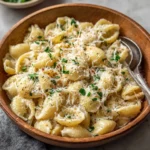
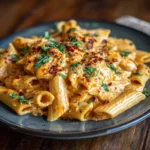
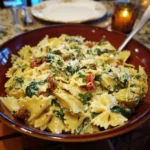
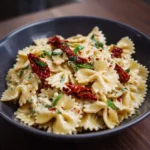
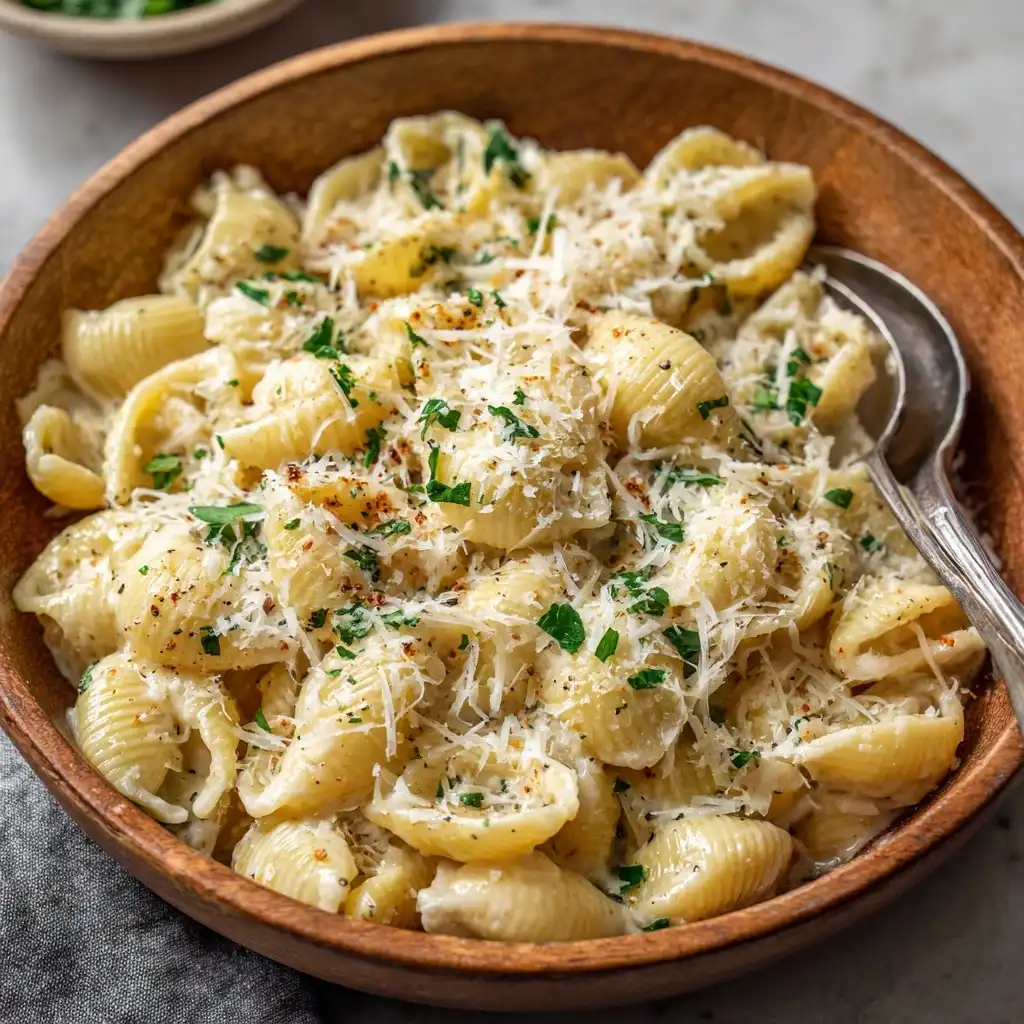
Creamy Garlic Parmesan Shells is a beloved, restaurant-quality pasta dish that brings comfort, elegance, and bold flavor to any table. With its luscious, velvety sauce clinging perfectly to tender jumbo pasta shells—each one delicately cradling rich garlicky cream and sharp, nutty Parmesan—it’s no wonder this recipe has become a staple in home kitchens across North America and beyond. Whether served as a cozy weeknight dinner, an impressive centerpiece for Sunday supper, or a crowd-pleasing addition to potlucks and holiday buffets, this dish strikes the perfect balance between indulgence and approachability. Its aromatic depth, creamy texture, and umami-forward profile make it deeply satisfying without being overly heavy—and best of all, it comes together in under 30 minutes with minimal hands-on effort.
The History
While pasta shells (conchiglie) trace their origins to southern Italy—where they were traditionally used in baked dishes like timballo or stuffed with ricotta and herbs—the modern Creamy Garlic Parmesan Shells as we know it is a quintessential product of American-Italian culinary evolution. Emerging prominently in the mid-to-late 20th century alongside the rise of accessible dairy products, pre-grated cheeses, and convenience cooking, this dish reflects the ingenuity of home cooks seeking restaurant-style luxury without complicated techniques. Influences from classic French-inspired cream sauces (think crème fraîche or béchamel hybrids), combined with Italian-American staples like garlic butter and aged Parmigiano-Reggiano, coalesced into what is now a viral sensation on food blogs, TikTok, and Pinterest. Notably, the dish gained renewed popularity in the early 2020s as part of the “creamy pasta renaissance,” fueled by social media trends highlighting silky, emulsified sauces achieved through smart starch management, proper cheese tempering, and slow garlic infusion—proving that even humble pantry staples can yield extraordinary results when treated with intention and care.
Ingredients Breakdown
Every exceptional Creamy Garlic Parmesan Shells begins with thoughtfully selected, high-quality components—each playing a distinct and indispensable role in building layers of flavor, texture, and mouthfeel:
- Pasta: Jumbo pasta shells (conchiglie grandi)—typically made from durum wheat semolina—are ideal due to their concave shape, which captures and holds the creamy sauce while providing structural integrity during cooking and serving. Their slightly porous surface also helps the sauce cling better than smoother pastas.
- Garlic: Fresh, minced or finely grated garlic provides aromatic pungency and depth. Raw garlic is too harsh; gently sautéing it in butter unlocks its natural sweetness and mellows its bite—crucial for achieving balanced, rounded savoriness.
- Butter: Unsalted European-style butter (82–84% fat) adds richness, gloss, and a subtle nutty note when lightly browned. It serves as both flavor carrier and emulsifier, helping bind the sauce components smoothly.
- Heavy Cream: Also known as whipping cream (36–40% milkfat), this high-fat dairy ingredient delivers luxurious body, stability, and resistance to curdling. Its fat content coats the tongue, enhancing perceived richness and carrying fat-soluble flavor compounds from garlic and cheese.
- Grated Parmesan Cheese: Authentic, freshly grated Parmigiano-Reggiano (not pre-shredded) is non-negotiable. Pre-grated versions contain anti-caking agents (like cellulose) that impede melting and create graininess. Real Parmigiano offers crystalline umami, salty complexity, and a granular melt that thickens the sauce naturally.
- Seasonings: Fine sea salt enhances all flavors and controls cheese salinity; freshly cracked black pepper adds gentle heat and aroma; optional pinch of ground nutmeg contributes warm, earthy depth that complements dairy beautifully.
- Optional Enhancements: A splash of whole milk or pasta water adjusts consistency without diluting flavor; a teaspoon of Dijon mustard acts as an emulsifying agent and brightens richness; fresh parsley or chives lend color and herbal freshness; a drizzle of truffle oil or lemon zest can elevate gourmet appeal.
Step-by-Step Recipe
- Prepare the Pasta: Bring a large pot of generously salted water (2 Tbsp kosher salt per 4 quarts) to a rolling boil. Add 12 oz (340 g) jumbo pasta shells and cook according to package directions—usually 10–12 minutes—until al dente (firm but not crunchy). Reserve 1 cup of starchy pasta water before draining. Do not rinse the pasta—this preserves vital surface starch needed for sauce adhesion.
- Sauté the Aromatics: While pasta cooks, melt 4 Tbsp unsalted butter in a large, deep skillet or Dutch oven over medium-low heat. Add 4–5 cloves finely minced garlic (about 1 Tbsp) and a pinch of red pepper flakes (optional). Cook gently for 1–2 minutes, stirring constantly, until fragrant and just beginning to turn golden—but do not let it brown or burn, or it will turn bitter.
- Build the Base: Pour in 1 cup (240 ml) heavy cream and stir to combine. Bring mixture to a gentle simmer—not a vigorous boil—and reduce heat to low. Let it simmer uncovered for 3–4 minutes, stirring occasionally, until slightly thickened and reduced by about 15%.
- Incorporate the Cheese: Remove pan from direct heat. Gradually whisk in 1 ½ cups (150 g) freshly grated Parmigiano-Reggiano, a small handful at a time, allowing each addition to fully melt and incorporate before adding more. This gradual method prevents clumping and ensures a smooth, homogenous emulsion. If sauce appears too thick, add 2–3 Tbsp reserved pasta water or warm whole milk, whisking vigorously.
- Combine Pasta and Sauce: Return skillet to very low heat. Gently fold in the drained, hot pasta shells using tongs or a silicone spatula. Toss continuously for 1–2 minutes until every shell is evenly coated and glistening. If needed, add additional splashes of pasta water (1 Tbsp at a time) to loosen and create a glossy, cohesive coating.
- Final Seasoning & Rest: Taste and adjust seasoning: add fine sea salt if needed (remember cheese is salty), freshly ground black pepper, and optionally a tiny pinch of freshly grated nutmeg. Let rest off heat for 2 minutes—this allows residual heat to further meld flavors and thicken the sauce slightly.
- Finish & Serve: Garnish generously with extra grated Parmesan, chopped fresh parsley or chives, and a final drizzle of high-quality olive oil or melted butter. Serve immediately in warmed bowls while piping hot and luxuriously creamy.
Tips
- Grate Your Own Cheese: Pre-shredded “Parmesan” often contains potato starch or cellulose, which inhibits melting and yields a gritty, separated sauce. Invest in a microplane grater and a wedge of authentic Parmigiano-Reggiano (look for the dotted rind with “Parmigiano-Reggiano” stamped in pin dots).
- Control the Heat: Garlic burns easily—keep it below 300°F (150°C). Use medium-low heat and stir constantly. If you smell sharpness or see browning, remove from heat immediately and start over.
- Reserve Pasta Water Wisely: That starchy liquid is liquid gold. Its amylose and amylopectin molecules act as natural thickeners and emulsifiers. Always reserve at least 1 cup before draining—and keep it warm (microwave 15 sec if cooled) so it integrates seamlessly.
- Never Boil the Cream Sauce After Adding Cheese: High heat causes proteins in cheese to seize and separate. Once Parmesan is added, keep heat at bare minimum or off entirely—rely on residual warmth and gentle folding.
- Undercook the Pasta Slightly: Since shells will continue to absorb sauce and cook slightly off-heat, aim for 1 minute less than al dente on the package. Overcooked shells become mushy and break apart when tossed.
- Use a Wide, Heavy-Bottomed Pan: Ensures even heat distribution, prevents scorching, and gives ample surface area for tossing without splattering.
- Add Acid for Balance: A ½ tsp of fresh lemon juice or white wine vinegar stirred in at the end brightens the richness and cuts through heaviness—especially helpful if serving to guests who prefer lighter profiles.
- Double the Batch? Scale Thoughtfully: When increasing quantities, increase butter and garlic proportionally—but add cheese gradually and monitor consistency closely. Larger volumes take longer to emulsify and may require more pasta water.
Variations and Customizations
This versatile base recipe welcomes endless creativity—whether adapting to dietary needs, seasonal produce, or personal taste preferences:
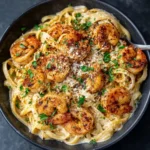
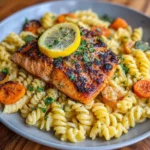
- Protein-Packed Versions: Fold in cooked, diced chicken breast or thighs (seasoned with smoked paprika and thyme); pan-seared shrimp (added in last 90 seconds); crispy pancetta or Italian sausage crumbles; flaked salmon or white fish; or plant-based alternatives like marinated and baked tofu cubes or seasoned lentils.
- Veggie-Forward Twists: Stir in sautéed spinach or Swiss chard (wilted separately, then squeezed dry); roasted cherry tomatoes (halved and blistered in olive oil); caramelized onions or leeks; grilled zucchini ribbons; steamed broccoli florets; or sun-dried tomatoes (oil-packed, finely chopped).
- Cheese Alternatives & Blends: Substitute up to ⅓ of Parmesan with Pecorino Romano for saltier, sharper notes; add ¼ cup crumbled feta for briny tang; swirl in 2 Tbsp mascarpone for extra silkiness; or finish with shaved aged Gouda or Asiago for caramelized nuance.
- Dietary Adaptations: For gluten-free: use certified GF jumbo shells (brown rice or corn-based); for dairy-free: replace butter with vegan butter, heavy cream with full-fat coconut cream (chilled, solid portion only), and Parmesan with nutritional yeast + white miso + lemon juice blend; for keto: swap shells for spiralized zucchini “noodles” (sautéed briefly and patted dry) or shirataki shells (rinsed and dry-heated).
- Flavor Infusions: Steep crushed garlic cloves in warm cream for 10 minutes before heating; add a bay leaf or sprig of fresh rosemary to butter while infusing; stir in 1 tsp truffle paste or white truffle oil; finish with toasted pine nuts or walnuts for crunch; or add a splash of dry white wine (e.g., Pinot Grigio) with the cream and reduce by half before adding cheese.
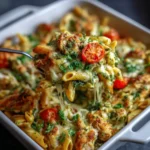
- Baked Version: Transfer sauced shells to a buttered baking dish, top with extra Parmesan and breadcrumbs (panko + melted butter + parsley), and bake at 375°F (190°C) for 15–18 minutes until golden and bubbling—ideal for meal prep or feeding a crowd.
- Meal Prep & Freezer-Friendly: Prepare sauce separately and store refrigerated up to 4 days or frozen up to 2 months. Reheat gently with splash of milk, then toss with freshly cooked pasta. Avoid freezing fully assembled dish—cream sauces tend to separate upon thawing.
Health Considerations and Nutritional Value
A single 1 ½-cup serving (made with traditional ingredients) delivers approximately:
- Calories: ~580–650 kcal
- Total Fat: ~32–38 g (including 20–24 g saturated fat)
- Carbohydrates: ~52–58 g (with ~2 g fiber and ~2 g sugars)
- Protein: ~22–26 g
- Sodium: ~680–850 mg (highly variable based on cheese saltiness and added salt)
- Calcium: ~420–480 mg (~40% DV)
- Vitamin A: ~18% DV (from dairy fat)
- Vitamin B12 & Phosphorus: Significant contributors from cheese and dairy
Health Notes:
- Pros: Excellent source of high-quality protein and bioavailable calcium; contains conjugated linoleic acid (CLA) and butyrate (from grass-fed butter/cream), linked to anti-inflammatory benefits; garlic contributes allicin (antioxidant, cardiovascular support); Parmesan is naturally low in lactose, making it tolerable for many with mild lactose sensitivity.
- Considerations: Moderation is key due to saturated fat and sodium content. Those managing hypertension, heart disease, or cholesterol should consider portion control (¾ cup), reducing added salt, using lower-sodium Parmesan (if available), or substituting part of the cream with evaporated skim milk or silken tofu purée.
- Enhancing Nutrition: Boost fiber and micronutrients by adding 1–2 cups of finely chopped kale, spinach, or broccoli; include lean protein to improve satiety and macronutrient balance; opt for whole-grain or legume-based pasta shells for added fiber, iron, and plant protein.
- Notable Allergens: Contains wheat (gluten), dairy (milk, butter, cheese), and potentially eggs (if pasta contains egg—check label). Naturally free of nuts, soy, and shellfish unless custom additions are made.
Ingredients
- 12 oz (340 g) jumbo pasta shells (conchiglie grandi), dried
- 4 Tbsp (60 g) unsalted butter (preferably European-style)
- 4–5 large garlic cloves, finely minced or grated (≈ 1 Tbsp)
- ¼ tsp red pepper flakes (optional, for subtle heat)
- 1 cup (240 ml) heavy cream (36–40% milkfat)
- 1 ½ cups (150 g) freshly grated Parmigiano-Reggiano cheese (finely grated on a microplane)
- 1 tsp fine sea salt (plus more to taste)
- Freshly ground black pepper, to taste
- Pinch of freshly grated nutmeg (optional but recommended)
- ¼ cup (60 ml) reserved hot pasta water (plus more as needed)
- 2 Tbsp fresh flat-leaf parsley or chives, finely chopped (for garnish)
- Extra grated Parmesan and high-quality olive oil or melted butter (for finishing)
Directions
- Bring 4–5 quarts of water to a vigorous boil in a large stockpot. Add 2 Tbsp kosher salt. Add pasta and cook, stirring occasionally, until just shy of al dente—typically 10–11 minutes. Reserve 1 cup of starchy cooking water, then drain pasta thoroughly in a colander. Set aside.
- In a large, heavy-bottomed skillet or Dutch oven, melt butter over medium-low heat. Add minced garlic and red pepper flakes (if using). Cook, stirring constantly, for 60–90 seconds until fragrant and translucent—do not brown.
- Pour in heavy cream and bring to a gentle simmer. Reduce heat to low and simmer uncovered for 3–4 minutes, stirring occasionally, until slightly thickened (it should coat the back of a spoon).
- Remove pan from heat. Gradually whisk in grated Parmesan, one generous handful at a time, ensuring each addition melts completely before adding the next. Whisk vigorously between additions.
- Return pan to lowest possible heat (or keep off heat if using residual warmth). Add drained pasta and ¼ cup reserved pasta water. Using tongs or a silicone spatula, gently fold and toss for 60–90 seconds until evenly coated and glossy. Add more pasta water (1 Tbsp at a time) if sauce feels tight or resistant.
- Taste and season with salt (cautiously—cheese is salty), plenty of black pepper, and nutmeg if using. Let rest off heat for 2 minutes to allow sauce to settle and adhere.
- Transfer to warmed serving bowls. Garnish with fresh herbs, extra Parmesan, and a delicate drizzle of olive oil or melted butter. Serve immediately.
FAQ
- Can I use pre-grated Parmesan?
- No—pre-shredded versions contain anti-caking agents (e.g., cellulose, potato starch) that prevent smooth melting and cause graininess or separation. Always grate fresh Parmigiano-Reggiano with a microplane for optimal texture and flavor.
- Why does my sauce break or look greasy?
- Most commonly caused by overheating after adding cheese, using cold cheese, insufficient emulsification (not whisking enough), or low-fat dairy substitutes. Keep heat off or ultra-low post-cheese, use room-temp cheese, whisk constantly, and rely on pasta water for stabilization.
- Can I make this ahead of time?
- The sauce alone keeps well refrigerated for 4 days or frozen for 2 months. Fully assembled dishes are best enjoyed fresh—but can be refrigerated for up to 24 hours. Reheat gently with splashes of milk or pasta water, stirring constantly.
- What if I don’t have jumbo shells?
- You can substitute medium shells (conchiglie medie), campanelle, or even fusilli or penne—but avoid long pastas like spaghetti, which don’t hold the sauce as effectively. Adjust cooking time accordingly.
- Is there a lighter version?
- Yes! Replace half the heavy cream with whole milk or evaporated milk; use grass-fed butter sparingly; boost volume and nutrition with 1–2 cups of wilted greens; choose part-skim ricotta blended with Parmesan for creaminess and less fat; or serve smaller portions alongside a large arugula-lemon salad.
- Can I add vegetables directly to the sauce?
- Absolutely—just ensure they’re pre-cooked and well-drained (e.g., sautéed mushrooms, roasted peppers, blanched asparagus tips). Wet vegetables release water and dilute the sauce, so pat them dry thoroughly before folding in.
- How do I fix a sauce that’s too thick?
- Gradually whisk in warm pasta water or whole milk—one tablespoon at a time—until desired consistency is reached. Avoid cold liquids, which can shock the emulsion.
- How do I fix a sauce that’s too thin?
- Simmer gently over low heat for 1–2 minutes to reduce further—or stir in an extra 2 Tbsp grated Parmesan off-heat, letting residual warmth thicken it. Do not boil vigorously.
- Can I use another cheese instead of Parmesan?
- For best results, stick with hard, aged, grating cheeses: Pecorino Romano, Asiago, Grana Padano, or aged Gouda. Avoid soft cheeses (ricotta, mozzarella) or highly processed slices—they won’t melt smoothly or contribute the right umami punch.
- Why does the recipe emphasize “freshly grated” so much?
- Fresh grating exposes more surface area, releases volatile aromatic oils, and avoids additives that interfere with texture. Scientifically, freshly grated cheese contains less moisture and no stabilizers—leading to superior melt, emulsification, and flavor release.
Summary
Creamy Garlic Parmesan Shells is a masterclass in minimalist luxury—transforming just six core ingredients into a decadent, restaurant-worthy dish through technique, timing, and respect for quality. Its enduring appeal lies in its adaptability, comforting familiarity, and the sheer joy of a perfectly balanced, velvety sauce embracing tender, cheese-filled pasta shells.
Whether you’re cooking for one, prepping for a family dinner, or dazzling guests at a dinner party, this recipe delivers consistent, crave-worthy results—proof that extraordinary flavor doesn’t require complexity, just thoughtful execution and love for the craft of cooking.