Introduction
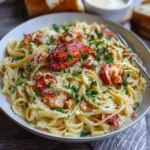
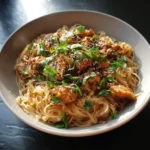
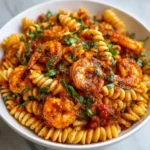
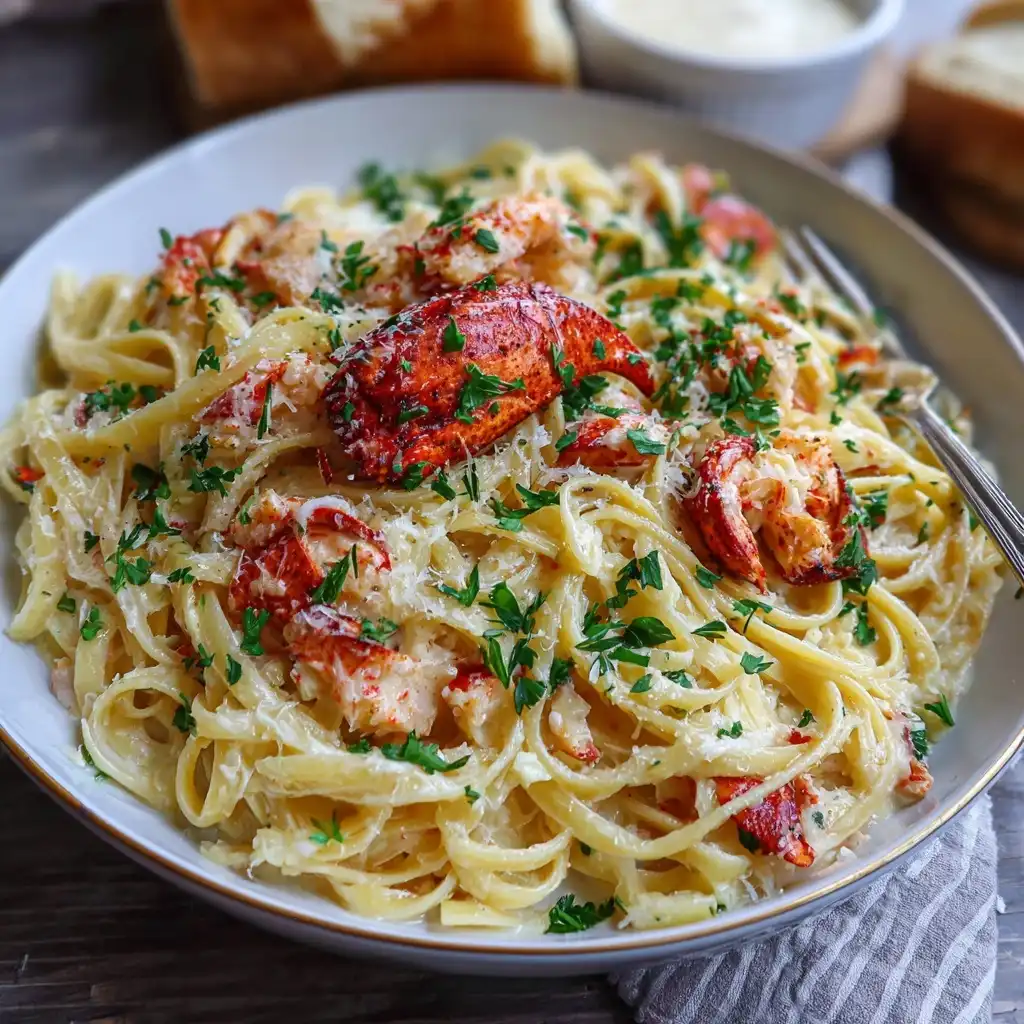
Creamy Garlic Butter Lobster Pasta is the epitome of luxurious comfort food — a harmonious marriage of ocean-fresh sweetness, rich dairy indulgence, and aromatic depth. This dish transcends ordinary weeknight dinners, transforming simple pantry staples and premium seafood into an elegant, restaurant-worthy experience that can be recreated in your own kitchen with confidence and care. Whether served as a romantic centerpiece, a celebratory main course, or an impressive dish for discerning guests, its velvety texture, golden butter sheen, and layered umami notes make it unforgettable. More than just a recipe, it’s a sensory journey — from the first fragrant sizzle of garlic in browned butter to the tender, briny bite of perfectly cooked lobster meat nestled in silken pasta ribbons.
The History
The origins of Creamy Garlic Butter Lobster Pasta are deeply rooted in the convergence of two culinary traditions: the French technique of *beurre blanc* and *beurre noisette*, and the Italian reverence for fresh, high-quality pasta paired with seasonal seafood. While classic lobster preparations like Thermidor or Newburg trace back to 19th-century haute cuisine, the modern creamy garlic butter iteration emerged prominently in the late 20th century — popularized by coastal American fine-dining establishments and celebrity chefs who championed accessible luxury. Chefs along the Maine coast began adapting traditional lobster bisque and pan-seared preparations by incorporating linguine or fettuccine, then enriching the sauce with reduced heavy cream and copious amounts of browned butter — a nod to both Provençal richness and Northeastern resourcefulness. By the early 2000s, food media and cooking shows further democratized the dish, emphasizing approachable techniques (like using pre-cooked lobster tails or frozen succulent claws) without sacrificing authenticity. Today, it stands as a global signature dish — appearing on menus from Santorini seaside tavernas to Tokyo omakase-inspired Italian hybrids — symbolizing sophistication, balance, and the timeless allure of the sea.
Ingredients Breakdown
Every element in this recipe serves a precise purpose — no ingredient is arbitrary. Let’s explore the role and nuance of each:
- Lobster Meat (12–16 oz, fresh or high-quality frozen): The star. Opt for tail meat, claw meat, or a mix — tail offers firmer texture and cleaner sweetness; claws add deeper, mineral-rich flavor and tender shreds. Freshly cooked (poached or steamed) yields optimal tenderness and natural brininess; avoid overcooked or rubbery pre-packaged options. If using frozen, thaw overnight in the refrigerator and gently pat dry to prevent sauce dilution.
- Pasta (12 oz dried linguine, spaghetti, or pappardelle): Linguine is ideal — its long, flat strands cradle the creamy sauce and grip lobster pieces beautifully. Pappardelle adds rustic elegance and surface area for maximum sauce adhesion; spaghetti works well for lighter interpretations. Always use bronze-die extruded pasta for superior texture and sauce affinity. Salt the cooking water generously (≈2 tbsp kosher salt per 4 quarts) — it’s the only chance to season the pasta itself.
- Unsalted Butter (1 cup / 2 sticks, cold then cubed): Provides unctuous mouthfeel, nutty depth when browned, and emulsifying power. Unsalted allows full control over seasoning. High-fat European-style butter (82–86% fat) delivers richer flavor and better browning stability. Reserve 2 tbsp for finishing — added off-heat to preserve delicate aromatics.
- Garlic (6–8 large cloves, finely minced or pressed): The aromatic backbone. Fresh, young garlic offers bright pungency without harshness. Mincing releases allicin slowly; pressing maximizes surface area for rapid infusion. Sauté gently — never brown or burn — to mellow sharpness while preserving sweetness and complexity.
- Shallots (1 large, finely diced): Adds subtle allium sweetness and refined acidity. Shallots integrate seamlessly into the butter base, lending sophistication distinct from onion’s assertiveness. Their delicate structure dissolves into the sauce, contributing body without texture.
- Dry White Wine (½ cup, e.g., Sauvignon Blanc, Pinot Grigio, or unoaked Chardonnay): Deglazes the pan, lifts fond, and introduces bright acidity to cut through richness. Alcohol cooks off, leaving only aromatic fruit and mineral notes. Avoid “cooking wine” — its sodium and preservatives dull flavor. A splash of lemon juice (½ tsp) may substitute if avoiding alcohol, though wine’s structural contribution is unmatched.
- Heavy Cream (¾ cup, minimum 36% milkfat): Delivers silkiness, body, and lush mouth-coating texture. Ultra-pasteurized cream works but low-heat pasteurized yields slightly finer microstructure. Warm gently — never boil — to prevent curdling. For extra richness, stir in 2 tbsp crème fraîche at the end.
- Grated Parmigiano-Reggiano (½ cup, freshly grated on microplane): Salty, nutty, umami-packed. Authentic DOP-certified cheese melts smoothly and deepens savoriness without graininess. Pre-grated versions contain anti-caking agents that inhibit melting and mute flavor.
- Fresh Herbs (¼ cup chopped flat-leaf parsley + optional 1 tbsp chives or tarragon): Parsley adds grassy freshness and visual contrast; chives lend mild onion essence; tarragon contributes anise-like elegance that complements lobster beautifully. Add herbs only at the very end to preserve volatile oils and vibrant color.
- Lemon Zest (from 1 organic lemon) & Juice (1–2 tsp): Zest contributes intense citrus perfume without acidity; juice balances fat and enhances lobster’s natural sweetness. Always zest before juicing. Use sparingly — too much acid overwhelms delicate seafood.
- Red Pepper Flakes (¼ tsp, optional): Not for heat, but for subtle floral warmth and complexity. Toast lightly in butter for 10 seconds to awaken oils.
- High-Quality Extra-Virgin Olive Oil (1 tbsp): Used only for finishing drizzle — adds peppery fruitiness and glossy sheen. Never cook with it here; heat degrades its nuanced profile.
- Kosher Salt & Freshly Ground Black Pepper (to taste): Salt amplifies every flavor; coarse black pepper adds aromatic spice. Season in layers — pasta water, sauté stage, and final adjustment.
Step-by-Step Recipe
- Prep Work (Mise en Place): Bring a large pot of water to a rolling boil. Meanwhile, dice shallots, mince garlic, zest and juice lemon, chop parsley, grate cheese, and measure all other ingredients. Pat lobster meat completely dry with paper towels — moisture is the enemy of browning and sauce emulsion.
- Cook Pasta Al Dente: Add 2 tbsp kosher salt to boiling water. Add pasta and cook 1–2 minutes less than package instructions (e.g., 8 min for 10-min pasta). Reserve 1 cup starchy pasta water before draining — this liquid is essential for adjusting sauce consistency and binding ingredients.
- Brown the Butter: In a wide, heavy-bottomed skillet (12–14 inch stainless steel or enameled cast iron), melt ¾ cup (1.5 sticks) butter over medium-low heat. Swirl occasionally. Watch closely: foam will rise, then subside; butter solids will turn golden amber and emit a warm, nutty aroma (~4–6 minutes). Immediately remove from heat and let cool 1 minute — residual heat continues browning.
- Sauté Aromatics: Return skillet to medium-low heat. Add shallots; sauté 2 minutes until translucent. Add garlic and red pepper flakes; stir constantly 60–90 seconds until fragrant but not colored. Lower heat if garlic begins to sizzle aggressively.
- Build the Fond Base: Pour in white wine. Increase heat to medium-high. Scrape bottom vigorously with a wooden spoon to release caramelized bits (fond). Simmer 2–3 minutes until wine reduces by half and smells intensely aromatic — no raw alcohol should remain.
- Incorporate Cream & Cheese: Reduce heat to low. Whisk in heavy cream gradually, ensuring no lumps form. Simmer gently 3–4 minutes, stirring often, until sauce thickens slightly and coats the back of a spoon. Whisk in grated Parmigiano-Reggiano until fully melted and glossy. Do not boil — high heat risks breaking the emulsion.
- Integrate Lobster: Gently fold in lobster meat. Cook 2–3 minutes, turning carefully with tongs or spatula, just until heated through (internal temp ≈ 135°F/57°C). Overcooking makes lobster tough and stringy — timing is critical.
- Combine Pasta & Sauce: Add drained pasta directly to skillet. Toss vigorously with tongs for 60–90 seconds, adding reserved pasta water 1–2 tbsp at a time until sauce clings luxuriously to each strand. Sauce should shimmer, not pool.
- Finish & Emulsify: Remove from heat. Stir in remaining 2 tbsp cold butter, lemon zest, lemon juice, and half the parsley. The cold butter enriches and stabilizes the emulsion; zest and juice brighten without shocking the sauce. Taste and adjust seasoning — it should taste deeply savory, subtly sweet, tangy, and balanced.
- Plate with Intention: Twirl pasta into warm bowls or shallow plates. Top with remaining parsley, a final drizzle of EVOO, extra cheese, and a twist of black pepper. Serve immediately — this dish waits for no one.
Tips
- Temperature Control is Non-Negotiable: Brown butter at low heat — rushing causes burnt milk solids and bitter flavor. Conversely, never let the finished sauce boil after adding cream or cheese; gentle simmer only preserves silkiness.
- Pasta Water is Liquid Gold: Its starch acts as a natural thickener and binder. Add it gradually — too much too fast creates gluey texture; too little yields broken, greasy sauce.
- Respect the Lobster: Cook lobster separately if starting from whole live lobsters (boil 8–10 min for 1-lb, chill, then extract meat). For pre-cooked tails, warm gently in sauce — never recook. Frozen lobster should be fully thawed and patted dry to avoid watery sauce.
- Emulsion Science: Butter + cream + cheese + pasta water = stable emulsion. Cold butter stirred in off-heat re-emulsifies any slight separation and adds gloss. If sauce breaks, whisk in 1 tsp cold water or pasta water — slowly — to re-bind.
- Herb Timing Matters: Adding parsley mid-cook oxidizes it and dulls flavor. Stir in at the very end for maximum brightness and color retention.
- Acid Balance: Lemon juice should enhance, not dominate. Start with ½ tsp, taste, then add more. Too much acid destabilizes dairy emulsions and masks lobster’s subtlety.
- Use the Right Pan: Wide surface area ensures even evaporation and prevents overcrowding. A narrow, tall pot concentrates steam and leads to uneven cooking and splattering.
- Taste As You Go: Season in stages — salt pasta water, season aromatics, adjust final balance. Your palate is the ultimate guide.
- Make-Ahead Strategy: Prep components ahead: brown butter (cool, refrigerate up to 3 days), chop aromatics, grate cheese. Cook pasta and finish sauce within 15 minutes of serving for peak texture.
- Leftover Wisdom: Reheat gently in skillet with splash of cream or broth — never microwave, which causes separation and rubbery pasta. Best consumed fresh, but leftovers hold well for 1 day refrigerated.
Variations and Customizations
This recipe is a canvas — adaptable to seasons, preferences, and pantry constraints — without compromising its luxurious soul:
- Seafood Medley: Replace half the lobster with jumbo lump crab, seared scallops, or wild-caught shrimp. Add shellfish in the last 2 minutes to prevent overcooking. A splash of seafood stock (½ cup) instead of wine deepens oceanic notes.
- Vegetable-Forward: Sauté 1 cup sliced asparagus tips, cherry tomatoes (halved), or baby spinach with the shallots. Roasted cherry tomatoes add jammy sweetness; wilted greens bring earthy contrast.
- Herb Infusions: Steep tarragon, chervil, or dill in warm cream for 10 minutes before adding to sauce. Strain before incorporating. Basil oil drizzle adds summery brightness.
- Umami Boosters: Stir in 1 tsp white miso paste with cream for deep savoriness, or 2 tsp finely minced sun-dried tomatoes for concentrated tang and chew.
- Gluten-Free Adaptation: Use high-quality GF linguine (brown rice/corn blend). Cook separately and rinse briefly to remove excess starch that can gum sauce. Add pasta water cautiously — GF versions release different starches.
- Dairy-Free Luxury: Substitute cashew cream (soaked raw cashews blended with water until silky) for heavy cream, and use vegan butter with high fat content. Nutritional yeast (2 tbsp) replaces Parmesan’s umami. Finish with lemon zest and toasted pine nuts.
- Spice Spectrum: For warmth: add a pinch of saffron threads bloomed in warm cream. For heat: infuse olive oil with Calabrian chiles and drizzle at finish. For smoke: a whisper of smoked paprika stirred in with garlic.
- Pasta Alternatives: Try squid ink tagliatelle for dramatic presentation and subtle brininess, or fresh lobster-infused pasta (made with lobster reduction in dough) for ultimate cohesion.
- Wine Pairing Integration: Use the same wine you’ll serve — e.g., Vermentino for herbaceous lift, or Champagne for effervescent cut — both in cooking and glass.
- Decadent Garnishes: Top with caviar (Ossetra or American paddlefish), lobster roe, edible flowers (nasturtiums, chive blossoms), or crispy pancetta for textural contrast.
Health Considerations and Nutritional Value
Creamy Garlic Butter Lobster Pasta is undeniably indulgent — yet it offers meaningful nutritional benefits when prepared mindfully and enjoyed as part of a balanced diet. A standard 12-oz serving (pasta + 6 oz lobster + sauce) provides approximately:
- Calories: ~850–950 kcal (varies with butter/cream quantity and pasta type)
- Protein: ~42–48g — lobster is a complete, lean protein source rich in essential amino acids, particularly taurine (supports cardiovascular health) and selenium (a potent antioxidant).
- Healthy Fats: ~52–58g — predominantly monounsaturated (from olive oil finish) and saturated (from butter/cream), plus omega-3 fatty acids (EPA/DHA) naturally present in cold-water lobster — supporting brain function and reducing inflammation.
- Vitamins & Minerals: Exceptionally high in vitamin B12 (1,200% DV), zinc (85% DV), copper (140% DV), and phosphorus (65% DV). Also contains significant iodine (crucial for thyroid health) and astaxanthin — a powerful carotenoid antioxidant giving lobster its pink hue, linked to UV protection and cognitive support.
- Carbohydrates: ~55–60g — primarily complex carbs from pasta, providing sustained energy. Opt for whole-grain or legume-based pasta to boost fiber (8–10g/serving) and lower glycemic impact.
- Sodium: ~680–820mg — manageable with mindful salting (avoid added salt in broth or pre-seasoned lobster). Most sodium comes from cheese and natural lobster minerals — not excessive table salt.
Dietary Notes: Naturally gluten-free if using GF pasta; easily adapted for keto (replace pasta with spiralized zucchini or shirataki noodles, increase lobster/fat ratio); suitable for pescatarian diets. Contains shellfish (allergen alert). Those managing cholesterol should enjoy in moderation — lobster itself is low in cholesterol (≈70mg/3oz), but butter/cream contribute significantly. Pair with a large arugula-lemon salad and roasted vegetables to increase fiber, phytonutrients, and satiety — enhancing overall meal balance without diminishing pleasure.
Ingredients
- 12 oz linguine (or spaghetti/pappardelle)
- 12–16 oz fresh or high-quality frozen cooked lobster meat (tail and/or claw), patted extremely dry
- 1 cup (2 sticks) unsalted butter, divided
- 1 large shallot, finely diced
- 6–8 large garlic cloves, finely minced or pressed
- ½ cup dry white wine (Sauvignon Blanc, Pinot Grigio, or unoaked Chardonnay)
- ¾ cup heavy cream (minimum 36% milkfat)
- ½ cup freshly grated Parmigiano-Reggiano (DOP-certified preferred)
- ¼ cup fresh flat-leaf parsley, finely chopped (plus extra for garnish)
- Zest and juice of 1 organic lemon (≈1–2 tsp juice)
- ¼ tsp red pepper flakes (optional)
- 1 tbsp high-quality extra-virgin olive oil (for finishing)
- Kosher salt and freshly ground black pepper, to taste
Directions
- Bring 4–5 quarts water to a vigorous boil. Add 2 tbsp kosher salt. Cook pasta 1–2 minutes shy of al dente. Reserve 1 cup starchy pasta water, then drain — do not rinse.
- In a 12–14 inch heavy-bottomed skillet, melt ¾ cup (1.5 sticks) butter over medium-low heat. Swirl occasionally until foam subsides and butter solids turn golden amber with nutty aroma (~4–6 min). Remove from heat; cool 1 min.
- Return skillet to medium-low heat. Add shallots; sauté 2 min until soft. Add garlic and red pepper flakes; stir 60–90 sec until fragrant — do not brown.
- Pour in wine. Increase heat to medium-high. Scrape fond; simmer 2–3 min until reduced by half.
- Reduce heat to low. Whisk in cream gradually. Simmer gently 3–4 min until slightly thickened. Whisk in cheese until smooth and glossy.
- Gently fold in lobster. Cook 2–3 min until just heated through (do not boil).
- Add drained pasta. Toss 60–90 sec, adding pasta water 1–2 tbsp at a time until sauce clings luxuriously.
- Remove from heat. Stir in remaining 2 tbsp cold butter, lemon zest, lemon juice, and half the parsley.
- Taste and adjust salt/pepper. Plate immediately. Garnish with remaining parsley, olive oil drizzle, extra cheese, and black pepper.
FAQ
- Can I use frozen lobster?
- Absolutely — choose flash-frozen, sustainably sourced tail or claw meat. Thaw overnight in the fridge, drain thoroughly, and pat bone-dry with paper towels. Never thaw at room temperature or in warm water — safety and texture depend on controlled thawing.
- Why does my sauce break or look greasy?
- Common causes: overheating after adding cream/cheese, insufficient emulsification (not enough pasta water or cold butter finish), or adding cold lobster to hot sauce (thermal shock). Fix: whisk in 1 tsp warm pasta water off-heat while vigorously stirring. Prevent: maintain low heat, add pasta water gradually, and stir in cold butter at the end.
- Can I make this ahead of time?
- You can prep components: brown butter (refrigerate up to 3 days), chop aromatics, grate cheese. However, combine pasta and sauce only at serving — reheated pasta becomes gummy and sauce loses sheen. For events, cook pasta just before saucing and toss to order.
- What’s the best pasta shape?
- Linguine is ideal for its surface area and ability to hold creamy sauces. Spaghetti works well for lighter versions; pappardelle adds rustic drama. Avoid short shapes like penne — they trap sauce unevenly and don’t showcase lobster as elegantly.
- Is there a lighter version without sacrificing flavor?
- Yes: substitute half the cream with whole milk infused with garlic and thyme, use ⅔ butter + ⅓ olive oil for browning, and increase lobster ratio to 8 oz per 12 oz pasta. Finish with extra lemon zest and parsley — brightness compensates for reduced fat.
- How do I know lobster is cooked properly?
- Pre-cooked lobster should be opaque, pearly white or light pink, with a firm-yet-tender texture. It should flake slightly with gentle pressure but not resist or feel rubbery. Internal temperature should reach 135°F (57°C) — use an instant-read thermometer for precision.
- Can I freeze leftovers?
- Not recommended. Dairy-based sauces separate upon freezing/thawing, and pasta becomes mushy. Best enjoyed fresh. If necessary, freeze *uncombined* components: cooled lobster (up to 2 months), sauce base (without pasta or herbs, up to 1 month), and cooked pasta (tossed with oil, up to 3 days).
- What wine pairs best?
- Chilled, high-acid whites: Chablis (mineral-driven), Vermentino (citrus/herbal), or sparkling Rosé (strawberry-tinged acidity). For red lovers, try a light, low-tannin Pinot Noir — its red fruit and earthiness complement lobster’s sweetness without overwhelming.
- My garlic tastes bitter — what went wrong?
- Garlic burned. Always sauté over medium-low heat, stir constantly, and remove from heat the moment it becomes fragrant — golden edges indicate imminent bitterness. Pressed garlic burns faster than minced; adjust timing accordingly.
- Can I use pre-shredded cheese?
- Strongly discouraged. Pre-shredded cheeses contain cellulose and anti-caking agents that impede melting and create graininess. Freshly grated Parmigiano-Reggiano melts smoothly and delivers superior flavor and texture.
Summary
Creamy Garlic Butter Lobster Pasta is a masterclass in balancing opulence and technique — where sweet, delicate lobster meets nutty browned butter, aromatic garlic, and silken emulsified cream, all clinging to perfectly al dente pasta. It’s a dish that rewards attention to detail, respects ingredient integrity, and delivers uncompromising luxury in every forkful.
Whether you’re celebrating a milestone, impressing guests, or simply treating yourself to extraordinary everyday elegance, this recipe proves that exceptional dining doesn’t require a brigade — just passion, patience, and the profound beauty of the sea on a plate.