Introduction
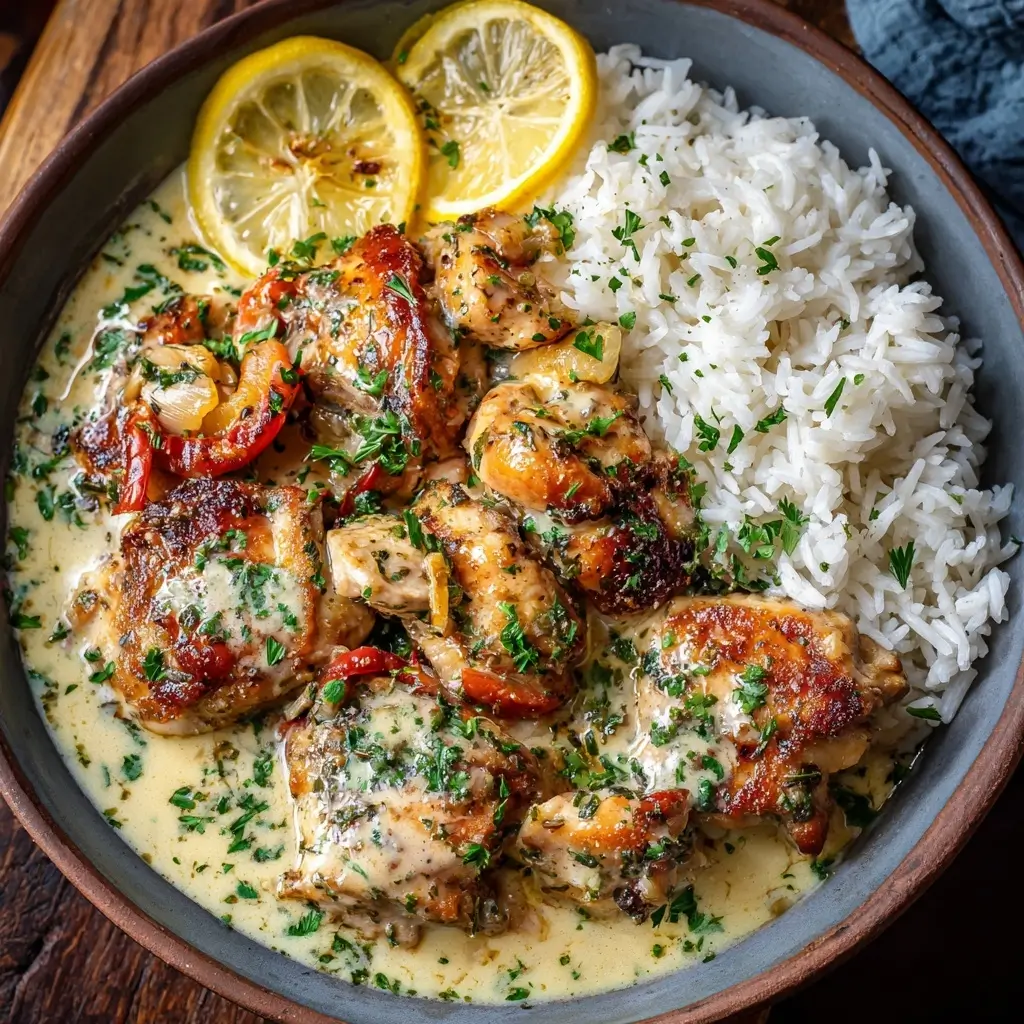
Creamy Garlic Butter Chicken is a beloved, restaurant-quality dish that effortlessly bridges the gap between comforting home cooking and elegant weeknight dining. With its luscious, velvety sauce, tender pan-seared chicken breasts, and an aromatic symphony of garlic, herbs, and rich butter, this recipe delivers deep, savory satisfaction in under 30 minutes. Its widespread appeal lies not only in its irresistible flavor profile but also in its remarkable versatility—adaptable to dietary preferences, pantry constraints, and culinary skill levels. Whether you’re a novice cook seeking confidence-building success or an experienced home chef looking for a reliable showstopper, Creamy Garlic Butter Chicken consistently delivers warmth, richness, and unmistakable depth—making it a perennial favorite across kitchens worldwide.
The History
While no single documented origin defines Creamy Garlic Butter Chicken as a formal culinary tradition, its roots are deeply embedded in the evolution of European and American comfort food traditions—particularly French-inspired pan sauces and mid-century American “gourmet” home cooking. The technique of finishing proteins with a rich, emulsified butter-based sauce traces back centuries to classic French beurre blanc and meunière preparations, where butter, acid (like lemon or white wine), and aromatics create silky, cohesive reductions. Garlic’s prominence surged globally after World War II, as Mediterranean and Eastern European influences permeated mainstream Western cooking. Simultaneously, the post-war rise of convenience ingredients—such as heavy cream, pre-minced garlic, and boneless, skinless chicken breasts—helped democratize what was once a more labor-intensive technique. By the 1980s and ’90s, food magazines, early cable cooking shows, and community cookbooks began featuring variations labeled “garlic butter chicken,” often enriched with cream or cream cheese for added stability and indulgence. Today, the dish thrives across digital platforms—TikTok, Pinterest, and food blogs—where its photogenic golden sear, glossy sauce, and minimal ingredient list make it both aspirational and highly replicable, cementing its status as a modern classic.
Ingredients Breakdown
Every element in Creamy Garlic Butter Chicken plays a distinct, purposeful role—no ingredient is merely decorative or optional without consequence to texture, balance, or depth. Below is a meticulous analysis of each component:
- Chicken Breasts (boneless, skinless): Preferred for their lean tenderness and quick cook time. Opt for uniform thickness (½–¾ inch) to ensure even searing and prevent dryness. Pounding them gently helps achieve consistency and faster, gentler cooking.
- Unsalted Butter: Provides foundational richness, nutty depth when browned, and essential emulsifying power. Unsalted allows precise sodium control; high-fat European-style butter (82–86% fat) yields superior mouthfeel and sheen.
- Fresh Garlic: Non-negotiable for authentic aroma and layered pungency. Minced—not powdered or jarred—as heat transforms raw sharpness into sweet, roasted complexity. About 4–6 cloves ensures bold presence without overpowering.
- Dry White Wine (e.g., Sauvignon Blanc or Pinot Grigio): Adds bright acidity and subtle fruit notes that cut through fat and lift the sauce. It deglazes the fond—the caramelized bits stuck to the pan—unlocking concentrated umami. Substitute with low-sodium chicken broth + ½ tsp lemon juice if avoiding alcohol.
- Heavy Cream (36–40% fat): Imparts luxurious body, smoothness, and stability. Lower-fat alternatives (half-and-half, whole milk) risk curdling or yielding a thin, watery sauce; ultra-pasteurized versions may separate more readily—opt for pasteurized, not ultra-pasteurized, when possible.
- Grated Parmesan Cheese (freshly grated): Adds umami punch, saltiness, and subtle nuttiness. Pre-grated versions contain anti-caking agents (e.g., cellulose) that inhibit melting and cause graininess—always grate fresh.
- Fresh Herbs (parsley, thyme, chives): Parsley adds clean, grassy brightness; thyme contributes earthy, floral notes that harmonize with garlic and butter; chives lend mild oniony finesse. Dried herbs lack volatile oils and can taste dusty—reserve them only for long-simmered applications.
- Seasonings (kosher salt & freshly ground black pepper): Kosher salt adheres evenly and seasons deeply; fine table salt can over-salt quickly. Freshly cracked black pepper provides aromatic heat and floral complexity absent in pre-ground versions.
- All-Purpose Flour (optional but recommended): A light dusting before searing creates a delicate crust, aids browning (Maillard reaction), and thickens the sauce naturally—reducing need for cornstarch or roux.
Step-by-Step Recipe
- Prep the Chicken: Place two 6–8 oz boneless, skinless chicken breasts on a cutting board. Cover with parchment paper and gently pound to an even ½-inch thickness using a meat mallet or heavy skillet. Pat *extremely* dry with paper towels—moisture is the enemy of searing. Season both sides generously with ¾ tsp kosher salt and ¼ tsp freshly ground black pepper. Lightly dust with 1 tbsp all-purpose flour, shaking off excess.
- Sear to Golden Perfection: Heat a large stainless steel or cast-iron skillet over medium-high heat. Add 1 tbsp unsalted butter and 1 tbsp neutral oil (e.g., avocado or grapeseed) to prevent butter from burning. Once butter melts and begins to foam (not brown yet), carefully place chicken in the pan without crowding. Cook undisturbed for 5–6 minutes until deeply golden and easily releases from the pan. Flip and cook another 4–5 minutes until internal temperature reaches 160°F (it will rise to 165°F while resting). Transfer to a clean plate, tent loosely with foil, and rest 5 minutes—this retains juices and prevents sauce from becoming watery.
- Build the Aromatic Base: Reduce heat to medium-low. In the same skillet, add remaining 3 tbsp butter. Once melted, add 4–6 finely minced garlic cloves and 1 tsp fresh thyme leaves. Sauté 60–90 seconds—just until fragrant and softened, *never browned*, or garlic turns bitter.
- Deglaze with Precision: Pour in ½ cup dry white wine, immediately scraping the bottom of the pan vigorously with a wooden spoon to lift every bit of flavorful fond. Simmer 2–3 minutes until reduced by half and alcohol evaporates (you’ll smell sharpness fade and aroma become rounder).
- Enrich and Emulsify: Whisk in ¾ cup cold heavy cream. Bring to a gentle simmer—not a boil—and stir constantly for 2–3 minutes until sauce thickens slightly and coats the back of a spoon. Reduce heat to low. Whisk in ¼ cup freshly grated Parmesan, stirring until fully melted and smooth. Let simmer 1 minute more to meld flavors.
- Finish with Finesse: Return rested chicken (and any accumulated juices) to the skillet. Spoon sauce over each piece. Simmer gently for 1–2 minutes to reheat through. Remove from heat. Stir in 2 tbsp finely chopped fresh parsley and 1 tbsp snipped chives. Taste and adjust: add a pinch more salt if needed, a squeeze of lemon (¼ tsp) for brightness, or a final knob of cold butter (½ tbsp) for extra gloss and richness.
- Serve Immediately: Spoon chicken onto warm plates, generously ladling sauce over top. Garnish with extra parsley, thyme sprigs, and a light grating of Parmesan. Serve alongside crusty bread, buttered egg noodles, roasted potatoes, or steamed asparagus to soak up every drop.
Tips
- Dry Chicken = Better Sear: Moisture creates steam instead of browning. Pat chicken *thoroughly*—even blot again right before seasoning.
- Don’t Crowd the Pan: Overcrowding drops pan temperature, causing chicken to steam rather than sear. Cook in batches if necessary.
- Control Garlic Heat: Garlic burns fast. Keep heat at medium-low during sautéing and stir constantly. If it smells acrid or turns golden, remove pan from heat immediately.
- Cream Must Be Cold: Adding cold cream to hot liquid helps prevent curdling and encourages stable emulsion.
- Low & Slow for Sauce: Never boil the finished sauce—it risks separating. Maintain a bare simmer and whisk continuously while adding dairy.
- Rest Chicken Religiously: Skipping the 5-minute rest leads to dry, stringy meat and diluted sauce when juices run out upon slicing.
- Use the Right Pan: Stainless steel or well-seasoned cast iron offers superior fond development vs. nonstick, which inhibits browning.
- Reserve Pasta Water (if serving with noodles): A splash (1–2 tbsp) of starchy pasta water adds viscosity and helps bind the sauce to noodles seamlessly.
- Acid Is Your Friend: A tiny finish of lemon zest or juice (¼ tsp) just before serving cuts richness and lifts the entire dish—don’t skip this balancing act.
- Double the Sauce (Optional): For extra generosity—or meal prep—multiply sauce ingredients by 1.5x and serve leftovers over rice, polenta, or roasted vegetables later in the week.
Variations and Customizations
This recipe is inherently adaptable—here are thoughtfully tested, flavor-forward variations that preserve integrity while expanding creativity:
- Herbaceous Mediterranean: Replace thyme with 1 tsp dried oregano + 1 tbsp chopped sun-dried tomatoes (oil-packed, drained) and ¼ cup crumbled feta stirred in at the end. Serve over lemon-herb couscous.
- Spicy Cajun Kick: Rub chicken with 1 tsp Cajun seasoning before searing. Add ½ tsp smoked paprika and a pinch of cayenne to the garlic step. Finish with sliced green onions and a dollop of cool sour cream.
- Lemon-Caper Brightness: Add zest of 1 lemon with the garlic, then stir in 2 tbsp brined capers and 1 tbsp fresh lemon juice during the final simmer. Omit thyme; garnish with extra lemon wedges.
- Mushroom & Shallot Elegance: After removing chicken, sauté 1 cup sliced cremini mushrooms and 2 finely diced shallots in the same pan until golden (5–6 min). Proceed with garlic step. Add 1 tsp fresh tarragon with the cream.
- Creamy Dijon Twist: Whisk in 1 tbsp whole-grain Dijon mustard with the cream for tangy depth and subtle heat. Pair with roasted carrots and farro.
- Lighter Dairy-Free: Substitute full-fat coconut milk (canned, not “lite”) for heavy cream, and use vegan butter (e.g., Miyoko’s) and nutritional yeast (3 tbsp) instead of Parmesan. Add 1 tsp apple cider vinegar for brightness.
- Gluten-Free Friendly: Skip the flour dredge or use 1 tbsp arrowroot or cornstarch. Ensure broth/wine is certified GF (some wines use gluten-containing fining agents).
- One-Pan Sheet Bake: Arrange seasoned chicken on a parchment-lined sheet pan. Roast at 400°F for 20–22 minutes. Meanwhile, prepare sauce separately, then pour over hot chicken and broil 1–2 minutes to bubble. Garnish and serve.
- Meal Prep Power: Cook chicken and sauce separately. Store sauce (cooled) in airtight container up to 4 days; chicken up to 3 days. Reheat sauce gently on stove, add chicken, and finish with herbs.
- Kid-Friendly Mild: Halve garlic quantity, omit black pepper, add 1 tsp honey for subtle sweetness, and stir in 2 tbsp shredded mild cheddar at the end.
Health Considerations and Nutritional Value
A standard serving (one 6-oz chicken breast with ⅓ cup sauce) contains approximately 480–520 calories, 32–36g protein, 32–36g fat (18–20g saturated), and 3–4g carbohydrates. While undeniably rich, mindful preparation enhances its nutritional profile:
- Protein Powerhouse: Chicken breast supplies complete, lean protein critical for muscle maintenance, satiety, and metabolic health—especially beneficial for active individuals or those managing weight.
- Smart Fat Choices: Butter and cream contribute saturated fat—but in moderation, they provide fat-soluble vitamins (A, D, E, K) and support hormone synthesis. Using grass-fed butter adds conjugated linoleic acid (CLA) and omega-3s.
- Garlic Benefits: Rich in allicin—a compound with studied antimicrobial, anti-inflammatory, and cardiovascular-supportive properties—especially potent when garlic is crushed and allowed to sit 10 minutes before cooking.
- Parmesan Perks: A natural source of calcium (200mg/serving), phosphorus, and bioactive peptides shown to support bone density and blood pressure regulation.
- Lower-Sodium Swaps: Reduce added salt by 30% and amplify flavor with lemon zest, smoked paprika, or herb blends. Use low-sodium broth if substituting wine.
- Heart-Healthy Tweaks: Replace half the butter with olive oil; use half-and-half *only if* stabilized with ½ tsp cornstarch slurry; add 1 cup baby spinach at the end for fiber and folate.
- Portion Awareness: Serve over voluminous, fiber-rich bases—zucchini noodles, riced cauliflower, or a large mixed green salad—to increase nutrient density and reduce overall calorie load per meal.
- Considerations for Specific Diets: Not suitable for strict keto without adjusting cream volume (due to lactose); not dairy-free unless fully substituted; naturally gluten-free *if* flour dredge is omitted or replaced. Those with lactose intolerance may tolerate small amounts of aged Parmesan (very low lactose) and heavy cream (lower lactose than milk).
- Balanced Meal Pairing: Complement with non-starchy vegetables (roasted broccoli, sautéed kale, grilled zucchini) and a modest portion of complex carbs (½ cup quinoa or 1 small sweet potato) for sustained energy and glycemic balance.
- Not Just Indulgence—Functional Flavor: This dish exemplifies how pleasure and nourishment coexist: robust flavors encourage adherence to balanced eating, while its simplicity reduces reliance on ultra-processed convenience foods.
Ingredients
- 2 (6–8 oz) boneless, skinless chicken breasts, pounded to ½-inch thickness
- 1¼ tsp kosher salt, divided
- ½ tsp freshly ground black pepper, divided
- 1 tbsp all-purpose flour (or arrowroot for GF)
- 4 tbsp unsalted butter, divided
- 1 tbsp neutral high-heat oil (avocado, grapeseed, or light olive oil)
- 4–6 cloves garlic, finely minced (about 1½ tbsp)
- 1 tsp fresh thyme leaves (or ½ tsp dried)
- ½ cup dry white wine (Sauvignon Blanc, Pinot Grigio, or Unoaked Chardonnay)
- ¾ cup cold heavy cream (36–40% fat)
- ¼ cup freshly grated Parmesan cheese (not pre-grated)
- 2 tbsp finely chopped fresh flat-leaf parsley
- 1 tbsp snipped fresh chives
- Optional: ¼ tsp lemon zest or 1 tsp fresh lemon juice, for brightness
Directions
- Pat chicken breasts *very* dry with paper towels. Season both sides with 1 tsp salt and ¼ tsp black pepper. Lightly dust with flour, shaking off excess.
- Heat a large skillet over medium-high heat. Add 1 tbsp butter and 1 tbsp oil. Once butter foams, add chicken. Cook 5–6 minutes per side until golden and internal temp reaches 160°F. Transfer to plate, tent with foil, rest 5 minutes.
- Reduce heat to medium-low. Add remaining 3 tbsp butter. Once melted, stir in garlic and thyme; cook 60–90 seconds until fragrant.
- Pour in wine, scraping pan vigorously to release fond. Simmer 2–3 minutes until reduced by half.
- Whisk in cold heavy cream. Simmer gently 2–3 minutes until slightly thickened. Reduce heat to low.
- Whisk in Parmesan until smooth. Simmer 1 minute. Remove from heat.
- Return chicken (and juices) to skillet. Spoon sauce over. Warm gently 1–2 minutes.
- Stir in parsley, chives, and optional lemon zest or juice. Taste and adjust seasoning.
- Serve immediately with desired sides, garnished with extra herbs and Parmesan.
FAQ
- Can I use chicken thighs instead of breasts?
- Yes! Boneless, skinless thighs offer richer flavor and greater moisture retention. Increase sear time to 6–7 minutes per side (target 175°F internal). They’re more forgiving if slightly overcooked.
- Why does my sauce break or look greasy?
- Most commonly due to overheating (boiling after adding cream) or temperature shock (adding warm cream to scorching pan). Always use cold cream and maintain low simmer. Whisk constantly. If broken, remove from heat, let cool 1 minute, then whisk in 1 tsp cold butter or 1 tbsp cold cream.
- Can I make this ahead of time?
- The sauce reheats beautifully—store cooled in airtight container up to 4 days. Gently rewarm on stove over low heat, whisking. Add cooked chicken just before serving to avoid overcooking. Do not freeze sauce—it may separate upon thawing.
- Is there a way to make it lower in calories?
- Absolutely: Use 2 tbsp butter + 2 tbsp olive oil; substitute ½ cup whole milk + ¼ cup half-and-half (add ½ tsp cornstarch slurry to stabilize); skip flour dredge; increase herbs and lemon for flavor without calories; serve over 2 cups roasted vegetables instead of starch.
- What wine should I use—and do I have to use wine?
- Choose a dry, unoaked white you’d drink—avoid “cooking wine.” If avoiding alcohol: use ½ cup low-sodium chicken broth + 1 tsp lemon juice + ½ tsp white wine vinegar. Simmer 1 extra minute to mellow acidity.
- Can I air-fry the chicken instead of pan-searing?
- Yes—for crispier texture and less hands-on time: Toss floured, seasoned chicken with 1 tbsp oil. Air-fry at 375°F for 12–14 minutes, flipping halfway, until 160°F. Then proceed with sauce steps in a skillet.
- My garlic tasted bitter—what went wrong?
- Burning. Garlic cooks in seconds. Ensure heat is medium-low, stir constantly, and remove from heat *immediately* if aroma shifts from sweet to sharp or color changes.
- How do I store and reheat leftovers?
- Store chicken and sauce together in airtight container up to 3 days. Reheat gently in skillet over low heat, stirring often. Avoid microwaving uncovered—it can cause splattering and uneven heating. Add a splash of broth or cream if too thick.
- Can I double this recipe?
- Yes—but use two skillets or a very large (14-inch) pan to avoid overcrowding. Double all ingredients *except* garlic (increase by only 1.5x to prevent dominance) and herbs (increase by 1.5x). Deglaze and reduce in batches if needed.
- What sides pair best with this dish?
- Crusty artisan bread (for dipping), buttered wide egg noodles, creamy mashed potatoes, roasted root vegetables (carrots, parsnips), lemon-dressed arugula salad, or simple steamed green beans with toasted almonds.
Summary
Creamy Garlic Butter Chicken is a masterclass in simple techniques yielding extraordinary flavor—featuring golden, tender chicken enveloped in a luxuriously smooth, garlicky, herb-kissed sauce enriched with butter, cream, and Parmesan.
With its flexible ingredient list, adaptable cooking methods, and thoughtful nutritional considerations, it remains a timeless, weeknight-reliable staple that satisfies cravings, nourishes the body, and brings joy to every bite.