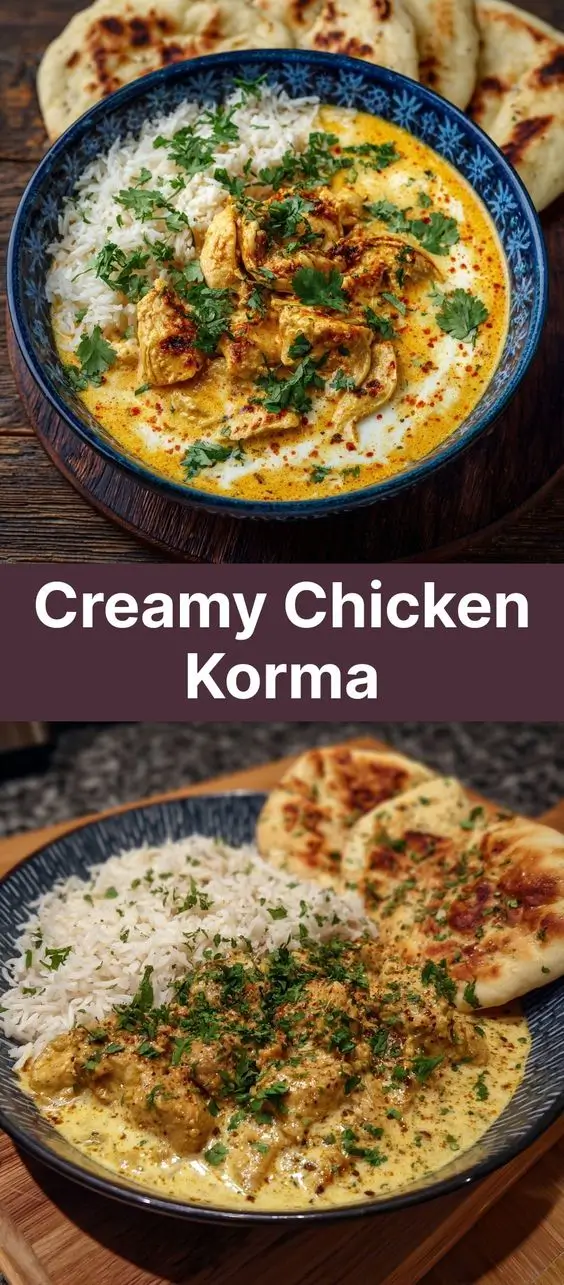
Creamy Chicken Korma: A Rich, Fragrant Indian Delight
The History of Creamy Chicken Korma
Chicken Korma traces its origins back to the Mughal Empire in India, a period renowned for its opulent culinary traditions and richly spiced dishes. The word “korma” is derived from the Urdu word qormā, meaning “to braise” or “to fry slowly,” which perfectly describes the cooking technique used in preparing this dish. Originating in the royal kitchens of Mughlai cuisine during the 16th century, korma was traditionally reserved for kings, emperors, and nobility due to its luxurious ingredients such as yogurt, cream, ghee, nuts, and saffron.
The Mughals brought Persian influences into Indian cooking, blending them with local spices and techniques to create a unique fusion that emphasized balance, richness, and subtlety. Over time, regional variations emerged across South Asia — from the coconut milk-based kormas of South India to the nut-heavy versions found in North India and Pakistan. Today, Creamy Chicken Korma has become a beloved staple not only across the Indian subcontinent but also internationally, especially in British-Indian cuisine where it’s often one of the mildest and most approachable curries on restaurant menus.
Historically, korma was cooked using a dum method — slow-cooked in a sealed pot over low heat — allowing flavors to meld gently without losing moisture. This gentle braising preserved the tenderness of meats and allowed complex spice infusions to develop gradually. While modern home cooks may use quicker methods today, the essence of authentic korma remains rooted in patience, layered flavor development, and creamy indulgence.
Ingredients Breakdown: What Makes Creamy Chicken Korma So Luxurious?
The magic of Creamy Chicken Korma lies in its harmonious blend of aromatic spices, creamy textures, and tender protein. Each ingredient plays a vital role in building depth, aroma, and silkiness. Let’s break down the key components:
- Chicken (boneless thighs preferred): Thigh meat stays juicier during slow cooking and absorbs more flavor than breast meat.
- Yogurt (full-fat, plain): Acts as a tenderizer and adds tangy creaminess. It helps emulsify the sauce and prevents curdling when heated slowly.
- Heavy cream or coconut milk: Adds richness and smooth mouthfeel. Dairy cream gives a traditional Mughlai touch, while coconut milk offers a vegan-friendly alternative with a subtle sweetness.
- Onions (finely sliced or pureed): Slowly caramelized to golden brown, they form the base of the gravy, adding natural sweetness and body.
- Ghee or vegetable oil: Ghee enhances flavor with its nutty aroma; oil keeps it lighter. Some recipes use both.
- Garlic and ginger paste: Freshly made pastes add pungency and warmth, forming the foundational flavor profile of most Indian curries.
- Whole spices (cinnamon stick, cardamom pods, cloves, bay leaves): Infused in hot oil at the beginning, these release essential oils that perfume the entire dish.
- Ground spices (coriander, cumin, turmeric, Kashmiri red chili powder): Provide color, earthiness, warmth, and mild heat. Turmeric contributes anti-inflammatory benefits and vibrant hue.
- Nut pastes (cashew, almond, or poppy seeds): Ground into a fine paste and added for thickness, richness, and a velvety texture. Cashews are most common due to their mild sweetness and easy availability.
- Saffron strands (optional but luxurious): Soaked in warm milk or water and stirred in at the end for floral notes and golden shimmer.
- Fresh cilantro and mint (for garnish): Brighten the heavy flavors with freshness and color.
- Water or chicken stock: Used to adjust consistency and enhance savory depth.
Step-by-Step Recipe for Creamy Chicken Korma
Follow this detailed guide to create an authentic, restaurant-quality Creamy Chicken Korma right in your kitchen. This version balances tradition with practicality for home cooks.
Ingredients
- 1.5 lbs (700g) boneless, skinless chicken thighs, cut into bite-sized pieces
- 2 tbsp ghee or neutral oil (like avocado or grapeseed)
- 2 large onions, finely sliced or blended into a smooth paste
- 1 tbsp garlic paste
- 1 tbsp ginger paste
- 1/2 cup plain full-fat yogurt, at room temperature
- 1/4 cup raw cashews or almonds, soaked in hot water for 20 minutes
- 1/2 cup heavy cream or coconut milk
- 1 tsp ground coriander
- 1/2 tsp ground cumin
- 1/2 tsp turmeric powder
- 1/2 tsp Kashmiri red chili powder (or paprika for mildness)
- 1/4 tsp garam masala (plus extra for finishing)
- 1 cinnamon stick (2-inch)
- 4 green cardamom pods, lightly crushed
- 3 whole cloves
- 1 bay leaf
- 1/4 tsp ground nutmeg (optional)
- 1/2 cup water or chicken broth
- A pinch of saffron strands soaked in 2 tbsp warm milk (optional)
- Salt to taste
- Fresh cilantro, chopped (for garnish)
Directions
- Prepare the nut paste: Drain the soaked cashews and blend with 2–3 tbsp water until smooth. Set aside.
- Marinate the chicken (optional but recommended): In a bowl, mix chicken with 1/2 tsp salt, 1/2 tsp turmeric, 1/2 tsp chili powder, 1 tsp ginger-garlic paste, and 2 tbsp yogurt. Let sit for 30 minutes (or up to 2 hours in the fridge).
- Sauté whole spices: Heat ghee in a heavy-bottomed pot or Dutch oven over medium heat. Add cinnamon, cardamom, cloves, and bay leaf. Sauté for 30–60 seconds until fragrant.
- Cook the onions: Add onions and cook on medium-low heat, stirring frequently, until deeply golden and caramelized (about 15–20 minutes). Lower heat if they start to burn. This step builds flavor foundation.
- Add ginger-garlic paste: Stir in remaining ginger and garlic paste. Cook for 1–2 minutes until raw smell disappears.
- Incorporate ground spices: Reduce heat to low. Add coriander, cumin, turmeric, and Kashmiri chili powder. Stir quickly for 30 seconds to toast spices without burning.
- Add yogurt gradually: One tablespoon at a time, stir in yogurt, letting each addition incorporate fully before adding more. This prevents splitting. Continue stirring until mixture thickens and oil begins to separate slightly (about 5 minutes).
- Brown the chicken: Increase heat to medium. Add marinated chicken (with marinade) and cook for 5–7 minutes, stirring occasionally, until chicken is opaque and lightly browned.
- Add liquid: Pour in water or broth. Bring to a gentle simmer, cover, and cook for 15–20 minutes, until chicken is tender and cooked through.
- Add nut paste: Stir in the cashew-almond paste. Simmer uncovered for another 8–10 minutes, stirring occasionally, until sauce thickens and becomes creamy.
- Finish with cream and saffron: Lower heat. Stir in heavy cream or coconut milk and saffron-infused milk. Do not boil vigorously after adding cream to prevent curdling. Warm gently for 3–4 minutes.
- Season and finish: Sprinkle in garam masala and nutmeg. Adjust salt and spice to taste. If sauce is too thick, add a splash of warm water.
- Garnish and serve: Turn off heat. Garnish generously with fresh cilantro. Serve hot with basmati rice, naan, or roti.
Tips for Perfect Creamy Chicken Korma Every Time
- Use room temperature yogurt: Cold yogurt can cause the sauce to split when added to hot oil. Always bring it to room temp first.
- Caramelize onions slowly: Rushing this step leads to burnt or underdeveloped flavor. Low and slow is key.
- Don’t skip the nut paste: It’s what gives korma its signature richness and silky texture. Almonds can be substituted for cashews, but cashews yield the creamiest result.
- Avoid boiling after adding dairy: High heat can make cream or yogurt curdle. Keep the flame low once you add them.
- Toast spices briefly: Ground spices burn easily. Stir constantly and remove from heat promptly after blooming.
- Let it rest: Like many curries, korma tastes even better the next day as flavors continue to meld. Reheat gently on the stove.
- Blanch and peel tomatoes (if using): Some variations include tomato for acidity. If so, blend peeled tomatoes into the onion mixture.
- Use homemade garam masala: For superior flavor, grind your own blend of warm spices instead of relying solely on store-bought versions.
Variations and Customizations
Creamy Chicken Korma is incredibly adaptable. Here are some popular twists based on dietary preferences, regional styles, and pantry availability:
- Vegan Korma: Replace chicken with chickpeas, tofu, or paneer substitute. Use coconut milk and omit yogurt or replace with unsweetened plant-based yogurt. Nut paste remains essential.
- Lightened-Up Version: Substitute Greek yogurt for sour cream, use low-fat milk instead of cream, and reduce oil. Results in a leaner but still flavorful dish.
- Hyderabadi Style: Features more nuts, poppy seeds, and coconut. Often includes fried onion paste (birista) for deeper umami.
- Peshawari Korma: From Pakistan, this version uses dried fruits like apricots and raisins for sweetness, along with cream and nuts.
- Dessert-Inspired Korma: Rare but exists — some royal recipes included rose water, kewra essence, and sugar for a sweet-savory balance.
- Instant Pot Method: Sauté onions, spices, and chicken using Saute mode. Pressure cook on High for 8 minutes, then quick release. Finish with cream and garam masala.
- Slow Cooker Korma: Combine all ingredients except cream and garnishes in the slow cooker. Cook on Low for 6–8 hours. Stir in cream before serving.
- Smoky Flavor (Dhungar Method): Place a piece of burning charcoal in a small metal bowl inside the finished curry. Drizzle with ghee, cover for 5 minutes. Adds dramatic smokiness.
Health Considerations and Nutritional Value
While Creamy Chicken Korma is undeniably rich, it can be part of a balanced diet when enjoyed in moderation and prepared thoughtfully.
Nutritional Highlights (Per Serving, Approximate – serves 4)
- Calories: ~420 kcal
- Protein: ~30g (excellent source from chicken)
- Fat: ~28g (mostly from ghee, cream, and nuts — includes healthy monounsaturated fats)
- Carbohydrates: ~12g (primarily from onions and minimal sugars)
- Fiber: ~2g
- Sodium: ~600mg (varies based on added salt)
Health Benefits of Key Ingredients
- Chicken: Lean protein supports muscle repair, metabolism, and satiety.
- Yogurt: Contains probiotics that support gut health and digestion.
- Turmeric: Curcumin has potent anti-inflammatory and antioxidant properties.
- Ginger & Garlic: Known for immune-boosting, antimicrobial, and circulatory benefits.
- Nuts (cashews/almonds): Provide heart-healthy fats, vitamin E, magnesium, and zinc.
- Spices (cinnamon, cardamom): May help regulate blood sugar and possess digestive benefits.
Considerations for Dietary Needs
- High-Fat Content: Due to cream and ghee, those monitoring fat intake should consume in moderation or opt for lighter alternatives.
- Lactose Sensitivity: Traditional recipe contains dairy. Use lactose-free yogurt, coconut cream, and plant-based butter for substitutions.
- Low-Carb/Keto Friendly: With minimal carbs and high fat/protein, this dish fits well within ketogenic diets.
- Gluten-Free: Naturally gluten-free as long as no flour-based thickeners are used.
- Allergens: Contains tree nuts (cashews/almonds) and dairy. Omit or substitute accordingly for allergies.
Frequently Asked Questions (FAQ)
What is the difference between korma and other Indian curries?
Korma stands out due to its creamy, mildly spiced sauce enriched with yogurt, cream, and nut pastes. Unlike vindaloo or madras, which are spicy and tomato-based, korma is milder, richer, and often served to guests or on special occasions.
Can I make korma ahead of time?
Yes! Korma reheats beautifully. In fact, flavors deepen overnight. Store in an airtight container in the refrigerator for up to 4 days or freeze for up to 3 months. Reheat gently on the stovetop, adding a little water or cream if needed.
Why did my sauce curdle?
Curdling usually occurs when cold yogurt is added too quickly or heat is too high. To prevent this, bring yogurt to room temperature, add it gradually while stirring, and maintain low-to-medium heat throughout.
Can I use chicken breast instead of thighs?
Yes, but thighs are recommended because they stay moister during longer cooking. If using breast, avoid overcooking and consider marinating in yogurt to keep it tender.
Is korma spicy?
Traditional korma is mild. It focuses on aroma and creaminess rather than heat. You can adjust chili levels to preference, but classic versions are gentle enough for children and sensitive palates.
What should I serve with creamy chicken korma?
Classic pairings include steamed basmati rice, garlic naan, roti, or paratha. A side of cucumber raita or kachumber salad balances the richness.
Can I make it without nuts?
You can, but you’ll lose the signature creaminess. Substitute with sunflower seed butter, tahini, or extra coconut milk. The texture will differ slightly.
How do I get a restaurant-style glossy finish?
Restaurants often finish korma with a drizzle of malai (clotted cream) or butter. Adding a teaspoon of ghee at the end and swirling it in creates a shiny, luxurious surface.
Summary
Creamy Chicken Korma is a sumptuous, aromatic Indian curry that combines tender chicken with a luxuriously smooth sauce made from yogurt, cream, and ground nuts, infused with warm spices and slow-cooked to perfection.
Whether you’re exploring Mughlai cuisine for the first time or recreating a family favorite, this dish promises elegance, comfort, and unforgettable flavor in every spoonful.