Introduction
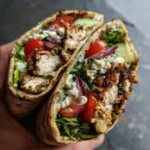
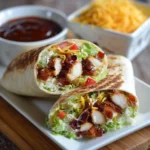
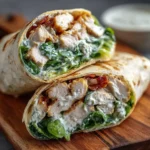
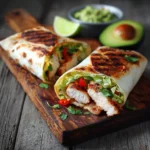
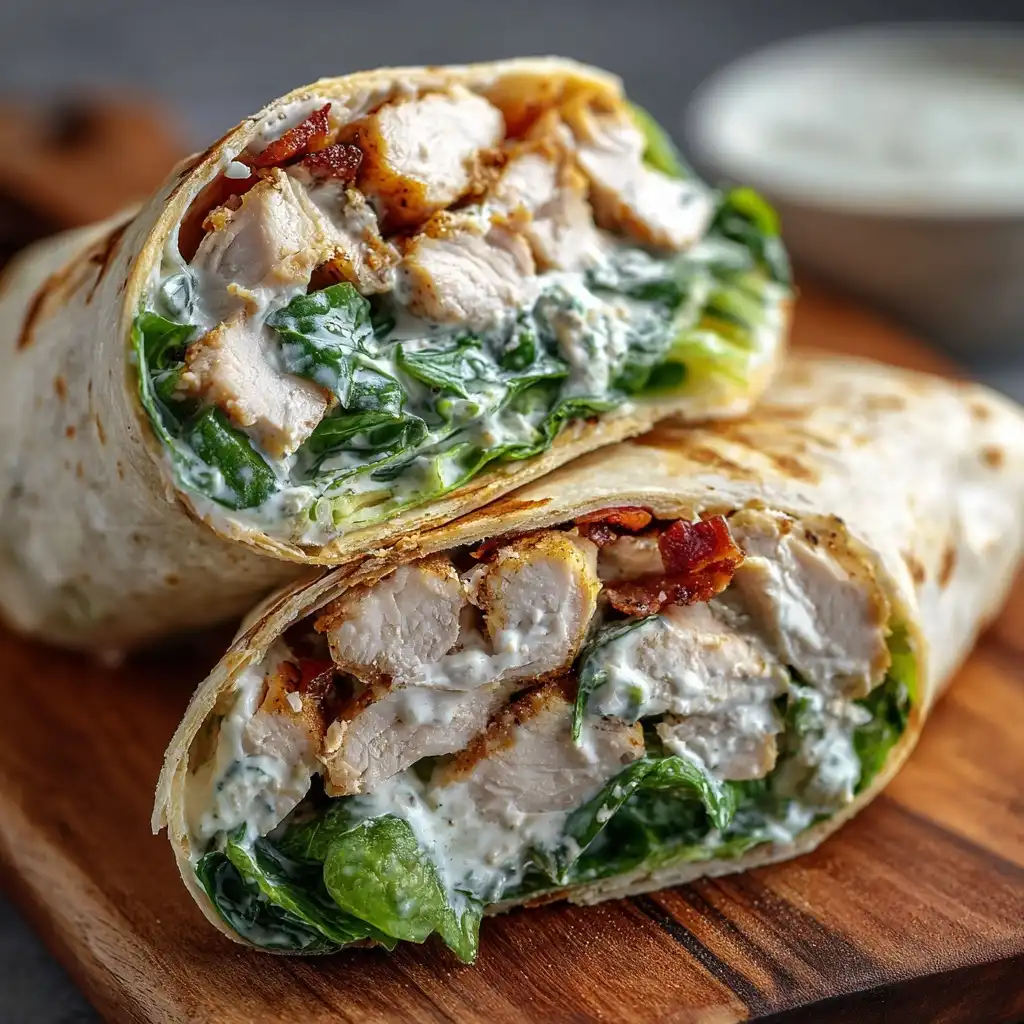
The Creamy Chicken Caesar Wrap is a beloved modern classic—elegant yet approachable, nutritious yet indulgent, and endlessly adaptable for busy weeknights, packed lunches, or light yet satisfying brunches. Unlike traditional Caesar salads served in bowls, this handheld version transforms the iconic flavors of romaine lettuce, garlicky Parmesan, crisp croutons, and tender grilled chicken into a cohesive, portable, and texturally dynamic meal wrapped snugly in a soft, pliable tortilla. Its creamy dressing binds everything together without sogginess when assembled thoughtfully, making it a go-to choice for health-conscious food lovers who refuse to sacrifice flavor or convenience. Whether you’re meal prepping for the week, packing a picnic, or craving a restaurant-quality lunch at home, this wrap delivers bold, balanced taste with minimal effort—and maximum satisfaction.
The History
The origins of the Creamy Chicken Caesar Wrap are rooted not in ancient Rome (despite the “Caesar” moniker), but in mid-20th-century American culinary innovation—specifically, the evolution of the original Caesar salad, invented in 1924 by Italian-Mexican restaurateur Caesar Cardini in Tijuana, Mexico. Cardini’s legendary creation featured romaine, garlic, lemon, olive oil, egg, Worcestershire sauce, Parmesan, and croutons—all tossed tableside with theatrical flair. Over decades, the salad gained national fame, inspiring countless adaptations: grilled chicken was added in the 1970s as protein-centric dining rose in popularity; creamy versions of the dressing emerged alongside ranch and blue cheese trends; and by the 1990s, the “wrap revolution” took hold—fueled by the proliferation of large, flexible flour tortillas and the demand for portable, low-mess meals. Restaurants from California bistros to New York delis began offering “Caesar wraps,” often substituting traditional anchovy-laced dressing with a milder, mayonnaise- or Greek yogurt–based creamy variant to broaden appeal. Today, the Creamy Chicken Caesar Wrap stands as a testament to culinary cross-pollination—honoring its bold, rustic roots while embracing contemporary preferences for convenience, customization, and balanced nutrition.
Ingredients Breakdown
Every exceptional Creamy Chicken Caesar Wrap begins with intentionality—not just in selection, but in understanding *why* each ingredient matters:
- Chicken Breast (boneless, skinless): The lean, versatile protein anchor—grilled or pan-seared for optimal tenderness and subtle caramelization. Its mild flavor acts as the perfect canvas for the assertive Caesar profile.
- Romaine Lettuce (hearty inner leaves preferred): Chosen for its crisp, juicy crunch and sturdy rib structure that holds up to creamy dressing without wilting. Outer leaves can be too fibrous; inner leaves offer ideal texture and sweetness.
- Homemade Croutons (day-old baguette or sourdough): Far superior to store-bought—oven-toasted with olive oil, garlic powder, dried oregano, and flaky sea salt for deep, aromatic crunch and controlled sodium levels.
- Freshly Grated Parmigiano-Reggiano: Not pre-grated “Parmesan-style” shreds—true aged Parmigiano offers nutty umami depth, granular texture, and natural saltiness that enhances every bite without overpowering.
- Garlic (fresh, minced or microplaned): Raw garlic provides pungent brightness—the soul of authentic Caesar. Roasted garlic is a mellower alternative for sensitive palates, but never omit entirely.
- Lemon Juice (freshly squeezed): Non-negotiable acidity that cuts through richness, balances creaminess, and lifts the entire flavor profile. Bottled lemon juice lacks volatile citrus oils and introduces off-notes.
- Dijon Mustard: Adds subtle tang, emulsifying power, and complexity—its mustard seed oils bind oil and acid while contributing a gentle heat and depth missing in plain mayonnaise-based dressings.
- Anchovy Paste (or 1–2 finely minced fillets): The secret umami engine—even skeptics won’t detect “fishiness.” It deepens savoriness, rounds out sharpness, and mimics the traditional Caesar foundation. Optional but highly recommended for authenticity.
- High-Quality Mayonnaise & Plain Greek Yogurt: A smart hybrid base—mayo delivers luxurious mouthfeel and stability, while non-fat or 2% Greek yogurt adds bright tang, protein, and reduces overall fat without sacrificing creaminess.
- Worcestershire Sauce: A fermented, molasses-kissed condiment containing tamarind, vinegar, and anchovies—reinforces savory layers and bridges sweet-sour-salty notes.
- Black Pepper (freshly cracked): Essential for aromatic warmth and subtle spice—pre-ground loses potency within days.
- Tortillas (10-inch whole wheat, spinach, or artisanal low-carb options): Must be warm, pliable, and slightly elastic—not brittle or overly thick. Cold or stale tortillas crack under pressure; overheating makes them gummy. Look for brands with minimal ingredients (flour, water, oil, salt) and no preservatives or dough conditioners.
- Optional Enhancements: A drizzle of high-quality extra-virgin olive oil for gloss and fruitiness; a pinch of red pepper flakes for heat; microgreens or shaved fennel for freshness and visual elegance.
Step-by-Step Recipe
- Prepare the Chicken: Pat 2 boneless, skinless chicken breasts (about 6 oz each) dry. Season generously with kosher salt, freshly ground black pepper, and ½ tsp smoked paprika (for depth, not heat). Heat 1 tbsp avocado oil in a stainless steel or cast-iron skillet over medium-high heat until shimmering. Sear chicken undisturbed for 5–6 minutes per side, until deeply golden and internal temperature reaches 165°F. Transfer to a cutting board; let rest 8 minutes before slicing thinly against the grain. This resting step locks in juices—critical for tender, non-stringy strips.
- Make the Croutons: While chicken cooks, cut 2 cups day-old bread into ¾-inch cubes. In a bowl, toss with 2 tbsp extra-virgin olive oil, 1 minced garlic clove, ½ tsp dried oregano, ¼ tsp onion powder, and ¼ tsp flaky sea salt. Spread evenly on a parchment-lined baking sheet. Bake at 375°F for 12–15 minutes, flipping halfway, until golden and crisp. Cool completely—warm croutons will soften the wrap.
- Whisk the Creamy Caesar Dressing: In a medium mixing bowl, combine ⅓ cup high-quality mayonnaise, ¼ cup plain non-fat Greek yogurt, 1 tbsp fresh lemon juice, 1 tsp Dijon mustard, 1 tsp anchovy paste (or 2 minced anchovy fillets), 1 small garlic clove (microplaned), 1 tsp Worcestershire sauce, ¼ tsp freshly cracked black pepper, and a pinch of cayenne (optional). Whisk vigorously for 60 seconds until emulsified and glossy. Taste and adjust: more lemon for brightness, more anchovy for umami, more pepper for warmth. Refrigerate 15 minutes to let flavors meld.
- Prep the Greens: Wash 1 large head of romaine thoroughly in cold water. Remove outer leaves; chop inner crisp hearts into 1½-inch pieces. Spin dry *completely* in a salad spinner—excess water is the #1 cause of soggy wraps. Place in a large bowl.
- Assemble the Filling: To the romaine, add cooled croutons, ⅔ cup grated Parmigiano-Reggiano, and all but 1 tbsp of the creamy dressing. Gently toss with clean hands or tongs—just until greens are lightly coated. Avoid overmixing, which bruises leaves and releases moisture.
- Warm & Prep Tortillas: Heat 4 (10-inch) whole-wheat tortillas one at a time in a dry stainless steel skillet over medium heat for 20 seconds per side—just until soft, pliable, and faintly speckled. Stack wrapped in a clean kitchen towel to retain steam and flexibility. Do *not* microwave—this creates uneven heat and rubbery texture.
- Build Each Wrap: Lay one warm tortilla flat. Spoon ¾ cup dressed romaine mixture down the center, leaving 2 inches bare at top and bottom and 1 inch on each side. Arrange ¼ of the sliced chicken in a single even layer over the greens. Drizzle with remaining 1 tsp dressing and a final generous sprinkle of Parmigiano. Optional: add 1 tsp extra-virgin olive oil or a few microgreens now.
- Wrap with Precision: Fold the bottom edge up over the filling. Fold left and right sides inward (like an envelope). Then roll tightly away from you, applying gentle, even pressure to compact layers without squeezing out filling. Seal seam-side down. Repeat for remaining wraps.
- Chill & Set (Optional but Recommended): For clean slicing and structural integrity, wrap each finished wrap tightly in parchment paper, then plastic wrap. Refrigerate 20–30 minutes. This firms the dressing and helps ingredients adhere—ideal for packed lunches or make-ahead meals.
- Serve or Store: Unwrap and serve immediately at room temperature. Or slice diagonally in half for elegant presentation. Store extras in airtight containers in the refrigerator for up to 24 hours (best consumed within 12 hours for peak texture).
Tips
- Never skip the chicken rest. Cutting too soon releases precious juices, resulting in dry, fibrous meat that absorbs dressing unevenly.
- Dry greens are non-negotiable. Even a teaspoon of residual water dilutes dressing and causes tortilla breakdown. Use a salad spinner *and* pat with paper towels if needed.
- Use a microplane for garlic and cheese. Finely grated garlic disperses evenly without harsh bites; microplaned Parmigiano melts into the dressing instead of clumping.
- Toast croutons ahead—but cool fully. Warm croutons transfer heat to greens and soften before serving. Let them sit uncovered for 10+ minutes post-baking.
- Warm tortillas correctly. Too hot = brittle and cracking. Too cool = stiff and prone to tearing. Medium heat for 20 seconds per side is the goldilocks zone.
- Roll tight—but don’t squeeze. Apply firm, steady pressure *as you roll*, not after. Squeezing forces filling out the ends and breaks the tortilla.
- Double-wrap for portability. After chilling, wrap again in parchment + beeswax wrap or compostable paper for eco-friendly, leak-resistant lunch packing.
- Dressing consistency matters. If too thick, whisk in ½ tsp lemon juice or cold water. If too thin, refrigerate 10 minutes and stir—Greek yogurt thickens when chilled.
- Season in layers. Salt the chicken, the croutons, *and* the dressing—not just one. Layered seasoning builds dimension far beyond a single salted finish.
- Assemble just before serving—or chill properly. If prepping ahead, keep components separate: dressed greens (max 4 hrs), chicken (up to 3 days), croutons (up to 1 week), dressing (up to 1 week), tortillas (room temp, 2 days). Combine only when ready to eat.
Variations and Customizations
This recipe is a vibrant framework—not a rigid formula. Embrace creativity while honoring balance:
- Protein Swaps: Grilled shrimp, flaked roasted salmon, marinated tempeh, shredded rotisserie turkey, or crispy chickpeas (for vegan). Adjust cooking times and seasonings accordingly—salmon needs less salt; tempeh benefits from tamari and maple glaze.
- Greens Rotation: Swap 50% romaine with baby kale (massaged with ½ tsp lemon juice + pinch salt), butter lettuce (for delicate sweetness), or frisée (for bitter contrast). Avoid watery greens like iceberg or spinach unless thoroughly dried and used sparingly.
- Dressing Twists: Add 1 tbsp nutritional yeast + ½ tsp miso paste for vegan umami; stir in 1 tsp capers + 1 tbsp chopped parsley for briny freshness; blend in ¼ ripe avocado for lush, dairy-free creaminess; or spike with ½ tsp truffle oil for gourmet flair.
- Crunch Reinvented: Replace croutons with toasted pepitas, crushed roasted almonds, gluten-free rice crackers, or julienned jicama for sweetness and hydration.
- Tortilla Alternatives: Large collard green leaves (blanched 10 seconds in boiling water, then shocked in ice water), brown rice wraps, almond flour tortillas, or even thin lavash for lower-carb or grain-free needs.
- Flavor Infusions: Add 1 tsp lemon zest to dressing; fold in 1 tbsp sun-dried tomatoes (oil-packed, chopped); top with pickled red onions; or finish with a dusting of everything bagel seasoning.
- Dietary Accommodations: Gluten-free? Use certified GF croutons and tortillas. Dairy-free? Swap Parmigiano for nutritional yeast or vegan Parmesan, and use coconut yogurt. Keto? Opt for low-carb tortillas, increase healthy fats (avocado slices, olive oil), and reduce croutons or omit.
- Global Inspirations: Mediterranean: Add kalamata olives, cucumber ribbons, and oregano. Tex-Mex: Swap dressing for chipotle-lime crema, add black beans and corn. Asian-Fusion: Use ginger-soy marinade for chicken, swap romaine for napa cabbage, and add sesame-ginger slaw.
Health Considerations and Nutritional Value
A well-constructed Creamy Chicken Caesar Wrap is a nutritionally intelligent meal—far exceeding typical fast-casual counterparts when made mindfully. Here’s how it stacks up per standard serving (1 wrap, approx. 10-inch tortilla, 4 oz chicken, 2 cups romaine, ¼ cup croutons, 3 tbsp dressing, ¼ cup Parmigiano):
- Calories: ~480–540 kcal — balanced between lean protein, complex carbs, healthy fats, and fiber.
- Protein: 34–38g — meeting ~65–75% of average adult daily needs, supporting muscle maintenance, satiety, and metabolic function.
- Fiber: 6–8g — primarily from romaine, whole-wheat tortilla, and croutons, promoting digestive regularity, gut microbiome health, and stable blood sugar.
- Healthy Fats: 22–26g — mostly monounsaturated (olive oil, avocado oil in croutons) and polyunsaturated (omega-3s from anchovies, chicken), supporting heart and brain health.
- Vitamins & Minerals: Rich in Vitamin A (romaine, 120% DV), Vitamin K (romaine, 300% DV), folate (chicken, greens), calcium (Parmigiano, romaine), and potassium (chicken, romaine). Anchovies contribute selenium and B12.
- Sodium Watch: ~680–850mg — significantly lower than restaurant versions (often 1,200–1,800mg). Control via low-sodium Worcestershire, unsalted croutons, and mindful Parmigiano portioning.
- Sugar Content: <2g naturally occurring — zero added sugars when using pure ingredients (no sugary dressings or flavored tortillas).
- Glycemic Impact: Low-to-moderate — thanks to high fiber, protein, and healthy fats slowing carbohydrate absorption. Ideal for sustained energy and insulin sensitivity.
- Key Health Notes: The inclusion of raw garlic supports immune function and cardiovascular health; lemon juice enhances non-heme iron absorption from greens; Greek yogurt adds probiotics for gut health; and the absence of refined grains or trans fats aligns with anti-inflammatory dietary patterns like Mediterranean or DASH.
- Who Should Modify: Those with hypertension should monitor sodium via low-salt alternatives; individuals with histamine intolerance may wish to limit aged cheeses and fermented elements (Worcestershire, anchovies); and those managing IBS may prefer smaller romaine portions or substitute with butter lettuce to reduce FODMAP load.
Ingredients
- 2 (6 oz) boneless, skinless chicken breasts
- 1 tsp kosher salt, divided
- 1 tsp freshly ground black pepper, divided
- ½ tsp smoked paprika
- 1 tbsp avocado oil or extra-virgin olive oil
- 2 cups day-old rustic bread (baguette or sourdough), cut into ¾-inch cubes
- 2 tbsp extra-virgin olive oil (for croutons)
- 1 garlic clove, minced (for croutons)
- ½ tsp dried oregano
- ¼ tsp onion powder
- ¼ tsp flaky sea salt (for croutons)
- ⅓ cup high-quality mayonnaise
- ¼ cup plain non-fat Greek yogurt
- 1 tbsp fresh lemon juice (from ~½ lemon)
- 1 tsp Dijon mustard
- 1 tsp anchovy paste (or 2 anchovy fillets, minced)
- 1 tsp Worcestershire sauce
- 1 small garlic clove, microplaned
- ¼ tsp freshly cracked black pepper
- Pinch of cayenne (optional)
- 1 large head romaine lettuce (inner hearts only, ~6 cups chopped)
- ⅔ cup freshly grated Parmigiano-Reggiano cheese
- 4 (10-inch) whole-wheat or artisanal tortillas
- Extra-virgin olive oil or microgreens for garnish (optional)
Directions
- Pat chicken dry. Season with ½ tsp salt, ½ tsp pepper, and smoked paprika. Heat avocado oil in a skillet over medium-high heat. Sear chicken 5–6 minutes per side until golden and 165°F internally. Rest 8 minutes; slice thinly against the grain.
- Preheat oven to 375°F. Toss bread cubes with 2 tbsp olive oil, minced garlic, oregano, onion powder, and ¼ tsp flaky salt. Spread on parchment-lined sheet. Bake 12–15 minutes, flipping once, until golden and crisp. Cool completely.
- In a bowl, whisk mayo, Greek yogurt, lemon juice, Dijon, anchovy paste, Worcestershire, microplaned garlic, ¼ tsp pepper, and cayenne until smooth and emulsified. Refrigerate 15 minutes.
- Wash and spin-dry romaine. Chop into 1½-inch pieces. Place in large bowl.
- Add cooled croutons and ⅔ cup Parmigiano to romaine. Pour in all but 1 tbsp of dressing. Toss gently to coat.
- Heat tortillas one at a time in dry skillet over medium heat for 20 seconds per side until soft and pliable. Stack wrapped in towel.
- Lay tortilla flat. Center ¾ cup dressed romaine mixture. Top with ¼ of sliced chicken. Drizzle with reserved 1 tsp dressing and extra Parmigiano.
- Fold bottom edge up over filling. Fold left and right sides inward. Roll tightly away from you, sealing seam-side down.
- Wrap each finished wrap in parchment, then plastic wrap. Chill 20–30 minutes for best hold.
- Unwrap, slice diagonally, and serve immediately at room temperature.
FAQ
- Can I make this ahead of time?
- Yes—with smart prep! Cook chicken and croutons up to 3 days ahead. Make dressing up to 1 week ahead. Store components separately. Assemble wraps no more than 30 minutes before eating—or chill fully (20–30 min) for make-ahead lunches. Avoid assembling >24 hours ahead—greens will wilt and tortillas soften.
- Why does my wrap get soggy?
- Sogginess almost always stems from excess moisture: wet greens, warm croutons, or overly thin dressing. Always spin-dry greens *twice*, cool croutons completely, and use a thick-but-pourable dressing. Also ensure tortillas are warm—not hot—when wrapping.
- Is traditional Caesar dressing safe without raw eggs?
- Our creamy version uses pasteurized mayo and Greek yogurt—both shelf-stable and safe. Traditional emulsified dressings rely on raw egg yolks, but commercial mayo is made with pasteurized eggs, eliminating salmonella risk. If making from scratch with raw eggs, use pasteurized in-shell eggs.
- Can I freeze Creamy Chicken Caesar Wraps?
- Not recommended. Freezing causes greens to turn mushy, dressing to separate, and tortillas to become leathery upon thawing. Instead, freeze *components*: cooked chicken (3 months), croutons (1 month), and dressing (2 months). Assemble fresh.
- What’s the best tortilla for this wrap?
- Look for pliable, medium-thick tortillas with simple ingredients: organic whole-wheat flour, water, olive oil, and sea salt. Brands like La Tortilla Factory Whole Grain, Siete Almond Flour, or Mission Carb Balance work exceptionally well. Avoid “burrito-size” tortillas—they’re too thick and chewy.
- How do I prevent the wrap from falling apart?
- Three keys: (1) Warm, flexible tortillas—never cold or brittle; (2) Tight, confident rolling technique—press firmly *as* you roll, not after; (3) Chill after wrapping—this sets the dressing and helps layers adhere. Parchment + plastic wrap during chill also adds structural support.
- Can I make it vegetarian or vegan?
- Absolutely. Replace chicken with grilled portobello caps, marinated tofu, or spiced lentils. Use vegan Parmesan (nutritional yeast + cashews + lemon), vegan mayo, and coconut or almond yogurt. Skip anchovies or use umeboshi paste for fermented tang.
- What’s the difference between Caesar dressing and creamy Caesar dressing?
- Traditional Caesar is emulsified with raw egg yolk, lemon, garlic, anchovies, and olive oil—resulting in a bright, sharp, uncooked profile. Creamy Caesar uses mayo/yogurt as a stable, rich base—offering smoother texture, milder acidity, longer fridge life, and broader appeal—while still honoring core umami and herb notes.
- How do I reheat leftover chicken for this wrap?
- Never microwave directly—it dries out. Instead, gently steam in a covered skillet with 1 tsp water over low heat for 2–3 minutes, or wrap in foil and warm in a 300°F oven for 8 minutes. Keep moist and tender for optimal texture.
- Can kids eat this with anchovies?
- Yes—most won’t detect them! Anchovies melt into the dressing, adding depth—not fishiness. If hesitant, start with ½ tsp anchovy paste and increase gradually. You’ll likely find they love the rich, savory flavor without realizing why.
Summary
The Creamy Chicken Caesar Wrap is a masterclass in balanced, portable nutrition—uniting tender grilled chicken, crisp romaine, golden croutons, and a luxuriously tangy, umami-rich dressing inside a warm, pliable tortilla.
With customizable proteins, dietary adaptations, make-ahead savvy, and chef-approved techniques—from garlic microplaning to strategic chilling—it’s not just a quick lunch, but a nourishing, flavorful ritual you’ll return to again and again.