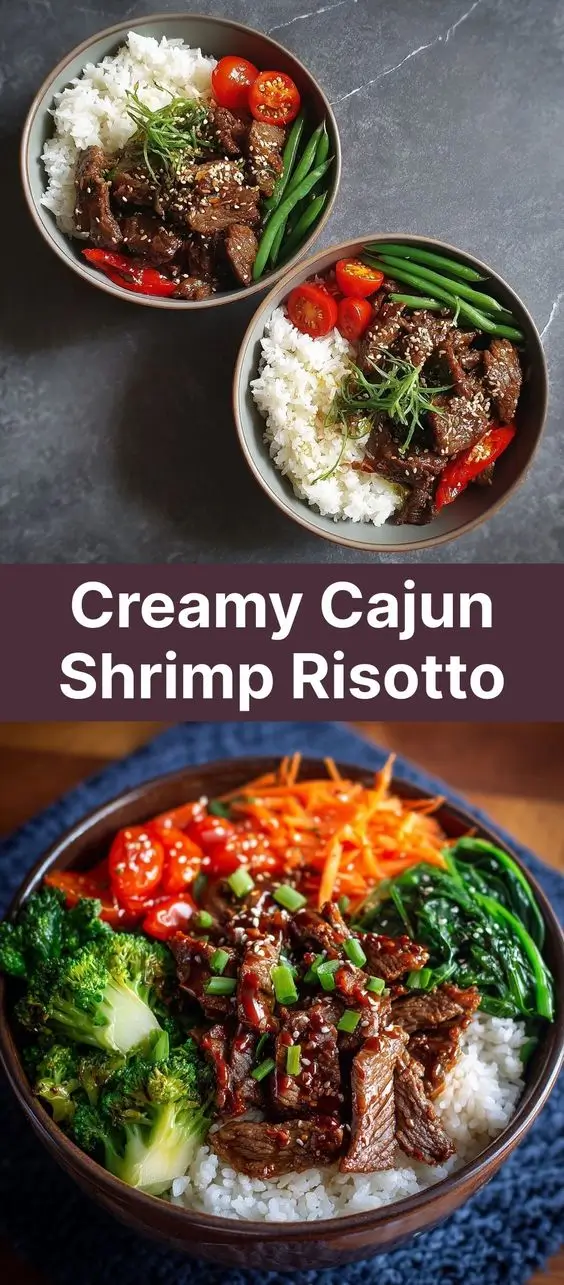
Creamy Cajun Shrimp Risotto: A Flavorful Fusion of Comfort and Spice
The world of risotto is vast and rich, but few variations bring together the comforting creaminess of traditional Italian cooking with the bold, smoky heat of Southern American cuisine quite like Creamy Cajun Shrimp Risotto. This dish marries the velvety texture of slow-cooked Arborio rice with the vibrant, zesty kick of Cajun seasoning and succulent shrimp. Whether you’re a seasoned home cook or someone just beginning to explore gourmet comfort food, this recipe delivers restaurant-quality results with every bite. From its aromatic origins to its luxurious mouthfeel, Creamy Cajun Shrimp Risotto is more than a meal—it’s an experience.
The History Behind the Dish
Risotto, at its core, is an Italian staple that originated in Northern Italy—particularly in regions like Lombardy and Piedmont—where creamy rice dishes have been perfected over centuries. Traditionally made with high-starch Arborio, Carnaroli, or Vialone Nano rice, risotto relies on a careful process of gradual liquid absorption to develop its signature creaminess without the addition of dairy.
On the other hand, Cajun cuisine hails from Louisiana, developed by French-speaking Acadians who were exiled from Canada and settled in the bayous of southern Louisiana. Their rustic cooking style emphasizes the “Holy Trinity” (onions, bell peppers, and celery), smoked meats, and bold spice blends. The fusion of these two culinary traditions—Italian technique and Cajun flavor—creates something truly magical. Creamy Cajun Shrimp Risotto represents a modern cross-cultural evolution, where global palates embrace boldness while honoring tradition.
While there isn’t a single documented origin for this particular dish, it likely emerged in the late 20th century as chefs began experimenting with regional American flavors using classic European methods. Today, it’s a popular feature in upscale Southern restaurants and home kitchens alike, symbolizing a delicious harmony between Old World elegance and New World fire.
Ingredients Breakdown: What Makes It Shine?
The success of any great risotto lies not only in technique but in the quality and balance of its ingredients. Here’s a detailed look at each component of Creamy Cajun Shrimp Risotto:
- Arborio Rice: This short-grain Italian rice is essential. Its high amylopectin (a type of starch) content allows it to release creaminess as it cooks slowly, absorbing liquid while maintaining a slight al dente bite.
- Shrimp: Fresh or high-quality frozen medium to large shrimp (peeled and deveined) are ideal. They cook quickly and absorb flavors beautifully. Opt for wild-caught Gulf shrimp if possible for authenticity and taste.
- Cajun Seasoning: A robust blend typically containing paprika, garlic powder, onion powder, cayenne pepper, oregano, thyme, black pepper, and sometimes mustard powder or celery salt. You can use store-bought or make your own for better control over salt and heat.
- Chicken or Seafood Stock: Warm stock is crucial for even cooking. Seafood stock enhances the briny depth, while chicken stock offers a neutral richness. Homemade is best, but high-quality low-sodium boxed versions work well too.
- Dry White Wine: Adds acidity and complexity. Choose something crisp and unoaked—like Sauvignon Blanc or Pinot Grigio. Avoid “cooking wine” due to added salt and preservatives.
- Butter and Olive Oil: A combination of both adds richness and prevents burning during sautéing. Unsalted butter lets you control sodium levels.
- Shallots or Onion: Finely diced shallots offer a sweeter, milder flavor than onions, which complements the spice profile without overpowering.
- Garlic: Freshly minced garlic provides aromatic depth. Don’t let it brown too early—it can turn bitter.
- Heavy Cream (Optional): While traditional risotto doesn’t require cream, adding a splash intensifies the luxurious texture, especially when pairing with seafood.
- Parmesan Cheese: Freshly grated Parmigiano-Reggiano adds umami and saltiness, finishing the dish with a silky flourish.
- Holy Trinity Vegetables: Onions, green bell peppers, and celery form the base of many Cajun dishes. Diced finely, they build layers of flavor alongside the spices.
- Lemon Juice and Fresh Herbs: A squeeze of lemon brightens the dish and cuts through the richness. Parsley or chives add freshness and color.
Step-by-Step Recipe: Crafting the Perfect Pot
Follow this detailed method to create a perfectly balanced, creamy, and spicy Cajun Shrimp Risotto. Patience is key—don’t rush the stirring!
- Prepare Ingredients: Before you begin, measure out all your ingredients. Mise en place is vital. Warm the stock in a saucepan over low heat—cold stock slows cooking and disrupts texture.
- Season the Shrimp: In a bowl, toss peeled and deveined shrimp with 1–2 teaspoons of Cajun seasoning (adjust based on heat preference). Let sit for 10–15 minutes while you prep other components.
- Sauté the Holy Trinity: In a large, heavy-bottomed pot or Dutch oven, heat 2 tablespoons of olive oil and 1 tablespoon of butter over medium heat. Add ½ cup diced yellow onion, ½ cup diced green bell pepper, and ½ cup diced celery. Cook until soft and translucent (about 5–7 minutes).
- Add Aromatics: Stir in 1 finely minced shallot (or small onion) and 3 cloves of minced garlic. Cook for another minute until fragrant—do not let garlic burn.
- Toast the Rice: Add 1½ cups of Arborio rice. Stir constantly for 2–3 minutes until the grains become slightly translucent around the edges and emit a nutty aroma. This step coats the rice in fat and helps prevent mushiness.
- Deglaze with Wine: Pour in ½ cup of dry white wine. Stir continuously until the wine is fully absorbed, scraping up any flavorful bits from the bottom of the pan.
- Begin Adding Stock: Add warm stock one ladle (about ½ cup) at a time. Stir frequently and allow each addition to be mostly absorbed before adding the next. This process should take 18–22 minutes total. The rice should remain moist and bubbly throughout—not soupy, not dry.
- Monitor Texture: As the rice cooks, taste frequently. It should be tender with a slight resistance (al dente). Overcooking leads to mush; undercooking leaves it chalky.
- Cook the Shrimp: While the risotto simmers, heat 1 tablespoon of butter and 1 teaspoon of olive oil in a skillet over medium-high heat. Add the seasoned shrimp in a single layer and sear for 1–2 minutes per side, just until pink and opaque. Remove immediately to prevent overcooking. Set aside.
- Incorporate Final Elements: When the rice is nearly done (after about 18 minutes of stock additions), stir in ¼ cup of heavy cream (if using) and continue adding stock as needed. Once the rice reaches ideal consistency, remove from heat.
- Finish the Risotto: Off the heat, stir in ½ cup freshly grated Parmesan cheese, 1 tablespoon of cold butter (for gloss), and a squeeze of fresh lemon juice (from half a lemon). Gently fold in the cooked shrimp and any accumulated juices.
- Garnish and Serve: Sprinkle with chopped fresh parsley or chives. For extra flair, top with a dusting of extra Cajun seasoning, microgreens, or a lemon wedge on the side.
Tips for Success: Mastering the Technique
- Use Warm Stock: Cold stock shocks the rice, halting starch release and leading to uneven texture.
- Stir Frequently—but Not Constantly: Stirring helps release starch, but constant stirring can introduce too much air and cool the pot. Aim for every 30 seconds to a minute.
- Don’t Rush It: Authentic risotto takes 20–25 minutes. Low and slow ensures even absorption and maximum creaminess.
- Resist the Temptation to Add All Liquid at Once: Unlike boiling rice, risotto requires gradual hydration. Adding too much stock too soon turns it into porridge.
- Underseason Early: Since Parmesan and stock contain salt, go easy on added salt until the end. Adjust seasoning after finishing with cheese and butter.
- Let It Rest: Allow the risotto to sit off the heat for 1–2 minutes before serving. This helps redistribute moisture and achieve the ideal creamy “wave” (all’onda) effect.
- Perfect the Shrimp: Cook shrimp separately to avoid overcooking. They’ll finish warming in the residual heat of the risotto.
- Use the Right Pan: A wide, shallow pot with straight sides gives even heat distribution and makes stirring easier than a deep pot.
Variations and Customizations
Creamy Cajun Shrimp Risotto is highly adaptable. Here are creative ways to personalize it:
- Vegetarian Version: Omit shrimp and use vegetable stock. Add sautéed mushrooms, zucchini, cherry tomatoes, or roasted red peppers for heartiness.
- Spicier Kick: Increase cayenne in your Cajun blend or add a dash of hot sauce (like Crystal or Tabasco) at the end. Sliced jalapeños also work well.
- Smoky Depth: Add a pinch of smoked paprika or a few drops of liquid smoke. Alternatively, include andouille sausage (diced and browned) for authentic Cajun flair.
- Dairy-Free Option: Replace butter with vegan butter or olive oil, skip heavy cream, and use nutritional yeast instead of Parmesan for a cheesy note.
- Seafood Medley: Mix in scallops, crab meat, or crawfish tails along with the shrimp for a luxurious surf-and-turf risotto.
- Herb Infusion: Stir in fresh thyme, tarragon, or dill during the final stages for a different aromatic profile.
- Lemon-Cream Variation: Add lemon zest with the juice and increase cream for a brighter, richer version reminiscent of Creole cream sauces.
- Tomato Twist: Stir in sun-dried tomatoes or a spoonful of tomato paste with the Holy Trinity for a Creole-inspired variation.
- Gluten-Free Friendly: Risotto is naturally gluten-free as long as your stock and seasoning are certified GF. Always double-check labels.
- Make-Ahead Shortcut: While risotto is best served fresh, you can par-cook it to the 15-minute mark, cool rapidly, and refrigerate. Reheat gently with extra stock or water, then finish as usual.
Health Considerations and Nutritional Value
Creamy Cajun Shrimp Risotto can be part of a balanced diet when enjoyed in moderation. Here’s a breakdown of its nutritional aspects:
- Calories: One serving (about 1.5 cups) ranges from 450–600 calories depending on cream, butter, and cheese amounts.
- Protein: Shrimp provides lean protein—approximately 20–25 grams per serving. It’s also rich in selenium, iodine, and omega-3 fatty acids.
- Carbohydrates: Arborio rice is a refined grain, so this dish is moderately high in carbs (~50–60g per serving). For lower-carb options, consider substituting with cauliflower rice (though texture will differ significantly).
- Fats: Contains saturated fats from butter, cream, and cheese. Using less dairy or opting for low-fat alternatives reduces this, but may affect creaminess.
- Sodium: Can be high due to stock, cheese, and Cajun seasoning. Use low-sodium stock, make your own spice blend (without salt), and limit added salt for a heart-healthier version.
- Spice Benefits: Cayenne and other spices in Cajun seasoning may boost metabolism and circulation. Garlic and onions contribute antioxidants and anti-inflammatory compounds.
- Allergens: Contains shellfish, dairy, and sulfites (in wine). Be cautious when serving to guests with allergies. Substitutions are possible but alter authenticity.
- Balancing the Meal: Pair with a light green salad, steamed vegetables, or crusty whole-grain bread to round out the plate nutritionally.
Ingredients
- 1½ cups Arborio rice
- 4 cups low-sodium chicken or seafood stock, warmed
- ½ cup dry white wine (e.g., Sauvignon Blanc or Pinot Grigio)
- 1 pound (450g) large shrimp, peeled and deveined
- 2–3 teaspoons Cajun seasoning (homemade or store-bought), divided
- 3 tablespoons unsalted butter, divided
- 2 tablespoons olive oil, divided
- ½ cup yellow onion, finely diced
- ½ cup green bell pepper, finely diced
- ½ cup celery, finely diced
- 1 shallot, finely minced (or ¼ cup onion)
- 3 cloves garlic, minced
- ¼ cup heavy cream (optional)
- ½ cup freshly grated Parmesan cheese
- Juice of ½ lemon
- Salt and freshly ground black pepper, to taste
- 2 tablespoons fresh parsley or chives, chopped (for garnish)
- Lemon wedges, for serving
Directions
- In a medium bowl, toss the shrimp with 1–2 teaspoons of Cajun seasoning. Set aside to marinate for 10–15 minutes.
- Warm the stock in a saucepan over low heat. Keep it nearby for gradual addition.
- In a large, heavy-bottomed pot or Dutch oven, heat 1 tablespoon olive oil and 1 tablespoon butter over medium heat. Add onion, bell pepper, and celery. Sauté for 5–7 minutes until softened.
- Add minced shallot and garlic; cook for 1 minute until fragrant.
- Stir in Arborio rice. Toast for 2–3 minutes, stirring constantly, until rice is translucent at the edges.
- Pour in white wine and stir until fully absorbed, about 2 minutes.
- Begin adding warm stock one ladle at a time (about ½ cup each), stirring frequently. Wait until most liquid is absorbed before adding more. Continue this process for 18–22 minutes, until rice is creamy and al dente.
- About halfway through cooking, heat 1 teaspoon olive oil and 1 tablespoon butter in a skillet over medium-high heat. Add seasoned shrimp and cook 1–2 minutes per side until pink and curled. Remove from heat and set aside.
- When rice is nearly done, stir in heavy cream (if using) and continue adding stock as needed to maintain a creamy consistency.
- Remove risotto from heat. Stir in Parmesan cheese, remaining 1 tablespoon butter, lemon juice, and salt/pepper to taste.
- Gently fold in cooked shrimp and any juices. Let rest for 1–2 minutes.
- Serve immediately, garnished with fresh herbs, extra Parmesan, a sprinkle of Cajun seasoning, and lemon wedges on the side.
FAQ
Can I make this ahead of time?
Risotto is best served fresh, but you can par-cook it and finish later. Stop after 15 minutes of stock addition, spread on a tray to cool, then refrigerate. Reheat gently with warm stock, then complete the final steps.
Why is my risotto mushy?
Overcooking, adding too much liquid at once, or over-stirring can break down the rice. Stick to gradual additions and monitor texture closely.
Can I freeze Creamy Cajun Shrimp Risotto?
Freezing is not recommended. The rice becomes gummy upon thawing, and shrimp deteriorates in texture. Best enjoyed fresh or refrigerated for up to 2 days.
What can I substitute for wine?
Replace wine with additional warm stock plus 1 tablespoon of lemon juice or white vinegar for acidity.
Is this dish spicy?
The heat level depends on your Cajun seasoning. Mild blends are aromatic but not hot; spicier versions contain more cayenne. Adjust to taste.
Can I use frozen shrimp?
Yes—just thaw completely in the refrigerator and pat dry before seasoning. Avoid cooking frozen shrimp directly into the dish.
How do I know when risotto is done?
It should be creamy, with rice tender but still slightly firm to the bite (al dente). It should flow slowly when spooned—a sign known as “all’onda” (the wave).
Can I make this in a rice cooker or Instant Pot?
Yes, though results vary. Use the “risotto” function if available, or follow tested pressure cooker recipes. However, stovetop offers better control over texture.
Summary
Creamy Cajun Shrimp Risotto blends the luxurious texture of Italian risotto with the bold, smoky heat of Louisiana-inspired seasoning, creating a harmonious dish that’s rich, satisfying, and full of character. With succulent shrimp, aromatic vegetables, and a slow-simmered rice base finished with Parmesan and lemon, it’s a showstopping meal perfect for weeknight dinners or entertaining guests.