Introduction
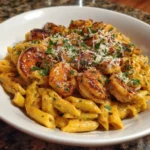
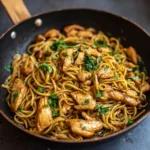
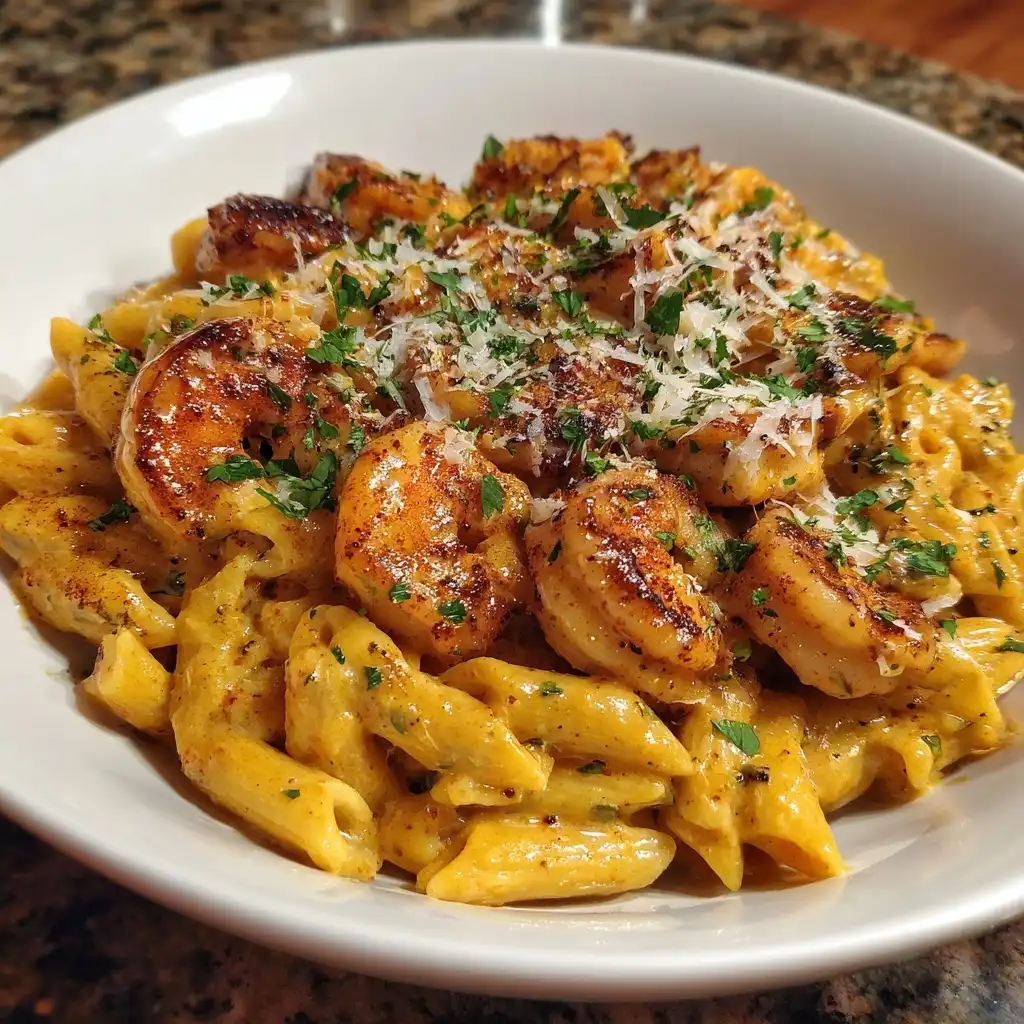
Creamy Cajun Shrimp and Chicken Pasta is a bold, restaurant-worthy dish that brings the fiery spirit of Louisiana to your dinner table—without requiring a plane ticket or a culinary degree. This vibrant one-pan wonder harmonizes tender grilled chicken, plump succulent shrimp, and al dente pasta in a luxuriously smooth, herb-kissed cream sauce infused with the unmistakable warmth of authentic Cajun seasoning. Whether you’re hosting friends for a casual weeknight feast, impressing a date with minimal effort and maximum flavor, or simply craving something rich, spicy, and deeply satisfying, this recipe delivers on every front. It’s comfort food elevated—creamy yet bright, spicy but balanced, hearty without being heavy—and it comes together in under 30 minutes, making it as practical as it is impressive.
The History
The roots of Creamy Cajun Shrimp and Chicken Pasta lie not in a single historic cookbook, but in the dynamic evolution of American regional cuisine—specifically, the cultural crossroads of South Louisiana. Cajun cooking itself traces back to the 18th-century Acadian exiles (French-speaking settlers expelled from Canada) who settled in the swamps and prairies of what is now southern Louisiana. Their resourceful, rustic “country” cuisine emphasized local ingredients—crawfish, shrimp, game, rice, and seasonal vegetables—seasoned generously with handmade spice blends featuring paprika, cayenne, garlic, onion, thyme, and oregano. While traditional Cajun dishes like étouffée, jambalaya, and gumbo are stew-based and often roux-thickened, the modern creamy pasta variation emerged in the late 20th and early 21st centuries as home cooks and chefs began fusing classic Southern heat with Italian-American pantry staples—particularly heavy cream, Parmesan, and dried pasta. This hybridization reflects broader culinary trends: globalization of flavors, the rise of “fusion comfort food,” and the demand for quick, flavorful weeknight meals. Though not found in historic Acadian cookbooks, Creamy Cajun Shrimp and Chicken Pasta honors its heritage through respectful use of authentic seasoning profiles, emphasis on fresh seafood and poultry, and the foundational “holy trinity” (onion, bell pepper, celery)—a cornerstone shared with both Cajun and Creole traditions.
Ingredients Breakdown
Understanding each component deepens both your technique and appreciation for this dish’s layered complexity:
- Cajun Seasoning (Homemade or Trusted Brand): The soul of the dish. A true blend contains smoked paprika (for depth), cayenne (for controlled heat), garlic powder, onion powder, dried oregano and thyme (earthy backbone), black pepper (sharp bite), and a whisper of white pepper (distinctive floral heat). Avoid pre-mixed versions loaded with excessive salt or MSG—opt for low-sodium or make your own to control intensity.
- Chicken Breast or Thighs: Boneless, skinless chicken breasts offer lean tenderness when sliced thin and cooked quickly; thighs provide richer flavor and forgiving moisture retention—ideal if you’re prone to overcooking. Always pat dry before seasoning to ensure proper sear and spice adhesion.
- Large Shrimp (21/25 or 26/30 count): Wild-caught Gulf shrimp are ideal for authenticity and sweetness, but sustainably farmed options work beautifully. Devein, peel, and leave tails on for presentation—or remove for ease of eating. Crucially: do not overcook. Shrimp turn rubbery in seconds past doneness—cook just until opaque and curled into a gentle C-shape.
- Pasta (Fusilli, Penne, or Linguine): Short, ridged shapes like fusilli or penne trap creamy sauce magnificently. Linguine offers elegant texture contrast. Always cook pasta 1–2 minutes shy of package instructions (“al dente”) since it finishes cooking in the hot sauce—preventing mushiness.
- Aromatics (The Holy Trinity + Garlic): Finely diced yellow onion, green bell pepper, and celery form the foundational savory-sweet base. Fresh minced garlic adds pungent aroma—but add it late (after onions soften) to avoid burning, which turns it bitter.
- Liquid Base (Heavy Cream + Broth): Full-fat heavy cream (minimum 36% butterfat) provides unctuous body and stability; lower-fat alternatives (half-and-half, whole milk) risk curdling or thinness. Low-sodium chicken broth adds savory depth and balances richness—never skip it. A splash of dry white wine (like Sauvignon Blanc) is optional but highly recommended for acidity and complexity.
- Cheese (Freshly Grated Parmesan & Optional Gouda): Real Parmigiano-Reggiano—not pre-grated “Parmesan-style”—melts smoothly and contributes umami and salty tang. A small amount of mild smoked Gouda can add subtle depth without overpowering.
- Fresh Herbs & Acid Finish: Chopped fresh parsley adds color and grassy brightness; a final squeeze of lemon juice cuts through richness and lifts all other flavors—non-negotiable for balance.
Step-by-Step Recipe
- Prep & Mise en Place (10 minutes): Dice onion, bell pepper, and celery uniformly (¼-inch). Mince 4 garlic cloves. Pat 1 lb chicken breast (sliced into ½-inch strips) and 1 lb large shrimp completely dry with paper towels. Season both generously with 2 tbsp homemade Cajun seasoning (reserving 1 tsp for finishing). Cook 12 oz pasta (fusilli recommended) in well-salted boiling water until 1 minute shy of al dente. Reserve 1 cup pasta water, then drain.
- Sear Chicken (4–5 minutes): Heat 2 tbsp high-smoke-point oil (avocado or grapeseed) in a wide, heavy-bottomed skillet or Dutch oven over medium-high heat. Add chicken in a single layer—do not crowd. Sear undisturbed 2–3 minutes until golden brown and nearly cooked through. Flip, cook 1–2 more minutes. Remove to a clean plate; cover loosely with foil.
- Sauté Aromatics (4 minutes): Reduce heat to medium. Add 1 tbsp butter + 1 tbsp olive oil to same skillet. Add onion, bell pepper, and celery. Sauté 3–4 minutes until softened and fragrant but not browned. Stir in minced garlic and reserved 1 tsp Cajun seasoning; cook 30 seconds until aromatic.
- Build the Sauce (5 minutes): Pour in 1 cup low-sodium chicken broth and 1 cup heavy cream (plus optional ¼ cup dry white wine). Bring to a gentle simmer, scraping up browned bits from the pan bottom. Let reduce slightly, about 2 minutes. Whisk in ½ cup freshly grated Parmesan cheese until fully melted and smooth. Taste and adjust salt only *after* adding cheese and pasta water.
- Finish with Seafood & Pasta (3 minutes): Return chicken to skillet. Add shrimp in a single layer. Cook 2–3 minutes, gently stirring halfway, until shrimp are pink, opaque, and curled (do not overcook!). Immediately add drained pasta. Toss vigorously over low heat for 1–2 minutes, adding reserved pasta water 2 tbsp at a time until sauce clings luxuriously to every strand. Sauce should be glossy, emulsified, and coat the back of a spoon.
- Final Touches & Serve (1 minute): Remove from heat. Stir in 2 tbsp cold butter (for shine and richness), ¼ cup chopped fresh parsley, and juice of 1 lemon. Taste critically: adjust with pinch of cayenne (heat), lemon (brightness), or extra Parmesan (umami). Serve immediately in warmed bowls, garnished with extra parsley, lemon wedges, and a dusting of Cajun spice.
Tips
- Dry Your Protein Relentlessly: Moisture is the enemy of browning. Pat chicken and shrimp with multiple layers of paper towels until absolutely no dampness remains. This ensures caramelization—not steaming.
- Control the Heat Like a Pro: Cajun spices burn easily. Keep aromatics over medium heat, and never add garlic until onions/peppers are softened. If sauce simmers too aggressively, reduce to low—vigorous boiling can cause cream to separate.
- Pasta Water Is Liquid Gold: That starchy, salty water is essential for emulsifying the sauce. Don’t rinse pasta after draining—it washes away the starch needed for cling. Add it gradually while tossing.
- Undercook Pasta Intentionally: Even 30 seconds too long in the pot means mushy pasta in the finished dish. Err on the side of “too firm”—it softens perfectly in the hot sauce.
- Shrimp Timing Is Everything: Add shrimp *after* the sauce is hot and creamy, and cook *just* until opaque. They continue cooking off-heat. Set a timer for 90 seconds per side if unsure.
- Rest Before Serving (Briefly!): Let the finished dish sit off-heat for 1 minute before final garnishes. This allows flavors to marry and sauce to thicken slightly.
- Use Cold Butter at the End: Adding chilled, cubed butter off-heat creates a velvety, restaurant-quality sheen and prevents greasiness.
- Taste—Then Retaste: Cajun seasoning varies wildly by brand. Season in stages: on protein, in sauce, and finally as garnish. Adjust acid (lemon), salt, and heat incrementally.
Variations and Customizations
This recipe is gloriously adaptable—celebrating creativity while honoring its spicy soul:
- Vegetarian Cajun “Seafood”: Swap shrimp and chicken for 1½ cups king oyster mushrooms (sliced thick, seared until golden) + 1 cup cooked white beans (cannellini or Great Northern) for heartiness. Boost umami with 1 tsp soy sauce or tamari in the sauce.
- Seafood-Only Luxe Version: Omit chicken entirely. Use 1 lb shrimp + ½ lb bay scallops (added with shrimp) + ½ cup lump crabmeat (folded in at the very end, off-heat).
- Low-Carb / Keto Adaptation: Replace pasta with spiralized zucchini (zoodles) or shirataki noodles. Sauté zoodles separately for 2 minutes to remove water, then toss in at the end. Increase cream slightly and add 1 tbsp cream cheese for body.
- Spice-Level Spectrum:
- Mild: Halve the Cajun seasoning; substitute sweet paprika for half the cayenne; add 1 tsp honey to sauce.
- Medium: Use full recipe as written.
- “Bayou Inferno”: Add ½ tsp chipotle powder + 1 finely minced jalapeño (seeds removed) with aromatics; finish with pickled jalapeño rings.
- Pantry Swaps (No Last-Minute Run!): No heavy cream? Use ¾ cup whole milk + ¼ cup full-fat cream cheese, whisked smooth before adding. No fresh herbs? 1 tsp dried parsley + ½ tsp dried dill (add with garlic). No white wine? Substitute with extra broth + 1 tsp apple cider vinegar.
- Grain Alternatives: Serve over creamy polenta, cauliflower rice, or even a bed of wilted spinach or kale for added greens.
- Make-Ahead & Freezer-Friendly: Cook chicken, shrimp, and sauce separately (cool completely). Store components in airtight containers for 3 days refrigerated. Reheat sauce gently, then combine with freshly cooked pasta. Do not freeze creamy sauce—dairy separates upon thawing. Freeze uncooked seasoned chicken/shrimp for up to 3 months.
Health Considerations and Nutritional Value
Creamy Cajun Shrimp and Chicken Pasta strikes a thoughtful balance between indulgence and nourishment—especially when prepared mindfully:
- Protein Powerhouse: Both shrimp and chicken breast are excellent sources of lean, complete protein—supporting muscle maintenance, satiety, and metabolic health. Shrimp also delivers selenium (a potent antioxidant) and astaxanthin (an anti-inflammatory carotenoid).
- Smart Fat Choices: While rich, the dish relies on unsaturated fats from olive oil and beneficial saturated fats from dairy. Using full-fat dairy improves nutrient absorption (fat-soluble vitamins A/D/E/K) and promotes lasting fullness. To lighten: swap half the cream for evaporated skim milk or silken tofu blended smooth.
- Low-Sugar & Naturally Gluten-Free Options: The core recipe contains zero added sugars. For gluten-free diets, use certified GF pasta (brown rice, quinoa, or lentil-based hold up best in creamy sauces).
- Sodium Awareness: Cajun seasoning and broth are primary sodium sources. Mitigate by using low-sodium broth, making your own spice blend (no added salt), and relying on lemon, herbs, and spice for flavor—not salt. One serving typically ranges from 500–750mg sodium—well within daily guidelines (2,300mg) when balanced with low-sodium meals elsewhere.
- Vegetable Integration: The holy trinity (onion, bell pepper, celery) provides fiber, vitamin C, antioxidants, and prebiotic compounds. Boost nutrition further by stirring in 1 cup baby spinach or roasted cherry tomatoes at the end.
- Portion Guidance: A satisfying, balanced serving is ~1.5 cups (pasta + sauce + protein). Pair with a simple arugula salad dressed in lemon vinaigrette for added volume, nutrients, and digestive enzymes.
- Notable Micronutrients: Per serving (approx. 1.5 cups): ~45g protein, 35g carbs (mostly complex), 22g fat (12g saturated), 3g fiber, >100% DV Vitamin B12 (shrimp/chicken), 80% DV Selenium, 60% DV Vitamin A (from peppers & cream), plus significant zinc, phosphorus, and choline.
Ingredients
- 1 tablespoon avocado oil or grapeseed oil (plus extra for sautéing)
- 1 pound boneless, skinless chicken breast, sliced into ½-inch strips
- 1 pound large raw shrimp (21/25 or 26/30 count), peeled, deveined, tails on or off
- 2 tablespoons homemade Cajun seasoning (see notes), divided
- 12 ounces fusilli, penne, or linguine pasta
- 2 tablespoons unsalted butter, plus 2 tablespoons cold, cubed
- 1 tablespoon extra-virgin olive oil
- 1 medium yellow onion, finely diced
- 1 medium green bell pepper, finely diced
- 1 large celery stalk, finely diced
- 4 large garlic cloves, minced
- 1 cup low-sodium chicken broth
- 1 cup heavy cream (36%+ fat)
- ¼ cup dry white wine (optional but recommended; e.g., Sauvignon Blanc)
- ½ cup freshly grated Parmigiano-Reggiano cheese
- ¼ cup chopped fresh flat-leaf parsley, plus extra for garnish
- Juice of 1 large lemon (about 2–3 tbsp)
- Kosher salt and freshly ground black pepper, to taste
- Lemon wedges and extra Cajun seasoning, for serving
Directions
- Bring a large pot of heavily salted water to a rolling boil. Add pasta and cook according to package directions, reducing time by 1–2 minutes to achieve al dente texture. Reserve 1 cup of starchy pasta water, then drain pasta thoroughly. Set aside.
- Pat chicken and shrimp completely dry with paper towels. Place in separate bowls. Season chicken with 1 tablespoon Cajun seasoning; season shrimp with remaining 1 tablespoon. Set aside.
- Heat 1 tablespoon avocado oil in a large, heavy-bottomed skillet or Dutch oven over medium-high heat. Add chicken in a single layer (work in batches if needed). Sear 2–3 minutes per side until golden brown and cooked through (165°F internal temp). Transfer to a clean plate; cover loosely with foil.
- Reduce heat to medium. Add 1 tablespoon butter and 1 tablespoon olive oil to the same skillet. Add onion, bell pepper, and celery. Sauté 3–4 minutes until softened and translucent. Stir in garlic and cook 30 seconds until fragrant.
- Pour in chicken broth, heavy cream, and optional white wine. Bring to a gentle simmer, stirring and scraping up any browned bits. Simmer 2 minutes to reduce slightly. Whisk in grated Parmesan until fully melted and smooth. Taste and adjust seasoning sparingly (remember cheese adds salt).
- Return seared chicken to skillet. Add shrimp in an even layer. Cook 2–3 minutes, gently folding halfway, until shrimp are pink, opaque, and curled into a gentle C-shape (they will continue cooking off-heat).
- Add drained pasta to skillet. Toss continuously over low heat for 1–2 minutes, gradually adding reserved pasta water (2 tablespoons at a time) until sauce is creamy, glossy, and coats pasta evenly. Do not over-stir or overheat—this can break the emulsion.
- Remove from heat. Stir in cold cubed butter, chopped parsley, and lemon juice. Taste again: add a pinch of cayenne for heat, extra lemon for brightness, or more Parmesan for savoriness.
- Serve immediately in warmed bowls. Garnish with extra parsley, lemon wedges, and a light dusting of Cajun seasoning. Enjoy while luxuriously hot and creamy.
FAQ
- Can I use frozen shrimp?
- Yes—but thaw completely in the refrigerator overnight or under cold running water. Pat *extremely* dry before seasoning. Never add frozen shrimp directly—it lowers pan temperature and causes steaming instead of searing.
- Why does my sauce sometimes look greasy or broken?
- Cream separation occurs due to overheating, acidic ingredients added too early, or vigorous boiling. Prevent it by keeping sauce at a gentle simmer (not a rapid boil), adding lemon juice *off-heat*, and whisking constantly when incorporating cheese. If it breaks, whisk in 1–2 tbsp cold pasta water or a teaspoon of Dijon mustard to re-emulsify.
- Can I make this dairy-free?
- Yes—with adjustments. Replace heavy cream with full-fat coconut milk (lighter version works but less rich) and butter with vegan butter or refined coconut oil. Use nutritional yeast instead of Parmesan. Note: Flavor profile shifts toward tropical—complement with extra smoked paprika and lime instead of lemon.
- How do I store and reheat leftovers?
- Store in an airtight container in the refrigerator for up to 3 days. Reheat gently in a skillet over low heat with a splash of broth or milk to restore creaminess—avoid microwaving on high, which causes separation. Stir frequently.
- Is there a way to meal prep this efficiently?
- Absolutely. Prep components ahead: dice mirepoix and refrigerate for 3 days; mix Cajun seasoning and store in a jar for 1 month; cook and cool pasta (toss with 1 tsp olive oil to prevent sticking); portion and freeze seasoned chicken (up to 3 months). Assemble day-of in under 20 minutes.
- What wine pairs best with this dish?
- A crisp, high-acid white wine cuts through richness beautifully: try Albariño, Grüner Veltliner, or an unoaked Chardonnay. For red lovers, a light-bodied, low-tannin option like Gamay (Beaujolais) works surprisingly well—avoid heavy Cabernets or Syrahs which clash with spice.
- Can I air-fry the chicken and shrimp instead of pan-searing?
- You can—but with caveats. Air-fry chicken at 400°F for 8–10 minutes, flipping once. Shrimp cook in 4–5 minutes at 375°F—watch closely! However, pan-searing delivers superior fond (browned bits) essential for sauce depth. If using air fryer, deglaze the skillet with broth afterward to capture flavor.
- My family finds it too spicy. How do I tone it down without losing flavor?
- Omit cayenne from your homemade blend and increase smoked paprika and garlic powder. Add 1 tsp tomato paste when sautéing aromatics for natural sweetness and body. Stir in 1 tbsp sour cream or plain Greek yogurt at the end for cooling creaminess. Serve with cooling sides: cucumber-dill salad or mango salsa.
Summary
Creamy Cajun Shrimp and Chicken Pasta is a vibrant, restaurant-caliber dish that masterfully balances Louisiana’s bold, smoky-spicy soul with Italian-American comfort—featuring perfectly seared proteins, al dente pasta, and a luxuriously smooth, herb-flecked cream sauce elevated by lemon brightness and Parmesan depth.
Ready in under 30 minutes with smart prep, endlessly customizable for dietary needs or heat preference, and nutritionally robust thanks to lean proteins, vegetable-forward aromatics, and mindful dairy use—it’s not just dinner, it’s a celebration of flavor, culture, and kitchen confidence.