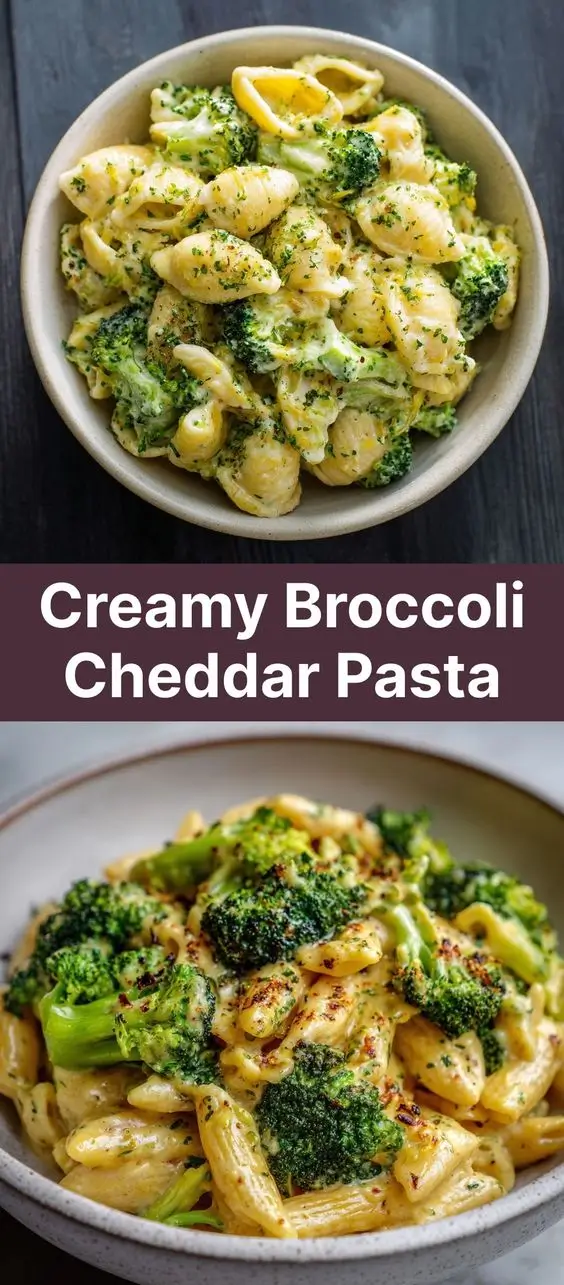
Creamy Broccoli Cheddar Pasta: A Comfort Food Classic Reinvented
There are few dishes that evoke the warmth and satisfaction of a steaming bowl of Creamy Broccoli Cheddar Pasta. This beloved comfort food combines tender pasta, vibrant broccoli florets, and rich, velvety cheddar cheese into a harmonious blend of flavor and texture. Whether you’re preparing a quick weeknight dinner or seeking a dish to please picky eaters and gourmet palates alike, this recipe delivers on every level. With its golden-orange sauce clinging luxuriously to each noodle and crisp-tender broccoli adding a fresh contrast, it’s no wonder this dish has become a staple in homes across the country.
The History
Creamy Broccoli Cheddar Pasta may feel like a modern culinary invention, but its roots trace back through several traditions. The combination of cheese and pasta is deeply rooted in Italian cuisine, where sauces like Alfredo and cacio e pepe have long celebrated the luxurious pairing of dairy and dough. Meanwhile, broccoli has been cultivated in Italy since ancient Roman times, prized for its nutritional value and earthy taste.
The marriage of broccoli and cheddar, however, is more closely associated with British and American cooking. Sharp cheddar cheese originated in the English village of Cheddar, and by the 18th century, it had become a national favorite. In the United States, particularly during the mid-20th century, home cooks began experimenting with combining vegetables and cheese in baked casseroles and stovetop meals. The rise of convenience foods brought about boxed macaroni and cheese, which paved the way for homemade versions with added ingredients like broccoli.
By the 1970s and 80s, restaurants began offering “gourmet” takes on mac and cheese, often featuring broccoli and sharp cheddar. Over time, the dish evolved from a side into a hearty main course. Today, Creamy Broccoli Cheddar Pasta stands as a symbol of fusion—honoring European dairy traditions while embracing American innovation and a growing emphasis on balanced, vegetable-forward meals.
Ingredients Breakdown
The magic of this dish lies in the careful selection and balance of ingredients. Each component plays a vital role in creating the final symphony of creaminess, texture, and flavor.
- Pasta: Elbow macaroni is traditional, but penne, fusilli, or cavatappi work beautifully. The key is choosing a shape that holds sauce well. Whole wheat or gluten-free pasta can be substituted based on dietary needs.
- Broccoli: Fresh broccoli is ideal for its bright color and slight crunch. Cut into uniform florets to ensure even cooking. Frozen broccoli can be used in a pinch, though it may release more water and alter the sauce consistency.
- Cheddar Cheese: Use high-quality sharp or extra-sharp cheddar for maximum flavor. Avoid pre-shredded cheese when possible, as it contains anti-caking agents that can make the sauce grainy. Block cheddar, freshly grated, melts smoother and tastes richer.
- Butter and Flour: These form the base of the roux, which thickens the sauce. Unsalted butter allows better control over seasoning, while all-purpose flour provides structure.
- Milk: Whole milk contributes to a creamy texture. For a richer sauce, substitute part of the milk with heavy cream or half-and-half. Non-dairy alternatives like oat or almond milk can work but may require additional thickening.
- Garlic and Onion Powder: These add depth and savory complexity without overwhelming the dish. Fresh garlic can also be sautéed for a more pronounced aroma.
- Mustard (Dijon or yellow): A small amount enhances the cheese flavor and helps emulsify the sauce, preventing separation.
- Salt and Pepper: Essential for balancing flavors. Adjust carefully, especially if using salted butter or broth.
- Nutmeg (optional): A pinch adds warmth and sophistication, a classic touch in béchamel-based sauces.
Step-by-Step Recipe
- Prepare Ingredients: Grate 2 to 3 cups of sharp cheddar cheese (depending on desired richness). Cut 3–4 cups of broccoli into bite-sized florets. Measure out 8 oz (about 2 cups) of pasta.
- Cook the Pasta: Bring a large pot of salted water to a boil. Add the pasta and cook according to package instructions until al dente. During the last 2–3 minutes of cooking, add the broccoli florets to blanch them directly in the pasta water. Drain together and set aside, reserving ½ cup of pasta water.
- Make the Roux: In the same pot (or a clean one), melt 3 tablespoons of unsalted butter over medium heat. Add 3 tablespoons of all-purpose flour and whisk constantly for 1–2 minutes until the mixture turns golden and smells nutty. This cooks out the raw flour taste.
- Create the Béchamel Base: Gradually pour in 2½ cups of whole milk, whisking continuously to prevent lumps. Continue cooking and stirring for 5–7 minutes until the sauce thickens enough to coat the back of a spoon.
- Add Flavor Enhancers: Stir in 1 teaspoon garlic powder, ½ teaspoon onion powder, ½ teaspoon Dijon mustard, a pinch of nutmeg (if using), and season with salt and pepper to taste.
- Incorporate the Cheese: Reduce the heat to low. Gradually add the grated cheddar, handful by handful, stirring until each addition is fully melted before adding more. This prevents the sauce from breaking or becoming oily.
- Combine Everything: Add the drained pasta and broccoli to the cheese sauce. Gently fold until everything is evenly coated. If the sauce is too thick, add reserved pasta water, a tablespoon at a time, until the desired consistency is reached.
- Serve Immediately: Plate the pasta hot, garnishing with extra shredded cheddar, a crack of black pepper, or chopped fresh parsley for color.
Tips for Perfection
- Don’t Rush the Roux: Cooking the flour-butter mixture thoroughly ensures a smooth, lump-free sauce with no raw taste.
- Low Heat for Melting Cheese: High heat can cause cheese to separate. Always melt cheese into the sauce on low heat, stirring gently.
- Use Freshly Grated Cheese: Pre-shredded cheese contains cellulose, which hinders melting and can leave a gritty texture.
- Reserve Pasta Water: The starchy liquid helps bind the sauce to the pasta and adjusts thickness without diluting flavor.
- Blanch Broccoli with Pasta: This saves time and infuses the broccoli with subtle flavor from the salted water.
- Taste as You Go: Adjust seasoning gradually. You can always add more salt or mustard, but you can’t take it out!
- Let It Rest Slightly: Allowing the dish to sit for 2–3 minutes after mixing helps the sauce cling better to the pasta.
Variations and Customizations
Creamy Broccoli Cheddar Pasta is wonderfully adaptable. Here are some popular twists to suit different tastes and occasions:
- Baked Version: Transfer the finished dish to a greased casserole dish, top with breadcrumbs and extra cheese, and bake at 375°F (190°C) for 20–25 minutes until bubbly and golden.
- Protein Boost: Add cooked diced chicken, crispy bacon, sautéed mushrooms, or canned white beans for a heartier meal.
- Different Cheeses: Mix in Gruyère, fontina, or smoked gouda for a more complex flavor profile. Parmesan adds a salty, umami kick.
- Vegetable Variations: Swap or supplement broccoli with cauliflower, peas, spinach, roasted red peppers, or caramelized onions.
- Dairy-Free Option: Use plant-based butter, nutritional yeast, and vegan cheddar-style shreds. Cashew cream can replace milk for a naturally creamy base.
- Gluten-Free Version: Use gluten-free pasta and substitute the flour in the roux with cornstarch or arrowroot powder (use half the amount).
- Spicy Kick: Add a dash of cayenne pepper, crushed red pepper flakes, or a spoonful of sriracha for heat.
- Herb-Infused: Stir in fresh thyme, rosemary, or chives for an aromatic upgrade.
Health Considerations and Nutritional Value
While undeniably indulgent, Creamy Broccoli Cheddar Pasta can be adapted to support various health goals. Let’s examine its nutritional components:
- Broccoli: A nutritional powerhouse, broccoli is rich in vitamin C, vitamin K, fiber, folate, and antioxidants like sulforaphane, which has been studied for its anti-inflammatory and cancer-fighting properties.
- Cheese: Provides calcium, protein, and vitamin B12, but is also high in saturated fat and sodium. Moderation is key, especially for those managing cholesterol or blood pressure.
- Pasta: Offers carbohydrates for energy. Whole grain versions increase fiber and nutrient content, aiding digestion and helping maintain steady blood sugar levels.
- Milk and Butter: Contribute calcium and fat-soluble vitamins but also add calories. Using lower-fat dairy or portion control can reduce overall fat intake.
A typical serving (about 1.5 cups) of standard Creamy Broccoli Cheddar Pasta contains approximately:
- Calories: 450–600
- Protein: 18–22g
- Fat: 20–28g (of which 12–16g saturated)
- Carbohydrates: 45–55g
- Fiber: 4–6g
- Sodium: 600–900mg
To make a healthier version:
- Use reduced-fat cheddar sparingly (too much can affect texture).
- Boost vegetables—double the broccoli or add pureed cauliflower to the sauce for added nutrients and creaminess without excess fat.
- Choose whole grain or legume-based pasta for more protein and fiber.
- Reduce butter and use olive oil instead.
- Leverage strong-flavored cheeses so you can use less for the same taste impact.
Ingredients
- 8 oz (2 cups) elbow macaroni or pasta of choice
- 3–4 cups fresh broccoli florets
- 3 tablespoons unsalted butter
- 3 tablespoons all-purpose flour
- 2½ cups whole milk
- 2 to 3 cups sharp cheddar cheese, freshly grated
- 1 teaspoon garlic powder
- ½ teaspoon onion powder
- ½ teaspoon Dijon mustard (or yellow mustard)
- ¼ teaspoon ground nutmeg (optional)
- Salt and freshly ground black pepper, to taste
- Optional: Reserved pasta water, as needed
Directions
- Bring a large pot of salted water to a boil. Add pasta and cook for 6–7 minutes, then add broccoli and cook 2–3 minutes more. Drain, reserving ½ cup of cooking water.
- In the same pot, melt butter over medium heat. Whisk in flour and cook for 1–2 minutes until golden.
- Gradually pour in milk, whisking constantly. Cook 5–7 minutes until thickened.
- Stir in garlic powder, onion powder, mustard, nutmeg, salt, and pepper.
- Reduce heat to low. Gradually add cheddar, stirring until smooth and fully melted.
- Add pasta and broccoli. Stir gently to combine. Add reserved pasta water if needed for creaminess.
- Serve immediately, garnished with extra cheese or herbs.
FAQ
Can I make this ahead of time?
Yes, but the sauce may thicken upon cooling. Reheat gently on the stove with a splash of milk or water to restore creaminess.
Why is my sauce grainy?
This usually happens when the cheese is overheated or added too quickly. Always melt cheese slowly over low heat and avoid boiling the sauce after adding cheese.
Can I freeze Creamy Broccoli Cheddar Pasta?
It’s not recommended. Dairy-based sauces tend to separate when frozen and thawed. For best results, enjoy fresh or refrigerate for up to 3–4 days.
How do I reheat leftovers?
Warm in a saucepan over low heat, stirring frequently and adding a little milk to loosen the sauce. Microwaving is possible but stir every 30 seconds to prevent scorching.
What can I serve with this dish?
It pairs well with a crisp green salad, garlic bread, roasted tomatoes, or grilled chicken for a complete meal.
Can I use frozen broccoli?
Yes, but thaw and drain it well first to prevent excess moisture. You may need to adjust the sauce thickness accordingly.
Is this recipe kid-friendly?
Absolutely! Many children love the cheesy flavor, and the soft broccoli blends in well. It’s a great way to sneak in vegetables.
Summary
Creamy Broccoli Cheddar Pasta is the ultimate comfort dish—rich, satisfying, and packed with wholesome ingredients. With its velvety cheese sauce, tender pasta, and nutritious broccoli, it’s a family favorite that’s easy to customize and hard to resist.