Introduction
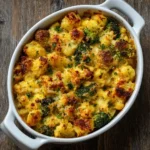
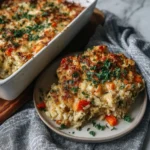
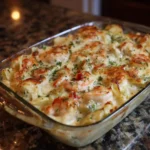
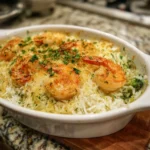
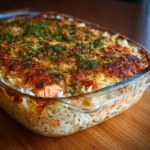
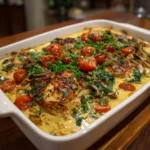
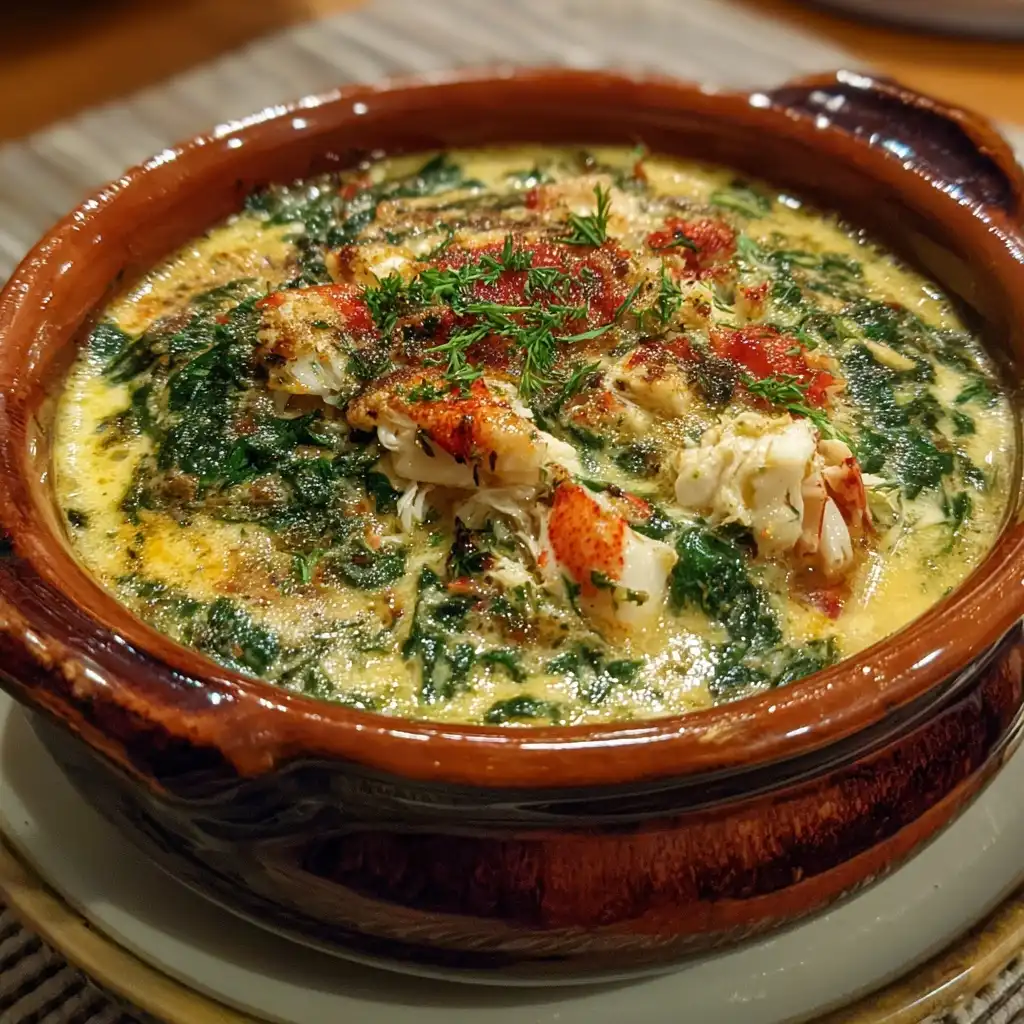
Crab and Spinach Casserole is a luxurious, comforting dish that marries the delicate sweetness of premium crab meat with the earthy, nutrient-dense depth of fresh spinach—all enveloped in a rich, creamy, herb-kissed sauce and crowned with a golden, buttery crumb topping. Far more than just a side dish, it serves as an elegant centerpiece for holiday feasts, a sophisticated weeknight indulgence, or a make-ahead crowd-pleaser that reheats beautifully. Its velvety texture, layered flavors, and visual appeal—vibrant green flecks against snowy white crab and golden-brown crust—make it a standout on any table. Whether you’re hosting an intimate dinner party or seeking a nourishing yet impressive meal for your family, this casserole delivers restaurant-quality sophistication with surprisingly accessible techniques and pantry-friendly ingredients.
The History
While no single documented origin story exists for Crab and Spinach Casserole, its roots lie at the intersection of several culinary traditions spanning centuries. The use of seafood in baked custard-based dishes traces back to medieval European “bake meats” and later French gratins, where fish or shellfish were combined with cream, cheese, and breadcrumbs. In the United States, the casserole format exploded in popularity during the mid-20th century, fueled by post-war convenience culture, the rise of canned goods (including early canned crab), and the widespread adoption of the oven as a central cooking tool. Regional influences further shaped its evolution: Chesapeake Bay communities incorporated blue crab into creamy, herb-laden bakes as early as the 19th century, often served alongside cornbread or biscuits; meanwhile, Pacific Northwest chefs began highlighting Dungeness crab with local greens like baby spinach and kale in the 1950s and ’60s. The modern version—as a balanced, health-conscious yet decadent dish—gained momentum in the 1980s and ’90s with the rise of California cuisine and farm-to-table movements, which emphasized quality seafood, seasonal produce, and lighter dairy preparations. Today, it stands as a timeless fusion: honoring tradition through technique while embracing contemporary values of freshness, balance, and mindful indulgence.
Ingredients Breakdown
Every element in this casserole plays a distinct, essential role—no ingredient is merely filler. Let’s explore them in detail:
- Crab Meat: The star. Opt for lump or jumbo lump crab—preferably fresh-picked or high-quality pasteurized (not canned). Lump crab offers tender, intact flakes with superior sweetness and texture; claw meat can be used for budget-conscious versions but yields a slightly chewier, more robust flavor. Avoid imitation crab (“surimi”) unless absolutely necessary—it lacks authentic brininess and introduces unwanted phosphates and fillers.
- Fresh Spinach: Preferred over frozen for its vibrant color, subtle sweetness, and lack of excess water (which dilutes flavor and creates sogginess). Baby spinach is ideal for tenderness and quick wilting. If using frozen, thaw completely and squeeze *aggressively*—up to 1 cup of liquid can be released per 10-ounce package.
- Aromatics (Onion & Garlic): Yellow onion provides foundational sweetness and depth when sautéed; garlic adds pungent warmth that mellows beautifully in the bake. Shallots may substitute for a more refined, nuanced allium note.
- Heavy Cream & Whole Milk: A strategic blend ensures richness without heaviness. Heavy cream contributes unctuous body and stabilizes the sauce; whole milk adds lightness and prevents curdling. Half-and-half can work in a pinch, but avoid low-fat or non-dairy milks—they separate or fail to thicken properly.
- Cheese Blend: Gruyère lends nutty, caramelized complexity and superb meltability; sharp white cheddar adds tang and structure; a touch of Parmesan deepens umami and enhances browning. Avoid pre-shredded cheeses—they contain anti-caking agents that inhibit smooth melting.
- Thickener (All-Purpose Flour): Used in a roux with butter to create a stable, silken base that suspends the crab and spinach without graininess. Cornstarch or arrowroot can substitute for gluten-free needs but require careful slurry incorporation to prevent lumps.
- Herbs & Seasonings: Fresh dill is non-negotiable—it echoes the oceanic notes of crab and lifts the entire dish. Chives add mild onion brightness; lemon zest provides aromatic citrus lift (not acidity—reserve juice for finishing). White pepper is preferred over black for its clean heat and visual harmony.
- Buttery Breadcrumb Topping: Panko offers exceptional crunch and even browning; mixing with melted butter, a whisper of garlic powder, and extra Parmesan ensures it stays crisp—not soggy—even under the casserole’s steam.
Step-by-Step Recipe
- Prep & Preheat: Adjust oven rack to center position. Preheat oven to 375°F (190°C). Lightly grease a 9×13-inch baking dish (or two 8×8-inch dishes for portion control) with butter or non-stick spray.
- Sauté Aromatics: In a large, heavy-bottomed skillet or Dutch oven, melt 2 tbsp unsalted butter over medium heat. Add 1 finely diced yellow onion and cook until translucent and soft (about 5–6 minutes), stirring occasionally. Add 3 minced garlic cloves and cook 1 minute more—until fragrant but not browned.
- Wilt Spinach: Increase heat to medium-high. Add 12 oz (about 10 cups) fresh baby spinach in batches, stirring constantly until each batch collapses and darkens (approx. 2–3 minutes total). Transfer to a fine-mesh strainer set over a bowl. Press firmly with a spatula or spoon to extract *all* excess liquid—this is critical for texture.
- Make the Roux & Sauce: Return skillet to medium heat. Melt remaining 4 tbsp butter. Whisk in ¼ cup all-purpose flour; cook, whisking constantly, for 2 minutes until golden and nutty (do not brown). Gradually whisk in 1 cup heavy cream and 1 cup whole milk, ensuring no lumps form. Bring to a gentle simmer, then reduce heat to low. Simmer 5–7 minutes, stirring frequently, until thickened to a coat-the-back-of-a-spoon consistency.
- Enrich & Season: Remove from heat. Stir in 1 cup shredded Gruyère, ½ cup shredded sharp white cheddar, ¼ cup grated Parmesan, 1 tsp lemon zest, 1 tbsp finely chopped fresh dill, 1 tsp chopped chives, ¼ tsp freshly ground white pepper, and ½ tsp kosher salt (adjust after tasting). Let cool slightly (2–3 minutes) to prevent crab from breaking down.
- Combine Fillings: Gently fold in the squeezed spinach and 16 oz (about 2 cups) picked lump crab meat. Use a silicone spatula and fold *just until combined*—overmixing shreds the delicate crab. Taste and adjust seasoning (a tiny splash of lemon juice here brightens everything).
- Transfer & Top: Pour mixture evenly into prepared baking dish. Smooth the top. For the topping: Combine 1 cup panko breadcrumbs, 3 tbsp melted butter, 2 tbsp grated Parmesan, ¼ tsp garlic powder, and a pinch of white pepper. Sprinkle evenly over casserole.
- Bake to Perfection: Bake uncovered for 25–30 minutes, or until the edges bubble vigorously, the center is set (no jiggle when gently shaken), and the topping is deeply golden and crisp. Rotate dish halfway through for even browning.
- Rest & Serve: Let rest for 10 minutes before serving. This allows the sauce to fully set and prevents a runny first scoop. Garnish with extra fresh dill, lemon wedges, and a final dusting of white pepper.
Tips
- Crab Handling Mastery: Gently pick through crab meat *before* adding to remove any stray shell fragments. Use your fingers—not tongs—to preserve flake integrity. Fold in last, just before baking, to maintain texture.
- Spinach Squeeze Science: Place wilted spinach in a clean kitchen towel or cheesecloth, gather edges, and twist *with significant pressure* over the sink. Repeat if needed. Even 1–2 tablespoons of residual water can turn your casserole soupy.
- Roux Precision: Cook the flour-butter mixture long enough to eliminate raw taste, but stop before browning begins—golden is perfect. A too-dark roux imparts bitterness; too-light leaves a starchy aftertaste.
- Cheese Temperature Matters: Grate cheese straight from the fridge. Cold cheese melts more evenly and prevents greasiness. Let it sit 5 minutes at room temp only if grating is difficult.
- Breadcrumb Insurance: For guaranteed crunch, toast the breadcrumb topping separately in a skillet until golden, then sprinkle over the casserole *during the last 5 minutes* of baking. This prevents sogginess from prolonged exposure to steam.
- Make-Ahead Magic: Assemble up to 24 hours ahead—cover tightly and refrigerate. Add 5–10 minutes to bake time if going straight from fridge to oven. For freezing, omit the breadcrumb topping, freeze unbaked for up to 3 months, thaw overnight in fridge, top, then bake.
- Oven Thermometer Essential: Ovens vary wildly. An inexpensive oven thermometer ensures your 375°F is truly 375°F—critical for proper setting and browning.
- Resting Is Non-Negotiable: That 10-minute rest isn’t optional—it’s when the proteins in the eggs (if added) and dairy fully coalesce. Cutting too soon = weeping sauce and collapsed structure.
Variations and Customizations
This casserole is a brilliant canvas for creativity—here are inspired, chef-tested adaptations:
- Coastal Citrus Twist: Replace lemon zest with 1 tsp finely grated orange zest + 1 tbsp orange juice in the sauce. Top with candied orange peel and micro-citrus.
- Smoky Southwest: Add 1 tsp smoked paprika and ½ tsp chipotle powder to the roux. Fold in ½ cup roasted corn and ¼ cup pickled red onions. Top with crumbled cotija and cilantro.
- Umami Bomb: Stir in 1 tbsp white miso paste and 1 tsp soy sauce (reduced sodium) into the warm sauce. Add ½ cup sautéed shiitake mushrooms. Finish with toasted sesame seeds and scallions.
- Low-Carb/Keto: Replace flour with 1 tbsp xanthan gum whisked into cold cream before heating. Use almond milk instead of whole milk. Top with crushed pork rinds instead of panko.
- Vegan Elegance: Substitute hearts of palm or young jackfruit (shredded and seasoned) for crab. Use cashew cream (soaked, blended, strained) + nutritional yeast instead of dairy. Sauté spinach with tamari and toasted nori for oceanic depth.
- Seafood Medley: Combine crab with equal parts cooked lobster tail meat and scallops (diced small). Add 1 tsp Old Bay seasoning to the sauce for classic Chesapeake flair.
- Spring Garden: Swap half the spinach for blanched asparagus tips and English peas. Add 2 tbsp fresh tarragon and 1 tbsp chervil to the herb blend.
- Breakfast-for-Dinner: Stir in 4 lightly beaten eggs to the cooled sauce mixture before adding crab/spinach. Bake in a buttered cast-iron skillet for a frittata-casserole hybrid.
Health Considerations and Nutritional Value
Per generous 1-cup serving (based on recipe using full-fat dairy and lump crab), this casserole delivers approximately 380–420 calories, 22–26g protein, 24–28g fat (14–16g saturated), and 12–15g carbohydrates—with notable micronutrient density. Crab is an exceptional source of lean protein, vitamin B12 (120% DV), selenium (110% DV), and zinc (35% DV), supporting neurological health, immunity, and antioxidant defense. Spinach contributes vitamins A, C, and K (over 300% DV for K alone), folate, iron, magnesium, and lutein—crucial for vision, bone metabolism, and cellular repair. The inclusion of Gruyère adds calcium and conjugated linoleic acid (CLA), linked to metabolic benefits. While the dish contains saturated fat from dairy and butter, recent research emphasizes food matrix context: the presence of calcium, vitamin D, and bioactive peptides in whole dairy may modulate absorption and confer protective effects. To enhance nutritional balance: increase spinach to 16 oz (boosting fiber and phytonutrients without major calorie impact), use ½ cup less cheese and add 1 tbsp nutritional yeast for umami and B-vitamins, or incorporate ¼ cup cooked quinoa for plant-based protein and fiber. Those monitoring sodium should opt for low-sodium broth (if using) and skip added salt until tasting—crab and cheese naturally contribute sodium. For individuals with shellfish allergies, this dish is strictly off-limits; always verify crab sourcing for sustainability (MSC-certified or U.S.-harvested blue/Dungeness crab is recommended).
Ingredients
- 2 tbsp unsalted butter, plus 4 tbsp, divided
- 1 medium yellow onion, finely diced (about 1 cup)
- 3 garlic cloves, minced
- 12 oz fresh baby spinach (about 10 cups loosely packed)
- ¼ cup all-purpose flour (or gluten-free 1:1 blend)
- 1 cup heavy cream
- 1 cup whole milk
- 1 cup shredded Gruyère cheese
- ½ cup shredded sharp white cheddar
- ¼ cup grated Parmesan cheese, plus 2 tbsp for topping
- 1 tsp finely grated lemon zest
- 1 tbsp fresh dill, finely chopped
- 1 tsp fresh chives, finely chopped
- ¼ tsp freshly ground white pepper
- ½ tsp kosher salt (plus more to taste)
- 16 oz fresh or pasteurized lump crab meat, picked over
- 1 cup panko breadcrumbs
- 3 tbsp melted unsalted butter (for topping)
- ¼ tsp garlic powder (for topping)
- Extra fresh dill and lemon wedges, for garnish
Directions
- Preheat oven to 375°F (190°C). Grease a 9×13-inch baking dish.
- In a large skillet, melt 2 tbsp butter over medium heat. Sauté onion until soft (5–6 min). Add garlic; cook 1 min.
- Increase heat to medium-high. Add spinach in batches, stirring until wilted (2–3 min total). Transfer to a fine-mesh strainer; press out ALL liquid.
- Return skillet to medium heat. Melt remaining 4 tbsp butter. Whisk in flour; cook 2 min until golden.
- Gradually whisk in cream and milk. Simmer 5–7 min until thickened. Remove from heat.
- Stir in Gruyère, cheddar, ¼ cup Parmesan, lemon zest, dill, chives, white pepper, and salt. Cool 2–3 min.
- Gently fold in squeezed spinach and crab meat. Do not overmix.
- Pour into prepared dish. Smooth top.
- For topping: Mix panko, 3 tbsp melted butter, 2 tbsp Parmesan, garlic powder, and pinch white pepper. Sprinkle evenly.
- Bake uncovered 25–30 min until bubbly, set, and topping is golden.
- Rest 10 min. Garnish with dill and lemon wedges before serving.
FAQ
- Can I use frozen crab meat?
- Yes—but thaw it overnight in the refrigerator and drain *thoroughly* in a fine-mesh sieve. Pat gently with paper towels. Avoid refreezing once thawed.
- Why does my casserole look watery after baking?
- Excess spinach moisture is the #1 culprit. Ensure you’ve squeezed it *aggressively*. Also, underbaking or cutting too soon prevents proper setting—always rest 10 minutes.
- Can I add eggs for extra binding and protein?
- Absolutely! Whisk 3–4 large eggs into the *cooled* sauce before folding in crab/spinach. This creates a richer, firmer texture similar to a savory custard. Add 5 extra minutes to bake time.
- What’s the best way to reheat leftovers?
- For best texture: Cover with foil and bake at 325°F for 15–20 minutes until heated through. For speed: Microwave individual portions at 50% power in 60-second intervals, stirring gently between.
- Is there a way to make this dairy-free?
- Yes—substitute full-fat coconut milk for cream/milk, use vegan butter and nutritional yeast instead of cheese, and thicken with cornstarch slurry. Note: Flavor profile shifts toward tropical; add 1 tsp miso for umami depth.
- How do I know if the crab is high-quality?
- Look for moist, glistening flakes with a clean, sweet, ocean-like aroma—never fishy or ammoniac. Pasteurized crab should be vacuum-sealed with clear labeling of harvest date and origin. Avoid packages with excessive liquid or grayish discoloration.
- Can I prepare this in advance and freeze it?
- Yes—assemble completely *without* the breadcrumb topping, wrap tightly in parchment + foil, and freeze up to 3 months. Thaw overnight in fridge, top with crumbs, and bake as directed (+5–10 min if cold).
- What wine pairs beautifully with this dish?
- A crisp, mineral-driven white: think Chablis, dry Riesling, or unoaked Albariño. Their acidity cuts the richness, while floral notes complement the dill and crab. Avoid oaky Chardonnays—they overwhelm the delicate seafood.
Summary
Crab and Spinach Casserole is a masterclass in elegant simplicity—where premium, sweet lump crab and vibrant, iron-rich spinach unite in a velvety Gruyère-chive sauce, all crowned with a shatteringly crisp, buttery panko crust. It’s a dish steeped in regional seafood tradition yet endlessly adaptable, nutritionally robust, and guaranteed to transform any ordinary meal into a celebration of flavor, texture, and thoughtful craftsmanship.
Whether served as a showstopping main for Sunday supper or a make-ahead gem for busy weeknights, its balance of luxury and comfort, depth and brightness, makes it not just a recipe—but a cherished ritual on the modern table.