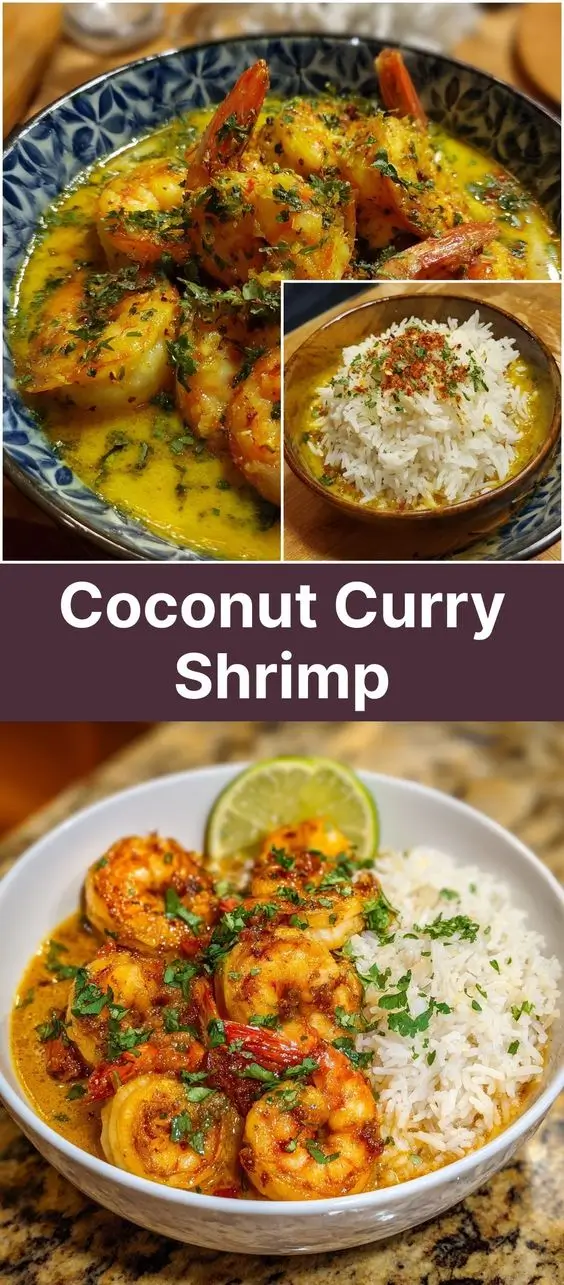
Coconut Curry Shrimp: A Flavorful Journey Through Taste and Tradition
Indulge in the rich, creamy, and aromatic world of Coconut Curry Shrimp—a dish that effortlessly blends the sweetness of coconut milk with the boldness of curry spices and the delicate tenderness of fresh shrimp. Whether you’re a seasoned cook or a beginner in the kitchen, this recipe offers a delightful balance of simplicity and sophistication, making it perfect for weeknight dinners or special weekend gatherings. With layers of flavor, vibrant colors, and nourishing ingredients, Coconut Curry Shrimp is more than just a meal—it’s an experience.
The History of Coconut Curry Shrimp
The roots of Coconut Curry Shrimp can be traced back to the coastal regions of Southeast Asia, South India, and the Caribbean, where coconut, seafood, and spices have long been culinary staples. In countries like Thailand, Sri Lanka, and Jamaica, coconut milk is used as a base for many curries due to its richness and ability to mellow out fiery spices. Shrimp, being abundant in tropical waters, naturally became a popular protein in these dishes.
Traditional Thai kaeng som or Indian kozhi milagu kuzhambu (though usually chicken-based) inspired modern adaptations using shrimp. Over time, fusion cooking brought these global flavors into Western kitchens, resulting in accessible yet authentic-tasting recipes like Coconut Curry Shrimp. Today, it’s celebrated not only for its taste but also for its cultural significance—symbolizing the harmony between land, sea, and spice.
Ingredients Breakdown: What Makes This Dish Shine
The magic of Coconut Curry Shrimp lies in its well-balanced combination of ingredients, each playing a crucial role in building depth, texture, and aroma:
- Shrimp: Large, peeled, and deveined shrimp (preferably sustainably sourced) ensure quick cooking and a succulent bite.
- Coconut Milk: Full-fat canned coconut milk provides creaminess and carries the fat-soluble flavors of spices effectively.
- Curry Paste or Powder: Red curry paste adds heat and complexity; alternatively, garam masala or turmeric-based blends offer different regional profiles.
- Aromatics: Fresh garlic, ginger, and shallots form the flavor foundation, sautéed until fragrant to release their essential oils.
- Vegetables: Bell peppers, spinach, cherry tomatoes, or bamboo shoots add color, nutrition, and textural contrast.
- Lime Juice: Adds brightness and cuts through the richness of the coconut.
- Fish Sauce or Soy Sauce: For umami depth and saltiness (use tamari for gluten-free).
- Fresh Herbs: Cilantro and Thai basil enhance fragrance and freshness when added at the end.
- Oil: Coconut oil or neutral vegetable oil works best for sautéing without overpowering the dish.
Step-by-Step Recipe: How to Make Perfect Coconut Curry Shrimp at Home
Follow these detailed steps to create a restaurant-quality Coconut Curry Shrimp dish in your own kitchen:
- Prepare Ingredients: Peel and devein 1 pound (450g) of large shrimp. Chop 1 red bell pepper, mince 3 garlic cloves, grate 1 tablespoon of fresh ginger, slice 1 shallot or small onion.
- Sauté Aromatics: Heat 2 tablespoons of coconut oil in a large skillet or wok over medium heat. Add the shallot and sauté for 2–3 minutes until translucent. Stir in garlic and ginger, cooking for another 30 seconds until fragrant.
- Bloom the Spices: Add 2–3 tablespoons of red curry paste (or 1 tablespoon curry powder) to the pan. Cook for 1 minute, stirring constantly to toast the spices and deepen their flavor.
- Add Vegetables: Toss in sliced bell peppers and any other firm vegetables (like zucchini or snap peas). Sauté for 3–4 minutes until slightly softened but still crisp.
- Incorporate Coconut Milk: Pour in 1 can (13.5 oz / 400ml) of full-fat coconut milk. Stir well to combine with the spice mixture. Bring to a gentle simmer—do not boil vigorously, as coconut milk may separate.
- Season the Sauce: Add 1 tablespoon fish sauce (or soy sauce), juice of half a lime, and a pinch of sugar (optional, to balance acidity). Taste and adjust seasoning.
- Cook the Shrimp: Add the raw shrimp to the simmering sauce. Cook for 3–4 minutes, turning occasionally, until shrimp turn pink and opaque. Do not overcook, or they will become rubbery.
- Add Greens (Optional): Stir in a handful of baby spinach or chopped kale during the last minute of cooking until wilted.
- Finish with Freshness: Remove from heat. Stir in chopped cilantro and torn Thai basil leaves. Squeeze additional lime juice if desired.
- Serve Immediately: Ladle hot over steamed jasmine rice, quinoa, or cauliflower rice for a low-carb option. Garnish with extra herbs, red chili slices, or toasted coconut flakes.
Tips for Success: Mastering Your Coconut Curry Shrimp
- Don’t Overcook the Shrimp: Shrimp cook quickly—remove them from heat as soon as they curl and turn pink. Residual heat will continue cooking them slightly.
- Use Full-Fat Coconut Milk: Light versions lack the creaminess needed to carry flavors properly. Shake the can well before opening, or stir thoroughly if separated.
- Bloom the Curry Paste: Toasting the paste in oil unlocks deeper, more complex notes and removes any raw taste.
- Balance Flavors: Aim for harmony between spicy, salty, sour, sweet, and creamy. Adjust with lime juice (sour), honey (sweet), fish sauce (salty), or chili (spicy).
- Prevent Curdling: Keep the heat at medium-low once coconut milk is added. High heat can cause separation. If it does split, whisk gently—it’s still safe and tasty.
- Make Ahead Tip: Prepare the curry base (aromatics + coconut milk) ahead of time. Reheat and add shrimp just before serving for optimal texture.
- Fresh is Best: Use fresh garlic, ginger, lime juice, and herbs whenever possible—they make a noticeable difference in brightness.
Variations and Customizations: Make It Your Own
One of the greatest strengths of Coconut Curry Shrimp is its versatility. Here are some creative ways to personalize the dish:
- Protein Swap: Replace shrimp with chicken, tofu, scallops, or even chickpeas for a vegetarian version.
- Spice Level: Use mild yellow curry for a gentler flavor or add fresh bird’s eye chilies for intense heat.
- Different Curries: Try green curry paste for herbal notes, Massaman for nutty warmth, or Madras curry for bold Indian flair.
- Vegetable Add-Ins: Include mushrooms, eggplant, carrots, broccoli, or snow peas for variety and nutrition.
- Coconut Alternatives: For those avoiding coconut, cashew cream or heavy cream can mimic richness (though flavor profile changes).
- Gluten-Free & Allergen-Friendly: Ensure curry paste and sauces are gluten-free. Use tamari instead of soy sauce and skip fish sauce if shellfish-allergic (substitute with seaweed or miso for umami).
- Creamier Texture: Blend part of the sauce with an immersion blender for a silkier consistency.
- Dry Version (Stir-Fry Style): Reduce coconut milk amount and toss cooked shrimp and veggies in a thick curry glaze for a drier, stir-fried effect.
Health Considerations and Nutritional Value
Coconut Curry Shrimp isn’t just delicious—it can also be part of a balanced diet when prepared thoughtfully:
- Shrimp: Low in calories and high in protein, shrimp provide essential nutrients like selenium, vitamin B12, phosphorus, and omega-3 fatty acids. They are also relatively low in mercury compared to larger fish.
- Coconut Milk: Rich in saturated fats (mainly lauric acid), which may support heart health in moderation. While calorie-dense, these fats can promote satiety and help absorb fat-soluble vitamins.
- Spices: Turmeric (often in curry blends) contains curcumin, known for anti-inflammatory properties. Ginger aids digestion, while garlic supports immune function.
- Vegetables: Adding colorful veggies boosts fiber, antioxidants, and micronutrients like vitamin C and K.
- Portion Control: Due to the richness of coconut milk, mindful portions are key—especially for those managing cholesterol or weight.
- Sodium Watch: Store-bought curry pastes and sauces can be high in sodium. Opt for low-sodium versions or make your own paste to control salt levels.
- Allergies: Shellfish allergy is common—always label dishes accordingly. Coconut allergies are rare but possible.
Nutrition Facts (Approximate per Serving – serves 4):
| Calories | 320 kcal |
| Protein | 24g |
| Fat | 20g (Saturated: 14g) |
| Carbohydrates | 8g |
| Fiber | 2g |
| Sugar | 4g |
| Sodium | 600mg (varies by brand of ingredients) |
Note: Values depend on specific brands and ingredient choices. Serve with brown rice or quinoa to increase fiber and nutrients further.
Ingredients
- 1 lb (450g) large shrimp, peeled and deveined
- 2 tbsp coconut oil or vegetable oil
- 1 shallot or small onion, thinly sliced
- 3 cloves garlic, minced
- 1 tbsp fresh ginger, grated
- 2–3 tbsp red curry paste (adjust to taste)
- 1 red bell pepper, sliced
- 1 can (13.5 oz / 400ml) full-fat coconut milk
- 1 tbsp fish sauce (or soy/tamari for alternative)
- Juice of 1 lime (about 2 tbsp)
- 1 tsp brown sugar or honey (optional)
- 1 cup baby spinach or chopped kale
- ¼ cup fresh cilantro, chopped
- 2 tbsp Thai basil leaves, torn
- Red chili slices and lime wedges, for garnish
- Cooked jasmine rice or grain of choice, for serving
Directions
- Heat oil in a large skillet over medium heat. Add shallot and cook until soft, about 3 minutes.
- Add garlic and ginger; sauté for 30 seconds until fragrant.
- Stir in curry paste and cook for 1 minute to bloom the spices.
- Add bell pepper and cook for 3–4 minutes until slightly tender.
- Pour in coconut milk, stirring to combine. Bring to a gentle simmer.
- Season with fish sauce, lime juice, and sugar. Simmer for 5 minutes to let flavors meld.
- Add shrimp and cook for 3–4 minutes until pink and cooked through.
- Stir in spinach and cook just until wilted, about 1 minute.
- Remove from heat. Stir in cilantro and Thai basil.
- Taste and adjust seasoning—add more lime, salt, or spice as needed.
- Serve immediately over rice, garnished with chili slices and lime wedges.
FAQ
Can I use frozen shrimp?
Yes, frozen shrimp work perfectly—just thaw them in cold water and pat dry before cooking to prevent excess moisture.
How do I store leftovers?
Store in an airtight container in the refrigerator for up to 3 days. Reheat gently on the stove—avoid microwaving at high power to prevent overcooking the shrimp.
Can I freeze Coconut Curry Shrimp?
It’s best enjoyed fresh, but you can freeze it for up to 2 months. Note that the texture of shrimp may become slightly softer upon thawing.
Is this dish spicy?
Spice level depends on the curry paste. Mild versions are available, or you can dilute heat with extra coconut milk or a spoon of plain yogurt.
What can I substitute for fish sauce?
Use soy sauce, tamari, or a mix of soy sauce with a few drops of Worcestershire (contains anchovies). For vegan options, try coconut aminos or miso paste.
Can I make this in a slow cooker?
Yes! Sauté aromatics first, then transfer to a slow cooker with all ingredients except shrimp and greens. Cook on low for 4–6 hours. Add shrimp and spinach in the last 30 minutes.
Why did my coconut milk curdle?
High heat or acidic ingredients can cause separation. It’s still safe and tasty—simply whisk well and reduce heat next time.
Summary
Coconut Curry Shrimp is a luscious, aromatic dish that combines tender shrimp in a creamy coconut-curry sauce, bursting with layers of flavor from fresh aromatics, spices, and citrus.
Easy to customize, nutritious, and ready in under 30 minutes, it’s a globally inspired meal that brings restaurant elegance to your home kitchen.