Introduction
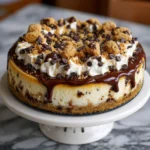
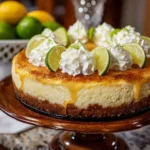
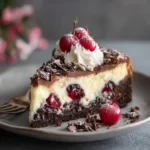
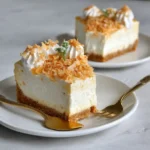
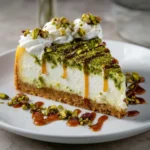
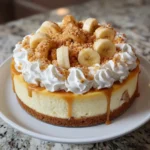
Indulge in the luscious, velvety elegance of Coconut Cream Cheesecake—a decadent fusion of tropical richness and classic New York-style creaminess. Unlike traditional cheesecakes that rely on heavy cream and sour cream, this version embraces the natural sweetness, subtle nuttiness, and luxurious mouthfeel of full-fat coconut milk and coconut cream—making it naturally dairy-free, deeply aromatic, and irresistibly smooth. Whether you’re a vegan, lactose-intolerant, or simply craving a refreshingly exotic twist on a beloved dessert, this cheesecake delivers bold flavor without compromise. Its golden graham-cracker-and-toasted-coconut crust provides a satisfying crunch, while the silken filling—infused with real coconut extract, toasted coconut flakes, and a hint of vanilla—melts luxuriously on the tongue. Elegant enough for holiday tables yet approachable for weeknight baking, Coconut Cream Cheesecake is more than a dessert—it’s a sensory journey to sun-drenched shores, wrapped in every creamy, coconut-kissed bite.
The History
The evolution of Coconut Cream Cheesecake is a delicious convergence of culinary traditions spanning continents and centuries. Cheesecake itself traces its roots to ancient Greece, where early versions were made with honey-sweetened cheese and flour, served to athletes at the first Olympic Games in 776 BCE. Over time, Roman adaptations spread across Europe, and by the 18th century, English bakers began incorporating cream cheese (then called “curd cheese”) into baked custard-based cakes. In America, the modern no-bake and baked cheesecake rose to prominence in the late 19th and early 20th centuries—especially after Philadelphia Cream Cheese was trademarked in 1880.
Coconut, meanwhile, has been a staple in tropical cuisines for over 4,000 years—from Ayurvedic medicine in India to Polynesian ceremonial feasts and Southeast Asian desserts like *khanom krok* and *buko pie*. Its integration into Western-style cheesecakes gained momentum in the mid-20th century, spurred by increased global trade, tinned coconut milk availability, and post-war American fascination with “exotic” flavors. The 1970s saw a surge in tropical-themed desserts—think piña colada cakes and coconut layer cakes—while the 2000s brought renewed interest in plant-based baking. Vegan chefs and food scientists began experimenting with coconut cream as a high-fat, emulsifying alternative to dairy cream cheese, leading to breakthroughs in texture and stability. By the 2010s, Coconut Cream Cheesecake emerged as a signature dessert in health-conscious cafés, upscale vegan bakeries, and wellness-focused cookbooks—celebrated not only for its dietary inclusivity but also for its nuanced, complex flavor profile that rivals even the most traditional iterations.
Ingredients Breakdown
Every element of this Coconut Cream Cheesecake is chosen for both function and flavor—no filler, no shortcuts. Below is an in-depth look at why each ingredient matters:
- Full-Fat Coconut Milk (canned, refrigerated overnight): The backbone of the filling. When chilled, the thick, solid coconut cream separates from the thinner liquid—this dense, ivory-colored layer is rich in medium-chain triglycerides (MCTs), providing structure, fat content, and a lush, buttery mouthfeel critical for setting the cheesecake. Avoid “lite” or “low-fat” versions—they lack the necessary fat content for proper emulsion and firmness.
- Coconut Cream (concentrated, unsweetened): A step beyond canned coconut milk, coconut cream contains up to 50–60% fat and is often sold in dedicated tubs or as the ultra-thick top layer of premium coconut milk. It deepens the coconut intensity, adds viscosity, and ensures a glossy, sliceable finish.
- Raw Cashews (soaked & blended): Soaked overnight or boiled for 15 minutes, raw cashews transform into a neutral, ultra-smooth base that mimics the protein matrix of dairy cream cheese. Their natural starch and fat content help bind the mixture, prevent graininess, and lend subtle nutty depth—not detectable as “cashew,” but essential for body and stability.
- Pure Coconut Extract (alcohol-based, not imitation): Far superior to artificial “coconut flavor,” pure extract captures volatile aromatic compounds like delta-decalactone and gamma-nonalactone—the very molecules responsible for fresh coconut aroma. Use sparingly: too much can taste medicinal; just ½ tsp amplifies authenticity.
- Maple Syrup or Coconut Nectar (raw, grade B preferred): These unrefined liquid sweeteners contribute more than sugar—they bring trace minerals (zinc, potassium), caramelized complexity, and hygroscopic properties that retain moisture and inhibit crystallization. Maple syrup adds a faint woody warmth; coconut nectar offers low-glycemic balance and subtle molasses notes.
- Unsweetened Toasted Coconut Flakes: Added both to the crust and folded into the filling, these provide textural contrast and roasted, caramelized nuance. Toasting releases oils and deepens flavor—never skip this step. Opt for larger, meatier flakes (not fine shreds) for maximum impact.
- Arrowroot Starch or Tapioca Starch: A critical stabilizer in no-bake versions, these gluten-free, neutral-tasting starches gel upon chilling, preventing weeping and lending a delicate, melt-in-the-mouth tenderness. They’re far gentler than cornstarch, which can leave a chalky aftertaste.
- Apple Cider Vinegar or Fresh Lime Juice: A small amount (¼ tsp) brightens the entire profile, cutting through richness and balancing sweetness—much like lemon juice in traditional cheesecake. It also slightly acidifies the mixture, enhancing coagulation of plant proteins for better set.
- Sea Salt (flaky or fine, unrefined): Not merely for seasoning—salt heightens sweetness perception, suppresses bitterness, and harmonizes all other flavors. A pinch in the crust and a tiny dash in the filling make the coconut sing.
Step-by-Step Recipe
- Prepare the Crust (Day Before or Morning Of): In a food processor, pulse 1 ½ cups graham cracker crumbs (or gluten-free gingersnap or almond flour alternative), ⅓ cup finely shredded unsweetened coconut, ¼ cup toasted coconut flakes, 3 tbsp melted coconut oil, 2 tbsp maple syrup, and ¼ tsp flaky sea salt until evenly moistened and clumping together. Press firmly into the bottom and 1.5 inches up the sides of a 9-inch springform pan lined with parchment. Chill uncovered for at least 2 hours—or freeze for 30 minutes for fastest set.
- Soak & Prep Cashews: Place 1 ½ cups raw cashews in a bowl and cover with boiling water. Soak for exactly 15 minutes—no longer, or they’ll become mushy. Drain thoroughly, rinse under cold water, and pat dry with a clean towel.
- Chill Coconut Milk: Refrigerate two 13.5-oz cans of full-fat coconut milk (unshaken) for at least 12 hours—ideally overnight. This allows the thick cream to fully separate and solidify at the top.
- Extract Coconut Cream: Carefully open cans without shaking. Scoop out only the solid, ivory-colored cream layer (about 1 ¼ cups total). Reserve the thin liquid (coconut water) for smoothies or curries—do not add it to the filling.
- Blend Filling Base: In a high-speed blender (Vitamix or Blendtec recommended), combine the chilled coconut cream, soaked cashews, ½ cup coconut cream (concentrated), ⅓ cup maple syrup, 1 tsp pure coconut extract, 1 tsp vanilla paste (or 2 tsp extract), 2 tbsp lemon juice, 2 tbsp arrowroot starch, and ¼ tsp sea salt. Blend on low for 30 seconds, then increase to high for 2–3 minutes—scraping down sides every 45 seconds—until completely silky, airless, and warm to the touch (friction heat helps emulsification).
- Fold in Texture & Toast: Transfer mixture to a large bowl. Gently fold in ⅓ cup toasted coconut flakes using a silicone spatula—just until distributed, avoiding overmixing to preserve flake integrity.
- Pour & Smooth: Pour filling over the chilled crust. Tap pan sharply on counter 3–4 times to release air bubbles. Use an offset spatula dipped in hot water to smooth the top to glass-like perfection.
- Chill to Set: Cover loosely with parchment (not plastic wrap, which can impart odor) and refrigerate for a minimum of 12 hours—ideally 24–48 hours. This slow, cold set allows starches to fully hydrate and fats to crystallize uniformly, yielding clean slices and optimal creaminess.
- Release & Garnish: Run a thin knife around the edge, then carefully release the springform collar. Transfer to a serving plate. Top with extra toasted coconut, edible orchids, mango coulis drizzle, or a dusting of toasted coconut sugar for visual drama and textural flourish.
- Serve at Ideal Temperature: Remove from fridge 15 minutes before slicing. Use a hot, dry knife (dipped in boiling water and wiped clean between cuts) for flawless, glossy slices.
Tips
- Blender Matters: A high-powered blender is non-negotiable. Under-blended cashews result in gritty filling—even after straining. If using a standard blender, extend blending time by 2–3 minutes and pause to stir frequently.
- Temperature Is Everything: All ingredients—including coconut cream, cashews, and even the bowl—should be chilled before blending. Warm ingredients cause premature separation and oily streaks.
- No Substitutions for Coconut Cream: Do not replace concentrated coconut cream with coconut milk or coconut yogurt—they lack the required fat concentration and will yield a runny, unstable filling.
- Avoid Over-Chilling the Pan: While chilling the crust is essential, freezing it for longer than 30 minutes may cause condensation when filling is added—leading to a soggy bottom. Always chill crust just until firm, not frozen solid.
- Patience with Setting: Resist cutting before 12 hours—even if it looks set! Early slicing leads to crumbling edges and loss of structural integrity. For best results, wait 24+ hours.
- Prevent Cracking (for Baked Versions): If making a baked variation (see Variations), use a water bath (bain-marie), cool gradually in the oven with door ajar for 1 hour, and avoid sudden temperature shifts.
- Enhance Coconut Aroma: Lightly toast shredded coconut in a dry skillet over medium-low heat until golden and fragrant (3–4 minutes), stirring constantly. Cool completely before adding to crust or filling—heat degrades volatile oils.
- Storage Wisdom: Keep covered in the refrigerator for up to 7 days. For longer storage, freeze whole or sliced (wrap tightly in parchment + foil) for up to 3 months. Thaw overnight in fridge—never at room temperature—to preserve texture.
- Cut Clean Every Time: Wipe your knife with a hot, damp cloth between every slice—not just once. Residual filling cools and hardens quickly, causing drag and smearing.
- Taste Before Pouring: Adjust sweetness or acidity before pouring—if the mixture tastes balanced and vibrant chilled, it will shine once set. Remember: chilling mutes flavors slightly, so aim for *slightly* brighter than desired.
Variations and Customizations
Dietary Adaptations
- Vegan & Refined-Sugar-Free: Already compliant—just ensure graham crackers are vegan (many contain honey) and use coconut nectar instead of maple syrup.
- Gluten-Free: Substitute certified GF graham crackers, almond flour crust (1 ¼ cups almond flour + 3 tbsp coconut oil + 2 tbsp syrup + ¼ tsp salt), or crushed GF shortbread cookies.
- Nut-Free: Replace cashews with 1 ½ cups raw sunflower seeds (soaked same way) + 2 tbsp coconut butter for richness. Note: flavor will be milder; boost with extra coconut extract and a pinch of cardamom.
- Low-Carb/Keto: Use almond flour + coconut flour crust (1 cup almond flour, ¼ cup coconut flour, 3 tbsp melted coconut oil, 2 tbsp erythritol or monk fruit blend), and swap maple syrup for powdered allulose or BochaSweet. Add 1 tsp MCT oil for satiety and fat content.
Flavor Infusions
- Coconut-Lime: Add zest of 2 limes + 1 tbsp fresh lime juice to filling; garnish with candied lime peel and lime basil.
- Coconut-Mango: Swirl ⅓ cup strained mango purée (blended ripe mango + 1 tsp lemon juice) into filling pre-pour; top with fresh mango ribbons and mint.
- Coconut-Chai: Infuse coconut cream with 2 chai tea bags (or 1 tbsp loose-leaf chai) heated gently for 10 minutes, then cooled and strained before blending.
- Coconut-Chocolate: Fold in ½ cup melted dark chocolate (85% cacao, dairy-free) cooled to room temp; add 1 tsp instant espresso powder to deepen flavor.
- Coconut-Pineapple: Add ¼ cup crushed unsweetened pineapple (well-drained) + 1 tsp pineapple enzyme-free extract; top with grilled pineapple rings.
Texture & Presentation Twists
- Crunch Layer: Press a thin layer of toasted macadamia nuts and toasted coconut into the base of the crust before chilling.
- Swirled Berry Ribbon: After pouring filling, drizzle 3 tbsp raspberry or passionfruit coulis in concentric circles and swirl gently with a toothpick.
- Layered “Tres Leches” Style: Add a thin layer of coconut-custard soak (coconut milk + 1 egg yolk + 1 tbsp sugar, cooked to 160°F) beneath the filling for ultra-moist richness.
- Mini Jar Version: Portion into 4-oz mason jars—no crust needed. Layer with coconut chia pudding, filling, and toasted coconut for grab-and-go elegance.
- Baked Version: Add 2 tbsp tapioca starch + 1 tbsp nutritional yeast (for umami depth) + 1 egg replacer (like flax egg). Bake at 325°F in water bath for 65–75 mins—center should jiggle slightly.
Health Considerations and Nutritional Value
Coconut Cream Cheesecake—when crafted mindfully—offers surprising functional benefits alongside its indulgence. A standard slice (1/12 of 9-inch cake) contains approximately:
- Calories: 320–360 kcal (varies by sweetener and crust choice)
- Fat: 24–28g (mostly heart-healthy MCTs from coconut + monounsaturated fats from cashews)
- Carbohydrates: 22–26g (of which 14–18g natural sugars; low glycemic impact when using coconut nectar or allulose)
- Fiber: 3–4g (from coconut, cashews, and whole-grain crust options)
- Protein: 5–7g (plant-based, complete amino acid profile thanks to cashew + coconut synergy)
- Vitamins & Minerals: Rich in manganese (75% DV), copper (40% DV), iron (15% DV), and selenium—critical for antioxidant defense, collagen synthesis, and thyroid health.
Functional Benefits:
- MCT-Driven Energy: Caprylic and capric acids in coconut fat are rapidly absorbed and converted into ketones—supporting mental clarity and sustained energy without blood sugar spikes.
- Anti-Inflammatory Profile: Lauric acid (a major component of coconut fat) exhibits antimicrobial and anti-inflammatory activity. Cashews provide quercetin and ellagic acid—polyphenols linked to reduced oxidative stress.
- Gut-Friendly Fermentation Potential: When made with probiotic-rich coconut yogurt (in some variations) or served with fermented toppings like coconut kefir drizzle, it supports microbiome diversity.
- Dairy-Free Calcium Support: Fortified coconut milk and calcium-set tofu (in advanced vegan swaps) offer bioavailable calcium—ideal for those avoiding dairy due to allergy, intolerance, or ethical choice.
Considerations: While nutrient-dense, this remains a dessert—not a meal replacement. Those monitoring saturated fat intake should enjoy in moderation (1 slice weekly is reasonable for most healthy adults). Individuals with irritable bowel syndrome (IBS) may wish to limit servings due to high FODMAP content from cashews and coconut; soaking reduces oligosaccharides but doesn’t eliminate them entirely. Always consult a registered dietitian for personalized guidance.
Ingredients
For the Toasted Coconut Graham Crust:
- 1 ½ cups graham cracker crumbs (about 10 full sheets; ensure vegan if needed)
- ⅓ cup unsweetened shredded coconut
- ¼ cup toasted coconut flakes
- 3 tablespoons refined coconut oil, melted
- 2 tablespoons pure maple syrup (grade B preferred)
- ¼ teaspoon flaky sea salt
For the Coconut Cream Filling:
- 2 (13.5 oz) cans full-fat coconut milk, refrigerated overnight
- ½ cup concentrated unsweetened coconut cream (from tub or top layer of premium milk)
- 1 ½ cups raw cashews, soaked in boiling water for 15 minutes and drained
- ⅓ cup pure maple syrup or raw coconut nectar
- 1 teaspoon pure coconut extract (alcohol-based)
- 1 teaspoon vanilla bean paste (or 2 tsp pure extract)
- 2 tablespoons fresh lemon juice
- 2 tablespoons arrowroot starch or tapioca starch
- ¼ teaspoon fine sea salt
- ⅓ cup additional toasted coconut flakes (for texture)
For Garnish (Optional but Recommended):
- Extra toasted coconut flakes
- Fresh mango or pineapple cubes
- Edible flowers (violets, pansies, orchids)
- Coconut sugar dusting
- Mango-lime coulis or passionfruit purée
Directions
- Make the Crust: Preheat oven to 350°F (optional for extra crispness—though chilling alone works). In a food processor, combine graham cracker crumbs, shredded coconut, toasted coconut flakes, melted coconut oil, maple syrup, and sea salt. Pulse until mixture resembles wet sand and holds together when pinched. Press firmly and evenly into the bottom and 1.5 inches up the sides of a 9-inch springform pan lined with parchment paper. Chill in refrigerator for 2 hours—or freeze for 30 minutes until rock-solid.
- Prepare Coconut Cream: While crust chills, open chilled cans of coconut milk carefully—do not shake. Scoop out only the thick, solid white cream layer (approx. 1 ¼ cups) into a measuring cup. Discard or reserve thin liquid for other uses. Measure out additional ½ cup coconut cream.
- Blend Filling: In a high-speed blender, combine chilled coconut cream, soaked and drained cashews, concentrated coconut cream, maple syrup, coconut extract, vanilla paste, lemon juice, arrowroot starch, and sea salt. Start on low speed for 30 seconds to incorporate, then increase to highest setting. Blend for 2–3 minutes, stopping to scrape down sides every 45 seconds, until mixture is completely smooth, glossy, and slightly warm.
- Incorporate Texture: Pour blended filling into a large bowl. Using a silicone spatula, gently fold in ⅓ cup toasted coconut flakes until just distributed—do not overmix.
- Assemble: Pour filling over chilled crust. Tap pan firmly on counter 4 times to release trapped air bubbles. Smooth surface with an offset spatula dipped in hot water and wiped dry.
- Chill Thoroughly: Cover pan loosely with parchment paper (avoid plastic wrap). Refrigerate for minimum 12 hours—but 24–48 hours yields superior texture, clean slicing, and fully developed flavor.
- Release & Serve: Run a thin, flexible knife around inner edge of pan. Unlatch and carefully remove outer ring. Slide a thin metal spatula under crust to loosen from base, then transfer to cake stand or serving platter. Garnish generously. Slice with a hot, dry knife—wiping between cuts.
FAQ
Can I make this cheesecake without a high-speed blender?
Technically yes—but results will suffer significantly. Standard blenders rarely achieve the friction heat and shear force needed to fully break down cashews into a truly smooth, emulsified base. You’ll likely encounter grittiness or separation. If you must use a regular blender: extend blending time to 5–6 minutes with frequent scraping, strain through a fine-mesh sieve *twice*, and accept a slightly less luxurious texture.
Why does my filling look separated or oily?
This usually indicates one of three issues: (1) Coconut milk wasn’t chilled long enough—cream wasn’t thick enough; (2) Ingredients were too warm during blending, causing premature fat breakdown; or (3) Over-blending after initial smoothness—generating excess heat that destabilizes the emulsion. Always chill all components, use cold bowls, and stop blending as soon as silky consistency is achieved.
Can I use coconut yogurt instead of coconut cream?
No—not as a direct substitute. Coconut yogurt typically contains only 5–8% fat and added thickeners (guar gum, pectin) that interfere with proper setting and create rubbery textures. It lacks the structural integrity and richness of true coconut cream. However, you *can* use ½ cup plain, unsweetened coconut yogurt *in addition to* coconut cream for tang and probiotics—just reduce liquid elsewhere accordingly.
My crust is too crumbly—what went wrong?
Most likely insufficient binder. Ensure coconut oil is fully melted (not lukewarm) and syrup is measured accurately. Also verify your graham crackers aren’t excessively dry—some brands absorb more fat. If crumbling persists, add ½ tsp more melted coconut oil or 1 tsp aquafaba (chickpea brine) as a binding booster.
How do I prevent watermarks or condensation on top?
Always chill uncovered for the first 2 hours—this allows surface moisture to evaporate before sealing. Then cover loosely with parchment. Never use plastic wrap directly on the surface—it traps steam and creates cloudy film. Also, ensure your kitchen isn’t overly humid during chilling.
Can I bake this cheesecake?
Absolutely—with modifications. Omit arrowroot starch and add 2 tbsp tapioca starch + 1 flax egg (1 tbsp ground flax + 3 tbsp water, rested 5 mins). Bake in a water bath at 325°F for 65–75 minutes until edges are set but center jiggles slightly. Cool in oven with door cracked for 1 hour, then refrigerate 12+ hours before slicing.
Is there a nut-free version that still sets well?
Yes—substitute 1 ½ cups hulled, raw sunflower seeds (soaked same as cashews) + 2 tbsp coconut butter + 1 tsp psyllium husk powder (for binding). Flavor will be milder, so enhance with extra coconut extract, a pinch of ground cardamom, and toasted sesame seeds in the crust for depth.
Can I make this ahead for a party?
Highly recommended! This cheesecake improves in flavor and texture over time. Prepare up to 3 days in advance and store covered in the refrigerator. For events >3 days out, freeze whole (double-wrapped in parchment + foil) for up to 3 months. Thaw overnight in fridge—never at room temperature.
What’s the best way to transport it?
Keep refrigerated until departure. Place on a rigid, flat tray and secure with a large, inverted cake carrier or deep-sided storage container with lid. Pack ice packs around (not on top) and insulate with towels. Upon arrival, refrigerate immediately for 1 hour before serving.
Can I use canned coconut cream instead of separating milk?
Yes—and often preferable. Look for brands labeled “coconut cream” (not “cream of coconut,” which is sweetened and contains gums). Thai Kitchen, Natural Value, and Aroy-D make excellent unsweetened, additive-free versions. One 13.5 oz can yields ~1 ¼ cups—perfect for this recipe.
Summary
Coconut Cream Cheesecake is a masterclass in plant-based luxury—where velvety coconut cream, silken soaked cashews, and toasted coconut converge to create a dessert that’s simultaneously rich, refreshing, nutritionally resonant, and technically impressive.