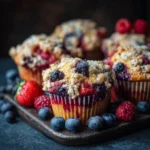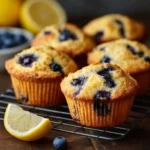
Classic Vanilla Cupcakes with Frosting
The History
The origins of the cupcake trace back to the late 18th and early 19th centuries, during a time when baking measurements were still evolving. The term “cupcake” was first documented in 1796 by American cookbook author Amelia Simmons in her seminal work, “American Cookery”. Originally called “a light cake to bake in small cups,” these treats were made using simple measurements—typically one cup each of butter, sugar, eggs, and flour—hence the name. Before standardized oven temperatures and measuring tools, recipes relied on volume-based ingredients that were easy to remember and reproduce.
By the mid-1800s, muffin tins and paper liners became more common, allowing cupcakes to be baked uniformly in individual portions. Their popularity soared due to their portability, decorative potential, and ease of sharing. In the 20th century, cupcakes evolved from humble home-baked snacks into elaborate confections seen in bakeries, cafés, and celebratory events. Today, the classic vanilla cupcake remains a staple of American dessert culture, symbolizing comfort, celebration, and culinary creativity.
Ingredients Breakdown
Understanding each ingredient’s role ensures perfect texture, flavor, and rise in your cupcakes:
- All-Purpose Flour: Provides structure through gluten formation. Sifting helps aerate the flour for a lighter crumb.
- Granulated Sugar: Sweetens the batter, aids in browning, and contributes to moisture retention.
- Baking Powder: A leavening agent that helps the cupcakes rise by producing carbon dioxide when combined with liquid and heat.
- Salt: Enhances overall flavor and balances sweetness.
- Unsalted Butter (room temperature): Adds richness, tenderness, and flavor. Room temperature ensures even creaming with sugar for optimal aeration.
- Large Eggs (room temperature): Bind ingredients, add structure, and contribute to moisture and leavening. Room temperature blends more smoothly into the batter.
- Pure Vanilla Extract: Imparts the signature warm, sweet aroma and flavor. Real extract is superior to artificial for depth of taste.
- Whole Milk (room temperature): Moistens the batter and activates gluten gently, resulting in a soft texture. Room temperature prevents curdling when mixed with butter and eggs.
For the frosting:
- Unsalted Butter (softened): Forms the base of the frosting, providing creamy texture and rich mouthfeel.
- Powdered Sugar (confectioners’ sugar): Sweetens and thickens the frosting. Sifted to avoid lumps.
- Heavy Cream or Whole Milk: Adjusts consistency for smooth spreading or piping.
- Pure Vanilla Extract: Reinforces the vanilla profile in the frosting.
- Salt (pinch): Cuts through sweetness and enhances flavor complexity.
Step-by-Step Recipe
Ingredients
For the Cupcakes:
- 1 ½ cups (190g) all-purpose flour
- 1 cup (200g) granulated sugar
- 1 ½ teaspoons baking powder
- ¼ teaspoon salt
- ½ cup (115g) unsalted butter, softened to room temperature
- 2 large eggs, room temperature
- 2 teaspoons pure vanilla extract
- ⅔ cup (160ml) whole milk, room temperature
For the Vanilla Buttercream Frosting:
- ¾ cup (170g) unsalted butter, softened
- 3 cups (360g) powdered sugar, sifted
- 2–3 tablespoons heavy cream or whole milk
- 1 ½ teaspoons pure vanilla extract
- Pinch of salt
Directions
- Preheat Oven & Prepare Pan: Preheat your oven to 350°F (175°C). Line a 12-cup muffin tin with paper liners or grease lightly.
- Mix Dry Ingredients: In a medium bowl, whisk together the flour, baking powder, and salt. Set aside.
- Cream Butter and Sugar: In a large mixing bowl, beat the softened butter and granulated sugar together on medium-high speed for 3–4 minutes until light, fluffy, and pale in color. This step is crucial for a tender crumb.
- Add Eggs and Vanilla: Add the eggs one at a time, beating well after each addition. Scrape down the sides of the bowl as needed. Mix in the vanilla extract.
- Alternate Wet and Dry Ingredients: With the mixer on low speed, add one-third of the dry ingredients, followed by half of the milk. Continue alternating, ending with the last third of dry ingredients. Mix just until combined—do not overmix, as this can lead to dense cupcakes.
- Fill Muffin Cups: Divide the batter evenly among the 12 cupcake liners, filling each about two-thirds full to allow for rising.
- Bake: Bake for 18–22 minutes, or until a toothpick inserted into the center comes out clean and the tops spring back when lightly touched.
- Cool: Allow cupcakes to cool in the pan for 5 minutes, then transfer to a wire rack to cool completely before frosting.
- Prepare Frosting: In a large bowl, beat the softened butter on medium speed for 2–3 minutes until creamy. Gradually add the sifted powdered sugar, one cup at a time, mixing on low speed. Once incorporated, increase speed to medium and beat for 1 minute.
- Finish Frosting: Add vanilla extract, pinch of salt, and 2 tablespoons of heavy cream. Beat on medium-high for 2–3 minutes until light and fluffy. If too thick, add an additional tablespoon of cream; if too thin, add more powdered sugar.
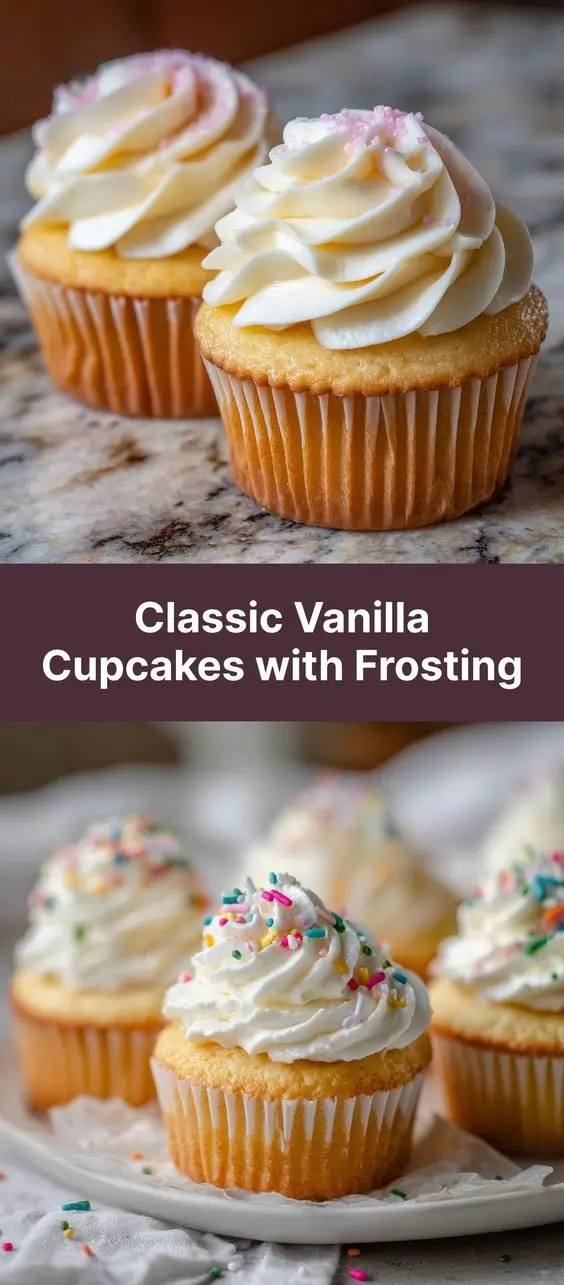
- Frost Cupcakes: Once cupcakes are completely cooled, use a piping bag with a star tip (like Wilton 1M) to swirl frosting on top, or spread with a knife for a rustic look.
- Decorate (Optional): Top with sprinkles, edible glitter, fresh berries, or drizzled chocolate for added flair.
Tips
- Room Temperature Ingredients: Ensure butter, eggs, and milk are all at room temperature to emulsify properly and create a smooth, airy batter.
- Don’t Overmix: Overmixing develops gluten, leading to tough cupcakes. Mix only until ingredients are incorporated.
- Use a Scoop: A cookie or ice cream scoop ensures even distribution of batter, which leads to uniformly sized cupcakes.
- Check Early: Ovens vary—start checking cupcakes at 18 minutes to prevent overbaking.
- Cool Completely: Frosting will melt if applied to warm cupcakes. Let them cool fully on a wire rack.
- Sift Powdered Sugar: Prevents lumps in frosting for a silky-smooth texture.
- Beat Frosting Well: Properly whipped frosting has volume and holds its shape when piped.
- Storage Tip: Keep unfrosted cupcakes at room temperature for up to 2 days, or freeze for longer storage. Frost before serving.
Variations and Customizations
The beauty of classic vanilla cupcakes lies in their versatility. Here are creative ways to personalize them:
- Lemon Vanilla Cupcakes: Add 1 tablespoon of lemon zest and 1 teaspoon of lemon juice to the batter. Pair with a lemon buttercream by replacing vanilla extract with lemon and adding a bit more zest.
- Vanilla Bean Cupcakes: Split a real vanilla bean and scrape the seeds into the butter-sugar mixture for speckled, aromatic cupcakes with intense flavor.
- Chocolate Swirl: Drop spoonfuls of melted chocolate into the batter and swirl with a knife before baking for a marbled effect.
- Strawberry-Filled: Core out the center of cooled cupcakes and fill with fresh strawberry compote before frosting.
- Funfetti Cupcakes: Fold ½ cup of rainbow sprinkles into the batter for a festive twist perfect for birthdays.
- Dairy-Free: Substitute butter with vegan butter, milk with almond or oat milk, and use dairy-free chocolate if adding mix-ins.
- Gluten-Free: Replace all-purpose flour with a 1:1 gluten-free flour blend (ensure it contains xanthan gum).
- Mini Cupcakes: Use a mini muffin tin and reduce baking time to 10–12 minutes.
- Boozy Cupcakes: Add 1–2 tablespoons of bourbon, rum, or Baileys to the frosting for an adult version.
- Floral Touch: Infuse batter with edible lavender or rose water (use sparingly—¼ to ½ tsp) for an elegant flavor.
Health Considerations and Nutritional Value
While classic vanilla cupcakes are undeniably indulgent, understanding their nutritional content helps in making informed choices:
- Calories: One average unfrosted cupcake contains about 180–200 calories; with generous frosting, this increases to 280–320 calories.
- Fat: Primarily from butter and egg yolks. Each frosted cupcake has approximately 10–14g of fat, with 6–7g being saturated.
- Sugar: High in added sugars—around 25–30g per cupcake (frosted), mostly from granulated and powdered sugar.
- Carbohydrates: About 35–40g per serving, mainly from refined flour and sugar.
- Protein: Modest amount (~3g) from eggs and milk.
- Allergens: Contains dairy, eggs, and gluten. Not suitable for those with related allergies unless modified.
To make healthier versions:
- Use whole wheat pastry flour or almond flour for added fiber and nutrients.
- Reduce sugar by 25% or use coconut sugar or monk fruit blend (note: affects texture and browning).
- Replace half the butter with unsweetened applesauce or mashed banana to lower fat content.
- Opt for a lighter frosting using Greek yogurt or whipped coconut cream instead of traditional buttercream.
- Top with fresh fruit instead of sugary sprinkles.
Remember: cupcakes are meant to be occasional treats. Enjoying them in moderation as part of a balanced diet is perfectly fine.
FAQ
Q: Why did my cupcakes sink in the middle?
A: Common causes include underbaking, opening the oven too early, overmixing the batter, or inaccurate oven temperature. Always test with a toothpick and avoid sudden temperature changes.
Q: Can I make the batter ahead of time?
A: It’s best to bake immediately. However, you can prepare dry and wet ingredients separately and combine just before baking.
Q: How long do frosted cupcakes last?
A: Store in an airtight container at room temperature for up to 2 days, or refrigerate for up to 5 days. Bring to room temperature before serving for best texture.
Q: Can I freeze vanilla cupcakes?
A: Yes! Freeze unfrosted cupcakes for up to 3 months. Thaw at room temperature, then frost. Frosted cupcakes can also be frozen—place in a single layer to freeze, then store in containers with parchment between layers.
Q: Why is my frosting grainy?
A: Likely due to unsifted powdered sugar or insufficient beating. Always sift sugar and beat the butter long enough to become creamy before adding sugar.
Q: Can I use salted butter?
A: Yes, but reduce or omit added salt in both the cupcakes and frosting to avoid oversalting.
Q: What’s the secret to tall, domed cupcakes?
A: Fill liners almost to the top and bake at a slightly higher initial temperature (start at 400°F for 5 minutes, then reduce to 350°F), or use a little extra leavening (add ¼ tsp baking soda with acid like buttermilk).
Q: Can I make this recipe in a stand mixer?
A: Absolutely. A stand mixer with a paddle attachment works perfectly for both batter and frosting.
Summary
Classic vanilla cupcakes are timeless treats that combine tender, moist cakes with rich, velvety buttercream frosting—perfect for any occasion. Easy to customize and beloved by all ages, they’re a must-have in every baker’s repertoire.