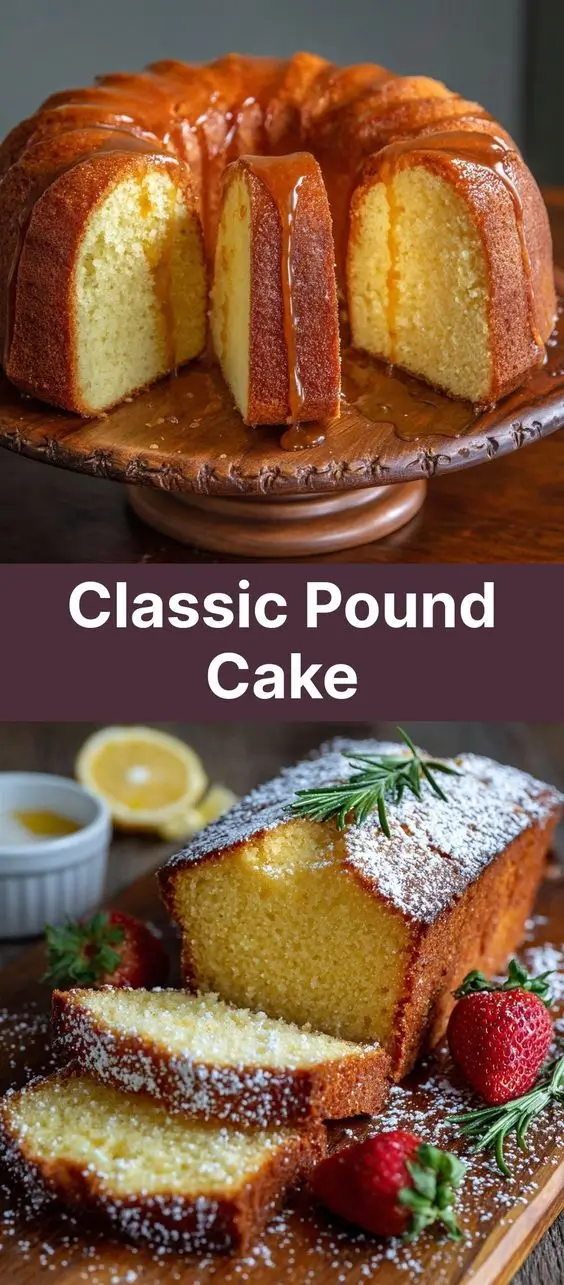
Classic Pound Cake: A Timeless American Dessert
The History of Classic Pound Cake
The classic pound cake traces its origins back to early 18th-century Europe, particularly England, where it was first documented in handwritten cookbooks and household recipe collections. As the name suggests, the original recipe was simple: one pound each of butter, sugar, eggs, and flour—hence “pound” cake. This straightforward ratio made it easy for home bakers to remember without needing precise measurements. The cake quickly gained popularity due to its rich texture and long shelf life, making it a staple in colonial households.
As European settlers brought the recipe to America, it evolved with regional influences and available ingredients. In the southern United States, for example, variations included buttermilk or sour cream to enhance moisture and tenderness. Over time, bakers began refining the recipe by adding flavorings like vanilla, almond extract, lemon zest, or spices such as nutmeg. Despite these innovations, the essence of the traditional pound cake—its dense crumb, golden crust, and buttery richness—remained unchanged.
Today, the classic pound cake stands as a symbol of culinary tradition and comfort baking. It’s often served during holidays, family gatherings, or simply enjoyed with afternoon tea. Its versatility has also inspired countless modern interpretations, from bundt-style presentations to gourmet versions infused with fruit fillings or glazes. Yet, at its heart, the pound cake remains a celebration of simplicity and quality ingredients.
Ingredients Breakdown
The magic of a perfect classic pound cake lies in the balance and quality of its core ingredients. Each component plays a crucial role in creating the cake’s signature texture and flavor:
- Butter (1 cup / 2 sticks / 226g): Unsalted butter is preferred to control salt levels. It must be softened to room temperature for proper creaming with sugar, which incorporates air and creates a light, fluffy batter.
- Granulated Sugar (2 cups / 400g): Provides sweetness and aids in aeration during creaming. Its granular structure helps trap air bubbles, contributing to rise and texture.
- Large Eggs (4 whole + 2 yolks): Eggs add structure, richness, and emulsification. Using extra yolks enhances the cake’s moistness and tender crumb.
- All-Purpose Flour (3 cups / 360g): Offers gluten structure for stability. Sifted before use to prevent clumping and ensure even mixing.
- Baking Powder (1 teaspoon): Though not in the original recipe, modern versions include a small amount to improve leavening and create a slightly lighter texture.
- Salt (½ teaspoon): Balances sweetness and enhances overall flavor depth.
- Pure Vanilla Extract (2 teaspoons): Adds warm, aromatic complexity. High-quality vanilla is essential for a premium taste.
- Sour Cream or Whole Milk (½ cup): Optional but recommended; adds moisture and tenderness while preserving the dense yet soft texture.
These ingredients work in harmony to produce a cake that is both sturdy and delicate—a hallmark of a well-executed pound cake.
Step-by-Step Recipe
- Preheat Oven & Prepare Pan: Preheat your oven to 325°F (165°C). Generously grease a 9×5-inch loaf pan with butter or non-stick spray, then line the bottom with parchment paper for easy removal.
- Cream Butter and Sugar: In a large mixing bowl, beat softened butter and granulated sugar together using a stand mixer fitted with the paddle attachment (or a hand mixer) on medium-high speed for 4–5 minutes until pale, fluffy, and fully incorporated.
- Add Eggs Gradually: Add eggs one at a time, beating well after each addition. Scrape down the sides of the bowl as needed. Then mix in the egg yolks followed by the vanilla extract.
- Combine Dry Ingredients: In a separate bowl, whisk together flour, baking powder, and salt. Sift if necessary to remove lumps.
- Incorporate Dry Mix and Liquid: With the mixer on low speed, alternate adding the dry ingredients and sour cream (or milk), beginning and ending with the flour mixture. Mix only until just combined—do not overmix, as this can lead to a tough cake.
- Transfer to Pan: Pour the thick batter into the prepared loaf pan and smooth the top with an offset spatula. Gently tap the pan on the counter to release any trapped air bubbles.
- Bake: Place in the center of the preheated oven and bake for 70–85 minutes, or until a wooden skewer inserted into the center comes out clean or with a few moist crumbs. The top should be deep golden brown and spring back lightly when touched.
- Cool Properly: Let the cake cool in the pan for 15–20 minutes, then carefully invert onto a wire rack to cool completely before slicing.
Tips for the Perfect Classic Pound Cake
- Room Temperature Ingredients: Ensure all refrigerated items (butter, eggs, sour cream) are at room temperature to achieve uniform mixing and prevent curdling.
- Don’t Overmix: Once flour is added, mix only until blended. Overmixing develops gluten, leading to a denser, chewier texture instead of the desired fine crumb.
- Oven Thermometer: Use an oven thermometer to verify accurate temperature, as many ovens run hot or cold, affecting baking time and browning.
- Rotate Pan Halfway: For even baking, rotate the loaf pan 180 degrees halfway through the baking process.
- Test Doneness Accurately: Insert a toothpick near—but not directly in—the center. If it comes out clean or with a few dry crumbs (not wet batter), it’s done.
- Avoid Opening Oven Door Early: Resist the urge to open the oven during the first 50 minutes to prevent sudden temperature drops and potential collapse.
- Let It Rest: Allow the cake to cool fully before slicing. Cutting too soon can cause crumbling and loss of structure.
Variations and Customizations
While the traditional version is beloved for its simplicity, the classic pound cake serves as an excellent canvas for creative enhancements:
- Lemon Pound Cake: Add the zest of 2 lemons and substitute ¼ cup of milk with fresh lemon juice. Finish with a citrus glaze made from powdered sugar and lemon juice.
- Almond Pound Cake: Replace 1 teaspoon of vanilla extract with pure almond extract and fold in ½ cup sliced toasted almonds for crunch.
- Chocolate Swirl Pound Cake: Melt 4 oz of semi-sweet chocolate and swirl into the batter before baking for a marbled effect.
- Maple Pecan Pound Cake: Substitute ¼ cup sugar with pure maple syrup and fold in ¾ cup chopped toasted pecans.
- Berry-Filled Version: Gently fold in 1 cup of fresh blueberries or raspberries (tossed in flour to prevent sinking).
- Spiced Cinnamon-Nutmeg: Add 1 teaspoon ground cinnamon and ¼ teaspoon nutmeg to the dry ingredients for a warm, spiced profile.
- Bundt Pan Option: Bake in a greased and floured 10-cup Bundt pan for about 55–65 minutes for a more elegant presentation.
- Glazed Finishes: Drizzle with a simple confectioners’ sugar glaze, caramel sauce, or chocolate ganache for added decadence.
Health Considerations and Nutritional Value
A slice of classic pound cake (approximately 1/12 of the loaf) contains roughly:
- Calories: ~380–420
- Total Fat: ~22g (mostly from butter)
- Saturated Fat: ~13g
- Cholesterol: ~120mg
- Carbohydrates: ~48g
- Sugars: ~32g
- Protein: ~6g
- Sodium: ~200mg
While undeniably delicious, pound cake is high in saturated fat and sugar, so moderation is advised, especially for individuals managing conditions like diabetes, heart disease, or obesity. To make a slightly healthier version:
- Use unsweetened applesauce or mashed banana to replace up to half the butter.
- Substitute part of the white flour with whole wheat pastry flour for added fiber.
- Reduce sugar by ¼ cup without significantly compromising texture.
- Opt for Greek yogurt instead of sour cream to increase protein content.
- Serve smaller portions paired with fresh berries to boost nutritional value.
Even with modifications, the cake retains much of its indulgent charm while offering a marginally better nutritional profile.
Ingredients
- 1 cup (226g) unsalted butter, softened
- 2 cups (400g) granulated sugar
- 4 large eggs, room temperature
- 2 large egg yolks, room temperature
- 3 cups (360g) all-purpose flour, sifted
- 1 teaspoon baking powder
- ½ teaspoon salt
- 2 teaspoons pure vanilla extract
- ½ cup (120g) sour cream or whole milk, room temperature
Directions
- Preheat oven to 325°F (165°C). Grease and line a 9×5-inch loaf pan.
- In a large bowl, cream butter and sugar until light and fluffy (4–5 minutes).
- Add eggs one at a time, mixing well after each. Add yolks and vanilla; blend until smooth.
- Whisk flour, baking powder, and salt in a separate bowl.
- With mixer on low, alternate adding flour mixture and sour cream, starting and ending with flour. Mix until just combined.
- Pour batter into prepared pan, smooth top, and tap gently to release air.
- Bake 70–85 minutes until golden and a tester comes out clean.
- Cool in pan 15–20 minutes, then transfer to wire rack to cool completely.
- Slice with a serrated knife and serve plain or with accompaniments.
FAQ
Q: Why is my pound cake dense?
A: Some density is normal, but excessive heaviness may result from overmixing, expired baking powder, or under-creaming the butter and sugar.
Q: Can I freeze pound cake?
A: Yes! Wrap tightly in plastic wrap and foil, then freeze for up to 3 months. Thaw at room temperature before serving.
Q: Why did my cake crack on top?
A: A slight crack is common and indicates proper rise. Excessive cracking may be due to too-high oven temperature or overfilled pan.
Q: Can I use salted butter?
A: You can, but reduce added salt to ⅛ teaspoon or omit entirely to avoid oversalting.
Q: How long does pound cake last?
A: Stored in an airtight container at room temperature, it stays fresh for 4–5 days. Refrigeration extends life to 7–10 days but may dry it out slightly.
Q: Can I make mini loaf cakes?
A: Absolutely! Divide batter among greased mini loaf pans and bake for 35–45 minutes.
Q: What makes pound cake different from regular cake?
A: Traditional pound cake uses equal weights of core ingredients and lacks chemical leaveners (in original form), resulting in a heavier, richer texture compared to lighter, fluffier layer cakes.
Summary
The classic pound cake is a timeless dessert celebrated for its rich buttery flavor, dense yet tender crumb, and enduring appeal across generations. With simple ingredients and careful technique, it remains a cornerstone of American baking tradition.