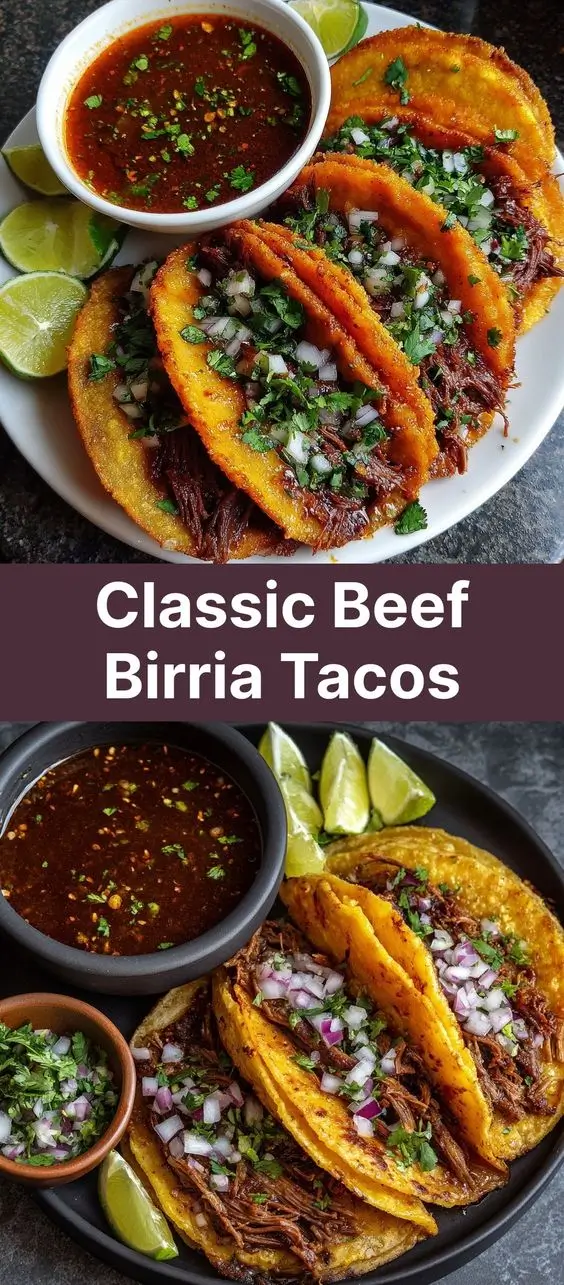
Classic Beef Birria Tacos: A Flavorful Mexican Delight
Birria tacos have taken the culinary world by storm, especially with the rise of “taco al pastor” meets slow-cooked stews in vibrant Mexican cuisine. Among the many variations, Classic Beef Birria Tacos stand out for their rich, deep flavors, tender meat, and signature consommé for dipping. These aren’t just tacos—they’re an experience. Originating from the state of Jalisco in Mexico, birria was traditionally made during celebrations and special occasions. Today, beef birria tacos are a beloved street food staple, celebrated for their succulent texture and complex spice profile. In this comprehensive guide, we’ll dive into everything you need to know about crafting authentic, mouthwatering beef birria tacos right in your own kitchen.
The History of Birria Tacos
The roots of birria trace back centuries to western Mexico, particularly in the state of Jalisco, where it began as a celebratory dish often served at weddings, baptisms, and religious festivals. Originally, birria was made using goat meat (known as chivo), which was marinated in a blend of dried chiles, spices, and vinegar, then slow-cooked until fall-apart tender. The word “birria” is believed to come from the Spanish word birrar, meaning to celebrate or party—highlighting its festive origins.
Over time, as regional preferences evolved and ingredients became more accessible, cooks began experimenting with alternative meats. Beef, particularly chuck roast or brisket, emerged as a popular substitute due to its rich marbling and ability to absorb bold flavors. This adaptation helped birria gain widespread popularity beyond rural communities, eventually making its way into urban taquerías and food trucks across Mexico and the United States.
The modern twist—birria tacos—gained viral fame around 2018–2020 thanks to social media, especially TikTok and Instagram, where videos of golden, cheese-covered tortillas dipped in rich consommé captivated food lovers worldwide. Known as tacos dorados de birria or “red braised beef tacos,” they’re typically served with a side of broth for dipping, transforming the humble taco into a decadent, soup-meets-street-food sensation.
Ingredients Breakdown: What Makes Birria Special
The magic of Classic Beef Birria Tacos lies in the harmony of its components: a deeply flavored marinade, tender braised meat, aromatic consommé, and perfectly assembled tacos. Let’s break down each ingredient and its role in building that unforgettable taste.
- Beef Chuck Roast (3–4 lbs): This well-marbled cut breaks down beautifully during long cooking, resulting in juicy, shreddable meat. You can also use beef brisket or short ribs for variation.
- Dried Chiles (Guajillo, Ancho, and Pasilla): These form the backbone of the sauce. Guajillos offer mild heat and tangy sweetness, anchos bring earthy depth and raisin-like notes, while pasillas add smoky complexity.
- Onion & Garlic: Fresh white onion and garlic provide aromatic foundation layers. Roasted garlic adds extra richness.
- Tomatillos (2–3): Though not traditional in all versions, tomatillos lend brightness and help balance the richness of the meat.
- Vinegar (Apple Cider or White): Acidic component that tenderizes the meat and enhances flavor penetration.
- Spices (Cumin, Cloves, Cinnamon, Black Pepper, Oregano): Toasted whole spices ground together deliver warmth and authenticity. Mexican oregano is preferred for its citrusy note.
- Bay Leaves (2–3): Infuse subtle herbal aroma into the stewing liquid.
- Beef Broth (4 cups): Forms the base of the consommé, enriching the overall savoriness.
- Avocado Oil or Vegetable Oil: Used to fry the soaked chiles briefly before blending—a technique that unlocks deeper flavor.
- Mexican Oregano (1 tsp): Distinct from Mediterranean oregano; slightly citrusy and less pungent.
- Consommé Enhancers (Optional): Some recipes include a small piece of piloncillo (unrefined cane sugar) to round out acidity, or a splash of orange juice for brightness.
- Corn Tortillas (12–16): Double-layered for strength, preferably fresh maíz tortillas.
- Queso Fresco or Mozzarella (1 cup shredded): Melted over the tacos during griddling for that iconic cheesy crust.
- Garnishes: Chopped white onion, fresh cilantro, lime wedges, sliced radishes, and jalapeños for contrast and freshness.
Step-by-Step Recipe: How to Make Classic Beef Birria Tacos
Part 1: Prepare the Chile Sauce (Adobo)
- Remove stems and seeds from 6 guajillo chiles, 3 ancho chiles, and 2 pasilla chiles. Wear gloves to avoid skin irritation.
- Heat 1 tablespoon avocado oil in a skillet over medium heat. Briefly toast each type of chile for 20–30 seconds per side until fragrant but not burnt.
- Place toasted chiles in a large bowl and cover with boiling water. Soak for 20 minutes until soft.
- In the same skillet, sauté 1 chopped white onion and 6 peeled garlic cloves until translucent and lightly golden.
- Drain chiles and transfer to a blender. Add sautéed onion and garlic, 2 roasted tomatillos, 1 teaspoon cumin, 1/2 teaspoon ground cloves, 1 stick cinnamon (broken), 1 teaspoon black pepper, 1 teaspoon Mexican oregano, 2 bay leaves, 1/4 cup vinegar, and 1 cup warm beef broth.
- Blend on high for 2–3 minutes until completely smooth. Strain through a fine-mesh sieve for silky texture (optional but recommended).
Part 2: Braise the Beef
- Trim excess fat from a 3.5 lb beef chuck roast and cut into large chunks (about 2 inches). Season generously with salt.
- Heat 1 tablespoon oil in a heavy pot or Dutch oven over medium-high heat. Sear beef pieces on all sides until well-browned. Remove and set aside.
- Pour the blended adobo sauce into the same pot. Simmer for 5–7 minutes to cook off raw chile taste and concentrate flavors.
- Return seared beef to the pot. Pour in 3 more cups of beef broth to cover the meat halfway.
- Bring to a gentle boil, then reduce heat to low. Cover and simmer for 2.5 to 3 hours, stirring occasionally, until meat shreds easily with a fork.
- Once cooked, remove meat and reserve the broth (this is your consommé!). Skim excess fat if desired, or leave some for richer flavor.
- Shred beef using two forks, discarding any large fat pieces. Return half the shredded meat to the consommé to keep warm and absorb more flavor.
Part 3: Assemble the Tacos
- Heat a comal, cast iron skillet, or griddle over medium heat. Place a corn tortilla on the surface and top with a spoonful of shredded beef.
- Sprinkle shredded queso fresco or mozzarella over the meat. Top with a second tortilla to create a quesadilla-style pocket.
- Press gently and cook for 2–3 minutes per side until golden brown and crispy. Flip carefully using a spatula.
- For extra indulgence, dip the assembled taco into the warm consommé before placing on the griddle—this creates a magical crispy, gravy-kissed edge.
- Repeat with remaining tortillas and filling.
Part 4: Serve with Style
- Ladle 1–2 cups of consommé into a serving bowl, keeping it warm throughout the meal.
- Plate the hot birria tacos alongside the broth for dipping.
- Garnish tacos with diced onion, chopped cilantro, lime wedges, and optional radish slices.
- Serve immediately while hot and melty!
Tips for Perfect Beef Birria Tacos Every Time
- Toasting the chiles is crucial—it wakes up their dormant flavors and reduces bitterness. Don’t skip this step!
- Use a high-powered blender like Vitamix or Ninja to ensure the adobo is ultra-smooth. Grainy sauce affects both taste and texture.
- Skim the fat after braising if you prefer a lighter consommé, but save a few tablespoons to enhance the griddle when cooking tacos.
- Double the recipe—birria freezes exceptionally well. Freeze meat and broth separately for up to 3 months.
- Keep tortillas pliable by warming them briefly before assembly. Wrap in a damp cloth and microwave for 30 seconds, or heat on a dry pan.
- Don’t rush the braise. Low and slow ensures maximum tenderness. If using a pressure cooker, cook on high pressure for 60 minutes with natural release.
- Season in layers: season the meat before searing, the sauce while simmering, and again once shredded.
- Warm the consommé just below simmering when serving—boiling broth can make tacos soggy too quickly.
Variations and Customizations
While Classic Beef Birria Tacos are divine as-is, there’s plenty of room for creativity based on dietary needs, taste preferences, or ingredient availability:
- Goat or Lamb Birria: For a more traditional approach, substitute beef with goat leg or lamb shoulder. The gamey richness pairs beautifully with the spicy-sweet adobo.
- Chicken Birria Tacos: Use bone-in chicken thighs instead. Cook time reduces to 1.5 hours. Great for lighter meals.
- Vegan/Vegetarian Option: Replace meat with jackfruit, mushrooms (shiitake or oyster), or soy curls. Use vegetable broth and boost umami with soy sauce or smoked paprika.
- Spice Level Control: Reduce heat by removing more seeds from chiles or replacing pasillas with milder New Mexico chiles. For extra fire, add a chipotle in adobo or a pinch of cayenne.
- Alternative Cheeses: Try Monterey Jack, Chihuahua cheese, or even provolone for different melt profiles.
- Gluten-Free Friendly: Naturally gluten-free as long as your broth and spices are certified GF.
- Slow Cooker Method: After searing meat and cooking adobo, transfer everything to a slow cooker and cook on LOW for 8 hours.
- Instant Pot Shortcut: Pressure cook for 60 minutes with natural release, then shred and finish on stove.
- Breakfast Birria Tacos: Add scrambled eggs and potatoes to the filling for a hearty morning version.
- Tortilla Options: While corn is traditional, flour tortillas can be used for a softer bite—especially popular in northern Mexico.
Health Considerations and Nutritional Value
Beef birria tacos are undeniably rich and satisfying, but understanding their nutritional content helps enjoy them mindfully.
Nutrition Per Serving (2 tacos with consommé, cheese, and garnishes):
- Calories: ~550–650 kcal
- Protein: ~35–40g (excellent source of complete protein)
- Fat: ~25–30g (mostly unsaturated and saturated from beef and cheese)
- Carbohydrates: ~45–50g (primarily from corn tortillas and chiles)
- Fiber: ~6–8g (from vegetables and whole chiles)
- Sodium: ~900–1200mg (can vary significantly depending on broth and seasoning)
- Iron, Zinc, B12: High levels due to red meat—important for energy and immune function.
Health Tips:
- Reduce Sodium: Use low-sodium beef broth and control added salt during cooking.
- Leaner Meat Option: Trim visible fat from chuck roast or use 90% lean beef, though this may reduce juiciness.
- Portion Control: Enjoy 1–2 tacos with a side salad instead of multiple servings.
- Add Veggies: Mix finely diced zucchini, carrots, or bell peppers into the consommé for added nutrients.
- Broth Benefits: The consommé contains collagen from slow-cooked connective tissues, which supports joint and gut health.
- Balance the Meal: Serve with a fresh cabbage slaw or avocado slices to increase fiber and healthy fats.
Full Ingredient List (Serves 6–8)
For the Adobo & Braise:
- 3.5 lbs beef chuck roast, trimmed and cubed
- 6 dried guajillo chiles, seeded and deveined
- 3 dried ancho chiles, seeded and deveined
- 2 dried pasilla chiles, seeded and deveined
- 1 large white onion, chopped
- 6 garlic cloves, peeled
- 2 tomatillos, husked, rinsed, and roasted
- 1 tbsp apple cider vinegar
- 1 tsp ground cumin
- 1/2 tsp ground cloves
- 1 stick cinnamon (or 1 tsp ground)
- 1 tsp black pepper
- 1 tbsp dried Mexican oregano
- 2 bay leaves
- 4 cups beef broth (divided)
- 2 tbsp avocado oil (divided)
- Salt to taste
For Assembling Tacos:
- 12–16 corn tortillas (6-inch)
- 1 cup shredded queso fresco or mozzarella
- Reserved consommé (for dipping)
- 1/2 white onion, finely diced
- 1/2 cup fresh cilantro, chopped
- 1 lime, cut into wedges
- Sliced radishes or jalapeños (optional)
Directions Recap (Condensed)
- Toast and soak dried chiles. Sauté onion and garlic.
- Blend chiles with aromatics and spices into a smooth adobo sauce. Strain if desired.
- Sear beef chunks in a pot, then remove. Cook adobo in the same pot for 5–7 minutes.
- Return beef to pot, add 4 cups broth, and braise covered for 2.5–3 hours until tender.
- Shred meat, return half to broth to keep moist. Reserve consommé.
- Assemble tacos: layer meat and cheese between two tortillas.
- Grill on a comal until crispy and golden. Dip in warm consommé optionally.
- Serve hot with onion, cilantro, lime, and broth on the side.
Frequently Asked Questions (FAQ)
What is the difference between birria and barbacoa?
While similar in preparation, birria is typically made with a spicier, redder chile-based marinade and includes vinegar for tang. Barbacoa usually uses milder seasonings and is often steamed or pit-cooked, traditionally with lamb or beef head.
Can I make birria ahead of time?
Absolutely! In fact, birria tastes better the next day as flavors deepen. Store meat and broth separately in the fridge for up to 4 days or freeze for longer storage.
Why are my birria tacos falling apart?
This usually happens if the tortillas are too dry or thin. Warm them first, use double layers, and don’t oversaturate with broth before griddling.
Is birria supposed to be spicy?
Not necessarily. Traditional birria has a deep, complex flavor rather than intense heat. Adjust spice by controlling chile types and seed content.
Can I use store-bought tortillas?
Yes, but look for brands with minimal ingredients—ideally just corn, lime, and water. Freshly made tortillas yield the best texture.
What do I do with leftover consommé?
Use it as a soup base, ramen upgrade, rice cooker liquid, or even drink it as a nourishing broth. It’s incredibly versatile!
Are birria tacos gluten-free?
They can be! Ensure your beef broth, spices, and tortillas are certified gluten-free. Corn tortillas are naturally GF, but cross-contamination can occur.
Can I air fry the tacos?
You can, but you’ll miss the cheesy crust and broth-dipped crispiness. For best results, stick to a skillet or griddle.
Summary
Classic Beef Birria Tacos are a luxurious fusion of tender, chile-braised beef, aromatic consommé, and crispy, cheese-laden tortillas—a celebration of Mexican culinary tradition reimagined for modern palates.
With deep historical roots, bold flavors, and endless customization options, these tacos aren’t just a meal—they’re a sensory journey worth savoring one dip at a time.