Introduction
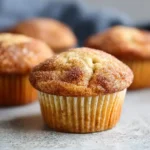
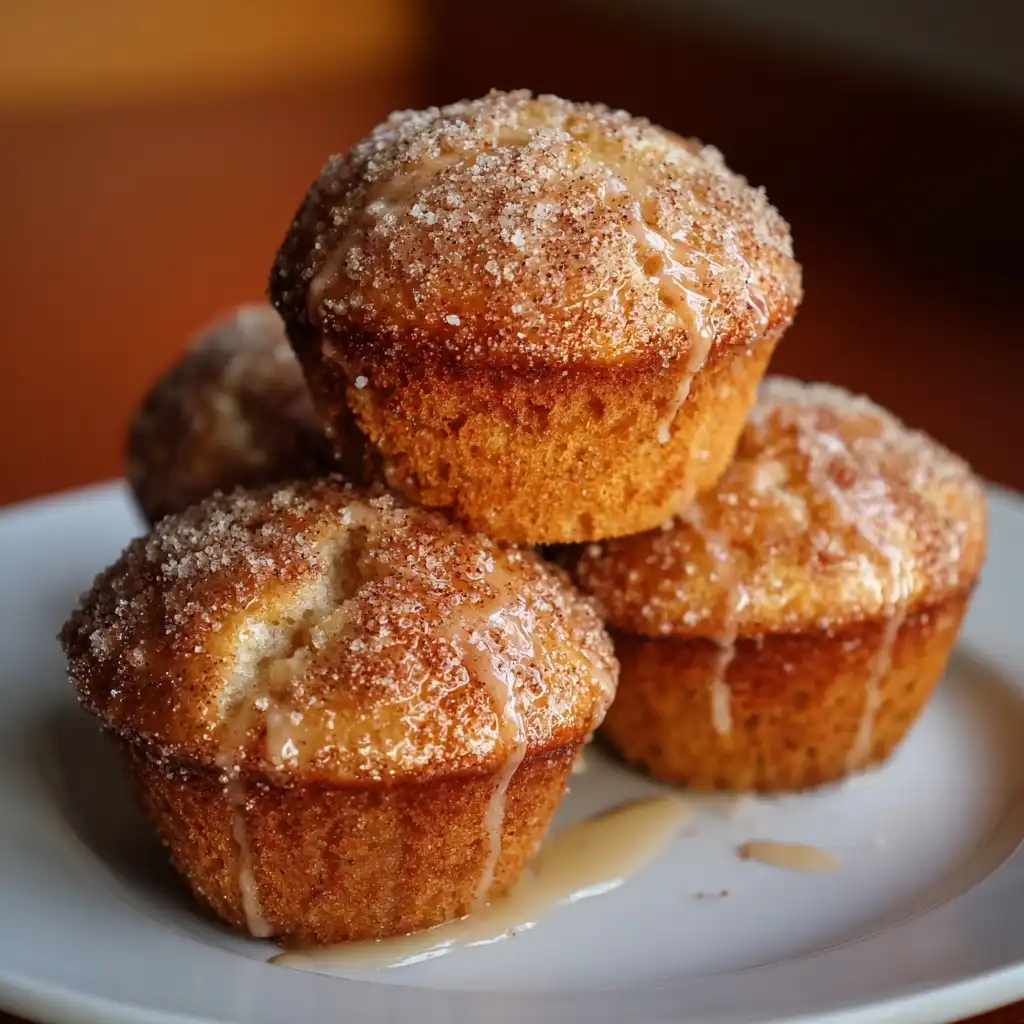
Welcome to the ultimate guide for Cinnamon Sugar Donut Muffins — a delightful, bakery-style hybrid that marries the tender crumb of a classic muffin with the irresistible warmth and crunch of a freshly rolled cinnamon sugar donut. These muffins are more than just breakfast fare; they’re a nostalgic comfort food experience, perfect for weekend mornings, holiday brunches, baby showers, school bake sales, or even as an afternoon treat with a steaming mug of coffee or spiced chai. Unlike traditional donuts that require deep frying or intricate shaping, these muffins deliver all the same flavor and textural magic in an easy-to-bake, portion-controlled, oven-friendly format — no special equipment, no yeast, no rolling pin, and no oil splatter. Whether you’re a seasoned baker or a beginner looking for foolproof success, this recipe is designed for consistent, golden, fragrant, and deeply satisfying results every single time.
The History
Cinnamon sugar donut muffins emerged organically from the broader evolution of American quick breads and donut culture — two pillars of 20th-century home baking. While yeast-raised glazed donuts trace their roots to Dutch settlers (who brought “olykoeks” or oily cakes to New Amsterdam in the 17th century), and cinnamon rolls gained popularity through German and Scandinavian traditions, the modern cinnamon sugar coating became widely embraced in the U.S. after World War II, thanks to mass-produced ground cinnamon and refined white sugar becoming household staples. The muffin itself — originally a “muffin” in British English meaning a flat, griddle-cooked yeast cake — transformed in America into a chemically leavened, cupcake-shaped quick bread by the mid-1800s, especially after baking powder was commercialized in the 1850s. The fusion of these concepts — donut-inspired flavor and texture applied to muffin form — began appearing in regional church cookbooks and women’s magazines in the 1960s and ’70s, often under names like “Cinnamon Crumb Muffins” or “Donut-Style Muffins.” It wasn’t until the 2000s and the rise of food blogs and Pinterest that the term “Cinnamon Sugar Donut Muffins” crystallized into its current iconic identity — celebrated for its visual appeal (tall domes, crackly tops), sensory contrast (soft interior + shattery-sweet crust), and remarkable versatility across dietary preferences and occasions.
Ingredients Breakdown
Every ingredient in this recipe plays a precise functional and flavor role — nothing is arbitrary. Let’s explore them in depth:
- All-Purpose Flour: The structural backbone. Its moderate protein content (10–12%) provides just enough gluten development for lift and tenderness without toughness. We do not recommend substituting 1:1 with whole wheat or gluten-free blends unless adjustments are made (see Variations section).
- Granulated Sugar: Sweetens, aids browning (via Maillard reaction), stabilizes air bubbles during creaming, and contributes to moisture retention. A small reduction (by 1–2 tbsp) is possible, but removing too much compromises both flavor and texture.
- Brown Sugar (light or dark): Adds molasses-derived depth, acidity (which activates baking soda), and hygroscopic moisture — critical for that ultra-tender, slightly chewy crumb. Dark brown sugar yields richer caramel notes; light offers subtler warmth.
- Baking Powder & Baking Soda: A dual-leavening system. Baking powder provides most of the lift (especially important since there’s no yeast or eggs whipped for volume), while baking soda neutralizes the acidity from brown sugar and buttermilk — ensuring proper rise and preventing metallic aftertaste.
- Ground Cinnamon (preferably Ceylon or Saigon): Not just for aroma — high-quality cinnamon contains cinnamaldehyde, which enhances perceived sweetness and pairs synergistically with sugar and fat. Freshly ground sticks yield exponentially more volatile oils than pre-ground supermarket varieties.
- Salt (fine sea salt or kosher): Essential for balancing sweetness and amplifying all other flavors. Too little makes the muffins taste flat; too much overwhelms. We use ¾ tsp — enough to enhance without salinity.
- Buttermilk: The secret weapon. Its lactic acid tenderizes gluten, activates leaveners, adds subtle tang, and contributes to a fine, velvety crumb. If unavailable, make a substitute: 1 cup whole milk + 1 tbsp white vinegar or lemon juice, rested 5–10 minutes until curdled.
- Unsalted Butter (melted and cooled): Provides richness, mouthfeel, and flakiness in the crust when combined with sugar. Melted (not hot) ensures even dispersion without cooking the eggs. Unsalted allows full control over sodium levels.
- Eggs (large, room temperature): Act as emulsifiers (binding fat and liquid), add structure via proteins, contribute moisture, and aid in leavening. Cold eggs can cause batter to seize; room temp ensures smooth incorporation.
- Vanilla Extract (pure, not imitation): Enhances aromatic complexity and rounds out the cinnamon-sugar profile. Alcohol-based vanilla also helps distribute fat-soluble flavor compounds evenly.
- For the Cinnamon Sugar Coating: Granulated sugar (for crunch and shine), light brown sugar (for moisture and caramelization), ground cinnamon (freshly ground preferred), and melted butter (for adhesion and browning). Optional additions include a pinch of nutmeg, cardamom, or even flaky sea salt for finishing.
Step-by-Step Recipe
- Preheat & Prep: Position oven rack in the center. Preheat oven to 425°F (220°C) — the high initial heat creates rapid steam expansion and dramatic oven spring for tall, bakery-style domes. Line a standard 12-cup muffin tin with parchment paper liners (or grease generously with butter and dust with flour). Do not use nonstick spray alone — it doesn’t provide enough grip for the sugary coating.
- Mix Dry Ingredients: In a large bowl, whisk together 2 cups (250g) all-purpose flour, ½ cup (100g) granulated sugar, ⅓ cup (75g) packed light brown sugar, 2 tsp baking powder, ½ tsp baking soda, 2 tsp ground cinnamon, ¾ tsp fine sea salt, and ¼ tsp ground nutmeg (optional but recommended). Whisk for at least 45 seconds to fully aerate and evenly distribute leaveners and spices.
- Mix Wet Ingredients: In a separate medium bowl, vigorously whisk 1 cup (240ml) well-stirred buttermilk, ½ cup (115g) melted and cooled unsalted butter (about 110°F / 43°C — warm to the touch but not hot), 2 large room-temperature eggs, and 2 tsp pure vanilla extract until fully homogenous and slightly frothy — about 30 seconds.
- Combine Batter Gently: Pour the wet mixture into the dry ingredients. Using a flexible silicone spatula, fold *just until no dry streaks remain* — approximately 12–15 strokes. Do not overmix. A few small lumps are ideal; overmixing develops excess gluten, leading to dense, tunnelled, or peaked muffins instead of domed, tender ones.
- Portion Batter: Immediately divide batter evenly among the 12 lined muffin cups — each should be filled to the very top rim (about ¼ cup per cup). Overfilling is intentional and critical for the signature rounded, donut-like crown. Use a large cookie scoop or ¼-cup measuring cup for consistency.
- Bake High Then Lower: Place muffin tin in preheated 425°F oven. Bake for 5 minutes — this burst of heat causes immediate steam expansion and lifts the batter dramatically. Without opening the oven door, reduce temperature to 350°F (175°C) and continue baking for 15–17 minutes, or until a wooden skewer inserted into the center of a muffin comes out clean or with *moist* crumbs (not wet batter). Total bake time: ~20–22 minutes. Tops should be deeply golden, puffed, and slightly cracked.
- Prepare Cinnamon Sugar Bath: While muffins bake, prepare the coating: In a shallow bowl, combine ⅔ cup (135g) granulated sugar, ⅓ cup (75g) packed light brown sugar, and 2 tbsp (14g) ground cinnamon. Stir until uniformly blended. In another small bowl, melt 6 tbsp (85g) unsalted butter. Keep both ready.
- Coat Immediately: As soon as muffins emerge from the oven, let cool in the pan for exactly 2 minutes — long enough to set structure but still hot enough for the butter to sizzle and adhere. Working quickly and carefully (use tongs or heat-resistant gloves), remove one muffin at a time, dip the entire top and upper sides into the melted butter (don’t submerge the base), then roll generously in the cinnamon sugar mixture, pressing gently to ensure full, even coverage. Return coated muffin to a wire rack. Repeat with remaining muffins. Do not wait — cooling beyond 3–4 minutes post-oven drastically reduces coating adhesion.
- Cool & Serve: Allow coated muffins to cool on the wire rack for at least 15 minutes before serving. This sets the sugar crust and allows internal steam to escape, preventing sogginess. Best enjoyed warm — within the first 2 hours — though they retain excellent texture for up to 48 hours.
Tips
- Room Temperature Is Non-Negotiable: Cold eggs or buttermilk cause the melted butter to seize into tiny solid flecks, creating uneven texture and poor emulsion. Take ingredients out 60–90 minutes before baking.
- Weigh Your Ingredients: Volume measurements (cups) for flour vary wildly — 1 cup can range from 120g to 160g depending on scooping method. A kitchen scale ensures precision, especially crucial for tender muffins.
- Don’t Skip the 425°F → 350°F Shift: This two-stage bake mimics professional convection ovens and is the #1 factor in achieving impressive height and a crisp, caramelized dome. A steady 350°F yields flat, dense muffins.
- Fill to the Brim — Seriously: Underfilled cups result in squat, un-donut-like muffins. Overfilling leverages oven spring for maximum volume and surface area for coating.
- Coat While Hot, But Not Scalding: Too hot = melted sugar drips off. Too cool = no adhesion. The 2-minute rest is scientifically calibrated — test with an instant-read thermometer: exterior should be ~190–200°F (88–93°C).
- Use Parchment Liners, Not Paper: Standard paper liners absorb butter and peel away during coating. Sturdy parchment (like If You Care or Reynolds) holds up beautifully and peels cleanly post-cooling.
- Rotate Pan Mid-Bake (Optional but Recommended):strong> If your oven has hot spots, rotate the tin 180° halfway through the 350°F phase for even browning.
- Don’t Double the Batch Blindly: Ovens vary in capacity and airflow. Baking two tins simultaneously may require rotating front-to-back and adding 1–2 minutes — monitor closely.
- Rest the Batter? No. Unlike some muffin recipes, this batter contains active leaveners and buttermilk acid — letting it sit >10 minutes causes premature gas loss and reduced rise.
- Freeze Smart: For best results, freeze *uncoated* muffins after full cooling. Thaw at room temp for 1 hour, then reheat at 325°F for 5 minutes, brush with fresh melted butter, and re-roll in cinnamon sugar.
Variations and Customizations
Dietary Adaptations
- Gluten-Free: Substitute flour blend with 1:1 GF all-purpose (e.g., King Arthur Measure for Measure or Bob’s Red Mill 1-to-1). Add ½ tsp xanthan gum if not included. Increase buttermilk by 1 tbsp — GF flours absorb more liquid.
- Dairy-Free: Replace buttermilk with 1 cup unsweetened almond or oat milk + 1 tbsp apple cider vinegar. Swap butter for refined coconut oil (melted and cooled) or vegan butter (e.g., Miyoko’s or Earth Balance). Ensure coating butter is dairy-free.
- Reduced-Sugar: Cut total sugar by ¼ cup (replace with 2 tbsp unsweetened applesauce + 1 extra tbsp buttermilk to retain moisture). Reduce coating sugar by half and increase cinnamon to 3 tbsp for perceptual sweetness.
- Egg-Free: Replace each egg with ¼ cup unsweetened applesauce + ½ tsp baking powder (to compensate for lost lift). Expect slightly denser crumb.
Flavor & Texture Twists
- Apple Cinnamon Swirl: Fold in 1 cup finely diced peeled Granny Smith apples (tossed in 1 tsp lemon juice) and 1 tsp extra cinnamon. Optional: swirl 2 tbsp maple syrup into batter before baking.
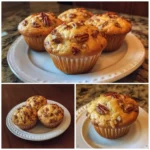
- Pecan Praline: Add ¾ cup toasted chopped pecans to batter. For praline topping, replace half the coating sugar with ¼ cup crushed candied pecans.
- Maple Brown Butter: Brown ½ cup butter before cooling; stir in 2 tbsp pure maple syrup to wet ingredients. Use maple sugar in coating for harmony.
- Orange Cardamom: Replace 1 tsp cinnamon with 1½ tsp ground cardamom and add 1 tbsp finely grated orange zest to wet ingredients. Finish with orange sugar glaze (powdered sugar + orange juice) instead of cinnamon sugar.
- Double-Cinnamon Streusel: Skip the post-bake dip. Instead, sprinkle ½ cup cinnamon streusel (flour + brown sugar + cinnamon + cold butter) over batter before baking. Cool, then dust with powdered sugar.
- Mini Muffin Version: Fill mini muffin tin ¾ full. Bake at 425°F for 3 minutes, then 350°F for 8–9 minutes. Coat same way — perfect for parties or portion control.
Occasion-Based Styling
- Brunch Showstopper: Serve stacked on a tiered stand with maple whipped cream and candied walnuts.
- Holiday Edition: Add ¼ tsp ground cloves + ¼ tsp allspice to dry mix; coat with red-and-green sanding sugar.
- Kid-Friendly: Press mini chocolate chips into tops before baking, then coat. Or add rainbow sprinkles to cinnamon sugar mix.
- Gourmet Gift: Pack cooled, uncoated muffins in parchment-lined boxes. Include a small jar of spiced sugar and butter packet with reheating instructions.
Health Considerations and Nutritional Value
While undeniably indulgent, Cinnamon Sugar Donut Muffins can be understood through a balanced nutritional lens — especially when contextualized against comparable treats:
- Caloric Profile (per standard muffin, approx. 130g): ~320–360 kcal — comparable to a medium glazed yeast donut (~350 kcal) but significantly lower than many store-bought “healthy” muffins laden with added oils and sugars (some exceed 500 kcal).
- Carbohydrates & Sugars: ~48g total carbs, ~28g sugars (14g naturally occurring from milk/brown sugar, 14g added). The inclusion of brown sugar adds trace minerals (calcium, potassium, iron), though not in therapeutic amounts.
- Fat Content: ~13g total fat (8g saturated from butter). Using half butter/half unsweetened applesauce reduces fat by ~30% with minimal texture loss.
- Protein & Fiber: ~5g protein (from eggs, milk, flour); ~1g fiber. Boost fiber by replacing ¼ cup flour with oat bran or ground flaxseed (add 1 extra tbsp buttermilk).
- Cinnamon’s Bioactive Benefits: Contains cinnamaldehyde and polyphenols linked in research to improved insulin sensitivity, antioxidant activity, and anti-inflammatory effects — though therapeutic doses require far more than culinary use. Still, every gram counts toward cumulative dietary benefit.
- Lower Sodium Option: Reduce salt to ½ tsp without sacrificing structure — adequate for flavor enhancement while aligning with heart-healthy guidelines (<2,300 mg/day).
- Whole Grain Upgrade: Substitute up to ½ cup flour with white whole wheat flour — retains mild flavor but adds 2g fiber/serving and B vitamins (B1, B3, E).
- Portion Awareness Tip: These muffins are naturally portion-controlled (12 servings per batch), unlike oversized bakery muffins that often equal 2–3 servings — aiding mindful consumption.
- Notable Absences: Zero trans fats, zero artificial colors/preservatives, zero high-fructose corn syrup — a stark contrast to most commercial donut muffins.
As registered dietitians emphasize: nutrient density matters, but so does food joy and sustainability. Enjoying these muffins mindfully — perhaps paired with Greek yogurt or a side of berries — fits seamlessly into a varied, balanced eating pattern. They’re not “health food,” but they’re far from nutritionally void — and their homemade nature means full transparency and control over every ingredient.
Ingredients
For the Muffins
- 2 cups (250g) all-purpose flour, spooned & leveled
- ½ cup (100g) granulated sugar
- ⅓ cup (75g) packed light brown sugar
- 2 tsp double-acting baking powder
- ½ tsp baking soda
- 2 tsp ground cinnamon (preferably Saigon or Ceylon)
- ¾ tsp fine sea salt
- ¼ tsp ground nutmeg (optional but recommended)
- 1 cup (240ml) full-fat buttermilk, well stirred
- ½ cup (115g) unsalted butter, melted and cooled to 110°F (43°C)
- 2 large eggs, room temperature
- 2 tsp pure vanilla extract
For the Cinnamon Sugar Coating
- ⅔ cup (135g) granulated sugar
- ⅓ cup (75g) packed light brown sugar
- 2 tbsp (14g) ground cinnamon
- 6 tbsp (85g) unsalted butter, melted
Directions
- Preheat oven to 425°F (220°C) with oven rack in center position. Line a 12-cup standard muffin tin with parchment paper liners or grease thoroughly with butter and dust with flour.
- In a large bowl, whisk together flour, granulated sugar, brown sugar, baking powder, baking soda, cinnamon, salt, and nutmeg until fully combined and aerated (about 45 seconds).
- In a medium bowl, whisk buttermilk, melted (cooled) butter, eggs, and vanilla until smooth and slightly frothy (~30 seconds).
- Pour wet ingredients into dry ingredients. Using a silicone spatula, fold gently *just until no dry flour remains* — about 12–15 strokes. Do not overmix; a few small lumps are ideal.
- Divide batter evenly among 12 muffin cups, filling each to the very brim (approximately ¼ cup per cup).
- Place tin in preheated oven. Bake at 425°F for 5 minutes. Without opening the oven door, reduce temperature to 350°F (175°C) and continue baking for 15–17 minutes, or until tops are deeply golden, puffed, and a skewer inserted into the center comes out clean or with moist crumbs.
- While muffins bake, prepare coating: In a shallow bowl, whisk together granulated sugar, brown sugar, and cinnamon. In a separate small bowl, melt butter.
- When muffins are done, remove from oven and let rest in pan for exactly 2 minutes.
- Working quickly, use tongs or heat-safe gloves to remove one muffin at a time. Dip the top and upper third into melted butter, allowing excess to drip off for 2 seconds. Immediately roll in cinnamon sugar mixture, pressing gently to adhere fully. Place coated muffin on a wire rack. Repeat with remaining muffins.
- Cool on wire rack for at least 15 minutes before serving. Best enjoyed warm within 2 hours. Store leftover muffins uncovered at room temperature for up to 2 days, or freeze uncoated for up to 3 months.
FAQ
- Can I make these ahead?
- Yes! Bake and cool completely, then freeze *uncoated* in a single layer on a baking sheet before transferring to an airtight freezer bag. To serve: thaw at room temperature 1 hour, reheat at 325°F for 5 minutes, then brush with fresh melted butter and roll in cinnamon sugar.
- Why did my muffins sink in the middle?
- Most commonly due to underbaking (pulling them out too soon), opening the oven door during the first 15 minutes, or overmixing the batter. Ensure skewer test is truly clean — especially near the edges where batter pools.
- Can I use Greek yogurt instead of buttermilk?
- Yes — thin ¾ cup plain full-fat Greek yogurt with ¼ cup whole milk or water. The acidity and thickness closely mimic buttermilk.
- My cinnamon sugar didn’t stick — what went wrong?
- Timing is critical. Muffins must be coated within 2–3 minutes of coming out of the oven. Also ensure melted butter is warm (not hot or cool) and that you’re using parchment liners — regular paper absorbs butter and releases during coating.
- Can I bake these in a loaf pan?
- Absolutely. Pour batter into a greased 9×5-inch loaf pan. Bake at 425°F for 7 minutes, then reduce to 350°F and bake 45–55 minutes, until a skewer comes out clean. Cool 15 minutes in pan, then invert onto rack. Brush top with butter and sprinkle generously with cinnamon sugar while warm.
- Are these suitable for kids’ lunchboxes?
- Yes — especially if made with parchment liners that peel cleanly. Pack at room temperature. They hold up well for 6–8 hours. For school safety, omit nuts unless allergen-free environment is confirmed.
- Can I add blueberries or chocolate chips?
- Yes — fold in 1 cup fresh or frozen (do not thaw) blueberries tossed in 1 tsp flour, or 1 cup semi-sweet chocolate chips. Reduce cinnamon in batter by ½ tsp to avoid overwhelming spice.
- What’s the best way to reheat day-old muffins?
- Wrap individually in foil and warm at 325°F for 8–10 minutes. Or microwave on 50% power for 20 seconds. Avoid high-power microwaving — it makes them rubbery.
- Can I use a convection oven?
- Yes — reduce initial temperature to 410°F and final to 340°F, and decrease total bake time by 1–2 minutes. Convection circulates heat more efficiently, so monitor closely after 18 minutes.
- Why do you use both baking powder AND baking soda?
- Baking powder provides primary lift (it’s double-acting: reacts to liquid and heat). Baking soda neutralizes the acid from brown sugar and buttermilk — without it, the muffins would taste slightly sour and rise less effectively. Together, they create optimal volume, tenderness, and pH balance.
Summary
Cinnamon Sugar Donut Muffins are a masterclass in joyful, approachable baking — delivering the soul-warming essence of a gourmet cinnamon sugar donut with the ease, reliability, and comforting familiarity of a beloved muffin.
With meticulous attention to ingredient quality, precise temperature staging, intentional overfilling, and immediate post-bake coating, this recipe guarantees towering, tender-crumbled, crackly-topped treats that satisfy cravings, spark nostalgia, and invite endless customization — all from your own kitchen, no fryer required.