Introduction
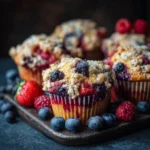
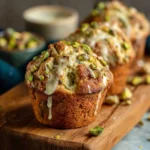
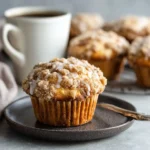
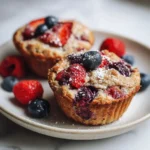
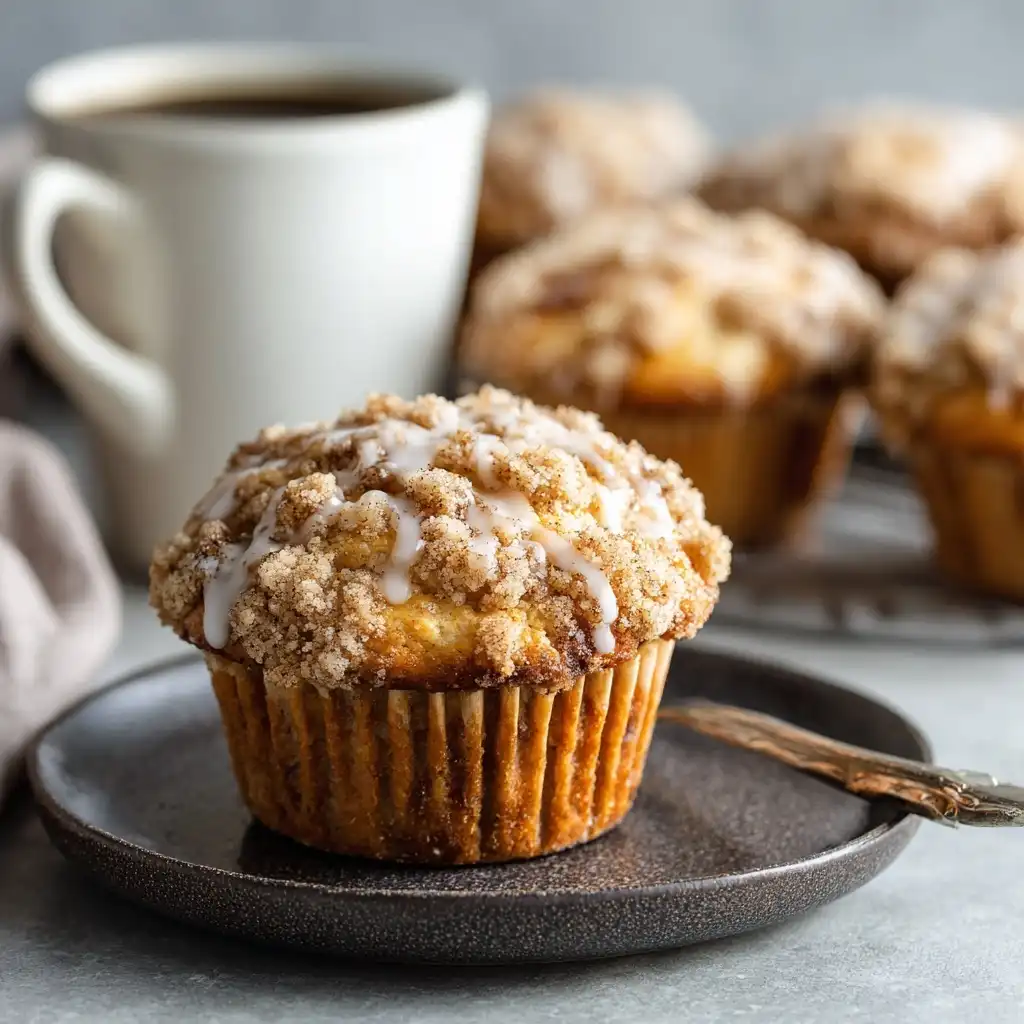
Warm, aromatic, and irresistibly comforting—Cinnamon Streusel Coffee Cake Muffins are the perfect marriage of classic coffee cake nostalgia and convenient, portion-controlled muffin form. These tender, moist muffins capture all the beloved hallmarks of a traditional coffee cake: a rich vanilla-cinnamon crumb, a generous crown of buttery, crunchy streusel topping, and often a delicate ribbon or swirl of cinnamon-sugar filling. Unlike full-sheet coffee cakes that require slicing and serving, these muffins offer individual servings ideal for breakfast, brunch, afternoon tea, or even a wholesome dessert. Their versatility shines in homes, bakeries, cafes, and meal-prep routines alike—baked fresh for weekend indulgence or frozen for grab-and-go ease. Whether you’re a seasoned baker or just beginning your pastry journey, this recipe delivers consistent, crowd-pleasing results with approachable techniques and pantry-friendly ingredients.
The History
The origins of coffee cake trace back to 17th-century Europe, particularly Germany and Scandinavia, where yeast-raised “kaffekuchen” accompanied the newly popular beverage of coffee—a luxury import at the time. These early versions were often simple, lightly sweetened yeast loaves or buns, sometimes enriched with nuts, dried fruit, or spices like cardamom and cinnamon. As coffee culture spread across Europe and into colonial America, the cake evolved: American bakers adapted it using chemical leaveners (baking powder and soda) instead of yeast, yielding quicker, more tender textures. By the late 19th and early 20th centuries, coffee cake had become a staple of Midwestern home baking, especially among German-American and Scandinavian-American communities. The addition of streusel—a German word meaning “sprinkling”—emerged as a defining feature: a crumbly, butter-based mixture of flour, sugar, and spices, traditionally sprinkled over the batter before baking to create a crisp, caramelized crust.
The muffin adaptation is a more modern innovation—gaining momentum in the mid-to-late 20th century alongside the rise of convenience baking and portion-controlled desserts. Cookbooks from the 1960s and ’70s began featuring “coffee cake muffins” as a clever solution for busy homemakers seeking homemade flavor without the fuss of layering or glazing a full cake. The format also aligned with evolving American breakfast habits—moving toward handheld, portable, and kid-friendly options. Today, Cinnamon Streusel Coffee Cake Muffins appear in food blogs, bakery case displays, school lunch menus, and freezer sections of gourmet grocers—testament to their enduring charm and cultural elasticity.
Ingredients Breakdown
Understanding each ingredient’s role ensures success—and empowers thoughtful substitutions. Below is a detailed functional analysis:
- All-Purpose Flour: Provides structure through gluten formation. Its moderate protein content (10–12%) yields a tender yet sturdy crumb—not as dense as cake flour, not as chewy as bread flour. For best results, spoon and level (don’t scoop) to avoid overpacking.
- Granulated Sugar: Sweetens, tenderizes (by interfering with gluten development), aids browning via caramelization, and helps retain moisture. A portion is reserved specifically for the streusel to ensure optimal crunch and contrast.
- Brown Sugar (light or dark): Adds deep molasses notes, moisture, and chewiness—especially critical in the cinnamon swirl and streusel. Dark brown sugar intensifies richness; light offers subtler warmth.
- Baking Powder & Baking Soda: Dual-acting leaveners. Baking powder provides most lift; baking soda (activated by buttermilk’s acidity) enhances browning and tenderness while neutralizing tang. Never substitute one for the other without recalculating pH balance.
- Ground Cinnamon: The soul of the flavor profile. Opt for freshly ground Ceylon or high-quality Saigon cinnamon for complex, floral-woody warmth—not just heat. Pre-ground loses volatile oils within weeks.
- Salt: Not merely for seasoning—it sharpens sweetness, balances fat, and strengthens gluten for better rise. Fine sea salt or kosher salt ensures even distribution.
- Unsalted Butter (softened & cold): Softened butter (65–68°F) creams smoothly with sugar for airy volume in the muffin base; cold cubed butter creates flaky, shattery texture in the streusel. Unsalted allows precise sodium control.
- Large Eggs (room temperature): Emulsify fat and liquid, add structure via proteins, and contribute leavening power when beaten. Cold eggs can seize butter or cause batter to curdle—always bring to room temp (15–20 min out of fridge).
- Buttermilk (or DIY substitute): Acidic dairy tenderizes gluten, activates baking soda, adds subtle tang, and improves shelf life. If unavailable, mix 1 cup whole milk + 1 tbsp white vinegar or lemon juice; let sit 5–10 minutes until slightly curdled.
- Pure Vanilla Extract: Alcohol-based extract (not imitation) delivers layered floral-buttery depth. Mexican or Tahitian vanillas offer nuanced variations—Madagascar remains the gold standard for balance.
- Optional Add-Ins: Chopped toasted pecans or walnuts in streusel lend textural contrast and nutty aroma; a pinch of freshly grated nutmeg or allspice in the cinnamon swirl adds sophistication; a tablespoon of sour cream boosts richness without heaviness.
Step-by-Step Recipe
This meticulously tested method prioritizes texture, flavor layering, and reliability. Yield: 12 standard muffins (or 24 mini muffins).
- Prep & Preheat: Position oven rack in center position. Preheat to 375°F (190°C). Line a standard 12-cup muffin tin with parchment paper liners (preferred for easy release) or grease thoroughly with non-stick spray or softened butter + flour dusting. Set aside.
- Make the Streusel Topping (First!): In a medium bowl, combine ½ cup (100g) granulated sugar, ¼ cup (30g) packed light brown sugar, 1 tsp ground cinnamon, and ¼ tsp fine sea salt. Whisk until uniform. Add 6 tbsp (85g) cold unsalted butter, cut into ¼-inch cubes. Using a pastry cutter, fork, or fingertips, work butter into dry ingredients until mixture resembles coarse crumbs with some pea-sized clumps. Avoid overworking—warm butter melts and creates paste, not crunch. Stir in ⅓ cup (40g) chopped toasted pecans (optional). Refrigerate while preparing batter.
- Prepare the Cinnamon-Sugar Swirl: In a small bowl, mix ⅓ cup (65g) packed light brown sugar, 1½ tsp ground cinnamon, and 1 tbsp all-purpose flour. Set aside.
- Mix Dry Ingredients: In a large bowl, whisk together 2 cups (250g) all-purpose flour, 1½ tsp baking powder, ½ tsp baking soda, 1 tsp ground cinnamon, and ¾ tsp fine sea salt. Ensure no lumps remain—sift if needed.
- Cream Butter & Sugars: In a stand mixer fitted with paddle attachment (or large bowl + hand mixer), beat ½ cup (115g) softened unsalted butter, ¾ cup (150g) granulated sugar, and ¼ cup (50g) packed light brown sugar on medium speed for 2–3 minutes until pale, fluffy, and free of graininess. Scrape bowl thoroughly.
- Incorporate Eggs & Vanilla: Add 2 large room-temperature eggs one at a time, beating on medium-low for 30 seconds after each addition until fully incorporated and glossy. Beat in 2 tsp pure vanilla extract until combined. Do not overmix—stop as soon as uniform.
- Alternate Wet & Dry Additions: Reduce mixer speed to low. Add one-third of dry ingredients; mix until just barely combined (~10 seconds). Pour in half of 1 cup (240ml) room-temperature buttermilk; mix until nearly absorbed. Repeat: another third of dry mix, remaining buttermilk, final third of dry mix—stopping mixer as soon as no dry streaks remain. Batter will be thick, smooth, and slightly shiny. Overmixing develops gluten → toughness.
- Fill Muffin Cups: Spoon ~¼ cup (60g) batter into each lined cup—filling halfway (~⅓ full). Sprinkle 1 heaping tsp of cinnamon-sugar swirl evenly over each portion. Top with remaining batter to fill cups ¾ full (~⅔ full). Smooth tops gently with an offset spatula or damp finger.
- Add Streusel Generously: Remove streusel from fridge. Using a small spoon or your fingers, mound 1–1½ tbsp of streusel directly onto the center of each muffin, pressing down lightly so it adheres. Don’t skimp—the streusel should crown generously, almost spilling over edges for maximum crunch.
- Bake with Precision: Place tin in preheated oven. Bake 18–22 minutes (start checking at 18), rotating pan front-to-back halfway. Muffins are done when tops are deep golden, streusel is crisp and fragrant, and a toothpick inserted *just beside* the streusel (not into it) comes out clean or with moist crumbs (no wet batter). Avoid opening oven before 16 minutes—sudden temperature drop causes collapse.
- Cool Strategically: Let muffins cool in pan on a wire rack for exactly 5 minutes—this sets structure and prevents sticking. Then carefully lift each muffin by its liner and transfer to cooling rack. Cool completely (≈45 minutes) before serving. Warm muffins steam internally, softening streusel; full cooling locks in contrast.
Tips
- Room Temperature Is Non-Negotiable: Cold eggs or buttermilk cause batter to seize, resulting in uneven texture and poor rise. Plan ahead: take dairy and eggs out 1 hour before baking.
- Streusel Integrity Matters: If your kitchen exceeds 72°F (22°C), chill streusel for 10 minutes midway through prep—or pulse cold butter last to maintain integrity. Warm streusel melts into batter instead of staying distinct.
- No Overmixing Zone: Once wet and dry ingredients meet, stir only until no flour is visible. Use a silicone spatula for final folds—gentle folding preserves air bubbles for loft.
- Liner Choice Impacts Texture: Parchment liners yield cleaner release and prevent soggy bottoms better than paper-only liners. For ultra-crisp streusel, consider greasing the tin *and* using liners—double insurance against sticking.
- Oven Thermometer Required: Built-in oven thermostats are notoriously inaccurate (+/- 25°F). An inexpensive oven thermometer ensures precise 375°F baking—critical for proper set and browning.
- Don’t Skip the 5-Minute Rest: This brief steam-release phase firms the muffin’s outer edge, allowing clean liner removal. Removing too soon tears tender crumb; waiting too long traps moisture and softens streusel.
- Freezing for Freshness: Cool completely, then freeze unfrosted muffins in a single layer on a tray for 2 hours. Transfer to airtight freezer bag (remove air) for up to 3 months. Thaw overnight at room temp or reheat in 325°F oven for 8–10 minutes.
- Streusel Storage Hack: Make double-batch streusel and freeze in portioned 1-tbsp scoops on parchment. Freeze solid, then store in jar. Use straight from freezer—no thawing needed.
- Altitude Adjustments: Above 3,000 ft: reduce baking powder by ⅛ tsp, increase oven temp by 15–25°F, and decrease sugar by 1 tbsp per cup to prevent spreading and collapse.
- Visual Doneness Cue: Golden-brown, puffed tops with slight spring-back when gently pressed indicate readiness—even if toothpick shows crumbs. Wet batter means underbaked; dry toothpick in streusel is misleading—always test adjacent crumb.
Variations and Customizations
These muffins serve as a canvas for creativity—flavor, texture, dietary needs, and seasonal inspiration. All variations maintain structural integrity when followed mindfully.
Flavor Twists
- Apple-Cinnamon: Fold 1 cup finely diced peeled Granny Smith apple (tossed in 1 tsp lemon juice) into batter. Add ¼ tsp ground cloves to cinnamon swirl.
- Maple Pecan: Replace 2 tbsp granulated sugar with pure maple syrup in batter; use maple extract instead of vanilla. Toast ½ cup pecans for streusel; drizzle cooled muffins with maple glaze (¼ cup powdered sugar + 1 tbsp maple syrup + ½ tsp milk).
- Chai Spice: Swap cinnamon in batter and swirl with 1½ tsp chai spice blend (cinnamon, ginger, cardamom, clove, black pepper). Steep 1 tea bag in warm buttermilk for 5 minutes before using.
- Orange-Zest: Add 2 tsp finely grated orange zest to batter and 1 tsp to streusel. Pair with 1 tbsp orange liqueur in batter (reduce buttermilk by 1 tbsp).
Dietary Adaptations
- Gluten-Free: Substitute 1:1 gluten-free all-purpose flour blend (with xanthan gum); add ½ tsp xanthan gum if blend lacks it. Increase buttermilk by 1 tbsp for moisture retention.
- Dairy-Free: Use vegan butter (Miyoko’s or Earth Balance sticks) for both batter and streusel; replace buttermilk with 1 cup unsweetened almond milk + 1 tbsp apple cider vinegar.
- Reduced-Sugar: Cut total sugar by ¼ cup (use ½ cup granulated + 3 tbsp brown sugar). Compensate with 1 tsp monk fruit blend or erythritol in streusel. Note: streusel will be less crisp.
- Whole Grain: Replace ½ cup all-purpose flour with white whole wheat flour. Add 1 tbsp ground flaxseed and 1 extra tbsp buttermilk for tenderness.
Textural & Visual Upgrades
- Streusel Swirl: Instead of topping, press streusel into batter surface *before* adding final batter layer—creates a hidden crunchy seam.
- Crème Fraîche Drizzle: Whisk ¼ cup crème fraîche, 1 tsp honey, and ¼ tsp vanilla; drizzle over cooled muffins for tangy elegance.
- Double-Streusel: Layer ½ tsp streusel at muffin base, add batter, then top with full portion—maximizes crunch in every bite.
- Mini Muffin Version: Fill mini tin ¾ full; bake 11–14 minutes. Perfect for parties, kids’ lunches, or sampling multiple variations.
Health Considerations and Nutritional Value
While undeniably indulgent, mindful preparation allows these muffins to fit thoughtfully into balanced eating patterns. A standard muffin (based on this recipe, unadjusted) contains approximately:
- Calories: 285–310 kcal
- Total Fat: 12–14g (7–8g saturated, primarily from butter)
- Carbohydrates: 41–44g (24–27g sugars, including natural lactose from buttermilk)
- Fiber: 0.8–1.2g (low unless whole grain flour or added oats/flax used)
- Protein: 4–5g (from eggs, dairy, flour)
- Sodium: 220–260mg (moderate; easily reduced by cutting salt by ¼ tsp)
Nutritional Highlights & Mitigation Strategies:
- Butter Quality Matters: Grass-fed butter provides higher levels of vitamin K2, CLA (conjugated linoleic acid), and omega-3s versus conventional. While still a saturated fat source, it contributes beneficial micronutrients.
- Cinnamon’s Bioactive Power: Contains cinnamaldehyde and polyphenols linked to improved insulin sensitivity and antioxidant activity. Using 2+ tsp per batch delivers measurable phytonutrient density.
- Buttermilk Benefits: Naturally lower in fat than whole milk, rich in calcium, potassium, and gut-friendly lactic acid bacteria (if cultured, not acidified). Supports digestion and bone health.
- Strategic Reductions: Swapping half the butter for unsweetened applesauce cuts ~60 calories and 7g fat per muffin—but reduces streusel integrity. Better: keep butter, reduce sugar by 2 tbsp, and add 2 tbsp oat bran for fiber + satiety.
- Portion Awareness: At ~300 calories, one muffin fits well as part of a balanced breakfast with Greek yogurt and berries—or as a controlled dessert. Avoid pairing with sugary coffee drinks to manage total added sugar intake.
- Allergen Notes: Contains gluten (wheat), dairy (butter, buttermilk), and eggs. Tree nuts (pecans/walnuts) are optional but common allergens—clear labeling essential for gifting or shared spaces.
For those managing diabetes or metabolic health, pairing a muffin with a protein/fat source (e.g., hard-boiled egg, cottage cheese) slows glucose absorption. Blood sugar response varies widely—monitoring personal response is recommended.
Ingredients
Makes 12 standard muffins
For the Streusel Topping:
- ½ cup (100g) granulated sugar
- ¼ cup (30g) packed light brown sugar
- 1 teaspoon ground cinnamon
- ¼ teaspoon fine sea salt
- 6 tablespoons (85g) cold unsalted butter, cut into ¼-inch cubes
- ⅓ cup (40g) chopped toasted pecans or walnuts (optional but highly recommended)
For the Cinnamon-Sugar Swirl:
- ⅓ cup (65g) packed light brown sugar
- 1½ teaspoons ground cinnamon
- 1 tablespoon all-purpose flour
For the Muffin Batter:
- 2 cups (250g) all-purpose flour, spooned and leveled
- 1½ teaspoons baking powder
- ½ teaspoon baking soda
- 1 teaspoon ground cinnamon
- ¾ teaspoon fine sea salt
- ½ cup (115g) unsalted butter, softened to 65–68°F
- ¾ cup (150g) granulated sugar
- ¼ cup (50g) packed light brown sugar
- 2 large eggs, room temperature
- 2 teaspoons pure vanilla extract
- 1 cup (240ml) buttermilk, room temperature (see note for substitute)
Directions
- Preheat oven to 375°F (190°C). Line a 12-cup standard muffin tin with parchment paper liners or grease thoroughly.
- In a medium bowl, combine streusel ingredients (sugars, cinnamon, salt, cold butter, and nuts if using). Use a pastry cutter or fingers to cut butter into dry ingredients until mixture resembles coarse crumbs with some pea-sized pieces. Refrigerate while preparing batter.
- In a small bowl, whisk together cinnamon-sugar swirl ingredients. Set aside.
- In a large bowl, whisk together flour, baking powder, baking soda, cinnamon, and salt until fully combined.
- In the bowl of a stand mixer fitted with paddle attachment (or large mixing bowl), beat softened butter, granulated sugar, and brown sugar on medium speed for 2–3 minutes until light, fluffy, and pale. Scrape bowl.
- Add eggs one at a time, beating 30 seconds after each until fully incorporated. Beat in vanilla until combined.
- Reduce speed to low. Add one-third of dry ingredients; mix until just combined (~10 sec). Add half the buttermilk; mix until nearly absorbed. Repeat with another third dry, remaining buttermilk, and final third dry—stopping as soon as no dry streaks remain. Do not overmix.
- Spoon ¼ cup (60g) batter into each muffin cup (filling ~⅓ full). Sprinkle 1 heaping tsp cinnamon-sugar swirl over each. Top with remaining batter to reach ~¾ full.
- Remove streusel from fridge. Generously mound 1–1½ tbsp streusel onto center of each muffin, pressing gently to adhere.
- Bake for 18–22 minutes, rotating pan halfway, until tops are deep golden, streusel is crisp, and a toothpick inserted *beside* the streusel comes out clean or with moist crumbs.
- Cool muffins in pan for exactly 5 minutes, then transfer to a wire rack to cool completely (≈45 minutes) before serving.
FAQ
- Can I make these muffins ahead?
- Absolutely. Fully cooled muffins store beautifully: at room temperature in an airtight container for up to 3 days; refrigerated for up to 1 week (slightly denser texture); or frozen for up to 3 months. To refresh, warm frozen muffins in a 325°F oven for 10–12 minutes or microwave 15–20 seconds per muffin.
- Why did my streusel sink into the batter?
- Most commonly caused by warm streusel (butter melted before baking) or overfilled muffin cups. Always refrigerate streusel, and never exceed ¾-full batter level. Also ensure streusel is applied *after* final batter layer—not mixed in.
- Can I omit the buttermilk?
- You can substitute with DIY buttermilk (1 cup milk + 1 tbsp vinegar/lemon juice, rested 5–10 min) or plain kefir (same volume). Avoid skim milk or non-dairy milks without acid—baking soda won’t activate properly, leading to metallic taste and poor rise.
- My muffins rose beautifully then collapsed. What happened?
- Three likely culprits: 1) Opening oven door too early (<16 min), causing rapid temperature drop; 2) Underbaking—structure hasn’t set; 3) Overmixing batter, developing excess gluten that contracts upon cooling. Always use timer + visual cues over strict timing.
- Can I use oil instead of butter?
- Not recommended for streusel (oil won’t create crunch), but you may substitute up to half the butter in the batter with neutral oil (e.g., avocado or grapeseed) for extra moistness—though richness and flavor diminish. Butter is irreplaceable for authentic texture and aroma.
- How do I prevent muffins from sticking to liners?
- Use high-quality parchment liners (not thin paper). Grease the tin *first*, then place liners—this creates a seal. Alternatively, spray liners lightly with non-stick spray before filling. Never skip the 5-minute cooling-in-pan step.
- Can I add blueberries or chocolate chips?
- Yes—with caveats. Toss 1 cup fresh or frozen (unthawed) blueberries in 1 tsp flour before folding in gently at the end of batter mixing. For chocolate, use mini chips or chopped dark chocolate (¼ cup)—add last, folding minimally. Expect slight color bleed with berries; chocolate may soften streusel contact points.
- Is there a way to make them vegan?
- Yes—with careful swaps: use vegan butter sticks (not spreads) for both batter and streusel; flax eggs (2 tbsp ground flax + 5 tbsp water, rested 10 min); cultured coconut or soy buttermilk (1 cup plant milk + 1 tbsp vinegar); and ensure sugars are vegan-certified. Texture will be slightly denser but still delicious.
- What’s the best way to reheat day-old muffins?
- For maximum streusel revival: place on parchment-lined baking sheet, warm in 325°F oven for 7–9 minutes until heated through and crisp again. Microwave reheating (15 sec) works for speed but sacrifices crunch—best for quick breakfasts where texture is secondary.
- Can I bake these in a loaf pan instead?
- Yes—pour batter into greased 9×5-inch loaf pan. Swirl cinnamon-sugar into center. Top with streusel. Bake at 350°F for 55–65 minutes, tenting with foil at 40 minutes to prevent over-browning. Cool 20 minutes in pan before slicing.
Summary
Cinnamon Streusel Coffee Cake Muffins are a