Introduction
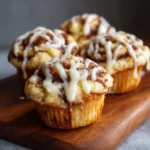
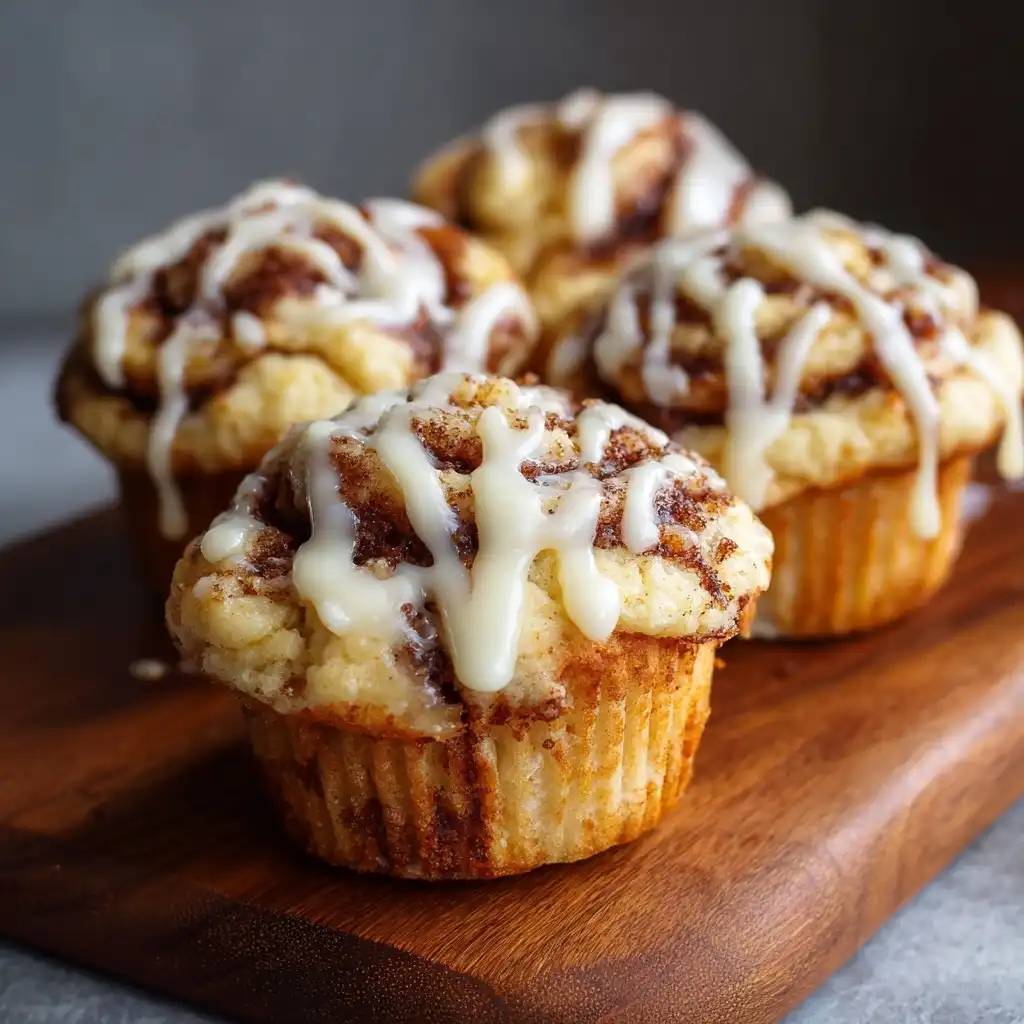
Welcome to the ultimate guide for Cinnamon Roll Swirl Muffins — a decadent, cozy fusion of two beloved breakfast classics. Imagine the rich, buttery warmth of a freshly baked cinnamon roll, reimagined in portable, portion-controlled muffin form — with tender crumb, ribbons of spiced brown sugar filling, and a glossy vanilla glaze that pools just so over golden-domed tops. These aren’t your average muffins; they’re an elevated morning ritual, a weekend treat worth waking up early for, and a showstopping addition to brunch spreads, bake sales, or holiday mornings. Whether you’re a seasoned baker or a curious beginner, this comprehensive deep-dive will equip you with everything you need to master these irresistible swirls — from historical roots to science-backed techniques, nutritional insights, creative riffs, and troubleshooting wisdom.
The History
The cinnamon roll’s origins trace back to 18th-century Sweden, where kardemummabullar — cardamom-scented buns often enriched with cinnamon — evolved into the iconic kardemommbullar and later the Americanized “cinnamon bun” after Swedish immigrants brought their yeast-raised traditions to the Midwest in the late 1800s. Meanwhile, muffins have a far older lineage: English “muffins” (griddle-cooked, yeast-leavened rounds) differ from the quick-bread American muffin — a product of 19th-century chemical leavening innovations like baking soda and later baking powder, which enabled faster, more reliable rise without yeast. The Cinnamon Roll Swirl Muffin is a distinctly modern hybrid — likely emerging in the early 2000s alongside the “gourmet muffin” boom and viral food blogs. It gained traction as home bakers sought ways to capture the sensory joy of cinnamon rolls — gooey center, crisp edges, aromatic spice — without the time-intensive laminating, rolling, and proofing. Early versions appeared in Southern lifestyle magazines and church cookbooks before exploding on Pinterest and Instagram circa 2015–2017, often tagged #SwirlMuffin or #CinnamonRollMuffin. Today, it represents a broader culinary trend: nostalgic deconstruction — honoring tradition while embracing convenience, texture contrast, and visual appeal (that signature spiral!).
Ingredients Breakdown
Every element in these muffins plays a precise functional and flavor role. Let’s demystify them:
- All-Purpose Flour (unbleached preferred): Provides gluten structure for lift and tenderness. Too much = dense muffins; too little = collapse. Bleached flour yields softer crumb but less flavor — unbleached offers better stability and subtle nuttiness.
- Granulated Sugar: Sweetens, aids browning (Maillard reaction), and tenderizes by interfering with gluten formation. Also feeds residual yeast if using buttermilk cultures.
- Brown Sugar (light or dark): Adds moisture, molasses depth, and acidity (enhancing leavening). Dark brown sugar intensifies caramel notes; light yields milder spice balance.
- Baking Powder & Baking Soda: Double-acting baking powder provides primary lift; baking soda neutralizes acidity (from buttermilk, brown sugar, yogurt) and boosts browning. Skipping either compromises height and texture.
- Salt (fine sea or kosher): Enhances all flavors, controls yeast activity (if used), and strengthens gluten. Never omit — even ¼ tsp makes a perceptible difference in complexity.
- Ground Cinnamon (Ceylon or Cassia): Ceylon (“true cinnamon”) is delicate, floral, and nuanced; Cassia (common U.S. variety) is stronger, spicier, and more assertive. For swirls, Cassia stands up better; for batter, a blend adds dimension.
- Nutmeg & Allspice (optional but recommended): Warm, earthy complements to cinnamon. Freshly grated nutmeg is exponentially more aromatic than pre-ground.
- Unsalted Butter (brown butter optional): Adds richness, flakiness in swirls, and moisture. Brown butter introduces toasted, nutty complexity — highly recommended for gourmand versions.
- Large Eggs (room temperature): Bind ingredients, add structure via proteins, and contribute to leavening and emulsification. Cold eggs can cause batter separation.
- Buttermilk (or DIY substitute): Acidic component that activates baking soda, tenderizes gluten, and imparts subtle tang. Full-fat buttermilk yields superior moisture vs. low-fat. DIY: 1 cup milk + 1 tbsp lemon juice/vinegar, sit 5 min.
- Vanilla Extract (pure, not imitation): Deepens sweetness and rounds out spice notes. Mexican or Tahitian vanilla adds intriguing floral layers.
- Heavy Cream or Whole Milk (for swirl): Creates fluidity in the filling so it swirls cleanly without seizing. Low-fat dairy causes separation and graininess.
- Cream Cheese (full-fat, softened): Key for the “cream cheese swirl” variation — adds luxurious tang and velvety richness. Must be truly softened (65–70°F) to prevent lumps.
- Powdered Sugar (for glaze): Dissolves instantly into smooth, glossy finish. Sifted to avoid grittiness.
- Maple Syrup or Honey (glaze enhancer): Adds complexity, sheen, and subtle flavor nuance beyond plain powdered sugar glaze.
Step-by-Step Recipe
- Prep Work (15 mins): Preheat oven to 375°F (190°C). Line a standard 12-cup muffin tin with parchment liners (or grease + flour for extra release). Position rack in center third. Measure all ingredients precisely. Bring eggs, buttermilk, and butter to room temperature (65–70°F). Grate cold butter for swirl (if using).
- Make the Swirl Filling (10 mins): In a small bowl, combine ½ cup brown sugar, 2 tbsp granulated sugar, 1½ tsp ground cinnamon, ¼ tsp nutmeg, and ⅛ tsp salt. Mix thoroughly. Melt 4 tbsp unsalted butter (or brown butter — cool slightly). Stir in 2 tbsp heavy cream. Gradually whisk melted butter mixture into dry swirl spices until a thick, spreadable paste forms. Set aside.
- Whisk Dry Ingredients (3 mins): In a large bowl, sift together 2 cups (250g) all-purpose flour, 2 tsp baking powder, ½ tsp baking soda, 1 tsp ground cinnamon, ¼ tsp nutmeg, ⅛ tsp allspice (optional), and 1 tsp fine sea salt. Whisk 30 seconds to aerate and evenly distribute leaveners.
- Cream Wet Ingredients (5 mins): In a separate medium bowl, beat ¾ cup (150g) granulated sugar and ½ cup (115g) softened unsalted butter with a hand mixer on medium until pale and fluffy (~2 min). Add 2 large eggs, one at a time, beating well after each. Beat in 2 tsp pure vanilla extract until fully incorporated.
- Combine Wet & Dry (2 mins): Pour buttermilk (1 cup / 240ml) into wet mixture. Gently fold in dry ingredients using a silicone spatula — do not overmix. Stop when just a few dry streaks remain. Overmixing develops gluten → tough, tunnelled muffins.
- Layer & Swirl (4 mins): Spoon ~¼ cup batter into each liner, filling ⅓ full. Dollop 1 heaping tsp swirl filling onto center of each. Top with another ¼ cup batter, covering swirl completely. Using a thin skewer or toothpick, make 3–4 gentle figure-8 motions per muffin to create visible, marbled ribbons. Avoid over-swirling — aim for defined, lazy spirals, not grey homogeneity.
- Bake (18–22 mins): Place tin in preheated oven. Bake 18 minutes, then rotate tin front-to-back. Continue baking 2–4 minutes until tops are deeply golden, springs back when lightly touched, and a toothpick inserted *between* swirls (not into filling) comes out clean. Crucial: Do not open oven before 16 mins — sudden temp drop causes sinking.
- Cool & Glaze (15 mins): Let muffins cool in tin 5 minutes. Transfer to wire rack. Cool 10 more minutes until warm (not hot) — glazing hot muffins melts glaze; too cool prevents adhesion. Whisk together 1½ cups (180g) sifted powdered sugar, 2–3 tbsp milk/cream, 1 tsp vanilla, and pinch salt until smooth. Drizzle generously over warm muffins. Optional: sprinkle with flaky sea salt or crushed pecans.
Tips
- Room Temperature is Non-Negotiable: Cold dairy or eggs cause batter to seize, leading to uneven texture and poor rise. Place eggs in warm water for 5 mins; microwave buttermilk at 50% power for 15 sec if needed.
- Measure Flour Correctly: Spoon flour into measuring cup and level with knife. Scooping packs flour → up to 25% excess → dry, dense muffins.
- The “Muffin Method” is Sacred: Cut-in fat method (for biscuits) won’t work here. Use the creaming method for tender crumb and optimal air incorporation.
- Swirl Technique Matters: Too little swirl = hidden filling; too much = grey, muted color. Use a fine skewer, not a knife. Drag slowly from center outward, lifting slightly to create layered ribbons.
- Don’t Skip the Rest: Let batter rest 10 minutes before portioning. Hydration allows flour to fully absorb liquid, yielding more uniform crumb and preventing “tunneling.”
- Oven Thermometer Required: Built-in oven thermostats are often inaccurate. A $10 oven thermometer prevents under/over-baking — the #1 cause of failure.
- Rotate Mid-Bake: Convection ovens may not need this, but conventional ovens have hot spots. Rotation ensures even browning and dome formation.
- Cooling is Part of Baking: Trapped steam continues cooking internally. Removing from tin after 5 minutes stops carryover cooking and prevents soggy bottoms.
- Glaze Timing is Everything: Warm (100–110°F) muffins allow glaze to set with perfect sheen and slight absorption. Test with infrared thermometer or fingertip touch (should feel warm, not hot).
- Storage Wisdom: Un-glazed muffins keep 3 days at room temp in airtight container. Glazed muffins best eaten same day. Freeze unglazed, cooled muffins up to 3 months; thaw overnight, then glaze fresh.
Variations and Customizations
Flavor Twists
- Apple-Cinnamon Swirl: Fold 1 cup finely diced, peeled Granny Smith apples (tossed in 1 tsp lemon juice) into batter. Add ¼ tsp apple pie spice to swirl.
- Pumpkin Spice Swirl: Replace ¼ cup buttermilk with canned pumpkin purée. Boost swirl with 1 tsp pumpkin pie spice + ¼ tsp ginger.
- Maple-Bacon Swirl: Cook 4 slices thick-cut bacon until crisp; crumble. Mix 3 tbsp maple syrup + 2 tbsp brown sugar + 1 tsp cinnamon + bacon bits for swirl.
- Chai-Spiced: Infuse buttermilk with 1 chai tea bag (steep 5 min, cool). Use cardamom, ginger, cloves, and black pepper in swirl instead of cinnamon.
Texture & Richness Upgrades
- Brown Butter Swirl: Brown 6 tbsp butter, cool to 100°F, then use in place of regular butter in swirl. Adds profound nutty aroma.
- Cream Cheese Swirl: Beat 4 oz full-fat softened cream cheese + ¼ cup brown sugar + 1 tsp vanilla until smooth. Swirl 1 tsp per muffin alongside cinnamon filling.
- Streusel Topped: Mix ¼ cup flour, ¼ cup brown sugar, 2 tbsp cold butter, ½ tsp cinnamon, pinch salt. Crumble over batter before baking.
- Chocolate-Cinnamon: Add ½ cup mini chocolate chips to batter. Use cocoa powder (1 tbsp) in dry ingredients for deeper base flavor.
Dietary Adaptations
- Gluten-Free: Substitute 1:1 GF baking blend (like King Arthur or Bob’s Red Mill) + ½ tsp xanthan gum. Increase buttermilk by 1 tbsp.
- Reduced-Sugar: Reduce granulated sugar in batter to ½ cup. Keep brown sugar in swirl for moisture/spice impact. Use monk fruit blend 1:1 in glaze.
- Dairy-Free: Use cultured coconut milk (for buttermilk), vegan butter (Miyoko’s), and flax eggs (2 tbsp ground flax + 5 tbsp water, sit 5 min).
- Protein-Packed: Add 2 scoops vanilla whey or plant protein to dry ingredients. Increase buttermilk by 2 tbsp to compensate.
Health Considerations and Nutritional Value
A single standard Cinnamon Roll Swirl Muffin (approx. 4 oz / 113g, unglazed) contains roughly:
- Calories: 320–360 kcal
- Total Fat: 14–16g (8–9g saturated)
- Carbohydrates: 48–52g (32–36g sugars)
- Protein: 5–6g
- Fiber: 0.8–1.2g
- Sodium: 320–380mg
Nutritional Context & Mindful Enjoyment:
These muffins are inherently indulgent — designed as treats, not daily staples. The high sugar and saturated fat content stem from traditional cinnamon roll DNA (butter, brown sugar, glaze). However, strategic tweaks significantly improve nutritional profile: swapping half the butter for unsweetened applesauce cuts fat by 30% with minimal texture loss; using whole wheat pastry flour adds 2g fiber per muffin; reducing glaze sugar by 25% maintains sweetness perception due to concentrated flavor. Cinnamon itself offers bioactive compounds (cinnamaldehyde) with studied anti-inflammatory and blood sugar-modulating properties — though therapeutic doses exceed culinary amounts. Pairing with Greek yogurt or a hard-boiled egg transforms it into a balanced meal. For those managing diabetes, monitor portion size (½ muffin), pair with protein/fat, and consider low-glycemic sweeteners like erythritol in swirls. Always prioritize ingredient quality — grass-fed butter, organic eggs, and real maple syrup offer superior fatty acid profiles and fewer additives than conventional alternatives. Remember: nutrition is holistic. Joy, tradition, and mindful presence while eating contribute meaningfully to overall wellness — never guilt-trip a well-made, lovingly shared muffin.
Ingredients
For the Muffins:
- 2 cups (250g) all-purpose flour, spooned & leveled
- 2 tsp aluminum-free baking powder
- ½ tsp baking soda
- 1 tsp ground cinnamon
- ¼ tsp freshly grated nutmeg
- ⅛ tsp ground allspice (optional)
- 1 tsp fine sea salt
- ¾ cup (150g) granulated sugar
- ½ cup (115g) unsalted butter, softened to 65°F
- 2 large eggs, room temperature
- 2 tsp pure vanilla extract
- 1 cup (240ml) full-fat buttermilk, room temperature
For the Cinnamon Swirl:
- ½ cup (100g) packed light brown sugar
- 2 tbsp (25g) granulated sugar
- 1½ tsp ground cinnamon
- ¼ tsp freshly grated nutmeg
- ⅛ tsp fine sea salt
- 4 tbsp (57g) unsalted butter, melted and slightly cooled
- 2 tbsp (30ml) heavy cream or whole milk
For the Vanilla Glaze:
- 1½ cups (180g) powdered sugar, sifted
- 2–3 tbsp whole milk or heavy cream
- 1 tsp pure vanilla extract
- Pinch of fine sea salt
- Optional garnish: flaky sea salt, chopped toasted pecans, or crystallized ginger
Directions
- Preheat & Prep: Adjust oven rack to center position. Preheat oven to 375°F (190°C). Line a 12-cup standard muffin tin with parchment paper liners. Have all ingredients measured and at room temperature.
- Make Swirl Filling: In a small bowl, whisk together brown sugar, granulated sugar, 1½ tsp cinnamon, nutmeg, and salt. In a separate small bowl, whisk melted butter and heavy cream. Gradually pour butter mixture into sugar mixture, stirring with a fork until a thick, glossy paste forms. Set aside.
- Mix Dry Ingredients: In a large bowl, sift together flour, baking powder, baking soda, 1 tsp cinnamon, nutmeg, allspice (if using), and salt. Whisk vigorously for 30 seconds to ensure even distribution.
- Cream Butter & Sugar: In a medium bowl, using a hand mixer on medium speed, beat softened butter and granulated sugar for 2–3 minutes until light, fluffy, and pale yellow.
- Add Eggs & Vanilla: Add eggs one at a time, beating well (about 30 seconds) after each addition until fully incorporated. Scrape down sides. Beat in vanilla until combined.
- Combine Wet & Dry: Pour buttermilk into butter-sugar-egg mixture. Whisk gently to combine. Add dry ingredients all at once. Using a silicone spatula, fold gently just until no dry flour remains — about 15–20 folds. Batter will be thick and slightly lumpy. Do not overmix.
- Portion & Swirl: Spoon ¼ cup (60ml) batter into each prepared muffin cup (fills ~⅓). Top each with 1 generous tsp swirl filling. Carefully spoon remaining batter over filling to cover completely (another ¼ cup per cup). Using a thin wooden skewer, make 3–4 slow, deliberate figure-8 motions per muffin to create visible, ribbon-like swirls.
- Bake: Place tin in preheated oven. Bake for 18 minutes. Rotate tin front-to-back. Bake 2–4 more minutes until tops are deep golden brown, domed, and a toothpick inserted *between* swirls comes out clean (not into filling). Total bake time: 20–22 minutes.
- Cool: Let muffins cool in tin for exactly 5 minutes. Use a small offset spatula to loosen edges, then transfer to a wire rack. Cool for 10 more minutes until warm to the touch (100–110°F).
- Glaze & Serve: While muffins cool, whisk powdered sugar, 2 tbsp milk, vanilla, and salt. Add extra milk, ½ tsp at a time, until desired drizzling consistency (like thick honey) is reached. Drizzle generously over warm muffins. Optional: sprinkle with flaky salt or toasted nuts. Best served same day, within 2 hours of glazing.
FAQ
- Can I make these ahead of time?
- Yes! Bake unglazed muffins up to 2 days ahead. Store airtight at room temperature. Glaze just before serving. For longer storage, freeze cooled, unglazed muffins in a single layer on a tray, then transfer to freezer bags for up to 3 months. Thaw overnight at room temperature, warm gently in 300°F oven for 5 minutes, then glaze.
- Why did my swirls disappear or turn grey?
- This happens from overmixing the batter before swirling, or over-swirling after portioning. Ensure batter is mixed *just* until combined (lumps are okay). When swirling, use a fine tool and make only 3–4 gentle passes — stop when ribbons are visible. Grey swirls indicate excessive blending of cinnamon into batter, oxidizing the pigments.
- Can I use oil instead of butter?
- You can substitute melted coconut oil 1:1 in the batter for a dairy-free option, but butter is essential for the swirl — its solid-fat structure creates distinct, meltable ribbons. Oil-based swirls bleed and vanish during baking.
- My muffins sank in the middle. What went wrong?
- Common causes: opening oven too early (before 16 mins), underbaking (toothpick tested in swirl, not batter), expired leaveners (test baking powder in hot water — should fizz vigorously), or overmixing batter. Also check oven temp with a thermometer.
- Can I double this recipe?
- Absolutely — but bake in batches. Doubling leaveners doesn’t scale linearly; use same amounts per batch. Fill tins no more than ⅔ full to ensure even rise. Note: batter holds 30 minutes at room temp if covered.
- What’s the best way to get tall, bakery-style domes?
- Key factors: 1) Don’t underfill — fill cups ⅔ full with batter+swirl. 2) Start at 400°F for first 5 minutes, then reduce to 375°F (creates rapid initial oven spring). 3) Use room-temp ingredients for optimal emulsion and air retention. 4) Avoid opening oven before 16 minutes.
- Are these suitable for kids’ lunchboxes?
- Yes — especially unglazed versions. They travel well and stay moist for 8–10 hours in an insulated lunchbox. For school-safe options, omit nuts and use sunflower seed butter in swirl if nut allergies are a concern.
- Can I bake these as a loaf?
- Yes! Pour batter into a greased 9×5-inch loaf pan. Swirl as directed. Bake at 350°F for 55–65 minutes, until a skewer in center comes out clean. Cool in pan 15 minutes, then transfer. Slice thickly — the swirl pattern shines in cross-section.
Summary
Cinnamon Roll Swirl Muffins are a masterclass in nostalgic reinvention — delivering the soul-warming spice, buttery richness, and visual drama of a classic cinnamon roll in the convenient, portion-perfect format of a tender, domed muffin, achieved through precise ingredient balance, controlled mixing, and intentional swirling technique.
From their Swedish-American heritage to modern kitchen science, every step — from brown butter swirls and rested batter to warm-glazing timing — is engineered for maximum flavor, texture contrast, and joyful, shareable comfort, making them equally at home on a holiday table, a rainy Sunday morning, or as a heartfelt gift wrapped in parchment and twine.