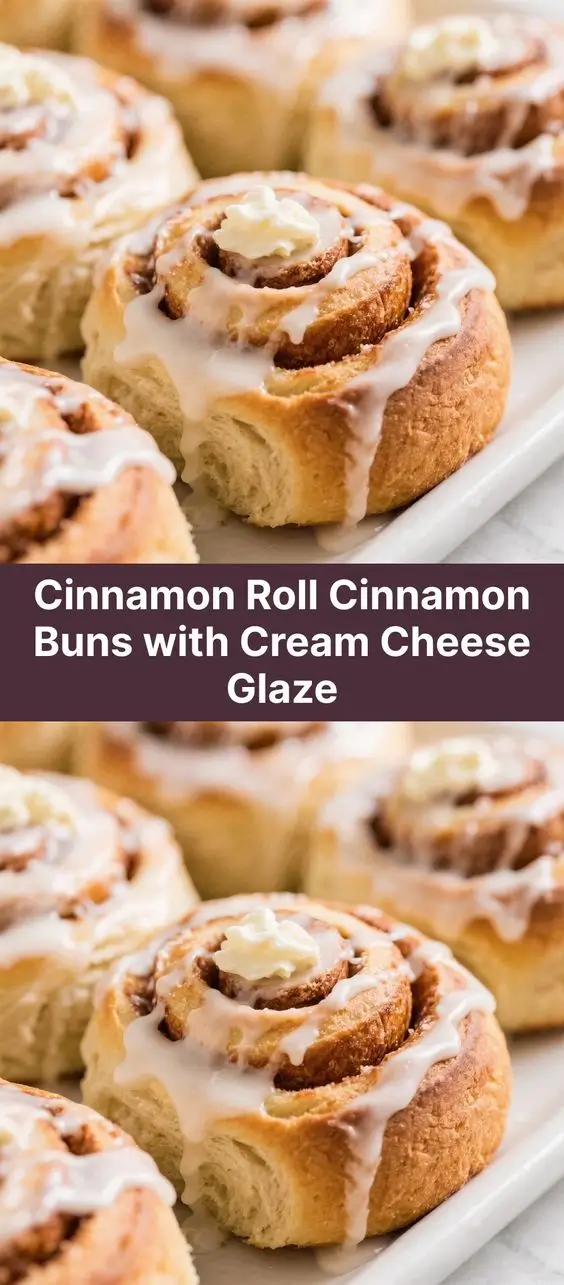
Cinnamon Roll Cinnamon Buns with Cream Cheese Glaze: A Heavenly Homemade Treat
The History of Cinnamon Rolls and Their Global Journey
The cinnamon roll, known as kanelbulle in Sweden, has deep roots in Scandinavian baking traditions that date back to the early 20th century. While spices like cinnamon were once considered luxuries in Northern Europe, their increased availability after the expansion of global trade routes allowed bakers in Sweden and Norway to experiment with sweet yeast breads infused with warm spices. The first documented mention of a kanelbulle-like pastry appeared in Swedish cookbooks around the 1920s, often enjoyed during coffee breaks known as “fika”—a cherished cultural ritual emphasizing connection, comfort, and mindfulness.
As Scandinavian immigrants brought their culinary heritage to North America, especially the United States and Canada, the humble cinnamon roll evolved. American bakers began enriching the dough with butter, eggs, and milk, transforming it into a richer, softer, and more decadent pastry. By the mid-20th century, cinnamon rolls had become staples in diners, bakeries, and home kitchens across the U.S., particularly associated with breakfast, holidays, and Sunday brunches. The addition of cream cheese glaze—a distinctly American twist—elevated the flavor profile with its tangy richness, perfectly balancing the sweetness of the spiced filling.
Today, cinnamon rolls are celebrated worldwide in countless variations—from sticky pecan-topped versions in the Southern U.S. to cardamom-infused Scandinavian renditions. National Cinnamon Roll Day is even observed on October 4th in Sweden, highlighting the pastry’s enduring cultural significance. Whether served warm from the oven or enjoyed cold with a cup of coffee, cinnamon rolls remain a symbol of warmth, indulgence, and homemade love.
Ingredients Breakdown: What Makes These Cinnamon Buns Irresistible
The magic of a perfect cinnamon roll lies not only in technique but also in the quality and balance of ingredients. Each component plays a vital role in creating soft, pillowy buns swirled with aromatic spice and finished with a luscious cream cheese drizzle.
Dough Ingredients:
- Warm Milk (1/2 cup): Activates the yeast without killing it; ideally between 105°F–115°F.
- Active Dry Yeast (2 ¼ tsp): The leavening agent responsible for the light, airy texture. Instant yeast can be substituted for faster results.
- Granulated Sugar (1/4 cup): Feeds the yeast and contributes to browning during baking.
- Salted Butter (1/2 cup, melted): Adds richness and tenderness. Unsalted butter may be used if adjusting salt levels accordingly.
- Egg (1 large): Provides structure, moisture, and a golden crumb.
- All-Purpose Flour (3 to 3 ½ cups): The foundation of the dough. Bread flour can be used for a chewier texture, while cake flour yields a more delicate roll.
- Salt (1 tsp): Enhances flavor and controls yeast activity.
Filling Ingredients:
- Brown Sugar (3/4 cup packed): Offers deep molasses notes and helps create a gooey swirl. Light or dark brown sugar both work well.
- Ground Cinnamon (2 tbsp): The star spice—use high-quality Saigon or Ceylon cinnamon for optimal aroma and heat.
- Unsalted Butter (1/2 cup, softened): Spreadable consistency allows even distribution across the rolled dough.
- Vanilla Extract (1 tsp): Deepens flavor complexity and complements the cinnamon.
Cream Cheese Glaze Ingredients:
- Cream Cheese (4 oz, softened): Full-fat blocks yield better texture than spreadable tubs. Ensures a rich, creamy base.
- Butter (2 tbsp, softened): Blends smoothly with cream cheese for a silky finish.
- Powdered Sugar (1 cup, sifted): Sweetens and thickens the glaze. Sifting prevents lumps.
- Vanilla Extract (1 tsp): Balances the tanginess of the cream cheese.
- Milk or Cream (1–2 tbsp): Adjusts consistency for drizzling perfection.
- Salt (pinch): Cuts through sweetness and enhances overall flavor.
Step-by-Step Recipe: How to Make Perfect Cinnamon Roll Cinnamon Buns at Home
- Activate the Yeast: In a small bowl, combine warm milk, sugar, and yeast. Stir gently and let sit for 5–10 minutes until foamy. This indicates the yeast is active and ready to use.
- Prepare the Dough: In a large mixing bowl or stand mixer fitted with a dough hook, combine the yeast mixture, melted butter, egg, salt, and 2 cups of flour. Mix on low speed until combined. Gradually add remaining flour, 1/4 cup at a time, until a soft, slightly sticky dough forms—about 3 to 3 ½ cups total.
- Knead the Dough: Turn the dough onto a lightly floured surface and knead for 5–7 minutes by hand (or 4–5 minutes in a mixer) until smooth and elastic. The dough should spring back when pressed.
- First Rise: Place the dough in a greased bowl, turning to coat. Cover with a damp cloth or plastic wrap and let rise in a warm place for 1 to 1.5 hours, or until doubled in size.
- Make the Filling: While the dough rises, beat together the softened butter, brown sugar, cinnamon, and vanilla extract in a medium bowl until it forms a spreadable paste. Set aside.
- Roll Out the Dough: Punch down the risen dough and transfer it to a floured surface. Roll into a rectangle approximately 16×12 inches, with the longer side facing you.
- Spread the Filling: Evenly spread the cinnamon-sugar-butter mixture over the entire surface, leaving a 1/2-inch border along the far edge to prevent oozing.
- Roll the Dough: Starting from the near long edge, tightly roll the dough into a log. Pinch the seam to seal. Use dental floss or a sharp knife to cut into 12 equal pieces (about 1.5 inches wide).
- Second Rise: Arrange the rolls cut-side up in a greased 9×13-inch baking pan, leaving space between them. Cover and let rise again for 30–45 minutes, until puffy and nearly touching.
- Bake the Rolls: Preheat oven to 350°F (175°C). Bake the rolls for 20–25 minutes, or until golden brown and cooked through. An internal temperature of 190°F indicates doneness.
- Prepare the Glaze: While the rolls bake, beat cream cheese, butter, powdered sugar, vanilla, salt, and 1 tablespoon of milk until smooth. Add more milk if needed for a pourable consistency.
- Glaze the Buns: Allow rolls to cool for 5–10 minutes before drizzling generously with cream cheese glaze. Serve warm.
Tips for Baking the Best Cinnamon Rolls Every Time
- Use a Thermometer for Milk: Too hot, and you’ll kill the yeast; too cold, and it won’t activate. Aim for 105°F–115°F.
- Don’t Over-Flour the Dough: Excess flour leads to dense, dry rolls. Add flour gradually until the dough pulls away from the bowl but remains slightly tacky.
- Rise in a Warm Spot: Place the bowl in an oven with the light on, near a warm stovetop, or inside a microwave with a cup of hot water to encourage rising.
- Chill Before Cutting (Optional): For cleaner cuts, refrigerate the rolled log for 15–20 minutes before slicing.
- Use Dental Floss to Slice: Slide unflavored dental floss under the log, cross the ends over the top, and pull to slice cleanly without squishing the rolls.
- Don’t Overbake: Remove rolls when they’re golden and just set. Overbaking dries them out, especially since they continue cooking slightly from residual heat.
- Glaze While Warm: Apply the cream cheese glaze while the buns are still warm so it melts slightly and seeps into the crevices—but not so hot that it melts off completely.
- Double the Batch: These freeze beautifully unbaked or baked. Assemble and freeze on a tray, then transfer to a bag. Bake from frozen, adding 5–10 extra minutes.
Variations and Customizations: Elevate Your Cinnamon Buns
While classic cinnamon rolls are timeless, there’s no limit to creative twists you can try. Here are some popular and delicious variations:
- Streusel-Topped Rolls: Add a crunchy crumb topping made from flour, brown sugar, butter, and cinnamon before baking.
- Pecan Sticky Rolls: Line the baking pan with melted butter, brown sugar, corn syrup, and chopped pecans. Place rolls on top, then flip after baking for a gooey, upside-down effect.
- Apple Cinnamon Rolls: Layer finely diced apples (like Granny Smith or Honeycrisp) into the filling for a fruity twist.
- Orange Zest Glaze: Add 1 tsp of orange zest to the cream cheese glaze for a bright, citrusy contrast.
- Walnut or Hazelnut Rolls: Fold chopped toasted nuts into the filling for added crunch and nutty depth.
- Chocolate Swirl Rolls: Sprinkle mini chocolate chips or Nutella along with the cinnamon filling.
- Whole Wheat or Gluten-Free Version: Substitute up to half the all-purpose flour with whole wheat pastry flour. For gluten-free, use a 1:1 GF blend and add 1 tsp xanthan gum.
- Vegan Cinnamon Rolls: Replace dairy with almond milk, use vegan butter and cream cheese, and substitute the egg with a flax egg (1 tbsp ground flax + 3 tbsp water).
- Mini Cinnamon Rolls: Use a muffin tin to make bite-sized versions—perfect for parties or portion control.
- Espresso Glaze: Add 1 tsp of instant espresso powder to the glaze for a mocha-inspired treat.
Health Considerations and Nutritional Value
Cinnamon rolls are undeniably indulgent, but understanding their nutritional content can help you enjoy them mindfully.
Nutritional Profile (Per Roll, Approximate):
- Calories: ~320–380 kcal
- Total Fat: 14–18g (mostly from butter and cream cheese)
- Saturated Fat: 8–10g
- Carbohydrates: 48–55g
- Sugars: 30–36g (including added sugars from filling and glaze)
- Protein: 5–6g
- Sodium: 200–300mg
- Fiber: 1–2g (can be increased with whole grain flour substitutions)
Health Notes:
Cinnamon offers potential health benefits, including anti-inflammatory properties and blood sugar regulation due to compounds like cinnamaldehyde. However, these effects are modest and shouldn’t replace medical treatment. The high sugar and fat content in traditional recipes means moderation is key—especially for individuals managing diabetes, heart conditions, or weight.
To make healthier versions:
- Reduce sugar in the filling and glaze by 25–30%.
- Use Greek yogurt instead of cream cheese in the glaze to lower fat and increase protein.
- Replace half the butter with unsweetened applesauce or mashed banana.
- Opt for coconut sugar or maple syrup as natural sweeteners (though they still count as added sugars).
- Serve with fresh fruit on the side to balance the meal.
Full Ingredient List
Dough:
- 1/2 cup whole milk, warmed
- 2 ¼ tsp (1 packet) active dry yeast
- 1/4 cup granulated sugar
- 1/2 cup unsalted butter, melted
- 1 large egg
- 3 to 3 ½ cups all-purpose flour
- 1 tsp salt
Filling:
- 3/4 cup packed brown sugar
- 2 tbsp ground cinnamon
- 1/2 cup unsalted butter, softened
- 1 tsp vanilla extract
Cream Cheese Glaze:
- 4 oz cream cheese, softened
- 2 tbsp unsalted butter, softened
- 1 cup powdered sugar, sifted
- 1 tsp vanilla extract
- 1–2 tbsp milk or heavy cream
- Pinch of salt
Directions Recap
- In a bowl, mix warm milk, sugar, and yeast. Let foam for 10 minutes.
- In a large bowl, combine yeast mixture, melted butter, egg, salt, and 2 cups flour. Mix in remaining flour until dough forms.
- Knead until smooth and elastic. Place in greased bowl, cover, and rise for 1–1.5 hours until doubled.
- Beat filling ingredients together. Set aside.
- Roll dough into a 16×12-inch rectangle. Spread filling evenly over surface.
- Roll tightly from the long edge. Cut into 12 slices using floss or knife.
- Arrange in greased 9×13-inch pan. Cover and rise 30–45 minutes.
- Bake at 350°F for 20–25 minutes until golden.
- While baking, prepare glaze by beating all glaze ingredients until smooth.
- Cool rolls slightly, then drizzle with glaze. Serve warm.
Frequently Asked Questions (FAQ)
Can I make cinnamon rolls ahead of time?
Yes! Assemble the rolls and place them in the pan, then cover and refrigerate overnight. In the morning, let them sit at room temperature for 30 minutes before baking. Alternatively, bake and glaze them, then reheat gently before serving.
Can I freeze cinnamon rolls?
Absolutely. Freeze baked rolls (unglazed) for up to 3 months. Thaw at room temperature and rewarm before adding fresh glaze. You can also freeze unbaked rolls—let rise after thawing, then bake as directed.
Why did my rolls come out dense?
This could be due to too much flour, expired yeast, insufficient rising time, or over-kneading. Ensure your yeast is fresh and measure flour correctly using the spoon-and-level method.
Can I use instant yeast instead of active dry?
Yes. Instant yeast can be mixed directly into the dry ingredients without blooming. You may reduce the proofing time slightly, as instant yeast acts faster.
How do I store leftover cinnamon rolls?
Keep in an airtight container at room temperature for up to 2 days or refrigerate for up to 5 days. Reheat in the microwave for 15–20 seconds or in a 300°F oven for 5 minutes.
Is there a dairy-free version?
Yes. Use plant-based milk, vegan butter, and dairy-free cream cheese. Ensure all substitutes are softened for proper blending.
What’s the best way to reheat cinnamon rolls?
For best texture, reheat in a 325°F oven for 8–10 minutes. Microwaving works quickly but can make them soggy—cover with a damp paper towel to preserve moisture.
Can I make these in a different pan?
Yes. Use two 8-inch round pans, a 9×9 square pan, or individual ramekins. Adjust baking time as needed based on crowding and depth.
Summary
Homemade cinnamon roll cinnamon buns with cream cheese glaze are a luxurious yet comforting treat that fills your kitchen with warmth and nostalgia. With a soft, fluffy dough, rich cinnamon-sugar swirl, and velvety glaze, each bite delivers pure indulgence.