Introduction
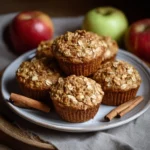
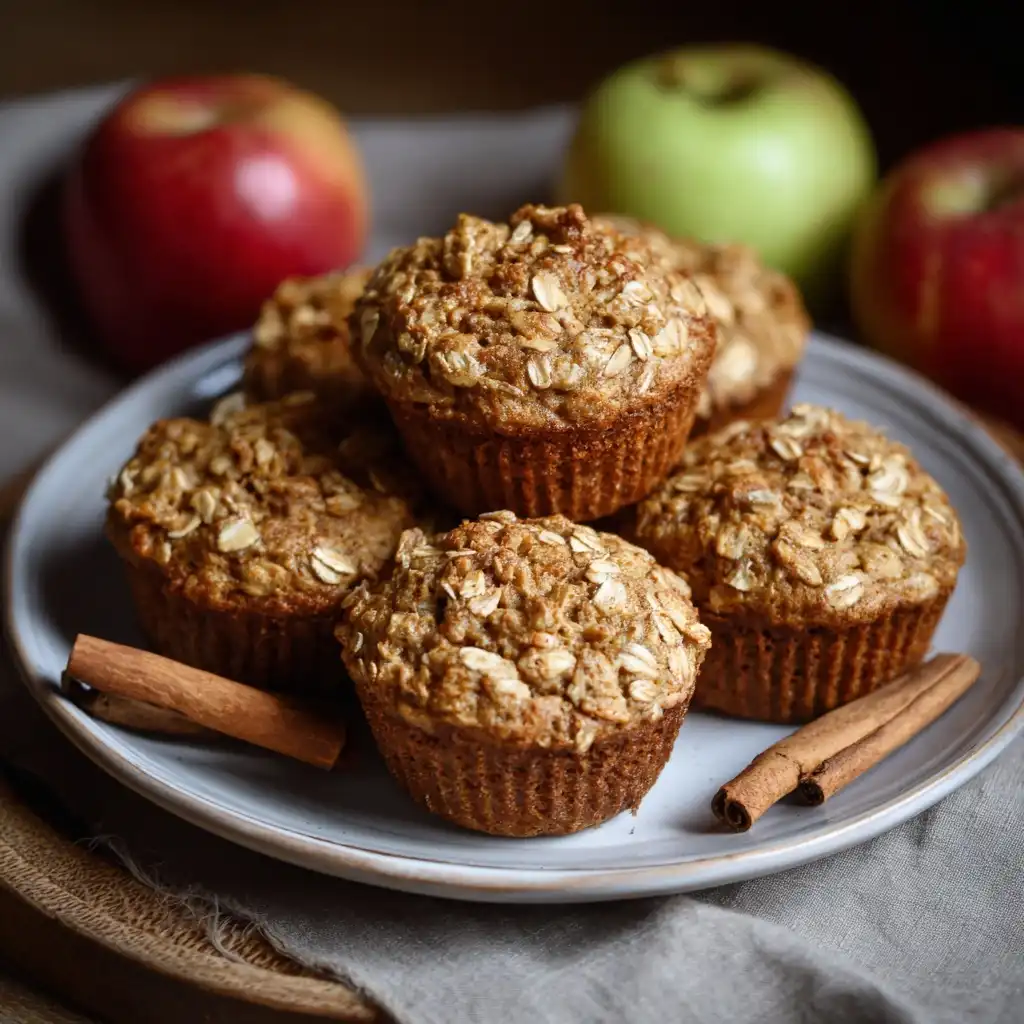
Warm, comforting, and irresistibly aromatic—Cinnamon Apple Oat Muffins are the quintessential fall (and year-round!) breakfast or snack that bridges homey tradition with wholesome modern nutrition. These tender, moist muffins combine the natural sweetness of ripe apples, the earthy warmth of ground cinnamon, the hearty chew of old-fashioned oats, and the gentle structure of whole-grain oat flour or all-purpose flour—creating a muffin that feels indulgent yet nourishing. Whether enjoyed fresh from the oven with a pat of butter, packed into lunchboxes, or reheated on chilly mornings, they deliver consistent flavor, satisfying texture, and a nostalgic hug in every bite. Designed for simplicity without sacrificing depth, this recipe prioritizes accessible ingredients, minimal equipment, and flexible techniques—making it ideal for beginner bakers and seasoned cooks alike.
The History
Cinnamon Apple Oat Muffins are a delicious evolution of several longstanding American baking traditions. Muffins themselves trace their roots to early 18th-century England as “muffin cakes” baked on griddles—later adapted in colonial America using pearlash (a primitive leavening agent) before baking powder revolutionized quick breads in the mid-1800s. Apples have long been a cornerstone of American agriculture and pantry staples since the 1600s, with varieties like Northern Spy and Rhode Island Greening inspiring countless baked goods—from pies to pandowdies to apple brown betty. Oats, though native to Europe, gained widespread popularity in the U.S. in the late 19th century thanks to advances in steel-cut and rolled oat processing by companies like Quaker Oats (founded in 1877), which promoted oats as both economical and healthful. Cinnamon, once a luxury spice imported along ancient trade routes, became more affordable and ubiquitous in American kitchens by the early 20th century. The fusion of these four pillars—apple, cinnamon, oat, and muffin—emerged organically in mid-century community cookbooks, church fundraisers, and home economics curricula as families sought economical, filling, and flavorful ways to use seasonal produce and pantry staples. By the 1980s and ’90s, the rise of health-conscious baking further elevated oat-based muffins, often touting fiber, reduced sugar, and whole grains—setting the stage for today’s beloved Cinnamon Apple Oat Muffin: a cross-generational favorite steeped in practicality, frugality, and heartfelt hospitality.
Ingredients Breakdown
Every ingredient in this recipe serves a precise functional and sensory role—no filler, no afterthought:
- Apples (2 medium, ~300g peeled and finely diced): Preferably firm, tart-sweet varieties like Honeycrisp, Braeburn, or Granny Smith for balanced flavor and structural integrity. Finely dicing ensures even distribution and prevents large pockets of moisture that could cause sinking or tunneling. The natural pectin in apples also contributes to binding and tenderness.
- Old-Fashioned Rolled Oats (1 ½ cups / 135g): Not instant or quick oats—these retain ideal chew and absorbency. They hydrate during mixing and resting, swelling gently to lend body and a subtle nuttiness. A portion is often blended into oat flour for added structure, while the rest remains whole for textural contrast.
- Oat Flour (½ cup / 45g): Either store-bought or freshly ground from rolled oats. Provides gluten-free binding power (thanks to beta-glucan), fine crumb structure, and enhances the oat-forward aroma. Acts as a partial or full substitute for all-purpose flour in many versions, increasing fiber and reducing refined grain content.
- All-Purpose Flour (½ cup / 60g) or Whole Wheat Pastry Flour (optional substitute): Adds lightness and lift without heaviness; whole wheat pastry flour offers more nutrients and a delicate whole-grain note. Avoid regular whole wheat flour here—it can yield dense, gritty muffins unless properly balanced.
- Baking Powder (2 tsp) & Baking Soda (¼ tsp): A dual-leavening system for optimal rise and tenderness. Baking powder provides primary lift, while baking soda neutralizes acidity from apples and brown sugar—and enhances browning and flavor development.
- Ground Cinnamon (1 ½ tsp), Nutmeg (¼ tsp), and Allspice (⅛ tsp, optional but recommended): This warm, layered spice trio creates complexity beyond single-note cinnamon. Freshly ground spices yield significantly brighter, more nuanced flavor than pre-ground (especially if stored >6 months).
- Brown Sugar (¾ cup / 150g, lightly packed): Dark or light—both work. Its molasses content adds moisture, caramel depth, acidity (for leavening activation), and hygroscopic properties that keep muffins soft for days. Granulated sugar alone would produce drier, less flavorful results.
- Unsweetened Applesauce (⅓ cup / 80g): Adds natural fruit sweetness, moisture, and binding—all without added fat. It replaces some oil/butter while improving shelf life and tenderness. Homemade or no-sugar-added store-bought only.
- Neutral Oil (⅓ cup / 80ml, e.g., avocado, grapeseed, or light olive oil): Ensures rich mouthfeel and even crumb without dairy. Butter may be substituted (melted and cooled), but oil yields superior moisture retention and longer freshness. Avoid strongly flavored oils like extra virgin olive oil or coconut oil (unless refined) unless intentionally desired.
- Eggs (2 large, room temperature): Provide emulsification, structure, and leavening assistance. Flax or chia “eggs” can be used for vegan versions (1 tbsp ground seed + 2.5 tbsp water per egg, rested 5 mins), though texture will be slightly denser.
- Plain Greek Yogurt or Buttermilk (¼ cup / 60g): Adds acidity (boosting rise and tenderness), protein, and subtle tang. Full-fat or 2% preferred—nonfat can dry out the crumb. For dairy-free, use unsweetened soy or oat yogurt with live cultures.
- Pure Vanilla Extract (1 ½ tsp): Madagascar or Mexican vanilla enhances warmth and rounds out spice notes. Imitation extract lacks depth and can taste artificial at this concentration.
- Salt (¾ tsp fine sea salt or kosher salt): Critical for balancing sweetness and amplifying all other flavors—not detectable as “salty,” but unmistakably missing if omitted.
- Optional Add-Ins: Chopped walnuts or pecans (½ cup, toasted), raisins or dried cranberries (¼ cup, plumped in warm apple cider), or a coarse cinnamon-sugar swirl topping (2 tbsp sugar + 1 tsp cinnamon + 1 tbsp melted butter, sprinkled pre-bake).
Step-by-Step Recipe
- Prep & Preheat: Position oven rack in center position. Preheat oven to 375°F (190°C). Line a standard 12-cup muffin tin with parchment paper liners (or grease and flour thoroughly—paper liners prevent sticking and simplify removal; avoid spray-only coatings, which often fail with oat-heavy batters).
- Prepare Apples: Peel, core, and finely dice apples into ¼-inch pieces (no larger—this ensures even cooking and avoids raw chunks or mushy pockets). Toss immediately with 1 tsp lemon juice to prevent oxidation and preserve brightness.
- Blend Dry Base: In a high-speed blender or food processor, pulse ½ cup of the rolled oats until finely ground into flour (about 30–45 seconds). Transfer to a large mixing bowl. Add remaining 1 cup rolled oats, oat flour (if using separate), all-purpose or whole wheat pastry flour, baking powder, baking soda, cinnamon, nutmeg, allspice, and salt. Whisk vigorously for 45 seconds to fully aerate and evenly distribute leaveners and spices.
- Cream Wet Ingredients: In a separate medium bowl, whisk together brown sugar and oil until smooth and glossy (~1 minute). Add eggs one at a time, whisking well after each addition until fully emulsified. Stir in applesauce, yogurt (or buttermilk), and vanilla—mix just until uniform. Do not overmix at this stage.
- Combine Wet & Dry: Pour wet mixture over dry ingredients. Using a flexible silicone spatula, fold gently in a “figure-8” motion—cutting down the center, sweeping across the bottom, and lifting up—just until *no dry streaks remain*. This takes ~12–15 folds. Batter will be thick, lumpy, and shaggy—*do not overmix*, or muffins will be tough and tunnelled.
- Incorporate Apples (& Optional Mix-Ins): Gently fold in diced apples (and nuts/raisins, if using) with 4–5 careful strokes—just until evenly dispersed. Overmixing at this point releases excess apple juice and deflates air bubbles.
- Rest the Batter (Highly Recommended): Cover bowl with clean kitchen towel or plastic wrap. Let rest at room temperature for 20–30 minutes. During this time, oats fully hydrate, gluten relaxes, and flavors meld—resulting in taller, more evenly risen, and supremely tender muffins. Skipping this step yields flatter, slightly gummier results.
- Portion & Top: Use a ¼-cup ice cream scoop or two spoons to divide batter evenly among 12 muffin cups—fill each liner *generously* to the brim (¾–⅞ full) for bakery-style domed tops. If using cinnamon-sugar topping, sprinkle ½ tsp evenly over each mound just before baking.
- Bake: Place tin in preheated oven. Bake for 18 minutes—then rotate tin front-to-back. Continue baking 5–7 more minutes, or until a wooden skewer inserted into the center of a center muffin comes out clean or with *moist crumbs* (not wet batter). Total bake time: 23–25 minutes. Avoid opening oven before 18 minutes—temperature drops hinder rise.
- Cool Strategically: Remove tin from oven. Let muffins cool in pan for exactly 5 minutes—this sets structure and prevents collapse. Then transfer carefully to a wire rack. Cool completely (≥45 minutes) before storing or freezing. Cutting into warm muffins releases steam and causes gumminess.
Tips
- Apple Selection Matters: Underripe apples lack sweetness and flavor; overripe ones turn to mush. Choose apples that are crisp, fragrant, and yield slightly to gentle palm pressure.
- Grate vs. Dice? Grated apple adds more moisture and blends seamlessly—but reduces textural interest and increases risk of soggy bottoms. Diced is strongly preferred for balance and visual appeal.
- Room-Temperature Eggs & Dairy: Cold ingredients cause batter to seize, create uneven emulsification, and reduce volume. Pull them from the fridge 30+ minutes ahead.
- No Overmixing—Ever: Once wet meets dry, count your folds. Stop when you see *only a few small flour patches*. Batter should look rustic—not smooth or shiny.
- Measure Flour Correctly: Spoon flour into measuring cup and level with straight edge—never scoop directly from bag (causes 20–25% overmeasuring = dense muffins).
- Calibrate Your Oven: Use an independent oven thermometer. Many ovens run hot or cold—baking at 400°F instead of 375°F causes rapid dome collapse and burnt edges.
- Altitude Adjustments: Above 3,000 ft? Reduce baking powder by ⅛ tsp, increase liquid by 1–2 tbsp, and raise oven temp by 15–25°F. Bake time may shorten by 1–3 minutes.
- Freeze for Freshness: Cool completely, then freeze in single layer on tray for 2 hours. Transfer to airtight freezer bag (remove air) for up to 3 months. Thaw at room temp or reheat in toaster oven at 325°F for 6–8 minutes.
- Revive Stale Muffins: Wrap individually in damp paper towel and microwave 10–15 seconds—or toast halves face-down in skillet with butter until golden.
- Make-Ahead Batter: Unbaked batter keeps refrigerated (covered) for up to 24 hours. Stir gently before portioning—may thicken slightly; add 1 tsp milk if too stiff.
Variations and Customizations
- Vegan Version: Replace eggs with flax eggs (2 tbsp ground flaxseed + 5 tbsp water, rested 5 min); use maple syrup (¾ cup) instead of brown sugar (reduce other liquids by 1 tbsp); choose plant-based yogurt and oil. Add ½ tsp apple cider vinegar to activate baking soda.
- Gluten-Free: Substitute certified GF oat flour + ¼ cup almond flour + ¼ tsp xanthan gum. Ensure all oats and baking powder are certified GF (cross-contamination is common).
- Lower-Sugar: Reduce brown sugar to ½ cup and add 2 tbsp unsweetened applesauce + 1 tsp monk fruit blend (or erythritol). Texture remains excellent; flavor slightly less caramelized.
- Protein-Packed: Stir in 2 scoops unflavored or cinnamon whey/collagen peptides (adds ~20g protein per batch). No texture change—just extra staying power.
- Spiced Pear Variation: Swap apples for ripe but firm Anjou or Bartlett pears (peeled, cored, diced). Add 1 tsp ginger + pinch cardamom for brightness.
- Oatmeal Cookie Muffins: Add ¼ cup mini chocolate chips + 2 tbsp chopped toasted oats + 1 tsp espresso powder (enhances chocolate and deepens spice).
- Savory-Sweet Herb Twist: Omit cinnamon/nutmeg; add 1 tsp fresh rosemary (finely minced), 2 tbsp grated Parmesan, and ¼ cup caramelized onions—ideal for brunch.
- Mini Muffins: Fill 24-cup mini muffin tin ⅔ full. Bake at 375°F for 11–13 minutes. Perfect for kids’ snacks or appetizers.
- Streusel-Topped: Combine ⅓ cup flour, ⅓ cup brown sugar, 1 tsp cinnamon, 3 tbsp cold butter (cubed), and pinch salt. Cut in with pastry cutter until pea-sized crumbs form. Sprinkle generously pre-bake.
- Overnight Oats Hybrid: Prepare batter as directed, refrigerate overnight, then stir in ¼ cup chia seeds + 2 tbsp hemp hearts before baking for extra omega-3s and crunch.
Health Considerations and Nutritional Value
Per standard muffin (1/12 of recipe, ~85g), estimated values (using Honeycrisp apples, light brown sugar, and avocado oil):
- Calories: ~215 kcal
- Total Fat: 8.2g (1.3g saturated)
- Carbohydrates: 34g (including 3.8g dietary fiber and 17g naturally occurring sugars from apple + brown sugar)
- Protein: 3.5g
- Sodium: 145mg
- Potassium: 165mg
- Vitamin C: 6% DV (from apple + lemon juice)
- Iron: 6% DV
- Calcium: 4% DV
Key Health Highlights:
- Oats Provide Soluble Fiber: Beta-glucan helps support healthy cholesterol levels, stabilize blood sugar response, and promote satiety—making these muffins far more sustaining than traditional white-flour muffins.
- Apples Contribute Polyphenols: Quercetin and chlorogenic acid in apple skin (if left on) offer antioxidant, anti-inflammatory, and potential cognitive benefits—though peeling is recommended for consistent texture.
- No Refined White Flour Dominance: With ≥75% of flour content from oats (whole grain), this recipe significantly boosts magnesium, B-vitamins, and phytonutrients versus conventional muffins.
- Reduced Added Sugar Profile: At 14g added sugar per muffin (vs. 25–35g in commercial versions), this aligns with American Heart Association guidelines for women (<25g/day) and men (<36g/day)—especially when enjoyed without glaze or frosting.
- Naturally Low in Sodium: Unlike many packaged baked goods, this version uses minimal salt for flavor—not preservation—supporting heart-healthy dietary patterns.
- Notable Considerations: While nutritious, these remain a baked good—not a meal replacement. Pair with protein (Greek yogurt, hard-boiled egg, nut butter) and healthy fat for balanced breakfasts. Those managing diabetes should monitor portion size and pair with fiber/fat/protein to mitigate glycemic impact. Always consult a registered dietitian for personalized guidance.
Ingredients
- 2 medium apples (Honeycrisp, Braeburn, or Granny Smith), peeled, cored, and finely diced (about 1 ¼ cups / 300g)
- 1 tsp fresh lemon juice
- 1 ½ cups (135g) old-fashioned rolled oats, divided
- ½ cup (45g) oat flour (store-bought or homemade from rolled oats)
- ½ cup (60g) all-purpose flour or whole wheat pastry flour
- 2 tsp aluminum-free baking powder
- ¼ tsp baking soda
- 1 ½ tsp ground cinnamon
- ¼ tsp ground nutmeg
- ⅛ tsp ground allspice (optional but recommended)
- ¾ cup (150g) light or dark brown sugar, firmly packed
- ⅓ cup (80ml) neutral oil (avocado, grapeseed, or light olive oil)
- ⅓ cup (80g) unsweetened applesauce
- ¼ cup (60g) plain full-fat or 2% Greek yogurt or buttermilk
- 2 large eggs, room temperature
- 1 ½ tsp pure vanilla extract
- ¾ tsp fine sea salt or kosher salt
- Optional: ½ cup chopped toasted walnuts or pecans; ¼ cup plumped raisins or dried cranberries; cinnamon-sugar topping (2 tbsp sugar + 1 tsp cinnamon + 1 tbsp melted butter)
Directions
- Preheat oven to 375°F (190°C). Line a 12-cup muffin tin with parchment liners or grease and flour thoroughly.
- In a small bowl, toss diced apples with lemon juice. Set aside.
- In a blender or food processor, pulse ½ cup of the rolled oats until finely ground into flour (30–45 sec). Transfer to a large mixing bowl. Add remaining 1 cup rolled oats, oat flour, all-purpose (or whole wheat pastry) flour, baking powder, baking soda, cinnamon, nutmeg, allspice, and salt. Whisk vigorously for 45 seconds until fully combined and aerated.
- In a medium bowl, whisk brown sugar and oil until smooth and glossy (~1 min). Add eggs one at a time, whisking well after each. Whisk in applesauce, yogurt (or buttermilk), and vanilla until uniform.
- Pour wet ingredients over dry. Using a flexible spatula, fold gently in a figure-8 motion just until no dry flour remains (~12–15 folds). Batter will be thick and lumpy.
- Gently fold in apples (and nuts/raisins, if using) with 4–5 strokes—just until evenly distributed.
- Cover bowl and let batter rest at room temperature for 20–30 minutes.
- Using a ¼-cup scoop or two spoons, divide batter evenly among 12 muffin cups, filling each to the brim (¾–⅞ full). If using cinnamon-sugar topping, sprinkle ½ tsp over each.
- Bake for 18 minutes, rotate tin, then bake 5–7 more minutes—until a skewer inserted in center comes out clean or with moist crumbs. Total time: 23–25 minutes.
- Cool muffins in pan for 5 minutes, then transfer to wire rack. Cool completely (≥45 min) before storing.
FAQ
- Can I use instant oats? No—instant oats disintegrate and create a gummy, pasty texture. Stick to old-fashioned rolled oats only.
- Why did my muffins sink in the middle? Most common causes: underbaking, opening oven too early, overmixing batter, expired leaveners, or excessive apple moisture (ensure apples are well-diced—not grated—and tossed in lemon juice).
- Can I make these ahead for the week? Absolutely! Cool completely, then store in an airtight container at room temperature for up to 3 days, or refrigerate for up to 1 week. Reheat 10–15 sec in microwave or 5–6 min in 325°F oven.
- My batter seems dry—is that normal? Yes. Oat-based batters are naturally thicker and shaggier than cake-like muffin batters. If it’s truly crumbly and won’t hold together, add 1 tsp milk or applesauce—no more.
- Can I omit the oil? Oil is essential for moisture and texture. Substituting applesauce entirely will result in dry, crumbly muffins. You may replace up to half the oil with applesauce—but not all.
- Do I need to peel the apples? Highly recommended. Skins can become tough or papery when baked and interfere with tender crumb development. Save peels for compost or apple scrap vinegar!
- Can I double the recipe? Yes—but bake in batches. Doubling leaveners and mixing in one huge bowl risks uneven incorporation and overmixing. Use two separate bowls and tins.
- Why use both baking powder AND baking soda? Baking powder provides primary lift; baking soda reacts with acidic ingredients (brown sugar, apples, yogurt) to boost rise, enhance browning, and improve tenderness. Omitting either compromises height and texture.
- Are these suitable for freezing? Excellent candidates for freezing! Cool completely, freeze uncovered on tray for 2 hrs, then pack in labeled freezer bags. Reheat from frozen in toaster oven at 325°F for 10–12 minutes or microwave 20–25 seconds wrapped in damp paper towel.
- What’s the best way to store leftovers? Keep in a single layer in an airtight container with a paper towel at bottom and top to absorb excess moisture. Avoid plastic bags unless vented—they trap steam and accelerate spoilage.
Summary
Cinnamon Apple Oat Muffins are a masterclass in humble, soul-warming baking—melding the bright sweetness of seasonal apples, the cozy depth of freshly ground cinnamon, and the hearty, fiber-rich satisfaction of whole oats into tender, golden-domed muffins that stay moist for days.
With flexible substitutions, make-ahead ease, nutritional integrity, and endless customizability—from vegan and gluten-free to protein-packed or streusel-topped—they’re not just a recipe, but a versatile, beloved baking foundation for every season and every kitchen.