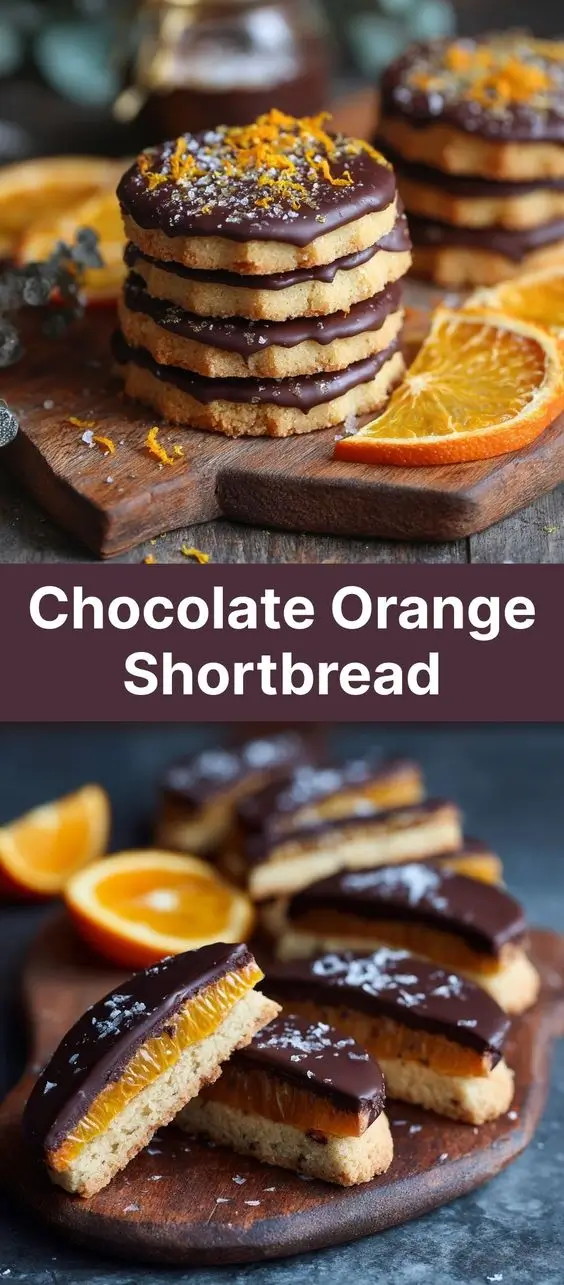
Chocolate Orange Shortbread: A Decadent Twist on a Classic Favorite
The union of rich, buttery shortbread with the bright zing of citrus and deep allure of chocolate might sound modern, but its roots trace back to centuries-old traditions. Shortbread itself originated in Scotland during the 12th century as a way to extend the life of leftover bread dough—eventually evolving into a delicacy made from simple ingredients: flour, sugar, and butter. By the 16th century, it had become a staple at royal banquets and festive gatherings. The addition of flavorings like orange blossoms or citrus zest began appearing in European recipes during the Renaissance, when trade routes brought exotic fruits to the continent. Chocolate, introduced later from the Americas, was initially consumed as a beverage before being incorporated into baked goods in the 19th century. It wasn’t until the 20th century that bakers began experimenting with combining chocolate and citrus flavors in cookies and bars, giving rise to modern confections like the Chocolate Orange Shortbread—a luxurious treat that marries Old World craftsmanship with contemporary taste preferences.
Ingredients Breakdown: Why Every Component Matters
The magic of Chocolate Orange Shortbread lies not only in its flavor but in the careful balance of high-quality ingredients. Each plays a specific role in creating the perfect texture and taste profile:
- Unsalted Butter (1 cup, softened): The cornerstone of any good shortbread. Using unsalted butter allows control over salt levels and ensures freshness. Its high fat content provides the melt-in-your-mouth texture that defines shortbread.
- Powdered Sugar (1/2 cup): Also known as confectioners’ sugar, this finely ground sugar dissolves easily, contributing to a tender crumb without graininess. It also helps create a smoother dough compared to granulated sugar.
- All-Purpose Flour (2 cups): Provides structure. Sifted for even distribution, it prevents clumping and yields a lighter cookie.
- Cocoa Powder (1/3 cup, unsweetened): Adds deep chocolate flavor and color. Dutch-processed cocoa offers a smoother, less acidic taste, while natural cocoa gives a more intense tang—choose based on preference.
- Orange Zest (from 1 large orange): The essential oil-rich outer peel imparts a vibrant citrus aroma without adding moisture. Only use untreated, organic oranges to avoid pesticides.
- Vanilla Extract (1 teaspoon): Enhances overall flavor complexity and rounds out sharp edges from cocoa and citrus.
- Salt (1/4 teaspoon): Balances sweetness and intensifies other flavors. Often overlooked, it’s crucial for depth.
- Dark Chocolate (4 oz, melted): Used for drizzling or dipping. Opt for 60–70% cacao for a bittersweet contrast that complements the buttery base.
- Optional Glaze (powdered sugar + orange juice): A light glaze can be brushed on cooled cookies for extra shine and zesty sweetness.
Step-by-Step Recipe: Crafting Perfection One Batch at a Time
- Preheat & Prepare: Preheat your oven to 325°F (165°C). Line a 9×13-inch baking pan with parchment paper, leaving overhang on two sides for easy removal.
- Cream Butter and Sugar: In a large mixing bowl, beat softened unsalted butter and powdered sugar together using an electric mixer on medium speed until light and fluffy (about 3 minutes).
- Add Flavorings: Mix in vanilla extract and freshly grated orange zest. Ensure the zest is evenly distributed—this is where much of the aromatic punch comes from.
- Combine Dry Ingredients: In a separate bowl, whisk together all-purpose flour, cocoa powder, and salt. Sift if necessary to remove lumps.
- Incorporate Gradually: Slowly add the dry mixture to the wet ingredients, mixing on low speed until just combined. Do not overmix—this develops gluten and leads to tough cookies.
- Press Into Pan: Transfer the soft, chocolate-orange dough into the prepared pan. Use a silicone spatula or the back of a spoon to press it down evenly, ensuring consistent thickness across the surface.
- Chill (Optional but Recommended): For cleaner cuts and reduced spread, chill the dough in the pan for 20–30 minutes before baking.
- Bake Until Set: Place in the center rack of the oven and bake for 25–30 minutes, or until the top looks dry and set, and a toothpick inserted near the center comes out clean. Avoid overbaking; shortbread should remain pale underneath.
- Cool Completely: Allow the shortbread to cool in the pan on a wire rack for at least 30 minutes before lifting it out using the parchment overhang.
- Cut Into Shapes: While still slightly warm (but not hot), score or cut into squares, rectangles, or diamonds with a sharp knife. Let cool completely before handling.
- Decorate (Optional): Drizzle with melted dark chocolate using a piping bag or fork. For elegance, sprinkle with flaky sea salt or additional orange zest after drizzling.
- Rest Before Serving: Allow decorated cookies to sit at room temperature until the chocolate sets (about 30–60 minutes).
Tips for Flawless Chocolate Orange Shortbread Every Time
- Use Room-Temperature Butter: Cold butter won’t cream properly, leading to a dense texture. Leave it out for 45–60 minutes before starting.
- Zest First, Juice Later: Always zest the orange before juicing it. Once cut, the oils begin to dissipate, reducing potency.
- Don’t Overbake: Shortbread continues to firm up as it cools. Remove it when the edges are just beginning to pull away from the pan and the center feels barely firm.
- Sharp Knife Is Key: Use a thin, sharp knife dipped in hot water and wiped dry between cuts for clean edges.
- Uniform Thickness: Press the dough evenly—too thick in the middle? It won’t cook through. Too thin at the edges? They’ll burn.
- Freeze for Clean Cutting: If making intricate shapes, freeze the baked slab for 15 minutes before cutting.
- Storage Wisdom: Store in an airtight container at room temperature for up to 1 week. Freeze undrizzled shortbread for up to 3 months—thaw before decorating.
Variations and Customizations: Make It Your Own
While classic Chocolate Orange Shortbread is divine on its own, endless creative possibilities exist:
- Lemon or Grapefruit Zest: Swap orange for lemon for a brighter note, or pink grapefruit for a floral-tart twist.
- Spiced Version: Add 1/4 teaspoon ground cinnamon, a pinch of cardamom, or even a dash of cayenne for warmth and intrigue.
- Gluten-Free Option: Replace all-purpose flour with a 1:1 gluten-free blend containing xanthan gum. Add 1/2 teaspoon extra butter if dough seems crumbly.
- Vegan Adaptation: Use plant-based butter (like Miyoko’s or Earth Balance) and ensure cocoa and chocolate are dairy-free. Flax eggs aren’t needed—the dough is naturally eggless.
- Double Chocolate: Fold in 1/2 cup mini chocolate chips for added decadence.
- Layered Bars: Create a three-layer bar by sandwiching plain orange shortbread with chocolate shortbread, or vice versa.
- Almond Flour Addition: Substitute 1/2 cup of flour with finely ground almond meal for nutty richness and a softer bite.
- Espresso Kick: Add 1 teaspoon instant espresso powder to enhance chocolate depth without making it coffee-flavored.
- Filled Centers: After baking and cooling, pipe in ganache, orange curd, or Nutella for a gourmet touch.
Health Considerations and Nutritional Value
Shortbread is inherently indulgent—rich in fats and sugars—but enjoyed in moderation, it can fit into a balanced diet. Here’s what you need to know:
- Butter Content: High in saturated fat, which should be limited per dietary guidelines. However, grass-fed butter contains beneficial fatty acids like conjugated linoleic acid (CLA).
- Sugar Levels: This recipe uses 1/2 cup powdered sugar for about 24 servings—roughly 1 teaspoon per piece. To reduce, consider erythritol-based powdered sugar substitutes, though texture may vary.
- Flour Choice: All-purpose flour has a high glycemic index. Those managing blood sugar may opt for whole wheat pastry flour or oat flour alternatives, though results will differ in texture.
- Cocoa Benefits: Dark cocoa powder is rich in flavonoids—antioxidants linked to heart health and improved circulation. Choose non-alkalized (natural) cocoa for higher antioxidant retention.
- Portion Control: These treats are calorie-dense (~120–150 calories per square). Serve small portions with tea or coffee to savor slowly.
- Allergens: Contains dairy and wheat. Vegan and gluten-free versions address common restrictions.
- Natural Ingredients: Unlike many commercial cookies, homemade versions lack preservatives, artificial flavors, and trans fats.
Average nutritional breakdown per serving (1 of 24 pieces):
| Calories | 130 |
|---|---|
| Total Fat | 8g |
| Saturated Fat | 5g |
| Cholesterol | 20mg |
| Sodium | 45mg |
| Total Carbohydrates | 14g |
| Dietary Fiber | 1g |
| Sugars | 7g |
| Protein | 1g |
Full Ingredient List Recap
- 1 cup (2 sticks / 226g) unsalted butter, softened
- 1/2 cup (60g) powdered sugar, sifted
- 2 cups (250g) all-purpose flour
- 1/3 cup (30g) unsweetened cocoa powder (Dutch-processed or natural)
- Zest of 1 large orange (about 1 tablespoon)
- 1 teaspoon pure vanilla extract
- 1/4 teaspoon fine sea salt
- 4 oz (115g) dark chocolate, melted (plus optional coconut oil for smooth drizzle)
- (Optional) 1–2 tablespoons fresh orange juice for glaze
Directions Recap
- Preheat oven to 325°F (165°C); line 9×13-inch pan with parchment.
- Cream butter and powdered sugar until fluffy (~3 mins).
- Mix in vanilla and orange zest.
- Whisk flour, cocoa, and salt; gradually blend into wet mix.
- Press dough evenly into pan; chill 20–30 mins (optional).
- Bake 25–30 mins until set and lightly cracked.
- Cool fully before cutting into shapes.
- Drizzle with melted dark chocolate; garnish as desired.
- Allow chocolate to set before storing or serving.
Frequently Asked Questions (FAQ)
Can I make Chocolate Orange Shortbread without a mixer?
Yes! While an electric mixer makes creaming easier, you can use a wooden spoon and strong arms. Soften the butter well and beat vigorously until smooth and creamy.
Why did my shortbread turn out too crumbly?
This usually means there wasn’t enough fat or moisture. Double-check measurements—especially butter—and ensure the dough is pressed firmly into the pan. Chilling before baking helps bind the fats.
Can I use orange extract instead of zest?
You can, but fresh zest delivers superior aroma and brightness. If substituting, use 1/2 teaspoon orange extract along with a little zest if available. Avoid artificial extracts when possible.
How do I store these cookies long-term?
Store in an airtight container at room temperature for up to 1 week. For longer storage, freeze undecorated shortbread in layers separated by parchment for up to 3 months. Thaw and decorate before serving.
Can I double the recipe?
Absolutely. Just use a larger pan (e.g., half-sheet) or bake in batches. Maintain the same thickness for consistent baking time.
Is this recipe suitable for gifting?
Perfect for holiday gifts! Package in decorative tins or cellophane bags tied with ribbon. Include a tag noting “Contains Dairy and Wheat” if sharing with others.
Why does my shortbread crack while baking?
Minor surface cracking is normal due to butter expansion and setting. Excessive cracking may result from overbaking, too much flour, or rapid oven heat. Use an oven thermometer to verify accuracy.
Can I add nuts or dried fruit?
Yes, though traditionalists may frown! Try folding in 1/3 cup chopped toasted walnuts, pecans, or dried cranberries for texture contrast. Reduce flour slightly (by 1–2 tbsp) if adding bulky mix-ins.
Summary
Chocolate Orange Shortbread blends the velvety richness of buttery shortbread with the sophisticated harmony of dark cocoa and fresh citrus zest, creating a timeless treat that delights the senses. Easy to make, endlessly customizable, and perfect for sharing, it’s a modern classic rooted in centuries of baking tradition.